
San Francisco’s Cable Cars
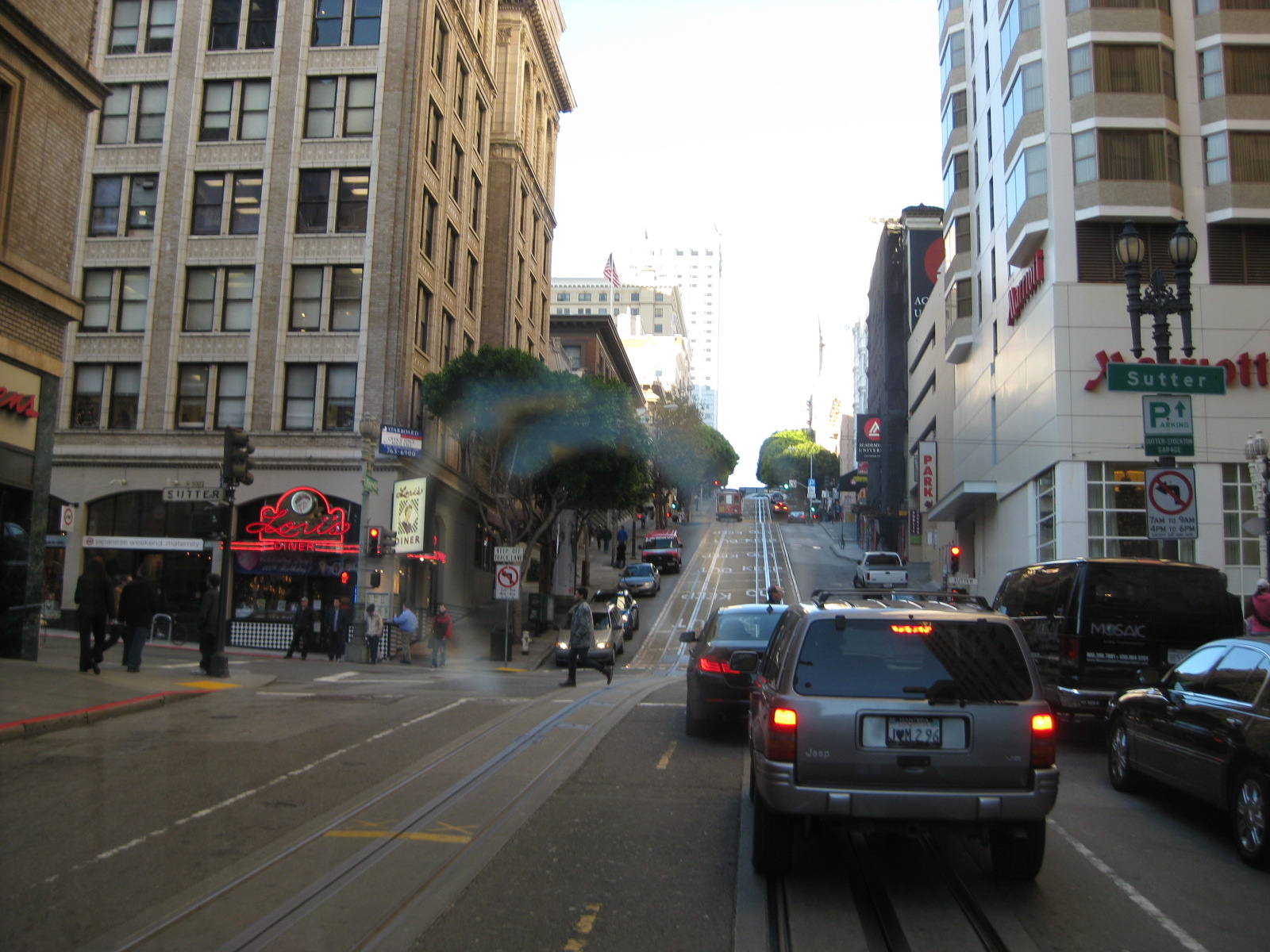
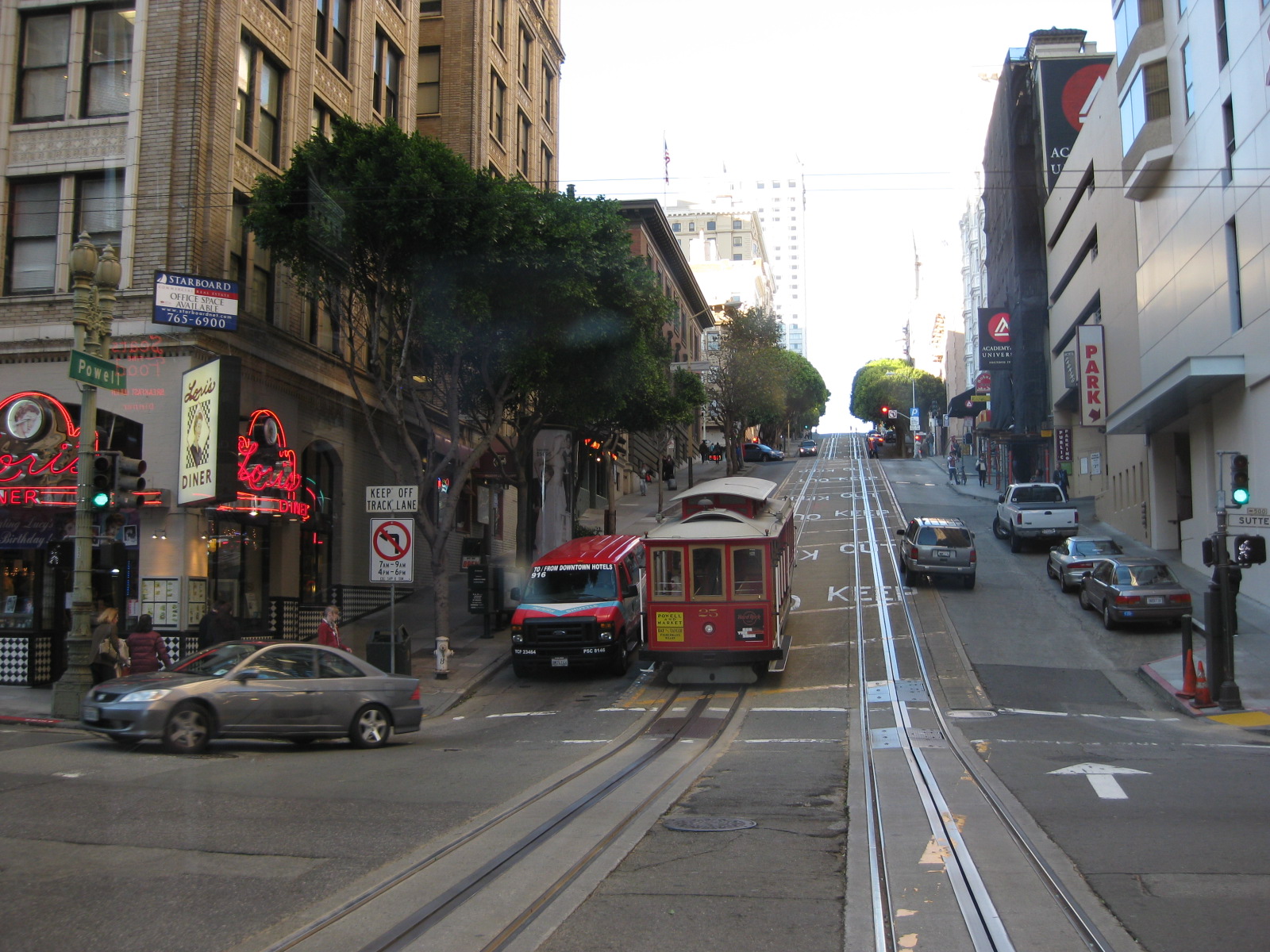
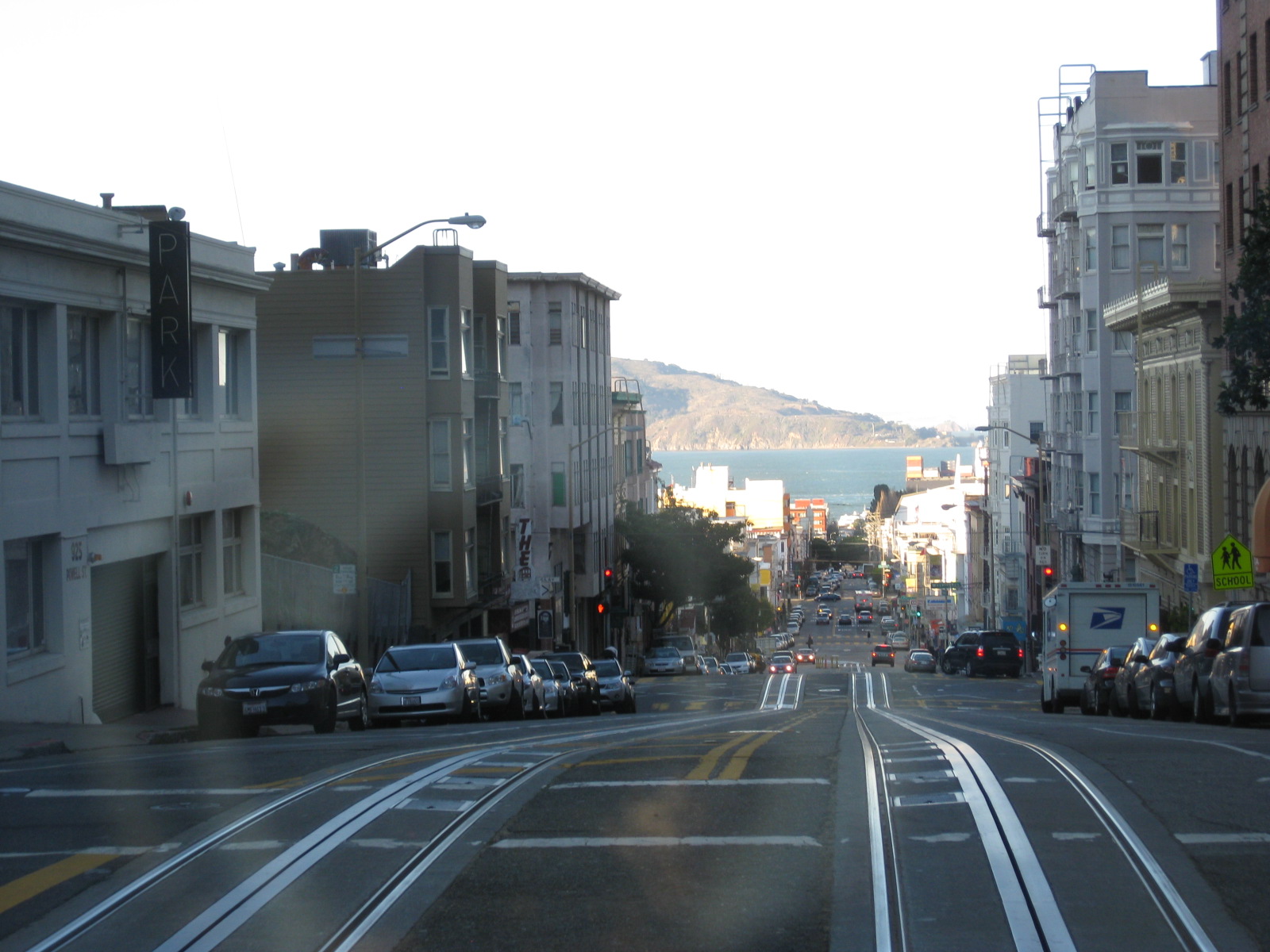
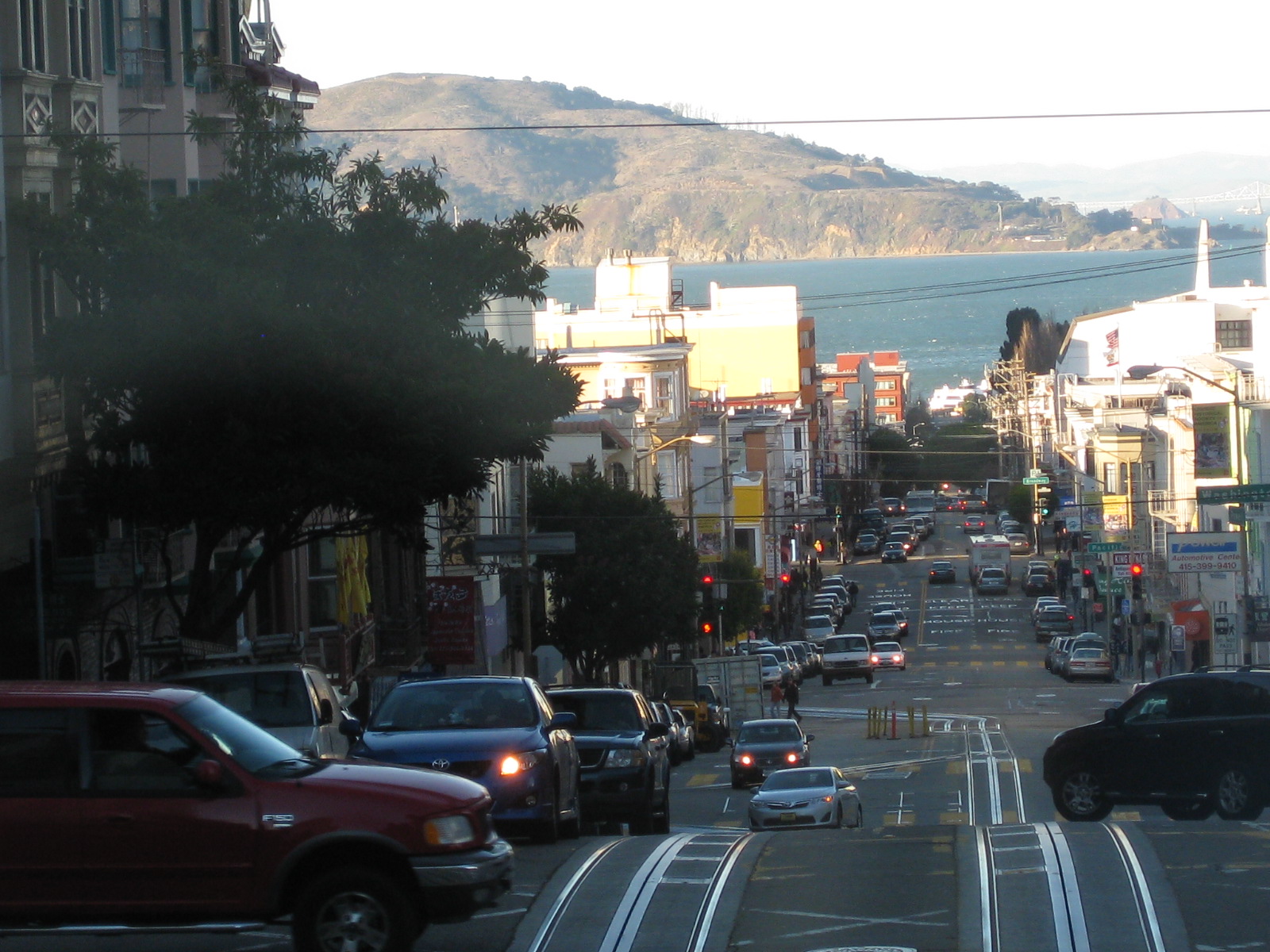
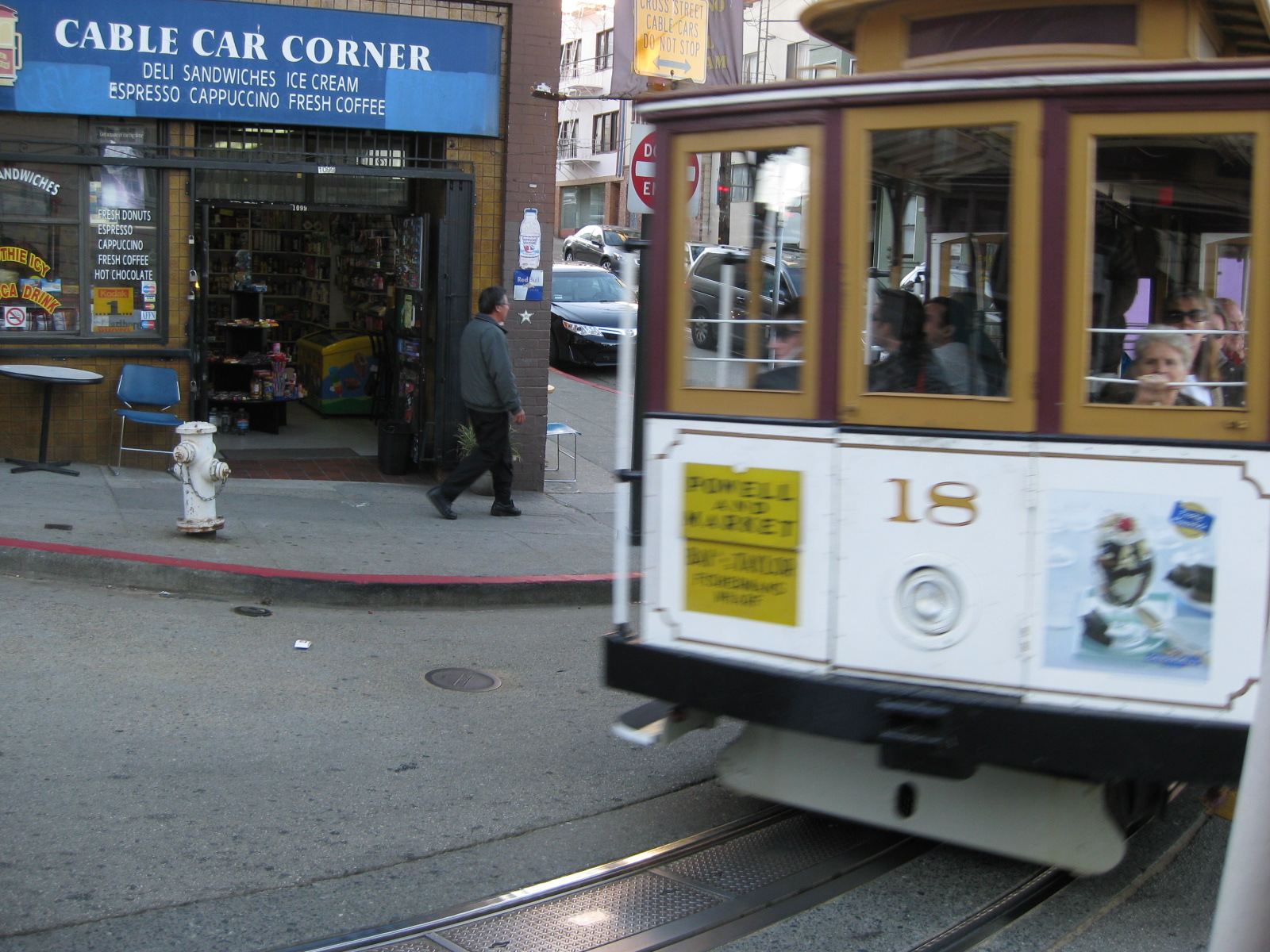
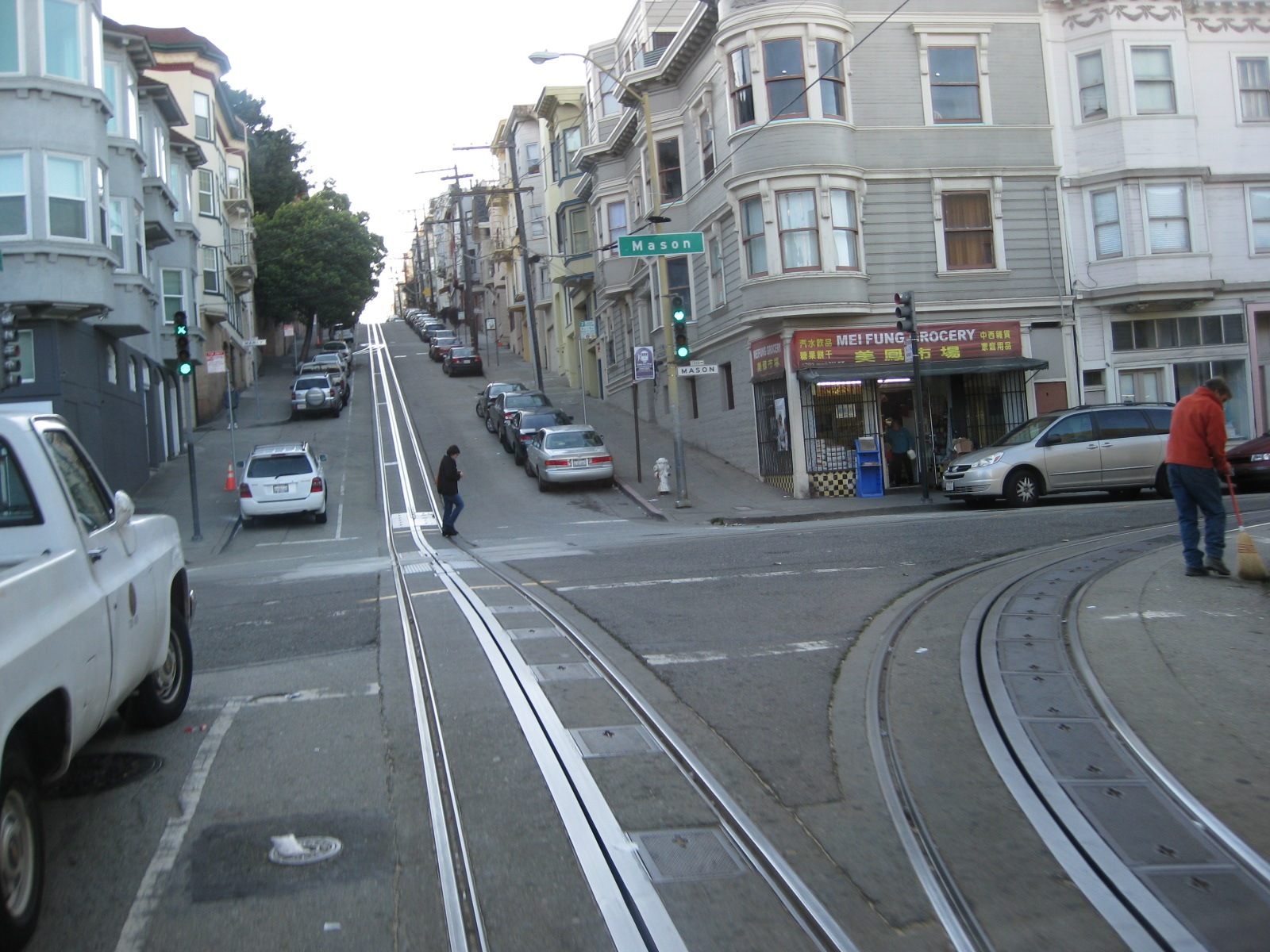
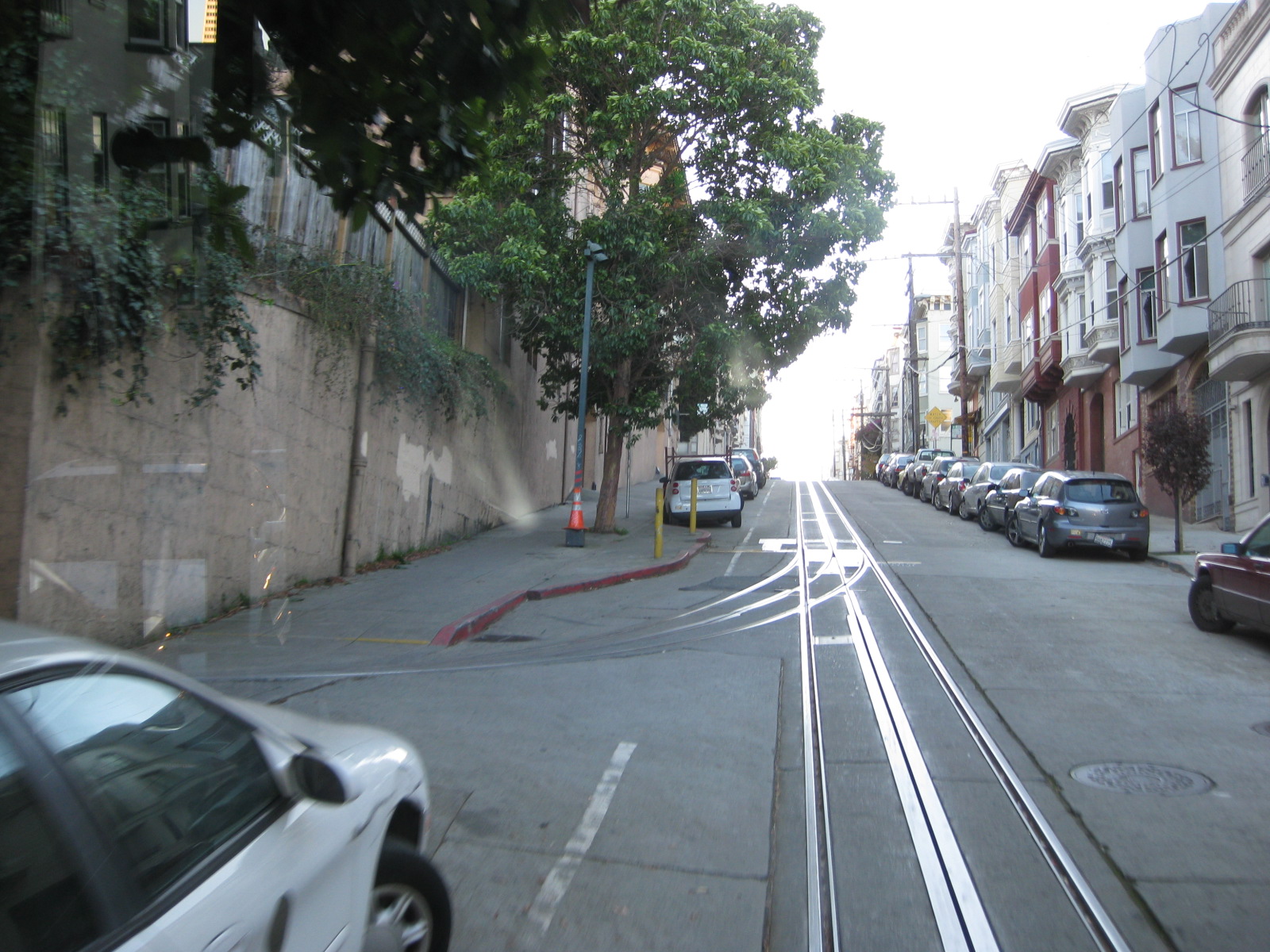
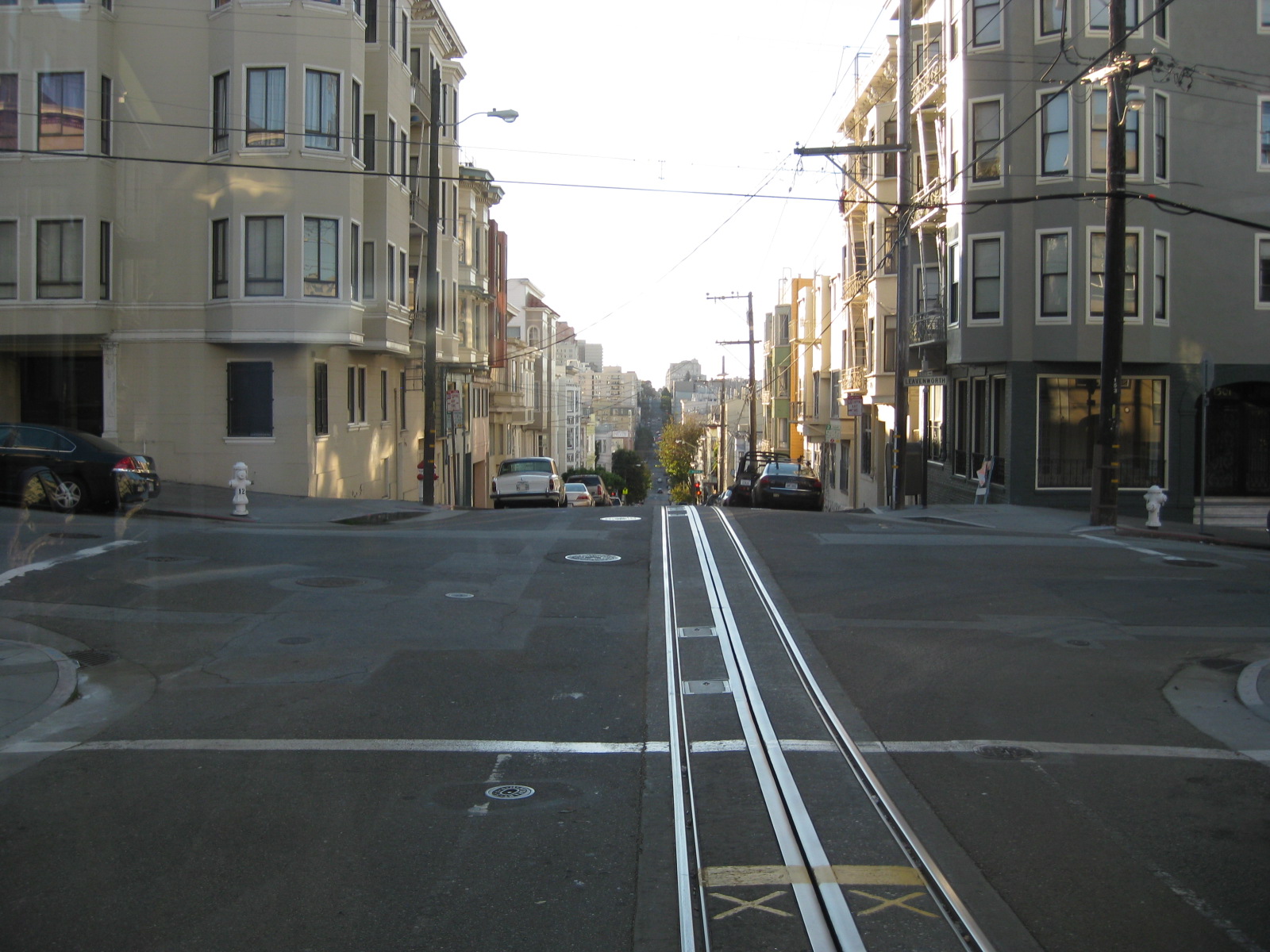
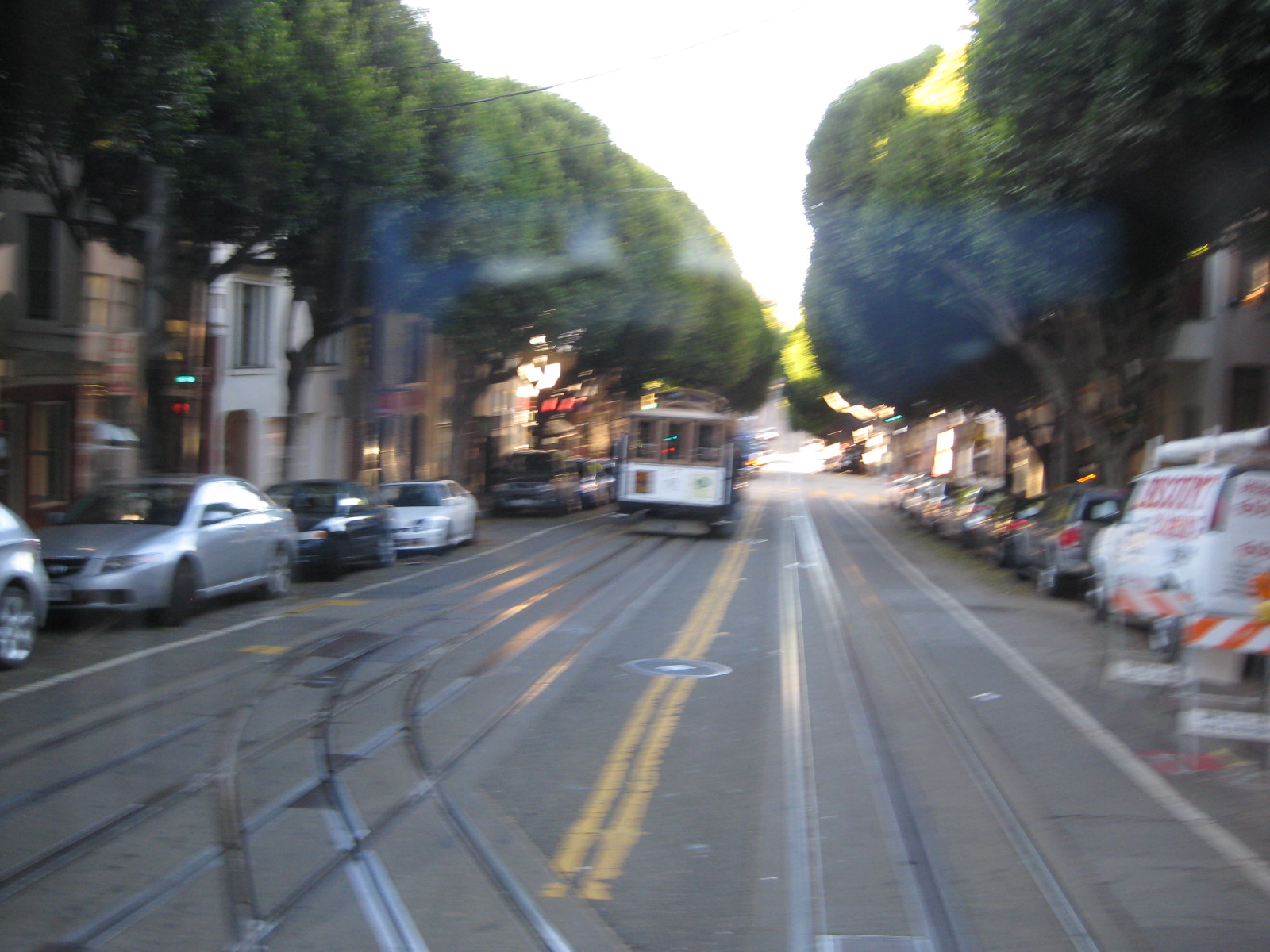
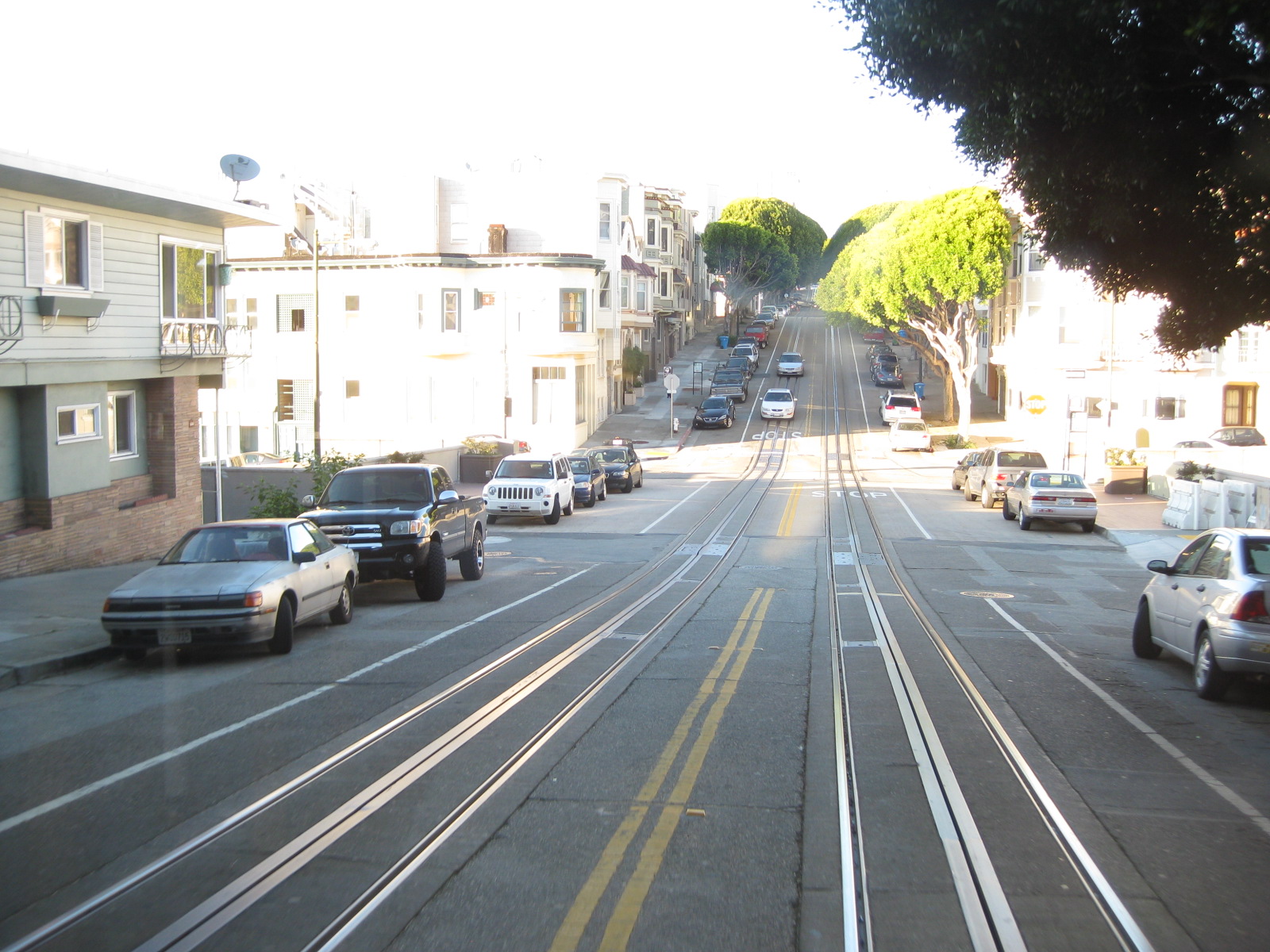
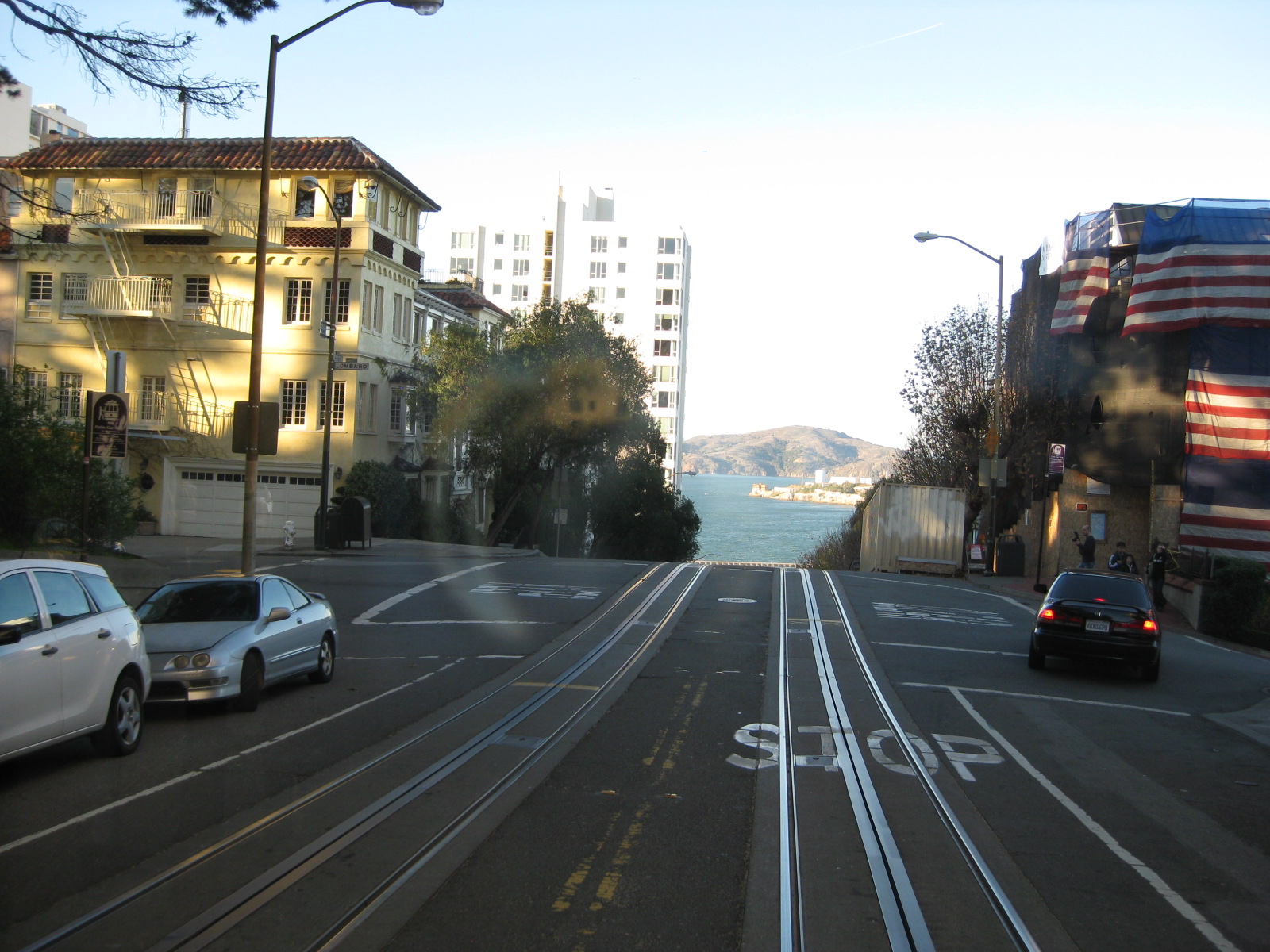
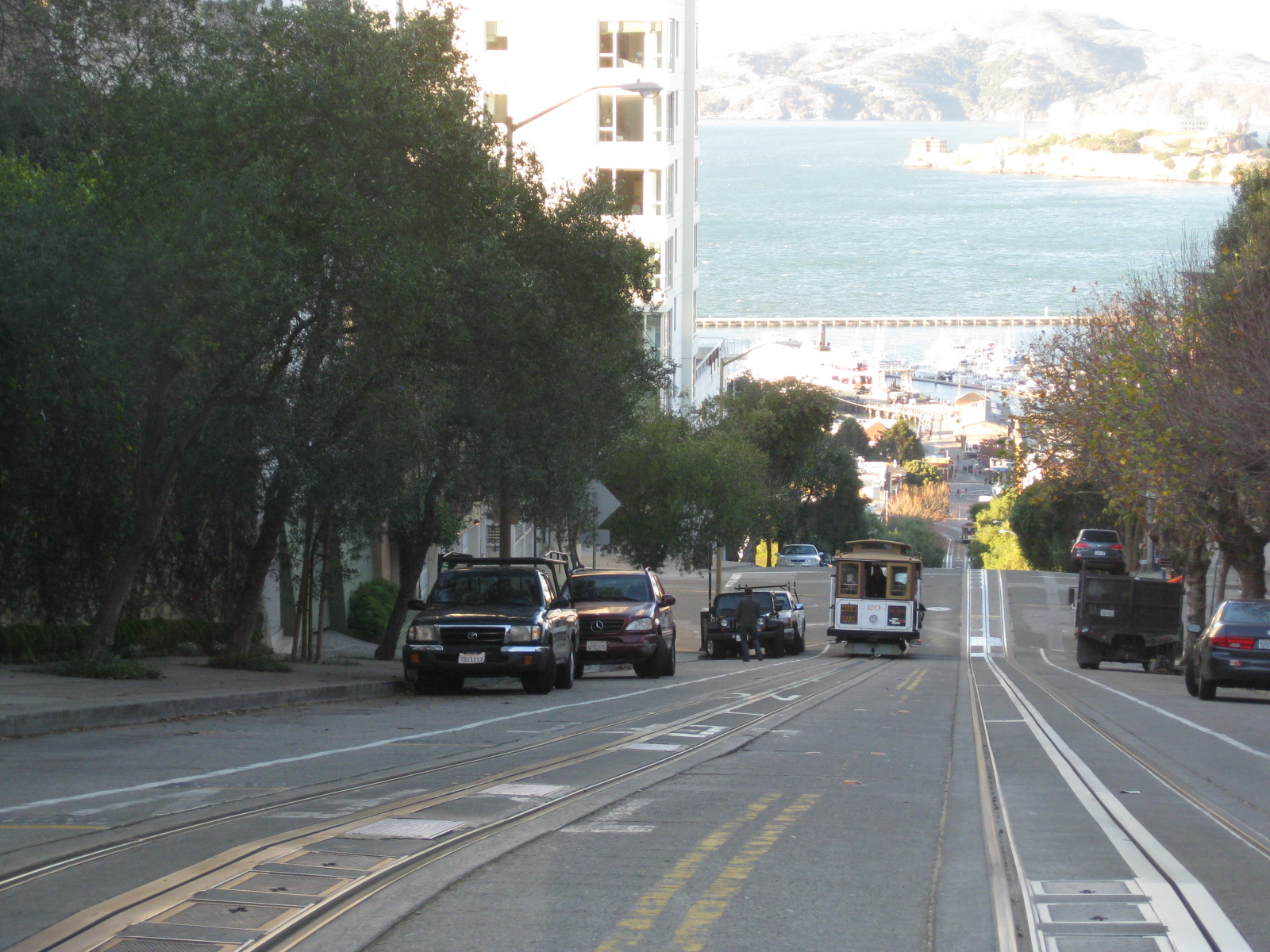
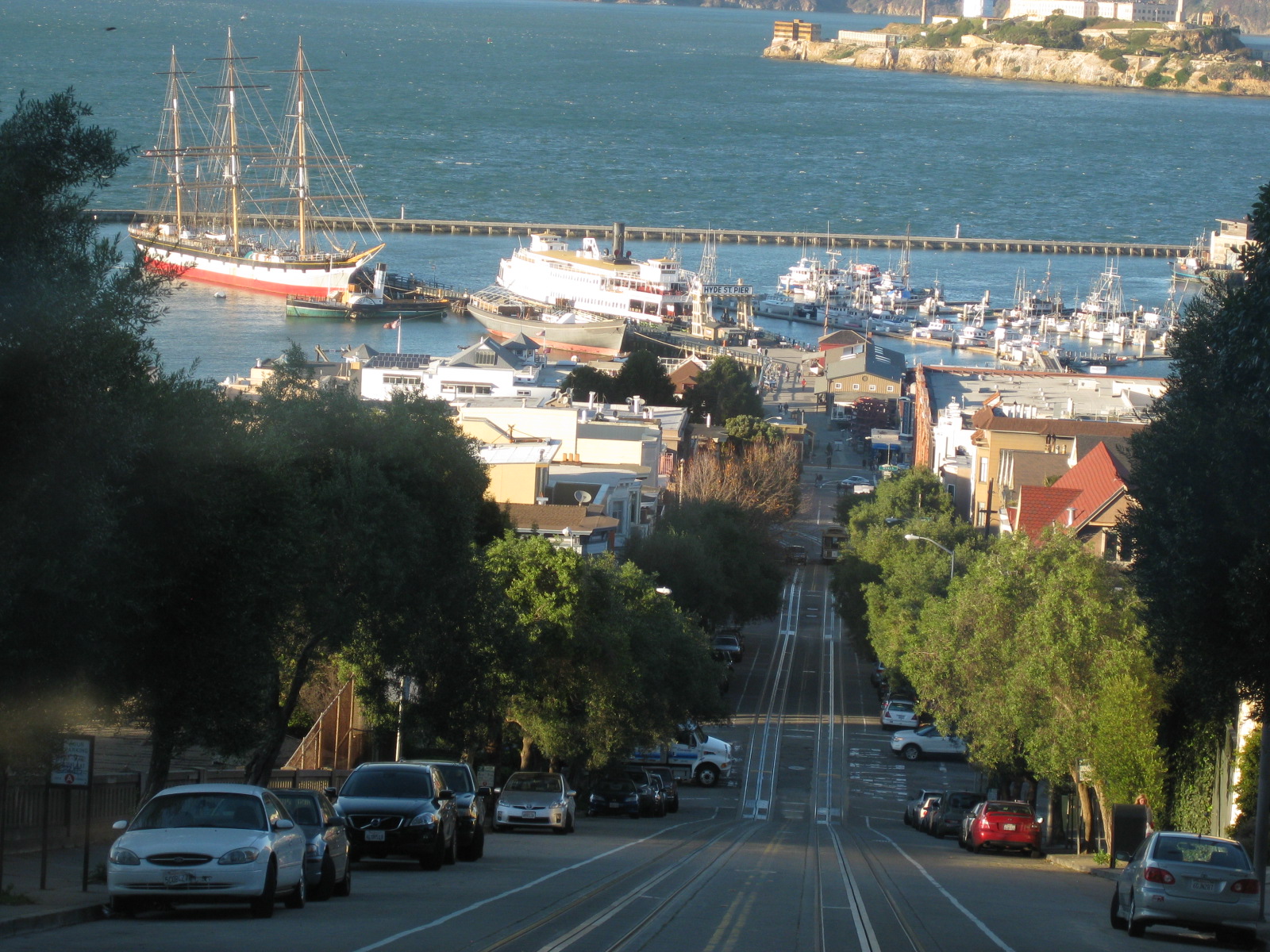
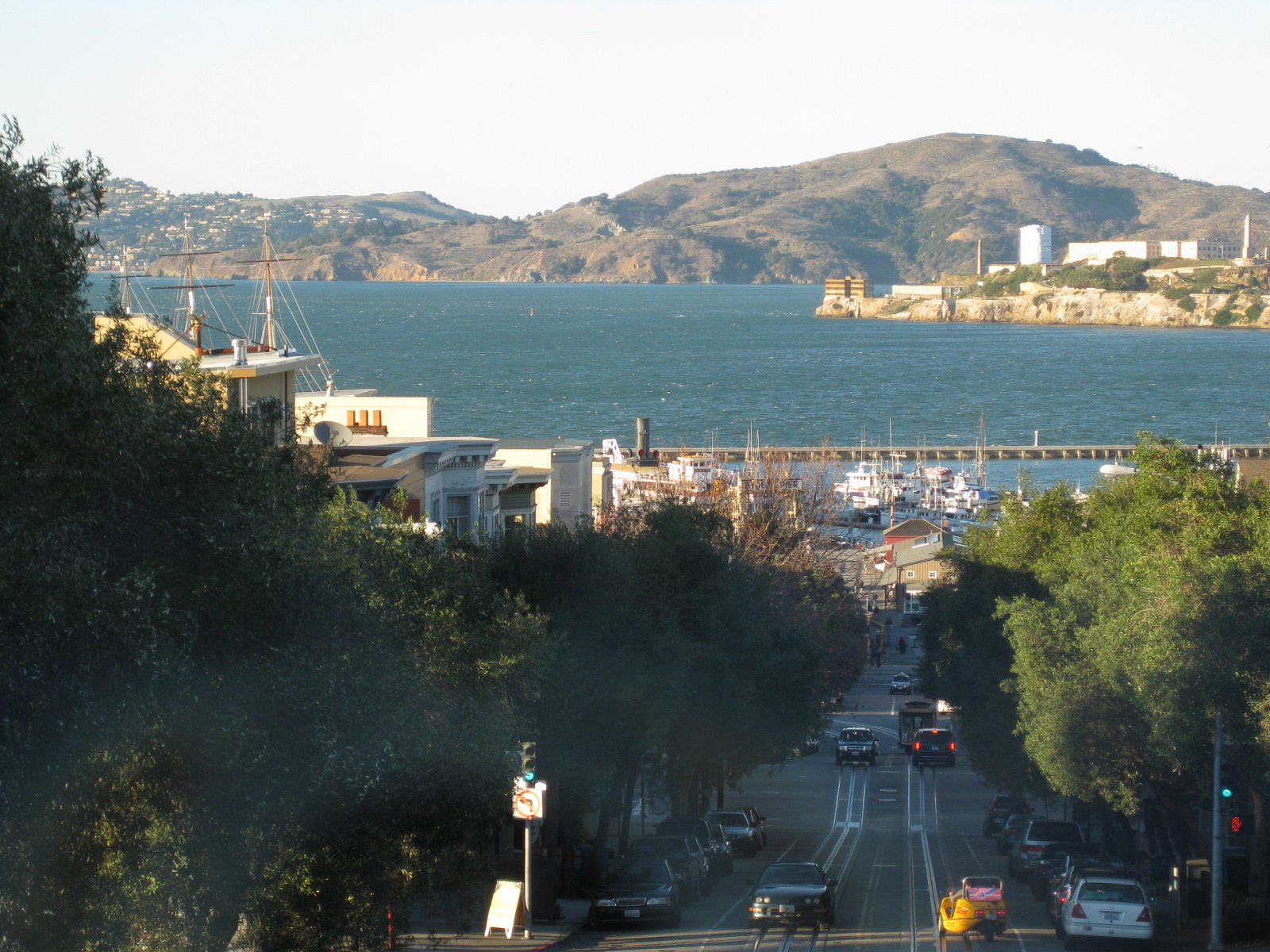
The photos show a particular journey aboard a Powell & Hyde cable car from Market Street (near Union Square) to Hyde Street (near Argonaut Hotel). The trip takes one through notable spots like Union Square, Chinatown, Nob Hill and Russian Hill, including a stop at Lombard Street that has that famous crooked section popular with tourists and residents alike. There are also breathtaking views of the bay as the cable car descends towards Mason or Hyde Streets, towards the pier.
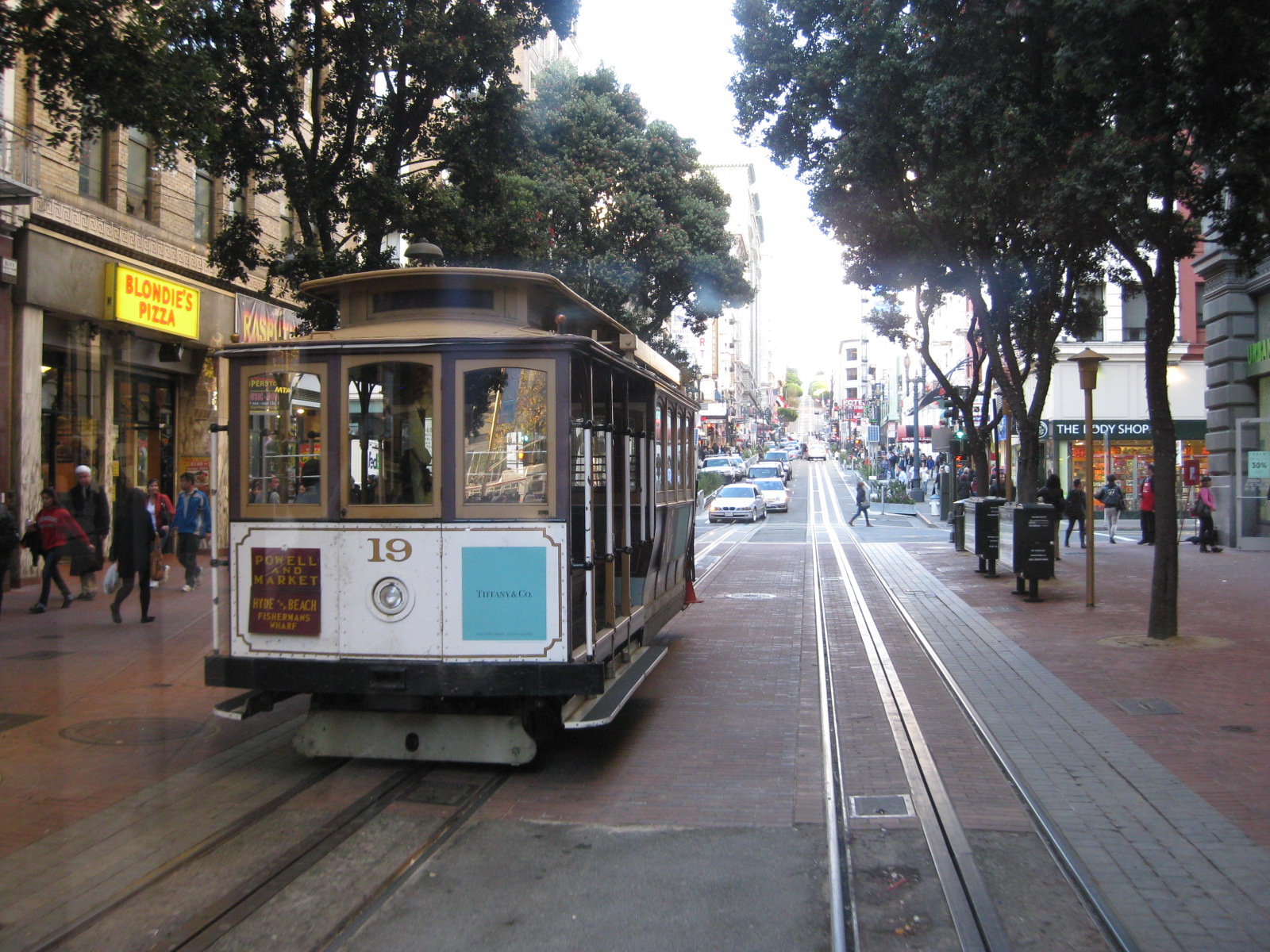 Cable car arriving at the end of the line near Market Street
–
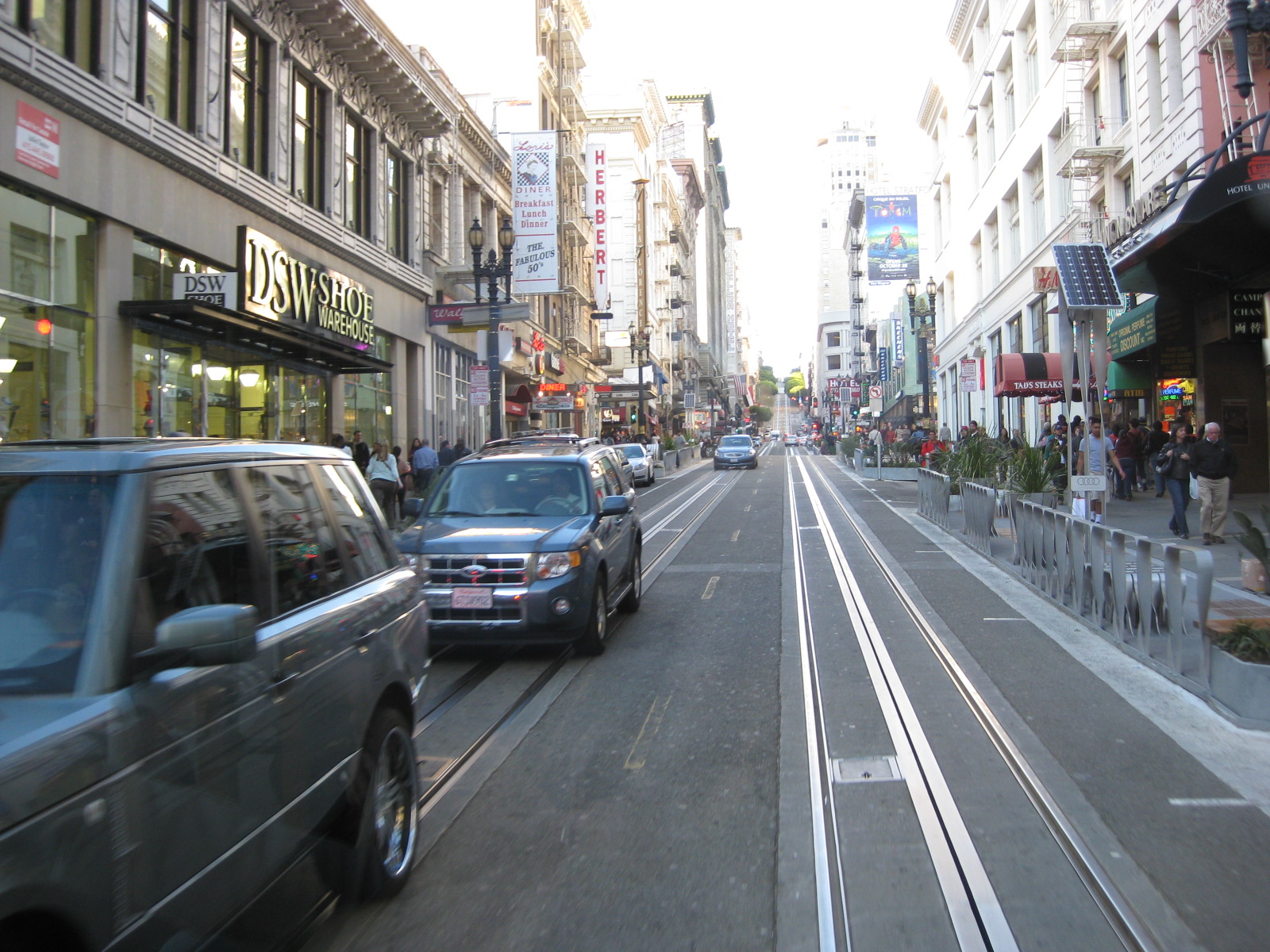
 To the right is Union Square famous for its Christmas Tree. However, there is that monument at the square that people tend to take for granted. Filipinos should be aware that it is one commemorating the victory of one Comm. Dewey and the US Fleet over Adm. Montojo and the Spanish Fleet in Manila Bay back in 1898, a significant part of Philippine and American histories.













Pedestrian facilities around Saitama Shintoshin Station
I have found many examples of excellent pedestrian facilities during my visits to Japan. Among the best are those integrated with the Saitama Shintoshin Station along the JR Keihin Tohoku Line. I had the good fortune of staying at a hotel near the station, from where I could easily catch a train to go to Saitama University via Kita Urawa Station where I transfer for a short bus ride to the university. Following are photos taken in September 2008 showing the walkways connecting my hotel with the JR station. Along the way the walkway connects other buildings such as those hosting government offices and the Saitama Super Arena, a major venue for indoor sports events like the Asian basketball tournaments that determine the continent’s representatives to the Olympics and World Championships.
 Tiled walkways with provisions for the blind (the yellow tiles) and protection from the elements
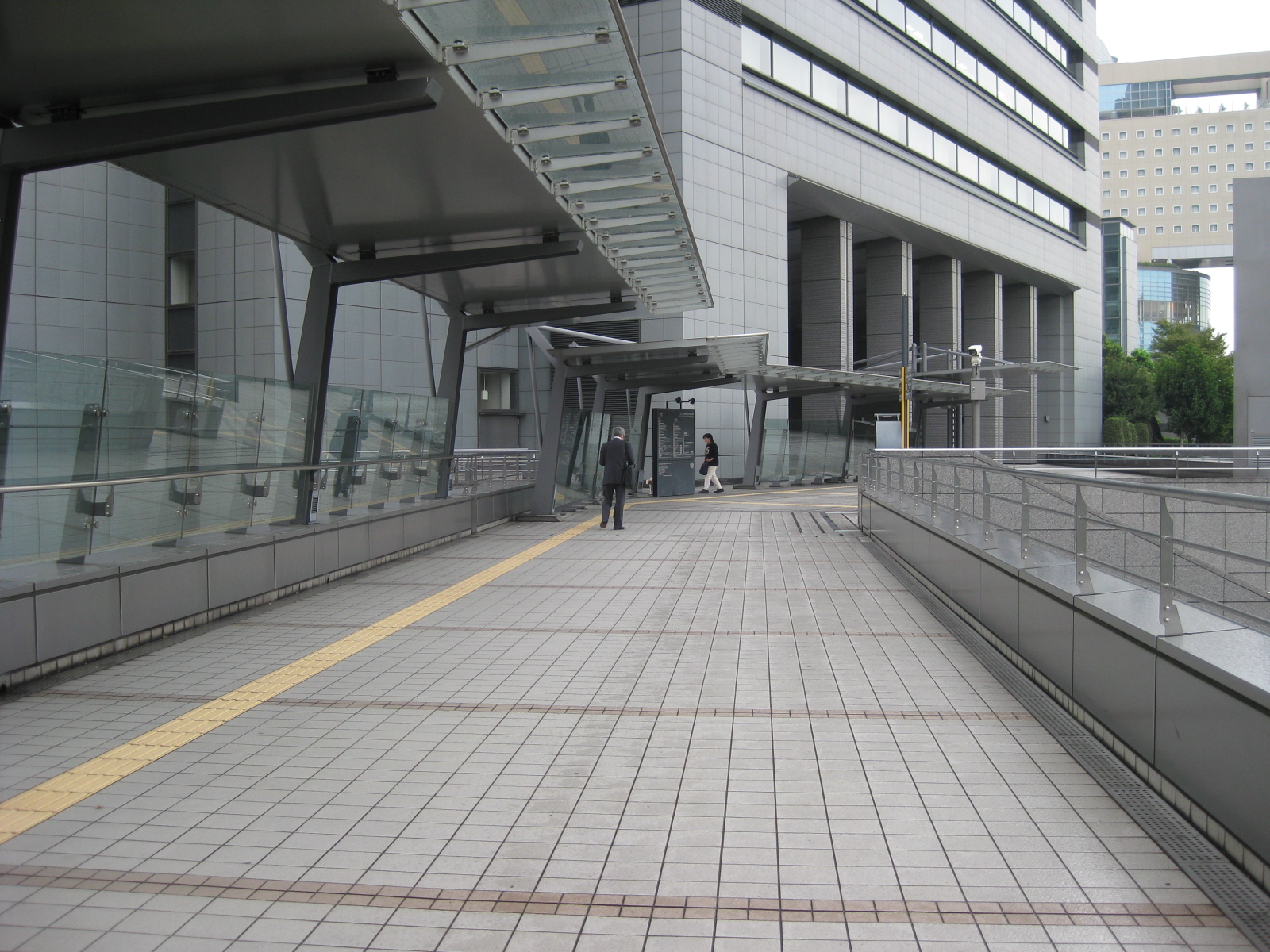 The walkways are wide and should be able to accommodate a high volume of pedestrian traffic. This section leads to the Saitama prefectural government offices located in the building on the background.
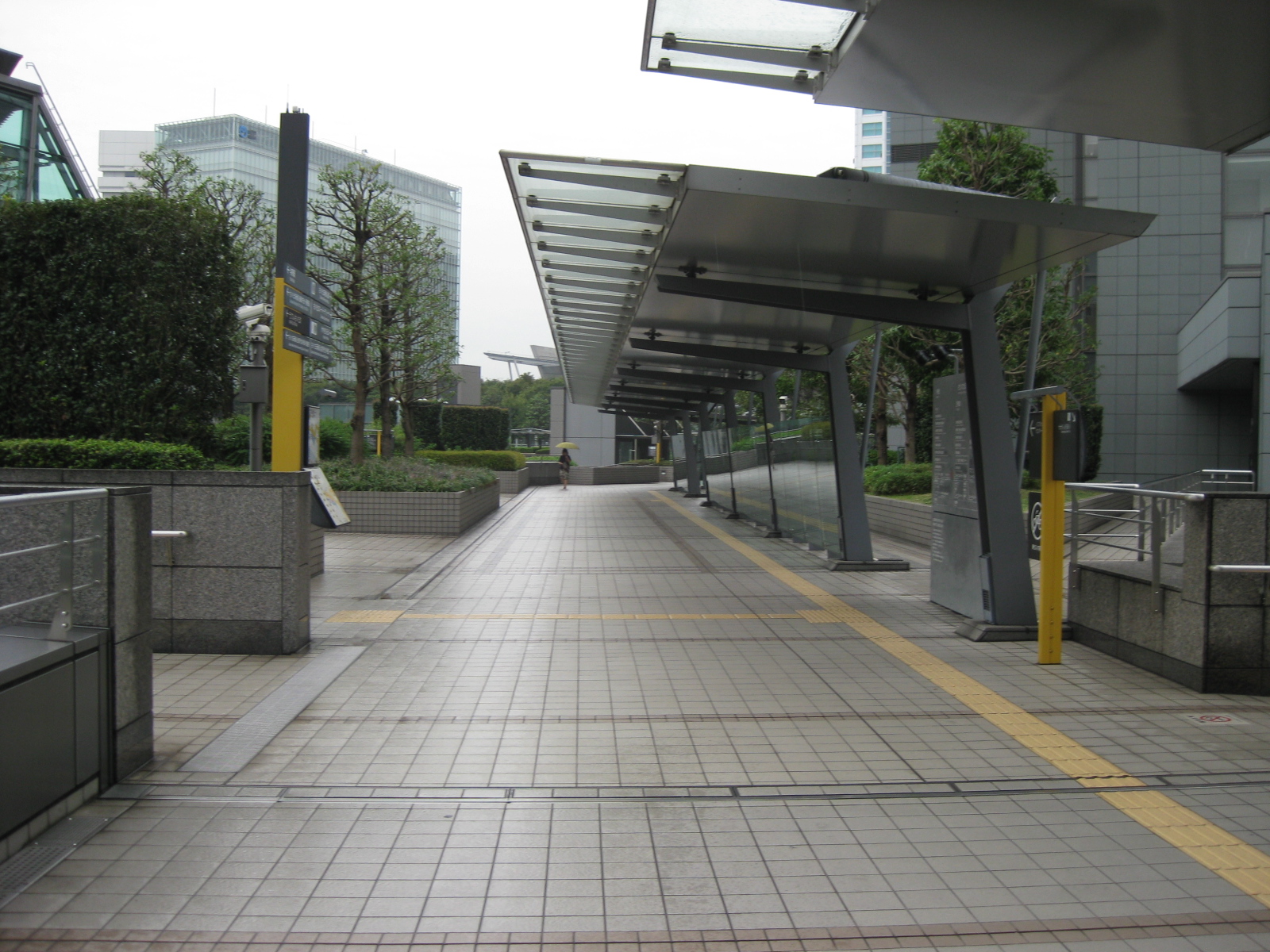 The yellow tiles forming the paths for blind pedestrians are designed to be under the shed and extends to the stairs from which the pedestrian could access the sidewalks and establishments at the ground level of the complex/area.
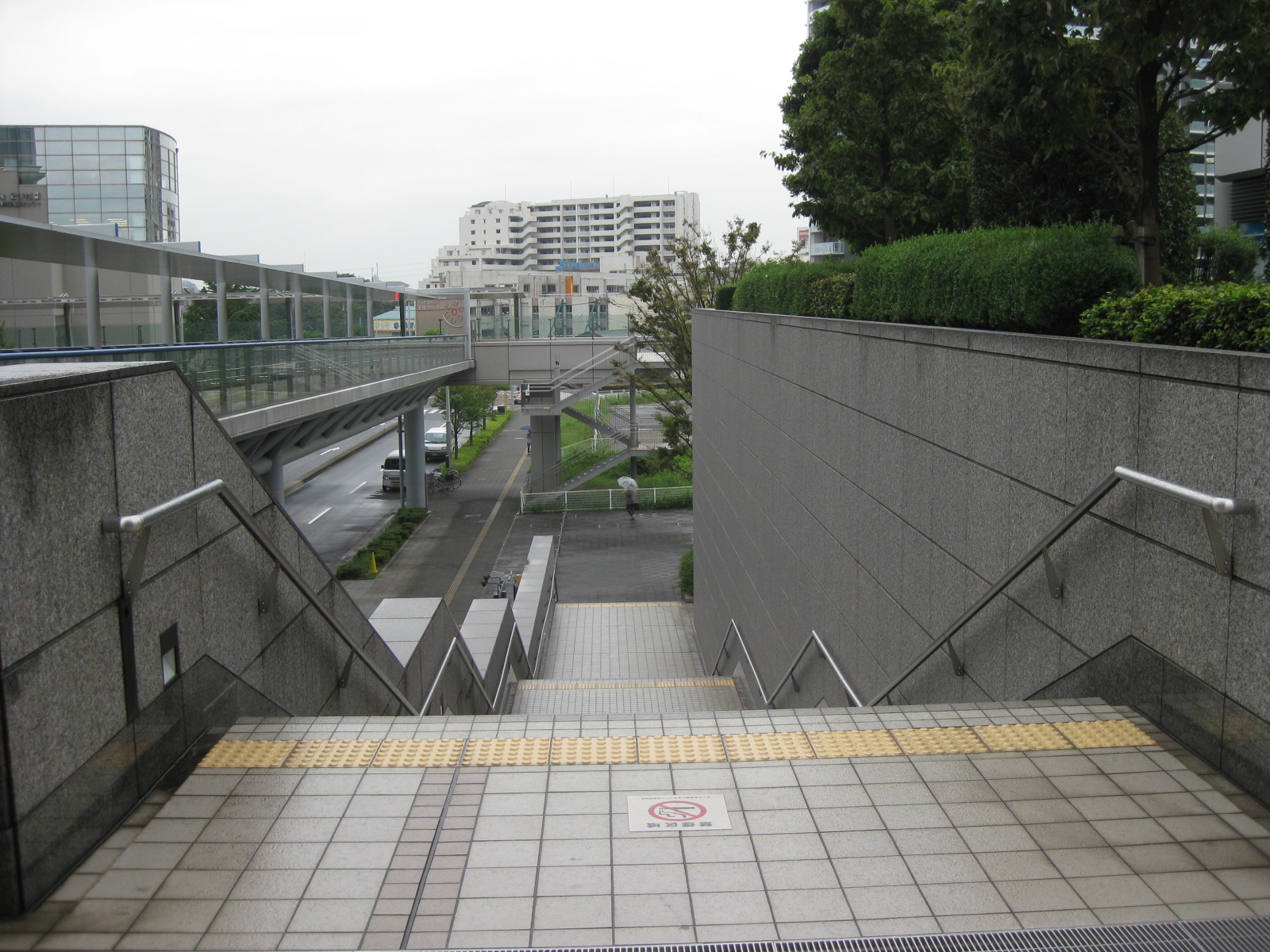 Stairs are designed with hand rails to support physically challenged people including the elderly. Note the yellow strips prior to the first step down the stairs.
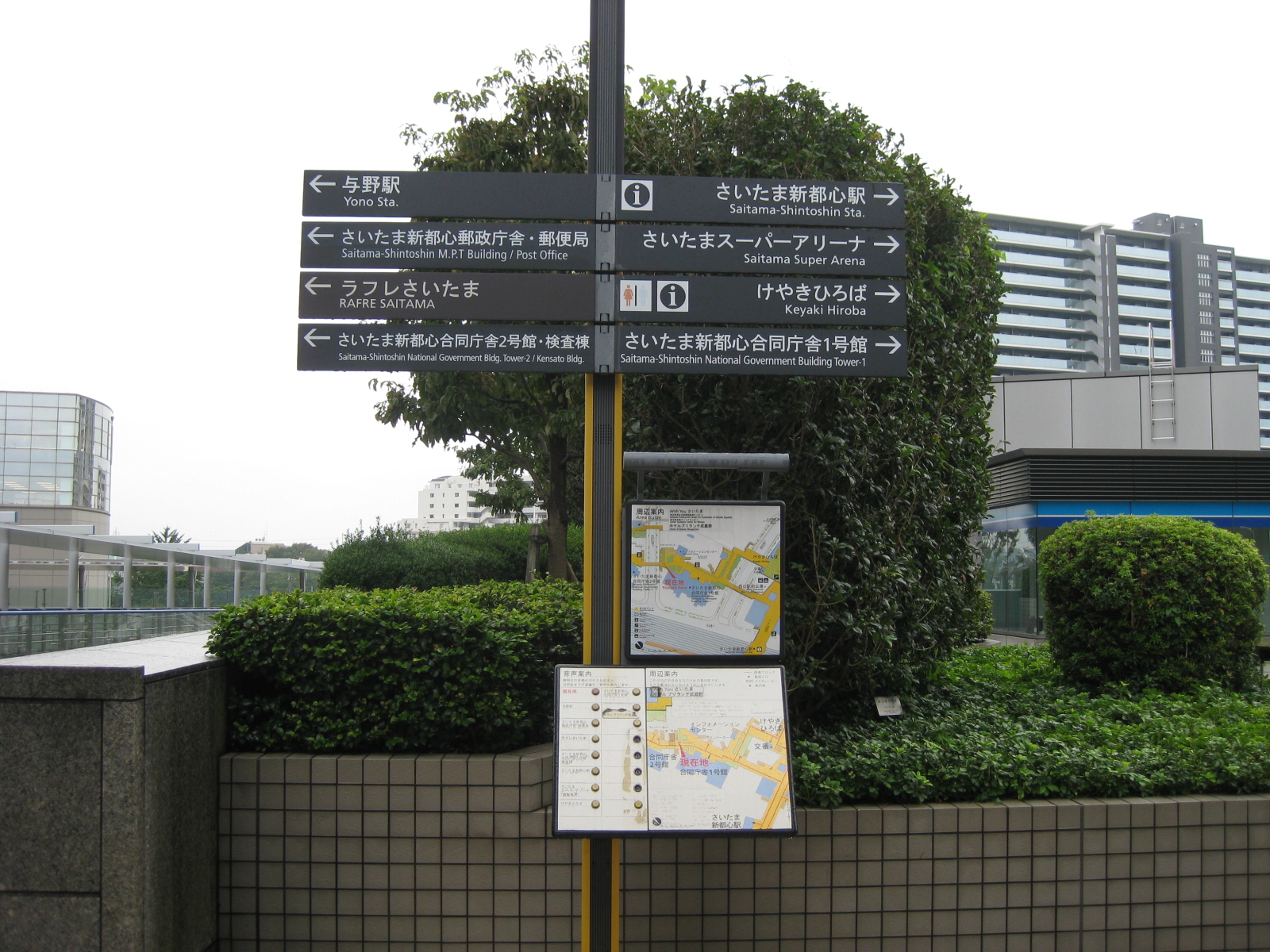 Pedestrian need to have access to information and maps and directional signs provide guidance for people especially those unfamiliar with the area (e.g., visitors or tourists). Most signs in the urban areas of Japan have English translations like what is shown beneath the Japanese in the signs above.
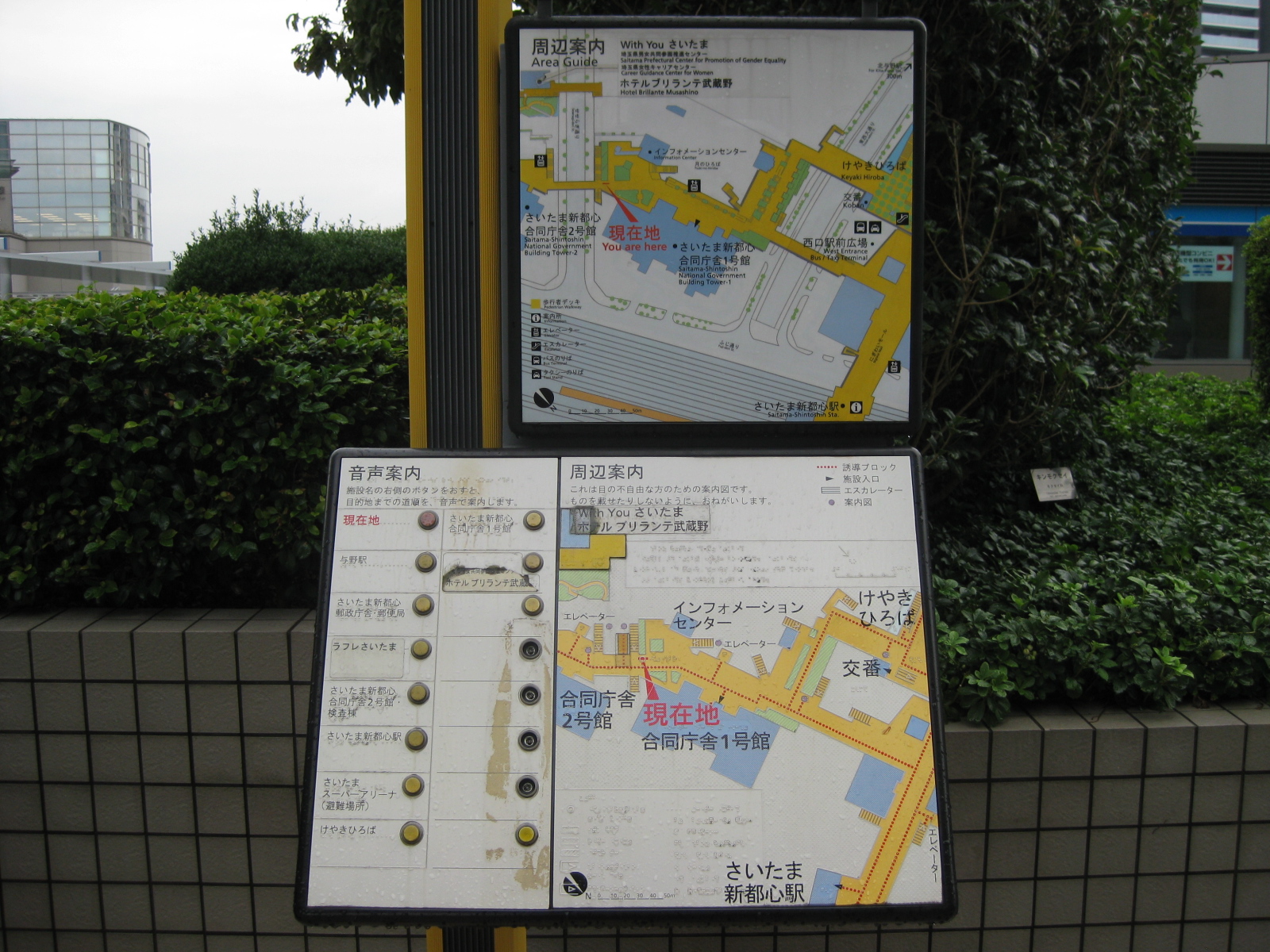 Some maps have interactive features. In this case, there are buttons that provide audio description of places of interest on the map. Today, there are already touchscreen maps in malls and there should be outdoor versions of such facilities.
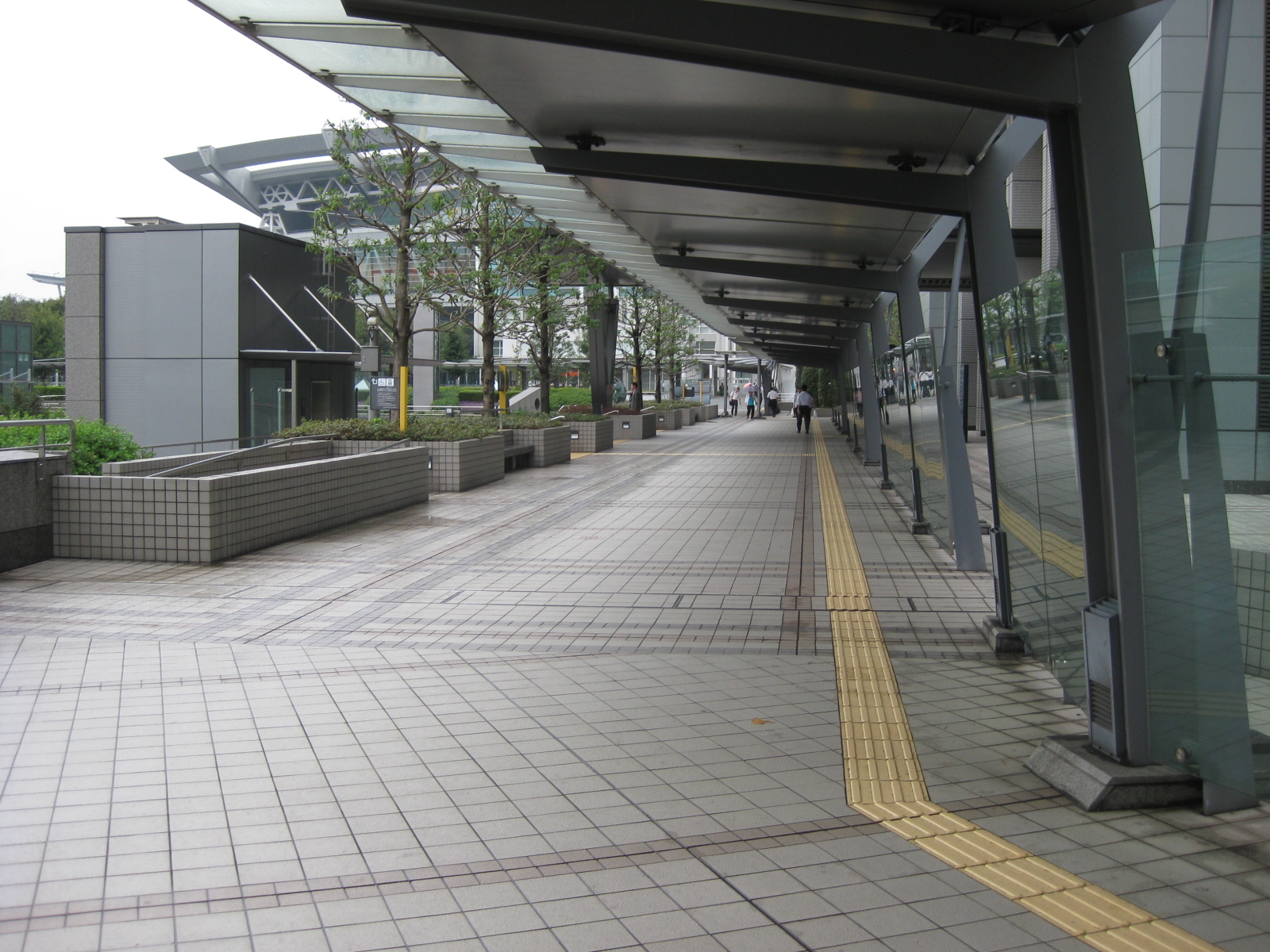 Another photo of the spacious walkways in the Saitama Shintoshin area. One could see the roof of the Saitama Super Arena on the upper left part of the photo and the building housing the elevators for those using wheelchairs or carrying heavy items.
 Closer to the station and the arena.
 There are plant boxes containing brushes and trees along the walkways, providing a more relaxing environment for pedestrians.
 The walkways eventually lead to the complex where located is the Super Arena on one side to the train station in the middle and the commercial complex on the other side.
 Walking from the station to the commercial establishments and office after the Super Arena (at right in the photo), there is a wide space for visitors (e.g., fans, spectators, etc.). There are many coffee shops and restaurants in the area where people could meet up for coffee or tea aside from grab a quick or leisurely meal.
 This the view of a pedestrian approaching the Saitama Shintoshin JR station. Shops are located along the right side of the promenade while the arches form the roof structure of the station, reflecting the modern architecture of the transit station.
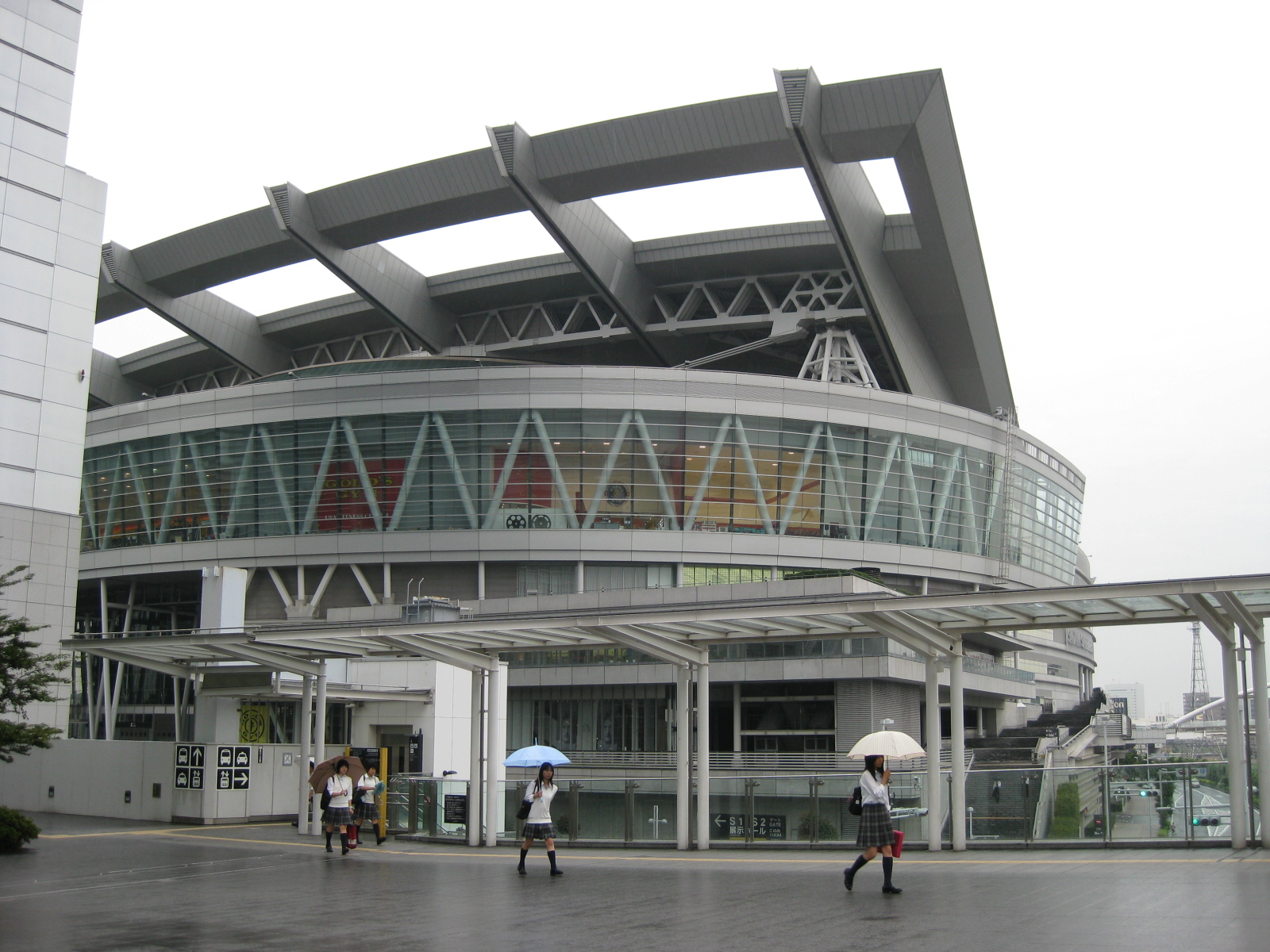 The Saitama Super Arena is also host to a museum dedicated to the late Beatle John Lennon.
 Inside the JR station plaza with kiosks on the left side and ticket machine to the right. Further on are more commercial establishments located in an upscale mall.
–
Fast ferries in the Philippines
The Philippines is an archipelago, meaning it is comprised of islands, some 7,107 of them. As it is impractical (read: too expensive) to connect the larger islands by bridges or tunnels, the connections would have to be made via either maritime or air transport. In previous postings, I have already written about some of the more modern airports in the country like the Bacolod/Silay, Iloilo and Davao airports. What I have not written about in this blog is something in maritime transport.
To get a feel of the current state of commercial maritime inter-island transport (i.e., not including those using motorized or human-powered boats or bancas), I thought it most appropriate to feature fast ferry/fast craft services that are quite popular in the Visayas and Mindanao. I will write on roll-on, roll-off (RORO) services and the nautical highway in the future.
There have been much progress in the upgrading of maritime transport services between islands in the Visayas and Mindanao. This was made possible with the introduction in the 1990’s of fast craft or fast ferries popularly called Supercat with the cat in reference to the catamaran-type vessels plying routes like Bacolod-Iloilo, Cebu-Tagbilaran and Cebu-Dumaguete. These fast crafts effectively cut down travel times by half with the Bacolod-Iloilo run trimmed down from 2-2.5 hours to 1 hour. Following are a few photos of fast crafts and terminal facilities in Cebu City.
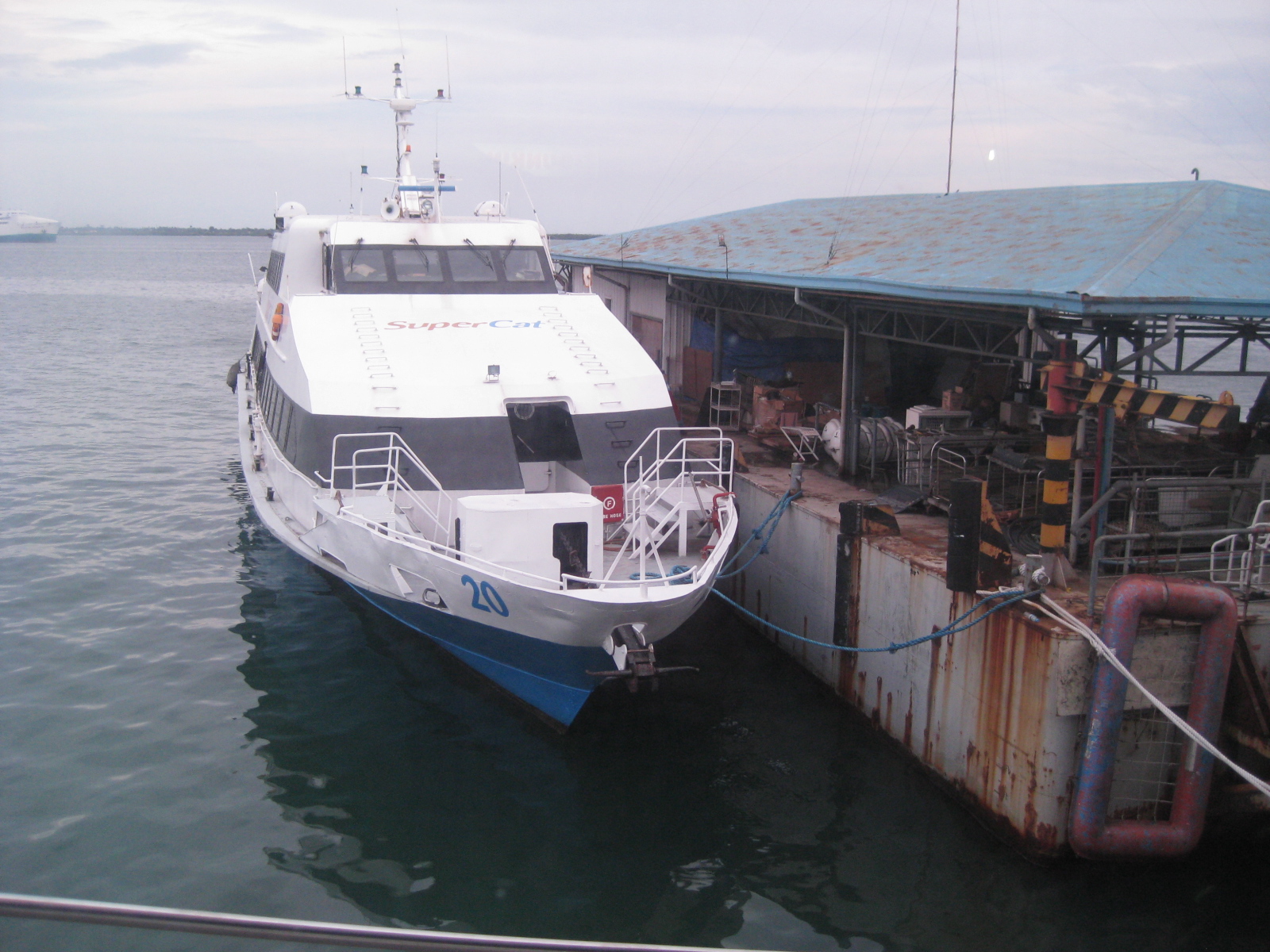 Typical fast ferry docked at the Cebu terminal of the Aboitiz Co.
 Twin-hulled SuperCat approaching the Cebu port
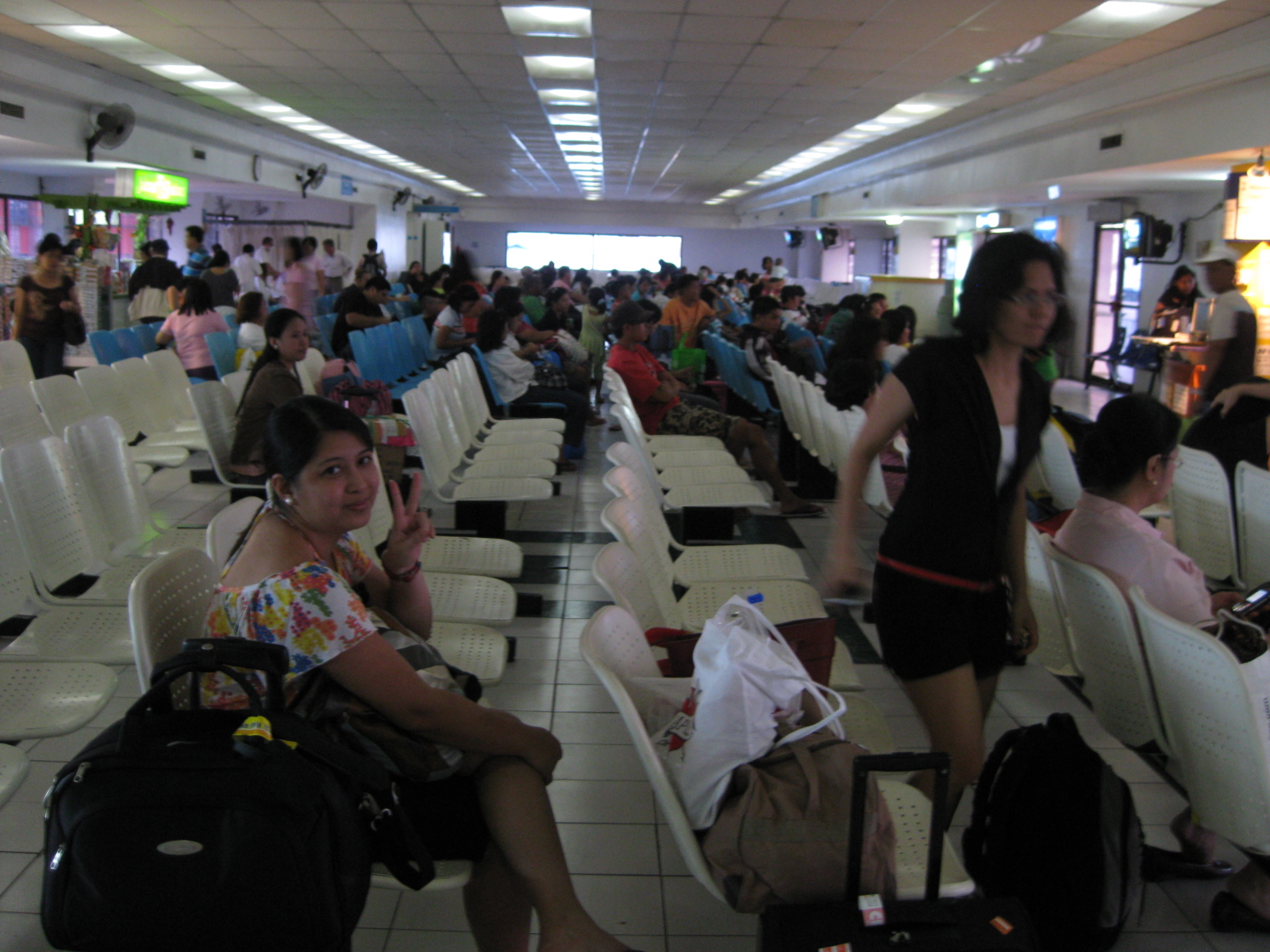 Inside the fast ferry terminal, there are plenty of space and seats for waiting passengers. There are also concessionaires selling food, drinks and souvenir items.
 Floating piers serve as the port’s extensions to accommodate fast craft operations
 Passengers boarding the fast craft via bridge connecting the terminal to the floating piers
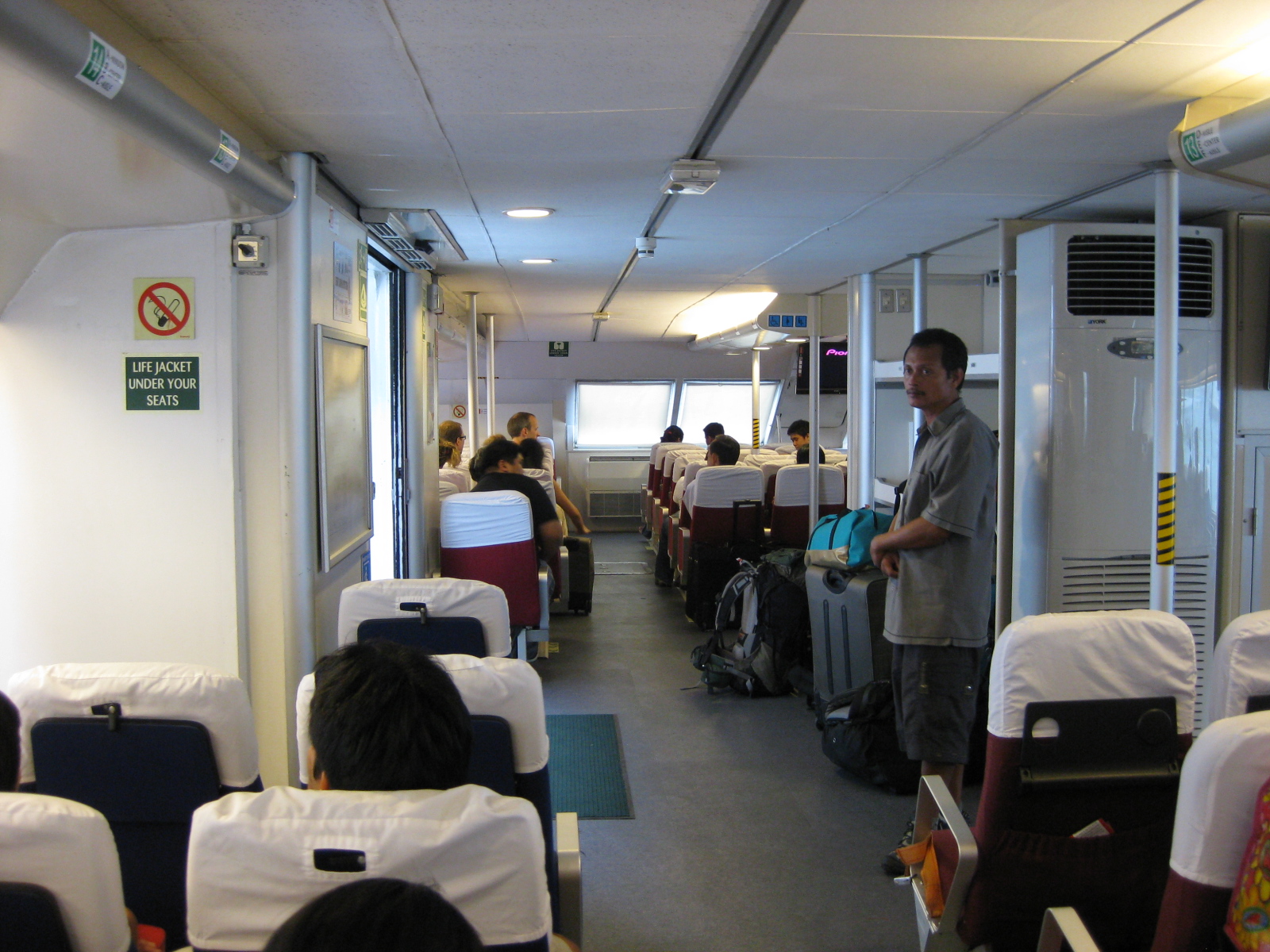 On-board the SuperCat, seats appear like those for long-distance buses complete with head rests for the comfort of passengers. The vessel cabin is fully air-conditioned.
 Another view of the seats inside the vessel show comfortable seating for passengers as well as wide windows for those wanting to have a view of the islands. There is also a snack bar inside the vessel serving food and drinks to hungry or thirsty passengers.
Fast ferry/fast craft services are quite popular in the Visayas and Mindanao and provide a less expensive option to air travel. These complement the RORO services that are more about long-distance travels between cities in different parts of the Philippines, like for example Manila to Iloilo. Such services offered by fast craft are essential for both commerce and tourism and should be encouraged for further development or upgrading, especially in terms of terminal facilities that are still wanting or deficient in many ports in the Philippines.
–
 Caught (up) in traffic