
Complex intersections in Davao City
My first project upon my return from Japan in 1999 was the Davao City Transportation and Traffic Management Plan Study. We found a few interesting intersections there. These included junctions with more than 4 legs. If all or most movements were allowed at these intersections, they would be most complicated and risky due to the number of conflicts. Of course, not all movements are allowed and many legs are one-way meaning there are fewer conflicts and less risky.
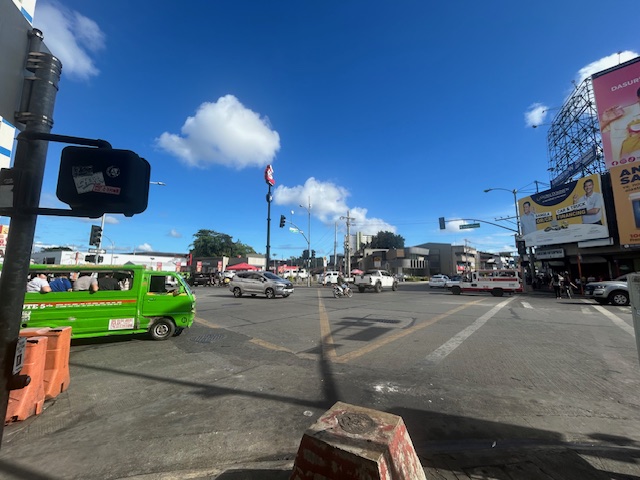 These intersections are large and while there are traffic signals, they were off when I was there.
 Surprisingly, there was no congestion or near crashes. Either, traffic was light at the time (before 7AM) or motorists were driving at a level similar to Vietnam (where vehicles were like ants as they moved at intersections).
A bit of trivia here – 1999 to 2002 was the only period in a long time when a Duterte was not mayor of the city. This was the time the former president relinquished the mayoralty in favor of his Vice Mayor and was instead congressman representing the city. He immediately returned after one term rather than serve out 3 terms.
–
Shoes for the wet season
I wrote about how a pair of shoes didn’t last long particularly for my daily walking. This time, I’m featuring a pair from a brand that I’ve been patronizing for more than 2 decades now – Merrell.
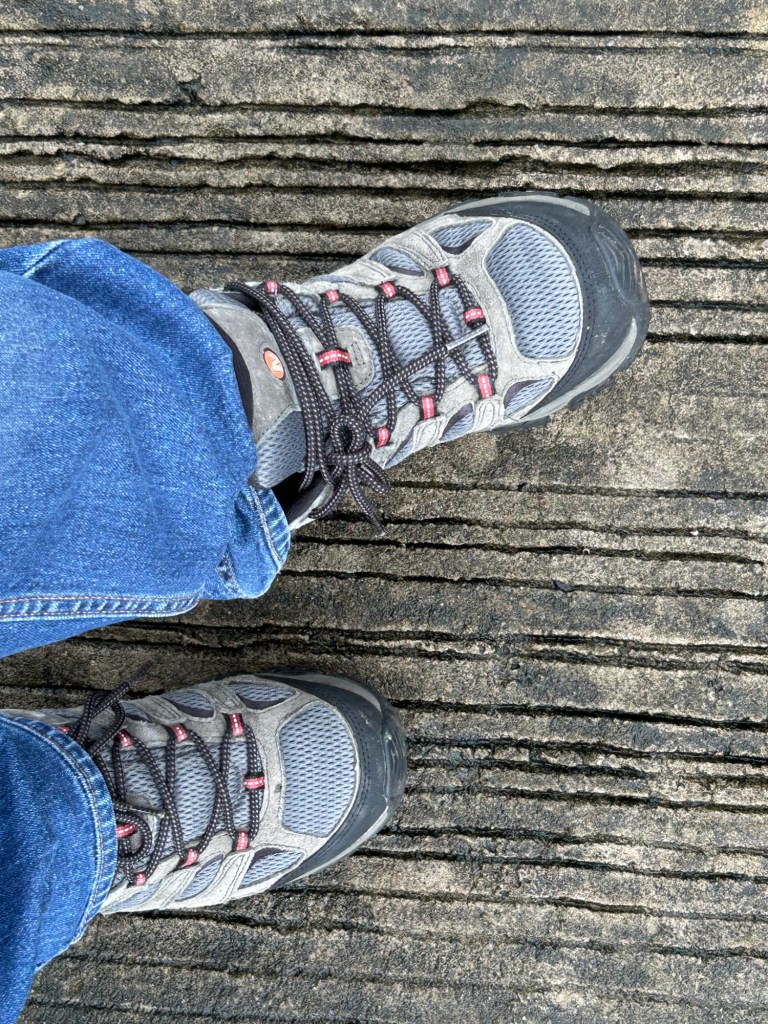
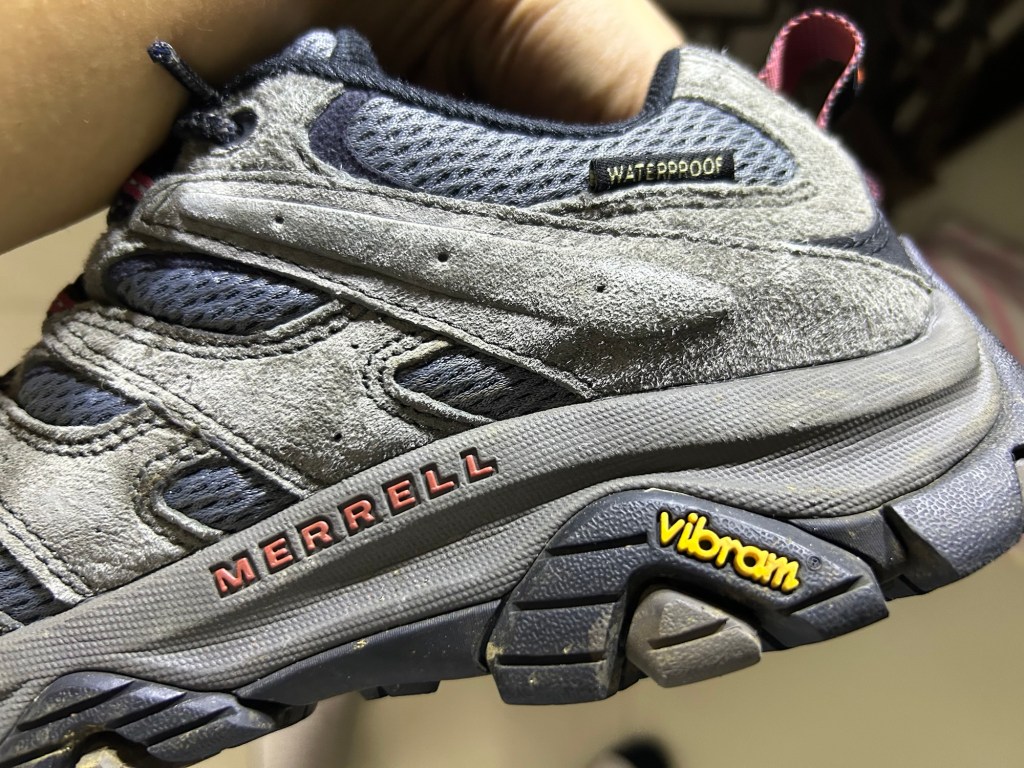
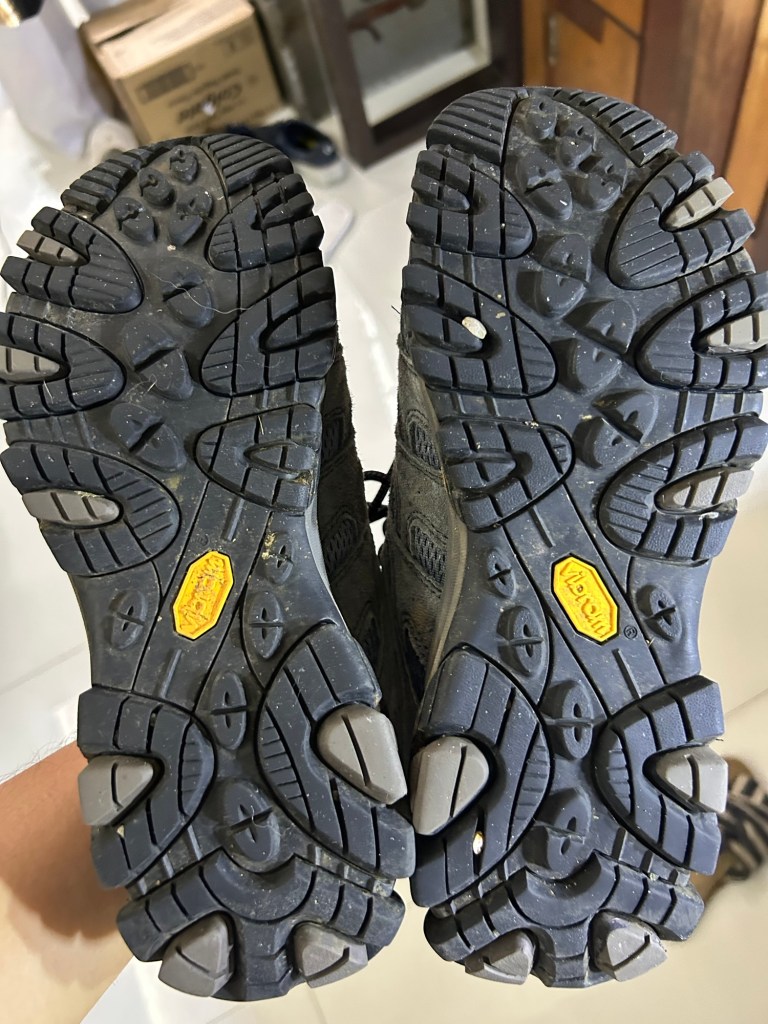
Their shoes have been very dependable and I’ve had 5 pairs over the more than 2 decades I’ve used them. That’s about 4 years per pair even considering my shoe rotation (I also have other shoes, of course. ) I would say that they’re better than the Adidas Terrex shoes I’ve had and perhaps at par with the GT Hawkins I had when I was a student in Japan. I hope the quality is maintained for these durable shoes that is my preferred pair for the wet season.
–
Pothole season
The heavy rains the past days have taken a toll on many roads. Special mention here would be city roads such as main arterials where traffic flow is affected by the pavement conditions. Here are a couple of photos of potholes along Katipunan Avenue.


The photos also reveal that cement concrete slabs are actually under the asphalt concrete. This means asphalt concrete was used more as an overlay to protect the cement concrete slab rather than as the main structural component that will carry the traffic loads. The pavement slabs may not necessarily be compromised but the hammering action of tires/wheels as they hit the potholes will definitely lead to more damage. The water, of course, is worrisome because once they seep or penetrate the cracks and interfaces between the slabs, they may compromise the layers beneath the slab. This will weaken the foundation of the pavement and lead to more critical damage. The challenge is how to repair these potholes when we are still experiencing heavy rains. Now that’s something the DPWH needs to figure out, learn and apply rather than the usual patch up work that results in mounds of asphalt replacing the potholes.
–
Cashless payment methods for public transportation
It took some time but finally there are even more options to pay for your transit fare, at least for MRT Line 3 for now. Here is the graphic from the announcement by the DOTr:

Hopefully, these methods will be available to all rail lines including the PNR. Hopefully, too, these options will be available in buses and perhaps at least on modern jitneys. This will make it easier to pay public transport fares for the regular transit users.
–
Rain and fog along Sumulong Highway
I just wanted to share a few photos of the conditions along Sumulong Highway these past days. With Felix Avenue and Ortigas Avenue Extension frequently flooded during this season, our commutes would usually be along Sumulong and Marcos Highways.
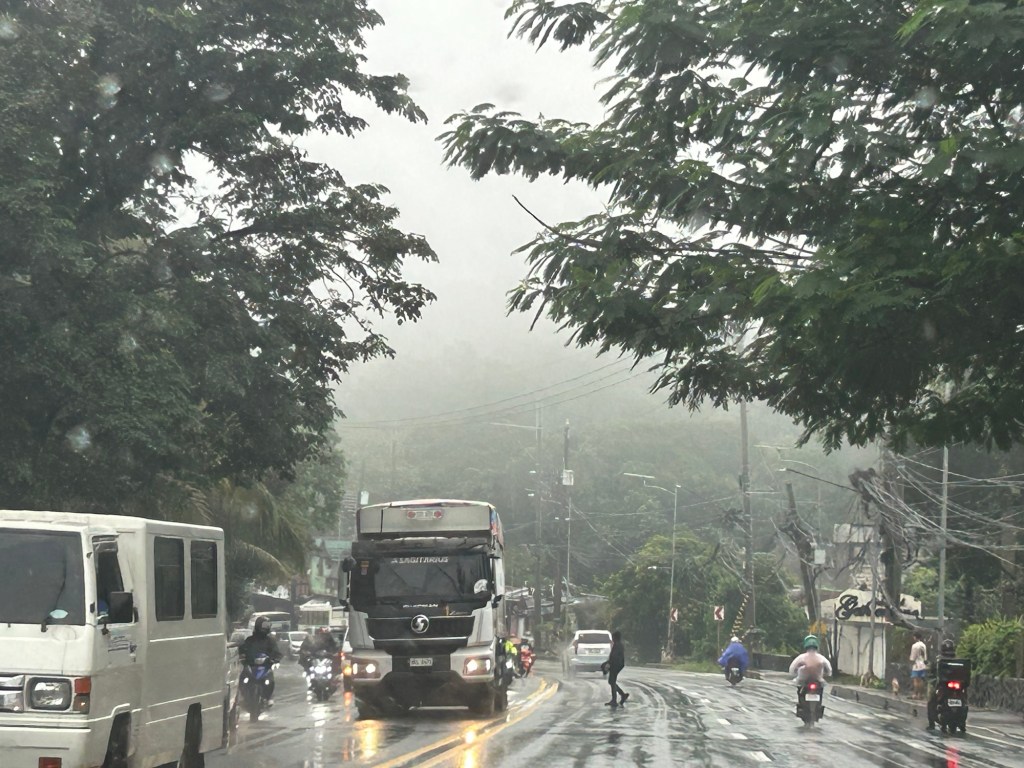
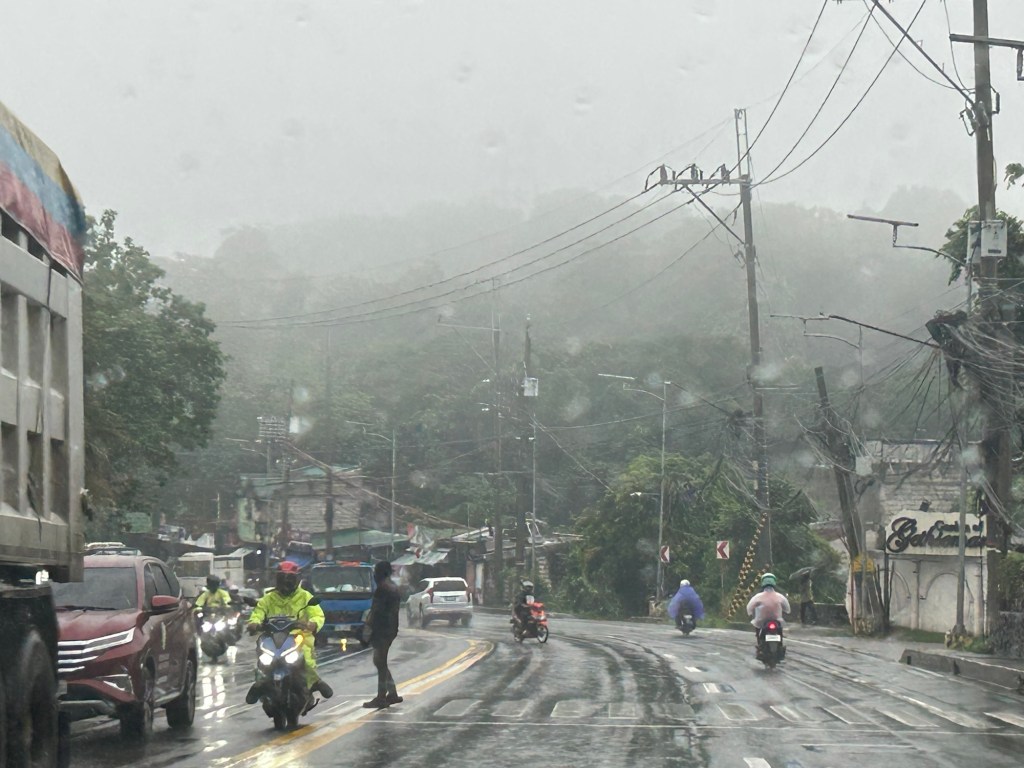
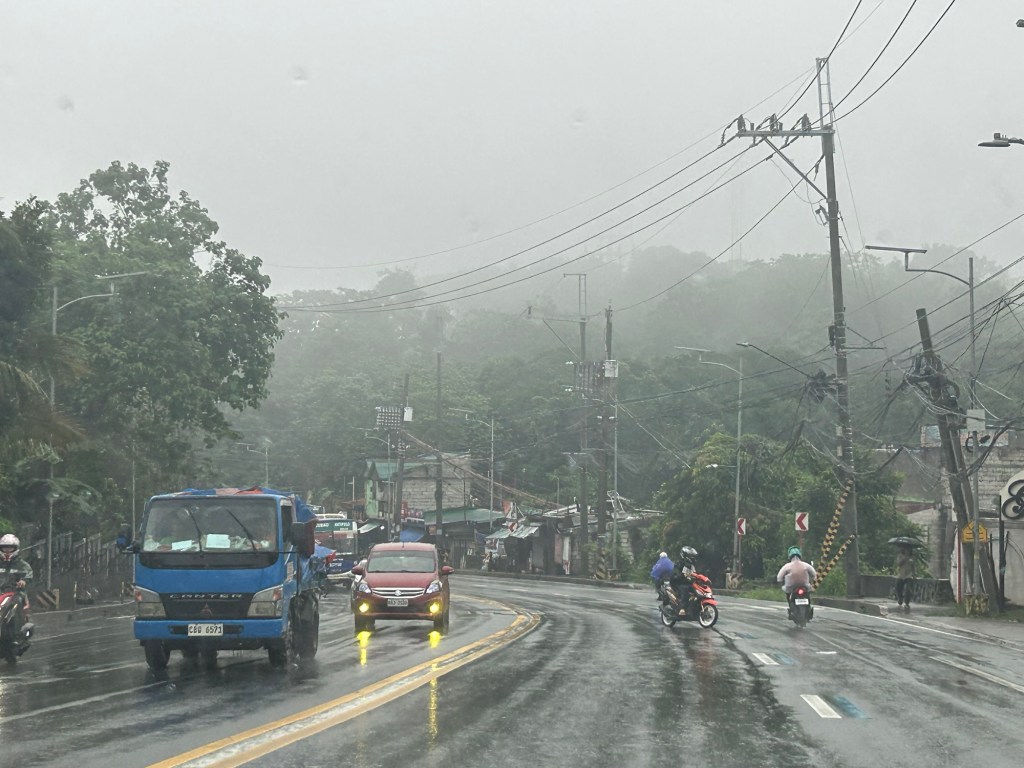
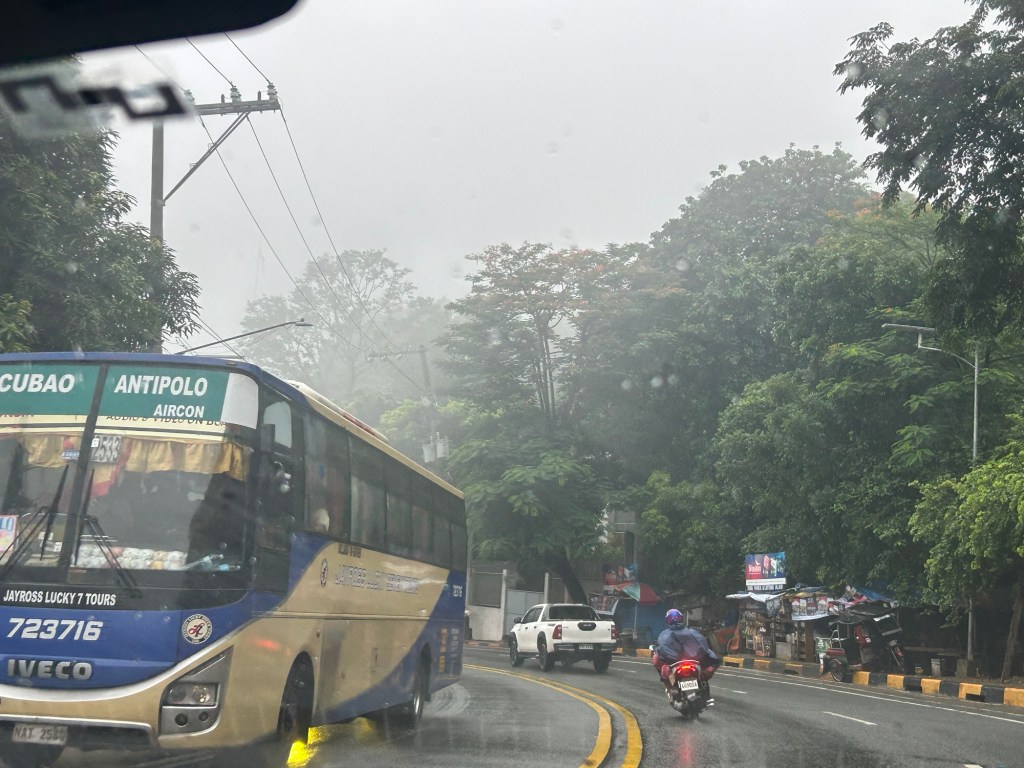
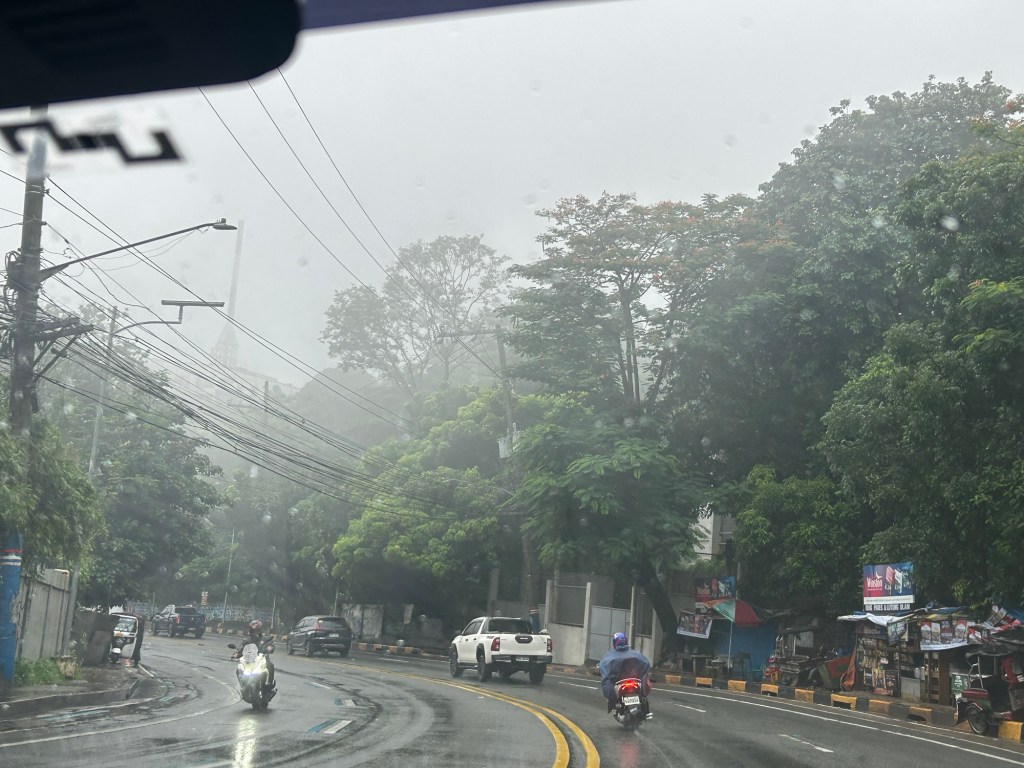
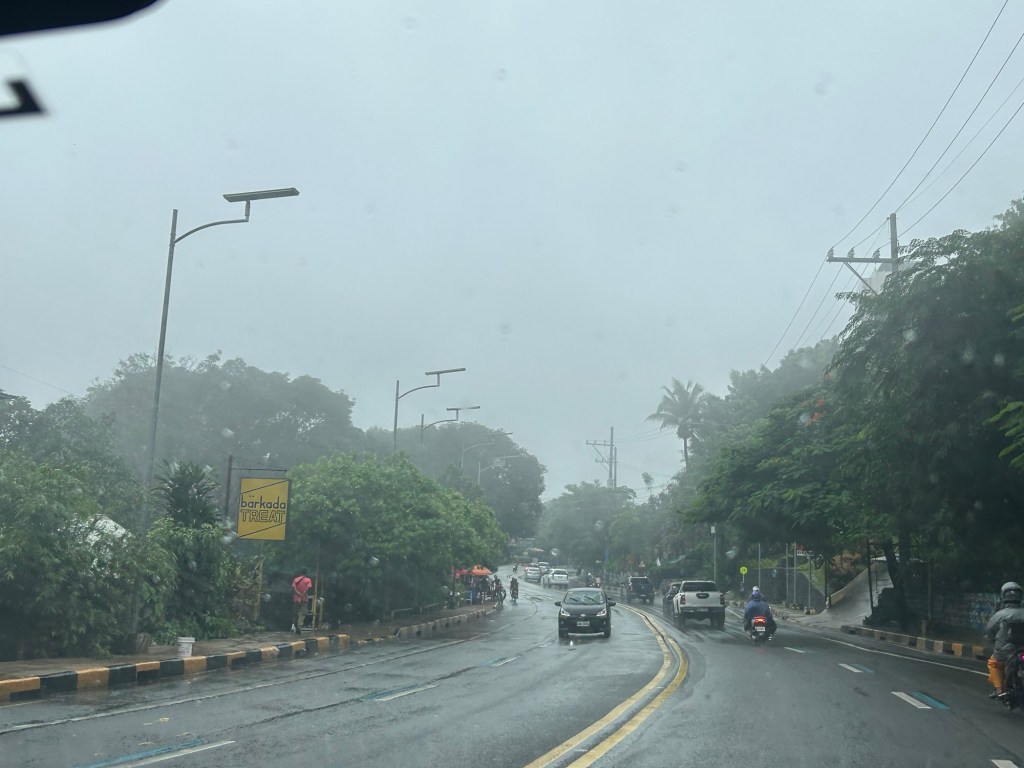
Despite the conditions of the road, there are still many who drive or ride recklessly. Speeding, weaving and cutting on slippery pavements increase the likelihood of crashes, which are preventable if only people will slow down and be more cautious.
–
Article share: On AI as a tool for urban planning
Here is a quick share of an article on AI and its application to urban planning. I haven’t written about artificial intelligence here except maybe mentioning it along the lines of intelligent transport systems (ITS). There were what were termed as Expert Systems but AI now (including its potentials) is much more than the expert systems developed in the past.
Sanchez, T. (June 20, 2025) “In Urban Planning, AI Prompting Could be the New Design Thinking,” Planetizen, https://www.planetizen.com/blogs/135418-urban-planning-ai-prompting-could-be-new-design-thinking [Last accessed: 7/17/2025]
To quote from the article:
“Working across disciplines is essential. Collaborating with architects, landscape architects, engineers, artists, and technologists brings in diverse perspectives that can help spark new ideas. AI integrates knowledge and techniques from each of these fields. Contributing to a culture where planners feel free to experiment, where trying something new is encouraged rather than being frowned upon, is key to real innovation. Whether engaging with colleagues or prompting an AI model, creativity thrives in conversation and collaboration…
Cities should be shaped by creative thinking, and today’s challenges demand more of it than ever. Planners are in a unique position to combine deep local knowledge with new technologies, such as AI, to imagine, design, plan, and implement. AI should be seen not as a shortcut, but it has incredible potential as a partner or assistant with encyclopedic knowledge that helps planners stretch their creativity even further. As Wright advises, planners should challenge themselves with constraints to spark creativity: For instance, “What would you do if you had to write an entire zoning ordinance with 10 rules or less to make a sustainable built environment?” Such exercises encourage us to set clearer goals and find better solutions.
By combining traditional tools with emerging technologies, planners can design places that are not only functional but also vibrant, equitable, and resilient.”
What do you think about AI and its applications to urban planning including transportation and traffic?
–
On the need to rethink traffic metrics
While Level of Service (LOS) criteria is a concept that can be applied to many other transportation facilities and aspects, among the LOS criteria that have been the subject of much criticism (and perhaps rightfully so especially in the context of safety) are the ones used for intersections. These are associated with delay reduction, which always favors vehicular throughput. The latter means basically, high LOS corresponds to prioritizing car (or motor vehicle) movement while not particularly taking into consideration the safety and movement needs of other road users (not using motor vehicles). Here is an interesting article on this matter:
Boenau, A. (July 9, 2025) “The old traffic math that keeps destroying neighborhoods,” Fast Company, https://www.fastcompany.com/91362348/road-design-traffic-math-destroying-neighborhoods-los [Last accessed: 7/15/2025]
Quoting from the article:
Here are three important questions for experts to ponder:
- Is slow-moving car traffic ever safer than fast-moving traffic?
- Do we have any obligation to provide safe and convenient access for people when they aren’t inside cars?
- What are the economic downsides of wider, faster streets in the central business district?
When planners and engineers truly wrestle with those questions, they can choose to remain a conformist who ignores the damage of traffic metrics, or become an outlier in the industry and make a positive impact that might be felt for generations to come. Things can get better in the end.
–
Again, I must say that rethinking roads and streets should be context sensitive. Still, safety should be the top concern especially for areas that is predominantly residential and/or school. Safety, after all, comes first in the definitions of transportation and traffic engineering.
–
Worn down shoes
I got a pair of shoes from a shop/brand I don’t usually buy shoes from last April and used them almost daily for my morning walks. Here are photos showing the conditions now.
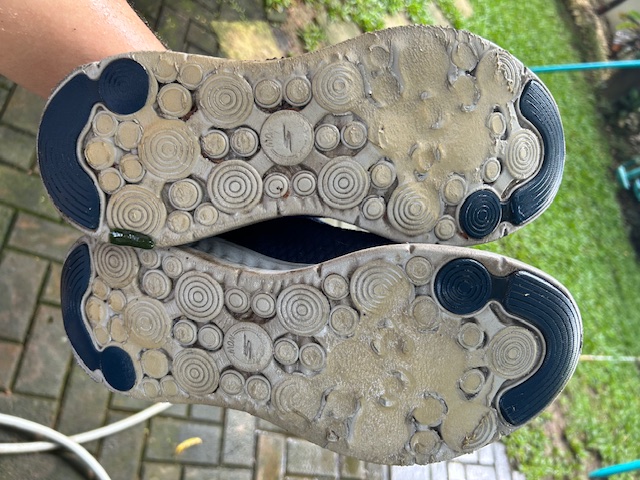 The bottoms are pretty worn out. I am careful during my walks as I may slip on some surfaces as the soles lose traction.
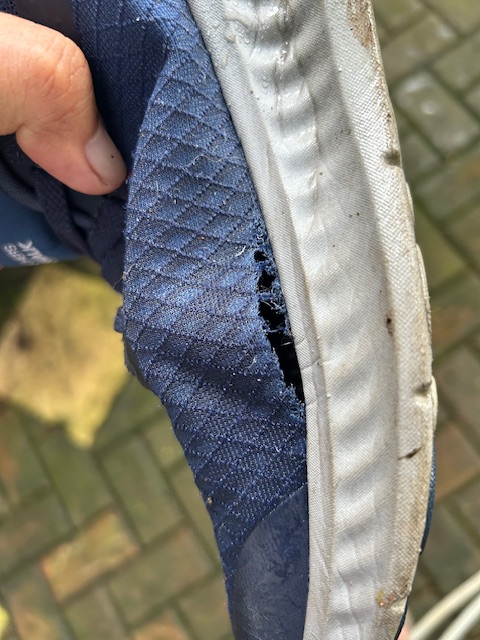 There are tears to the fabric of the upper part of the shoe where it’s connected to the soles. This is on the right shoe.
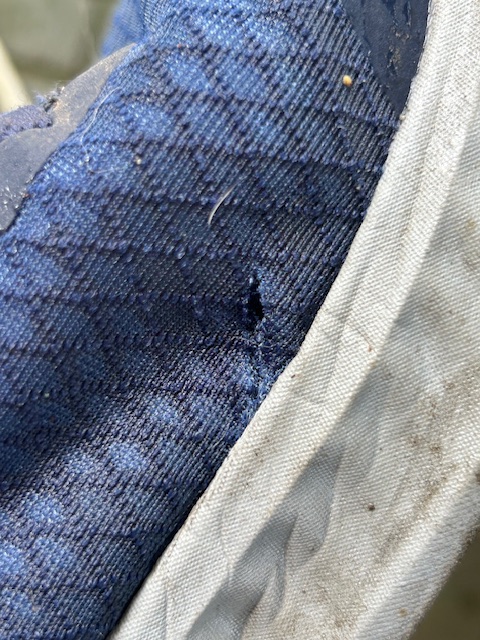 This is the tear on the left shoe.
I was hoping these would be as durable as my other shoes that I have used for my walks. Unfortunately, they are what they are as of now. I can and still use them almost everyday but am wary about their not being usable in the near future.
–
On the increase in road crashes involving trucks in Rizal province
The incidence of road crashes involving trucks in our area and along my regular commuting routes seem to be increasing. Many of these are large, heavy trucks often with cement or other construction materials being hauled from one of the quarries or plants located in Antipolo and neighboring towns.
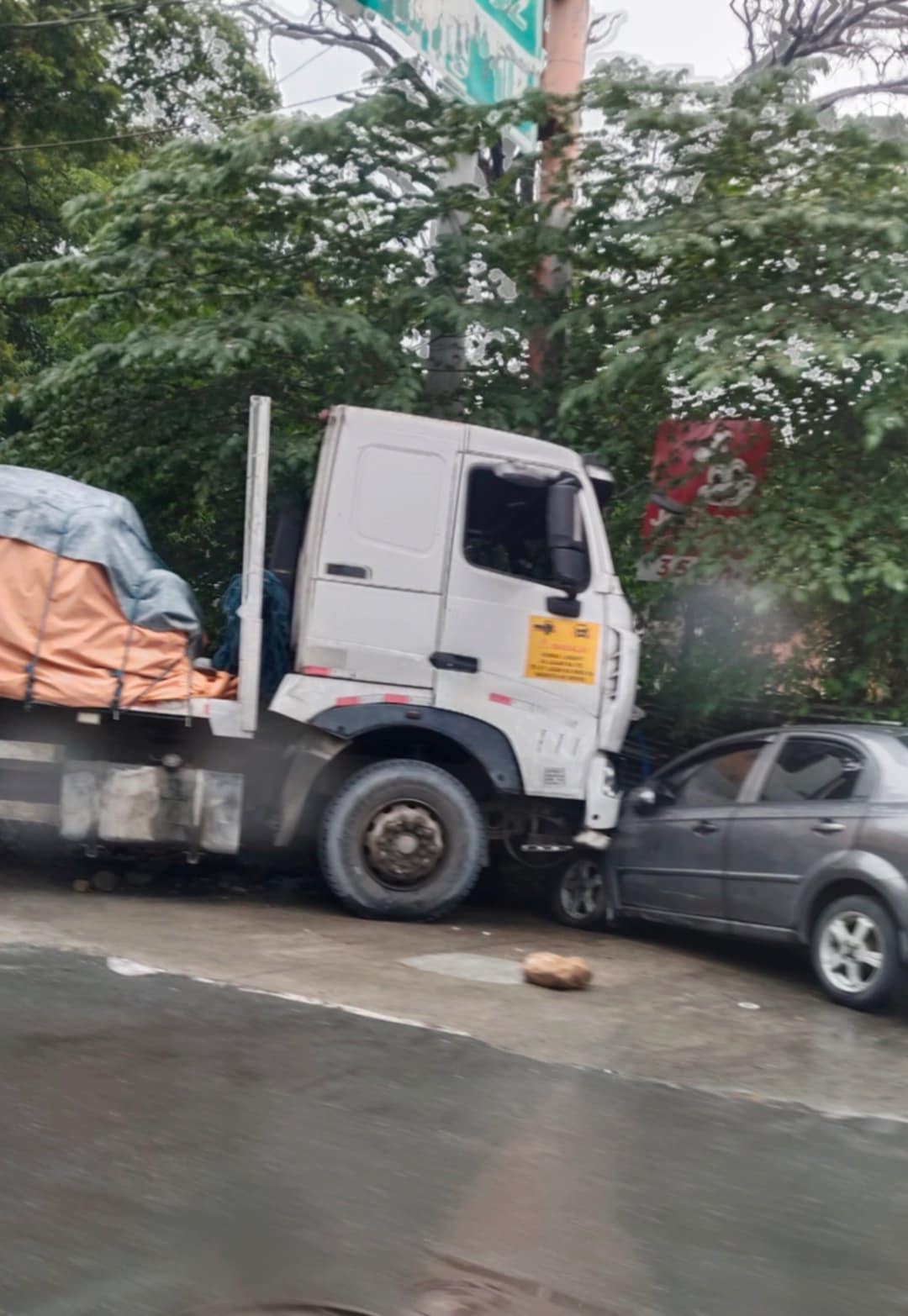 Road crash near Tikling Junction last Saturday, July 5, 2025
The resulting congestion due to the partial blockage of Ortigas Avenue Extension had eastbound traffic backed up almost up to Cainta Junction and it took more than an hour to pass the site before going up to Antipolo. Why are these crashes becoming more frequent? Perhaps these trucks are not well-maintained in the first place. Another issue is perhaps truck overloading. Whatever the issues may be whether we can isolate one or its a combination of several, interventions must be formulated and implemented. The LGUs need to be more proactive about this and not be over-reliant on the police who are there usually after a crash has occurred, and too late to prevent damage to property, injuries or worse, fatalities.
–
E-trikes in Naga City
Just like other cities in the Philippines, Naga City now has electric tricycles operating and providing transport services. These are welcome developments for many cities and municipalities as these trikes are low emission and low noise vehicles. They also basically have higher passenger capacities compared to the conventional trikes though service characteristics may not be so different from the conventional trikes. For example, ‘special’ rides mean fewer passengers.
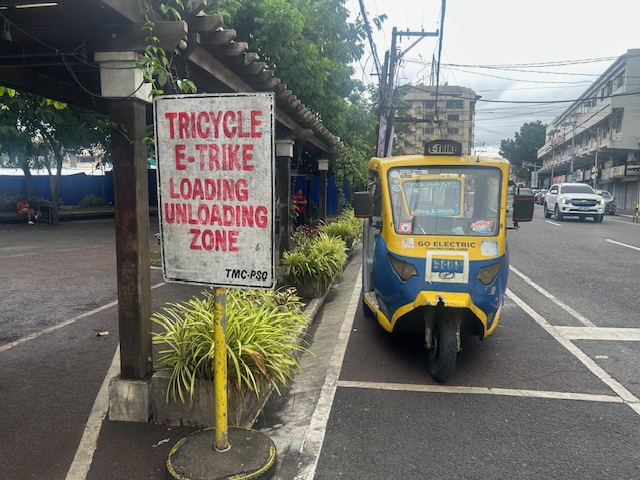 E-trike station at Plaza Rizal
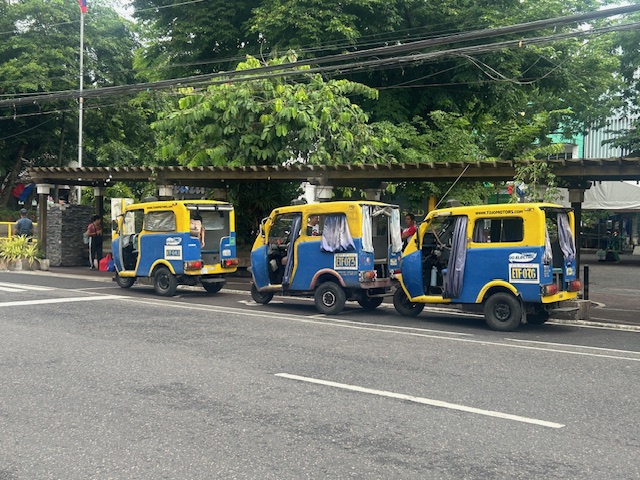 E-trikes queued at the station
Despite the popularity, there are still many questions regarding e-trikes. These include durability, battery life and profitability. With the proliferation of e-trikes and their various models, these issues hope to be resolved in the next few years as more evidence relating to these and other issues come out.
–
 Caught (up) in traffic