
On road clearing and towing of illegally parked vehicles
The MMDA conducted road clearing operations along Katipunan Avenue this Tuesday. To be exact, they towed illegally parked vehicles in the area. We saw a fleet of tow trucks lined along C.P. Garcia Avenue prior to the operations.
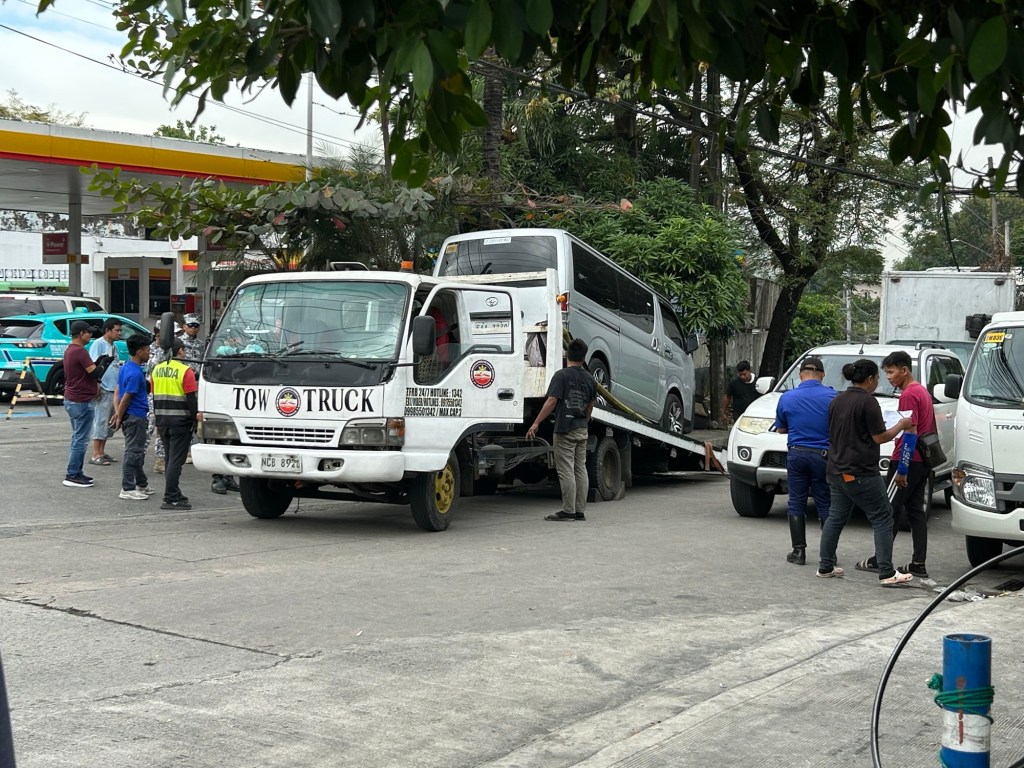
There are many illegally parked vehicles along Katipunan and the side streets to it. It is partly due to parking minimums (as stipulated in the National Building Code) not being followed and mainly because of the dependence on cars and high car ownership attributed to residents there.
Operations like this by the MMDA or LGUs are important because spaces need to be reclaimed especially for pedestrians. There is of course their main objective of easing traffic along roads whose capacities were decreased by on street parking. Do these streets need to be redesigned? Maybe but not now considering the resources required for transformation. It’s not as easy as the examples being peddled on social media.
–
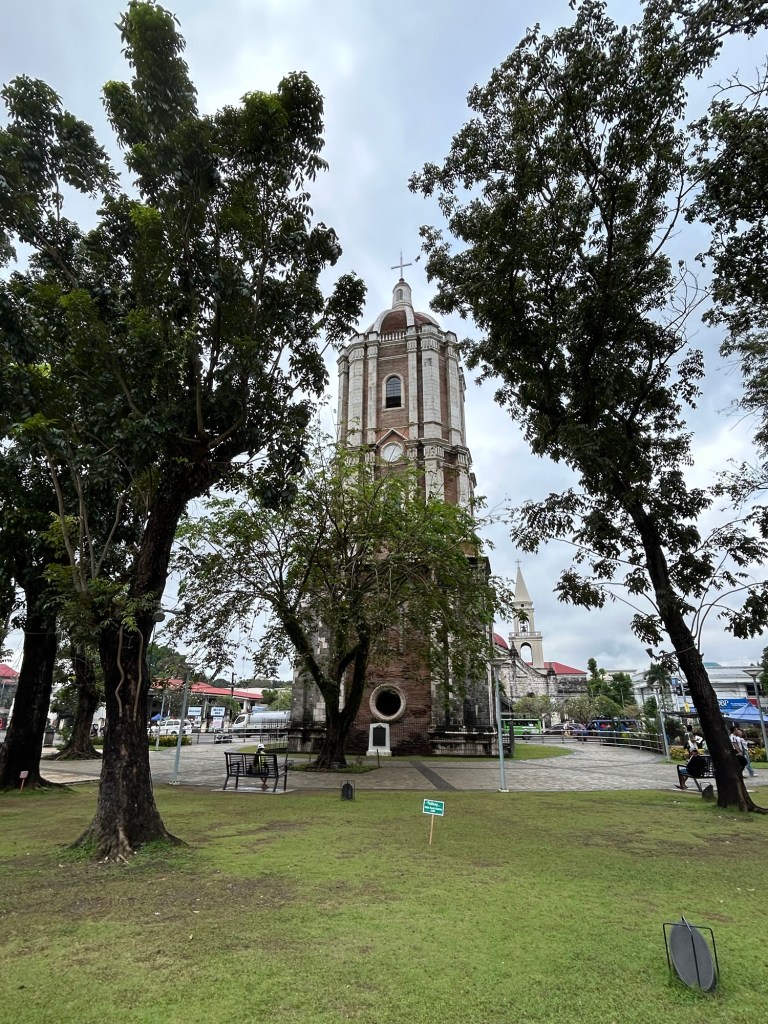
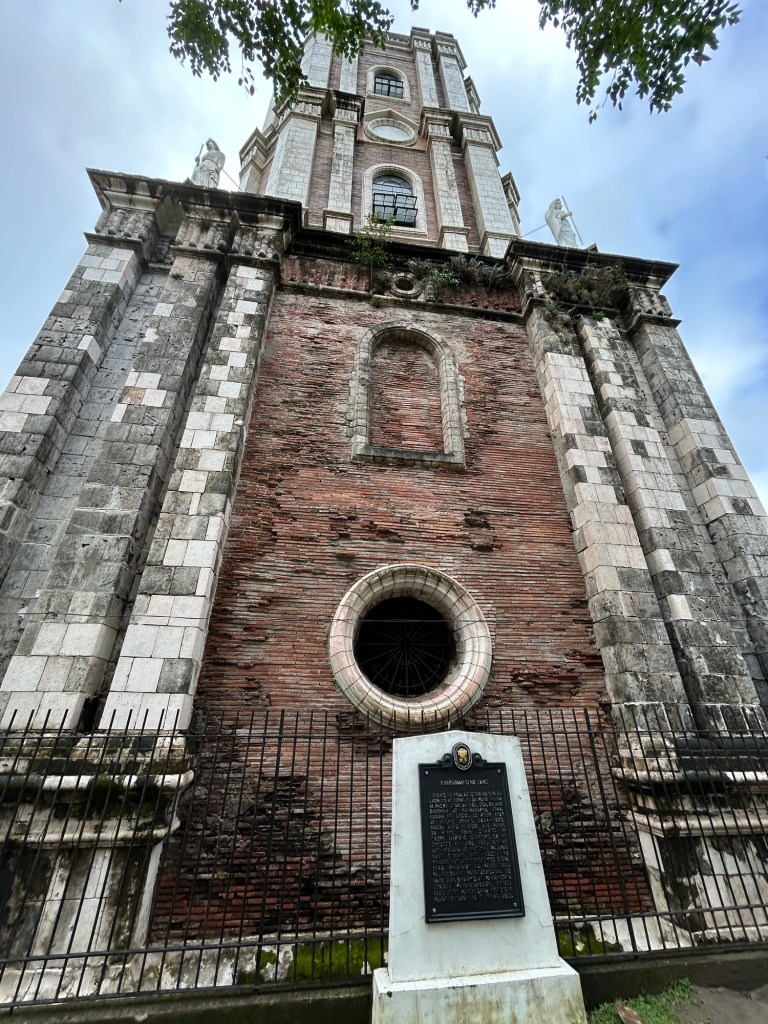
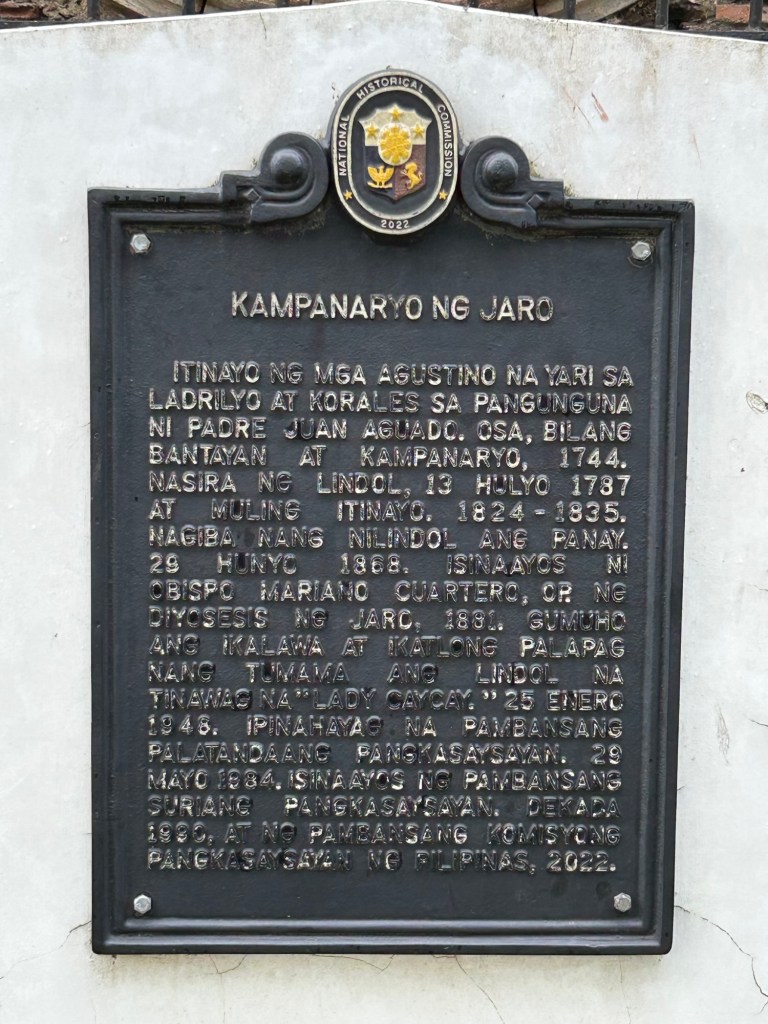
Landmarks: the Jaro Belltower
Here are some photos of a landmark in Iloilo that served as the reference for many jeepney routes. I recall from childhood that we rode the jeepney from Cabatuan and transferred here to another jeepney bound for city proper. Going home, we Di the reverse. We also hopped on a jeepney here to go to other towns like Leganes or farther districts of the city such as Molo or Arevalo. Of course, it’s different now after all the rerouting of public transport. Provincial jeepneys now terminate at the periphery of the city and no longer reach Jaro.
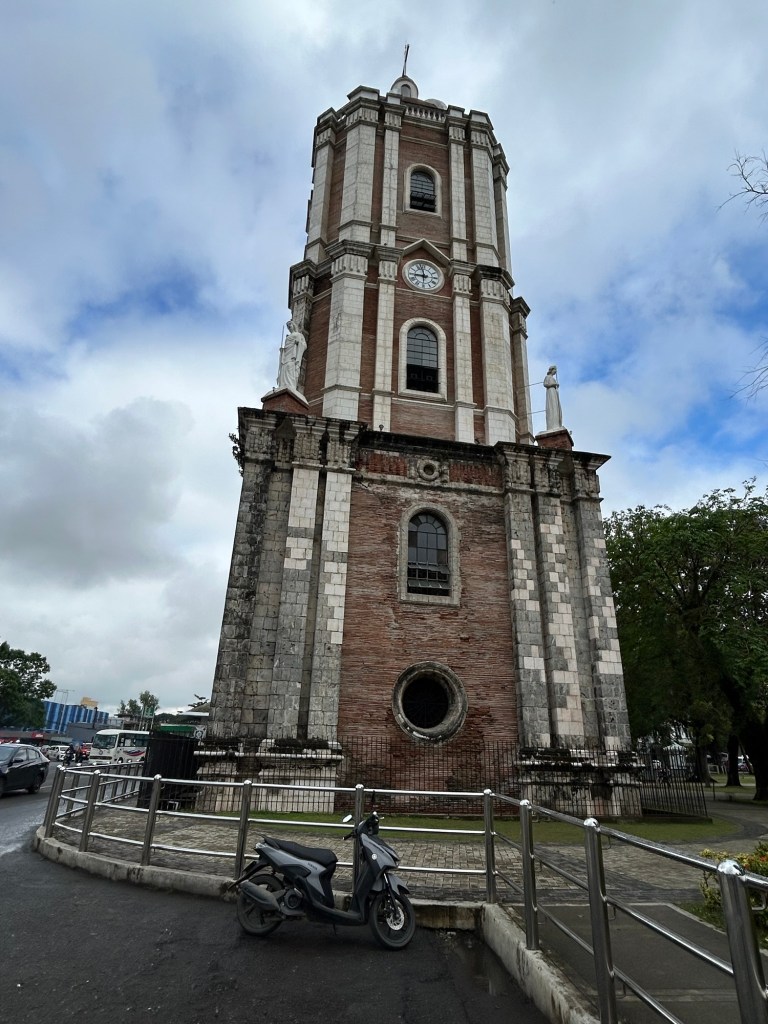
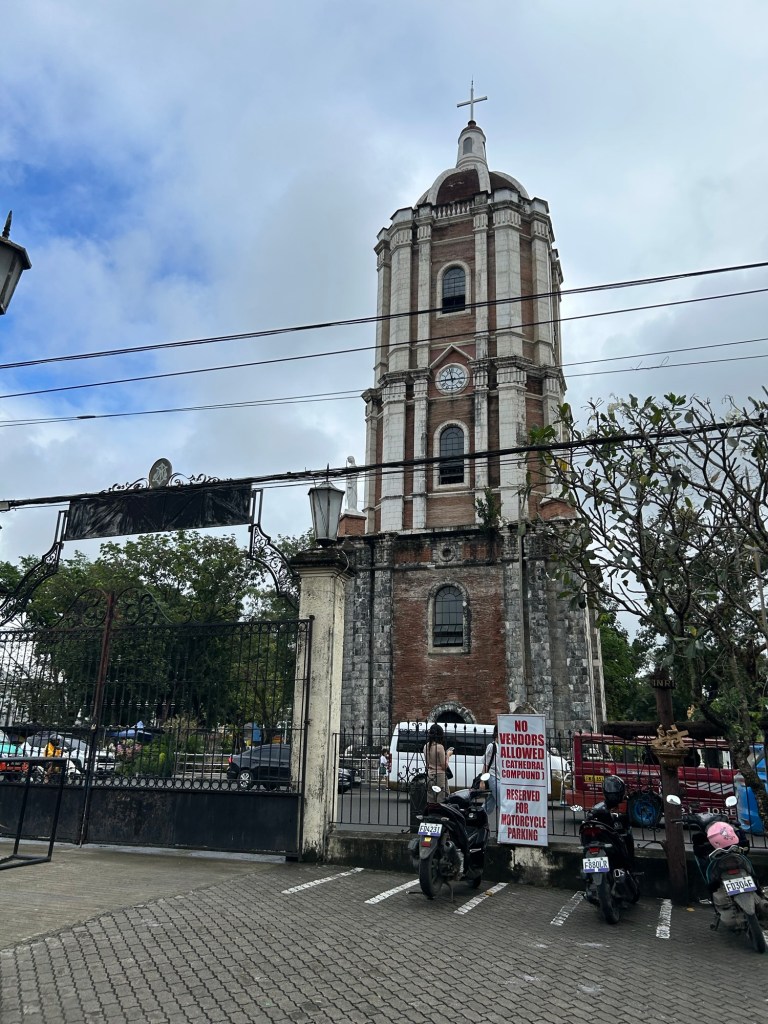
–
On the rideshare competition among 4 and 2-wheeler companies.
Grab is the current market leader for rideshare or TNVS involving cars or 4-wheeled vehicles. Others like Joyride and Angkas went the way of legalizing motorcycle taxis. Grab applied for the same as they were already operating motorcycles for food and deliveries; competing with another company, Lalamove, which focuses on deliveries. Disallowed by the LTFRB to deploy MC taxis under their brand, they acquired Move It to circumvent the decision.
Meanwhile, as Grab continued their dominance of the rideshare market, the other players decided to offer some competition. I say ‘some’ because the perception is that they have not really gained much vs. Grab. You don’t see many Joyride taxis though a couple of companies appear to be making some impact – In Drive and Green GSM. The latter though is a taxi company that looks to attract people back to the conventional but app-enhanced taxi services
Last week, we saw this car with a familiar brand on its side. Sporting the colors and logo of MC taxi leader Angkas, they coined a brand for their cars – Angcars.
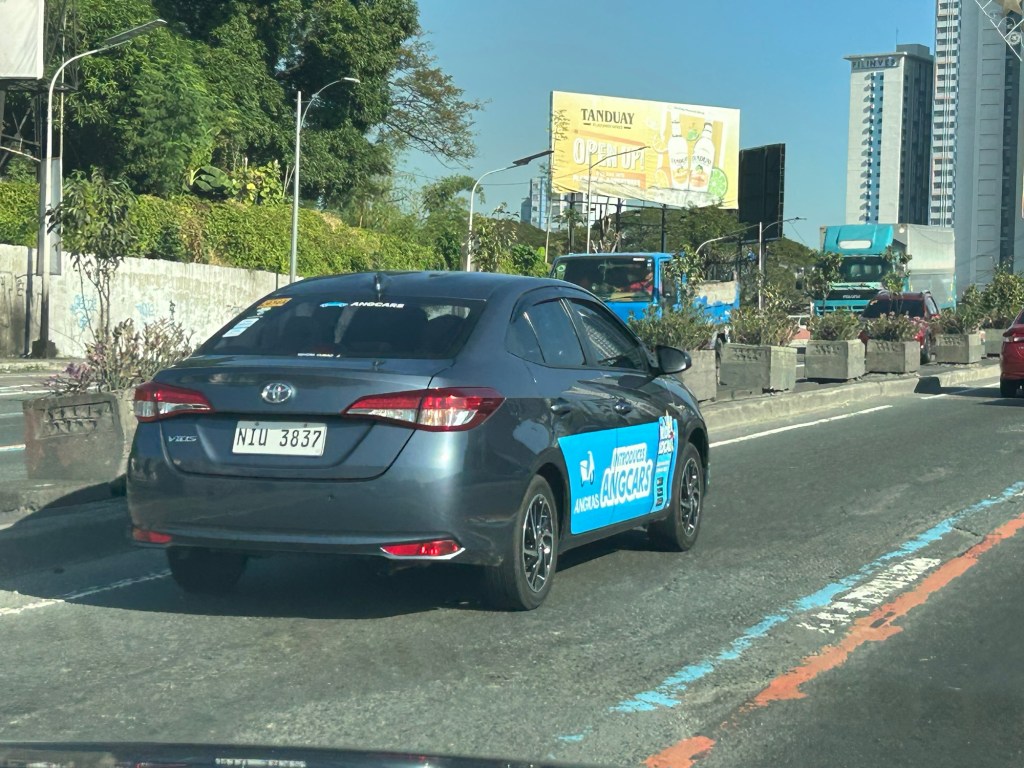
Whether people will take to these competitors for 4 or 2-wheelers so there is not an imbalance of market shares depends on public perception based on the cost and convenience, among other factors, of availing the services of these companies. Conditions may also vary depending on the cities. That is, situations may be different elsewhere like Cebu, Davao or Iloilo.
These modes, however, are still cars and motorcycles, and are regarded as private vehicles in terms of operational characteristics. Even if they are also public utility vehicles (they are for hire with fare rates), these represent a segment of private mode share. There is really a need to improve and improve and expand public transport services in order to retain or increase transit mode shares. Unfortunately, it takes a lot of time and resources to build railways so road-based public transport is still the main option where improvements need to be realized.
–
What’s left of NAIA Terminal 4?
When we landed at NAIA last Saturday, our plane passed Terminal 3 to what we thought were the usual spaces for transporter interface with the terminal. We passed the area and proceeded to where Terminal 4 used to be. T4 was the Manila Domestic Airport or MDA in old documents.
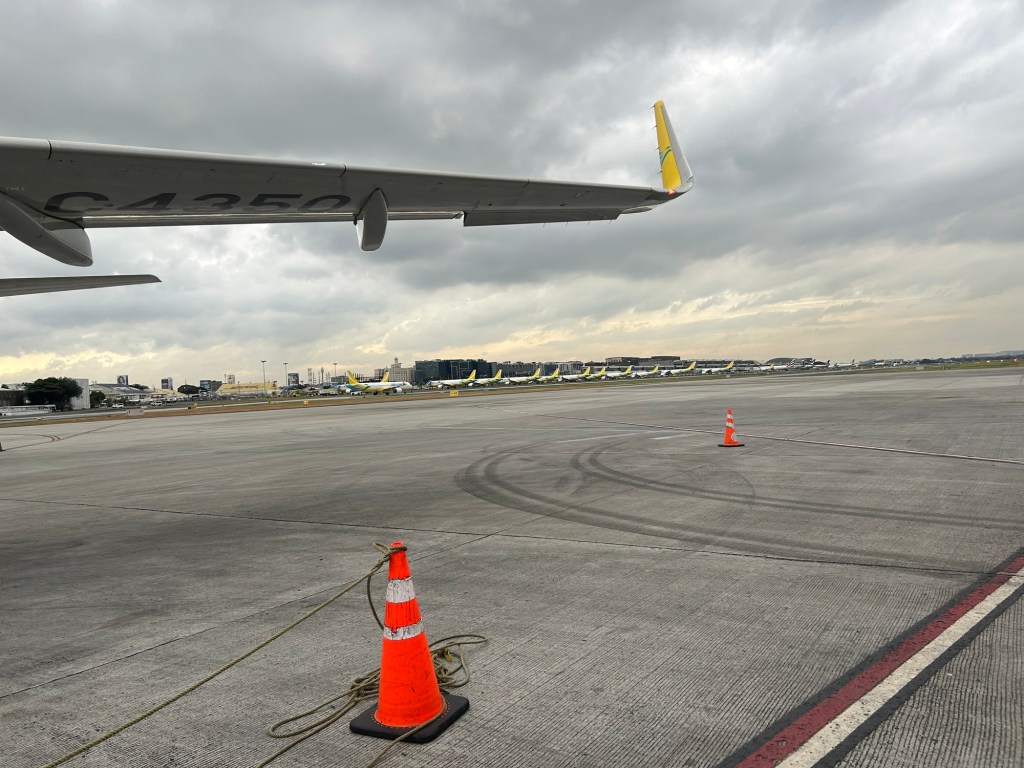
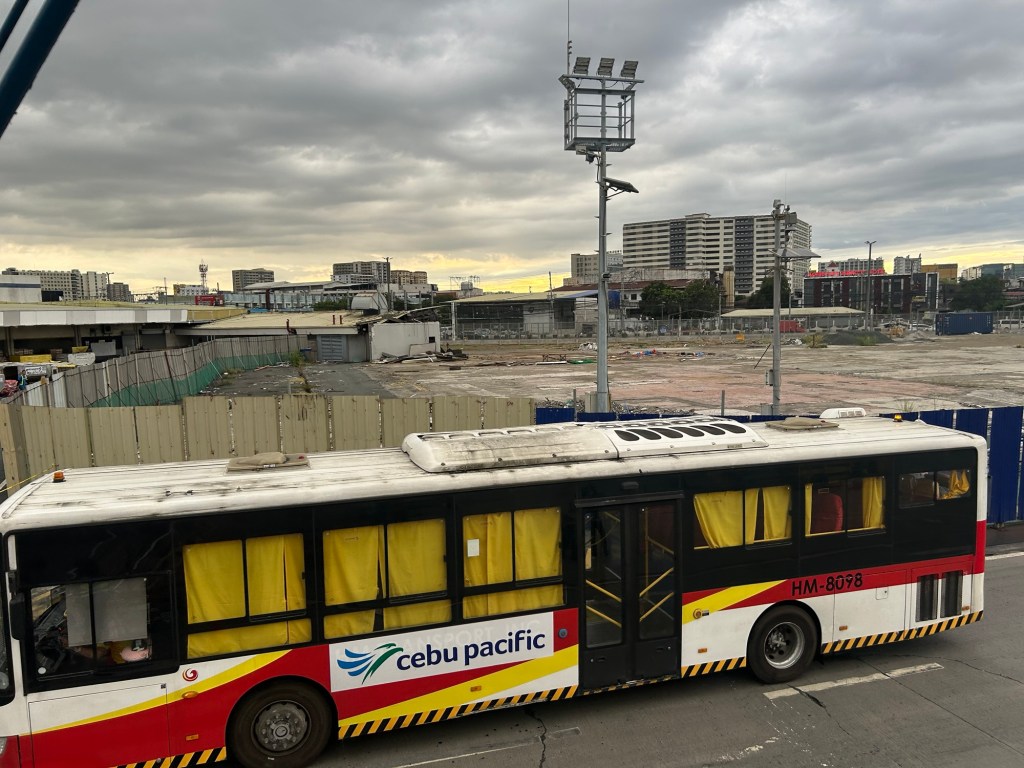
The terminal building was demolished last year as part of San Miguel’s airport redevelopment that included building an extension of Terminal 2 and a new Terminal (5?) where the Philippine Village Hotel and Nayong Pilipino were located. A new terminal will also be built where the old one stood. How does this relate to the airport being developed in Bulacan? Will this be complementary airports like Narita and Haneda? Or perhaps like Don Muang and Suvarnabhumi?
–
Tambayan at NAIA Terminal 3 – Part 1
I am sharing here some photos of the food hall found at Level B between the arrival and departure levels of Terminal 3. I’ve read about the renovations and improvements over the last few months but I haven’t been able to go around T3 in a while. Most of my travels last year were via Terminal 2 due to my travels to Bicol. The photos speak for themselves so I won’t be writing labels for each photo.
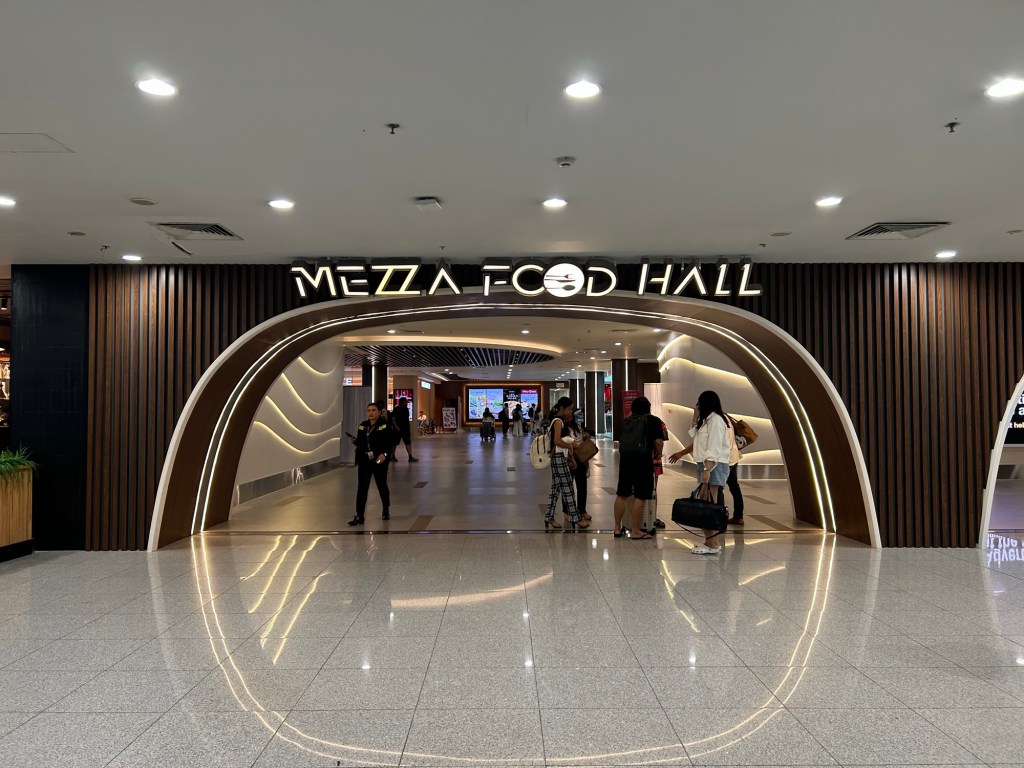
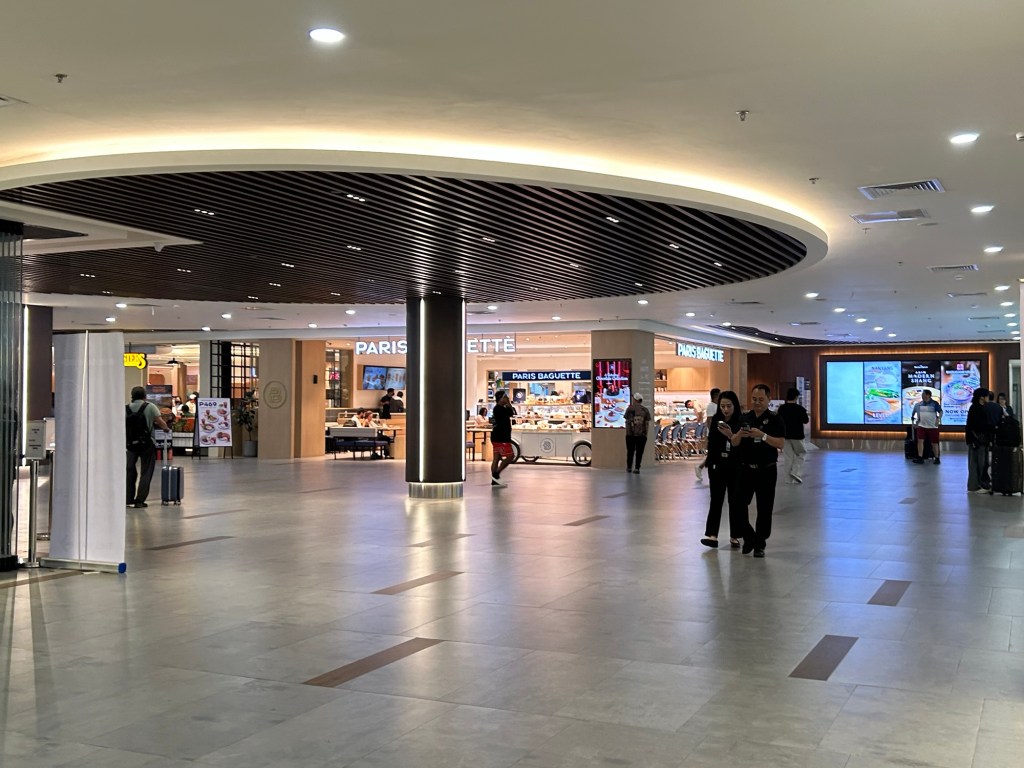
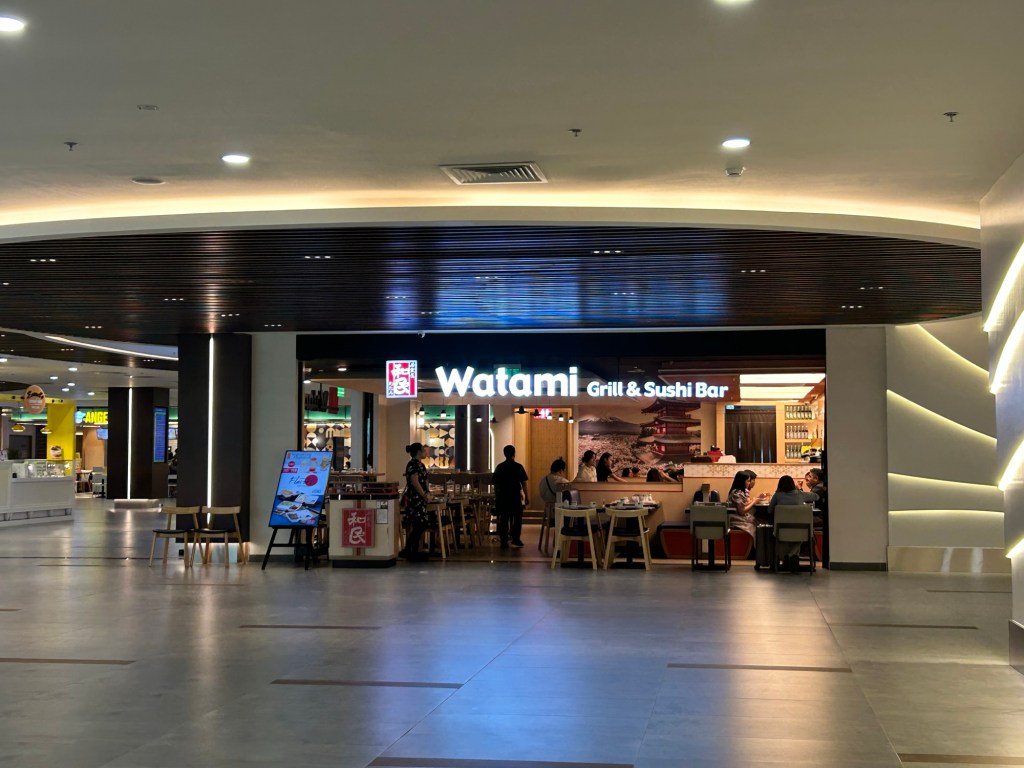
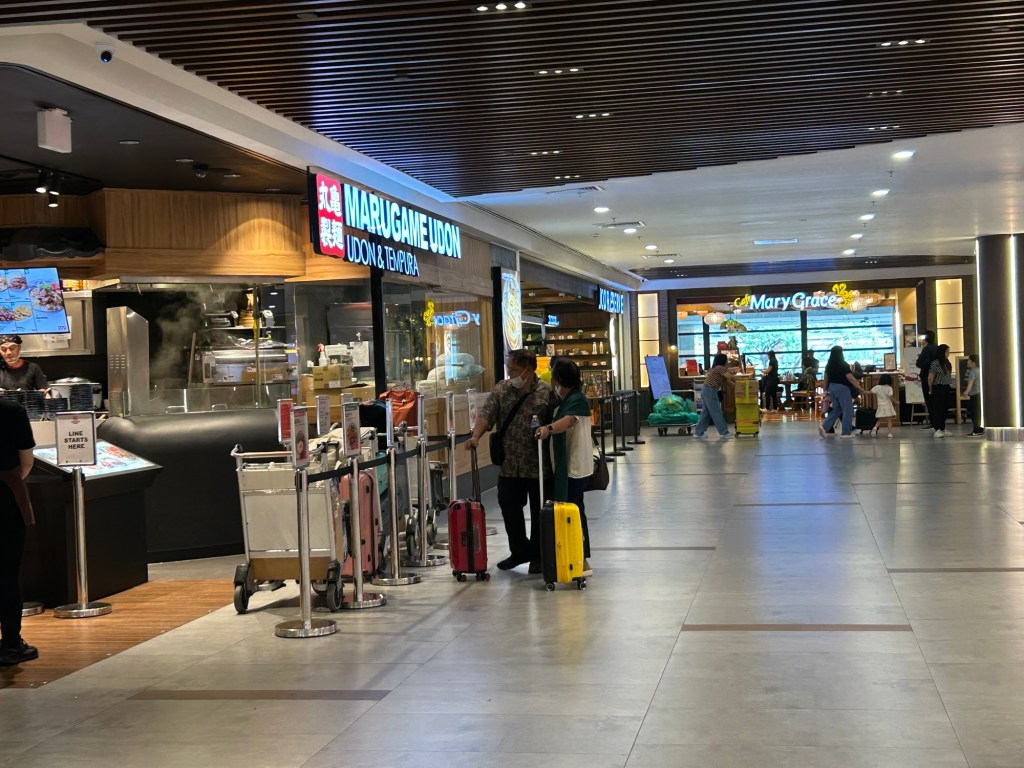
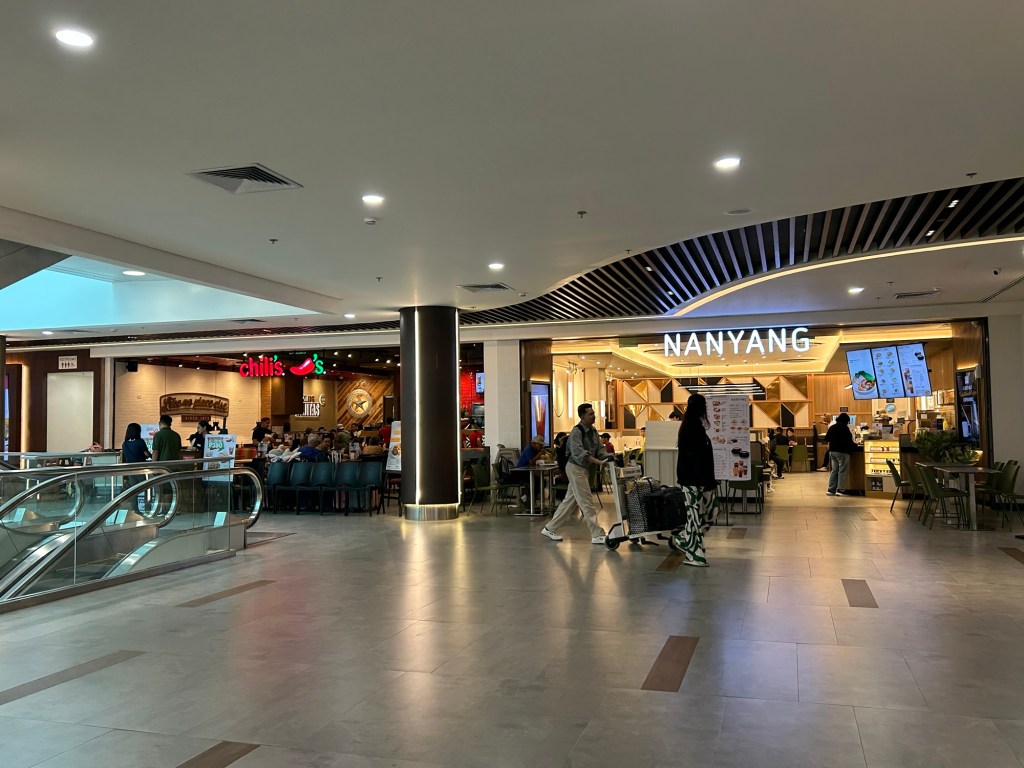
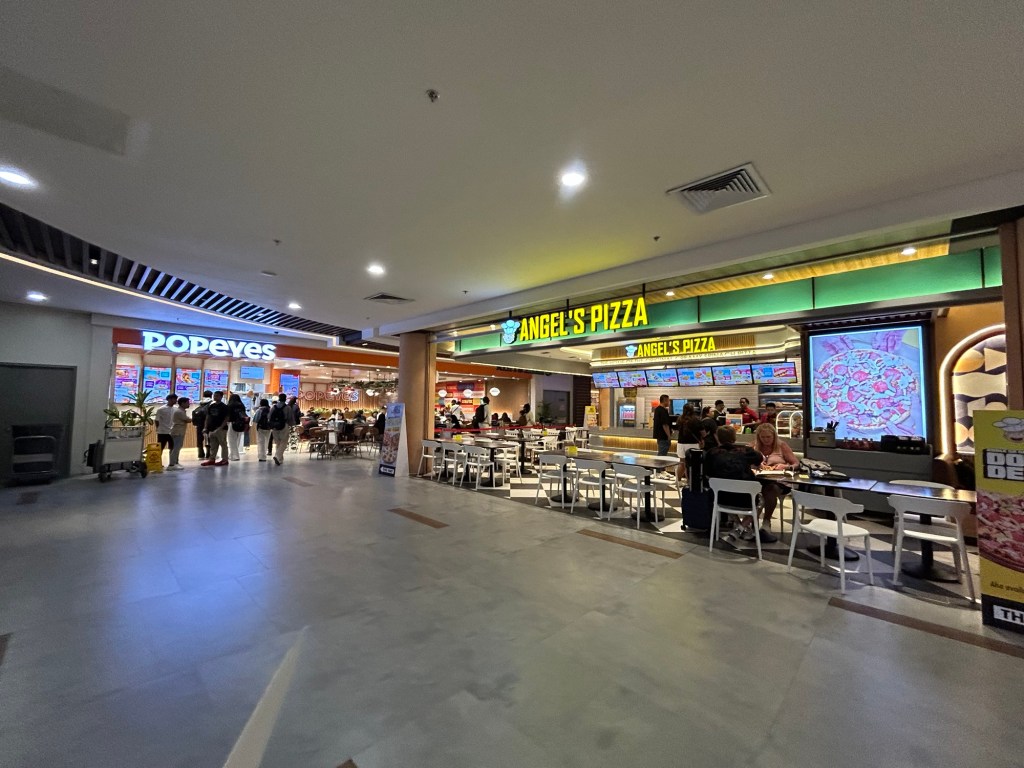
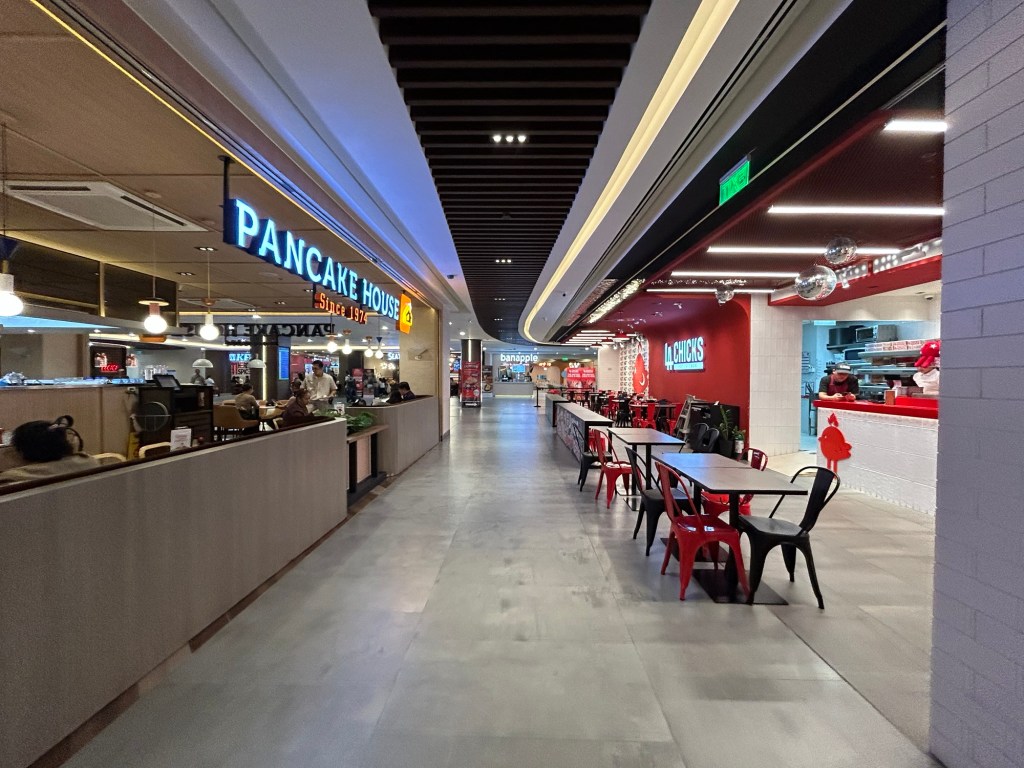
There are many eating options and more are going to open soon. We had our lunch at Pancake House prior to proceeding to our gate for our flight to Iloilo.
–
Safety roller barriers along Sumulong Highway
Last week, I observed that the DPWH is currently installing road safety barriers along a section of Sumulong Highway in Antipolo City. Previously, I posted about the same along the Antipolo-Teresa Road, which has treacherous zigzag sections. Here are photos of the ongoing installation work along Sumulong between Padi’s Point and the Oscar Lopez Center.
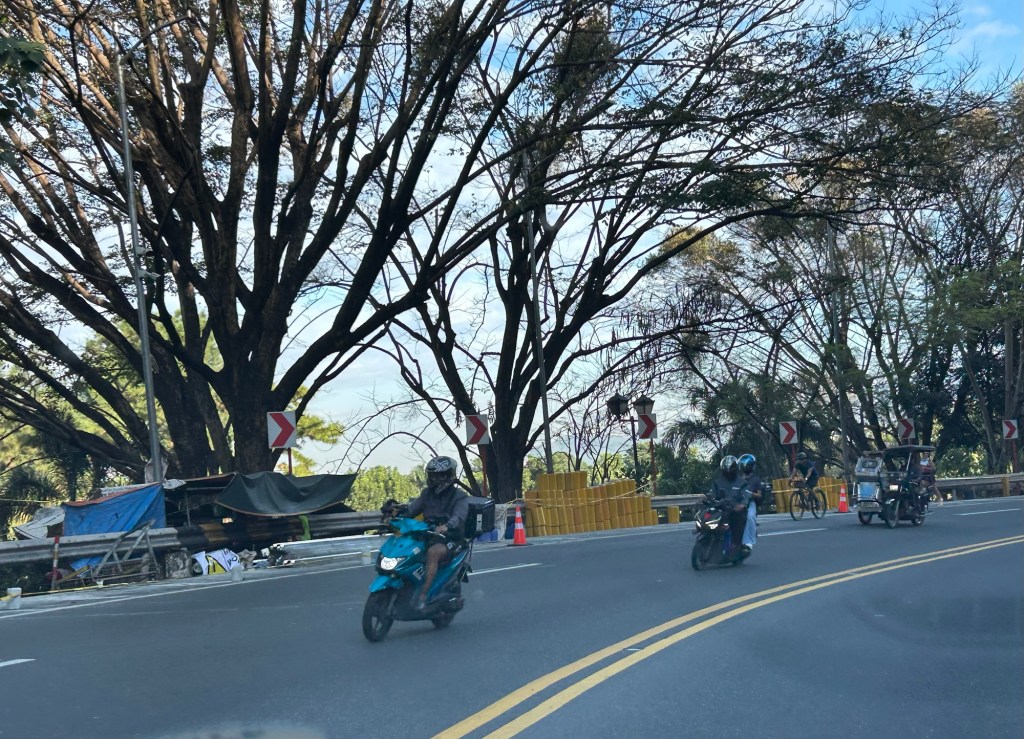
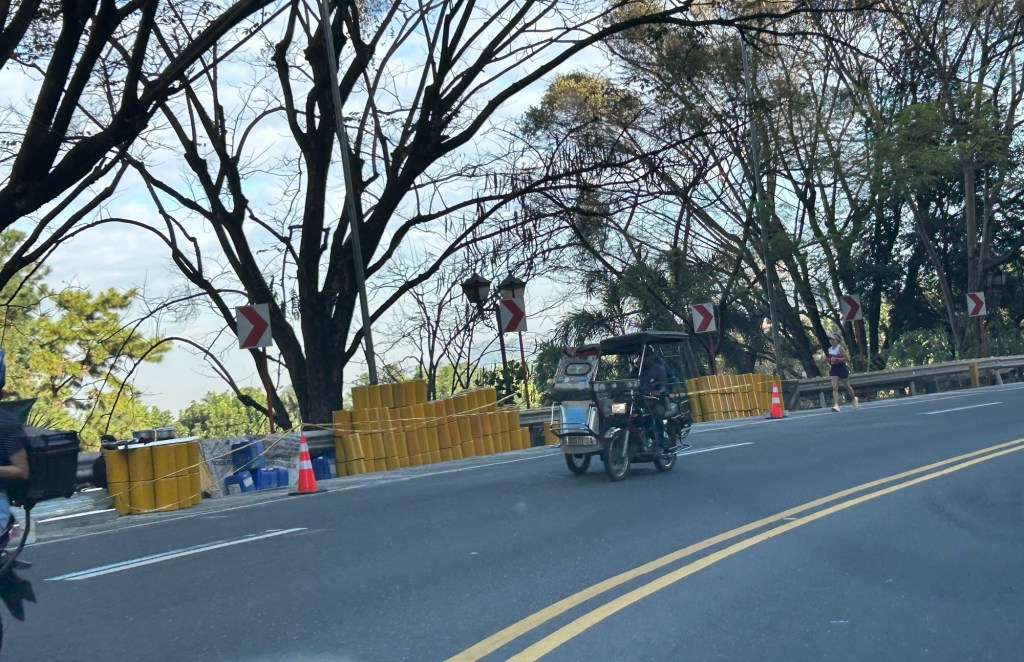
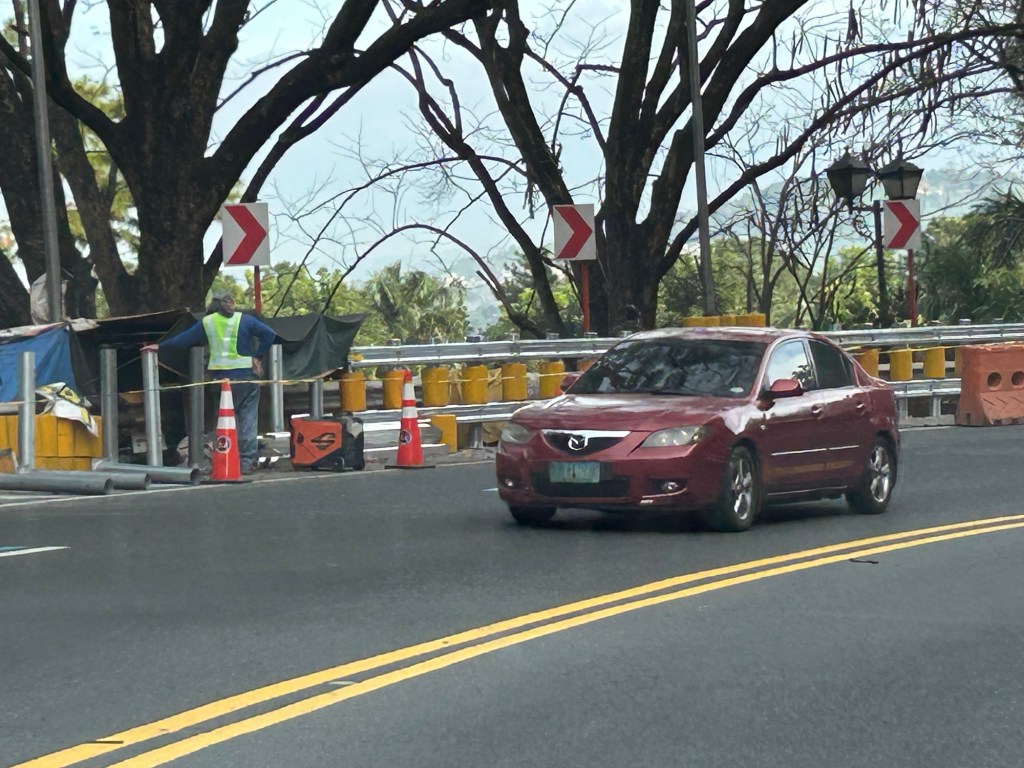
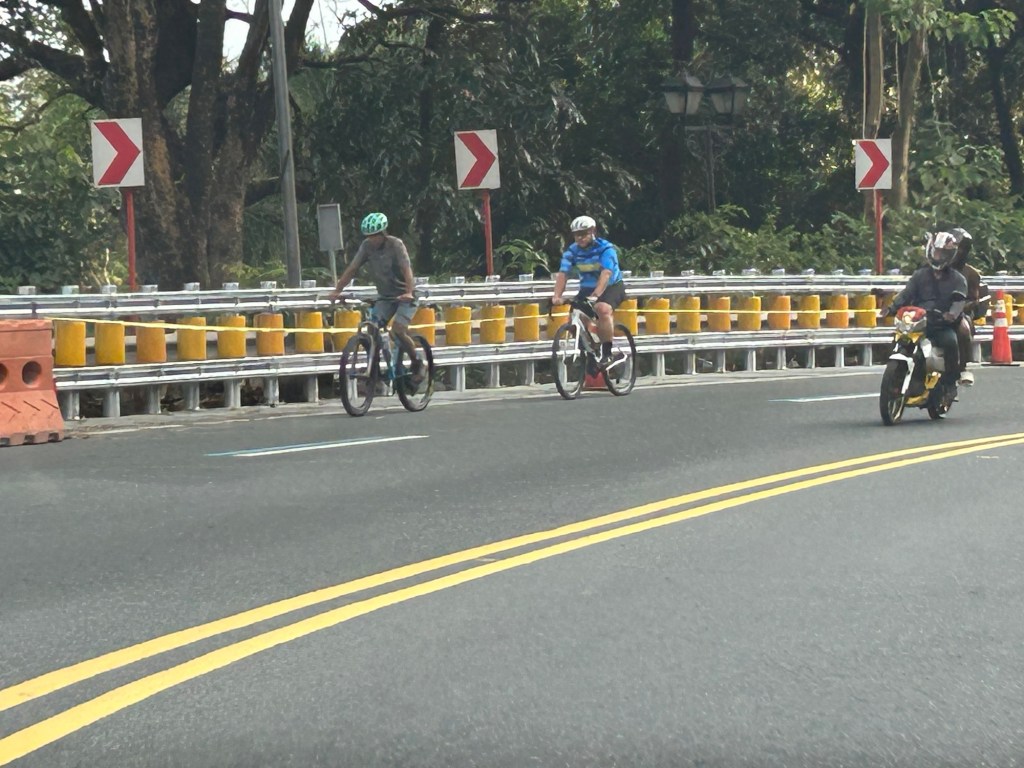
Here is a link to what these barriers are and how they help make roads safer for all users:
https://roadskyguardrail.com/what-is-a-safety-roller-barrier-a-comprehensive-guide
–
AI for Planners Explained: Urban Digital Twins
We begin February 2026 with an article share. The following article (click the link) is about one artificial intelligence (AI) application relevant to the transportation field:
Source: AI for Planners Explained: Urban Digital Twins
To quote from the article:
“UDTs are already being used for development review, infrastructure planning, climate resilience, and operations. They are not speculative technologies. They are becoming part of how cities represent themselves and make decisions.
If planners treat UDTs as purely technical platforms, they risk losing influence over how problems are framed and solutions evaluated. If planners engage early, they can ensure that these systems reflect planning values like equity, transparency, participation, and long-term thinking.
AI will continue to evolve and UDTs offer a preview of how that evolution may shape planning practice. This does not mean by replacing planners, but by changing how planning knowledge is created, tested, and shared.
The question is not whether cities will build UDTs. Many already are. The real question is whether planners will help decide what those twins are for, and how they improve the quality of life.”
-[Note: UDT is urban digital twin]
 Caught (up) in traffic