
Morning walks in Zamboanga City – Part 1
Before I return to Zamboanga City for another workshop, I wanted to at least post the first of a series about walking in the city. One advantage of staying at a hotel in downtown is that it is close to the parks and city hall. You can also walk towards Lim Boulevard or perhaps towards Fort Pilar on the opposite direction.
 Rizal Park
 Arcade style walkways integrated into the older buildings in downtown Zamboanga City
 Valderosa Street with the Zamboanga City Hall on the right

 Rizal Park viewed from City Hall
 A close up of the Rizal monument
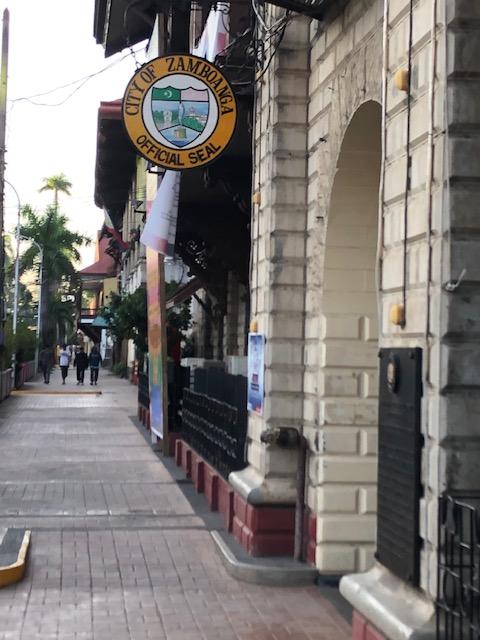 One of the entrances to city hall has the official seal of the city on display.
 Historical market for the building, which was first constructed during the American Period. It states that the building also used to be the Provincial Capitol. It is a heritage structure that is over a century old.
 The sidewalks are wide and paved. Planters are located along the curb to enhance the environment.
 Historical marker on an old house that was the official residence of Gen. John Pershing (yes, that Pershing) and which became BPI’s first branch in the city.
 Other old houses may be found along Valderosa Street. Many if not most are in a state of disrepair.
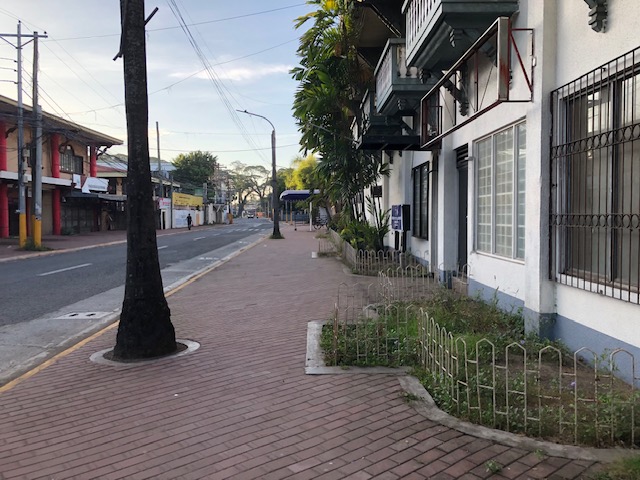 Sidewalk fronting what used to be the Lantaka Hotel. Part of the hotel is now with Ateneo de Zamboanga.
 Graffiti on the walls along Valderosa Street
 Section fronting what used to be the Lantana Hotel. It is now part of Ateneo de Zamboanga.
More photos in Part 2, which is coming out soon!
–
NAIA terminal designations for airlines – reshuffle
Airport authorities in Manila announced that airline designations at NAIA’s four terminals would be reshuffled. I took this photo of the announcement on a tarp at the corner of NAIA Road and Ninoy Aquino Avenue as we left NAIA Terminal 1.
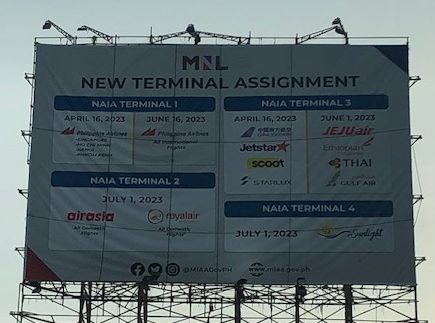
While there seems to be no major concern for the international airlines mentioned in the tarp, there will be a major inconvenience for Philippine Airlines passengers. For most its flights including international ones, transfers were easier and more convenient since international and domestic flights shared the same Terminal 2. There was no need to travel from or to another terminal unless the transfer involved another airline. From June 16, 2023, all its international flights will be via Terminal 1 so there will be a need to transit between T1 and T2 for connecting flights. Cebu Pacific will still enjoy this convenience for most of its flights as international and most domestic flights are via Terminal 3.
–
Short cuts in Zamboanga City
Our capacity building workshop in Zamboanga involved not just lectures and workshops but some practical exercises to demonstrate the surveys needed for road safety assessment of schools. Fortunately, there was a nearby school to our workshop venue and we only needed to walk to the school where participants could set up at certain locations to simulate data collection. Since a couple of teachers participating in the workshop were from the area and the nearby school, they led us to a short cut to get to their school. The route included a walk along a paved path along one of Zamboanga City’s streams.
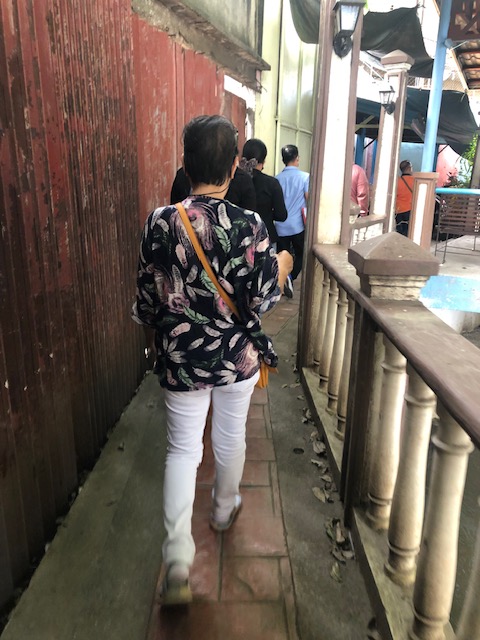
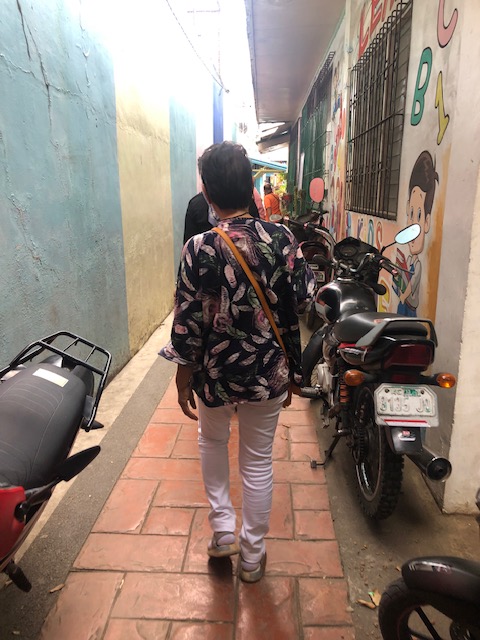
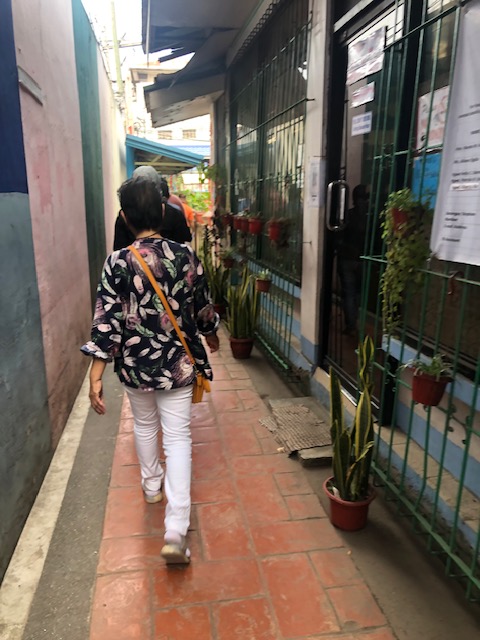
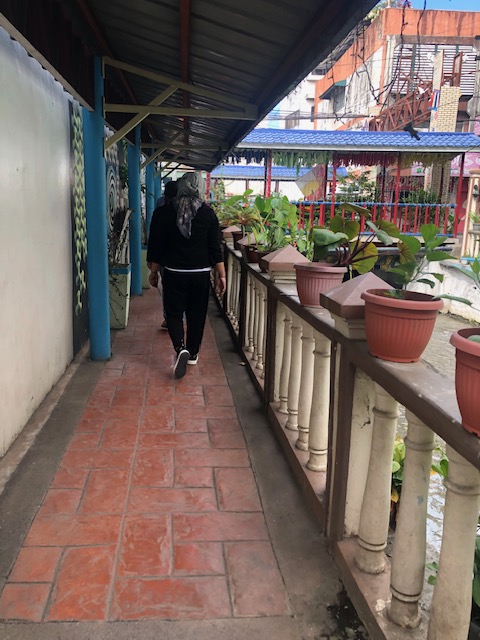

The area had a smell (stink?) to it. That was likely because it was the dry season and the heat meant the dirty water from the stream evaporated and generated the smell. There were even large rats that we saw swimming in the waters! Our guides told us that it was better during the wet season as the water flowed faster and was cleaner due to the rains and runoff. They also related about them bathing in the stream during their childhood days (I assume this was more than 30 years ago.) and before the structures above were constructed. The pathways were clean and secure though and there were others like these that we thought were good examples of pedestrian infrastructure that promote safety as well as encourage walking as a preferred mode of transport especially for short trips.
–
On San Francisco’s cable cars
Here a quick share of an article on San Francisco’s iconic cable cars:
Carren, D. (May 11, 2023) “Why SF cable cars are so iconic: a history,” The Bold Italic, https://thebolditalic.com/why-sf-cable-cars-are-so-iconic-a-history-895e30e50784 [Last accessed: 5/14/2023]
From the article:
“Though a scant remnant of what they once were, the three remaining lines are almost always packed with riders, running every 8 minutes for 16 hours a day, clanking along with a lurch’s awkward grace and an artful clattering. The crowd hangs tight to the handholds and the poles and their hats through hairpin turns, and a daring few lean out with one arm, wildly waving to signal all is still quite well.”
I have been to SF a few times and enjoyed using the cable cars among other modes to go around the city. In fact, in one of our stays in SF, we deliberately booked a hotel close to the end point of one of the lines so we can use it more frequently to go to downtown SF.
 San Francisco’s cable cars at the Hyde Street turnabout ca. 2011.
–
Back at Laguindingan Airport – arrival
We were in Cagayan de Oro last April and I took the opportunity to take photos at the airport. The airport, of course, is no longer in Cagayan de Oro (the old one has been closed). It is now in Laguindingan town, which 30 to 60 minutes from CDO depending on the time of day and how aggressive your driver is. Laguindingan retained CDO as its code.
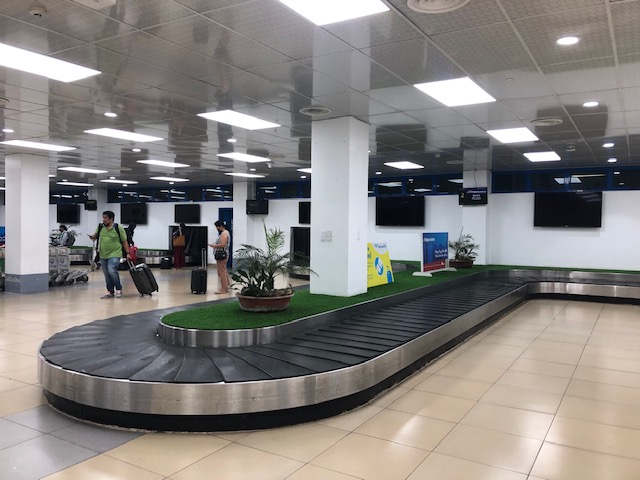 Baggage claim conveyor belt at the arrival area
 Passengers claiming their checked-in luggage
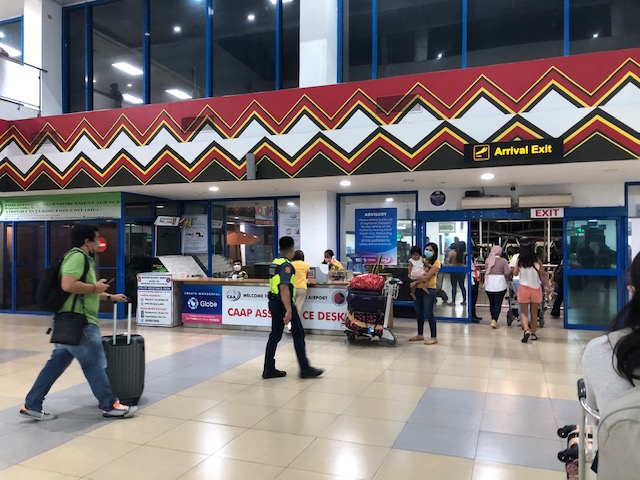 Exit from the arrival area – there is a CAAP Assistance Desk here
 Driveway and crossing for passengers
 The main driveway is currently reserved for VIPs. All other vehicles are required to go to the parking lot across from the terminal.
 Passengers need to cross to the parking lot where their fetchers await them or where they can book a vehicle to take them to their destinations.
 People waiting for passengers. Most of these are fetching (sundo) relatives, friends or clients arriving at the airport.
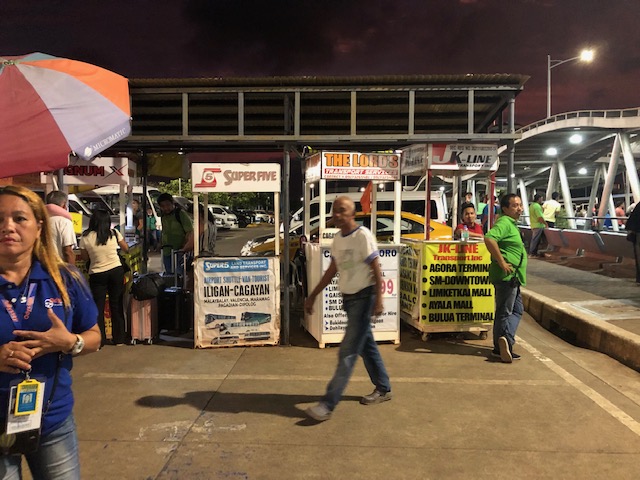 Transport services await passengers at the parking area. In other airports, these are located near the arrival exit. They are here probably due to security concerns. One can easily book a vehicle (usually a car or van) from Laguindingan Airport to typical destinations like Cagayan De Oro and Iligan City.
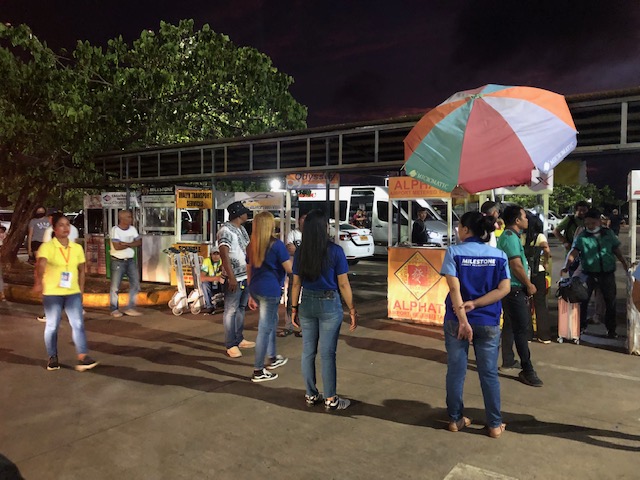 Personnel of various transport service companies call for passengers to attract them to their booths. Others are drivers of rented vehicles, waiting for their clients to appear.
 The airport terminal as seen from the parking lot.
–
New reclamations at Manila Bay
As our plane approached to land at NAIA yesterday, I saw the current extent of the reclamation projects underway at the Manila Bay.
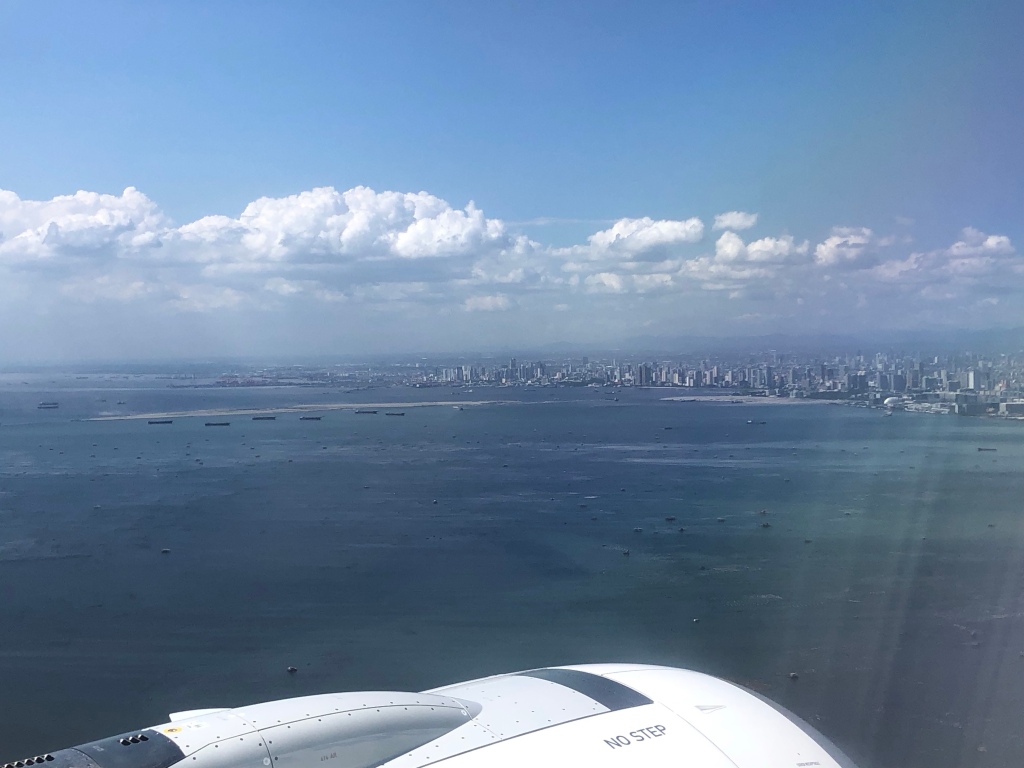


These projects are expensive to implement and will surely lead to even higher real estate prices. This will translate to expensive office, commercial and residential units. So one wonders who will ultimately benefit from these developments. Will government come in and require low cost housing here or will future workers have to commute to these places from the suburbs? The latter will definitely put more pressure on an already deficient transport system.
–
Covid test kits at the airport
Despite the relaxed stance on COVID-19, the virus is still very much around and evolving or mutating. While airports in the Philippines are lax about the wearing of masks, airlines require masks for passengers on flights. I’m not sure how effective as a preventive measure this is since most people at airports don’t wear masks and there is nothing that will allow for contact tracing anymore.
Meanwhile, COVID-19 test kits vending machines are now common at airports. I guess aside from being a reminder of the pandemic, it is also a convenience for people who want to check, quickly though not so accurately, if they are positive for the virus.

–
A vintage US Army Jeep – the ancestor of the jeepney
We were visiting the studio of a friend last weekend and learned that he was a history buff. He did historical reenactments as well as researched on militaria including the uniforms worn by combatants in World War II. The latter was part of his work towards more accurate uniforms being used for period films. A surprise for us was that he also collected vintage cars that included two US Army Jeeps and a truck that were parked in their garage.
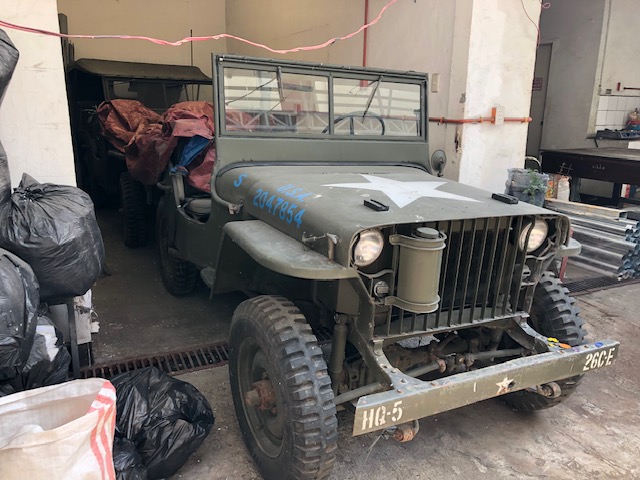 A US Army Jeep greeted us as we entered their studio premises
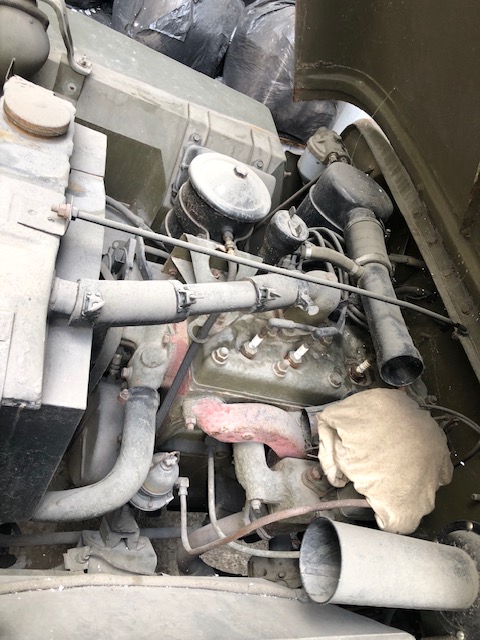 The 4-cylinder engine of the Jeep
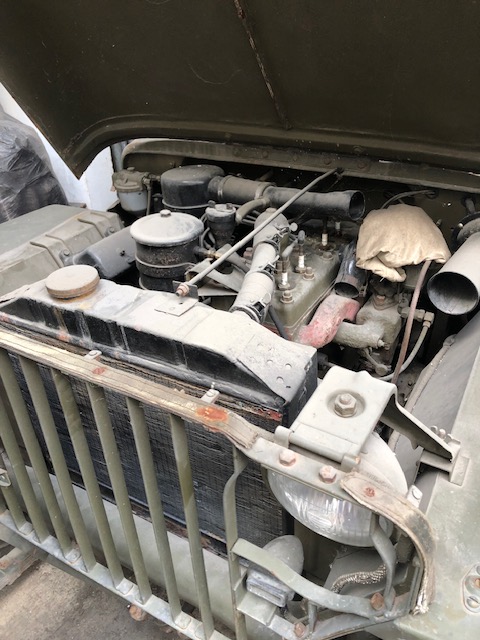 Another view of the engine. Notice, too, the front grill of the vehicle.
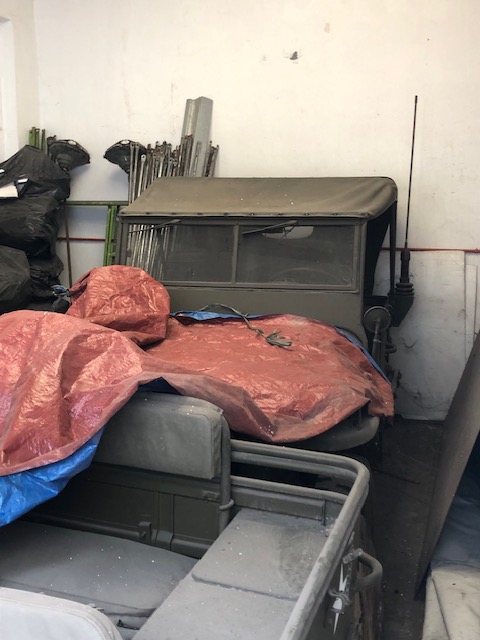 A second jeepney is parked behind the first. This second one had a canvass top on and a radio antenna that’s supposed to be original.
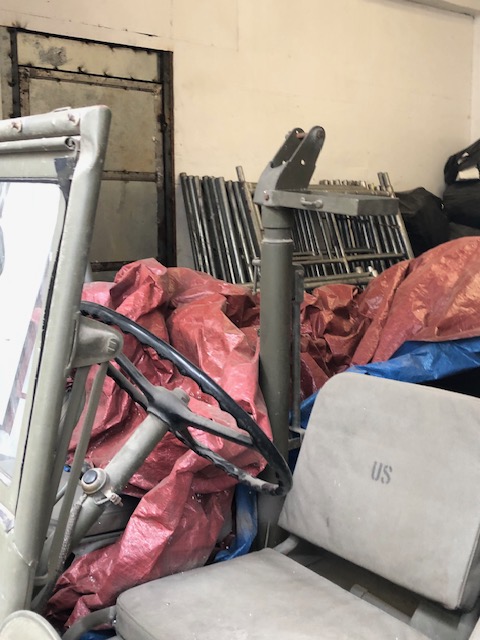 There’s the steering wheel and the machine gun mount.
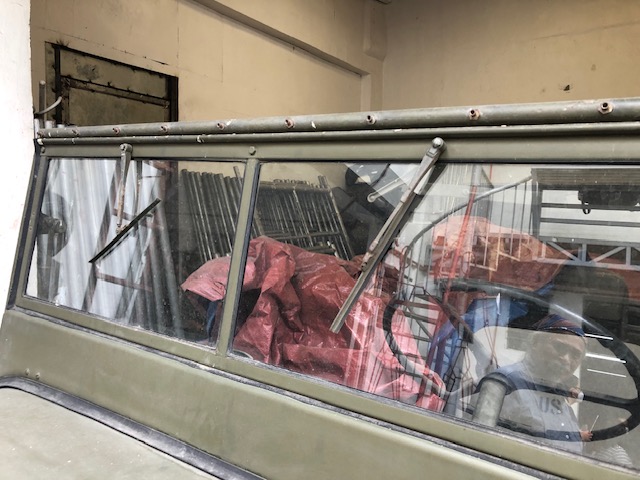 The wipers whose design was retained by the jeepneys
I had always wanted to see an intact specimen of this jeep. The surplus units eventually were modified or customized to become the first jeepneys that seated 4 to 6 passengers at the back (they were shorter back then. The designs were based on the auto calesa, which were cars that were modified to become public transport vehicles with bench seats at the back. The rest, as they say, is history and we now still have what are termed as conventional jeepneys that now seat 16 to 24 passengers at the back of the driver.
–
On bicycles as a preferred mode of transport
Sharing this article on bicycles being the perfect mode of transportation. It is framed with respect to the concept of the 15-minute city. Here is the article:
Johnson, R. (April 19, 2023) “Embracing the 15-Minute City: 7 Reasons why Bicycles Are the Perfect Mode of Transportation,” Momentum Mag, https://momentummag.com/embracing-the-15-minute-city-7-reasons-why-bicycles-are-the-perfect-mode-of-transportation/ [Last accessed: 4/29/2023]
To quote from the article:
“Bicycles are aligned with the goals of sustainability and climate action, as they contribute to reducing greenhouse gas emissions, air pollution, and congestion. In a 15-Minute City, where the focus is on creating sustainable and climate-friendly communities, bicycles can be a powerful tool to achieve these objectives. By promoting cycling as a viable transportation option, cities can reduce their carbon footprint, mitigate climate change impacts, and promote a greener and healthier way of living.”
–
On air quality in subways
I saw this article on Wired and immediately read it as the topic to me was interesting. I have been using when I lived in Japan in the 1990s and in Singapore in 2010-2o12. I have used the transit system in many other cities including in the US and Europe. And so the topic of air quality in subways (particularly the stations and inside the trains) got my attention. I guess this is not entirely an issue for ground-level and overhead systems like what most of Lines 1, 2 and 3 and the PNR are. Only Line 2 has one underground station (Katipunan Station) and perhaps has that issue. Here is the article about the air in subways:
Baraniuk (April 24, 2023) “The Filthy Truth About Subway Air,” Wired, https://www.wired.com/story/subway-air-health/ [Last accessed: 4/25/2023]
To quote from the article:
“The big unknown is whether all of this particulate matter is actually causing health problems for people. Millions of commuters use metro systems, in many cases for multiple hours a day, five days a week, for years on end. And thousands of transport workers spend even longer in the tunnels. But there are no widespread signs of severe or acute health problems among these populations, even if pollution levels in subways exceed recommended limits. Could there be more subtle, chronic effects, however—impacts on lung, brain, or heart function?”
Indeed, metros or subway systems have been operating for over a century and so far there is limited that we know about the health risks concerning their use by passengers. But this is something to keep in mind as the Philippines builds its first subway line in Metro Manila. The depots and the situation of workers thought may be a different matter. I recall one of my colleagues at the university doing a quick study of the Line 3 depot, which is underground (i.e., underneath the Trinoma Mall), and measurements showed the air quality to be quite bad. Imagine working there and being exposed to that everyday. Those conditions merit further study but require immediate action to improve working conditions considering the impact to health.
–
 Caught (up) in traffic