
Home » Air travel (Page 2)
Category Archives: Air travel
On the impact of more frequent lightning strikes on airports
We were waiting for our plane to arrive at the airport yesterday and can’t help but observe the heavy rains falling while a strong wind blows and causes the rains to fall at an angle. This renders umbrellas to be ineffective in keeping you dry if you’re outdoors. Such weather requires a long coat or even overalls to keep one dry on a very wet day. The rains and wind were brought about by a storm affecting the area. Though distant, the storm was able to influence the weather. Fortunately, there wasn’t any lightning and we wondered if lightning strikes have affected ground crew working in an open area that makes them vulnerable to lightning strikes. Here is an interesting article that describes the threat of lightning strikes particularly to people on the ground at airports.
King, R.E. (September 11, 2024) “Increasing Lightning Strikes from Stronger Storms Could Cripple Airports and Airbases,” Jalopnik, https://jalopnik.com/increasing-lightning-strikes-from-stronger-storms-could-1851645799 [Last accessed: 9/16/2024]
Quoting from the article:
“While flying planes are hardened to withstand lightning strikes, airports are typically a cluster of free-standing structures on a flat, open plot of land. The ongoing increase in lightning strikes caused by climate change is a direct danger to facilities and people on the ground.”
I wonder about similar data or statistics in the Philippines considering the long wet season we have that includes not just threats from typhoons but from seemingly small weather systems that may involve lightning strikes. I recall operations at NAIA were halted a few times when there were lightning storms. Is this phenomena. I wonder how many incidents at our airports have been reported and recorded pertaining to lightning.
–
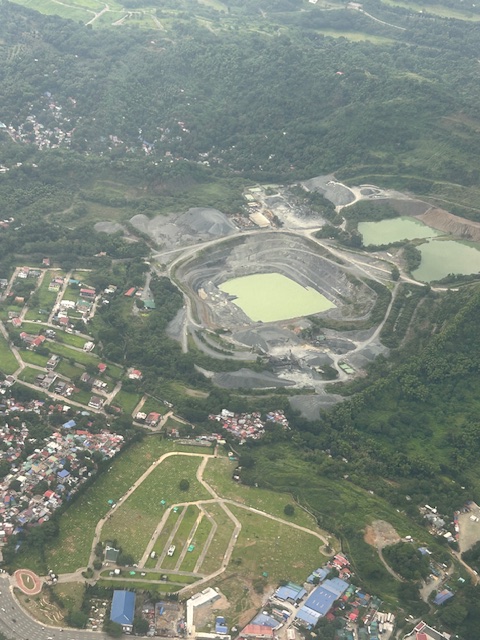
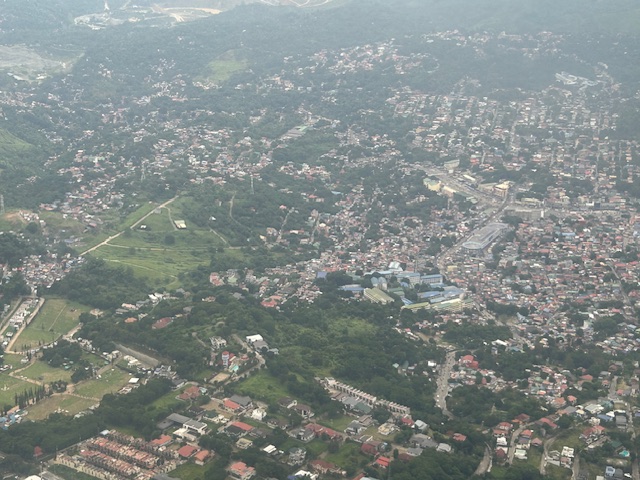
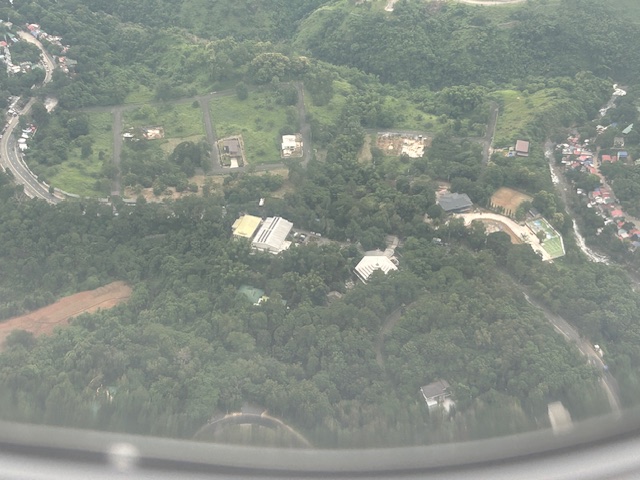
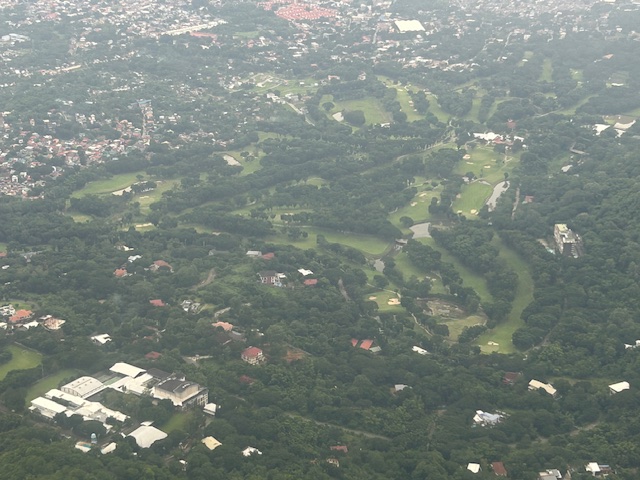
Aerial photos of Rizal
Following is a continuation of my recent post on aerial photos I took when I went to Iloilo for some meetings. This set is from our plane’s approach to land at NAIA. The path led us through Rizal province and the following photos mainly of Antipolo and Cainta.
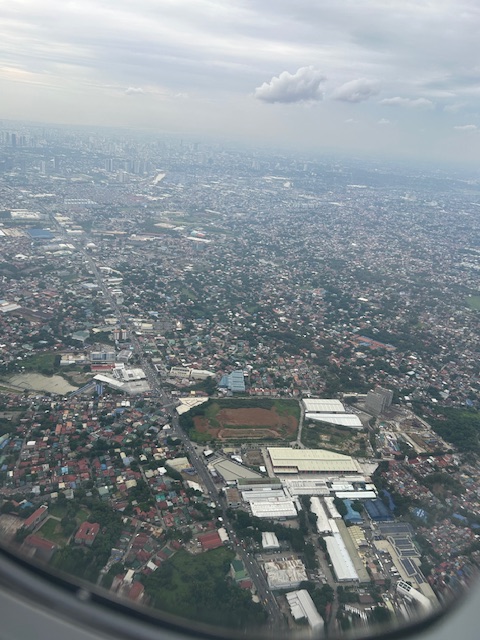
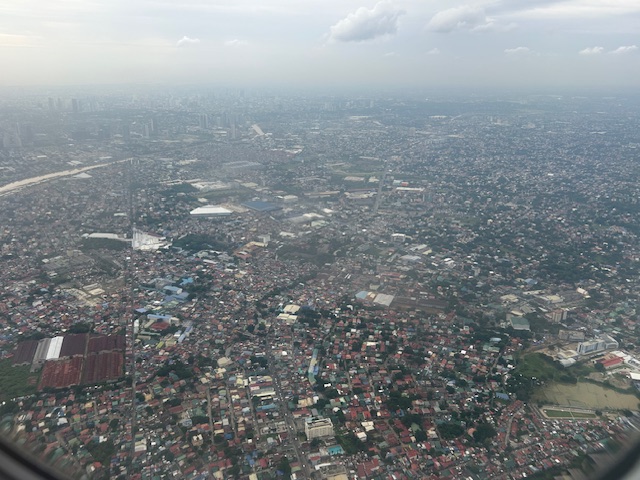
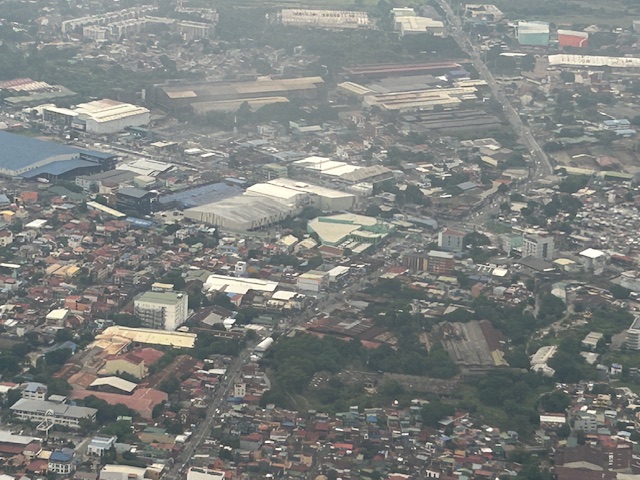
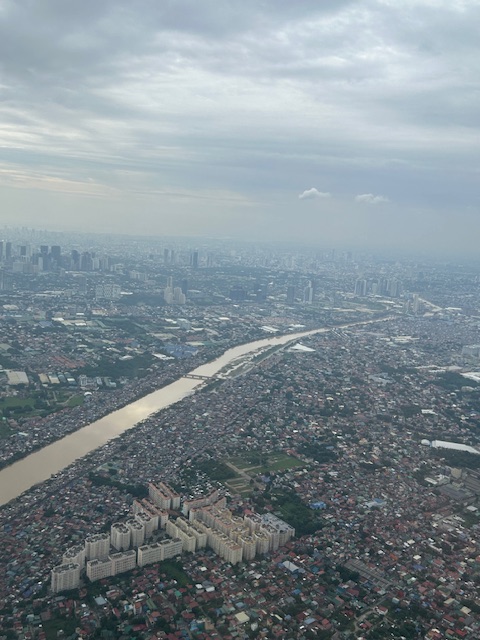
–
Post Habagat Aerial Photos
We flew to Iloilo just after the Habagat floods that ravaged much of Metro Manila and its surrounding provinces. As our plane took off from Runway 13-31, I figured there was an opportunity to take a few photos of Metro Manila especially as I was seated by the window of the plane.
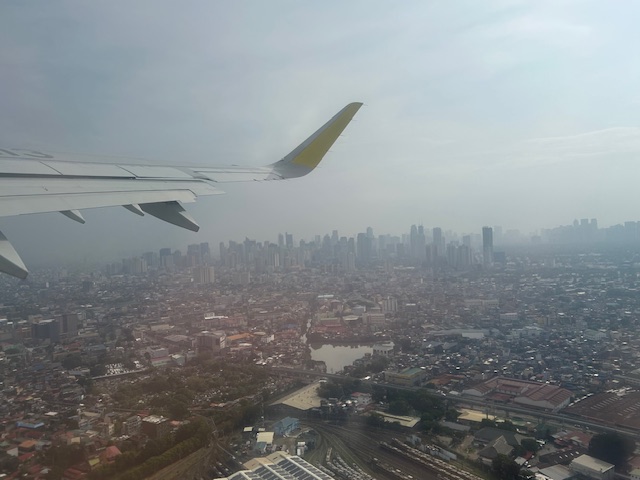
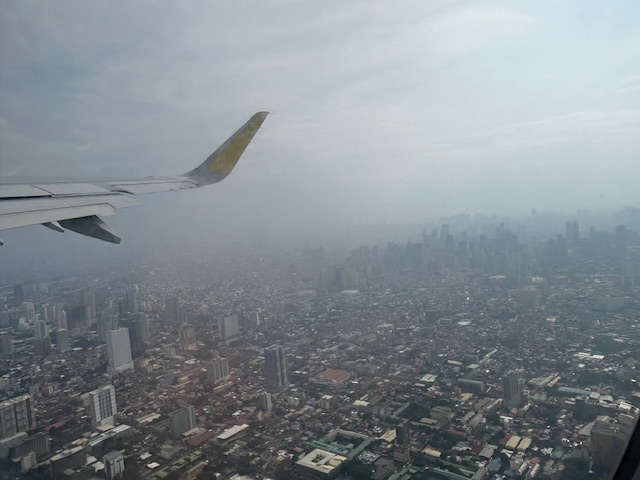
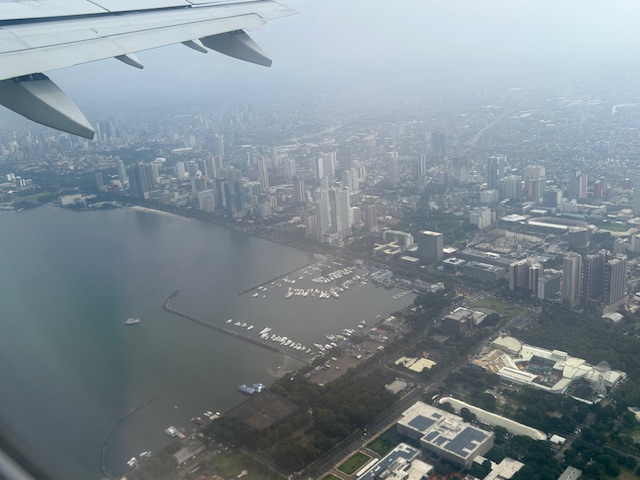
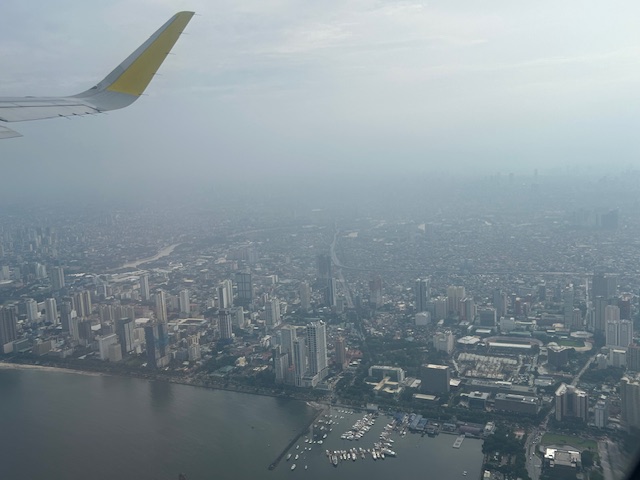
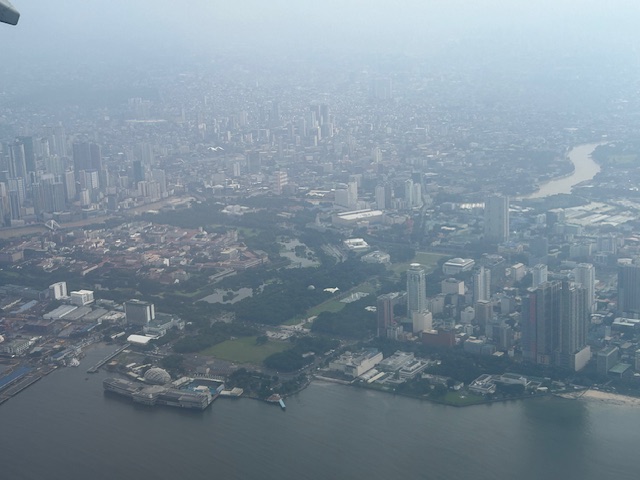
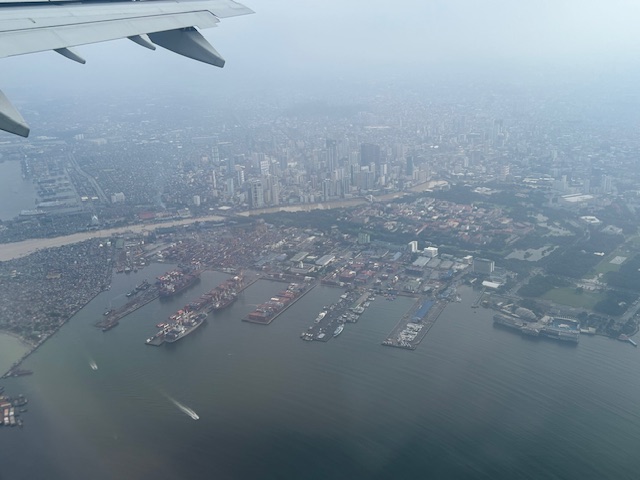
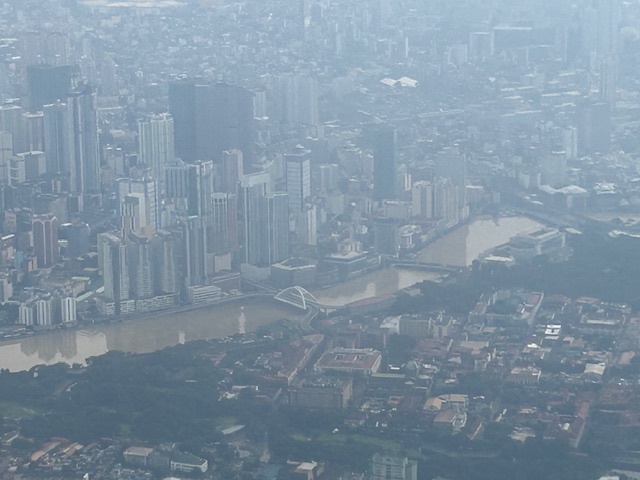
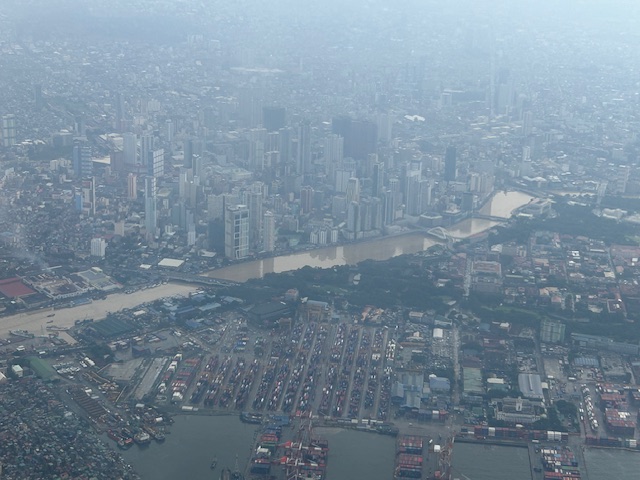
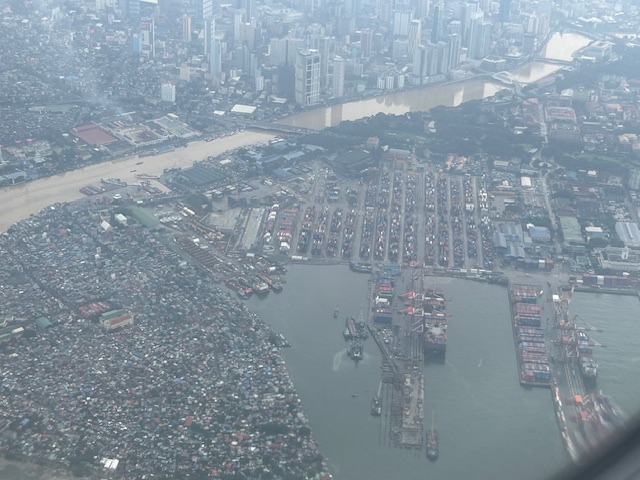
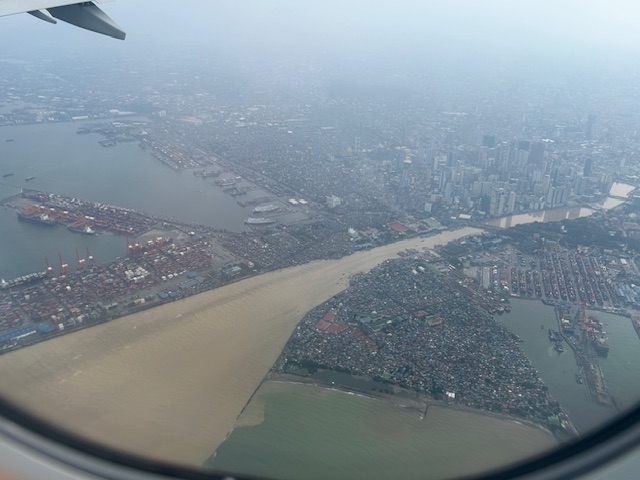
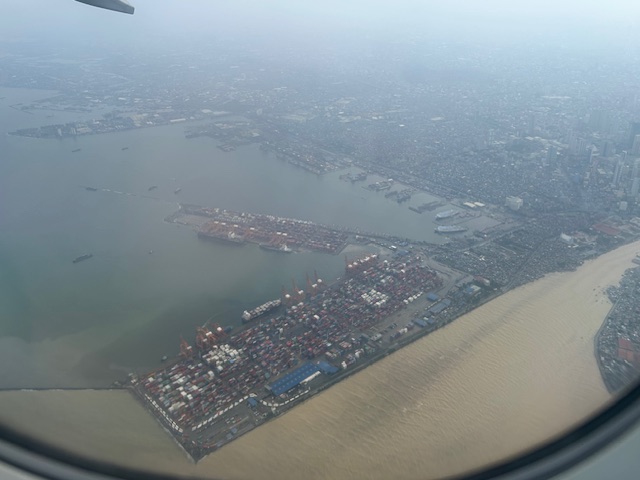
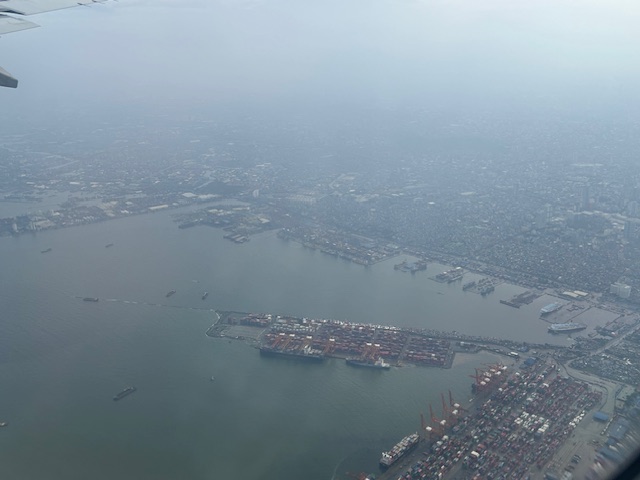
More aerial photos to be posted here soon!
–
Back in Iloilo
I’m finally back in Iloilo after a very long while. It’s a quick visit so I won’t be able to go to our ancestral home in Cabatuan. The visit to the city though will still be a sentimental one and perhaps update me on the developments there.
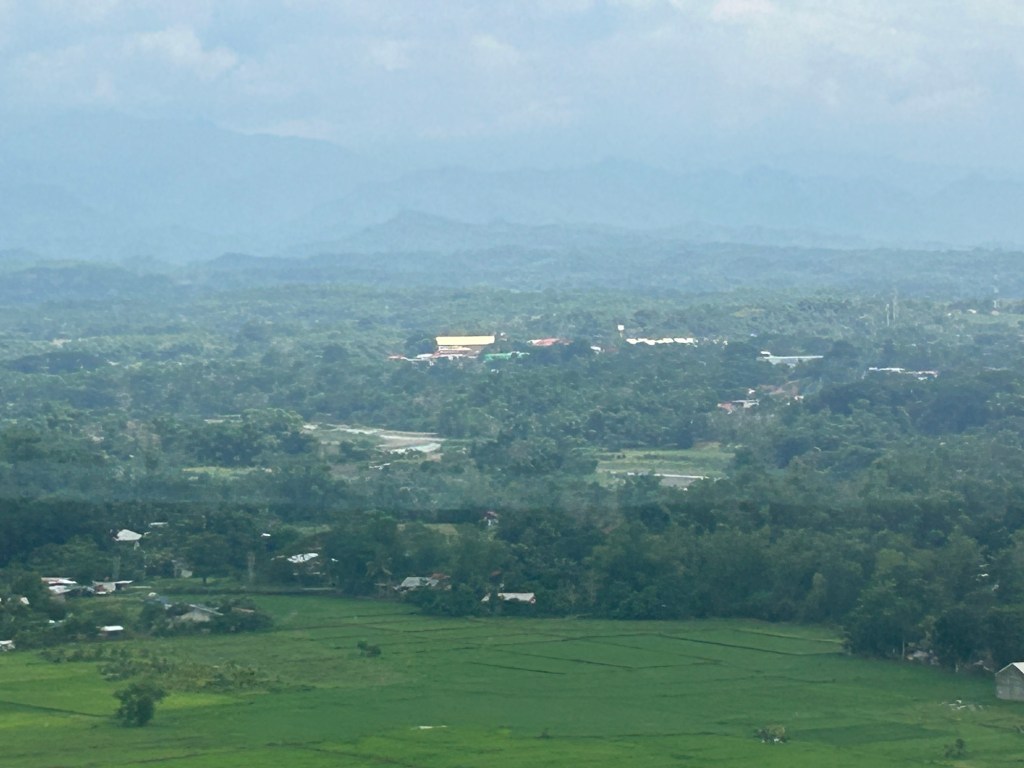
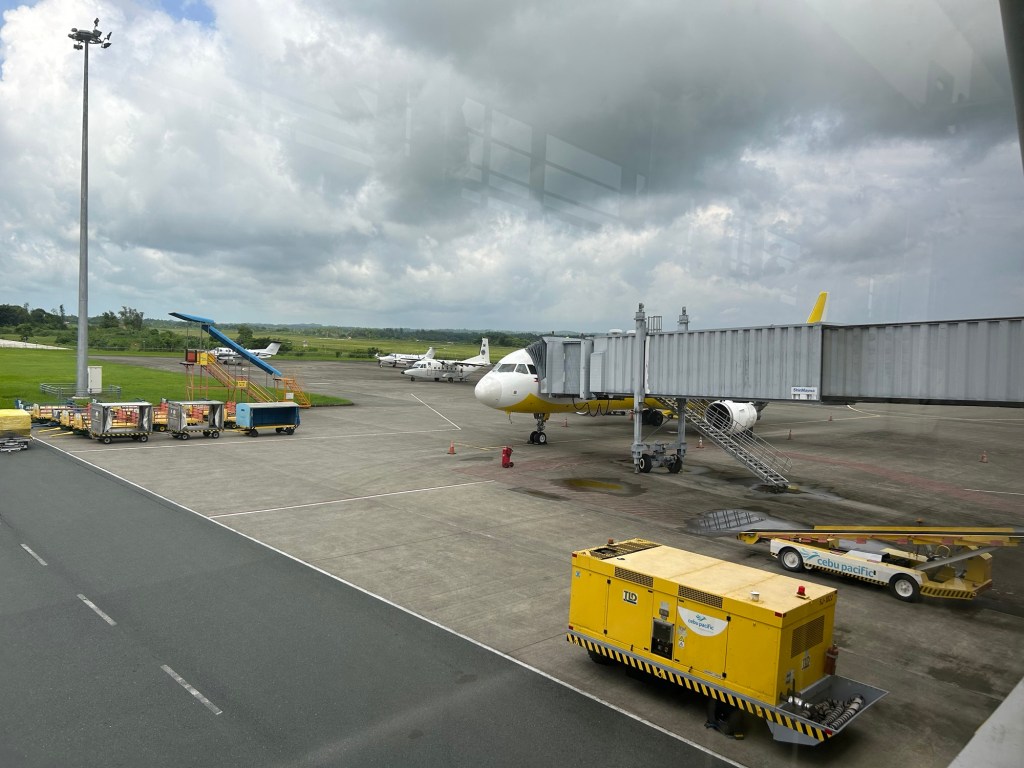
I will be posting on this trip soon as I plan to take photos of the bike facilities along the Diversion Road and walk along the Esplanade.
–
Some aerial photos as we approached Panglao
Here are a few more photos from our plane as we journeyed to Bohol last week. This time, it is from the approach to Panglao. I was expecting the approach for the plane to pass above Cebu. I was rewarded with the following photos:
 Mactan Cebu International Airport as seen from our plane making its approach to Panglao Airport
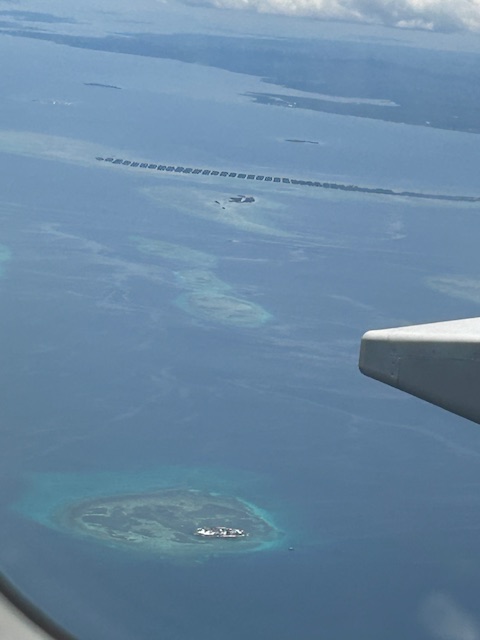 A view of the islands off Mactan and between Cebu and Bohol. There was a view of Olango Island but I wasn’t able to take a photo.
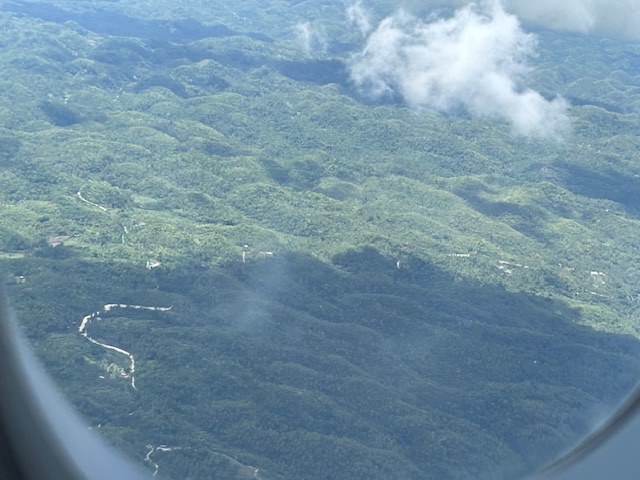 A quick shot of some of the hills at Bohol Island. I am not sure these are the Chocolate Hills but the formation, the geology is the same as the heritage site’s.
–
Some photos after taking off from NAIA
I took a few photos as our plane took off last week on our way to Panglao. The photos are not as good as I wanted them as I wasn’t seated at the window.
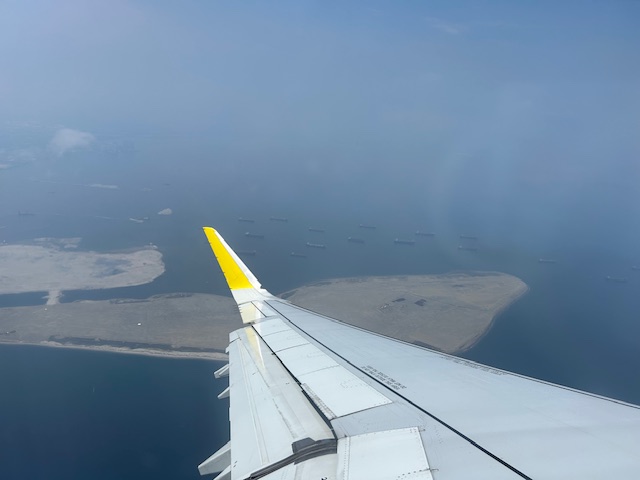 Reclamation at Manila Bay – there are currently several reclamation projects with various proponents. The projects were halted at one point during the start of the current administration. Some if not all have resumed implementation.
 A closer look at one of the reclamation areas. Note, too, the ships anchored around the area.
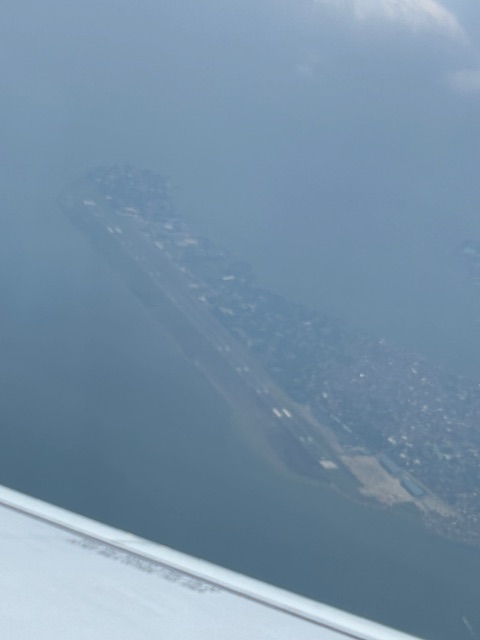 Sangley Point airbase as seen from our airplane. This is proposed to be the location of an airport recommended by a JICA study to replace NAIA. Not in the photo is the controversial former resort that is now a suspicious enclave.
The reclamation projects are also quite controversial considering many of the proponents involved Chinese companies. I have it from a reliable source who was involved in two of the projects that the project land values are sky high. So who would be able to afford settling, locating or residing in whatever will be developed in these reclaimed land? It would be very expensive for the typical Filipino and many local companies will probably balk at the property values. Whatever the developments would be, let’s just hope they don’t go the way of the former Island Cover Resort that is now allegedly a POGO facility.
–
Extreme turbulence during air travel
Transport-related news last week included a report about a Singapore Airlines B777 jet flying to London from Singapore that had to make an emergency landing in Bangkok due to extreme turbulence experienced. Many people were seriously injured when the plane suddenly ascended (“tilted up” as some news reports state) and then abruptly descended, resulting in people being tossed up and hitting the compartments above their seats. Obviously, these passengers were not wearing their seatbelts at the time. Otherwise, they would have been restrained to their seats. It is likely that the turbulence was not anticipated by the pilot as they usually advise passengers to put on their seat belts if turbulence was expected at any time during a flight.
The incident raises concerns about extreme and sudden turbulence occurring during flights. I guess this may happen anytime and aircraft instruments may not be able to tell the crew about an impending incident like this. Will such an incident have a significant impact on air travel? Perhaps not if these incidents remain rare. There should be records and monitoring of factors or elements leading to such incidents in order to establish the likelihood of these happening. Incident records will also show if there is an increasing frequency as well as the number of people killed and injured. Such information would be vital as more people use aviation for travel and there are more aircraft activity around the world.
As a precaution, it is good practice not to remove your seatbelt while seated in flight. If it’s tight, then loosen it. At least you have some restraint in case of incidents where the aircraft encounters sudden turbulence.
–
Dog on board – a cute dog on our Cebu Pacific flight
As we were boarding the plane that will take us to Cebu, we were ‘treated’ to the presence of another passenger. One passenger brought his dog with him on the flight. I don’t know what breed this is but it was really cute. One of the flight attendants carried the dog as the passenger placed his bags to the overhead bin.

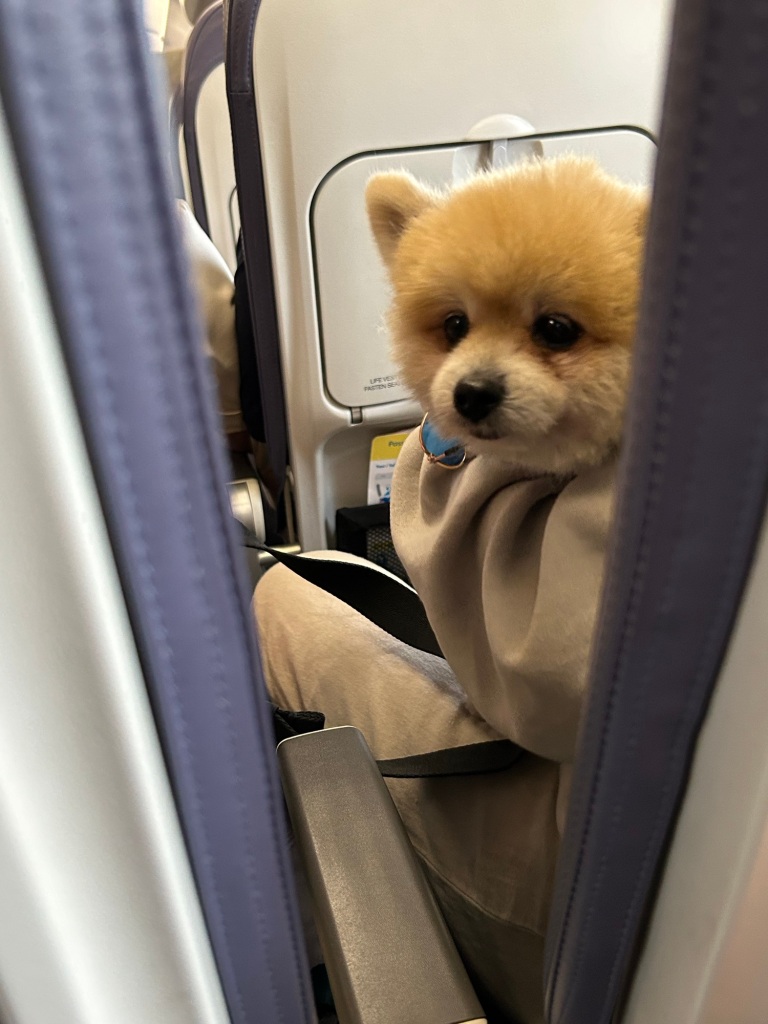
 Wearing the shades and hood as they deplaned.
This was the first time I was on a plane with a passenger who had his/her pet with him/her. Bigger dogs would have to be on carriers and transported as baggage/freight. I know some airlines allow for big dogs to be in the main cabin if they have a ticket and a seat like other (human) passengers. There should be some guidelines for this as to what breeds are allowed including whether the dog has a pleasant temperament.
–
Cebu Pacific’s leased aircraft from Bulgaria Air
While boarding our plane on the return flight to Manila from Cebu, I noticed that the aircraft was all white and no livery. I learned later that the plane we flew on was a leased aircraft. Cebu Pacific leased A320’s from Bulgaria Air as it expanded its fleet to meet the demand for air travel. Apparently, the agreement included Cebu Pacific also announcing that passengers were flying via Bulgaria Air but operated by Cebu Pacific.
 The plane was not a Philippine registered aircraft (RP). Instead, it had LZ on its body. I Googled LZ and learned this was registered in Bulgaria.
 The safety instructions were in Cyrillic and English
 The sign for the life vest is also in Cyrillic and English.
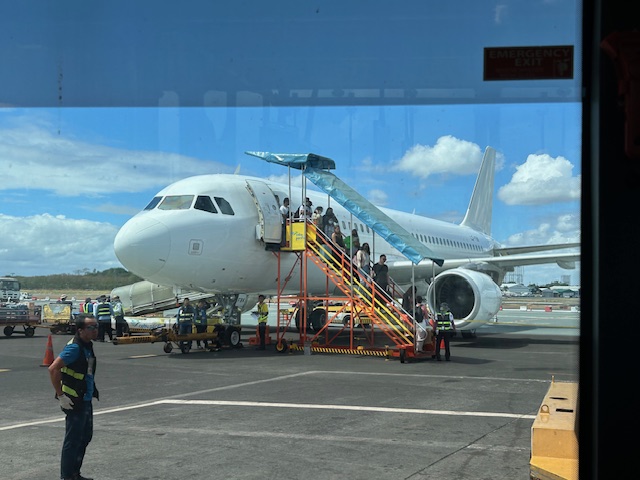 Here is the plane as we boarded our bus transporting us from the tarmac to NAIA Terminal 3. Other deplaning passengers had to wait for the next bus.
–
Airline food on Thai Airways
We booked Thai Airways for our flight to Bangkok. We had initially looked into both Philippine Airlines and Cebu Pacific thinking they would be cheaper, especially Ceb Pac, which is supposed to be a low cost carrier (LCC) or a budget airlines. They both turned out to be expensive so I suggested to the wife to check out Thai Airways since we were spending anyway and we wanted to have the full service that included decent inflight meals. Lo and behold, Thai Airways was actually cheaper than PAL or CebPac (note that we booked early so we had a lot of options for the latter airlines).
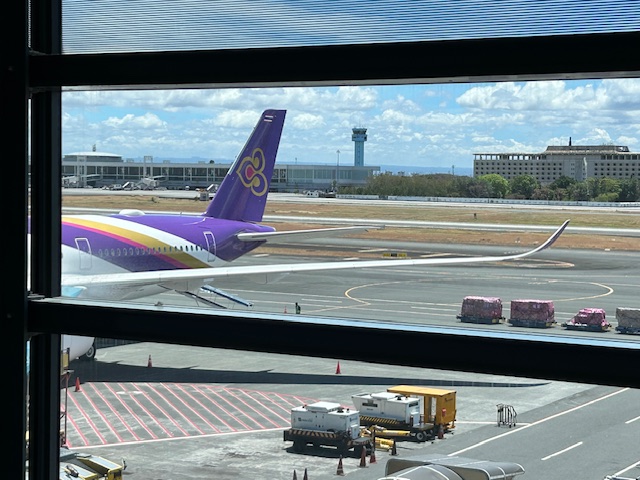 Our Thai Airways Airbus A350 at the NAIA Terminal 3. Also shown in the photo is the old Philippine Village Hotel building that surprisingly has not been demolished despite being abandoned for more than 3 decades. This is the proposed site of a Terminal 5 for NAIA that will be constructed and operated by San Miguel Corporation.
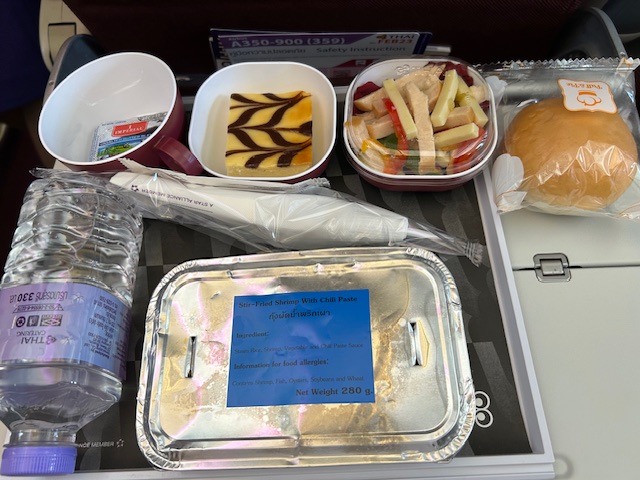 We had two choices for our inflight meal – stir-fried shrimp with chili sauce and rice or chicken in tomato sauce with pasta.
 The stir-fried shrimp with chili sauce came with carrots and young corn on the side. The set included salad, cake for dessert and a bun.
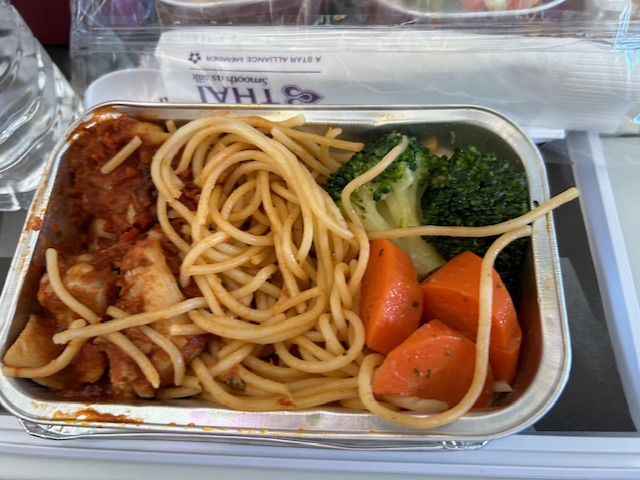 The only difference between the set was the main course. This is the chicken and pasta I eventually ate when I exchanged meals with my daughter who surprised us by preferring the spicy shrimp.
 The A350 was equipped with a tail camera for those who wanted this view of the plane. I took a video of when the plane landed to show my students about the landing including when the plane exited the runway via the rapid exit ramp.
We thought the food on economy class was okay and definitely better than what could have been served on either PAL or CebPac. What are better (on economy) if not similar in quality would be the food on Singapore Airlines and Japan Airlines.
More on our travel to Thailand in the next posts.
–

