
Home » Airports (Page 5)
Category Archives: Airports
Another look at NAIA Terminal 1 arrivals
I have not been to NAIA Terminal 1 since before the pandemic. Last May, I had the opportunity to go there to fetch the wife who was arriving from US. That meant an opportunity to take photos of the arrival areas including the well-wishers area and concourse at the main terminal building.
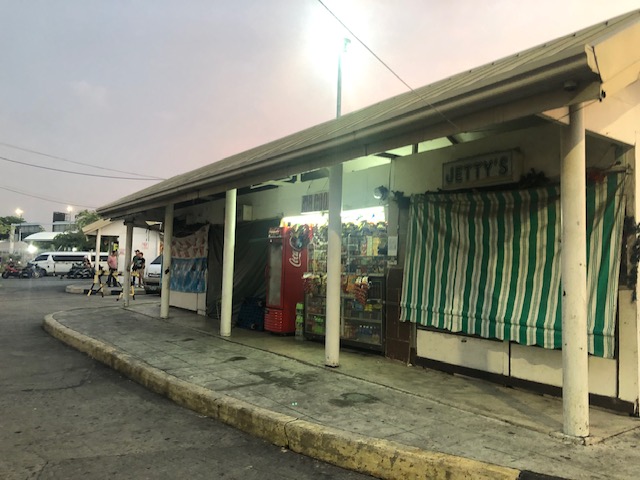 Kiosks are open basically at all times the terminal is operational or open. These usually sell or serve snacks or light meals including sandwiches and pansit (noodles). While I was not able to check the prices, items were usually priced significantly higher than if you purchased them elsewhere in similar stores.
 The well-wishers area is the same building with two levels. The ground level is open and the second level is air-conditioned.
 A single level building hosting stores selling food and drinks stands between the waiting area and the open parking lot.
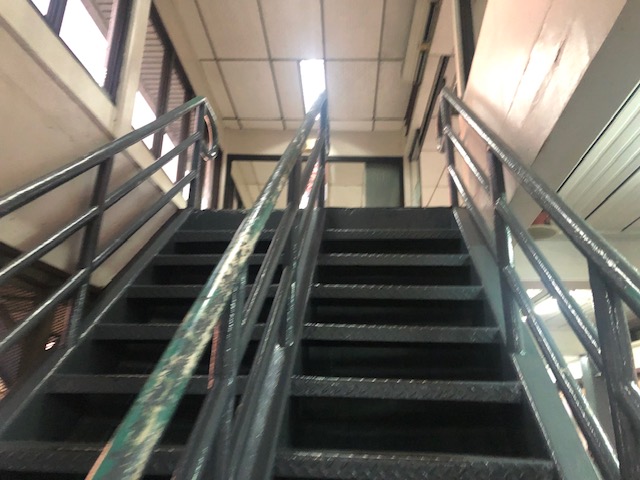 Stairs lead to the second level of the building for those who are waiting for arriving passengers (e.g., fetchers including relatives and friends).
 There used to be a Jollibee branch at the second level. I assume its closure was mainly due to the pandemic as it had a steady stream of customers before.
 There were few people at the second level. Either it was still very early or that there were fewer sundo these days. The parking lot is full of cars so I guess people just chose to stay near or in their vehicles or at the first level of the building.
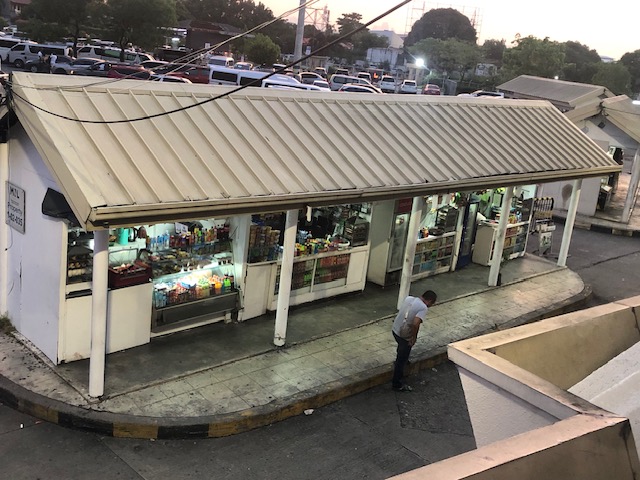 Another look at the kiosks behind the well-wishers area
 The driveway is still chaotic with drivers not following security and security often turning a blind eye to drivers taking their sweet time at the driveway.
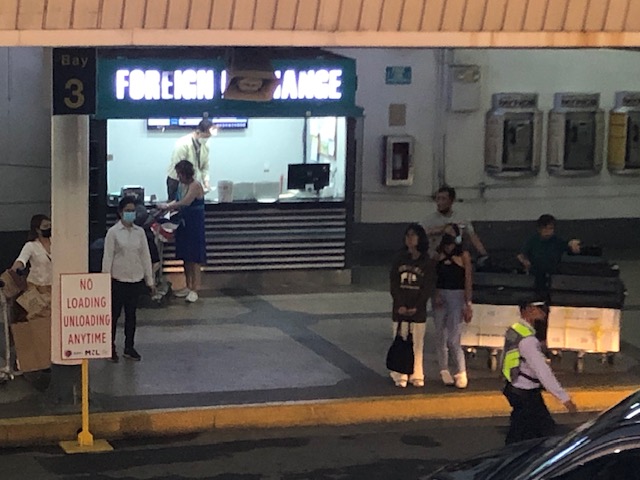 A foreign currency exchange stall at the arrival concourse
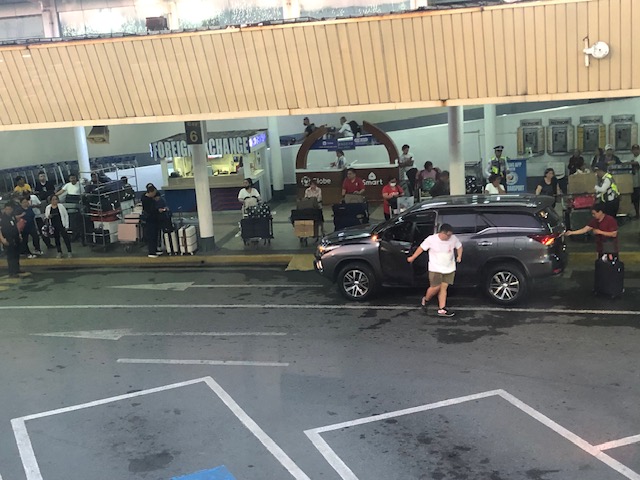 Here’s an example of a vehicle parked or standing along the concourse instead of at the designated slots marked along the middle of the driveway.
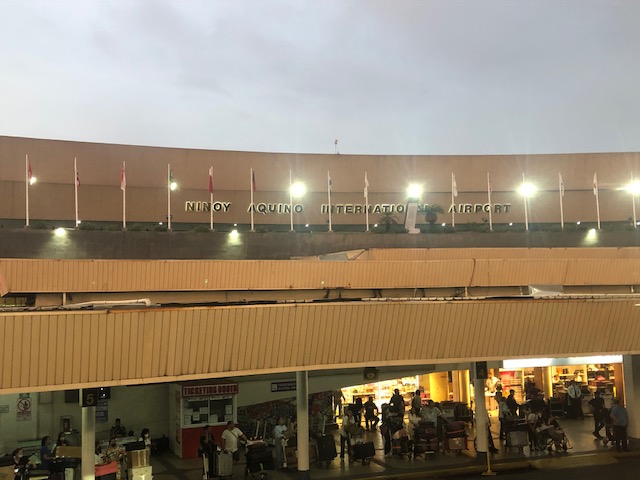 A view of the main Terminal 1 building from the waiting building. At the bottom of the photo is the arrival concourse along the driveway. At the top is the main driveway of T1, which is used by VIPs.
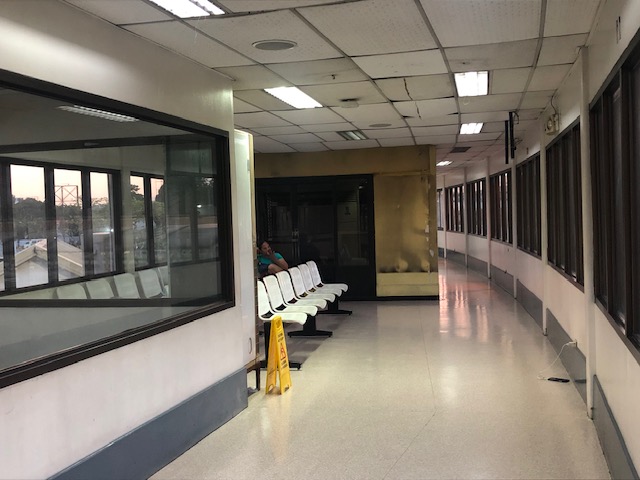 The other end of the second floor used to have a Kopi Rotti branch that became an ordinary . I guess it also became a casualty of the pandemic.
 Arriving passengers may cross from the terminal building to the well-wishers area before proceeding to the parking area.
 Crossing to the arrival concourse, here is the perspective of arriving passengers after descending from the terminal. There’s a duty free shop here for last minute purchases.
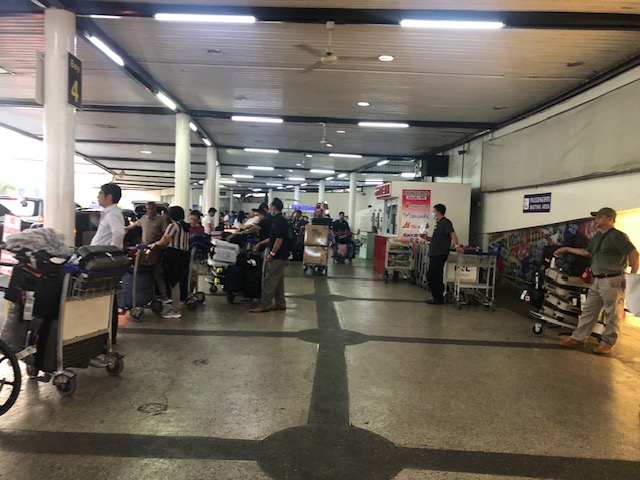 Another view of the concourse
It seems that little has changed at the arrival and waiting areas of NAIA Terminal 1. Everything appears to be back to pre-pandemic conditions. Security is very lax and there is no indication that the grand plans drawn up for the renovation of the terminal will push through in the near future.
–
On delayed flights and being compensated
The last two times we traveled to Zamboanga City, we experienced significant delays to our flights. Last May, traveled twice to Zamboanga City. The first time, our flight to the city was delayed by a couple of hours. That led to a very late arrival and us having lunch at 3PM! Even though the airline could argue that they had nothing to do with the delay, the fact is that the reason (i.e., the standard “late turnaround of aircraft”) is very much due to their operations. Therefore, they should be accountable or made accountable for the inconvenience and discomfort.
While there was no issue for our return flight then, the situation was reversed the second time we traveled to Zamboanga. Our outbound flight from Manila was not delayed but our return flight was. This time though, the airline promptly distributed snacks in the form of water, crackers and biscuits to passengers.

I think that these or perhaps meals could be provided every time there is significant delay whether charged to the airline or to the airport depending on the circumstances. Travelers are paying for a service that are supposed to be delivered in the most efficient manner. Efficiency here should include safety so delays due to aircraft maintenance or technical issues or weather-related should also be covered when compensating passengers. Of course, cancellations would be another matter. Let’s talk about those later.
–
NAIA terminal designations for airlines – reshuffle
Airport authorities in Manila announced that airline designations at NAIA’s four terminals would be reshuffled. I took this photo of the announcement on a tarp at the corner of NAIA Road and Ninoy Aquino Avenue as we left NAIA Terminal 1.
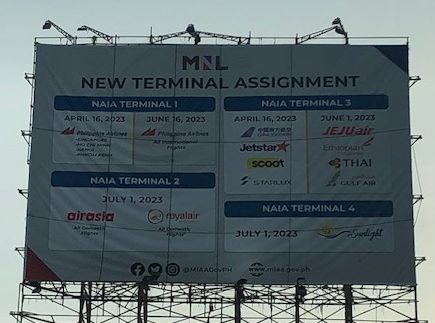
While there seems to be no major concern for the international airlines mentioned in the tarp, there will be a major inconvenience for Philippine Airlines passengers. For most its flights including international ones, transfers were easier and more convenient since international and domestic flights shared the same Terminal 2. There was no need to travel from or to another terminal unless the transfer involved another airline. From June 16, 2023, all its international flights will be via Terminal 1 so there will be a need to transit between T1 and T2 for connecting flights. Cebu Pacific will still enjoy this convenience for most of its flights as international and most domestic flights are via Terminal 3.
–
Back at Laguindingan Airport – arrival
We were in Cagayan de Oro last April and I took the opportunity to take photos at the airport. The airport, of course, is no longer in Cagayan de Oro (the old one has been closed). It is now in Laguindingan town, which 30 to 60 minutes from CDO depending on the time of day and how aggressive your driver is. Laguindingan retained CDO as its code.
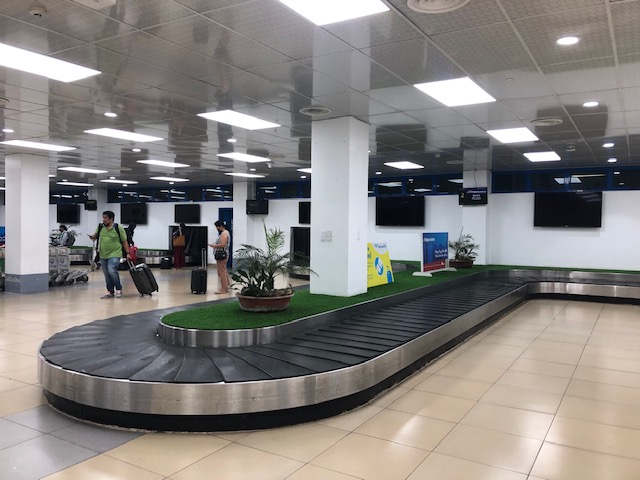 Baggage claim conveyor belt at the arrival area
 Passengers claiming their checked-in luggage
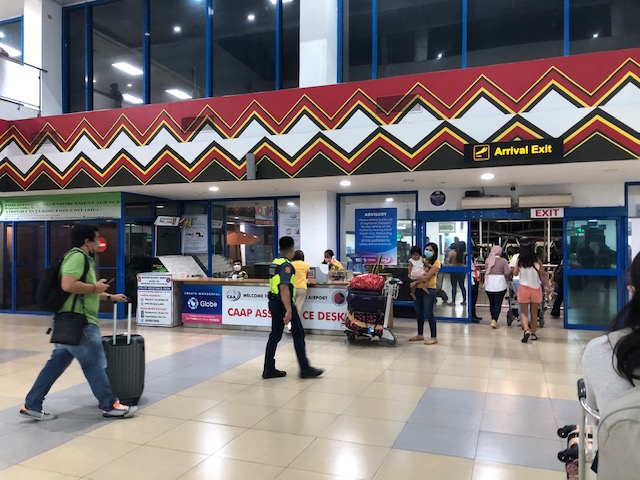 Exit from the arrival area – there is a CAAP Assistance Desk here
 Driveway and crossing for passengers
 The main driveway is currently reserved for VIPs. All other vehicles are required to go to the parking lot across from the terminal.
 Passengers need to cross to the parking lot where their fetchers await them or where they can book a vehicle to take them to their destinations.
 People waiting for passengers. Most of these are fetching (sundo) relatives, friends or clients arriving at the airport.
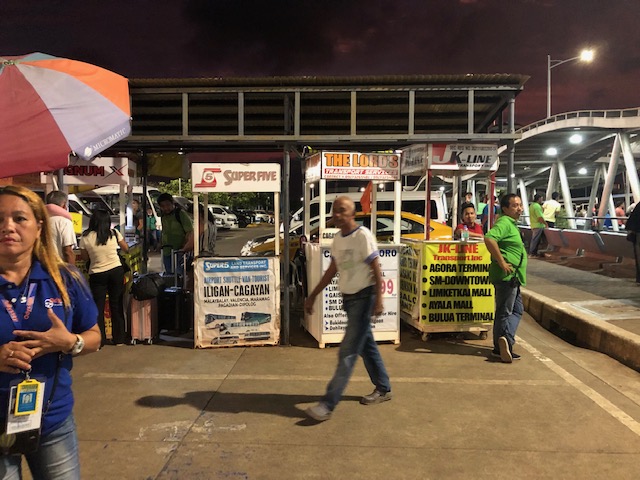 Transport services await passengers at the parking area. In other airports, these are located near the arrival exit. They are here probably due to security concerns. One can easily book a vehicle (usually a car or van) from Laguindingan Airport to typical destinations like Cagayan De Oro and Iligan City.
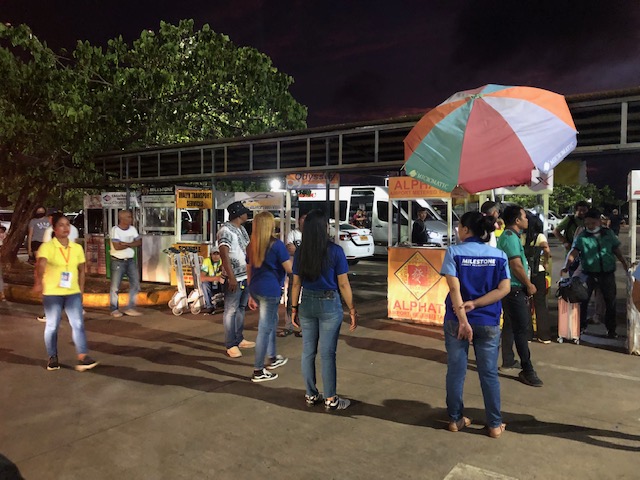 Personnel of various transport service companies call for passengers to attract them to their booths. Others are drivers of rented vehicles, waiting for their clients to appear.
 The airport terminal as seen from the parking lot.
–
Covid test kits at the airport
Despite the relaxed stance on COVID-19, the virus is still very much around and evolving or mutating. While airports in the Philippines are lax about the wearing of masks, airlines require masks for passengers on flights. I’m not sure how effective as a preventive measure this is since most people at airports don’t wear masks and there is nothing that will allow for contact tracing anymore.
Meanwhile, COVID-19 test kits vending machines are now common at airports. I guess aside from being a reminder of the pandemic, it is also a convenience for people who want to check, quickly though not so accurately, if they are positive for the virus.

–
Departure via Mactan Cebu International Airport Terminal 2 – Part 2
In Part 2 of this short series (and a very late post at that), I share more photos at Mactan Cebu’s International Airport Terminal 2.
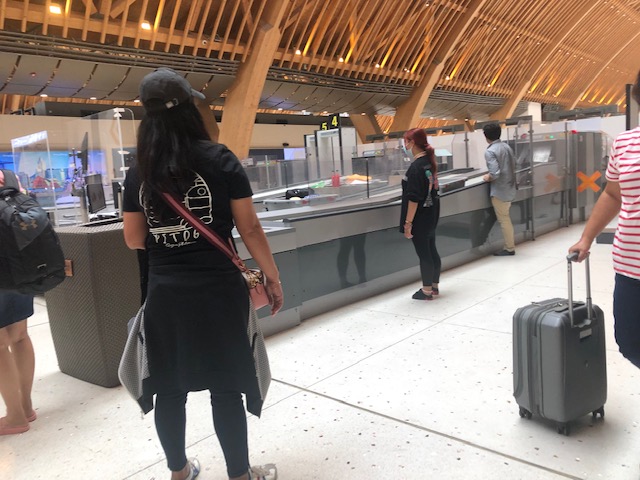 MCIA is equipped with modern bag scan machines
 These are now installed in most major airports in the country but the first time I saw these outside of NAIA was in MCIA.
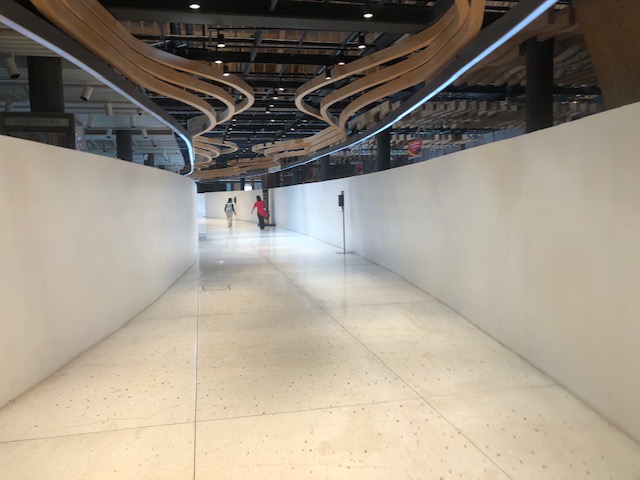 The long corridor from the final security check to the pre-departure areas
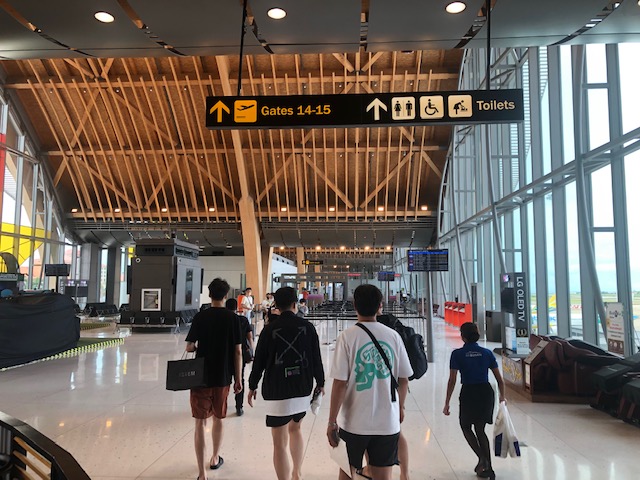 The terminal is spacious as can be seen in this photo (and in the previous Part 1).
 There are many restaurants and cafes to choose from inside the terminal.
 There are generic ATMs around the terminal for the convenience of travelers who might need cash or do other transactions using these machines.
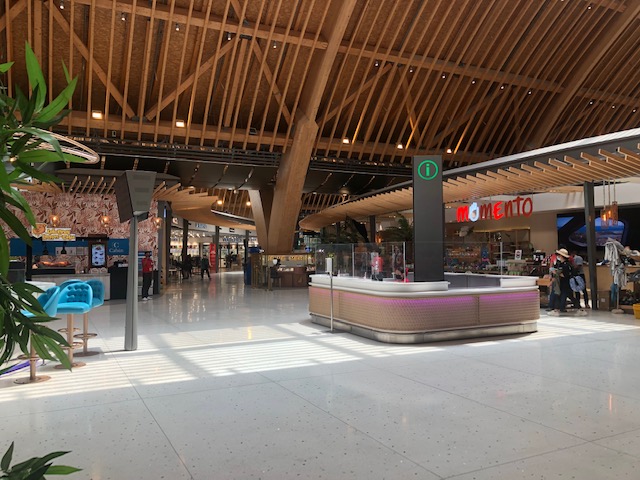 Information counter in the middle of shops and restaurants
 Souvenir shops have products mainly from Cebu. Others are from other provinces or regions but mostly from the Visayas.
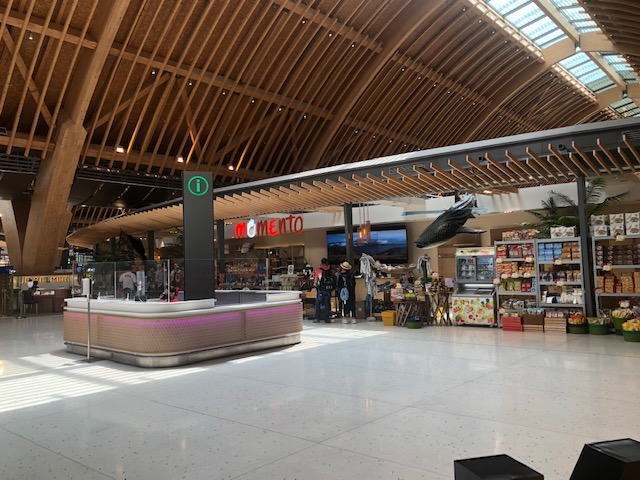 Another shot of the information counter with the souvenir shop across from it
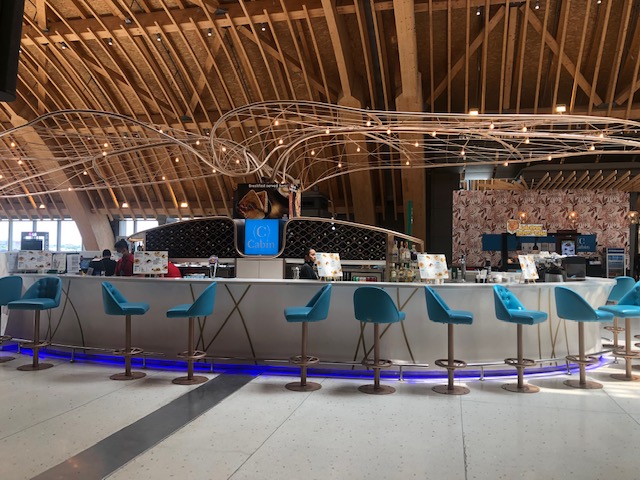 Cafe at the terminal just before the gates
 There’s a nice ramen restaurant at the terminal. I will write about this but in another blog.
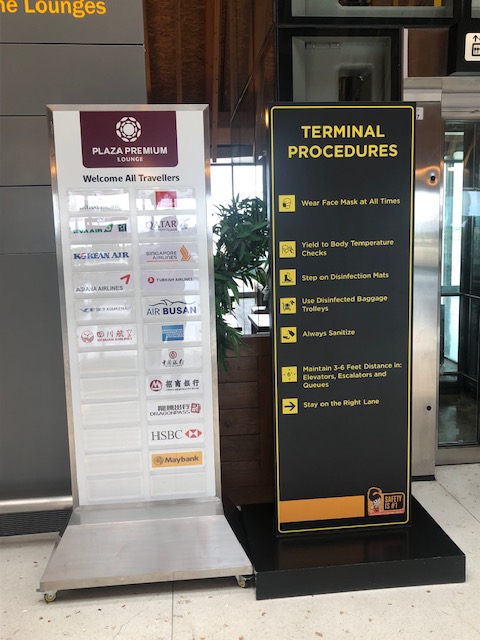 Premium lounge sign showing airlines whose passengers may use the lounge. Beside is a sign showing terminal guidelines including the wearing of face masks and the urge to regularly sanitize and practice physical distancing. This was over a year ago so perhaps they have a different sign at the terminal now.
 A closer look as the premium lounge sign
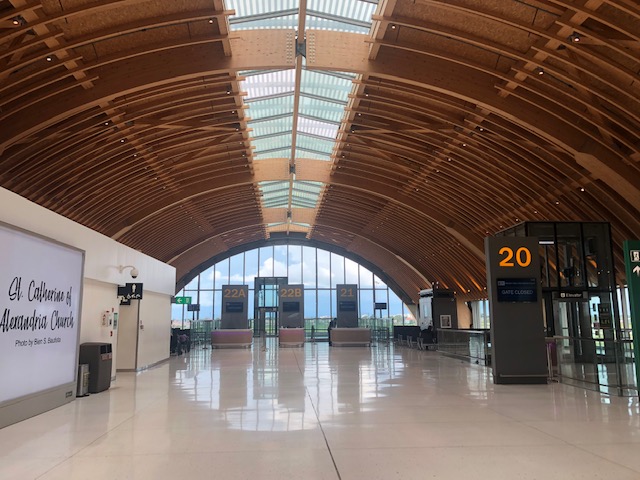 A look at the entrance to the pre-departure lounge of Gate 20
 A view of the terminal and the tarmac
 Tube waiting for the next aircraft to dock
 The modern design restrooms are clean and spacious.
 Boarding gates
 I took this photo of the floors.
 Drinking station near the toilets
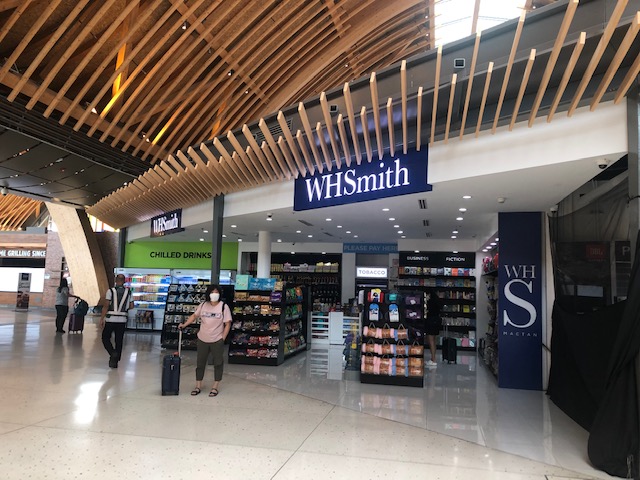 A familiar shop is this WHSmith, which we used to see only in airports in other countries including Changi and HK.
 A look at one of the Duty Free Shops at MCIA T2
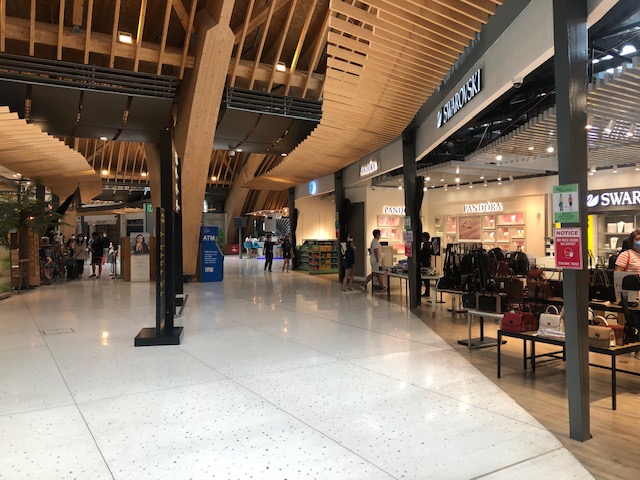 A glance along the corridor shows most shops and restaurants open
 Familiar brands like Coffee Bean and Tea Leaf have branches in the terminal
 Burger King is beside this donut shop – the donuts are really good and I took home a box from this shop.
 Gateway to the departure gates
 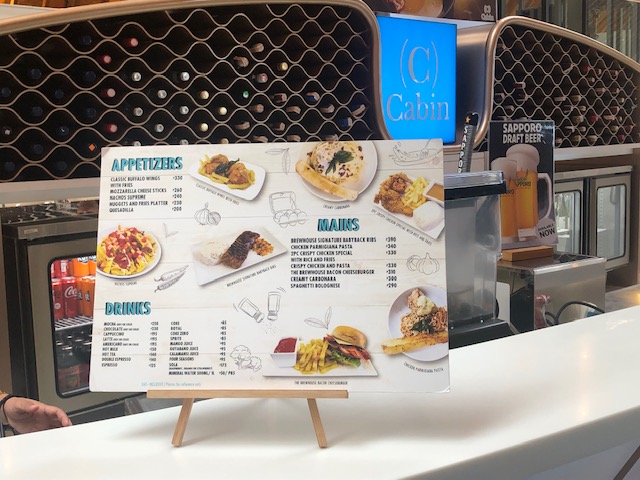 Terminal 2 cafe menu
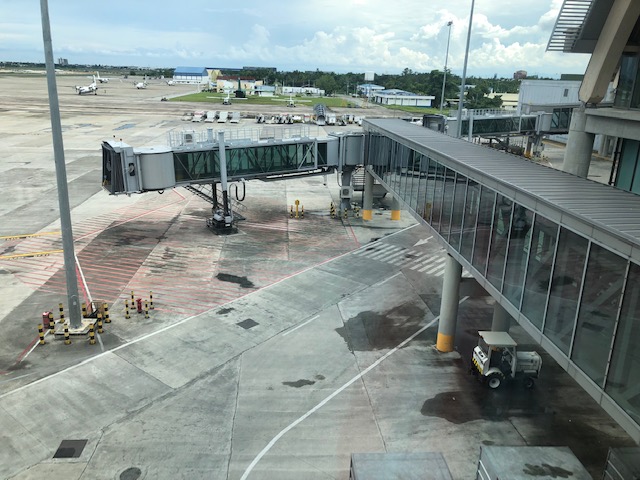 Another look at the tube while waiting for our plane to arrive.
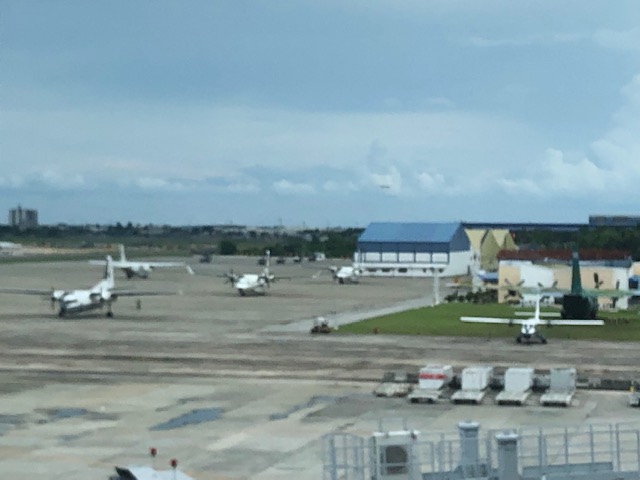 Other aircraft at the airport includes private planes and military aircraft from the adjacent air base.
I already mentioned that this is a late post. We traveled to Cebu back in July 2022 and perhaps many things have changed since then. The terminal’s features though should have few changes aside from having more people there as restrictions due to COVID-19 have been lifted. I just wanted to post this as a form of closure for an unfinished series featuring MCIA T2 before I start posting on other airports.
–
Back to ‘old’ normal for air travel in the Philippines
Before we embark on another trip this week, I just wanted to share that it seems all is back to the old normal in as far as air travel is concerned in the Philippines. There are few, if any, exceptions based on what I and colleagues have experienced while traveling domestically. The only difference now from pre-COVID-19 air travel is that people are required to wear face masks inside the aircraft. Inside the airports, masks appear to be optional though most people wear them.
 The March-April 2023 issue of Cebu Pacific’s Smile Magazine features places to go while in Tokyo, Japan, a popular destination these days as foreign travel restrictions have eased.
Cebu Pacific provides passengers with their Smile magazine on-board their aircraft. Philippine Airlines domestic flights don’t have magazines (unless they do on Business or First Class) for Economy passengers. I noticed also that PAL did not have duty free items on-board their aircraft (at least for the MNL-SIN-MNL trips we had recently). I know that other airlines have resumed duty free sales on-board so perhaps this is just a cost-cutting thing for PAL. Meanwhile, Cebu Pacific’s inflight shop is open and selling souvenir items on their domestic flights.
–
Queues on arrival at NAIA Terminal 2
Arriving at NAIA’s Terminal 2, one has to prepare the QR code generated via the e-travel site of the Philippine government. Doing this prior to you flight or your arrival will save you the hassle of accomplishing the form upon arrival. The queues for both the e-arrival processing and immigration are bad enough for experience that you don’t want to add spending more time in a crowded area to that.
 Area and booths for the e-travel (e-arrival) processing
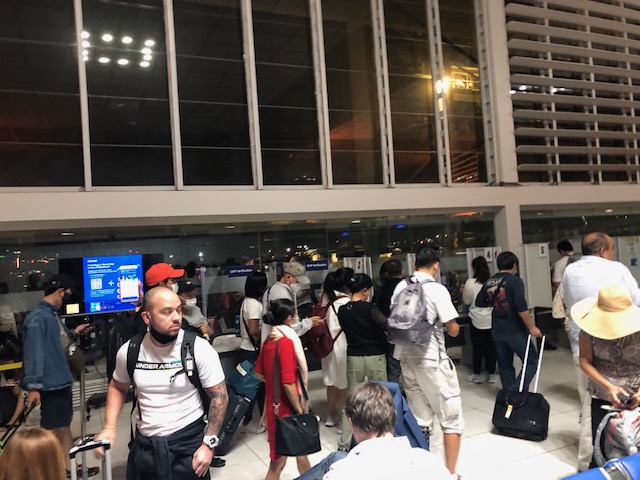 Arriving passengers have their e-travel QR codes scanned at one of the booths set-up at the area in the middle of the international and domestic wings of the terminal.
 Passengers queuing from their arrival gate to one end of the international wing (right) and after their e-travel QR codes are scanned, proceed to the immigration counters via the other end of the terminal (left).
 Arriving passengers may queue at the manual immigration counters or the new machines now installed at Terminal 2. Foreigners only have the option to queue for the manual process. The queues for the machines though can get long fast if the person transacting is not familiar with the automated process or has trouble scanning his/her passport that it takes more time per transaction.
–
Signs of the times? A COVID-19 test vending machine at the airport
I just wanted to share this photo that I took of a vending machine dispensing COVID-19 antigen self-test kits at NAIA Terminal 3. I took this photo as we exited the baggage claim area and headed for the multi-level parking of the terminal.
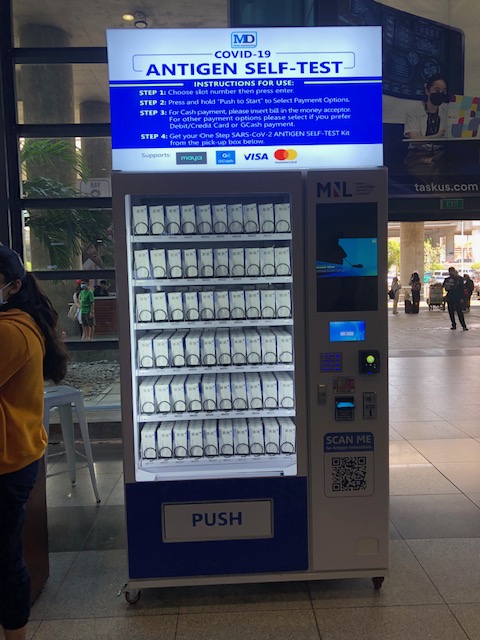
There are many vending machines at airports including the most typical ones for drinks and food. Some dispense souvenirs and even electronics. This was the first time I encountered this type of machine. I didn’t see one while in Changi or in NAIA Terminal 2, and even in Panglao, Mactan, Zamboanga or Laguindingan airports where I have been recently. Perhaps there are machines like this there or in there airports but I just didn’t see them. I guess these are here to stay considering COVID-19 is not yet completely out of the picture so to speak.
–
Crowded NAIA Terminal 2
Before the pandemic, NAIA’s airport terminals were already very crowded. Recently, I’ve been to both Terminals 2 and 3, and I can say that they are practically back to pre-pandemic levels in terms of their being crowded or congested. There are the long lines at the check-in counters and travelers and well-wishers ‘encamped’ or circulating around the terminals.
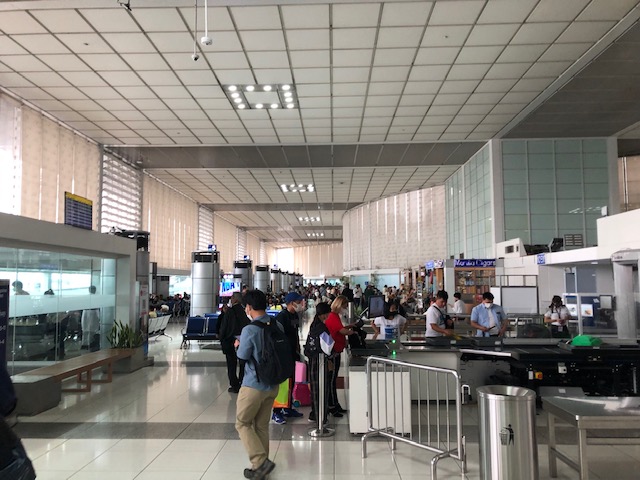 The area just after the final security check does not seem to be crowded. People don’t usually congregate or linger in the area.
 The empty seats belie a crowded Terminal 2. That white wall eventually turned out to be the area for where arriving international passengers have to have their e-arrival QR codes scanned.
 This is what is behind the white wall in the previous photo.
 Arriving passengers (right) queue towards the e-arrival scans. Those finished with their e-arrival scans (left) proceed to the immigration counters via the other end of the terminal.
–

