
Home » Behavior (Page 16)
Category Archives: Behavior
Pedestrians first!
The Institute for Transportation & Development Policy (ITDP) released a new tool for assessing walkability and presents good practice examples from many cities around the world. The tool can be used to assess and/or compare your city, a neighborhood or a street with others. Here is the link to the ITDP’s tool:
https://pedestriansfirst.itdp.org

There is an introductory article that came out recently from Planetizen about this tool:
Litman, T. (October 16, 2020) ‘Pedestrians First’ Measures Walkability for Babies, Toddlers, Caregivers, Everyone. Planetizen. https://www.planetizen.com/node/110876?utm_source=newswire&utm_medium=email&utm_campaign=news-10192020&mc_cid=1736ec624f&mc_eid=9ccfe464b1
–
On personal mobility devices (PMD)
Personal mobility devices (PMD) are in the news now as the Land Transportation Office (LTO) issued a statement calling for their users to be required to get a license. Apparently, the agency is interpreting the law for people operating motor vehicles as something that extends to users of all powered vehicles. This may be an example of the law not being apt or suitable for the times and not considering the specifications or operating characteristics of these vehicles. Thus, this issue emphasizes the need to update policies and regulations and perhaps re-formulate them to be less car-oriented or biased vs. active transport as well as this emergence of PMDs as another mode choice for travelers.
I took the following photos while conversing with one of the project research staff at our center who uses an electric PMD for his commute between UP and his home in the Cubao district. He related that he alternates between this and his motorcycle. When asked if he felt safe using the PMD, he said it was the same as when he rides a motorcycle as he also wears a helmet and protective pads when using the PMD.

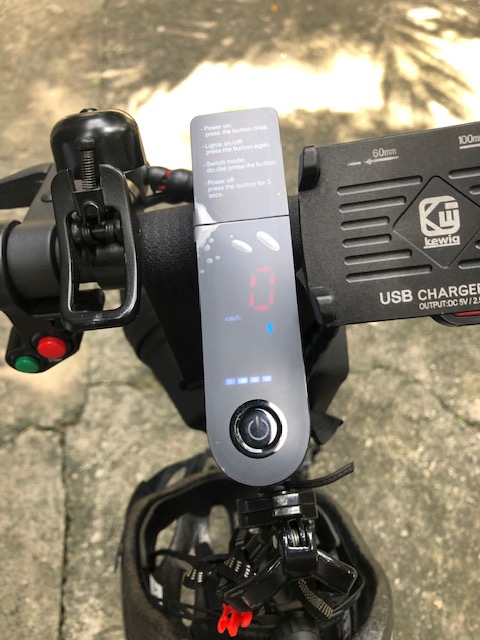

I’ve seen a few PMD users along my commute and for most I thought they practiced safe riding. There were some though who seem to fancy themselves as stunt riders. These are the ones who endanger not only themselves but other road users with their reckless behavior on the roads. They are not different from other so-called “kamote” drivers or riders (with all due respect to the kamote or sweet potato). Like any road user, these should also be apprehended and penalized for unsafe behavior that endangers others.
–
On the transformation from car-oriented to people-oriented streets
I saw this article shared by a friend on social media and share it here as an interesting piece providing ideas and the thinking or attitude required if we are to transform our streets:
Jaffe, E. (2020) “4 ways to go from “streets for traffic” to “streets for people”, Medium, https://medium.com/sidewalk-talk/4-ways-to-go-from-streets-for-traffic-to-streets-for-people-6b196db3aabe [Last accessed: 9/30/2020]
It is actually interesting to see how this plays out in Philippine cities. The ‘honeymoon’ or ‘grace’ period from the lockdown to the ‘normalization’ (read: going back to the old normal) of traffic might just have a window and this is closing for active transport. National and local officials, for example, who seemed enthusiastic and quickly put up facilities for active transport have slowed down efforts or even stopped or reneged on their supposed commitments. The next few weeks (even months) will show us where we are really headed even as there are private sector initiatives for active transport promotion and integration.
–
References for improvements for active transportation
Here’s a nice link to a National Academies of Science, Engineering and Medicine pointing to the wealth of researches supporting improvements for active transportation:
Paths to Biking, Walking Improvements Supported by Wealth of Research
Link: https://www.nationalacademies.org/trb/blog/paths-for-walking-and-biking
The references listed should aid researchers, practitioners, advocates and policymakers in their work towards realizing a people-oriented vs car-centric transportation.
–
On solving the inequality problem in cities
Here is another quick share of an article that is timely and relevant not just now but for years (maybe decades?) to come:
Grossman, D. (2020) “New Study Proposes a Mathematical Solution to Big Cities’ Inequality Problem,” Inverse, https://www.inverse.com/science/a-new-study-shows-why-building-more-equal-cities-could-save-lives?link_uid=15&utm_campaign=inverse-daily-2020-09-14&utm_medium=inverse&utm_source=newsletter [Last accessed: 9/15/2020]
I will just leave it here for future reference but to summarize, the article explains how cities should be planned or replanned based on the distribution or redistribution of certain facilities like hospitals, banks, schools, supermarkets, and parks. It argues that there is an optimum location for these in relation to where people live and work. If properly planned, travel distances and times can be significantly reduced.
–
Do we still have to practice self restraint in travel?
I took this photo this morning as I was coming home from the market. Ever since Metro Manila, Antipolo and other areas around the NCR transitioned into General Community Quarantine (GCQ) and Modified General Community Quarantine (MGCQ), a lot of people have been going out and taking group rides on motorcycles and bicycles as if there was no pandemic hanging around. I understand that a lot of people have been holed in their homes for quite some time now but these trips seem excessive considering many are cross-town or even inter-provincial trips that are long in terms of distance and times traveled.
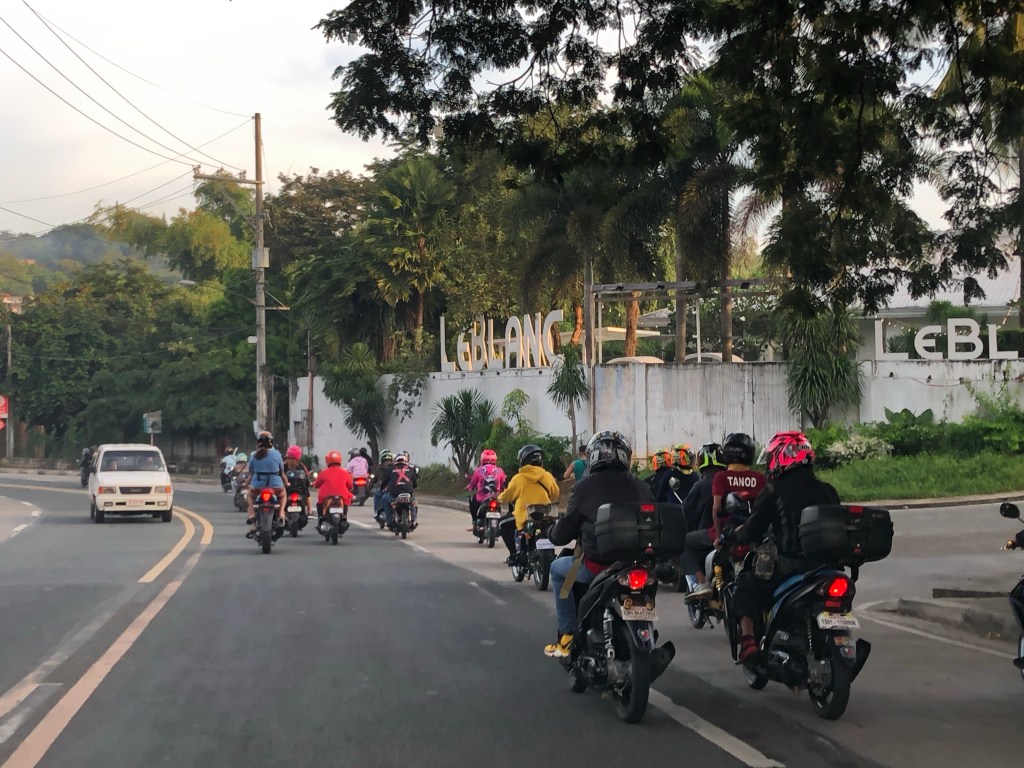
Motorcycle group traveling along Daang Bakal in Antipolo City
I posted the same photo on social media to solicit reactions or comments. I asked the question of whether these trips are necessary. So far, I only got a couple of sad face reactions and a couple of comments. The sad face reactions included one from a cycling advocate. I know the person to be very passionate about bicycle commuting but also advised vs. group rides during MECQ and GCQ. I guess the point here is that we seem to be lowering our guard against Covid-19 and to me these trips (i.e., long rides, group rides) are unnecessary trips. While there seems to be no spikes in infections due to these rides, we don’t know really as data is poorly collected and analyzed. For those who don’t give a damn, I give the analogy of road safety, many situations of reckless driving or riding do not necessarily lead to a crash but the high potential for one means it is something waiting to happen. The same applies to these rides where there might be one, just one, asymptomatic rider who can potentially spread Covid-19. Maybe those infected will be asymptomatic, too. However, others they are in contact with may not be and become seriously ill. So until we do have a vaccine vs. Covid-19 and many are vaccinated already, I would advise against these unnecessary trips.
–
Some takeaways from a UNICEF webinar
The UN together with its partners recently launch a Second Decade of Action for Road Safety (2021-2030). I will share the statement in a subsequent post. For now, I will share some slides from the recent webinar organized by UNICEF that focuses on safe and healthy journeys for children. Those of us who are working directly with UN agencies have been working on safe journeys for children particularly as they travel between their homes and schools. The recent launch and pledges or commitments of support from partner organizations will surely reinforce efforts to ensure the safety of children whether or not they return to school.

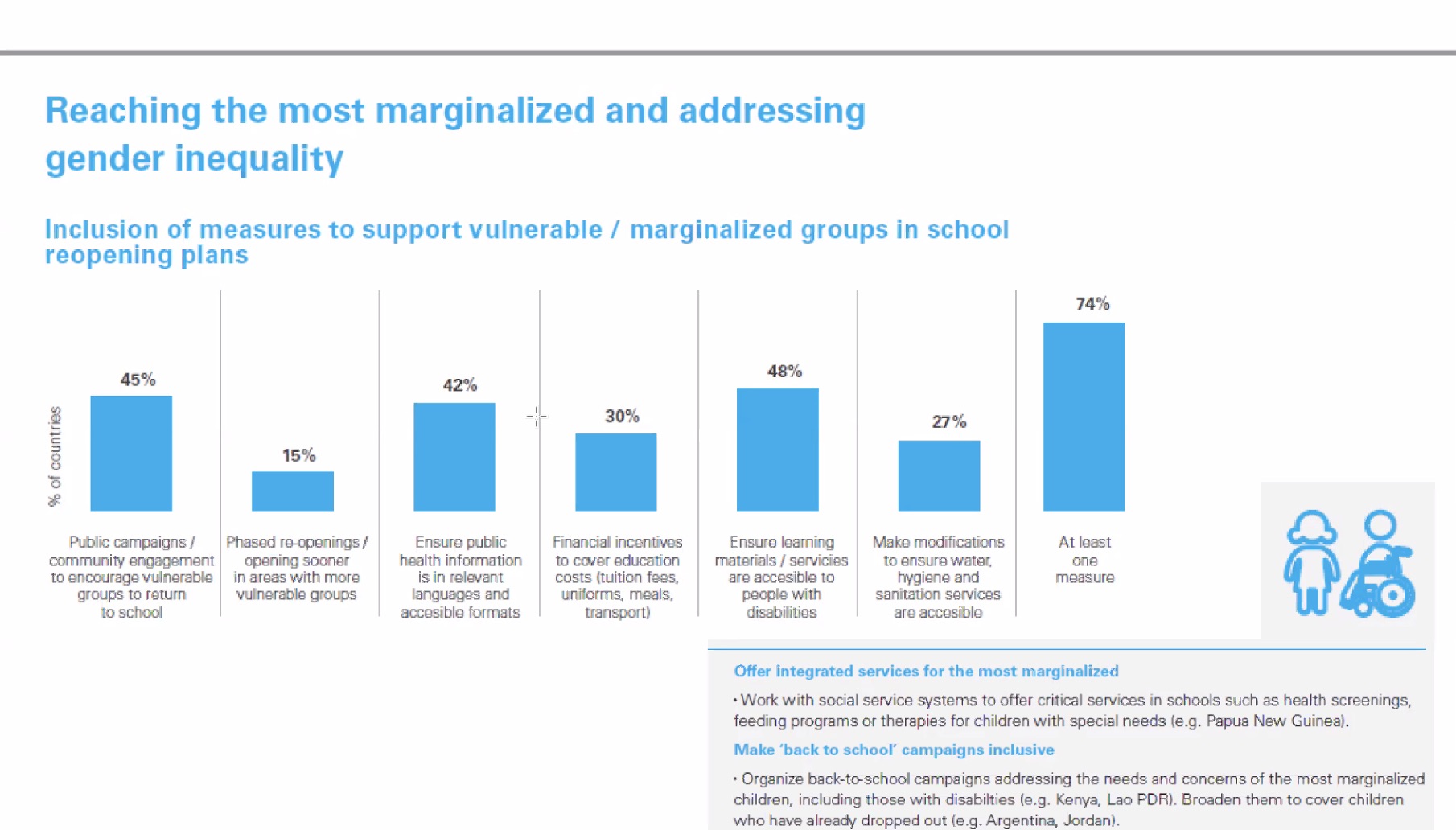 Context setting or rationale for UNICEF’s initiatives
 Key resources or references shared by the webinar host
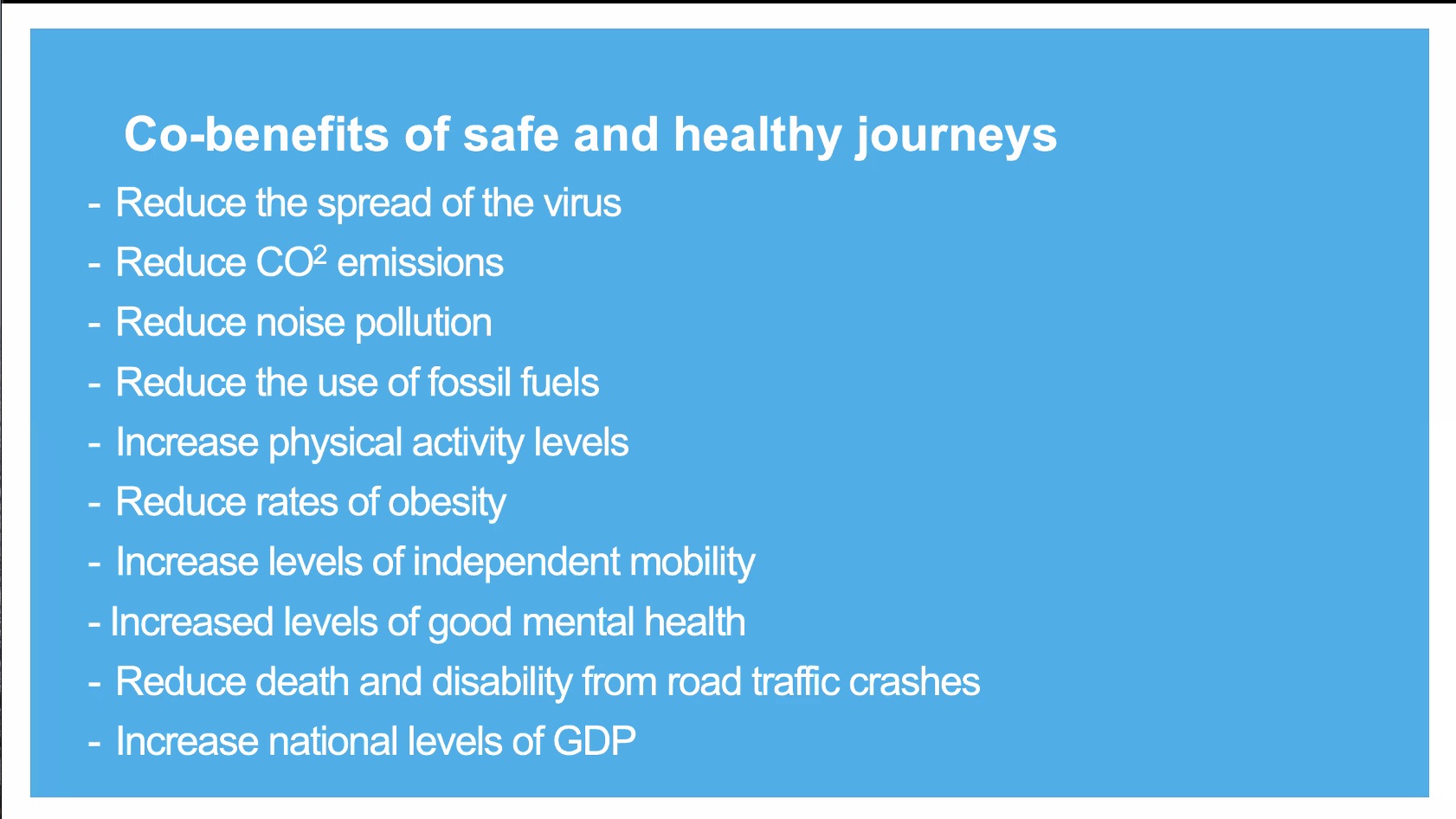 The term ‘co-benefits’ reminded me of a past project I worked on that was about low carbon transport. We also did assessment using co-benefits of low carbon transport. Among these were road safety.
 The slide and the table speaks for itself – examples of effective strategies
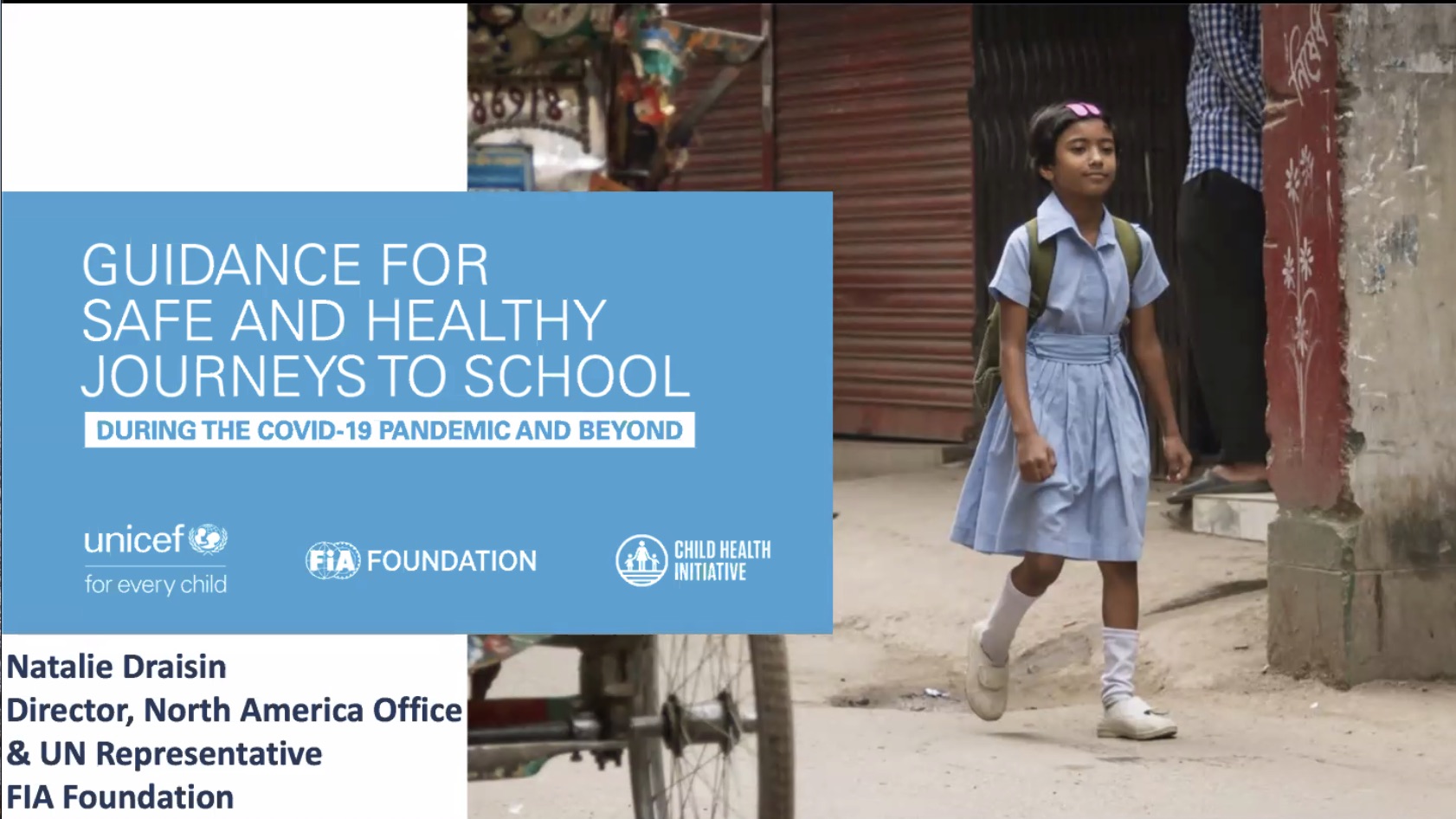 There were several presentations during the webinar. However, the most interesting and informative for me was this one about the guidance for safe and healthy journeys to school.
 Ten (10) points to consider as guidance for safe and healthy journeys to school
 Database initiative in support of the guidance (I will get the link to this and share it in a future post.)
 An example from London’s experience
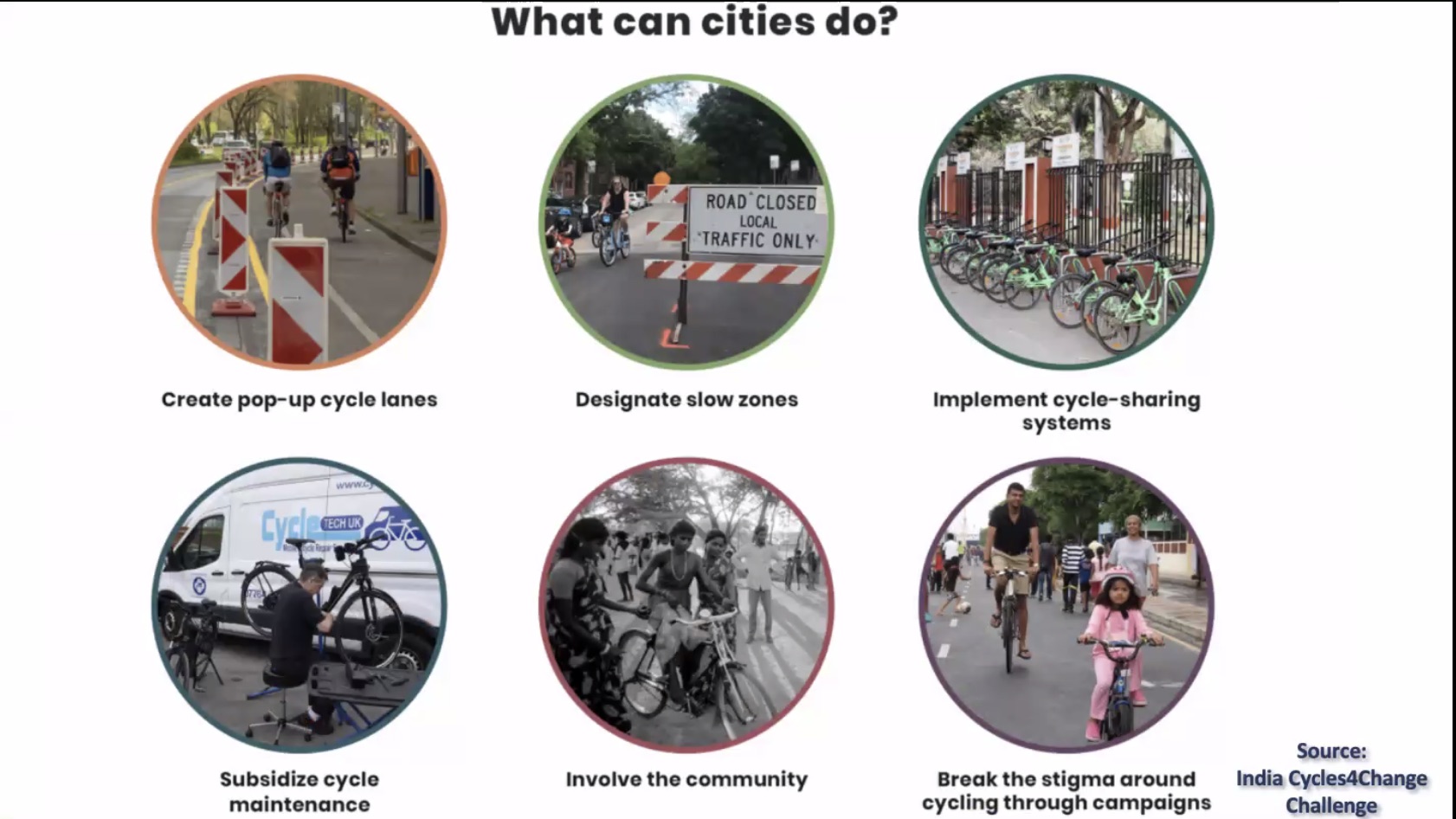 This is a slide on what cities can do to promote active transport among children.
 The photo shows what is termed as a “bicycle school bus”. This and “walking school bus” are real options for children and their guardians when traveling between their homes and schools. Such underlines the option of not using motor vehicles (i.e., reduction in motor vehicle trips).
I will try to elaborate on these in future posts, particularly on the 10-point guidance.
–
Of inequitable allocations and accessibility
In the news recently were figures released supposedly by Philhealth showing the top hospitals receiving reimbursements from the agency for claims relating to COVID-19. Southern Philippines Medical Center, a hospital in Davao City received 326M pesos while UP-PGH got 263.3M pesos. I was not surprised that my social media newsfeed included posts from both sides of the fence (The fence sitters among my friends on social media were not commenting about these anymore and seem content in just posting on food or whatever activity they were in.). Each were posting information divulged by the whistleblowers in the ongoing hearings on the issues pertaining to PhilHealth funds.
I will not go into the political aspect of this controversy but will just focus on the transportation aspects of the issue. I will just compare the top two hospitals in the list to simplify the assessment while mentioning others in general.
The claim that the hospital in Davao was the equivalent of PGH in Mindanao doesn’t hold water as the hospital does not treat even 10% of the cases that PGH is handling and for a much smaller geographical area. While UP-PGH is accessible to a larger population and for less travel times, SPMC is not as accessible to say people coming from other major cities like Cagayan De Oro or Zamboanga City. Yes, there are other major cities on the same island that have sizable populations with ‘catchment’ or influence areas comparable to Davao City. They, too, probably need funds to be able to treat COVID-19 patients. It is true that there are many other hospitals in the National Capital Region (NCR) that have the facilities to treat COVID-19 patients. However, many of these are private hospitals that tend to incur more costs for the patient and are not generally accessible (read: affordable) to most people who are of middle and low incomes. Thus, UP-PGH can be regarded as the frontliner among frontline hospitals.
What? There are other public or government hospitals in Metro Manila and surrounding provinces? True, but many of those have very limited capacities in terms of facilities and Human Resources. The same applies to Davao’s case as well because there are also medical centers and hospitals in surrounding provinces. And to round-out the resources available to these hospitals, local government units have also (over) extended their resources to hospitals. Perhaps the allocations and proportions can be explained in another way that is not the “apologist” but based on actual numbers pertaining to cases handled by the hospitals?
–
Painted lines are not enough for bike lanes
From the experiences of many biking or trying to bike in the Philippines, painted lines are not enough for bike lanes. Only recently, cyclists using bike lanes that did not have any physical barriers to deter motorists from encroaching have been involved in crashes, with at least a couple being reported as fatal for the cyclists. Here is an article on what cyclists need in order to ensure or at least improve the safety of their commutes.
UTC (2020) “White lines? Cyclists need more,” ITS International, https://www.itsinternational.com/its8/feature/white-lines-cyclists-need-more [Last accessed: 8/6/2020]
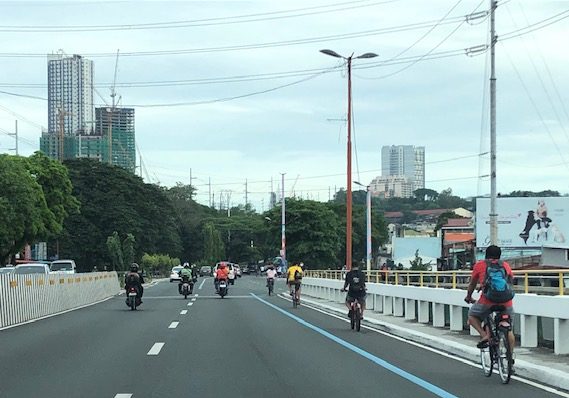 Commuters on bicycles along the Marcos Highway bridge bike lane
Are there differences regarding cycling in different countries? From a somewhat cultural-behavioral perspective, perhaps there are studies (though I am not aware of them yet) about how peoples from different countries or cities behave with respect to cyclists whether or not there are bike lanes designated for the latter’s use. I recall my experiences cycling in Japan and drivers are generally respectful of cyclists on the roads. Pedestrians, too, are very tolerant of cyclists on the sidewalks or designated areas for walking. Of course, the cyclist would have to do their share of respecting others’ spaces, too, and should behave and position themselves accordingly while traveling.
–
On bicycles slowing down cars
There is a perception that cyclists tend to slow down other vehicles, mainly motorized, along roads. Again, such can be the experience of some that have been generalized and accepted as fact in most cases. However, if we look closely at the evidence, the perception may not be true for most cases after all. This article comes out of Portland State University:
Schaefer, J., Figliozzi, M. and Unnikrishnan, A. (2020) “Do bicycles slow down cars on low speed, low traffic roads? Latest research says ‘no’,” EurekAlert!, https://eurekalert.org/pub_releases/2020-07/psu-dbs072320.php [Last accessed: 8/1/2020]
Check out the wealth of information through the links found throughout the article that includes references to published material in reputable journals. EurekAlert! is from the American Association for the Advancement of Science (AAAS).
–
 Caught (up) in traffic