
Home » Pedestrian (Page 3)
Category Archives: Pedestrian
On walking and running for health
Here is a quick share of an article on walking and running from the New York Times:
On walking and taking the stairs
With the increasing popularity of active transport, people still forget that biking is not the only mode being referred to by the term. Walking is the most basic form of transport for us and there are many creative ways to encourage walking even if it is indoors like in an office building, a school building or a shopping mall. Here is a photo of the stairs at one mall with encouraging words for those taking the stairs instead of the escalators or elevators. It only takes 30 minutes of walking everyday to gain the benefits of a more active lifestyle.

My daily walks take me up and down the hilly roads in our neighborhood. I attribute to these walks my relatively effortless climbs to the 4th floor of our school building where my office is. Our elevator has been out of commission for some time now so we are all forced to take the stairs to our lecture rooms and offices. These I refer to as ‘stairmaster’ exercises, which is included in my daily routine so it adds to my step count as well as being recorded for the flights of stairs I take each day. I attest to this routine to improving my health and well-being, and highly recommend this to those who are able to do so.
–
Incorporating bike lanes along local roads – an example in Taguig City
I have not used an old route that we usually take to go to BGC from our place in Antipolo. This is via the Manila East Road, Highway 2000, Barkadahan Bridge and C6. From C6, we usually take Ruhale instead of Seagull Avenue as the former provided a shorter route towards Levi Mariano Avenue and C5. So it was only last weekend that I was able to see the improvements along Ruhale Street and how bike lanes were incorporated along this road. I am sharing the following photos showing a two lane road and Class 2 bike lanes.
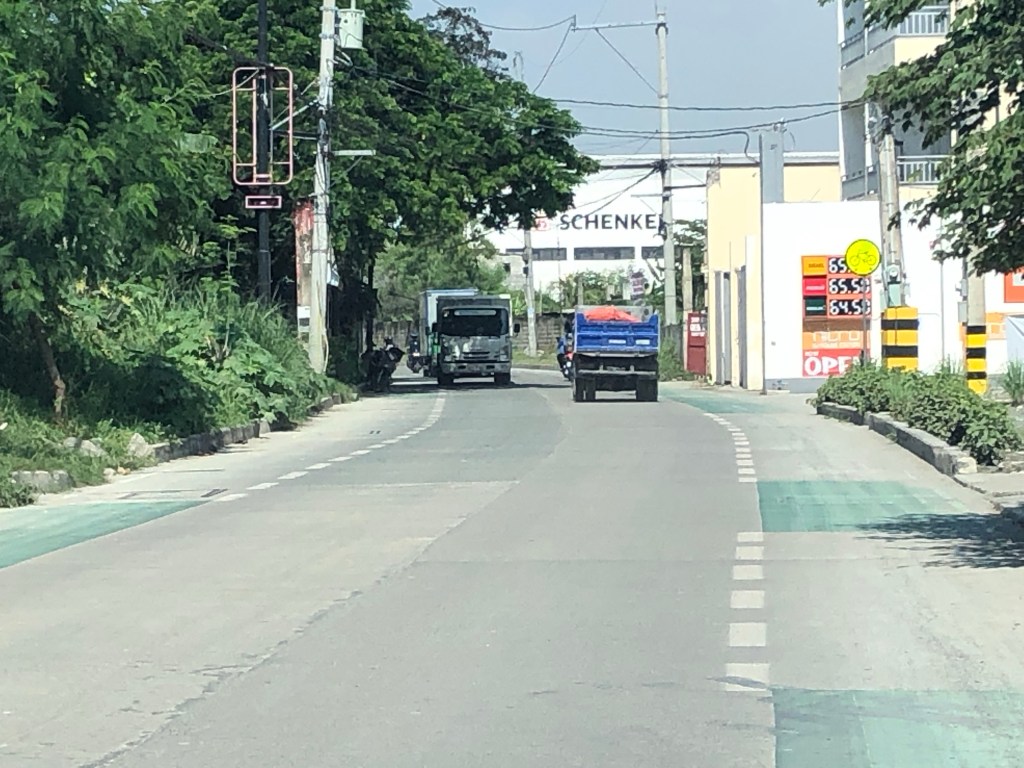 The green pavement markings indicate an intersection or driveway.
 Noticeable are the electric posts that remain along the bike lanes. These need to be transferred so they will not pose danger to all road users.
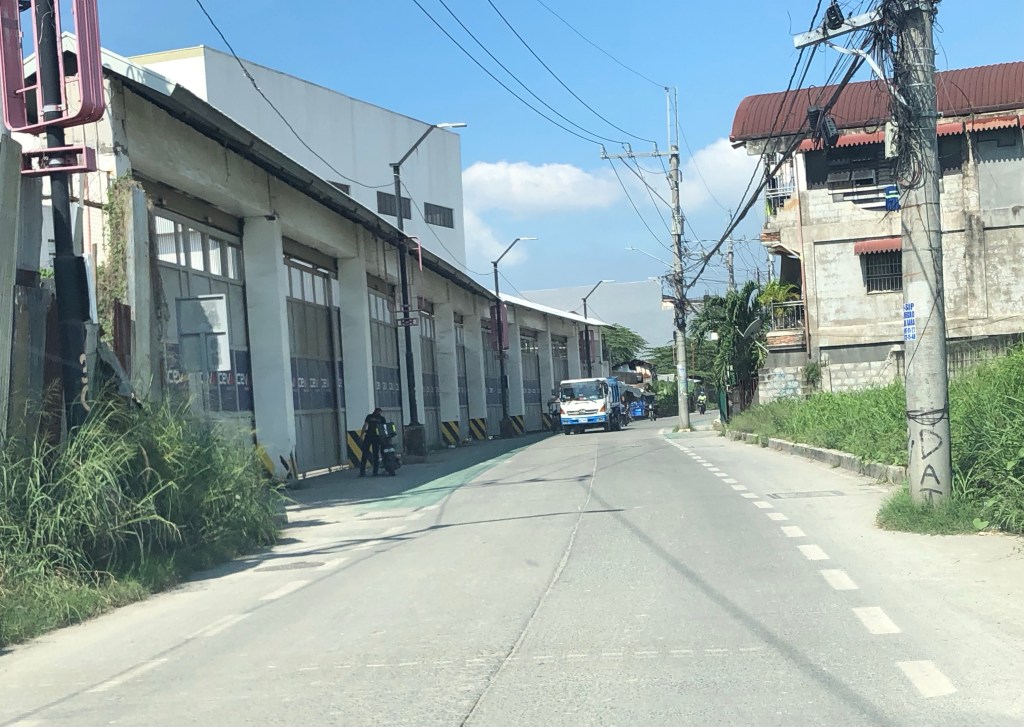 More electric posts along the bike lanes
 Bike lanes in front of an industrial establishment
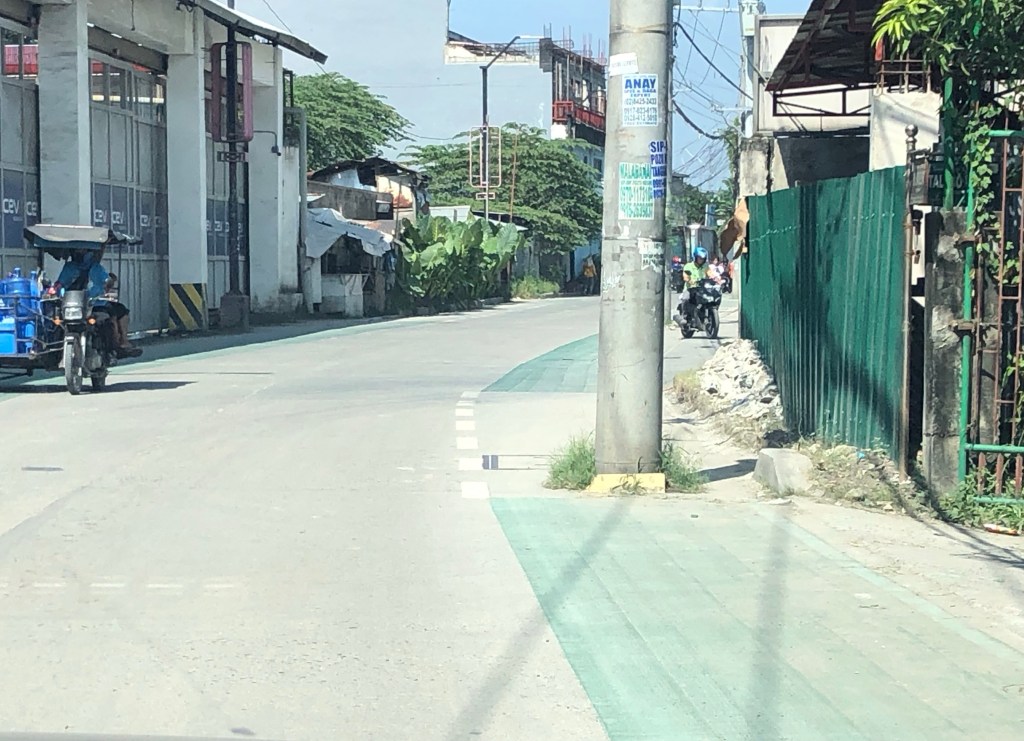 Close-up of a post in the middle of the bike lane.
 Bike lane across another industrial establishment. Again, note the green pavement marking across the driveway of the establishment.
 Bike lanes along a predominantly residential area along Ruhale.
I would consider this as a good practice example that can be replicated elsewhere. Of course, it is not perfect and as shown in the photos, there is much room for improvement including the transfer of electric posts that pose as hazards to all road users. The bike lanes are wide enough that installing bollards for the perception of physical protection vs. motor vehicles can be considered. Ruhale is generally a low speed, low volume road so perhaps the current state with no barriers would be enough for now. Also, we need to appreciate that these are already gains or wins in as far as active transport is concerned. A few years ago, this would not have been implemented by national or local governments.
–
Article share: On the benefits of sidewalk networks
Here is another quick share of an article by Todd Litman on Planetizen. The article contains a lot of information or data about why we should be investing in sidewalks or pedestrian facilities (i.e., for walking).
Litman, T. (August 6, 2023) “Completing Sidewalk Networks: Benefits and Costs,” Planetizen, https://www.planetizen.com/blogs/124999-completing-sidewalk-networks-benefits-and-costs?utm_source=newswire&utm_medium=email&utm_campaign=news-08142023&mc_cid=cd3b2e2ba5&mc_eid=9ccfe464b1 [Last accessed: 9/23/2023]
To quote from the article:
“Walking is the most basic and universal travel mode, and sidewalks are the most basic walking infrastructure, but they are often overlooked and undervalued in transportation planning. Completing and improving sidewalk networks can help achieve many economic, social and environmental goals.
Recent case studies indicate that typical North American communities spend $30 to $60 annually per capita on sidewalks, and would need to double or triple these spending levels to complete their networks. This is a large increase compared with current pedestrian spending but small compared with what governments and businesses spend on roads and parking facilities, and what motorists spend on their vehicles. Sidewalk funding increases are justified to satisfy ethical and legal requirements, and to achieve various economic, social and environmental goals. There are several possible ways to finance sidewalk improvements. These usually repay their costs thorough savings and benefits.”
–
On the benefits of walkable communities to pregnant women
I break the series on MCIA Terminal 1 to share this interesting article relating walkable communities to healthier pregnancies:
To quote from the article:
“The study, published in the journal of Economics and Human Biology, found that expectant mothers living in walkable counties tend to engage in more walking and exercise and have fewer issues with premature births, low birth weight, gestational diabetes and hypertension. Walking is often recommended as a safer, more moderate activity for pregnant women, so the authors reasoned that living in a more walkable area could have health benefits for them.”
If you’re interested in the details of the study referred to in the article, here is the link to the paper entitled “You’ll never walk alone – the effects of walkability on pregnancy behaviors and outcomes” in the journal Economics & Human Biology:
https://doi.org/10.1016/j.ehb.2023.101269
–
Bike lane master plan for Metro Manila, Metro Cebu and Metro Davao
The Department of Transportation (DOTr) with support from the United Nations Development Program (UNDP) yesterday formally launched the Bike Lane Master Plan for Metro Manila, Metro Cebu and Metro Davao. Yesterday’s event was actually the third and last leg of presentations, which were also made in Cebu and Davao. Here are a few photos I got from the DOTr Facebook page (these are public):
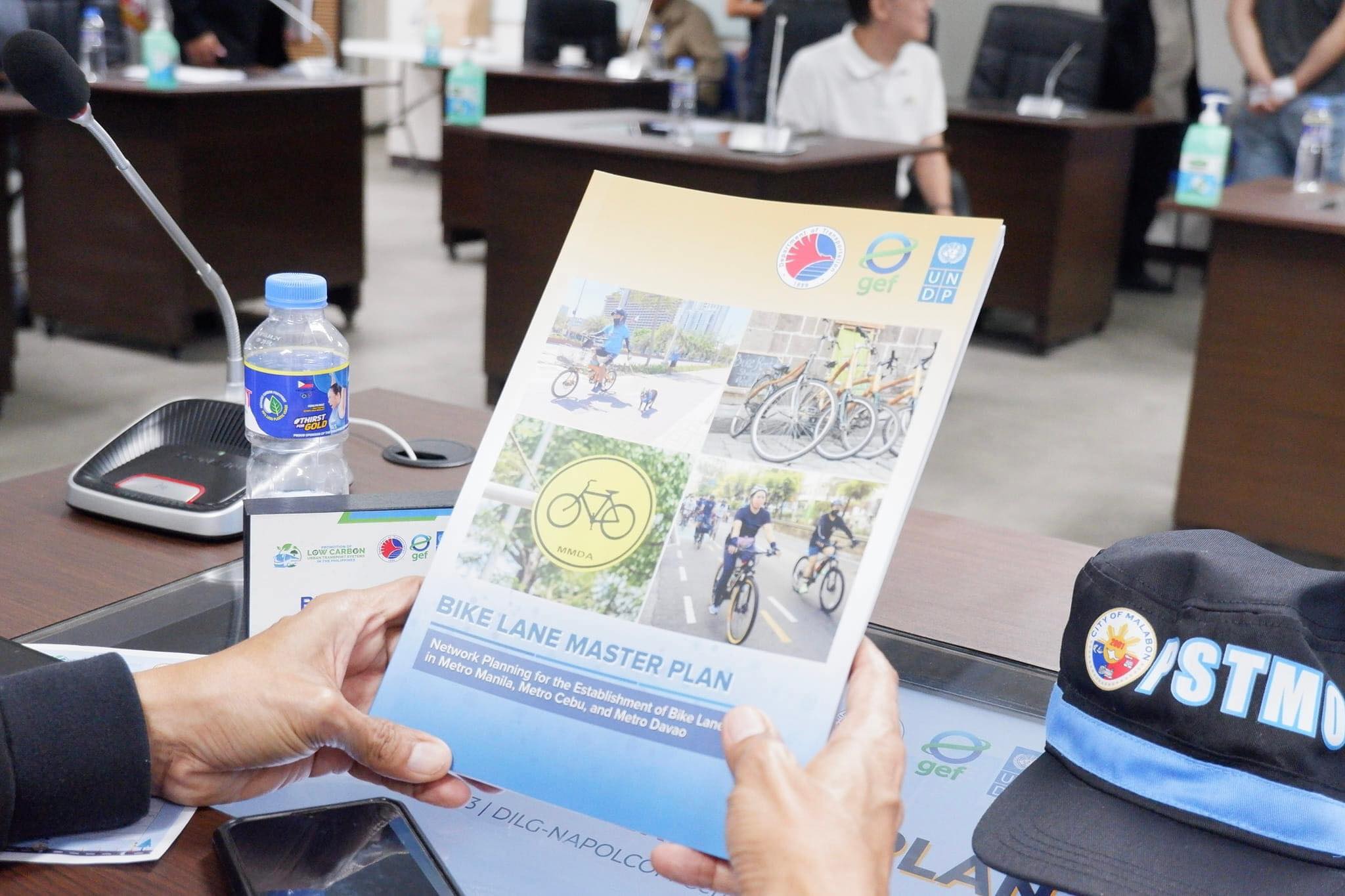 Printed copies of the master plan were distributed to attendees (Photo: DOTr Facebook page)
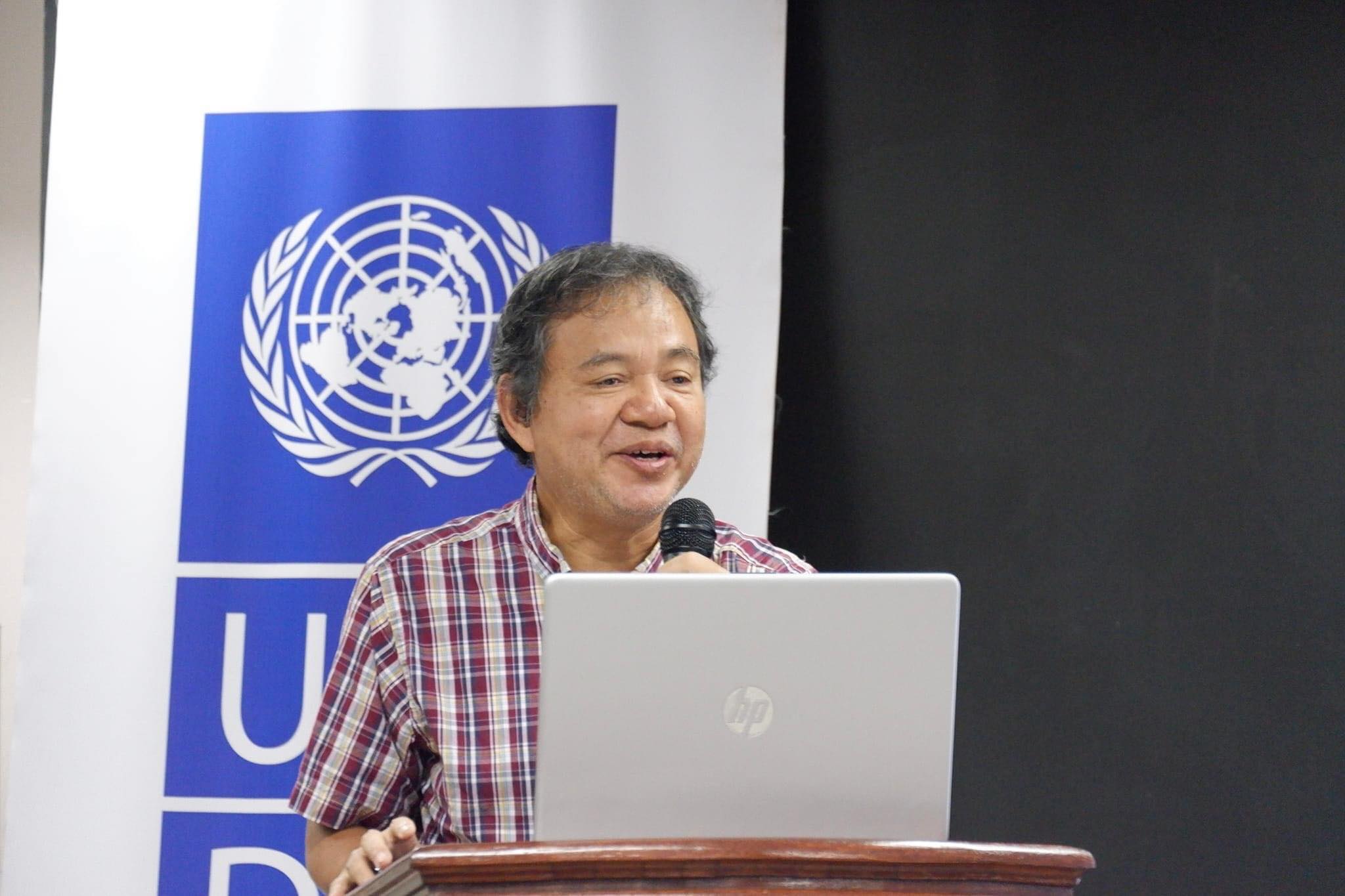 Dr. Ricardo Sigua of the National Center for Transportation Studies presented the highlights or key features of the master plan. The UNDP engaged NCTS to conduct the master planning project for DOTr. (Photo: DOTr Facebook page)
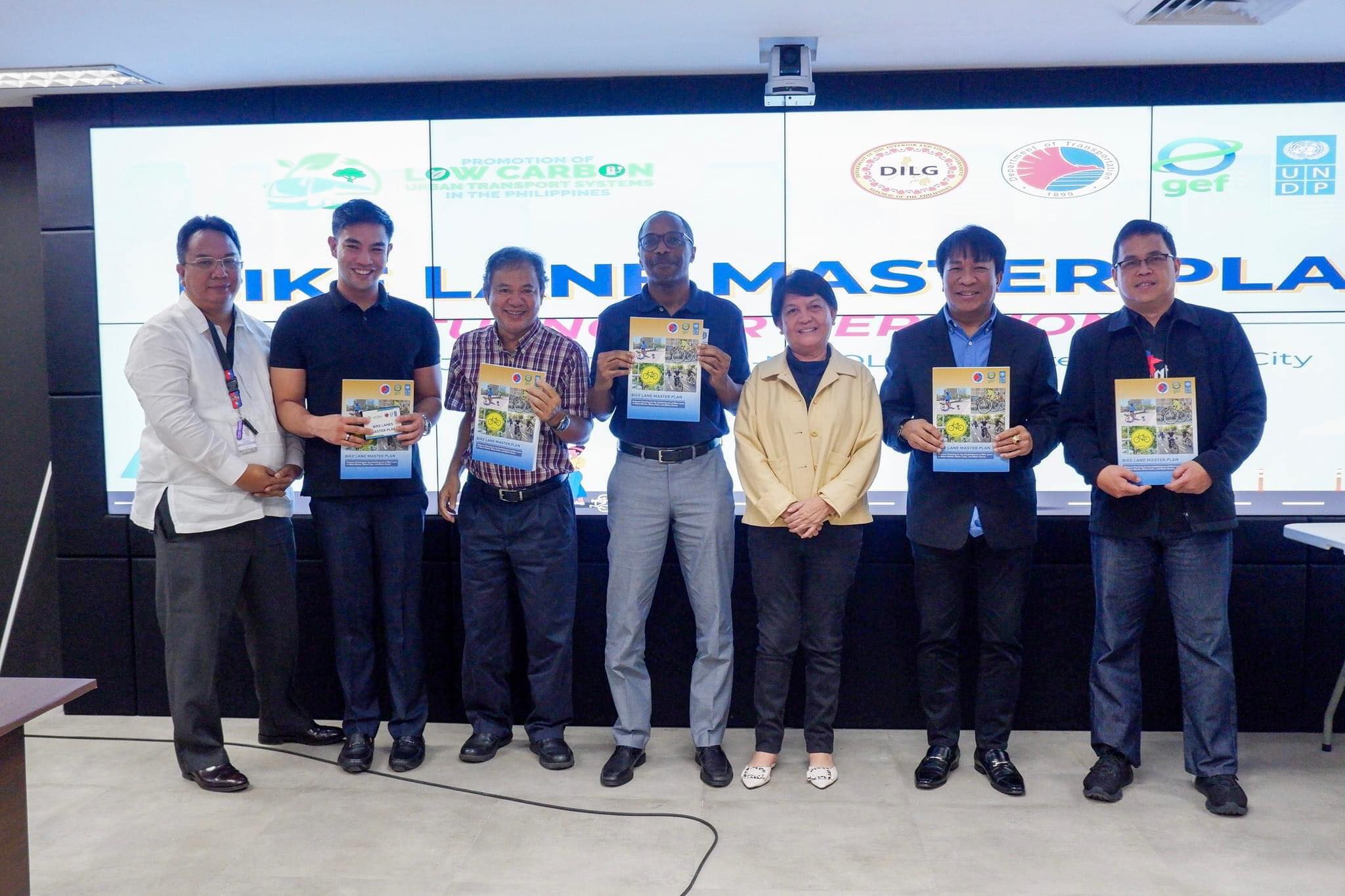 Photo op with participants from the MMDA (Photo: DOTr Facebook page)
While the master plan is most welcome as the country continues to build infrastructure for active transport (mainly walking and cycling), the launch is actually one year late. The project was actually completed last year and though most of the recommendations have yet to be carried out, many items including the inventories are already dated. These master plans though should not be static documents but dynamic in these sense that it would have to be updated regularly. For one, updates would provide the opportunity to reinforce or improve certain aspects of the plan. Updates also provide an opportunity to check whether progress is being made on the targets set in the plan. Also, since the master plan is for three metropolitan areas perhaps it can be part of the foundation for a nationwide plan. However, many plans fail if there is not support or scarce resources allocated for the implementation. Thus, there is a need for resources or allotments especially coming from government to support the realization of the plan.
–
Article share: What’s Incomplete About Complete Streets?
The concept of road diets circulated in Metro Manila more than a decade ago. I recall the Metro Manila Development Authority (MMDA) picked up the concept and attempted to apply it in some parts of Metro Manila. Since there are no evidence of that endeavor surviving now, then we can assume that it was a failure. There is no wonder there as I also recall the effort to be half-hearted and more to get media mileage (cheap talk or lip service) out of it. Road diets eventually evolved into the complete streets (though the literature now will state road diets as part of complete streets). That experience and similar initiatives of varying success (or failure) rates are not unique to the Metro Manila but is actually happening elsewhere including cities in countries where the complete streets have been applied more comprehensively and yet somehow found to be lacking or not as effective a solution as expected. I am sharing an article here that discusses what seems to be lacking or ‘incomplete’ as it is referred to.
Source: What’s Incomplete About Complete Streets?
Quoting from the article:
“What’s missing? First of all, even the best Complete Streets policy can’t solve the problem of fiscal scarcity. Even in a city committed to Complete Streets, street redesign must fight for public dollars with other worthy goals such as education and public safety. As a result, Indianapolis’s improvements are a drop in the bucket. The city maintains 3,400 miles of streets and roads, so its 100 miles of bike lanes affect only 3 percent of the city. Similarly, 2,000 miles of the city’s roads still lack sidewalks.
Second, the quantitative benchmarks seem to focus on sidewalks and bike lanes (Sec. 431-806), and the policy doesn’t mention traffic calming or similar policies. So if the city had a six-lane road with traffic going 60 miles per hour, the Complete Streets policy would not affect that road except to the extent necessary to build a sidewalk or a bike lane.** Thus, even the best Complete Streets policies don’t really address some of the most dangerous features of American street design.”
—
Cool Walkability Planning
I am sharing this article about planning and design for more walkable streets. The term ‘cool’ in the article refers to temperatures as people are less likely to walk if it is too hot to do so.
From the article:
“Improving walkability (including variants such as wheelchairs, hand carts, low-speed scooters) can provide significant benefits to people, businesses and communities, particularly in dense urban areas where land values are high and vehicle travel is costly. However, walking can be uncomfortable and unhealthy in hot climate cities, particularly those that often experience extreme temperatures (over 40° Celsius, 105° Fahrenheit). These conditions make walking unattractive and infeasible during many days…
A well-planned networks of shadeways (shaded sidewalks) and pedways (enclosed, climate-controlled walkways) incorporated into a compact urban village can provide convenient, comfortable and efficient non-auto access during extreme heat. They can create multimodal communities where residents, workers and visitors rely more on walking and public transit, reduce vehicle use, save on vehicle costs, and require less expensive road and parking infrastructure…
The main obstacle to comprehensive pedway development is the well-entrenched biases that favor motorized travel and undervalue non-motorized modes in transportation planning and investment. Transportation agencies have tools for planning and evaluating roadway improvements, and funding to implement them, but lack comparable tools and funding for walkability improvements such as shadeways and pedways, even if they are more cost effective and beneficial than roadway projects.”
Source: Cool Walkability Planning
Short cuts in Zamboanga City
Our capacity building workshop in Zamboanga involved not just lectures and workshops but some practical exercises to demonstrate the surveys needed for road safety assessment of schools. Fortunately, there was a nearby school to our workshop venue and we only needed to walk to the school where participants could set up at certain locations to simulate data collection. Since a couple of teachers participating in the workshop were from the area and the nearby school, they led us to a short cut to get to their school. The route included a walk along a paved path along one of Zamboanga City’s streams.
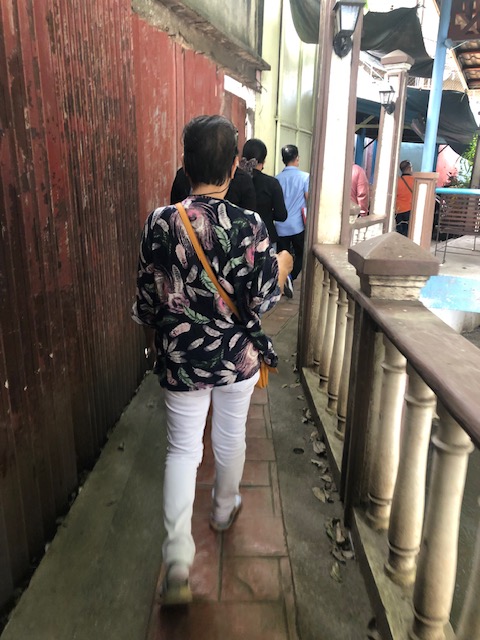
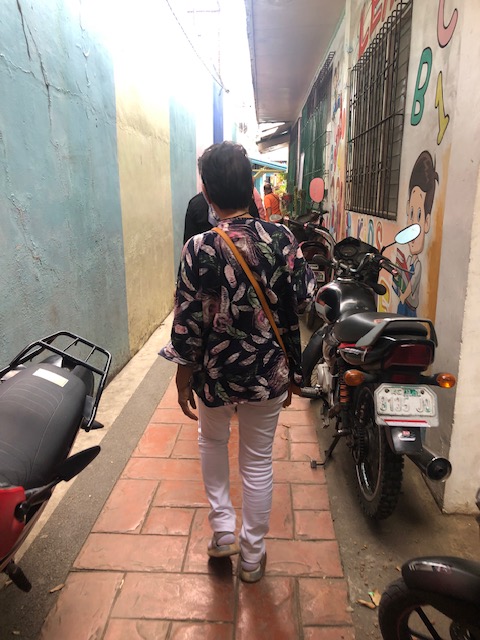
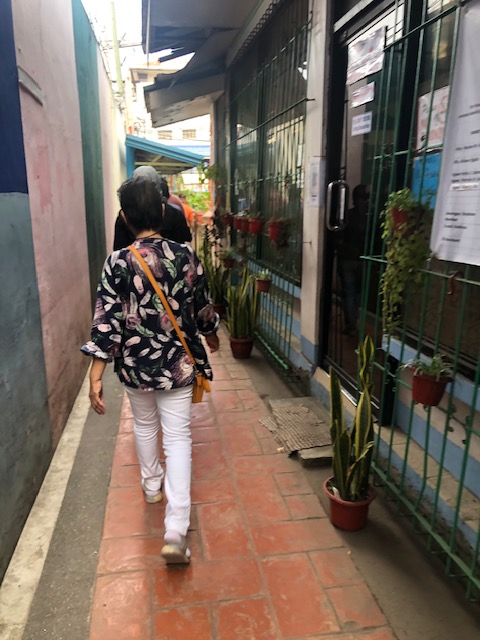
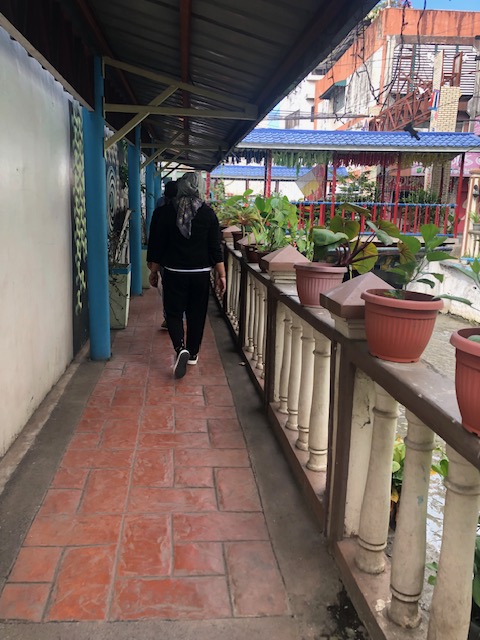
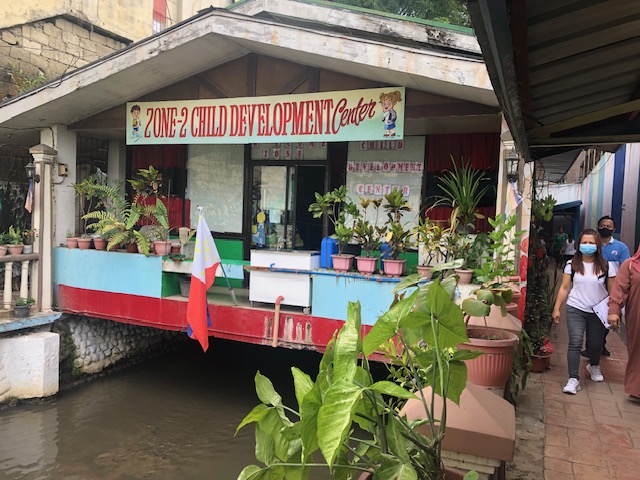
The area had a smell (stink?) to it. That was likely because it was the dry season and the heat meant the dirty water from the stream evaporated and generated the smell. There were even large rats that we saw swimming in the waters! Our guides told us that it was better during the wet season as the water flowed faster and was cleaner due to the rains and runoff. They also related about them bathing in the stream during their childhood days (I assume this was more than 30 years ago.) and before the structures above were constructed. The pathways were clean and secure though and there were others like these that we thought were good examples of pedestrian infrastructure that promote safety as well as encourage walking as a preferred mode of transport especially for short trips.
–
Article share: on pedestrian facilities and climate change
Here is an article that articulates the importance of walking and pedestrian facilities in sustainability and ultimately fighting climate change. It argues that if we had the infrastructure and facilities to make it easier for people to walk, they will and are likely to walk rather than use their cars. This is not limited to short trips as walking can be in combination with public transportation, making it an integral part of trips where public transportation covers the main commute and walking is the proverbial last mile travel.
To quote from the article:
“Walking, biking, and transit need to be prioritized, and treated as legitimate forms of transportation. This means stepping up efforts to collect data on sidewalks the way we do for roads, investing in complete walking networks before engaging in expensive new road projects and making sidewalk construction and maintenance a municipal responsibility rather than an individual one.”

