
Home » Public Transport (Page 4)
Category Archives: Public Transport
Green GSM taxi first impressions
These past months, I have been alternately using Grab and In Drive vehicles for my commutes. If I had another choice, it would have been Green GSM taxi. I have used their taxis traveling between Quezon City Pasig City and within Quezon City. So far, it’s been a good experience including in terms of the fares I’ve paid. Green GSM boasts of an all electric vehicle fleet. They are also a big company compared to the current taxi operators in Metro Manila. I think what may be comparable in terms of fleet size would be the taxi companies in Cebu, Iloilo and Davao. The difference, however, is in terms of their business models. The usual taxis are still basically rental vehicles for the drivers. The latter pay the owners/operators a fee (i.e., boundary) and usually the drivers have to cover fuel and other operating and maintenance costs.
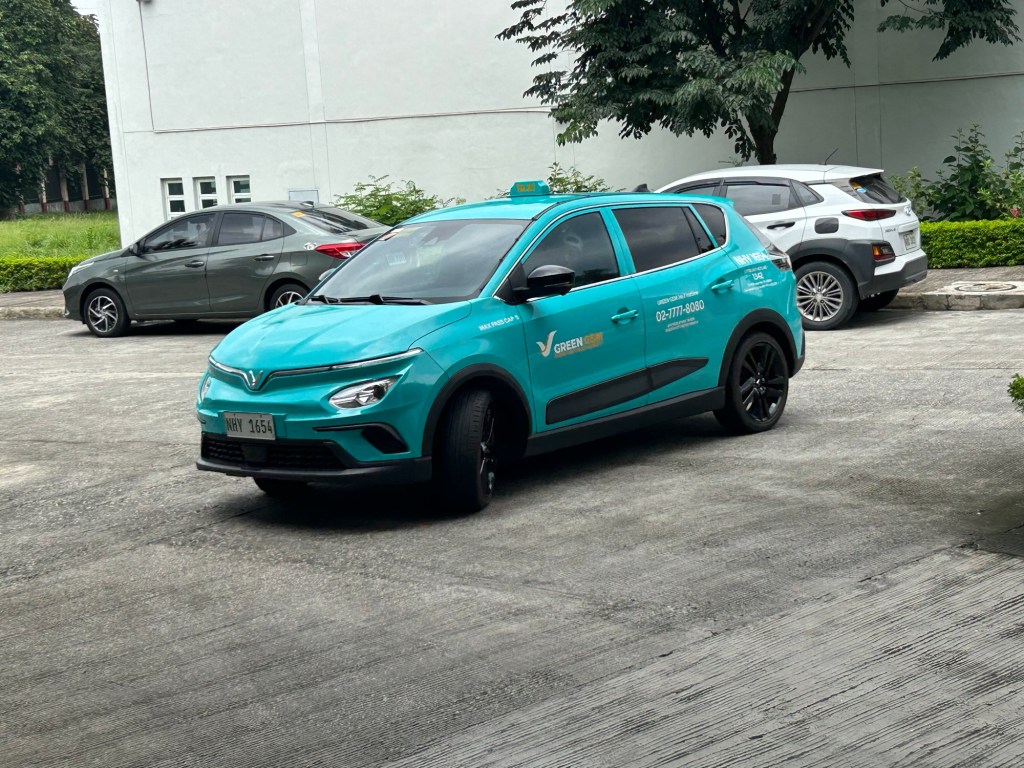
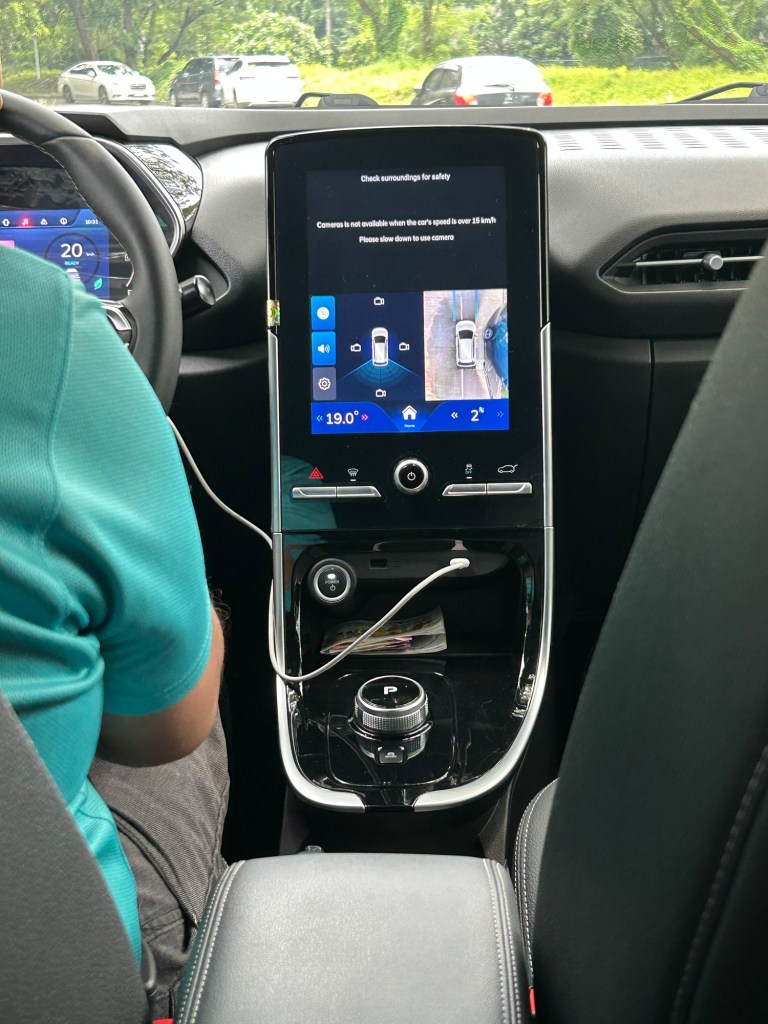
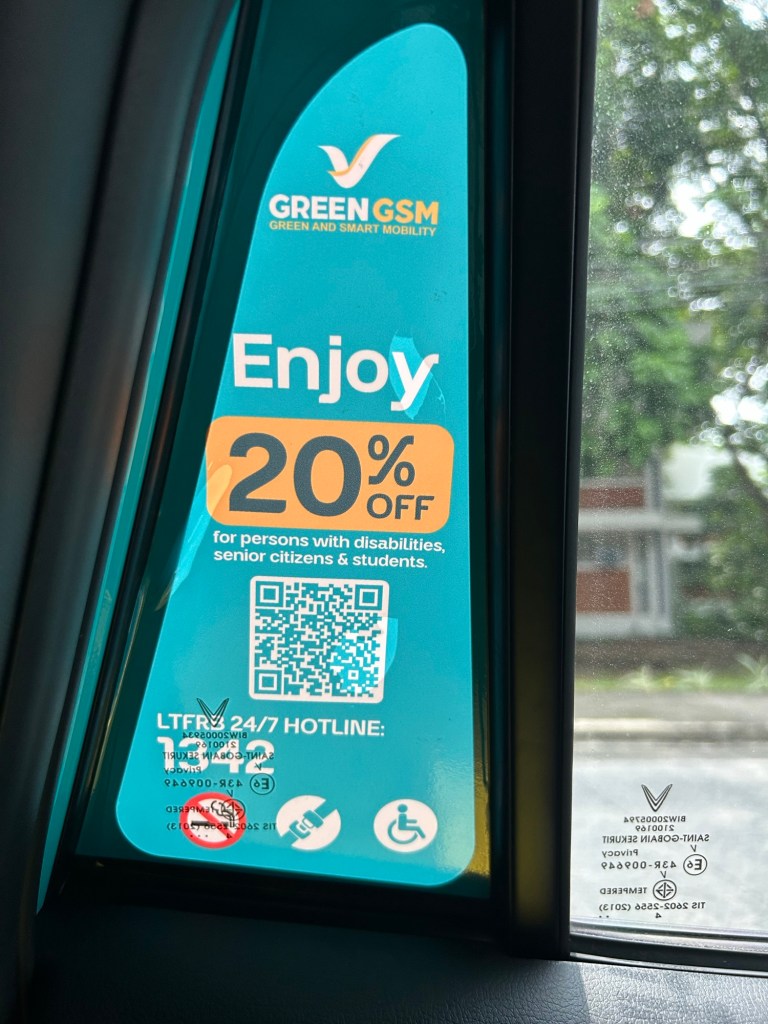
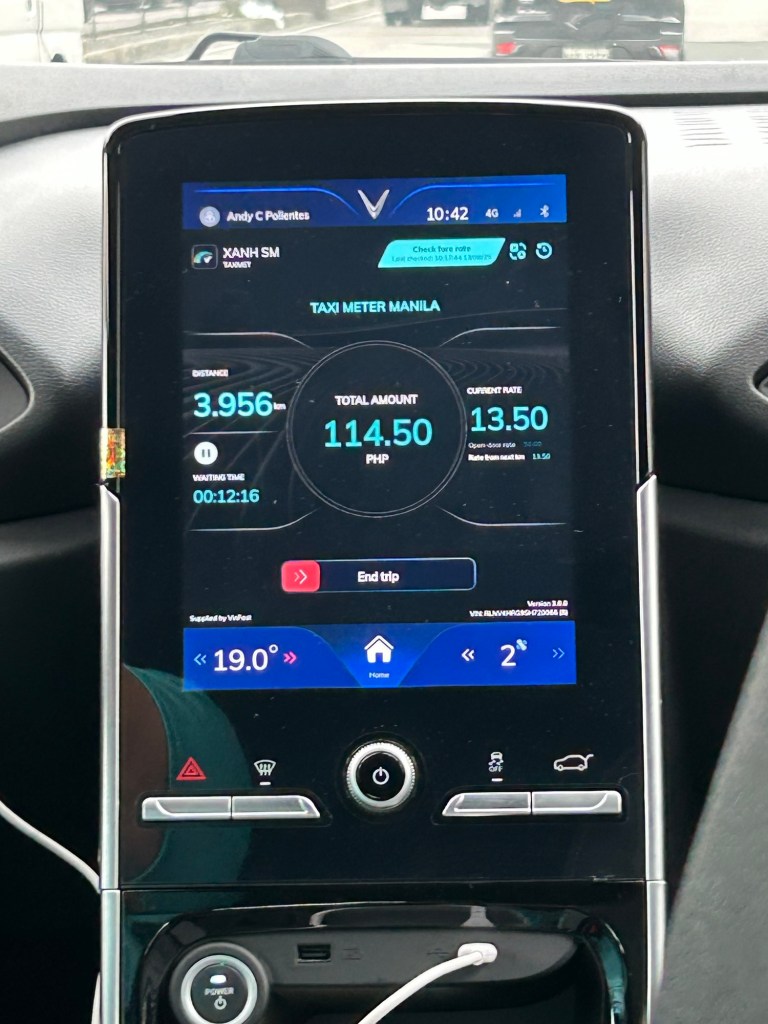
The Green GSM taxi drivers I’ve talked to say they receive a regular salary and have benefits very much like regular employees. They also had accredited stations where they can charge their vehicles or conduct maintenance such as change tires. You can also hail them on the street much like the conventional taxis. You don’t need an app to book a ride but it is more convenient to use their app. The limitation though is that currently you can only book a ride using their app for trips within Metro Manila. If you’re heading out like to Antipolo City, the app will display an error in terms of coverage area. If you happen to hail one of their taxis though, you can use them to go outside Metro Manila. I’ve seen them in Antipolo, Cainta and Taytay so I guess you can also hail them instead of being dependent on the app.
I have a couple of students whose research topic is on Green GSM Taxis characteristics. We’ll soon find out more of their operating characteristics and how their attributes compare with those of TNVS or ride-hailing services like Grab and In Drive.
–
Good Transit Is Simple: Lessons in Good Route Design
Here is a quick share of an article on good route design:
Source: Good Transit Is Simple: Lessons in Good Route Design
I won’t be posting a quote from the article as there is really no summary to it. The article identifies the characteristics of a good transit route as well as the “don’t’s” or “no – no’s”.
Public transport in Iloilo
I took some snapshots of public transportation on my recent travel to Iloilo. These are typical PUVs you would find in most towns across the country. Iloilo’s have some distinct features that they also share with other towns in other provinces.
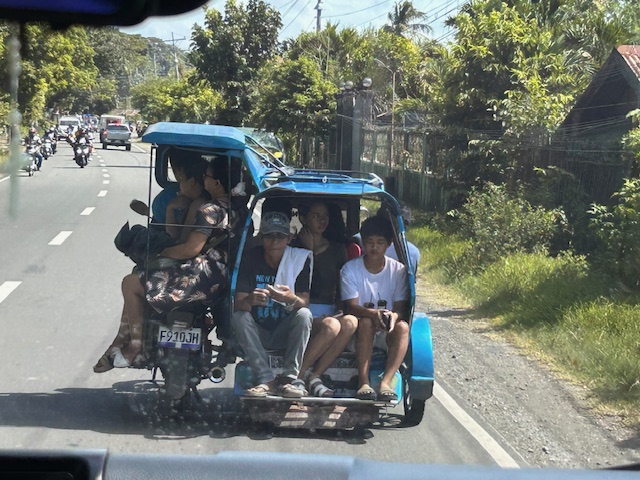 A typical tricycle along the Iloilo-Antique road seats 8 to 9 passengers. Sometimes passengers even sit on top of the sidecar. Sidecars here and other provinces often have roofs designed to carry heavy loads including agricultural products. Usual trike sidecar seating have passengers facing front. This one has them “talikuran” or “back to back” with some passengers facing back – not really a nice view when traveling along a highway and vehicles tailing or bearing down on the trike.
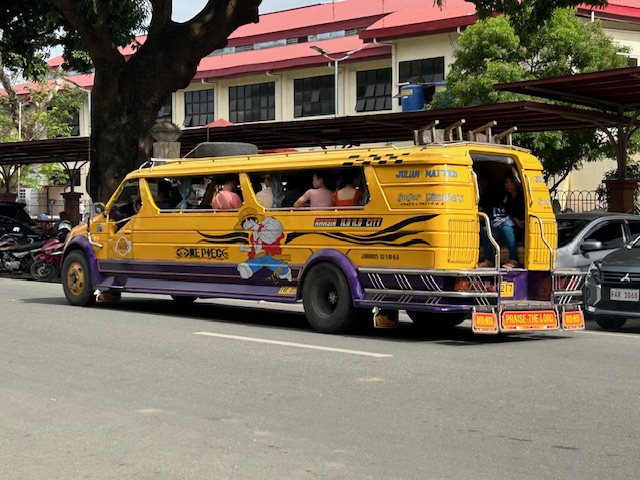 The typical jeepney in Iloilo is stretched whether it’s for inter-town or city operations. Instead of having the ‘face’ of the jeep (from which jeepneys evolved from), they use the front of the Toyota Fortuner or Mitsubishi Montero. These seat 20 to 24 passengers not counting those who are seated on the bench along the aisle. I wonder what engines they now use for these vehicles.
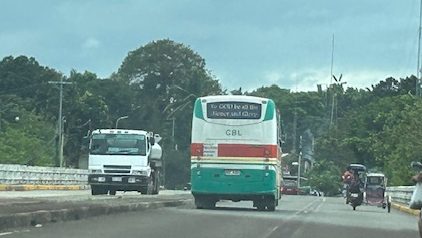 I took this fleeting photo of a bus. For me it wasn’t just a regular bus like the Ceres buses that now dominate the inter-provincial routes. This was a Calinog Bus Line (CBL) bus. We used to take their buses whenever we traveled from Cabatuan town proper to Tigbauan Road. One of my aunts also rode on these buses going to work as a teacher in another town along its route.
–
More Buses, Fewer Riders? Thoughts on the Ridership vs Coverage Tradeoff
Here is a quick share of an article on ridership vs. coverage:
Source: More Buses, Fewer Riders? Thoughts on the Ridership vs Coverage Tradeoff
Basically, there is that question of whether planners or decision makers should prioritize ridership over coverage? Or should it be the other way around? The article provides a detailed discussion of the trade-offs. Perhaps this is again a case of determining which is more suitable for your city?
–
Is there a future for the Philippine made AGT?
I am writing this after reading posts on social media about how they are hopeful about the Philippine-made Automated Guideway Transit (AGT) being finally operational. For one, both AGT models (60 passenger capacity train and 120-passenger capacity train) have not been technically certified. And then there are really no plans for lines to be constructed anywhere.
The closest to plans that we have are the feasibility studies conducted many years ago that did not materialize into an operating line. One of those were supposed to be along Gen. Santos Avenue in Taguig, which could have extended to C6. Another is a line that could have run along C.P. Garcia Avenue and Katipunan Avenue, connecting Line 7 at Commonwealth Ave. with Line 2 at Aurora Blvd.
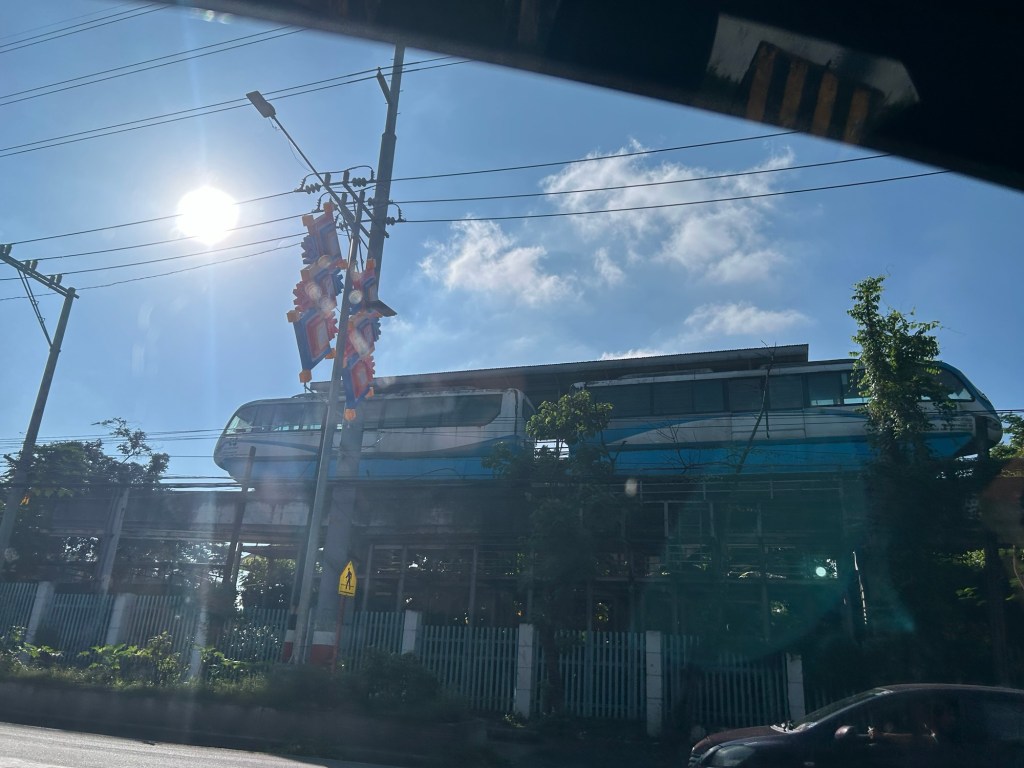
There’s still something worth studying and refining here as the AGT is a product of local R&D. However, there must be a commitment among researchers and the DOST on the way forward. There should also be some kind of buy-in from government agencies especially DOTr to support this development.
–
Still towards a car-oriented future?
Saw this photo being circulated on social media.
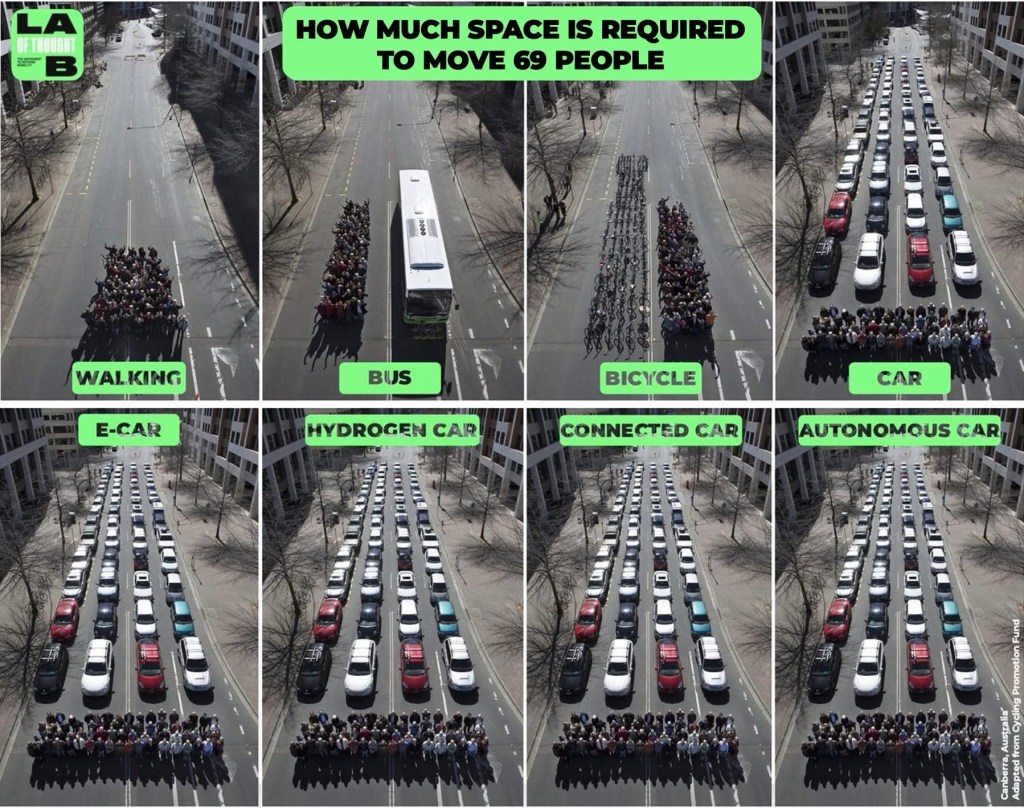
Again, there are many versions of this including the original from a town in Germany that compared 50 people on cars, a bus and on bicycles. The bottom line in the latest images (do these qualify as memes?) is that all these efforts in developing the car, whether regarding the engine or fuel, or perhaps autonomy or connectivity related, ends up being still car-oriented or car-centric. I
t doesn’t really solve our transport problems despite what is being packaged as environmentally friendly. The discussions about this is timely and relevant as electric and hybrid cars are now quickly replacing conventional ones. And there’s a kicker for those driving in Metro Manila, hybrid and electric vehicles are exempted from the travel demand management scheme that is number coding.
How do we veer away from this temptation from technology? How do we keep mode shares in favor of active and public transportation? How do we influence mode choice for the latter options?
–
Quezon City’s electric buses
While Quezon City rolled out its new electric buses, I have not seen them along my typical commutes that takes me to C5, particularly and mainly along Katipunan Avenue. Most of these buses are probably deployed along the other routes served by the Q City buses. So I took this snapshot of one that I saw not in QC but along Ortigas Avenue Extension in Pasig City. Maybe it was en route to the end station/terminal at Bridgetown, which is at its border with Pasig?
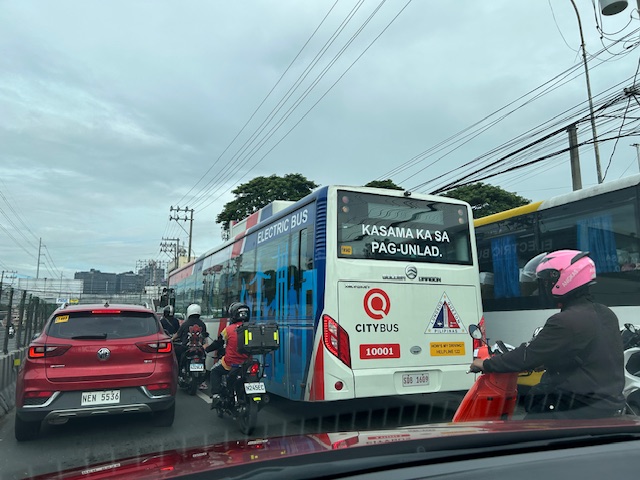 One of Quezon City’s electric buses
–
Article share: What Is Good Transit?
Here’s an article share on transit and what should be the attributes of a good transit system:
Source: What Is Good Transit?
To derive the main points from the article:
- Good transit is frequent
- Good transit is reliable
- Good transit is (reasonably) fast
- Good transit feels safe
- Good transit is equitable by nature
This is a good read whether you’re a regular commuter taking public transportation or perhaps one looking into topics for research or advocacy.
–
First impressions of In Drive
There’s another TNVS service operating and competing with Grab. I heard about In-Drive from friends who regularly take Grab when they are in a hurry and opt out of their usual public transport options. They relate that In-Drive was cheaper than Grab based on their most recent bookings. They also said it was easy to book a ride with In-Drive.
And so I downloaded the app and finally had an opportunity to try them as I traveled between UP Diliman and Ortigas Center. I was able to book a ride immediately and it was less expensive compared to Grab. But that was just one booking so I had to try it another time. On my return trip, the same happened and I was able to get the same result with a cheaper booking than Grab.
One time I had to travel home from my office in UP after my evening class, I decided to try this again. Here are the screenshots for my evening ride. The first image is for Grab and the second for In Drive. The routes indicated in the maps are the same. Noticeably different are the estimated travel times (73 minutes for Grab vs. 64 minutes for In Drive) and fares (at least 556 pesos for Grab vs. 472 pesos for In Drive). The choice here was easy – In Drive.
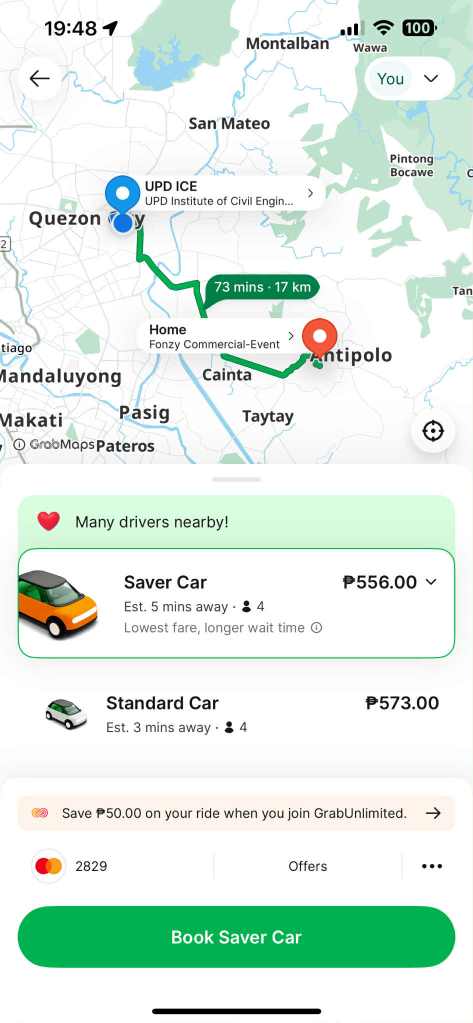
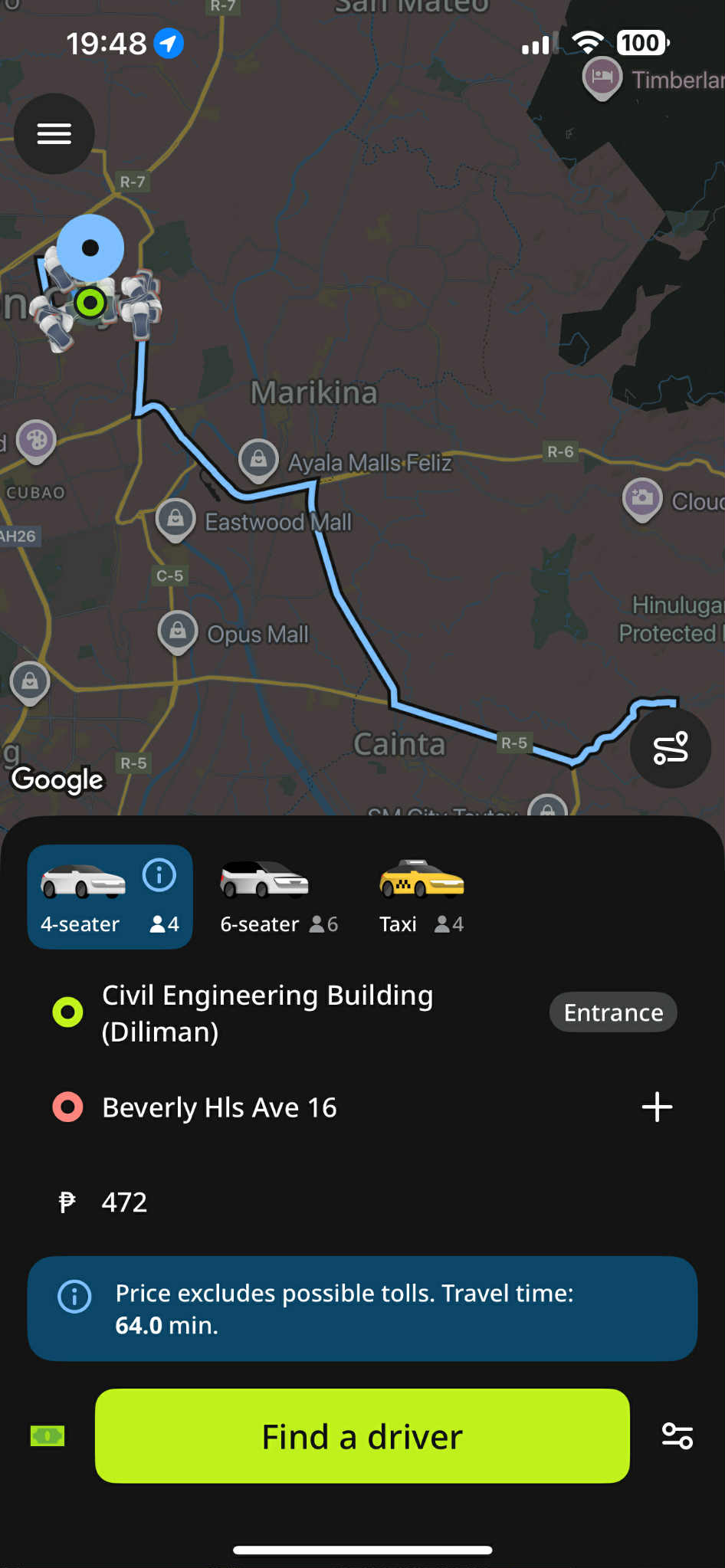
My experiences so far indicate that In Drive was indeed cheaper than Grab. For the last example, it also indicated a shorter travel time. But that’s just me and a few bookings. It is worth studying or exploring further if indeed In Drive, in general, provides for less expensive travel. Other circumstances or conditions can be considered including the origins and destinations for the bookings, the time of day or day of the week, and so on. These are necessary to really have an objective and conclusive comparison of the two.
There’s another option that’s been getting some buzz recently among my friends and students. A taxi company with a full electric car fleet is also now available and competing with the TNVS companies. I will write about Green GSM very soon!
–
Railways construction progress in Luzon
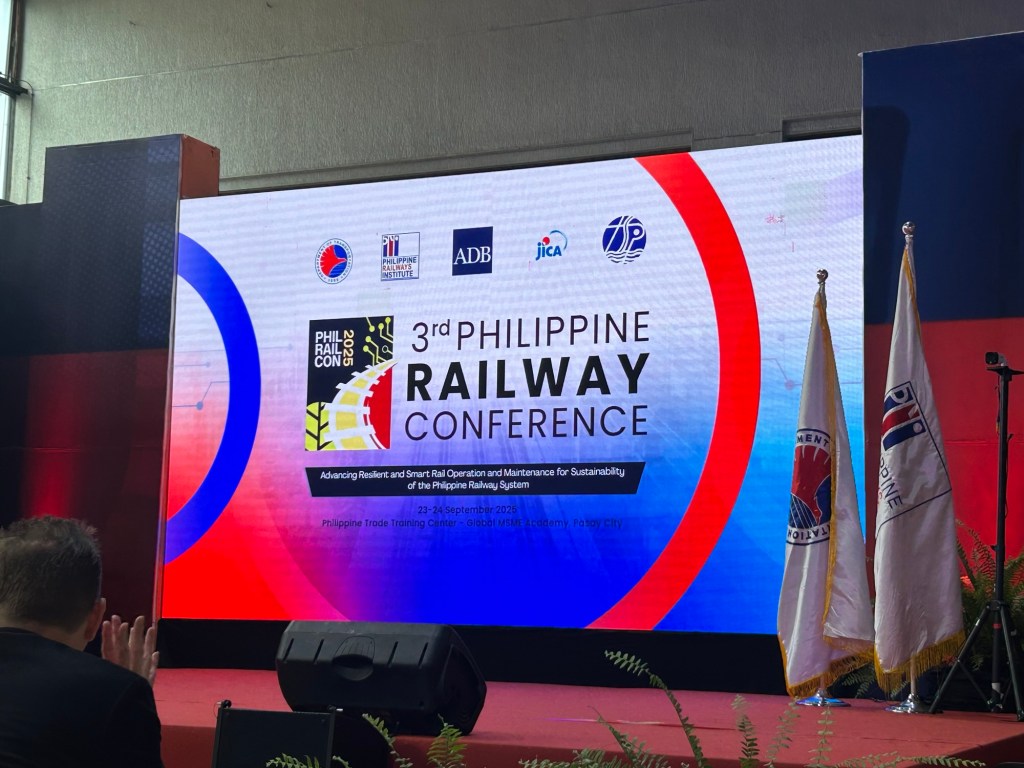
I’m currently attending the Philippine Railway Conference. The presentations so far have been informative especially about the progress of rail projects in the country. Most if not all of these projects are in Luzon, which includes Metro Manila. Here are the progress of work as shown in the photos of the slides I took during the plenary sessions this morning.
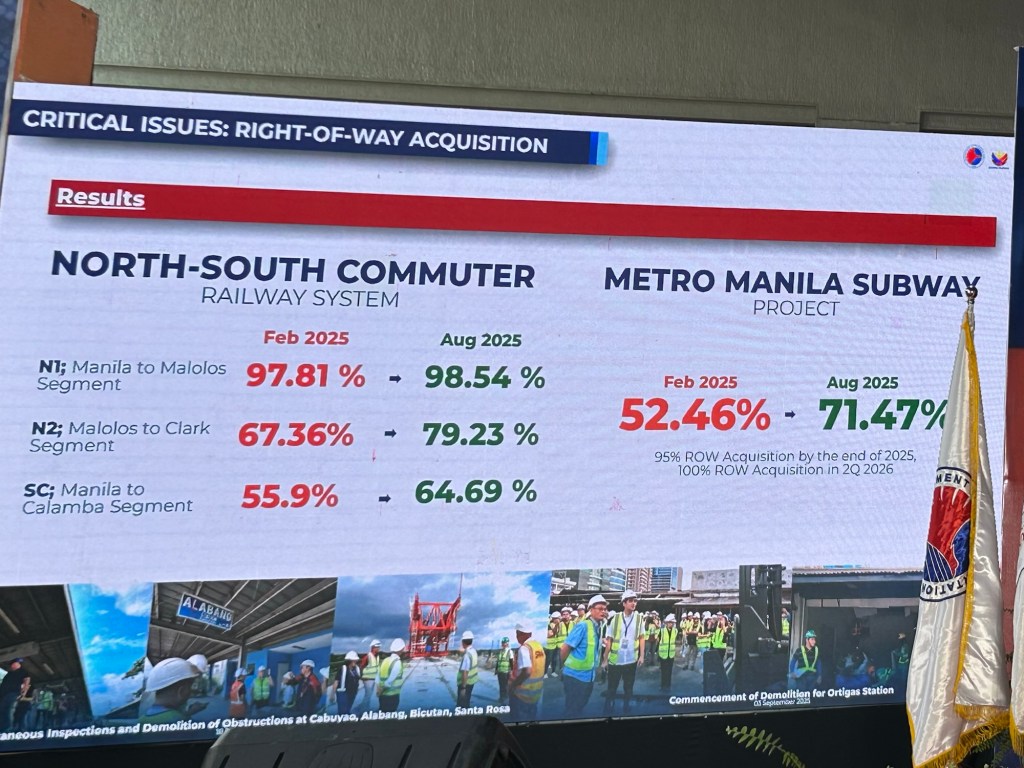
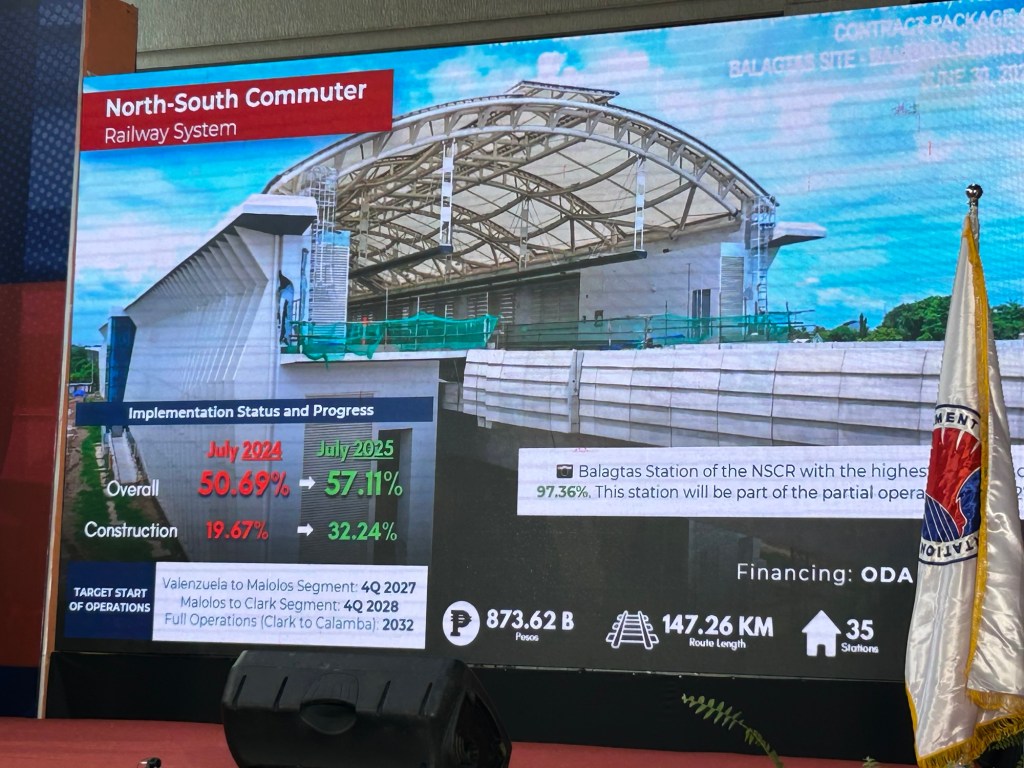
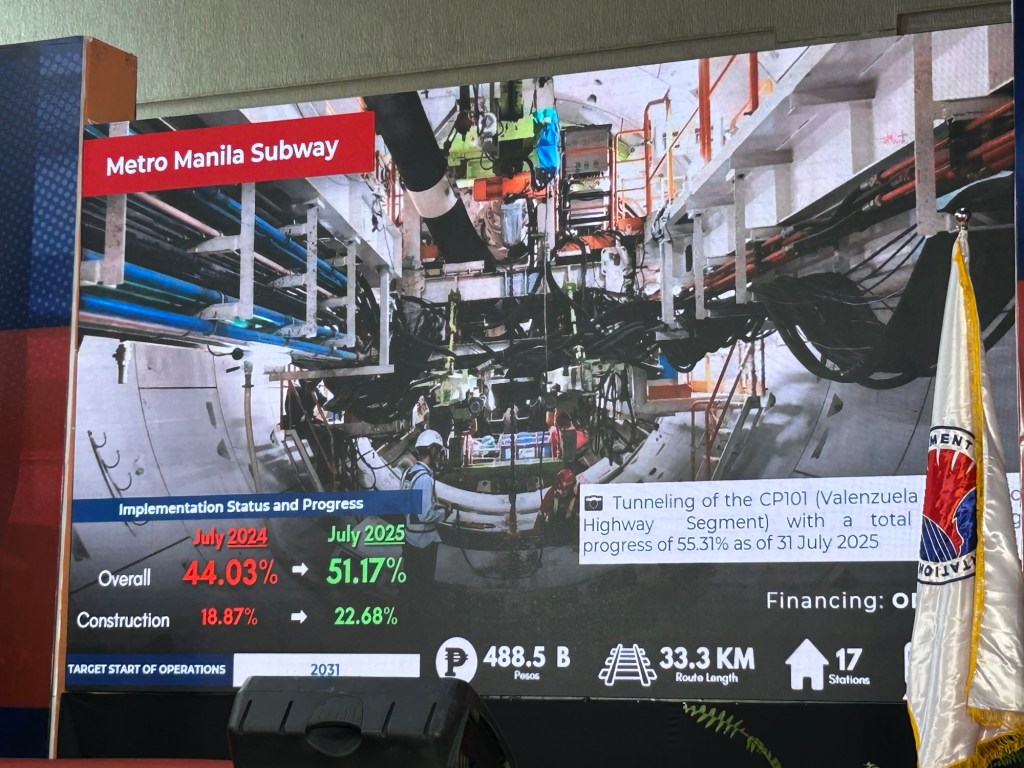
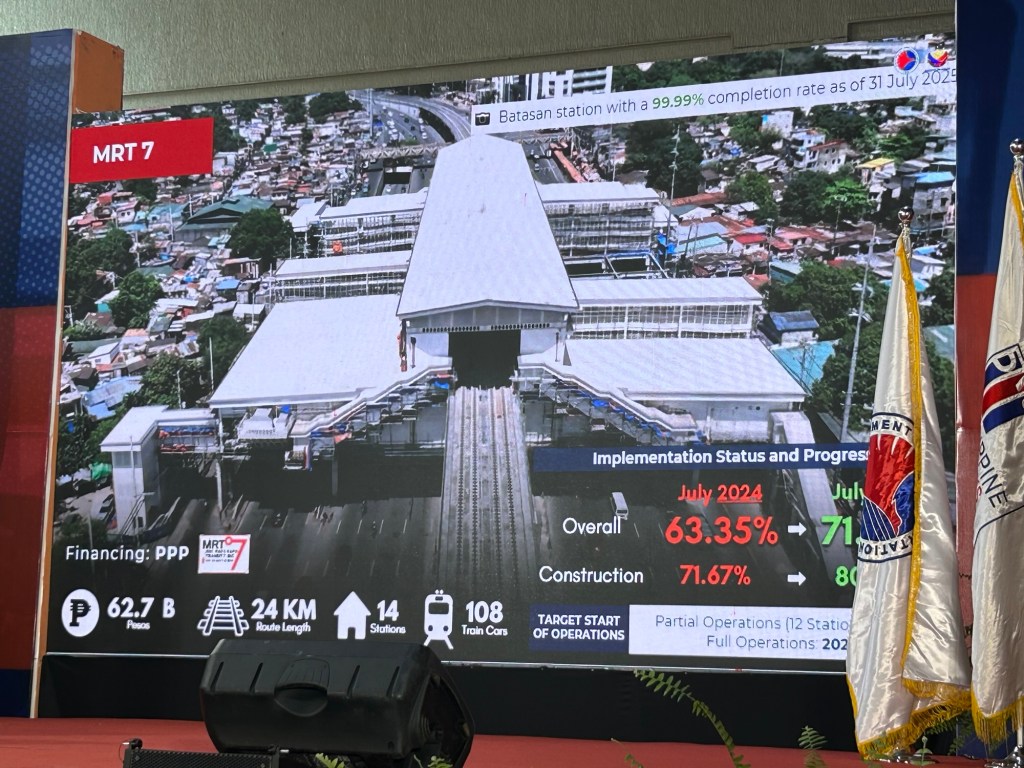
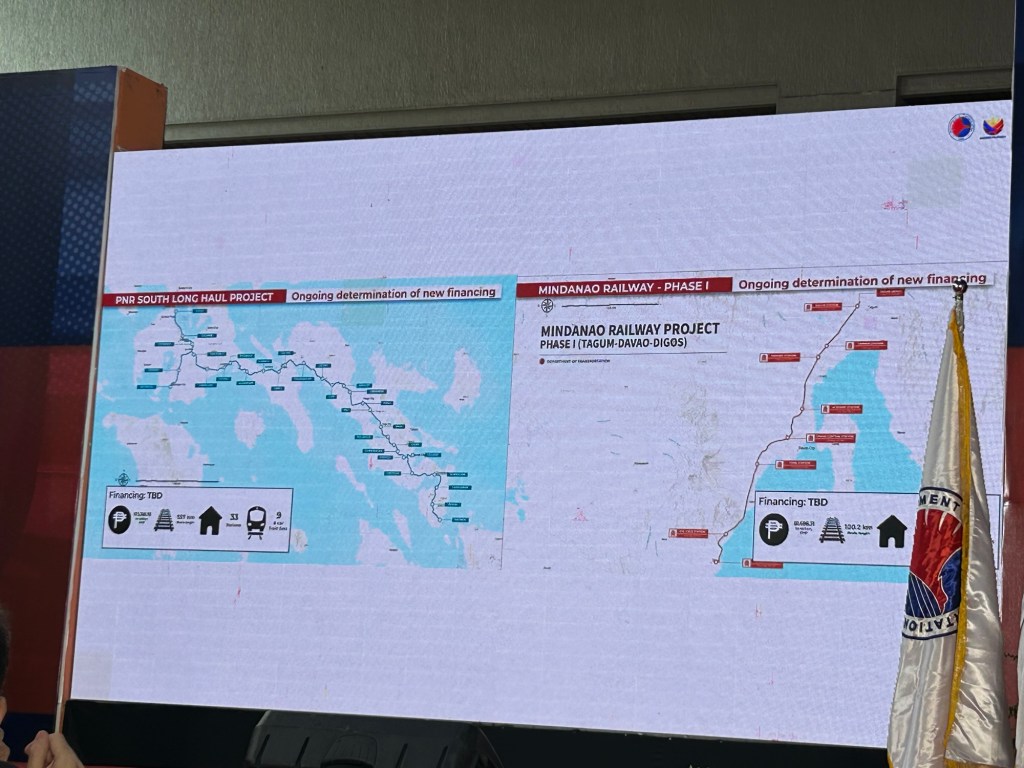
Based on the presentations, these railways currently under construction will be ready or partially operational by 2027. What do you think about the progress of work?
–

