
Home » Road Safety (Page 3)
Category Archives: Road Safety
On safety along boring roads
I saw this interesting article about “boring” roads. It seems to be consistent with anecdotal evidence about ordinary roads with unremarkable features especially along adjacent lands. What may be termed as “beautiful” and “remarkable” may not necessarily be distractions to road users. Rather, it may keep people’s attention on the roads and people outside cars or, as the article refers to them, non-motorist car injuries or fatalities. There seems to be some confusing outcomes or perhaps confusing use of terminology in how the article is written (i.e., how perceptions are stated in the article).
Wilson, K. (August 21, 2025) “Study: Boring Roads End Up With More Injuries For People Outside Cars,” Streets Blog USA, https://usa.streetsblog.org/2025/08/21/study-boring-roads-end-up-with-more-injuries-for-people-outside-cars [Last accessed: 8/27/2025]
Quoting from the article:
“Researchers at the University of Connecticut recently analyzed the emotional reactions of more than 81,000 volunteers to a trove of Google Street View images from 56 cities around the world — and found that certain recurring perceptions correlated tightly with how many car crashes involving vulnerable road users actually happened where those photos were taken.
Perhaps unsurprisingly, the participants were pretty good at gauging whether a road was “safe” for walking and biking just by eyeballing it and reporting on how safe it made them feel in general, adding further evidence to the pile that “perceived safety” is a critical metric that every transportation leader should take seriously. Streets that volunteers perceived as “wealthier” also tended to record lower crash volumes — which also might be intuitive, considering that some of the most obvious signs of neighborhood affluence can be great public infrastructure like smooth sidewalks, pristine bike lanes, and ample street lighting.
Roads that were rated as “lively,” meanwhile, were associated with higher crash volumes — though the researchers were careful to note that may just be because there were more people in those images, and crash rates per capita, or per pedestrian- or bike-mile traveled, might actually be lower in hopping human-centered areas.”
In that last paragraph, the term “lively” might have different perceptions depending on the people looking at images of streets. In our case, the street scene in Divisoria, for example, can be described as “lively” yet it may be safer than what is perceived in other countries, especially in the west. I think we have to be careful with the kind of studies as described in the article and to be fair, they did say that their study is still at an exploratory stage.
–
Is it possible to have zero traffic deaths in a year?
Is it possible to have zero traffic deaths in a year? Is it even probable? As it turns out, yes. Here’s an article on what Helsinki did in order to make this a reality:
Andrei, M. (August 1, 2025) “Helsinki went a full year without a traffic death. How did they do it?” ZME Science, https://www.zmescience.com/science/news-science/helsinki-went-a-full-year-without-a-traffic-death-how-did-they-do-it/ [Last accessed: 8/19/2025]
To quote from the article:
“A lot of factors contributed to this, but speed limits are one of the most important,” said Roni Utriainen, a traffic engineer with the city’s Urban Environment Division.
More than half of Helsinki’s streets have a speed limit of 30 km/h (approximately 20 mph). Half a century ago, the city barely had half of its area with a 50 km/h limit (30 mph). They gradually worked to reduce the speed limit, especially around schools and kindergartens.
Smarter street design also played a key role. Pedestrian and cycling infrastructure was prioritized for upgrades in recent years. More and more people started using public transit or bikes, or just walking. Substantial investments also made public transit more efficient and reliable.“Public transport in Helsinki is excellent, which reduces car use, and with it, the number of serious accidents,” Utriainen noted.
Another key component was bringing the police on board. Helsinki introduced automated traffic cameras and enforcement systems, which also helped bring down reckless driving.”
Examples of congestion pricing as applied in major cities
Here is a quick share of an article on cities that have been successful with congestion pricing:
Zukowski, D. (August 8, 2025) “5 cities with congestion pricing,” Smart Cities Dive, https://www.smartcitiesdive.com/news/5-cities-with-congestion-pricing/756987/ [Last accessed: 8/15/2025]
Quoting from the article:
“As cities around the world continue to see increased traffic delays, some have implemented congestion pricing programs to ease gridlock. Congestion pricing acts as a market-based mechanism: increasing the cost to drive in certain areas may encourage drivers to take alternate means of transport or travel at different times. Toll revenues can go to improving roadways and public transit or reducing other vehicle-related taxes.”
Indeed congestion pricing has been around and yet few cities have actually implemented congestion pricing schemes and have had success with it. In the Philippines, the discussions are basically on and off or intermittent. I recall there were already mention of congestion pricing in Metro Manila transport studies back in the 1970s but nothing really came out of those. Fast forward to the present and Baguio City in the northern Philippines implemented their version of number coding, which was supposedly a prelude to some form of congestion pricing but apparently is more of a travel demand management (TDM) scheme along the lines of Metro Manila’s UVVRP. Will we have our own proof of concept sometime soon even for a smaller area or district in any Philippine city? That will also be dependent on whether our so-called leaders can engage their constituents in meaningful discussions on the benefits of congestion pricing.
–
Rain and fog along Sumulong Highway
I just wanted to share a few photos of the conditions along Sumulong Highway these past days. With Felix Avenue and Ortigas Avenue Extension frequently flooded during this season, our commutes would usually be along Sumulong and Marcos Highways.
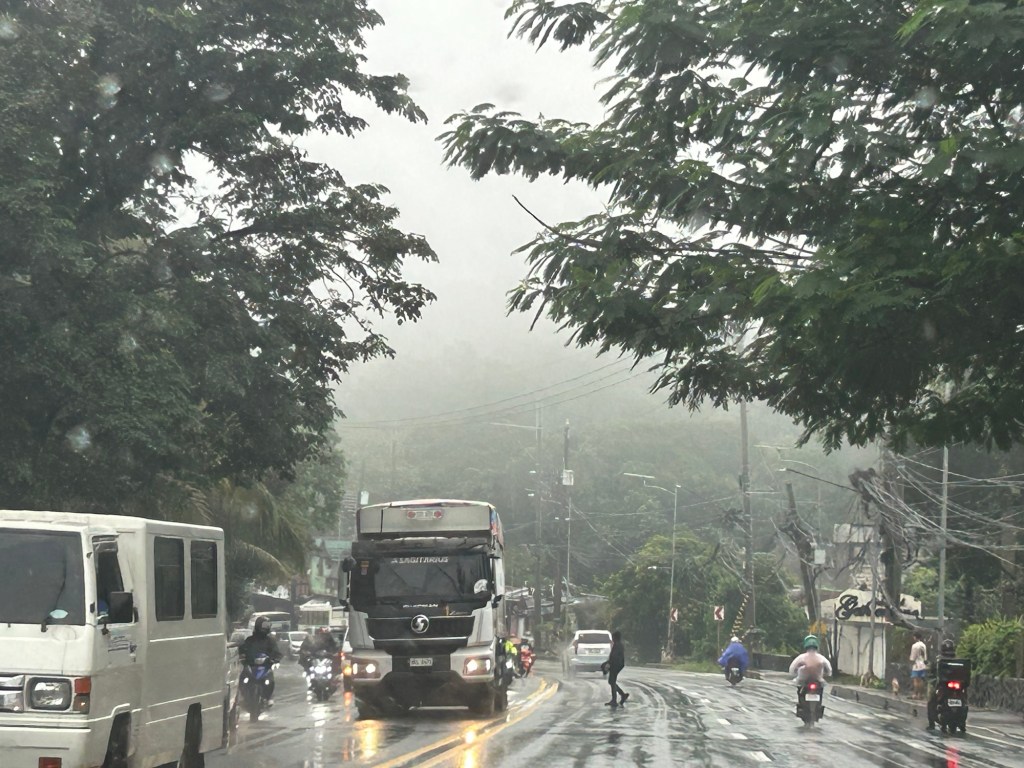
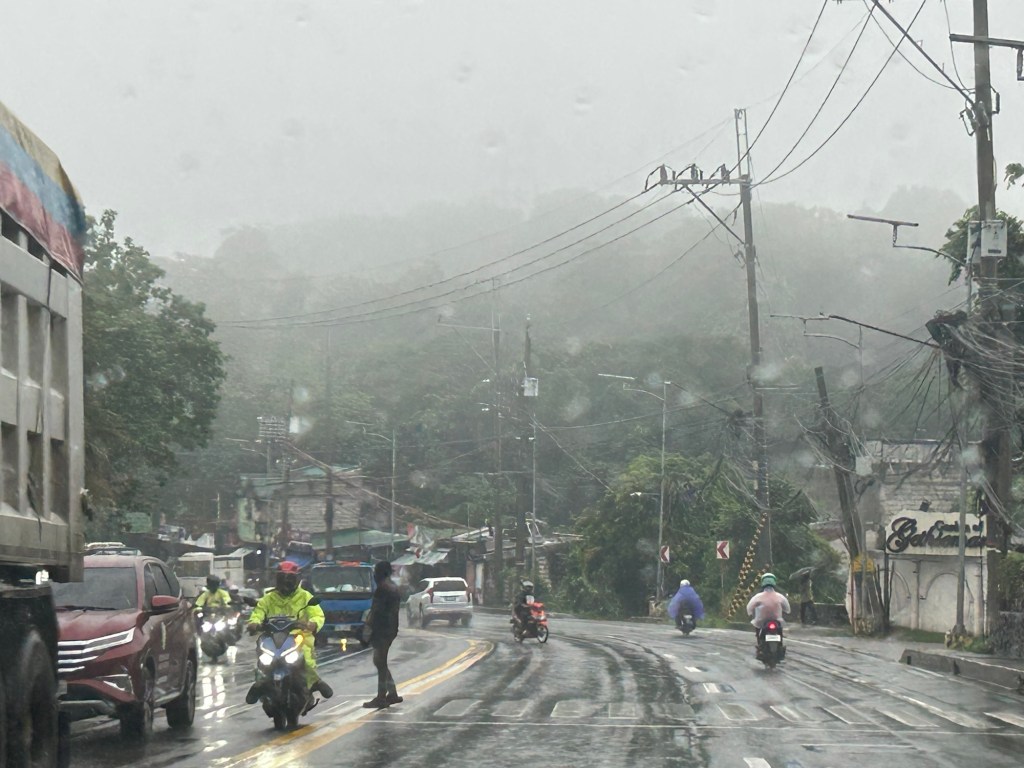
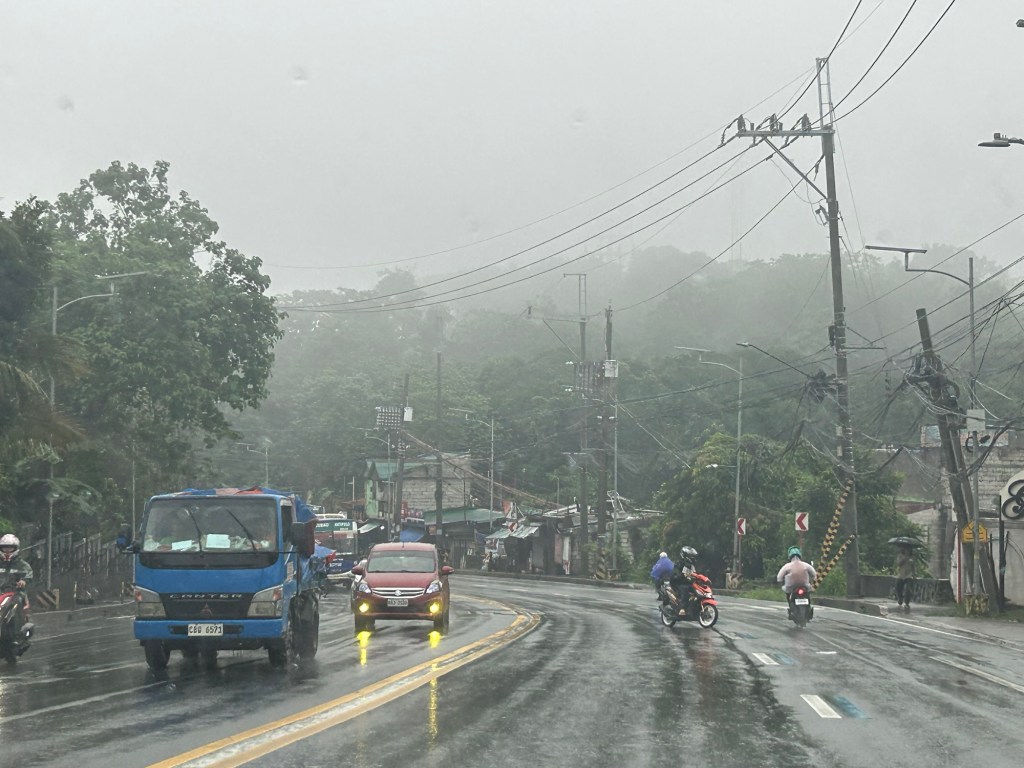
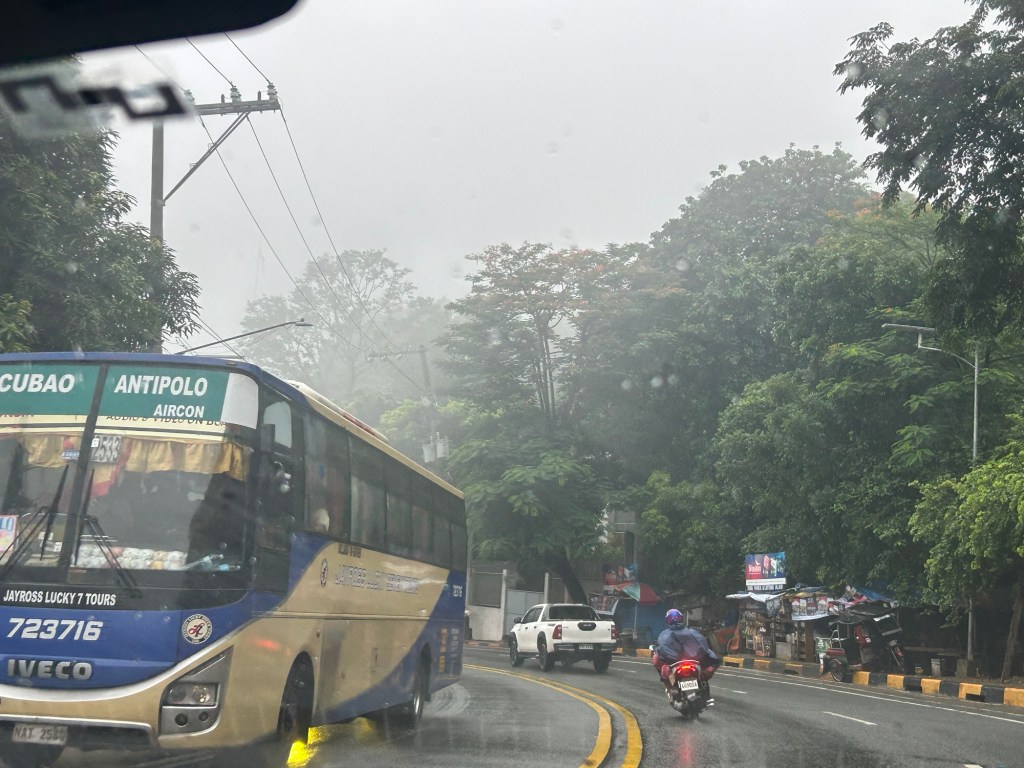
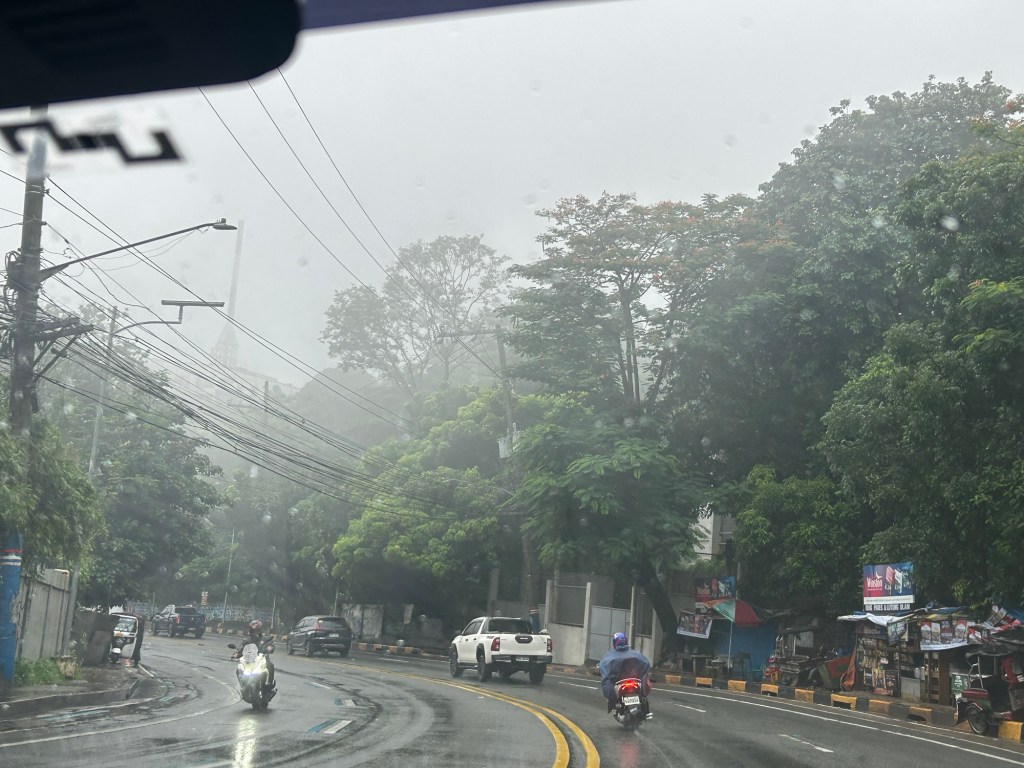
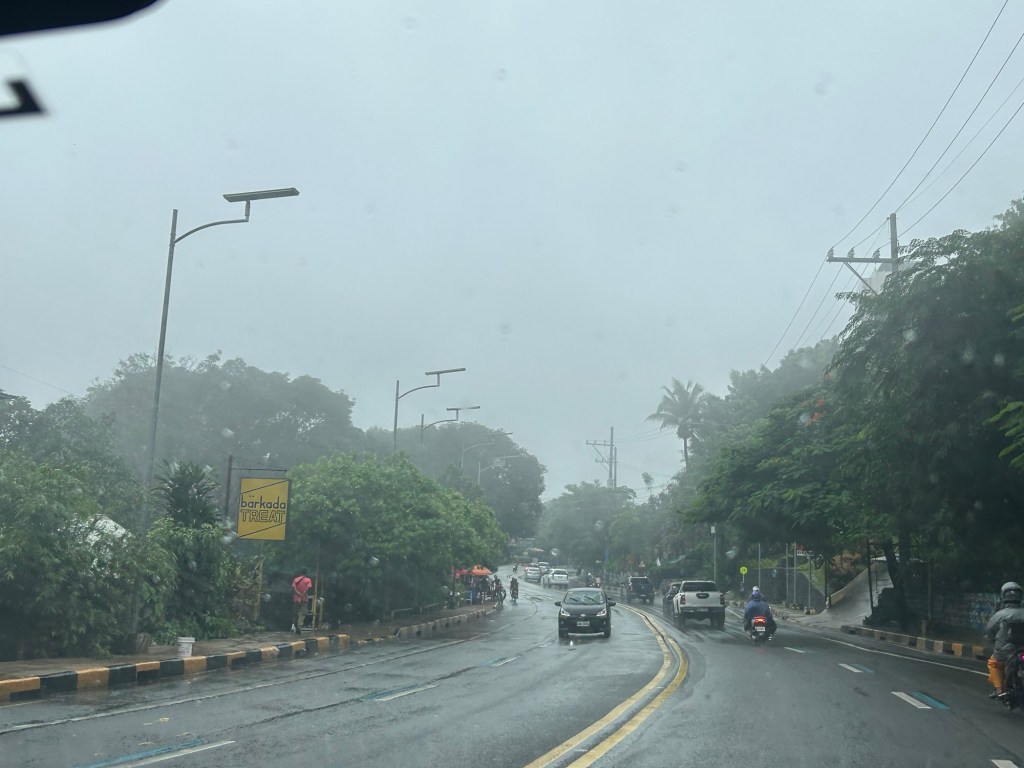
Despite the conditions of the road, there are still many who drive or ride recklessly. Speeding, weaving and cutting on slippery pavements increase the likelihood of crashes, which are preventable if only people will slow down and be more cautious.
–
On the increase in road crashes involving trucks in Rizal province
The incidence of road crashes involving trucks in our area and along my regular commuting routes seem to be increasing. Many of these are large, heavy trucks often with cement or other construction materials being hauled from one of the quarries or plants located in Antipolo and neighboring towns.
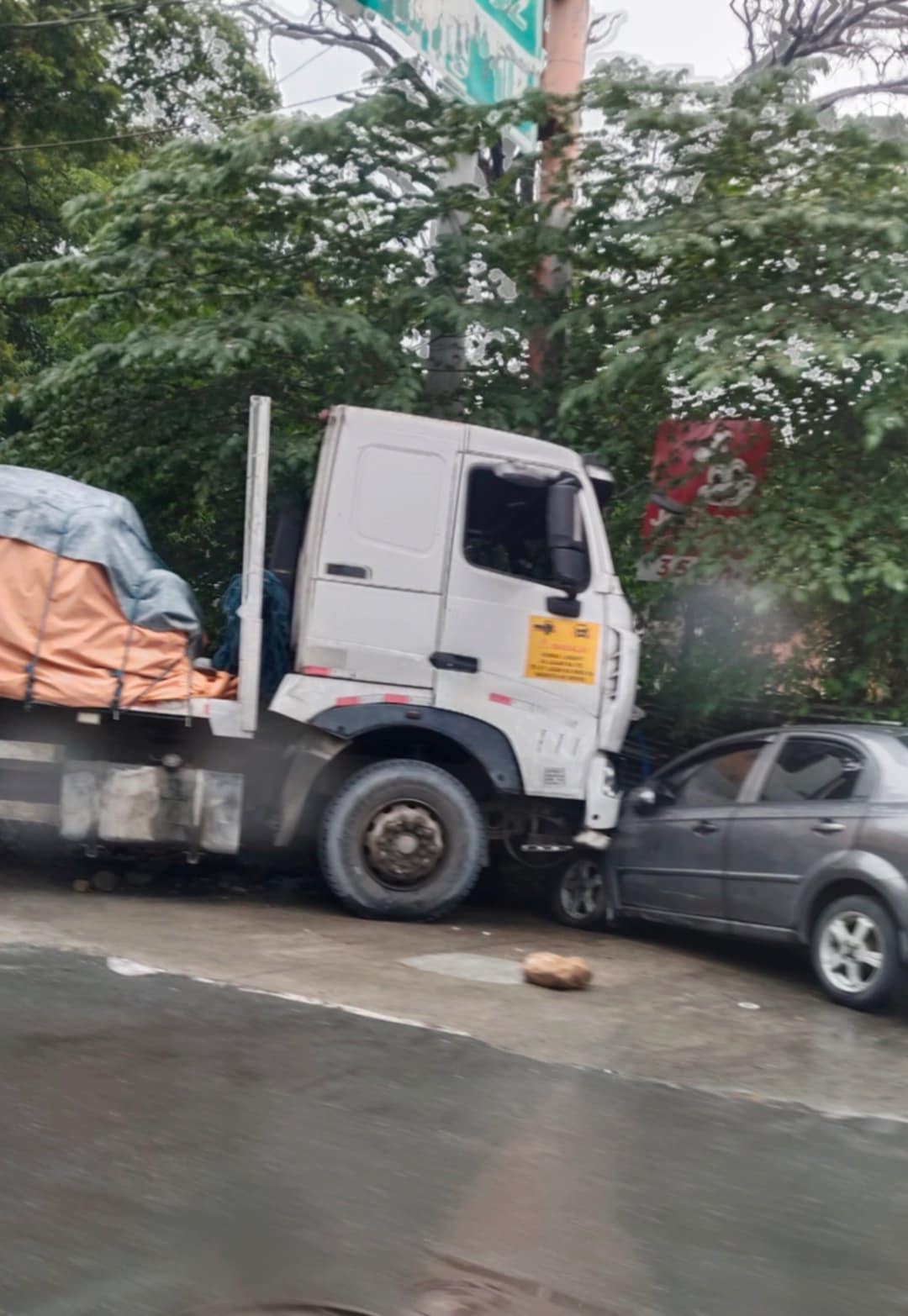 Road crash near Tikling Junction last Saturday, July 5, 2025
The resulting congestion due to the partial blockage of Ortigas Avenue Extension had eastbound traffic backed up almost up to Cainta Junction and it took more than an hour to pass the site before going up to Antipolo. Why are these crashes becoming more frequent? Perhaps these trucks are not well-maintained in the first place. Another issue is perhaps truck overloading. Whatever the issues may be whether we can isolate one or its a combination of several, interventions must be formulated and implemented. The LGUs need to be more proactive about this and not be over-reliant on the police who are there usually after a crash has occurred, and too late to prevent damage to property, injuries or worse, fatalities.
–
Here comes the rain again…
And just like that, Habagat is here and dumping rains upon us again. Yesterday’s downpour during the early afternoon resulted in flash floods including a few along our route home.
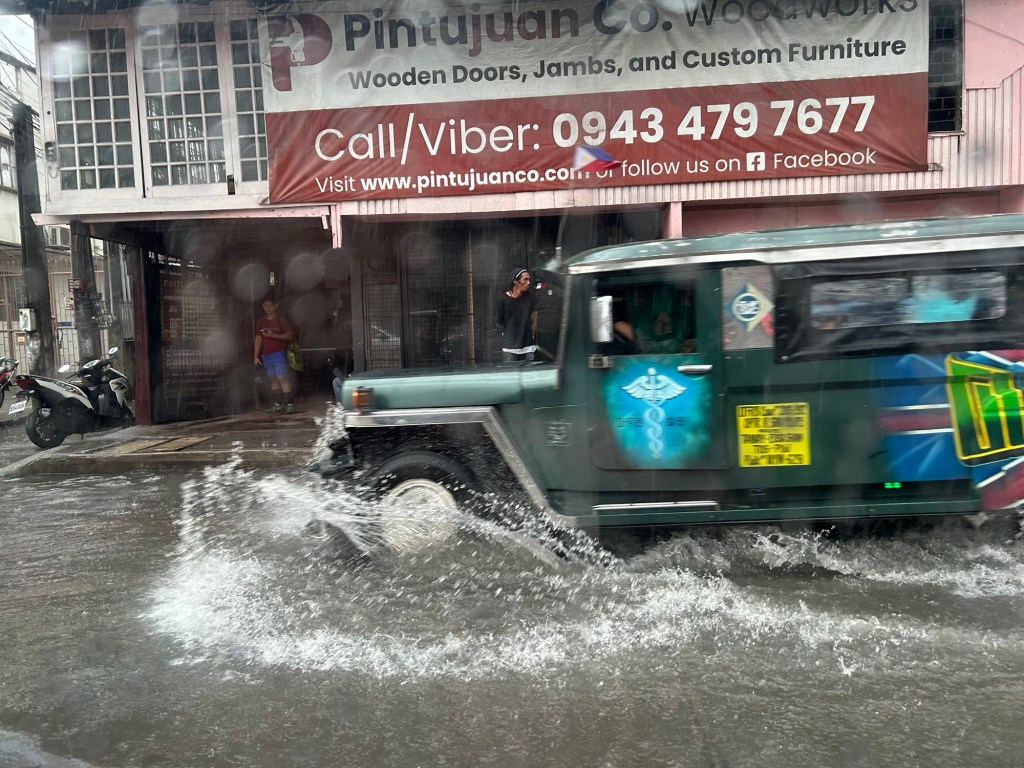
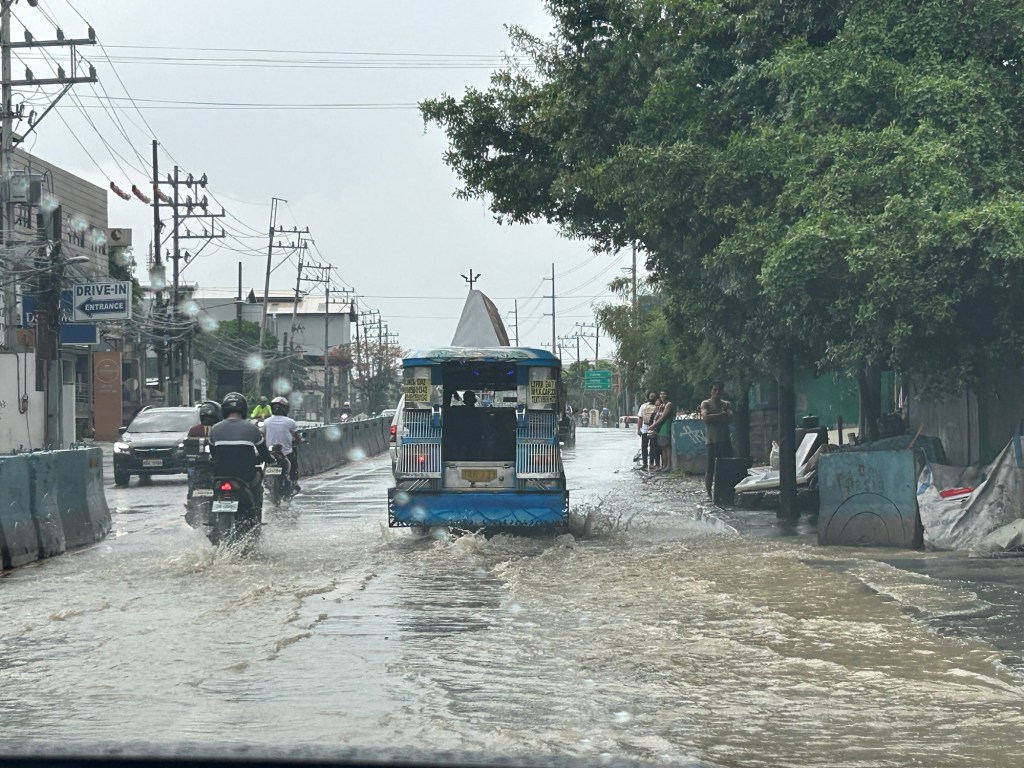
The combination of heavy rains and floods have significant impacts on transportation as traffic slows down or even stops as roads become impassable. As most commuters are dependent on road based transport, this means a tremendous inconvenience to a lot of people.
I’ve also written about this topic before. Despite the implementation of various flood control and drainage improvement projects, we seem to be back to square one once the rains come. There is certainly something wrong that the floods are still here after spending so much to mitigate them.
–
NAIA Terminal 1’s departure level driveway and drop-off
Weeks ago there was a fatal incident involving a motorist who plowed into well-wishers and passengers at NAIA Terminal 1. It was revealed. I finally had the chance to see the area for myself. I had not gone to Terminal 1 in a long while and especially after San Miguel Corporation had taken over the airport. The photos shared below were taken by my wife as we eased into the departure driveway of NAIA T1 one early morning last week.
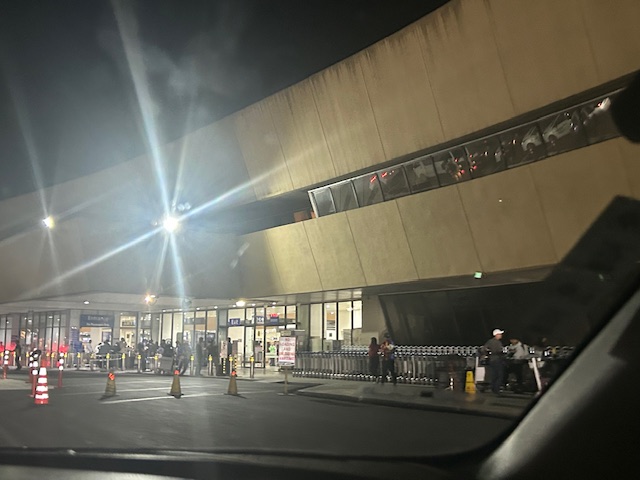 Arriving at the west wing of the departure level of Terminal 1. Those are luggage carts lined up along the sidewalk. There are cones for the restricted area but these turned out to be to block vehicles from using the inner lane adjacent to the terminal.
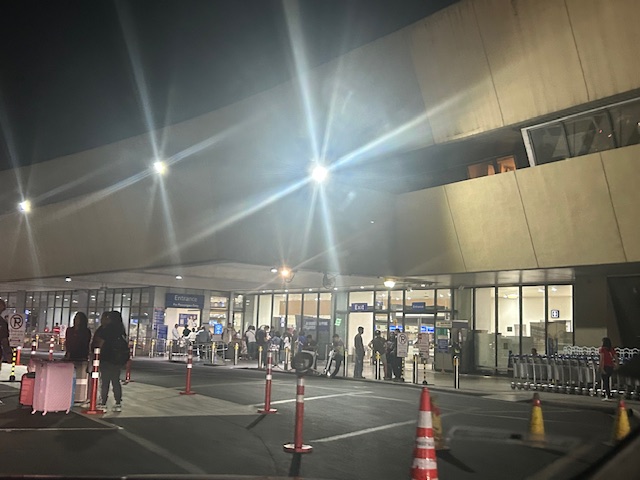 West wing entrance of Terminal 1 – unlike Terminals 2 and 3, there is really no area for well-wishers. Note the bollards that are supposed to protect people from errant vehicles. We now know these were not built or installed to the required specifications for protection.
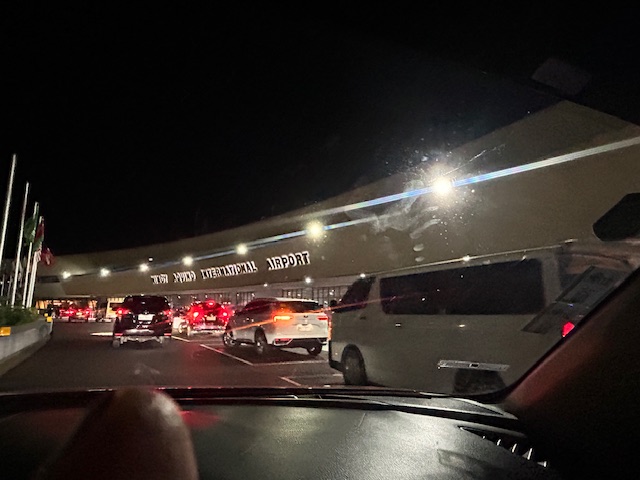 Vehicles are now parked parallel along the center of the driveway. Previously they were angled facing the terminal.
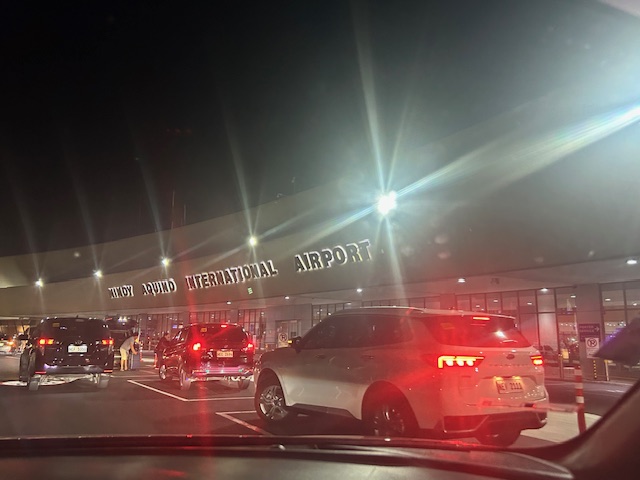 In terms of the space available, this significantly reduces the number of vehicles that can park to drop off passengers at the departure driveway.
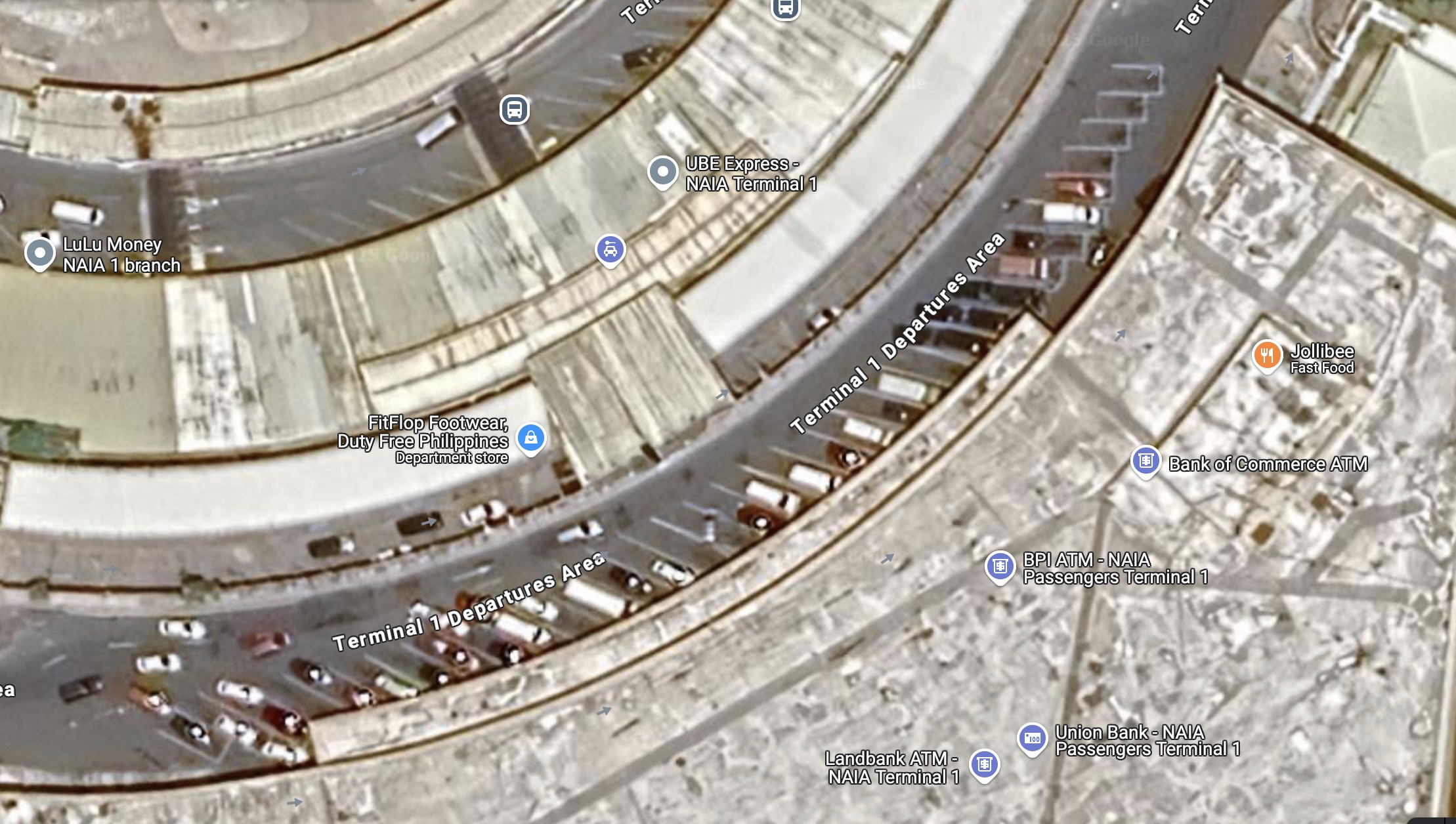
Screenshot from Google Maps showing the previous layout of the drop-off parking. Note the vehicles pointing towards the terminal.
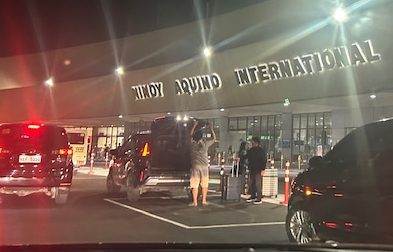
Passengers unloading their luggage behind the vehicles. There are markings for the vehicle slot but most just park parallel where space is available at the center of the driveway.
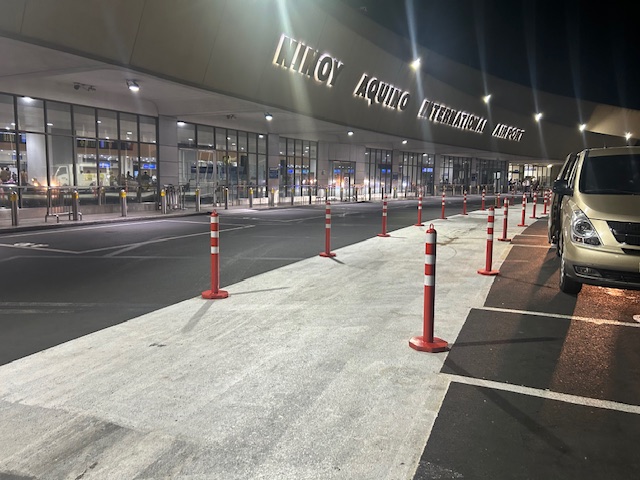 There is a buffer zone between the inner driveway lane and the drop-off lane. There were no vehicles using the inner lane but you can see in the photo that there are also curbside slots. Perhaps these are used during the busier times at the terminal?
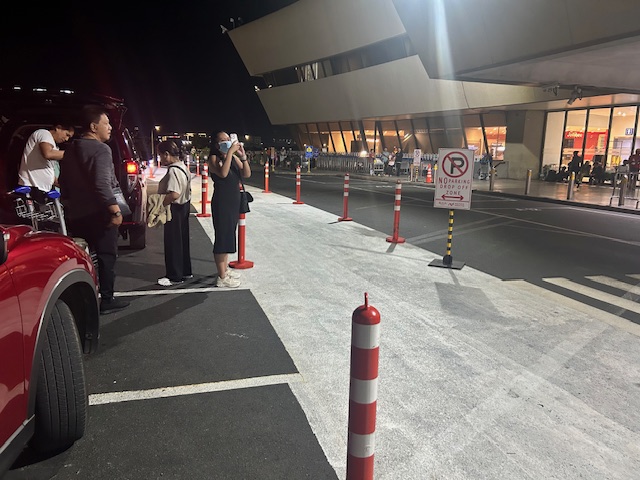 Other passengers were also taking photos as their luggage were being unloaded from their vehicles.
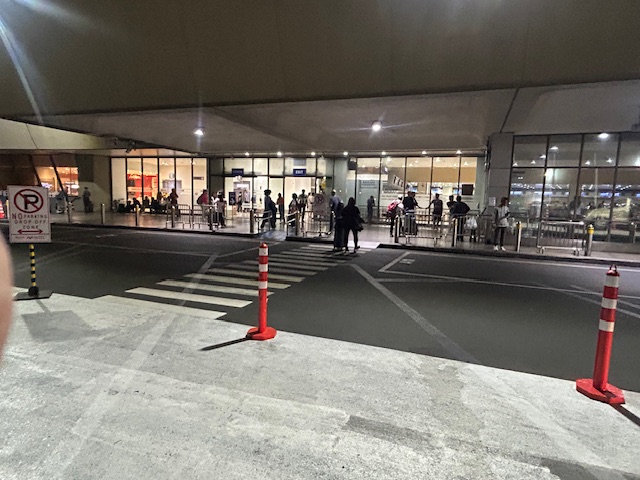 This is where the fatal crash occurred. It seems the damage has been repaired and quickly and its business as usual at the airport.
NAIA authorities should already start retrofitting or reinstalling the bollards at the terminal. This would ensure the safety of passengers vs. vehicles that may or may not be under the control of their drivers. The effort to quickly address the concern is much appreciated but a long term solution needs to be implemented to prevent future crashes from occurring here and at other terminals.
–
Quick comments on the NCAP
The No Contact Apprehension Policy (NCAP) is finally being implemented in Metro Manila. The results so far has been dramatic in terms of the number of violations recorded and the images being shared so far about how motorists are behaving. Below is one of those photos being shared on social media to which I added some annotations. I will use this later to comment on the NCAP and how we can use the outcomes to assess the transportation situation and determine what interventions can be done. Some are already obvious from the photo – the lack of public transport options lead to people depending on private motor vehicles like cars and motorcycles for their commutes. MRT7 is yet to be operational and road public transport has not been rationalized.
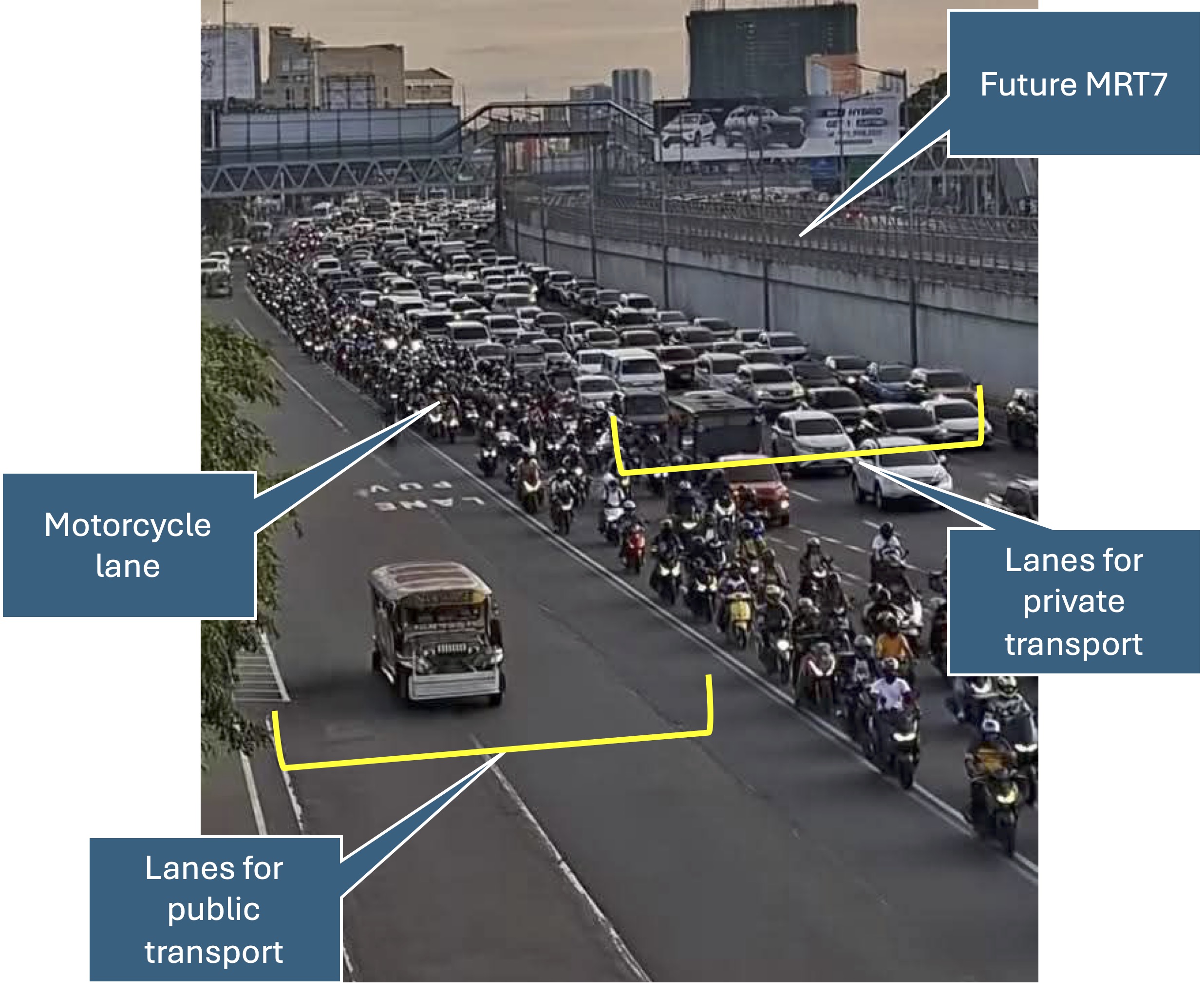
More on this topic soon!
–
Bollards along Marcos Highway
I noticed that there are new bollards installed along Marcos Highway and particularly along the curbs at either side of the road. These were installed only recently, perhaps last month, nut I only got a few photos the other day. Its not safe to take photos while one is driving so I asked the wife to take a few ones that I could use here and perhaps also in some of the lessons I teach.
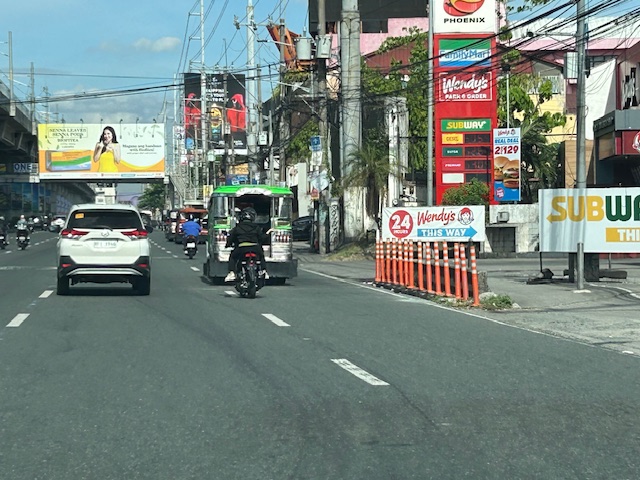 These bollards are installed along the curb where a couple of fatal crashes occurred in the past months.
The bollards are probably there to help improve road safety. They are reflectorized to you can’t miss them at night. Immediately behind them though are concrete barriers so hitting these will definitely damage the vehicle with a possibility of serious injuries to the vehicle occupants if not fatalities. Could there be a safer design intervention here? Perhaps that curbside lane can be converted into a protected bicycle lane. The barrier and the bike lane itself will be a buffer zone between motor vehicle traffic and active transport including pedestrians.
–
Article share: on improving road safety in the midst of automobile dependency and sprawl
I am sharing another very informative article on road safety. While it is written for North American cities, most concepts and principles presented are applicable elsewhere and especially in cities and municipalities that tend to model their development after America. Increasing dependence on private vehicles (not just automobiles but including motorized two and three-wheelers) have resulted in increasing incidence of road crashes and though we have limited space, we tend to develop land as if we can afford sprawl and its consequences. Here is the article:
Litman, T. (April 25, 2025) “End Human Sacrifices to the Demanding Gods of Automobile Dependency and Sprawl,” Planetizen, https://www.planetizen.com/blogs/134838-end-human-sacrifices-demanding-gods-automobile-dependency-and-sprawl?utm_source=Planetizen+Updates&utm_campaign=d3fcb4d16b-newswire_05_05_25&utm_medium=email&utm_term=0_-6cce27a957-89144212&mc_cid=d3fcb4d16b&mc_eid=9ccfe464b1 [Last accessed: 16/05/2025]
To quote from the article:
“North American transportation agencies currently apply various older strategies, which should not be ignored, but to achieve additional crash reductions they need new strategies, such as those listed in the following table. The older strategies are targeted programs applied after most major transportation and land use planning decisions are made. New strategies include structural reforms involving more multimodal transportation planning, more compact development, transportation demand management incentives and parking policy reforms. This recognizes that all types of planning decisions affect transportation safety, and that many policies can increase safety in addition to other economic, social and environmental benefits.
The new paradigm expands traffic safety strategies to include structural reforms that increase transport system diversity and efficiency. They tend to provide many economic, social and environmental benefits in addition to safety.”
–

