
Home » Travel
Category Archives: Travel
Impacts of the energy crisis on tourism – the transport perspective
The Holy Week holidays practically begin this weekend with an expected exodus of people from Metro Manila and its environs (NCR Plus or Mega Manila depending on which term you prefer). Many people take a vacation during the Holy Week. Most probably go for a homecoming. Taking advantage of the holidays to visit their hometowns and have reunions. We did so for most of Holy Weeks past and in my father’s hometown, they take advantage of the homecomings including those of balikbayans from overseas to have a general homecoming at the town’s High School.
Many others in the past decade have their vacations during the Holy Week. The past years saw especially after the pandemic saw people travel abroad to catch spring time in temperate countries like Japan and Korea, even in Europe. Others prefer to travel in the region as Southeast Asian countries provide interesting destinations including the usual Bangkok, Hanoi, Ho Chi Minh, Kuala Lumpur, Jakarta and Singapore. Of course, you can also do local with people flocking to destinations where the beaches are like Bohol, Cebu and Palawan, just to mention some of the choices.
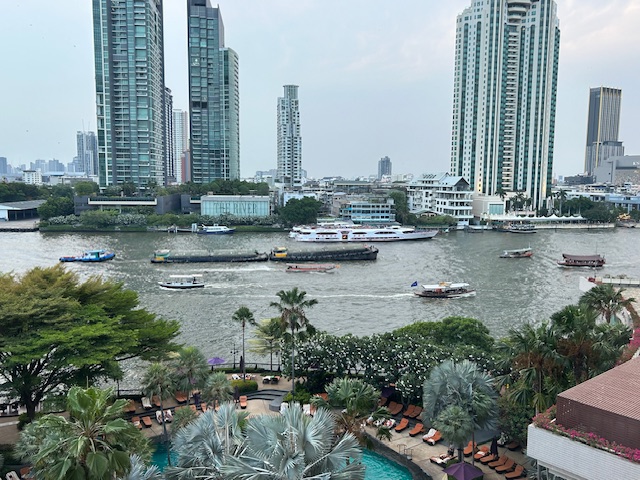 The view from the Shang in Bangkok – we spent the Holy Week there in 2024
Tourism will always involve travel and transportation. The industry will suffer much with the ongoing crisis as fuel prices will eat up a lot of travel budgets as fuel-related expenses will make travel prohibitive to many. On the supply side alone, airlines and maritime companies might have to cancel trips if they cannot sustain fuel supplies. Thus, planes will have to be grounded and ferries/vessels will have to reduce trips to conserve on fuels. That means people cannot travel to tourist destinations and will have to cancel and get refunds (if they can’t reschedule) from their accommodations (hotels, resorts). Less tourists means other businesses suffer, too, including restaurants, cafes and eateries, souvenir shops, and others depended on tourists for incomes. Damay-damay na, as they say.
Let’s hope the crisis will soon be over and this Holy Week, perhaps we can have some reflections and prayers while we take our health and re-energizing breaks.
–
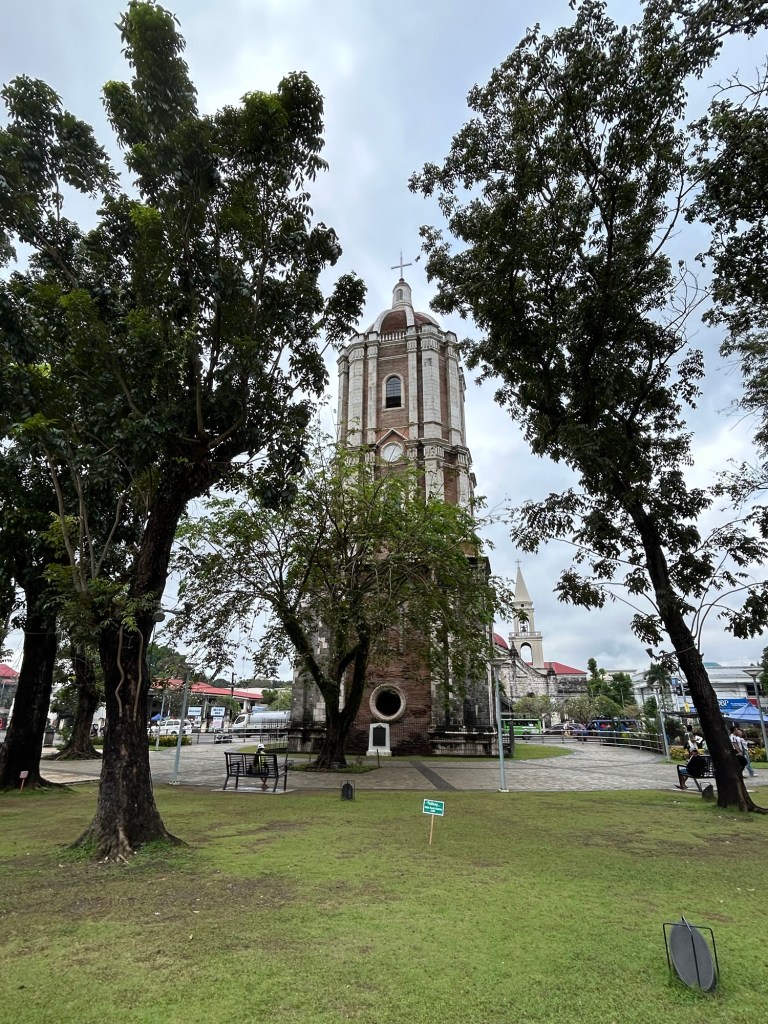
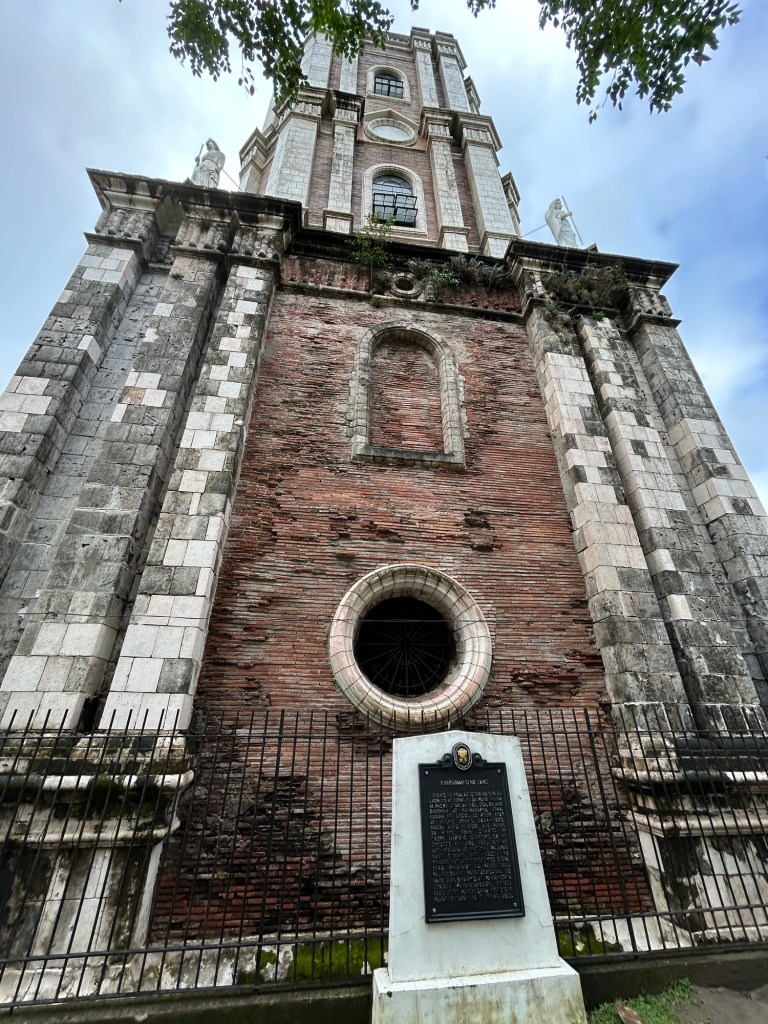
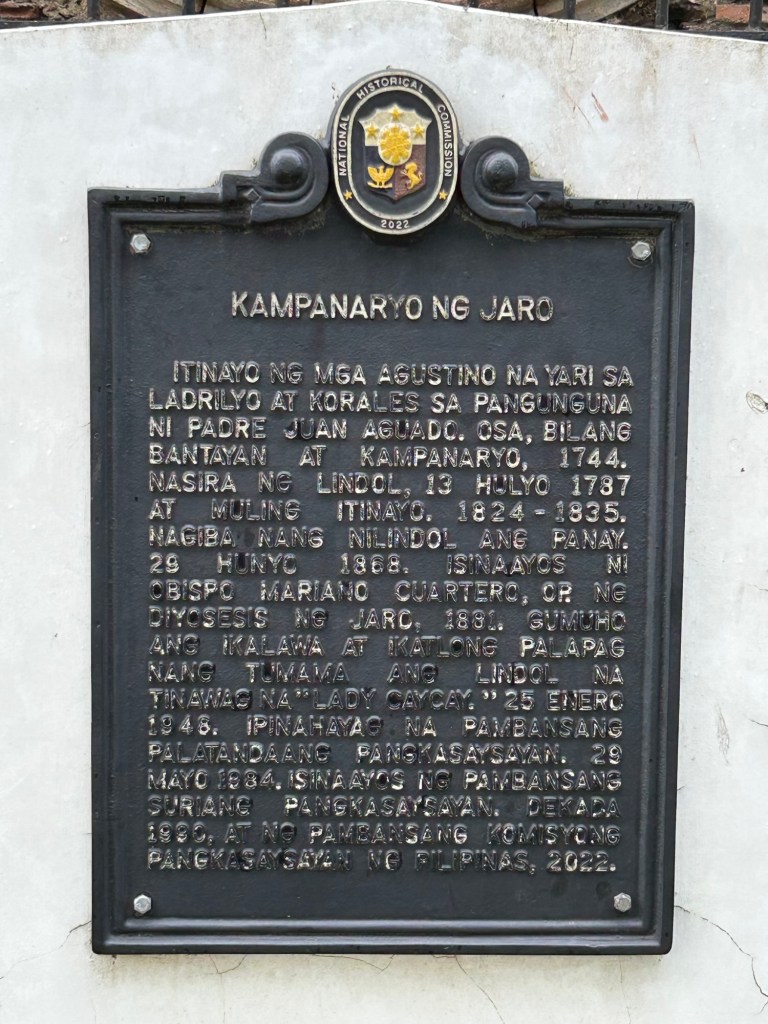
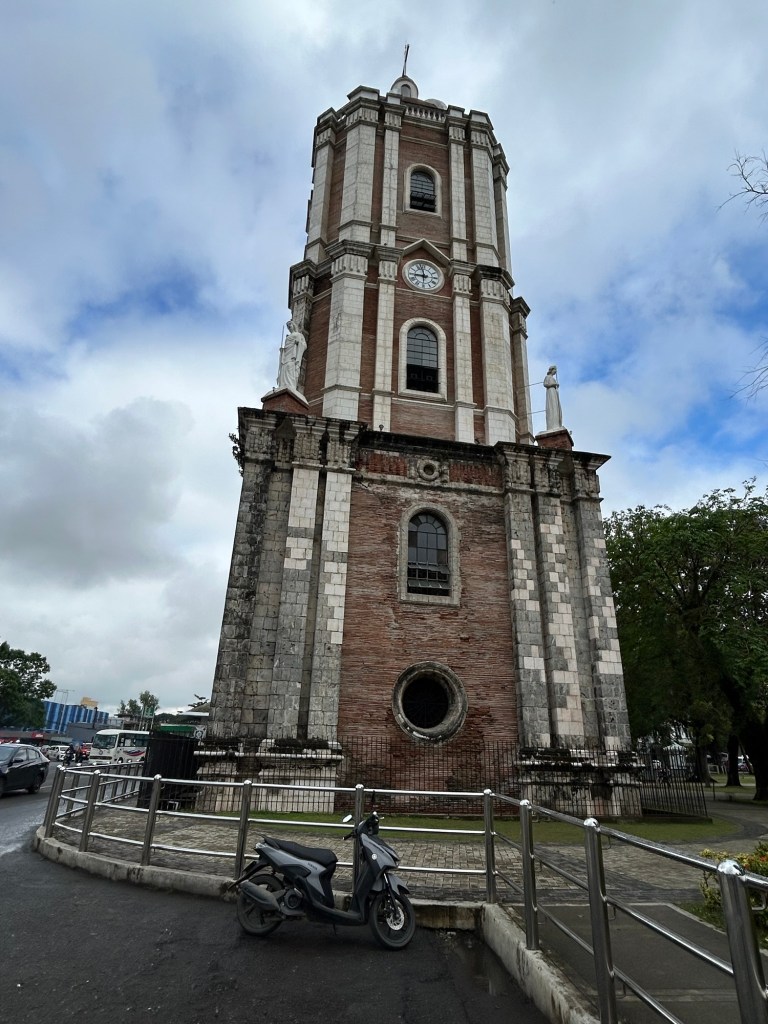
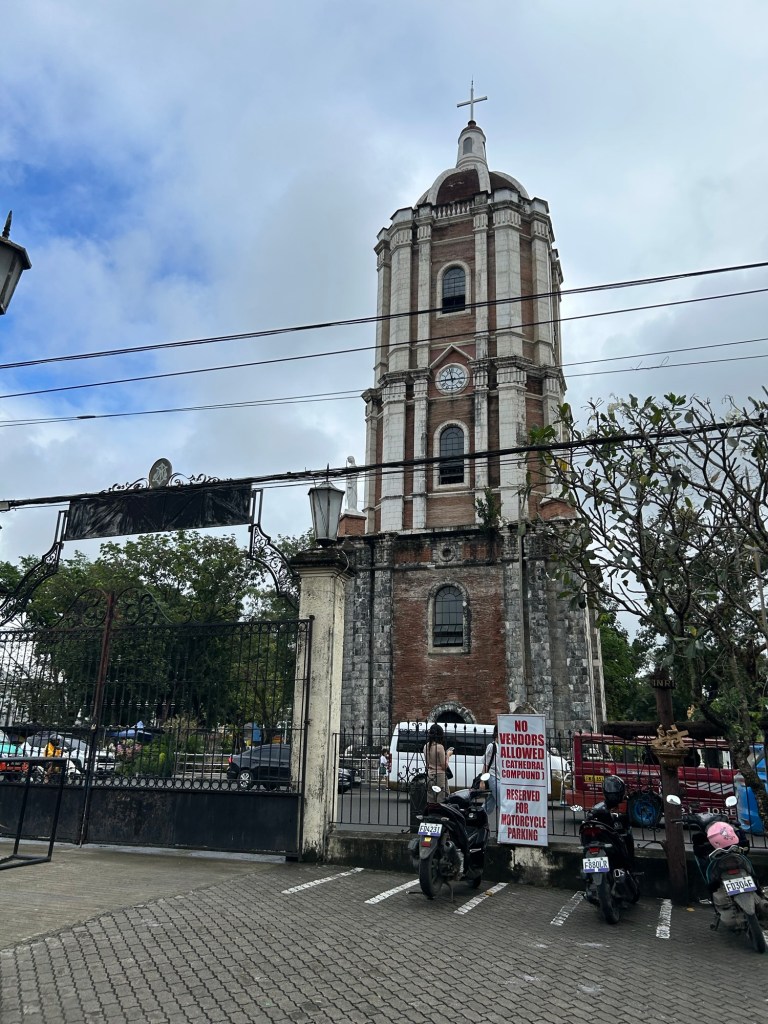
Landmarks: the Jaro Belltower
Here are some photos of a landmark in Iloilo that served as the reference for many jeepney routes. I recall from childhood that we rode the jeepney from Cabatuan and transferred here to another jeepney bound for city proper. Going home, we Di the reverse. We also hopped on a jeepney here to go to other towns like Leganes or farther districts of the city such as Molo or Arevalo. Of course, it’s different now after all the rerouting of public transport. Provincial jeepneys now terminate at the periphery of the city and no longer reach Jaro.
–
What’s left of NAIA Terminal 4?
When we landed at NAIA last Saturday, our plane passed Terminal 3 to what we thought were the usual spaces for transporter interface with the terminal. We passed the area and proceeded to where Terminal 4 used to be. T4 was the Manila Domestic Airport or MDA in old documents.
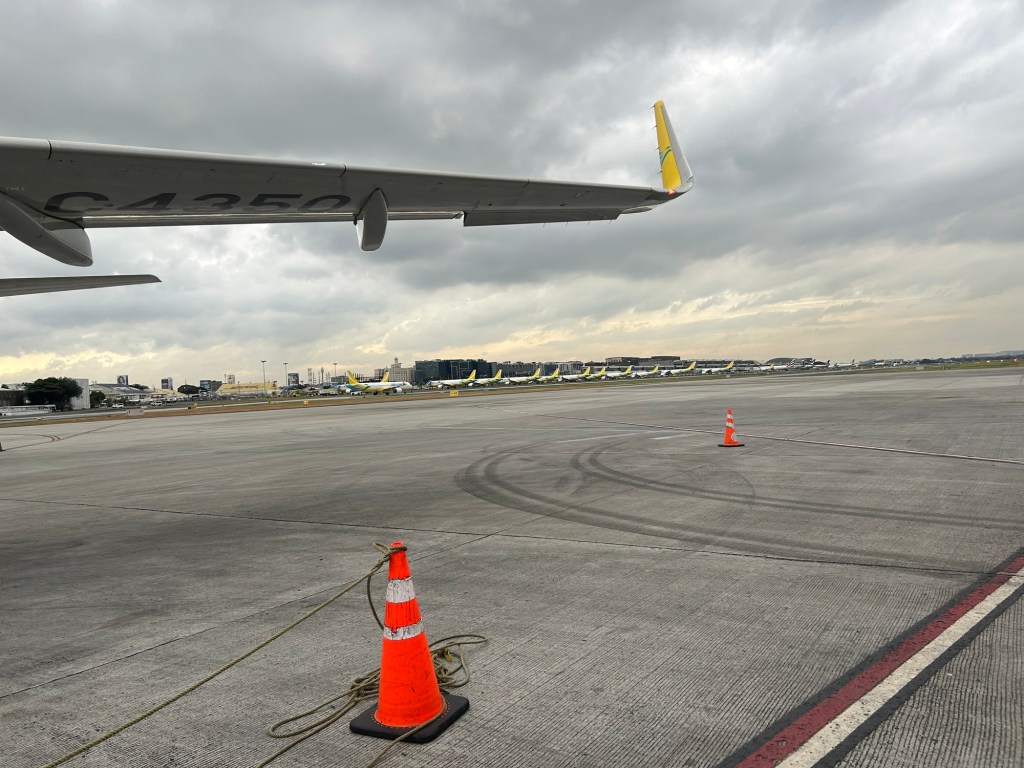
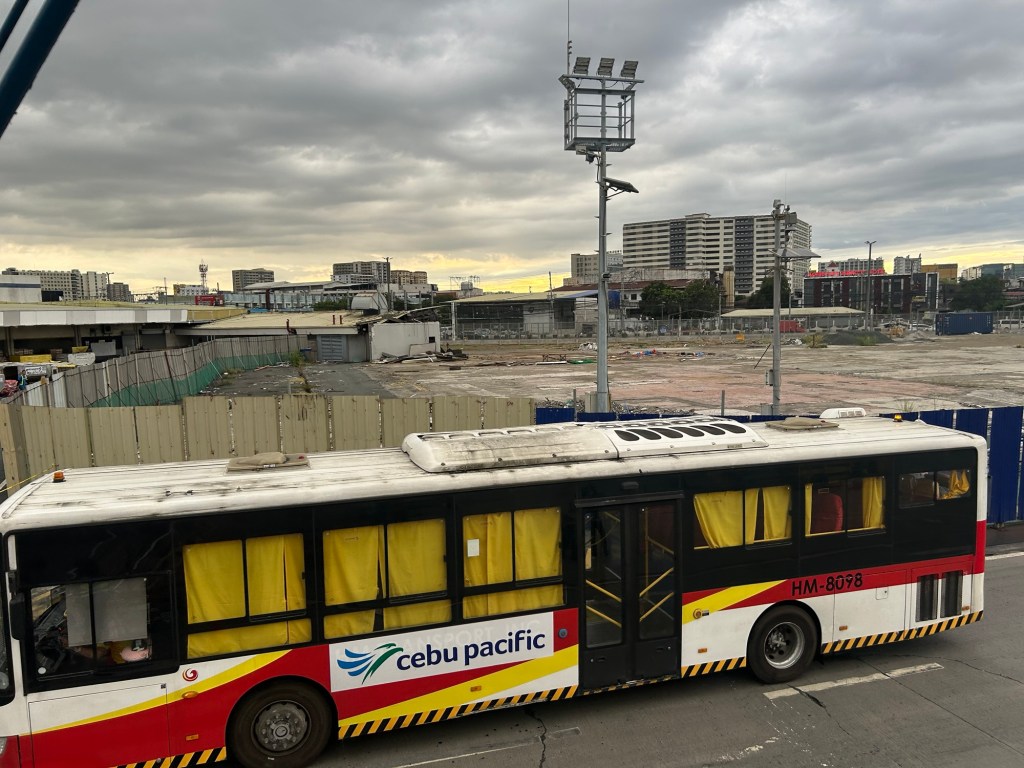
The terminal building was demolished last year as part of San Miguel’s airport redevelopment that included building an extension of Terminal 2 and a new Terminal (5?) where the Philippine Village Hotel and Nayong Pilipino were located. A new terminal will also be built where the old one stood. How does this relate to the airport being developed in Bulacan? Will this be complementary airports like Narita and Haneda? Or perhaps like Don Muang and Suvarnabhumi?
–
Tambayan at NAIA Terminal 3 – Part 1
I am sharing here some photos of the food hall found at Level B between the arrival and departure levels of Terminal 3. I’ve read about the renovations and improvements over the last few months but I haven’t been able to go around T3 in a while. Most of my travels last year were via Terminal 2 due to my travels to Bicol. The photos speak for themselves so I won’t be writing labels for each photo.

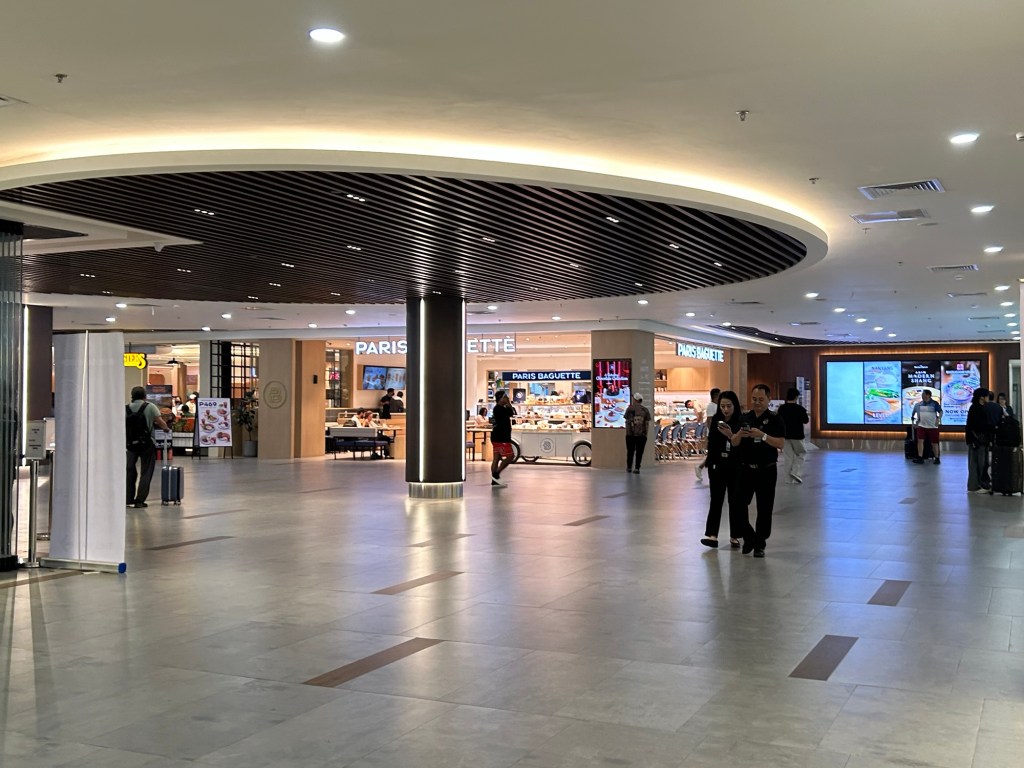
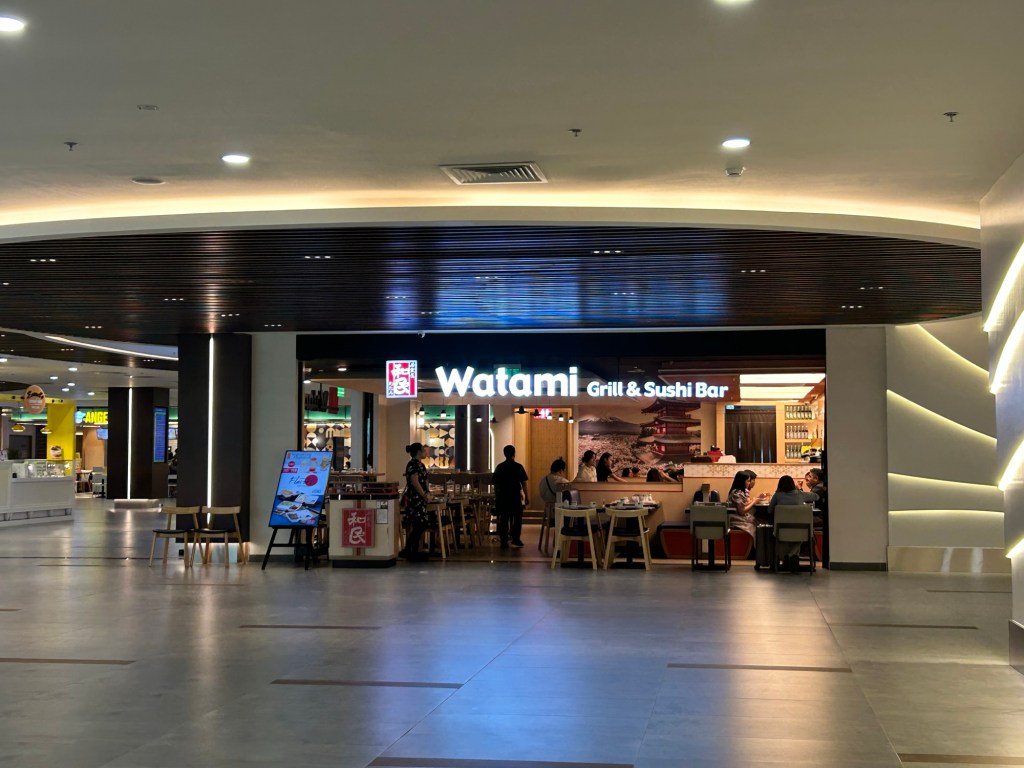
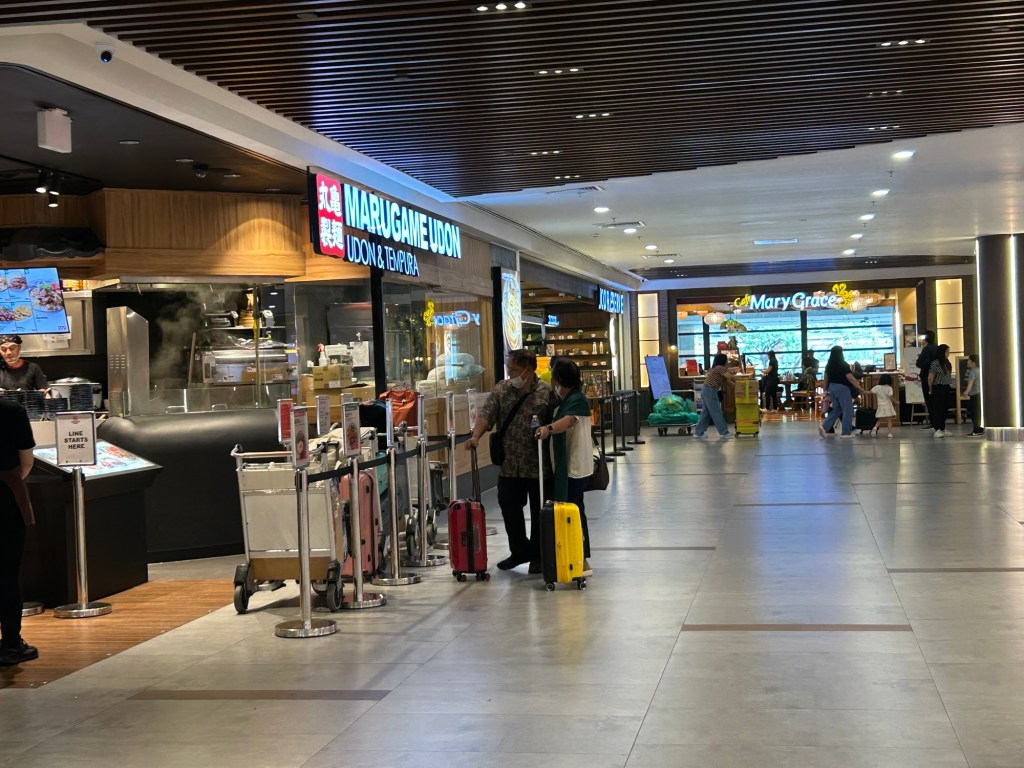
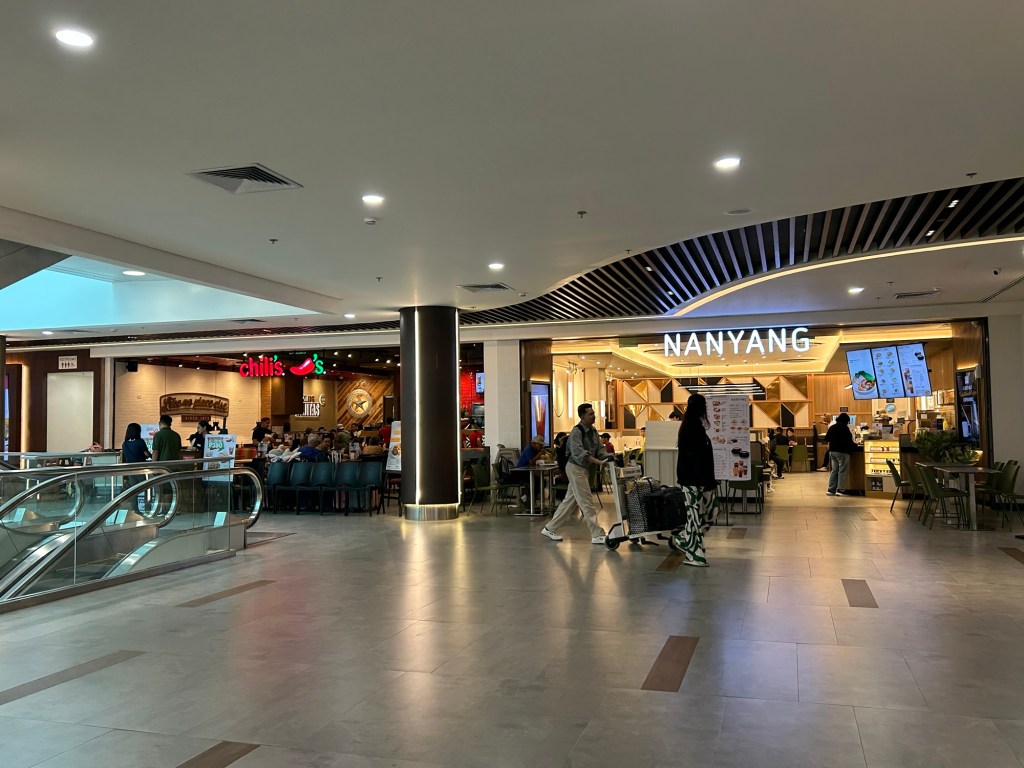
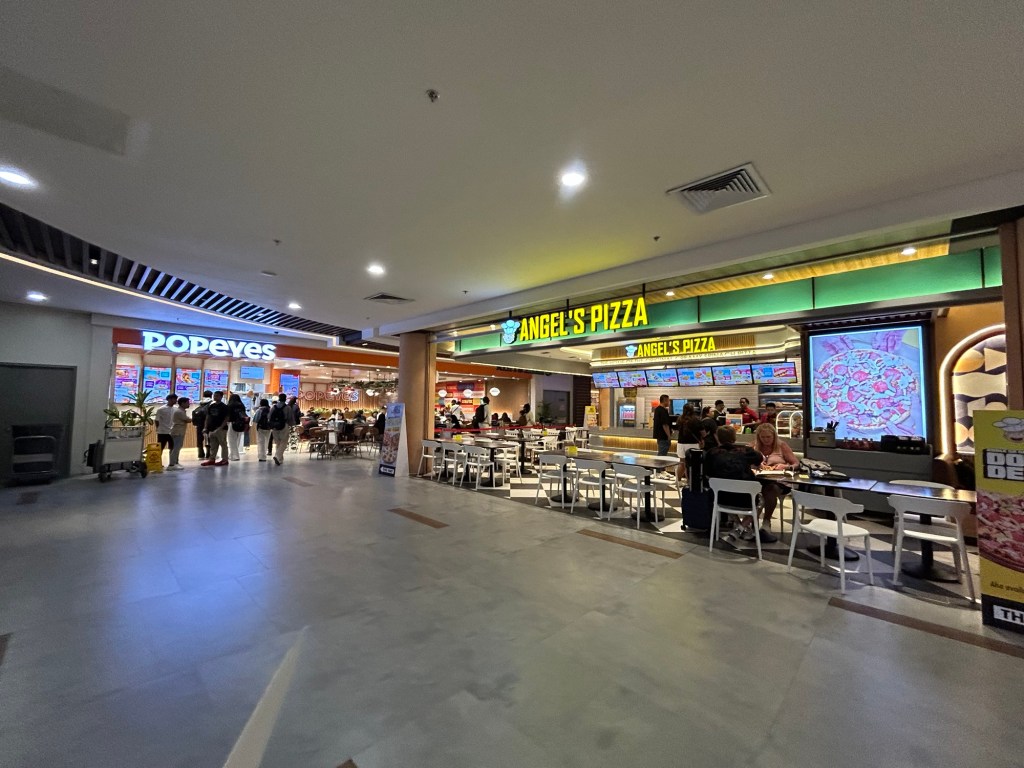
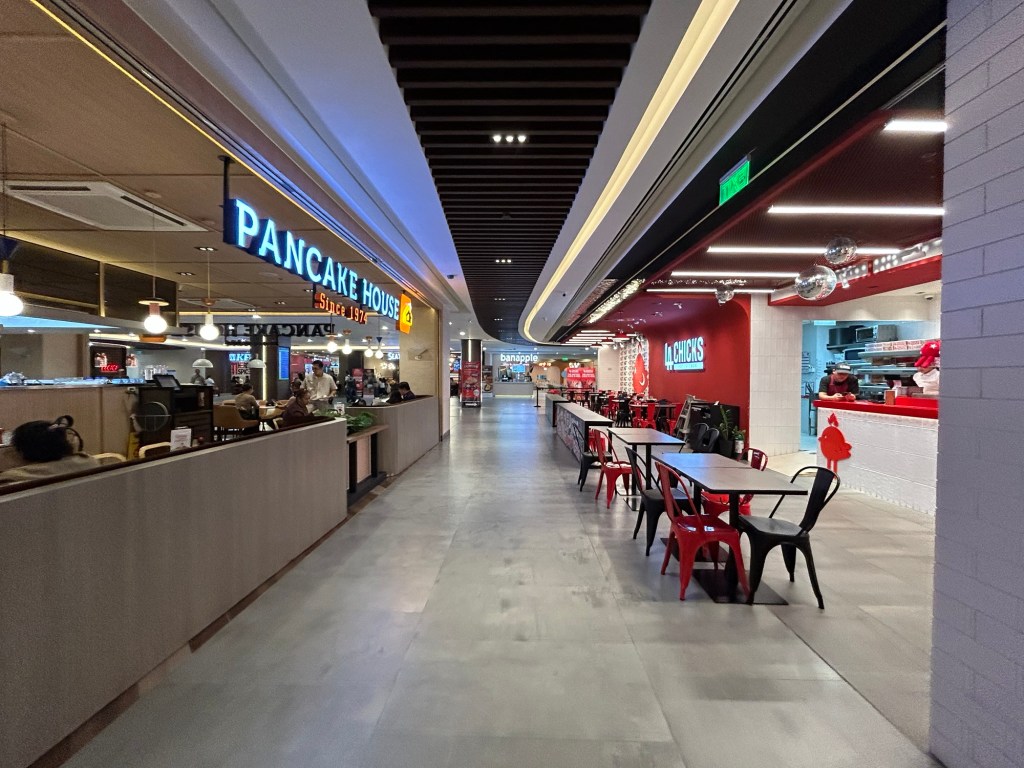
There are many eating options and more are going to open soon. We had our lunch at Pancake House prior to proceeding to our gate for our flight to Iloilo.
–
PNR Naga – Lupi Timetable
We went to the PNR Naga Station last Friday morning and got an updated timetable for the PNR trains. We also were informed that the Naga-Legazpi train service is currently suspended due to damages along the line sustained during the recent typhoon. Hopefully, that section will be repaired immediately and the service resumed.
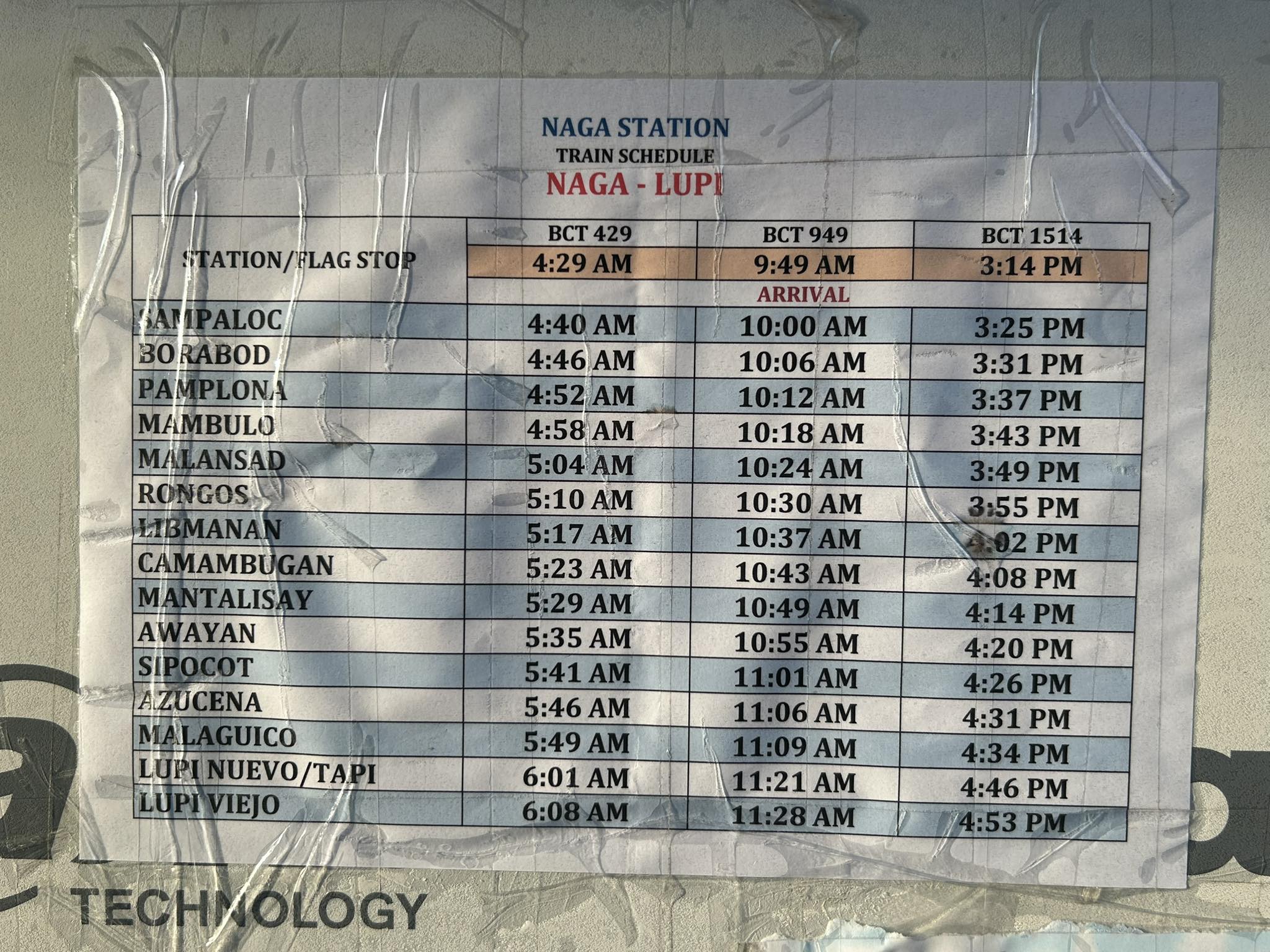 Naga to Lupi timetable showing the first train leaving Naga at 4:29 AM and the last at 3:14 PM. There are only 3 trips.
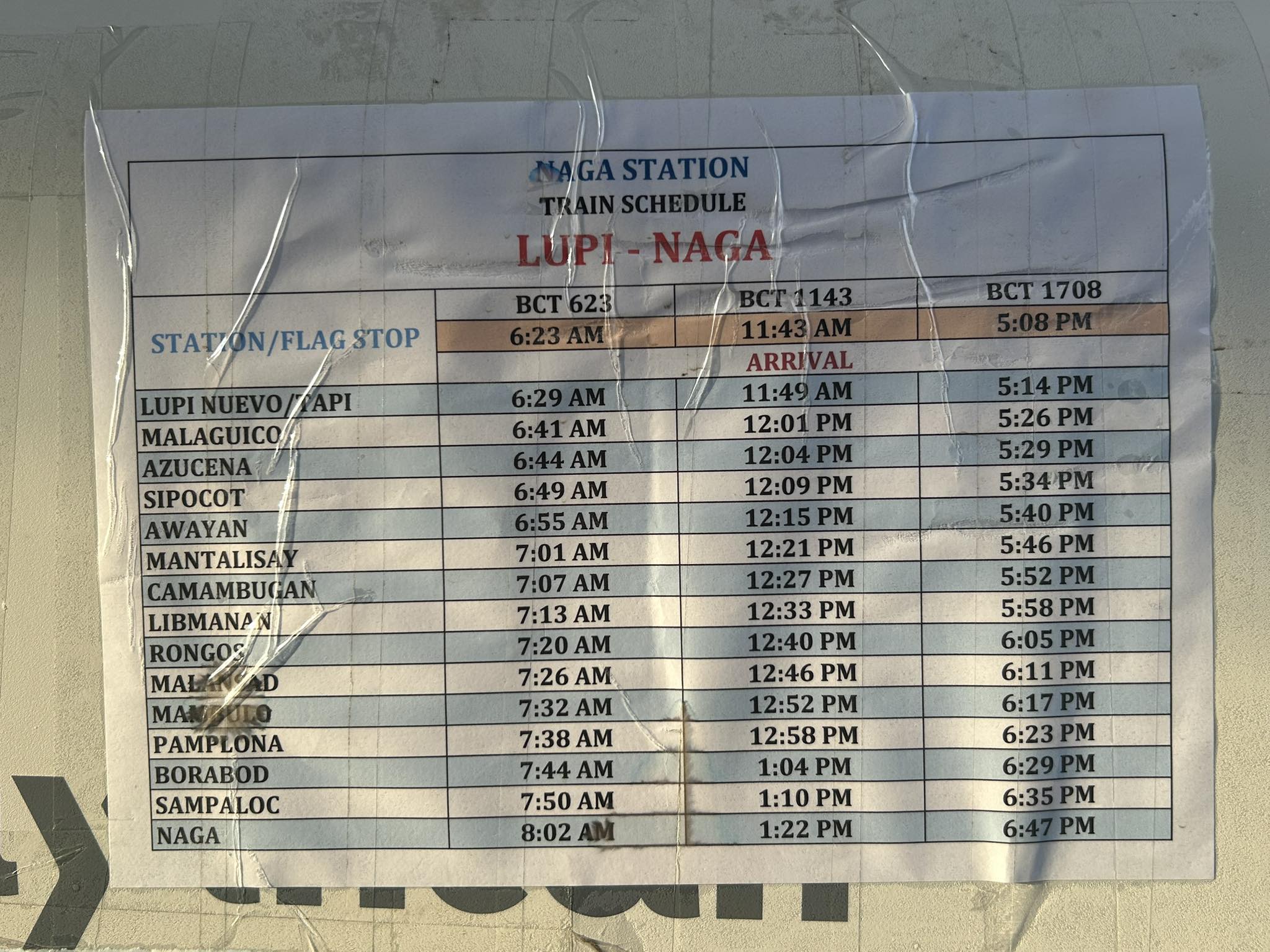 Lupi-Naga timetable showing the first train leaving Lupi at 6:23 AM and the last one at 5:08 PM. Again, there are only 3 trips from Lupi to Naga. The first train arrives in Naga at 8:02AM. This is actually attractive to commuters as the LGU reports the train to be full. Unfortunately, the return trip in the afternoon doesn’t have a favorable schedule for those heading home from work or school.
There is potential here for people to shift to rail for the major part of their commutes. Unfortunately, the frequencies of service is too low at present. People will shift to rail if the service is frequent and more reliable. Cost-wise, there is a significant difference between road-based and rail-based transport especially over long distances. Fares via express vans between Naga and Legazpi cost 300 to 400 pesos while private vehicle may cost between 3,000 to 5,000 pesos depending on the model and arrangements. Compare those with the 155 peso fare for the PNR train.
We are also hopeful that the rehabilitation and upgrading of train services will eventually be realized. The NSCR project is currently underway with the northern line connecting Metro Manila to Pampanga and the southern line currently until Laguna. The work needs to be accelerated and that entails much resources (i.e., funding) for railways to make comeback and perhaps experience another “Golden Age.”
–
Transport options between Naga and Legazpi
I wrote about the PNR still operating between Naga and Legazpi cities. However, there is only one roundtrip per day and that is the Legazpi-Naga-Legazpi trip. If you want to do the Naga-Legazpi-Naga trip, you have to spend at least the night in Legazpi. But the latter schedule is not so good for the return to Naga as the train leaves Legazpi at 4:30 AM! Aside from the rail option, most people will use road-based transport. That is, most people will probably take a bus or van. There are many bus companies and UV Express vans operating along the corridor (Pan Philippine Highway) connecting the major cities and municipalities of the Bicol Region.
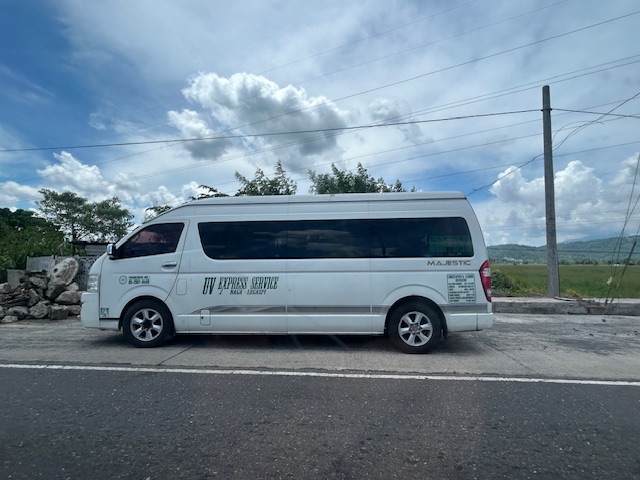 We saw this van parked along the roadside as we were waiting for our turn to proceed along a section under construction employing a alternating one way traffic scheme.
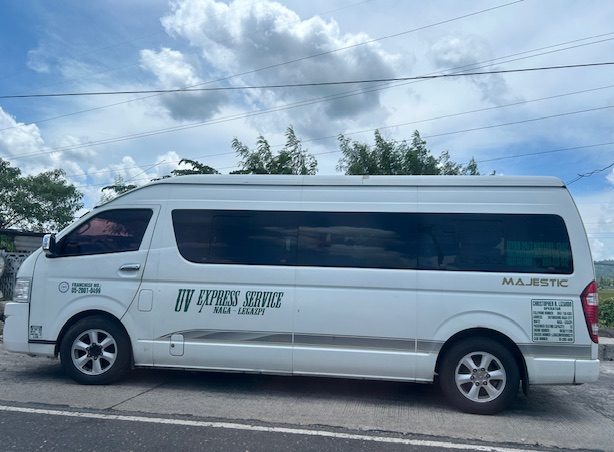 A close-up showing the UV Express van’s end points to be Naga and Legazpi. The declared passenger capacity is 23. Though this appears to be a long or stretched van, I can only imagine how comfortable or uncomfortable it is to ride these for 3 plus hours one way.
More on Bicol transportation in my posts this coming July!
–
Robot barista at NAIA Terminal 2
In the previous post, I mentioned something about a robot barista at NAIA Terminal 2. Unfortunately, it wasn’t functioning at the time so I wasn’t able to try it out.



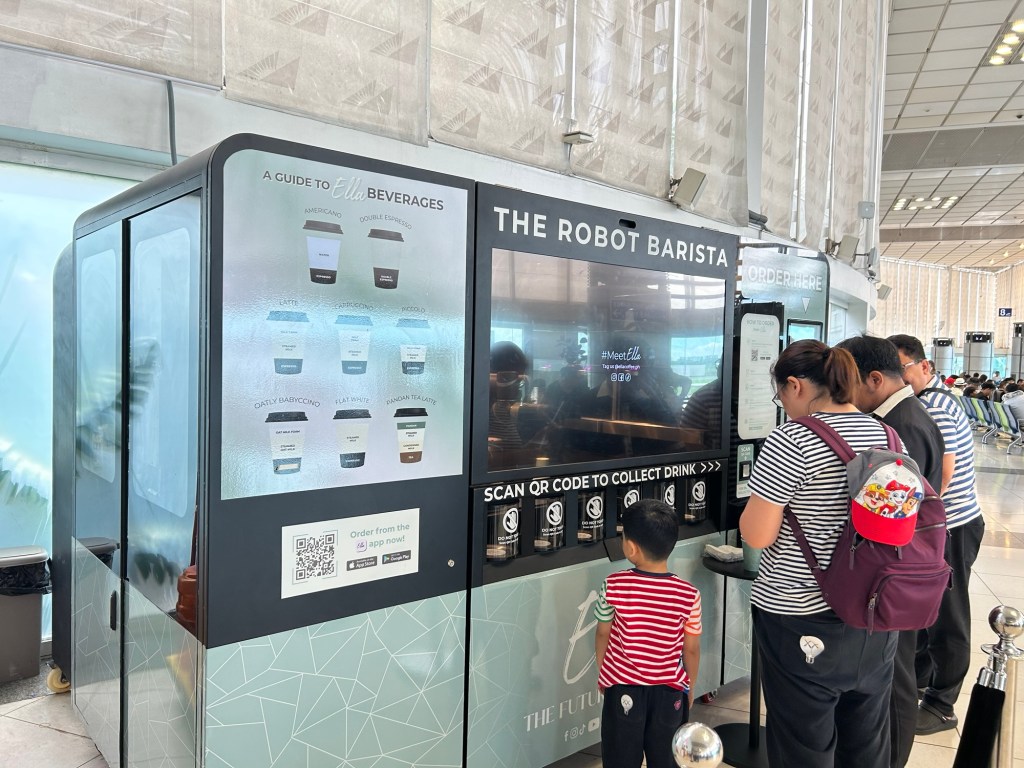
Another group purchasing coffee at the Robot Barista.
Perhaps there will be more of these in the future and replacing the manned shops at airport terminals. I imagine there might be these and vending machines providing food and drink at airports and other transport terminals.
–
Vending machines at NAIA Terminal 2
There’s nothing really new at NAIA’s Terminal except maybe this time I noticed the vending machines at one end of the terminal and the robo coffee stand. I took some photos of these machines and share the following:

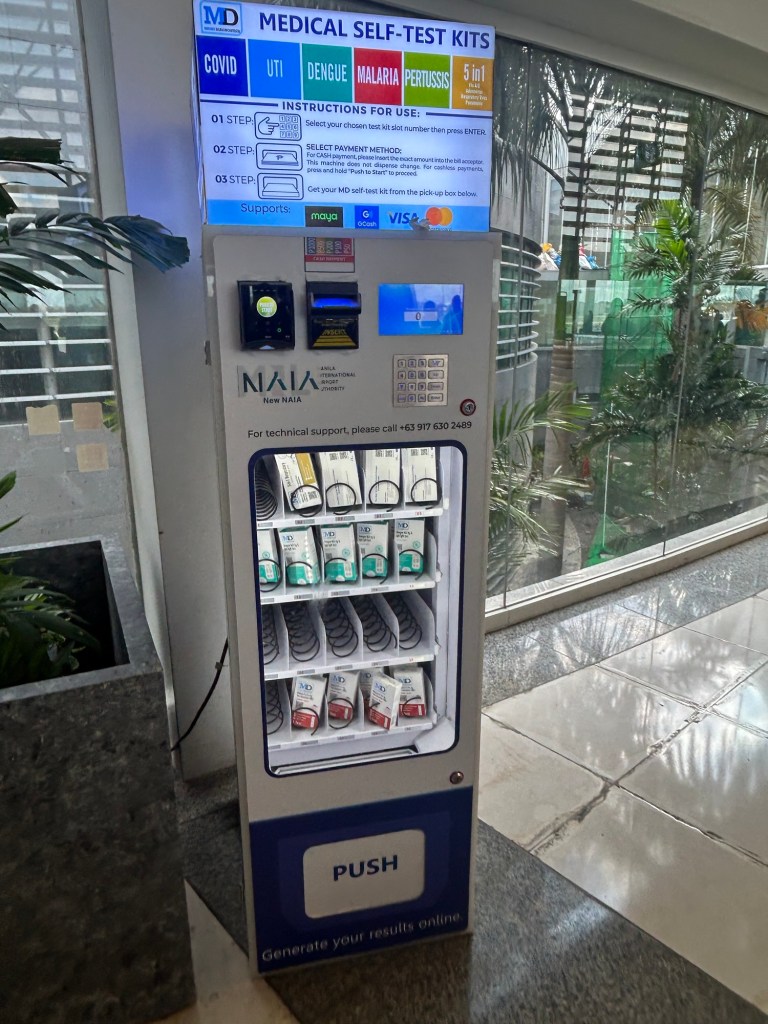
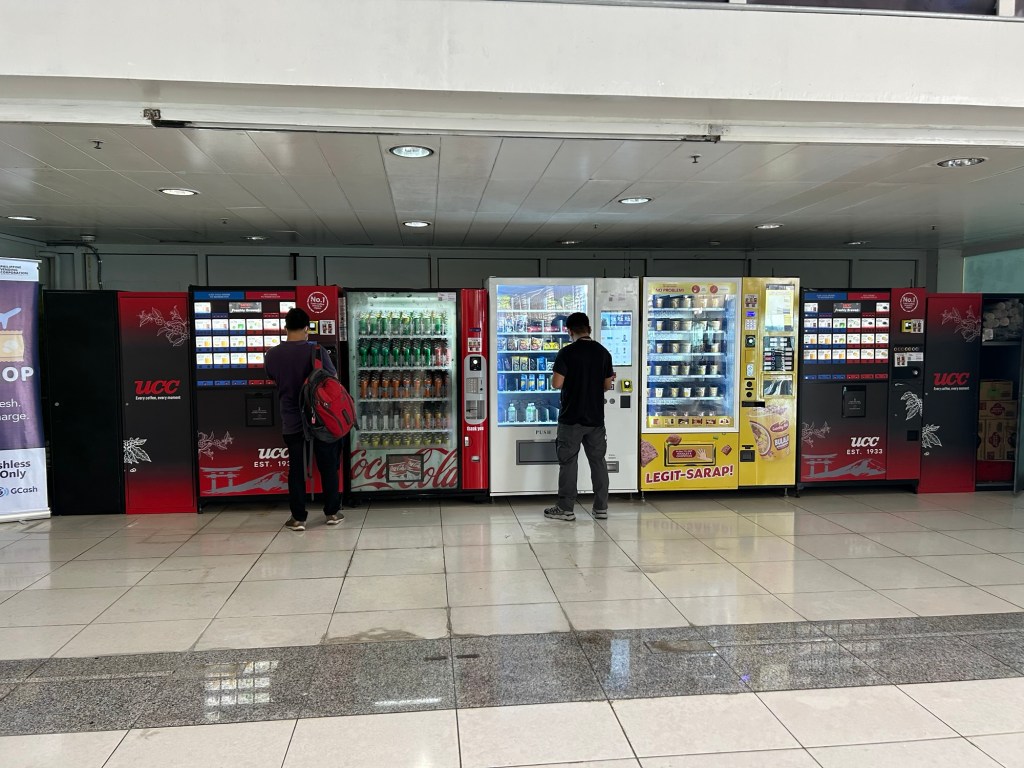
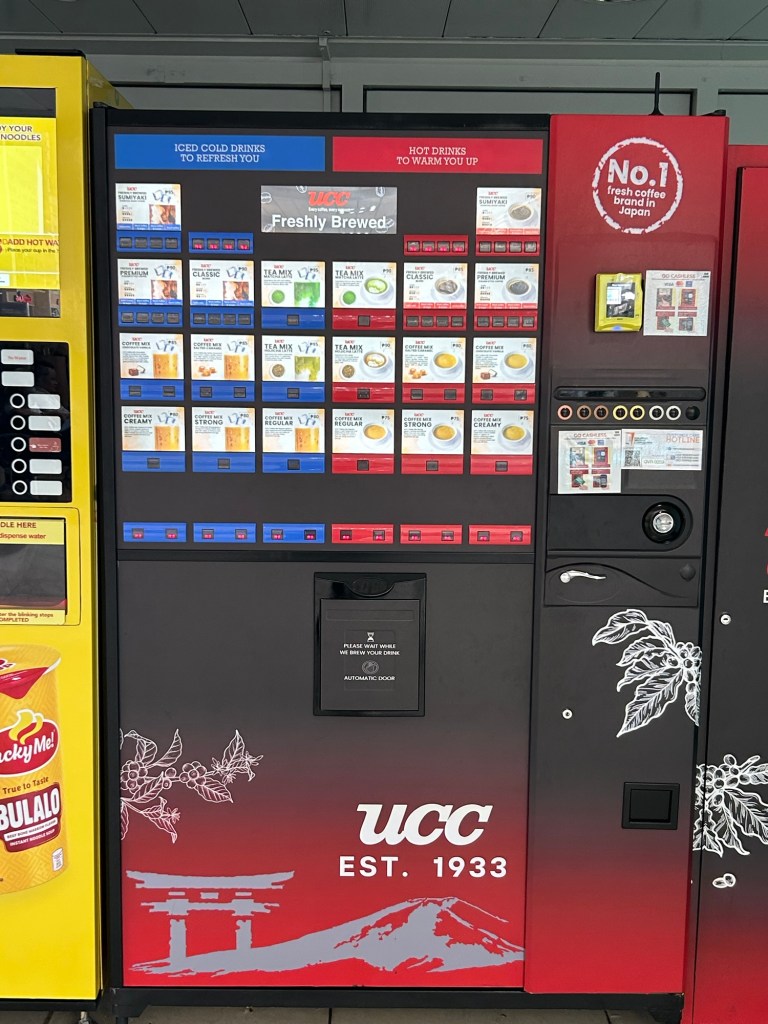
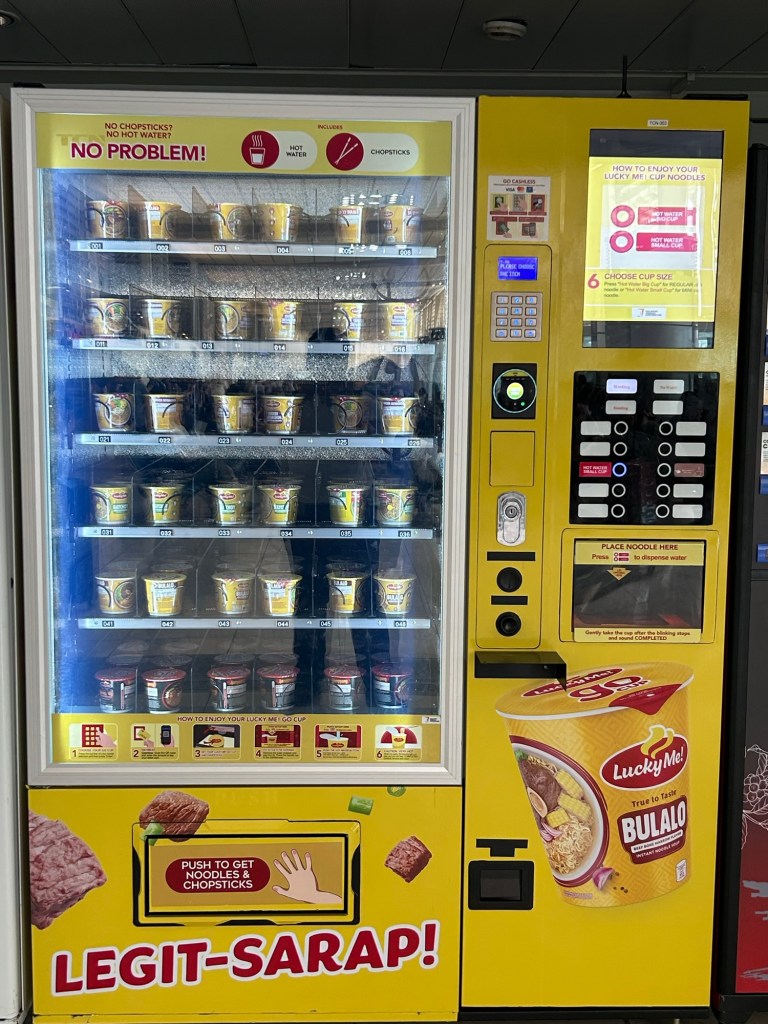
There are no new stores or eating options at T2. The two restaurants at the middle of the terminal wings are already closed so there are less eating options at the pre departure areas.
–
Naga Airport arrival
Since I’ve written about Naga Airport in the previous post, I might as well follow-up with a short write-up on our arrival. I’m sharing the following photos I took on our arrival at the airport, which is actually located in the town of Pili, which is to the south of Naga City.
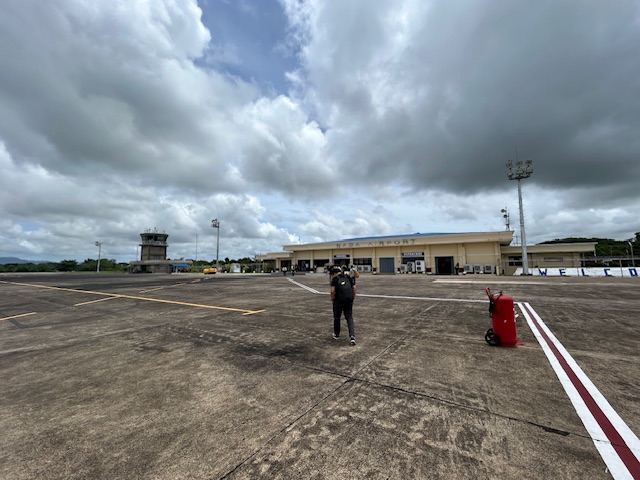 The airport terminal and control tower as viewed upon our deplaning
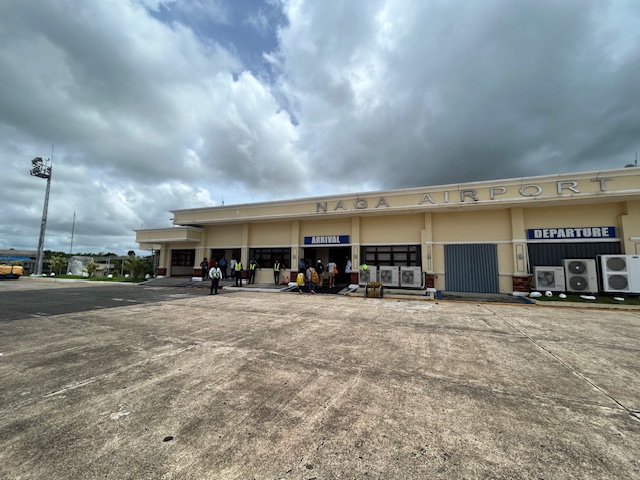 Walking towards the arrival area
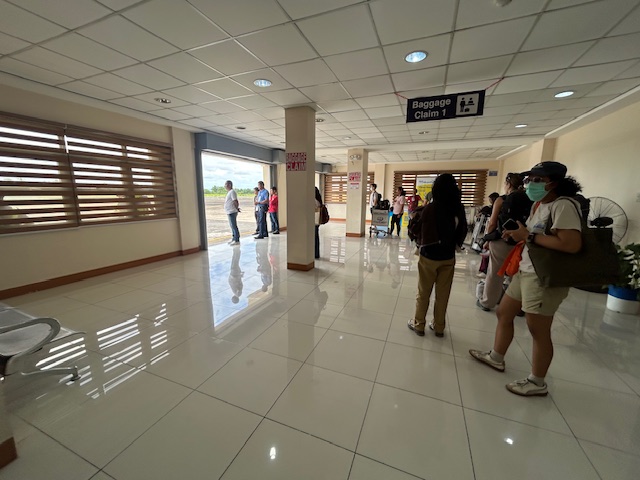 The baggage claim area was the simplest I’ve seen with no conveyor belt or carousel.
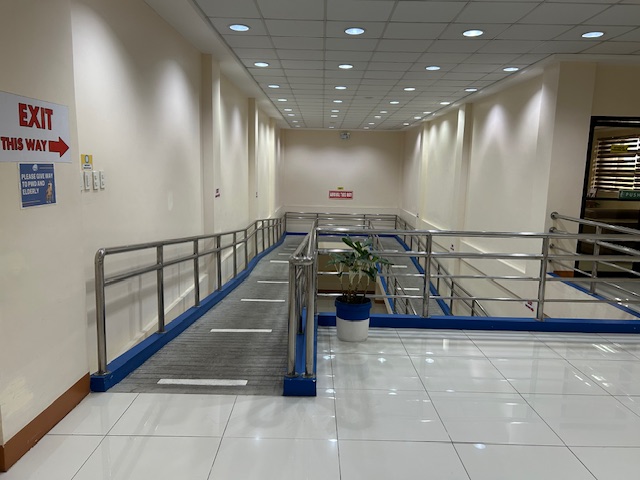 We had to travel through these ramps towards the terminal building exit.
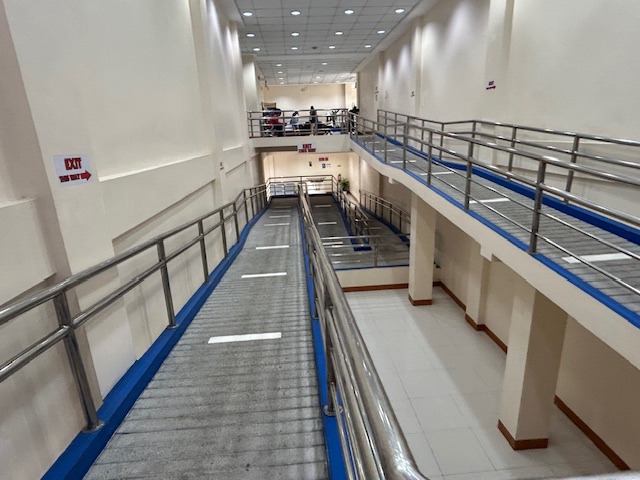 The final ramp descending towards the exit – this is another rather unusual design feature of the airport.
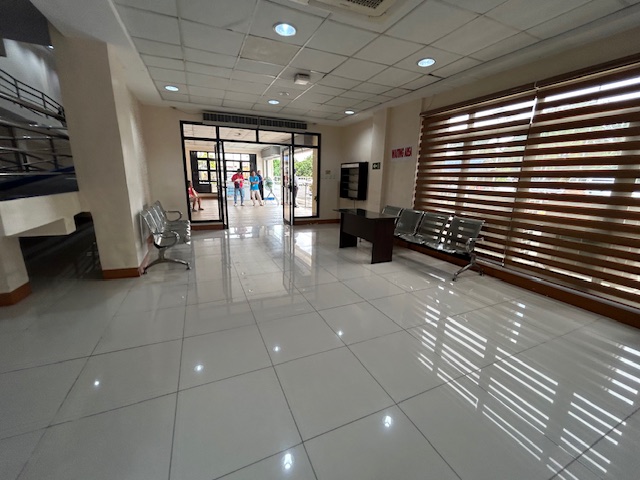 Terminal building exit for arriving passengers.
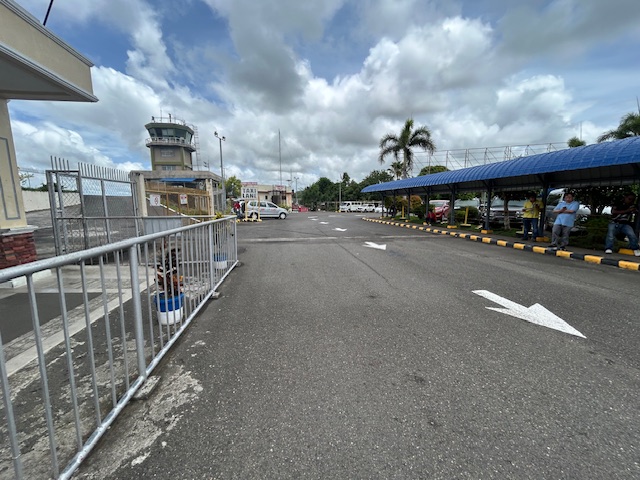 Airport terminal driveway with a view of the air traffic control tower
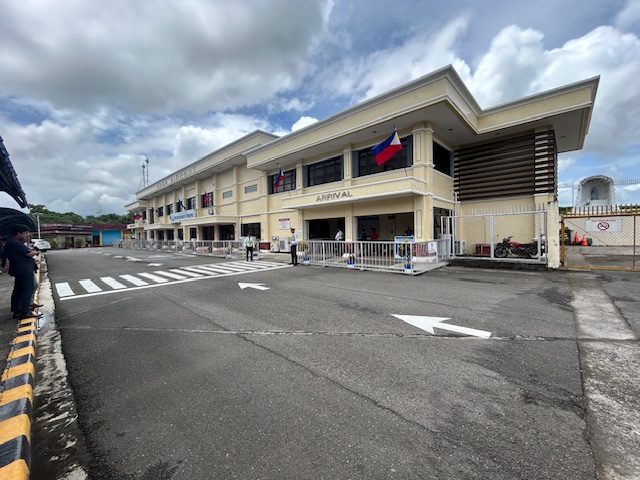 A view of the terminal building from the waiting shed across from the terminal
–
Back in Bicol – arrival at Naga Airport
I posted about the airports in Daraga/Legazpi City and Davao City as I knew I would be traveling to Naga City and likely by air. That likelihood became certainty as horror stories of 14-16 hour travel by bus became unacceptable for short trips where the travel times by road exceeded our actual stay in the city.
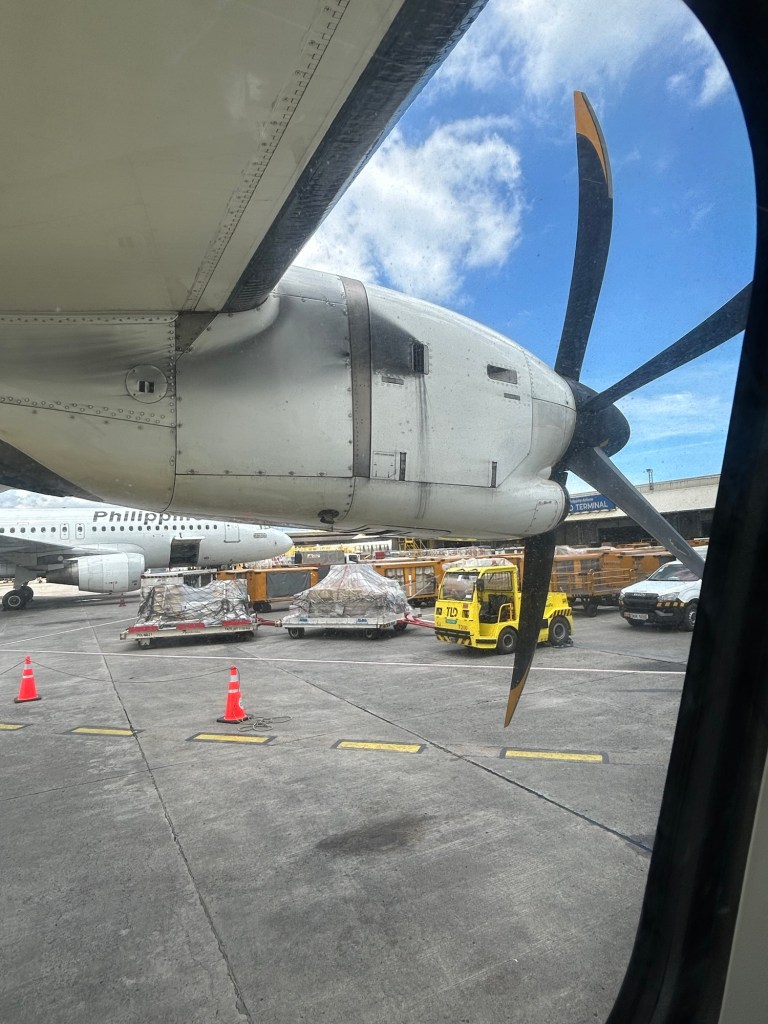
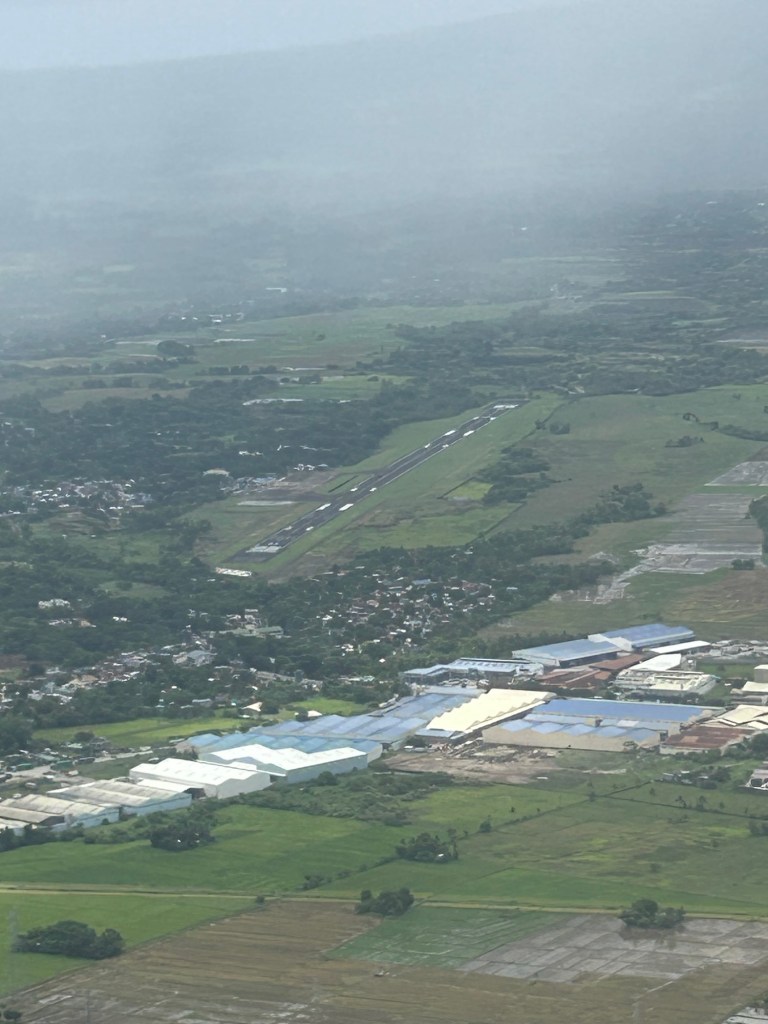
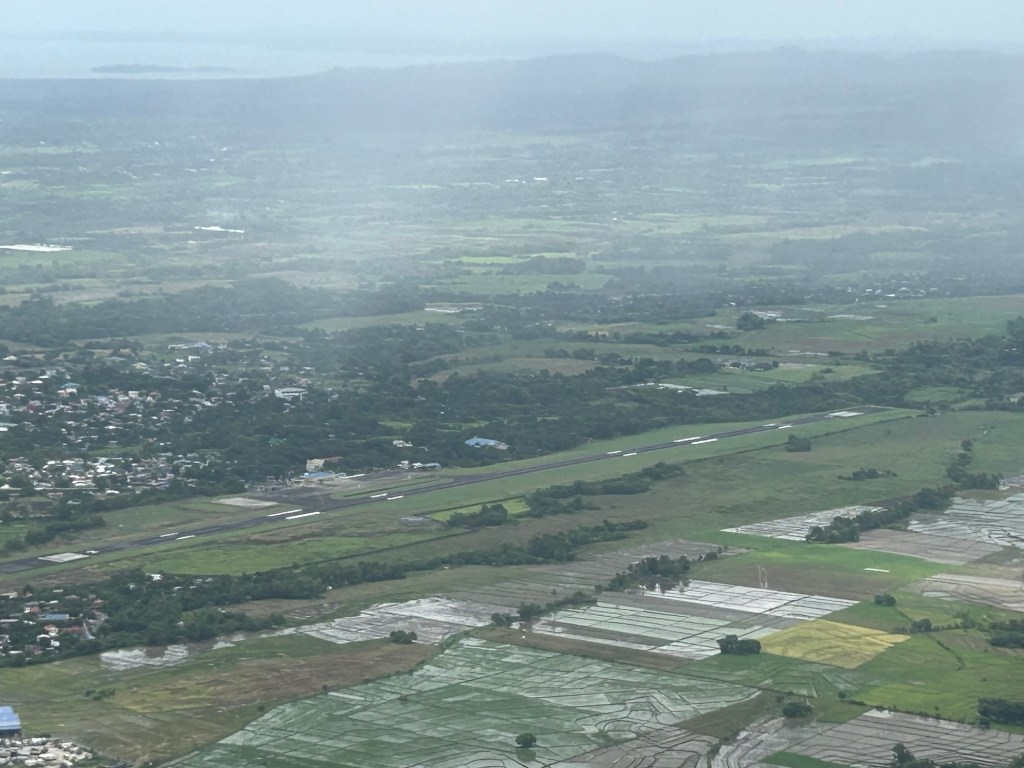
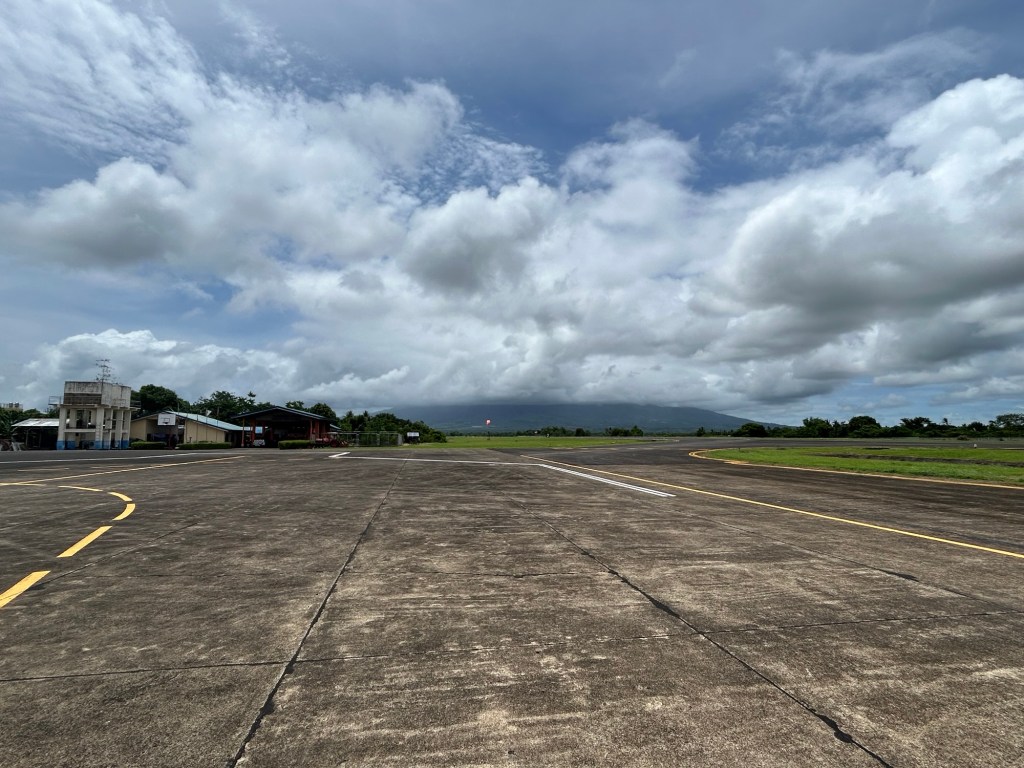
More on Naga City in the next posts!
–
 Caught (up) in traffic