
Home » Posts tagged 'airports' (Page 15)
Tag Archives: airports
Whatever happened to the NAIA redesign/renovation proposal
I forgot to include a link to the design presentation that came out a few years ago. It was quite promising and lot of people (including me) hoped that the project would push through. Of course, we now know we are nowhere near an upgrade of Terminal 1. Following is a video of the redesign proposal on YouTube attributed to renowned designers Kenneth Cobonpue, Royal Pineda and Budji Layug.
I leave it to the reader to Google about new reports of what happened with the project and the bidding that was supposed to have been conducted. It’s been 1.5 years now since that proposal, and there’s certainly and practically nothing happening at NAIA Terminal 1.
–
Crowded NAIA Terminal 1 arrival area
NAIA Terminal 1 remains as the main international terminal for Manila. This is where most international airlines are served. Terminal 2 is exclusively for Philippine Airlines while Cebu Pacific and All Nippon Airways are the only airlines with international flights via Terminal 3. And so it’s easy to see that Terminal 1 can get quite crowded especially as one international arrival comes after another during the peak hours of the airport. One A320 aircraft alone can carry about 150 passengers and wide bodied aircraft like the the A330’s and A340’s can carry more than 250 passengers each. Even larger B777’s and B747s carry more than 350 and 400 passengers, respectively. These are just too many for Terminal 1 to handle resulting in long queues at the immigration counters, crowded baggage claim areas and long queues again for customs. These passengers eventually converge along the arrival area driveway across from the well-wishers’ waiting area (i.e., a two story building) behind which is the open parking area of the airport.
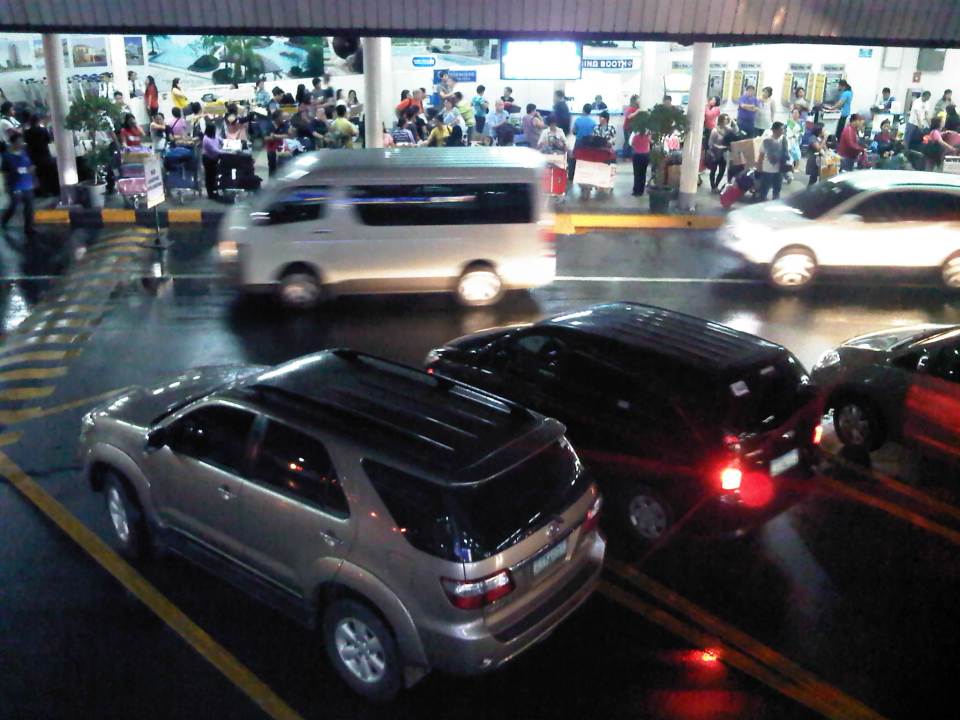 When flights arrive one after another in short headways, the terminal becomes too congested from the immigration counters to baggage claim and the pick-up areas.
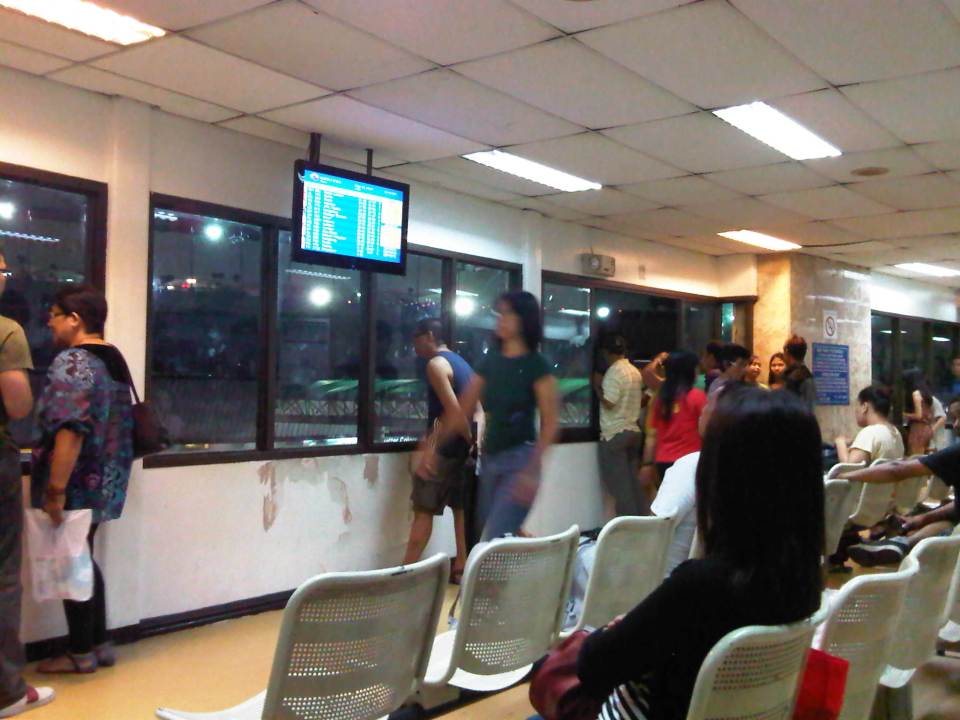 Well-wishers waiting for relatives or friends glance at the screen for information on arrivals while others look through the window to check out the people waiting along the driveway.
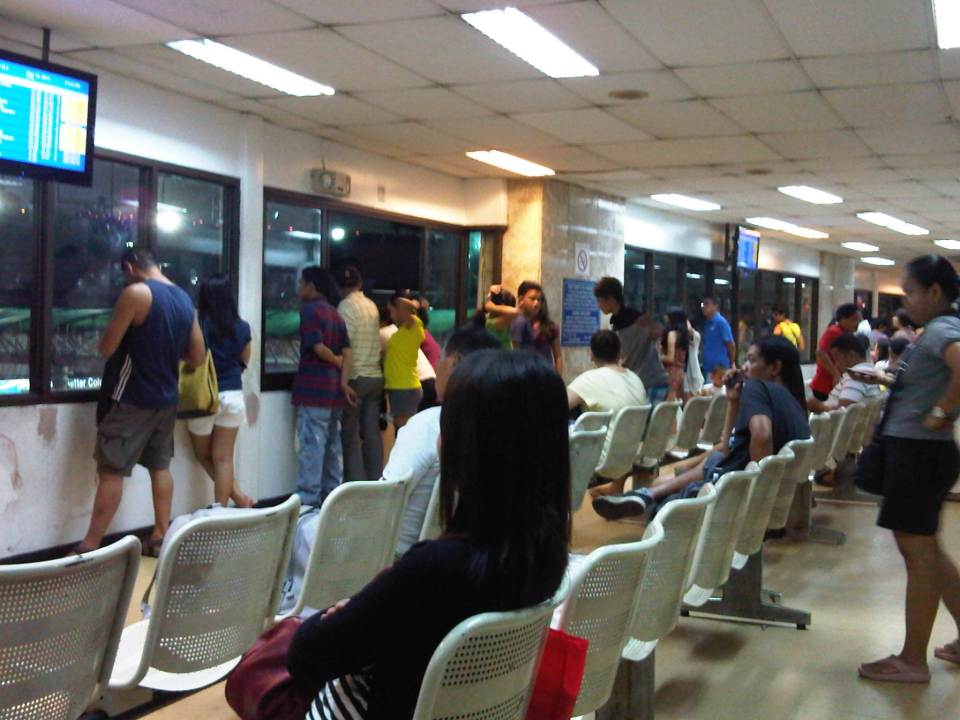 While others are seated, some people opt to stand at the windows, anticipating the arrival of relatives or friends. The second of the building that serves as the waiting area for well-wishers is air-conditioned but there open windows like the one shown in the photo. That window alone could cost a lot in terms of power consumption by the air-conditioning units.
The ground level is even more crowded and there’s always people wanting to cross over to the other side of the driveway to meet relatives as they arrive from the ramp. Airport security try their best to keep order but some people are quite insistent and in certain cases taunt or berate the guards for not letting them through. I think this behavior of people was quite unfair to the guards as the latter were only doing their jobs and its only right that they keep people from flooding the arrival driveway. It’s already too crowded and more people will only bring more mayhem if allowed to mix with the arriving passengers.
Terminal 1 was the subject of calls for renovations and an upgrade from what it is now, a bad first impression of the country. I remember a group of architects and designers came up with a plan to renovate Terminal 1 including improving the layout of the terminal and parking facilities. The Department of Transportation and Communications (DOTC) was supposedly tasked to follow through with this project but ended up offending people by bidding the project out. Another design firm was supposed to have won the bid but until now, there has been no activity related to this long-delayed major improvement. Perhaps there was hesitation as they agency struggles to decide whether NAIA should continue to serve as the main international gateway to the country? Well, it is certainly still the main gateway and will continue to be so in the foreseeable future as the prospects for Clark and other proposals remain hanging in the air. We should live with this reality and carry on what needs to be done to improve Terminal 1, and quickly!
–
NAIA Terminal 3 check-in
I was again at NAIA Terminal 3 for a very early flight. I always enter Terminal 3 from the ground (arrival) level, whether I am coming from the open parking lot or am driven to the airport by a driver. There are less people lining up to enter the terminal at the arrival level so its usually faster compared to the departure level, which seem to be always crowded. It’s only logical because it is the departure level and most people would automatically proceed there. The layout of Terminal 3, though, allows for the passengers and well-wishers to circulate within the arrival and departure areas that are open to the public, including the restaurants and shops located at the third level of the terminal.
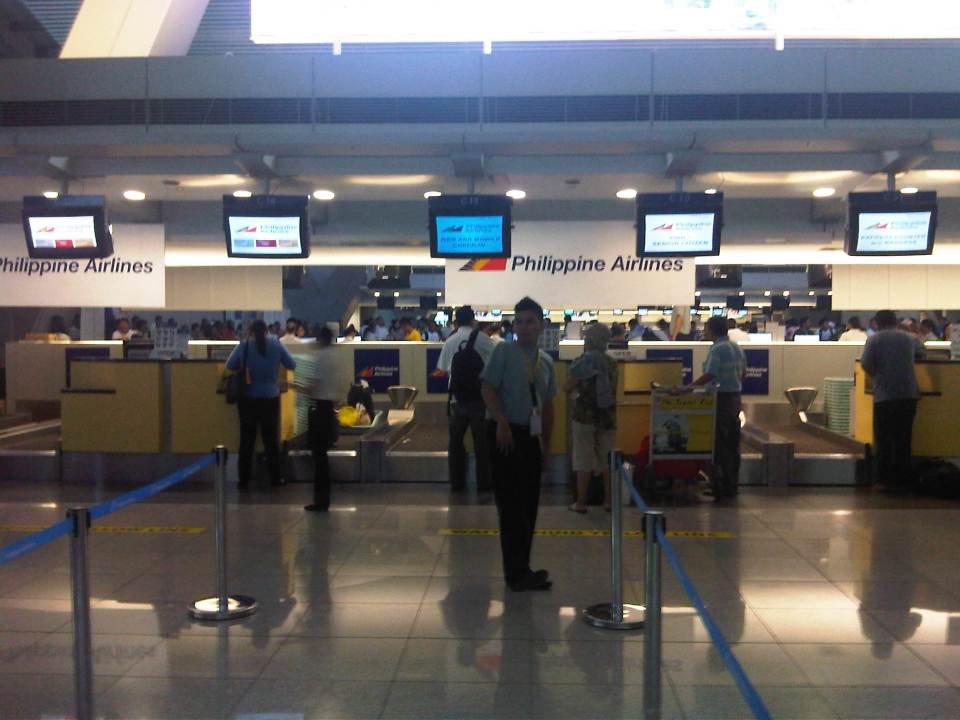 Check-in counters for PAL and PAL Express flights
 Important information for passengers of PAL and PAL Express includes info for counters for senior citizens, persons with disabilities (PWD), and persons who have checked-in using the internet.
 Crowded Cebu Pacific check-in counters for domestic flights – Terminal 3 is the home terminal or hub for Ceb Pac in Manila. As the country’s largest airline in terms of both aircraft and passengers, their international and domestic flight counters are are almost always crowded.
–
NAIA Terminal 3 domestic departure
NAIA Terminal 3 hosts the domestic flights of Cebu Pacific and PAL Express (formerly Air Philippines and Air Phil Express). PAL now also flies out of T3 for major cities like Cagayan De Oro, Legazpi, Puerto Princesa and Tacloban, where PAL and PAL Express flights seem to have merged and are quite difficult to tell by the aircraft. The difference becomes clear when one boards the plane and sees no Mabuhay Class seats for PAL Express and seats have the leatherette covers (similar to Ceb Pac’s) instead of the more classy fabric in PAL planes.
 Hallway to the boarding gates – there are many shops and restaurants to choose from where one can have a meal or drink before a flight.
 This shop is packaged like the higher end duty free shops on international terminals. There’s a Krispy Kreme donut stall that’s quite popular as pasalubong.
 A typical cafe at NAIA T3
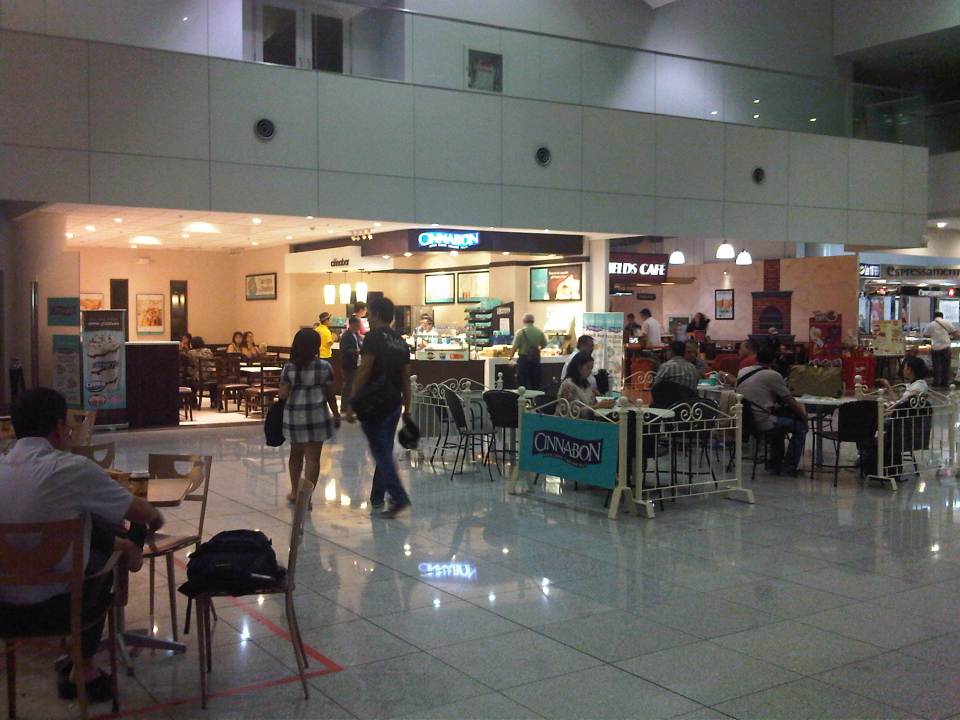 More cafes give passengers a lot of choices for where they might want to get their beverage, meal or snack.
 And still more cafes…
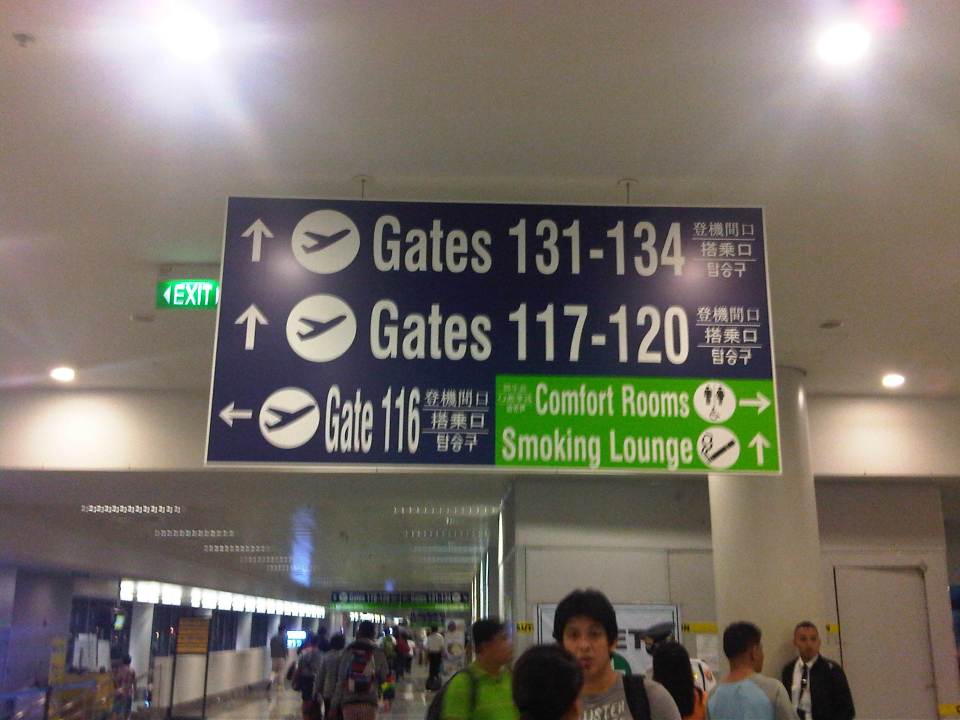 Large signs provide adequate guidance for passengers.
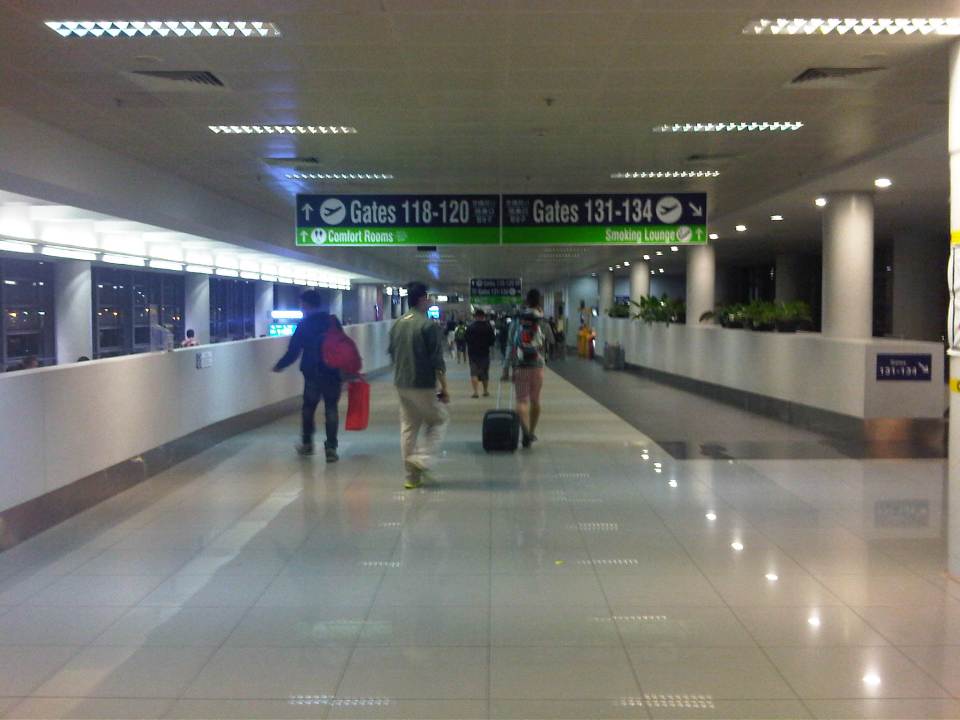 The long walk – T3 is a linear terminal with gates spread along either wing of the building, which means passengers would have to walk some distance to and from their gates for departures and arrivals.
 It’s summer in the Philippines, so there are more flights and passengers than usual. I was at the terminal for a 0440 flight to Tacloban and there were already a lot of people waiting for their respective flights to destinations such as Cebu, Iloilo, Bacolod, Dumaguete and Davao.
 Passengers at Gate 118 seated along a corridor that also features a non-functioning “walkalator” or moving walkway. Such walkways should help passengers move more conveniently and swiftly to and from their gates but all are currently not operating (for one reason or another).
 Fellow passengers at Gate 119 waiting for our boarding call
 There are many television sets at T3 where passengers can catch the latest news on cable or, in this case, a replay of an NBA Playoff game.
–
Mactan Cebu International Airport – Take 2
I haven’t been able to get decent photos inside Mactan Cebu International Airport (MCIA) in previous trips to Cebu. And so, when I finally had the opportunity recently, I wasted no time taking a few photos inside the terminal. MCIA is frequently in the news these days as its proposed expansion is being bidded out. The airport is the second busiest airport in the country after Manila’s NAIA; serving more than 6 million international and domestic passengers in 2011. This will continue to increase as Cebu develops further in terms of business and tourism.
 Check-in counters for Philippine Airlines
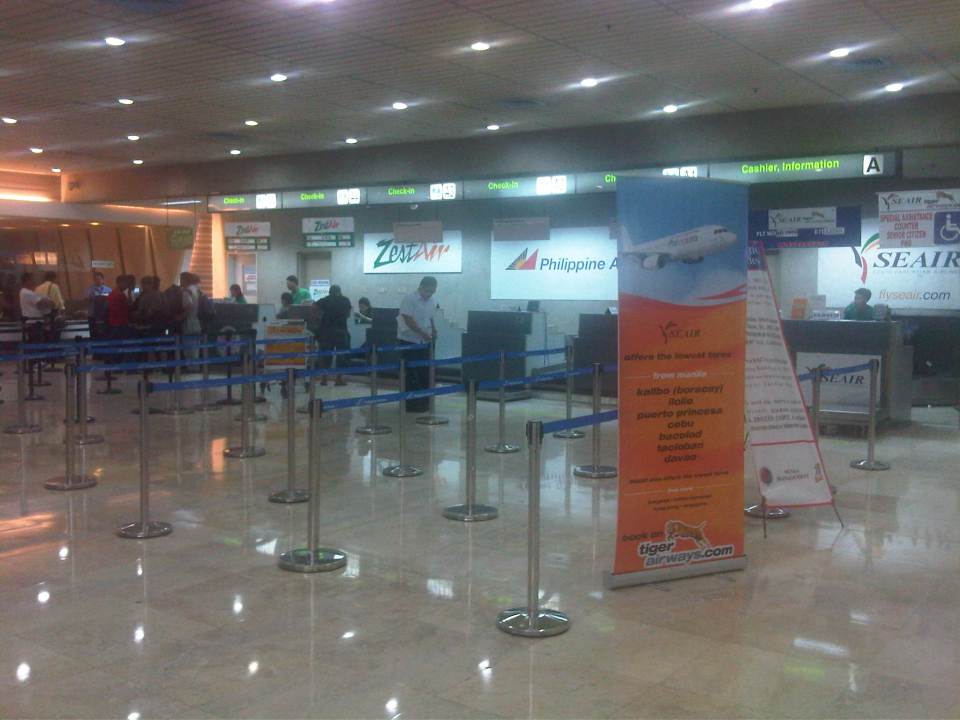 The check-in counters for Zest Air (formerly Asian Spirit) and Seair (now operated by Tiger Airways) were practically beside PAL’s. The PAL counters between Zest Air and Seair used to be Air Phil Express counters. The latter is now known as PAL Express, PAL’s repackaged budget airlines.
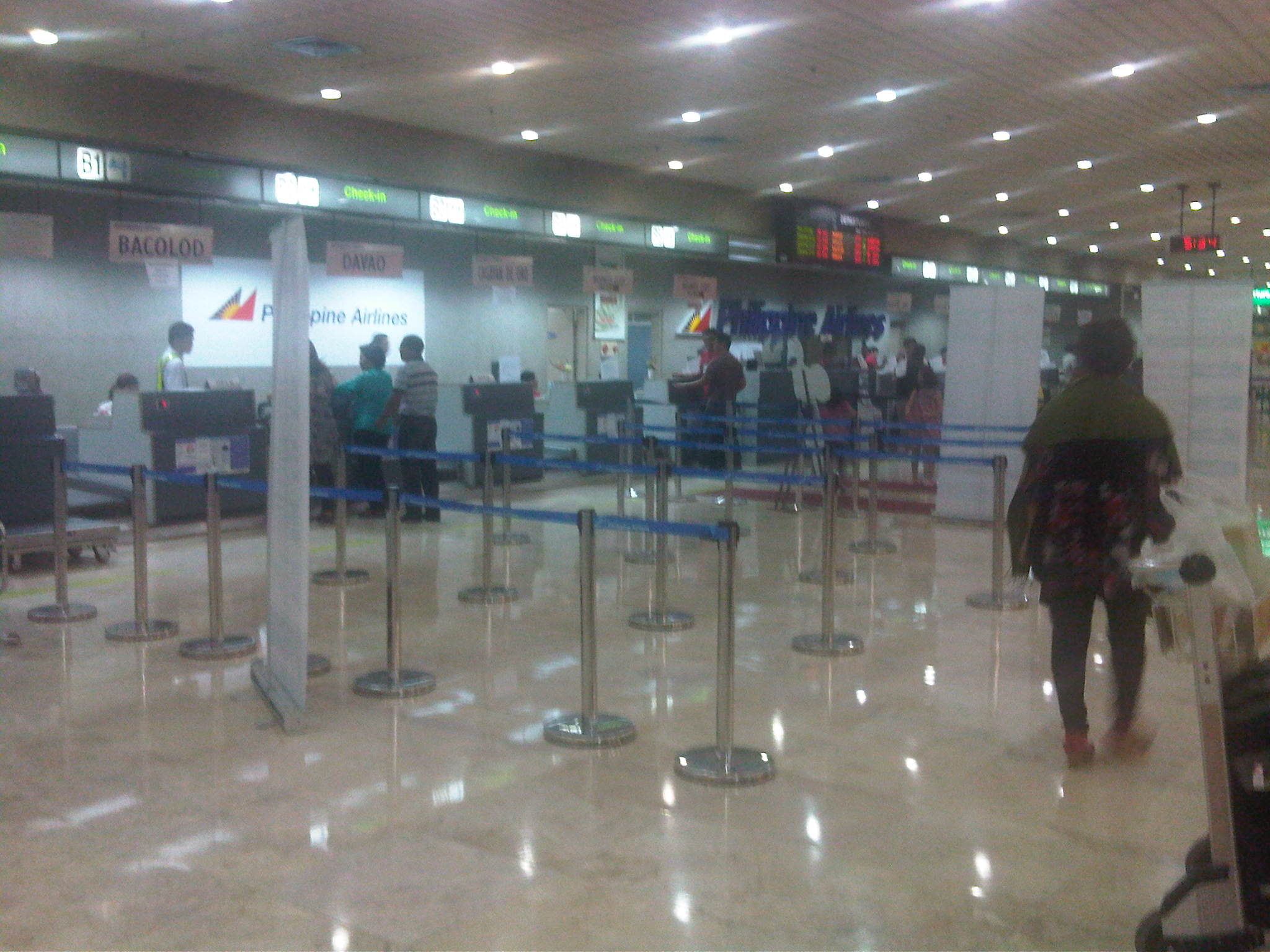 Cebu connects with many other cities in Visayas and Mindanao. The number of domestic flights are comparable to Manila and there are destinations in Mindanao that do not have direct flights connecting to Manila. Instead, one would have to fly via Cebu or Davao.
 Information on designated terminals for flights to and from Manila. PAL subsidiary Air Philippines, which became Air Phil Express and now PAL Express used to fly out of NAIA Terminal 3 with PAL exclusively using Terminal 2. With the re-organization of PAL and its more aggressive approach at present, the airline now seems to have expanded and is now competing with Cebu Pacific for space at Terminal 3.
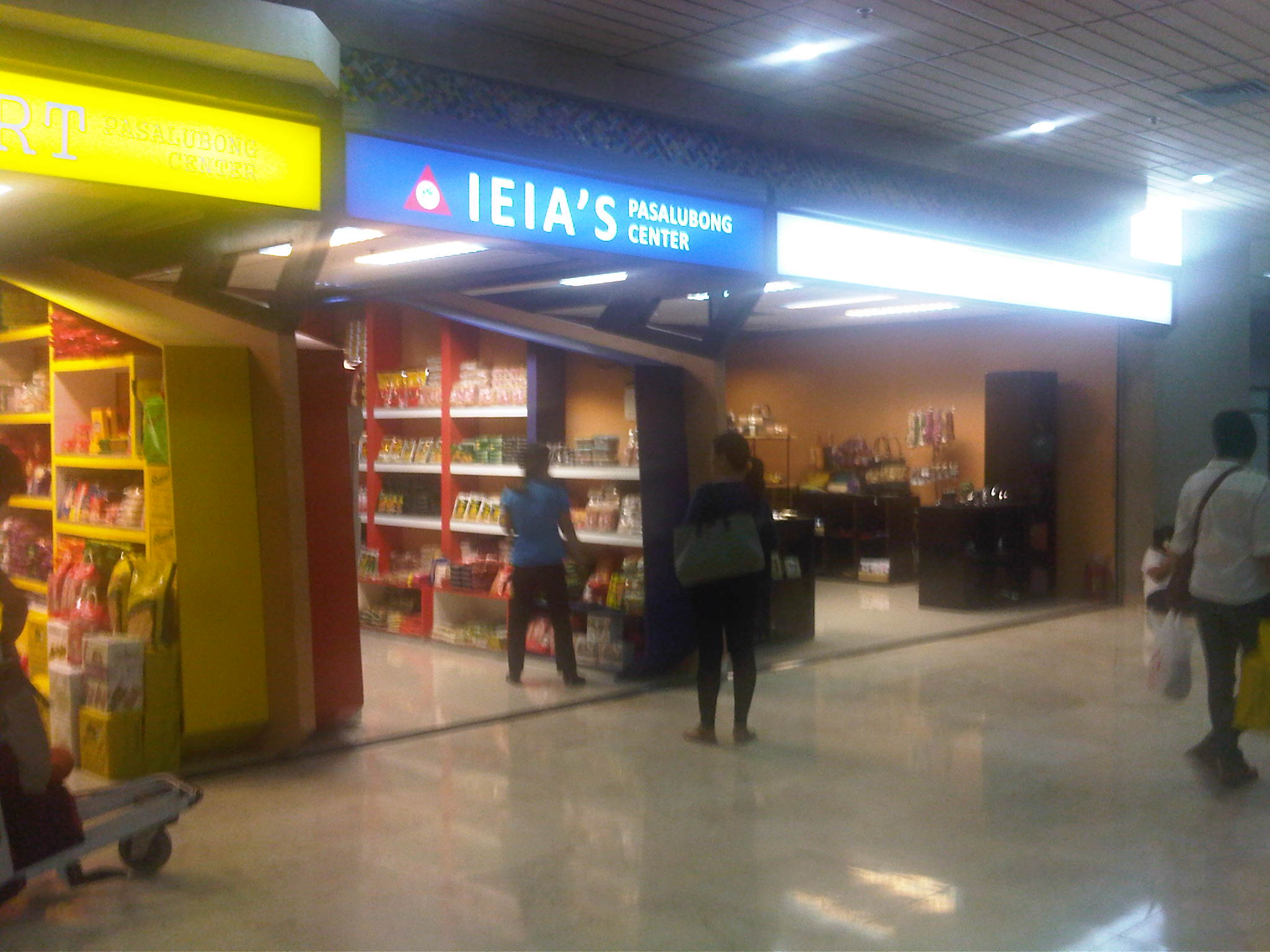 There are many souvenir shops at the airport, many selling food items like the popular dried mangoes, otap, rosquillos, and dried sea food. Popular brands are Titay’s and Shamrock. The items at the shops at the airport are priced higher so it is advisable for people to purchase souvenirs at local shops or supermarkets in the city. Titay’s and Shamrock have their own shops in Cebu and Mandaue. Dried fish is best bought at the market in Cebu (Ask your driver to take you to the “tabuan” market.).
 Islands Souvenirs is an established brand in the Philippines specializing in souvenir shirts and other items. I used to collect shirts from the cities I have visited and I have already collected quite a lot from my travels in the country. There is an Islands Souvenirs shop at most major cities in the country. MCIA also has a Timex stall at the pre-departure area. Timex is a watch company producing high quality watches out of the economic zone in Lapu-lapu City.
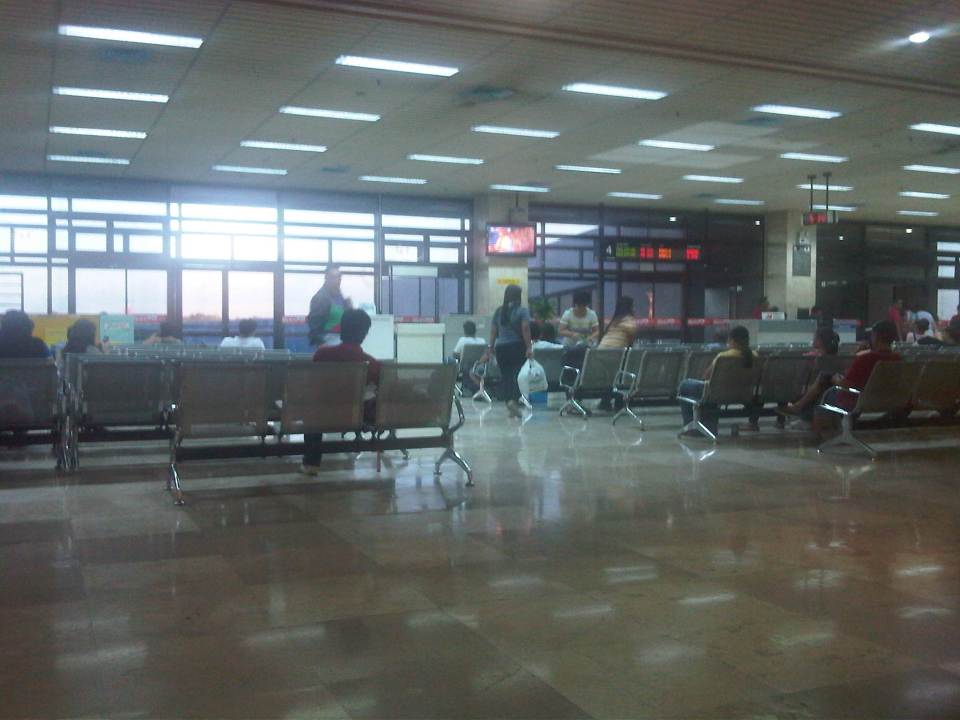
 Pre-departure area at MCIA – the area can get quite crowded during the day when most flights depart out of the terminal. PAL fields wide bodied aircraft to address the high demand between Manila and Cebu during the day.
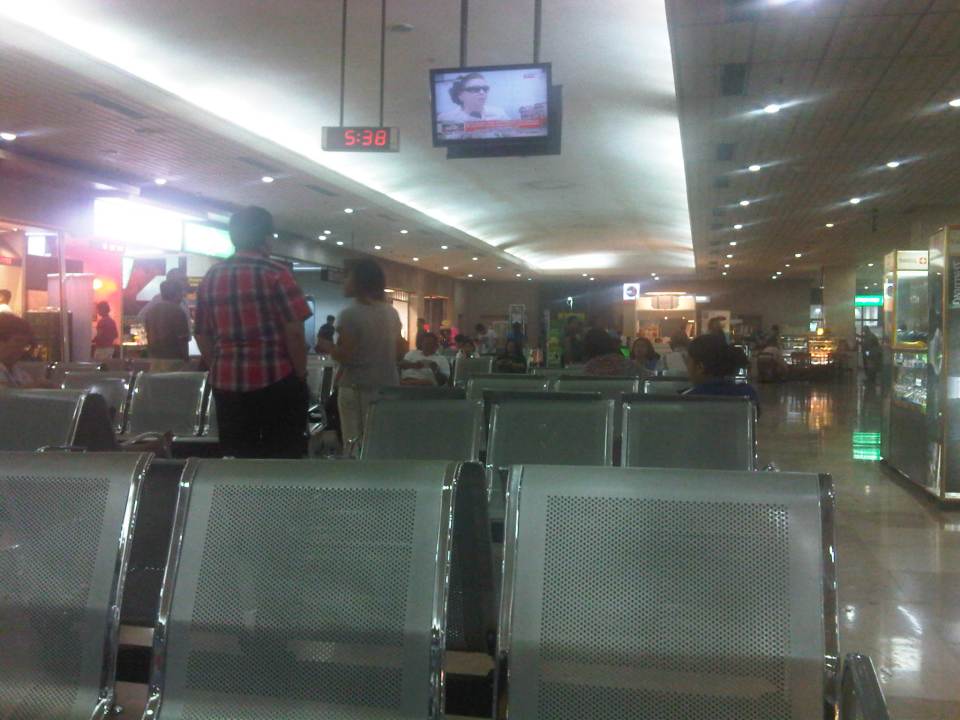
 Gate 4 seats at the MCIA
 Passengers waiting for their flight. My flight back to Manila wasn’t a full one probably because it was a later flight.
There’s been a lot going on in MCIA ever since the former Cebu City Planning and Development chief Paul Villarete took over as General Manager. I’ve noticed the improvements as I have been to Cebu quite frequently since 1996. These include a cleaner terminal and more efficient services in the airport. MCIA is a work in progress and should soon be upgraded with a new terminal building. I’m hopeful that the groups bidding for the project will do a great job as at least two of them are associated with top airports in Changi (Singapore) and Incheon (Korea).
–
Airport terminals and transfers at NAIA in Manila
Ninoy Aquino International Airport (NAIA) has four (4) terminals:
- Terminal 1 – is the international terminal for ALL foreign airlines except All Nippon Airways (ANA), which uses Terminal 3. It is located along the Ninoy Aquino Avenue from the NAIA Road.
- Terminal 2 – also called the Centennial Terminal because it opened in the year the Philippines celebrated 100 years of proclamation of independence from Spain (1998). It is used exclusively by Philippine Airlines (PAL) for both international and domestic flights. International flights use the north wing while domestic ones use the south wing. Recently, PAL transferred several domestic flights to Terminal 3, retaining only major domestic destinations at Terminal 2 (e.g., Cebu, Davao, Iloilo, Bacolod, etc.). For a complete list on which domestic flights are on T2 or T3, one can consult the PAL website. Terminal 2 is located at the end of NAIA Road.
- Terminal 3 – the newest of the three main terminals, it is located beside Villamor Air Base (actually part of it was carved out of the base) and across from the Resorts World Manila complex. It is used mainly by Cebu Pacific (Ceb Pac), currently the country’s largest airline, for both international and domestic flights. Other airlines using Terminal 3 are ANA and Airphil Express, which is a budget subsidiary of PAL. The terminal is located along Andrews Avenue at the end of Sales Road (from Fort Bonifacio).
- Domestic Terminal – now also called Terminal 4, it is the old terminal along the Domestic Road that used to be called the Manila Domestic Terminal where PAL, Cebu Pacific and other airlines used to operate domestic flights. At present, it is used by Zest Air and Seair.
More detailed information on these terminals may be found at the website of the Manila International Airport Authority (MIAA).
It is quite easy to transfer between domestic and international flights if you happen to fly Ceb Pac since all flights operate out of Terminal 3 and the airline provides assistance through its transfer desk. The same used to be the case for PAL when all flights were out of Terminal 2. But then after PAL transferred flights to Terminal 3, many passengers would now have to travel between Terminals 2 and 3. The most inconvenient cases are for travelers transferring to or from international flights at Terminal 1. Terminal 2 is quite near and can easily be reached via shuttle bus. The more challenging transfer is between Terminals 1 or 2 and Terminal 3. Shuttle buses would have to go through the NAIA Road, the Domestic Road the Airport Road
There are no internal connections between the 4 terminals operating within the NAIA complex such as AGTs, monorails. There are shuttle buses that travel between these terminals but they use the public roads rather than an internal road exclusive for the airport. As such, these shuttles are subject to traffic congestion and possible delays. The MIAA website states that using the shuttle buses are free but I saw a sign at Terminal 3 showing that there is a flat rate of PhP 20. While the fare would probably cover fuel, maintenance and other costs, it can also be argued that this service should be free at least for passengers and covered by airport authorities as part of the services they provide to travelers. Perhaps passengers can present their tickets before boarding the bus. Others may be required to pay the PhP 20 fare.
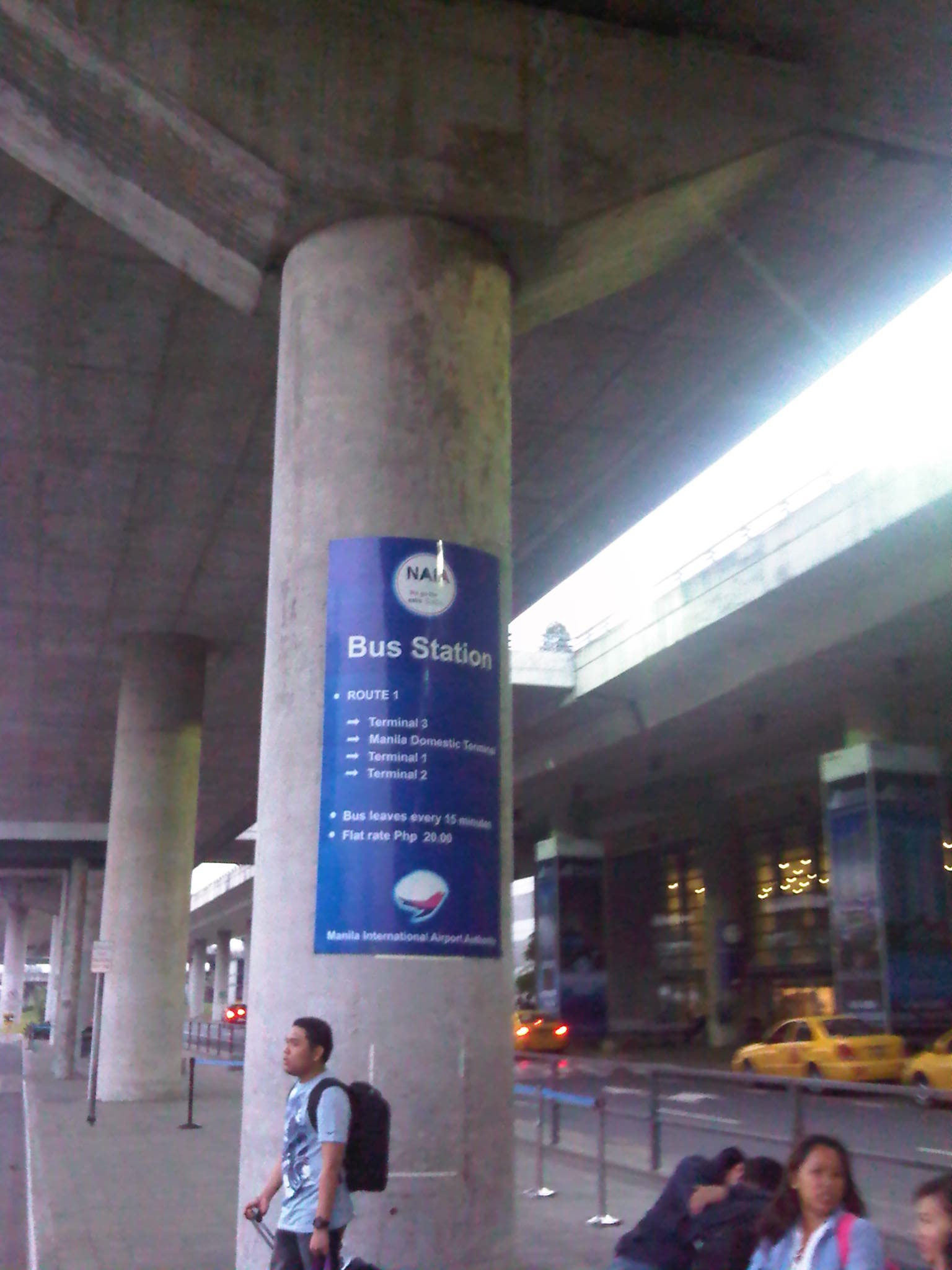 Bus station/stop at the NAIA Terminal 3 – the station is located at ground level (arrivals) beneath one of the overpasses (departure level) and across from the airport taxi stand (shown in the photo). Shuttle buses are scheduled to depart every 15 minutes according to the sign.
–
Sunduan at NAIA Terminal 1
Manila’s Ninoy Aquino International Terminal 1 has been named as the worst airport in Asia by a website that seems more focused on “sleeping in airports.” The same site ranks Changi, Incheon and Hong Kong as the top airports in the region and mentions a couple more in Southeast Asia in the top ten. Surprising for me is the low ranking for Changi’s Budget Terminal. One can practically sleep on the floor there as it is sparkling clean! But of course, I won’t encourage it as what’s not visible to thehuman eye might probably make one sick especially in places like airports where you have people from all over using the facilities. In fairness to the same site, it differentiates NAIA’s old Terminal 1 from the newer Terminals 2 and 3, which received fair assessments but again especially for sleeping. I think the value of such independent assessments is that they are very objective and given the power of social media, it informs people about the quality of facilities and challenge those in-charge to do better.
So to continue with my features on NAIA Terminal 1, I am featuring a few more photos from the perspective of someone waiting for or fetching a loved one, relative, friend or anyone arriving at the terminal from the building just across from the passengers’ arrival area.
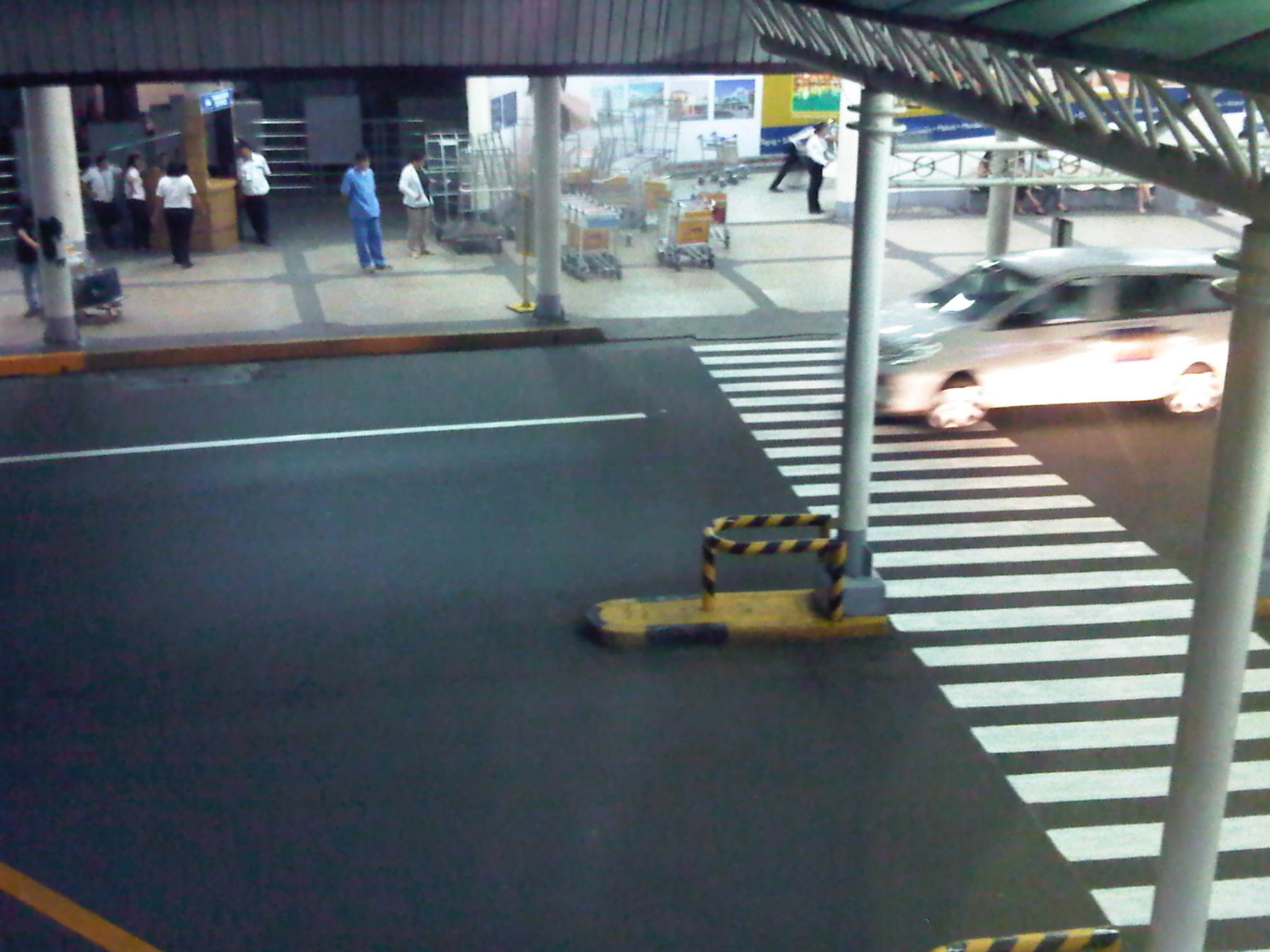 Before the mayhem – prior to the arrival of aircraft and exiting passengers, the area appears like a picture of calm with few people including airport staff.
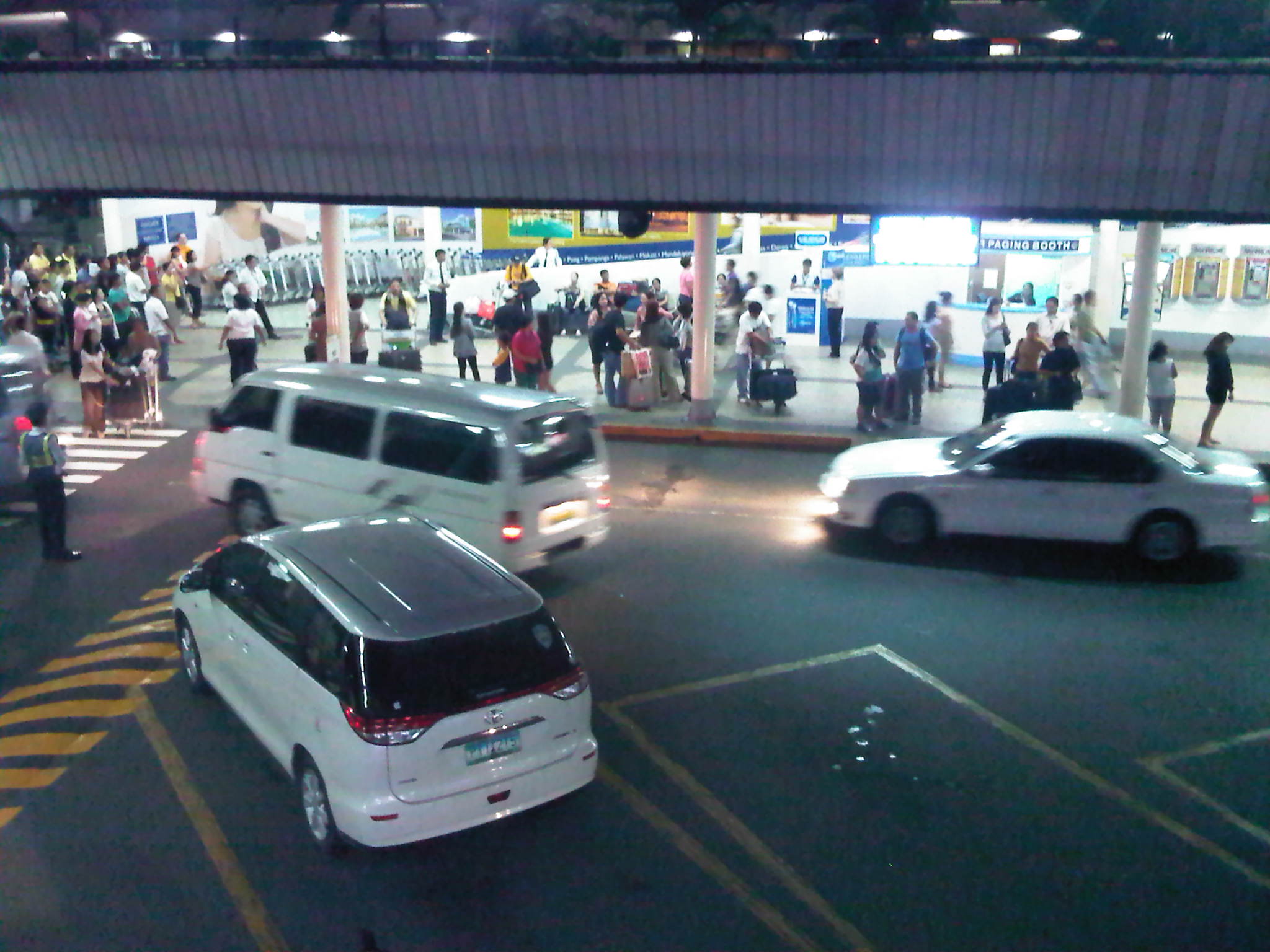 Here they come – passengers start accumulating at the area along with vehicles whose drivers have probably been notified of the arrivals
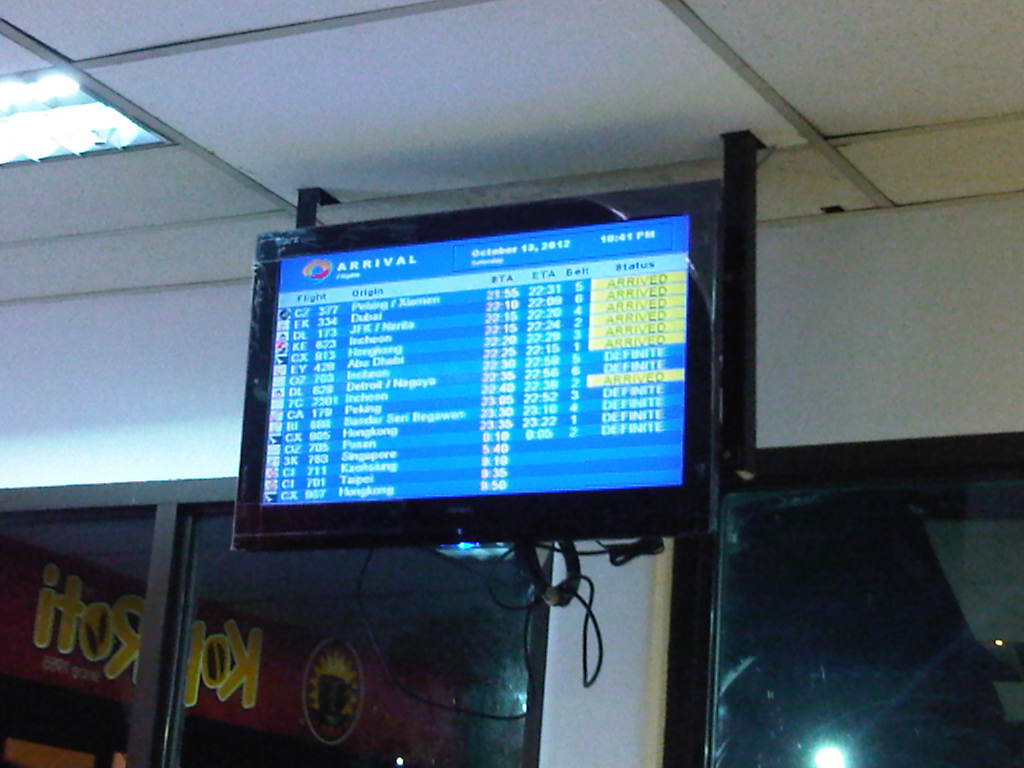 Information screen – there are several screens at the waiting area for people to check the aircraft arrivals
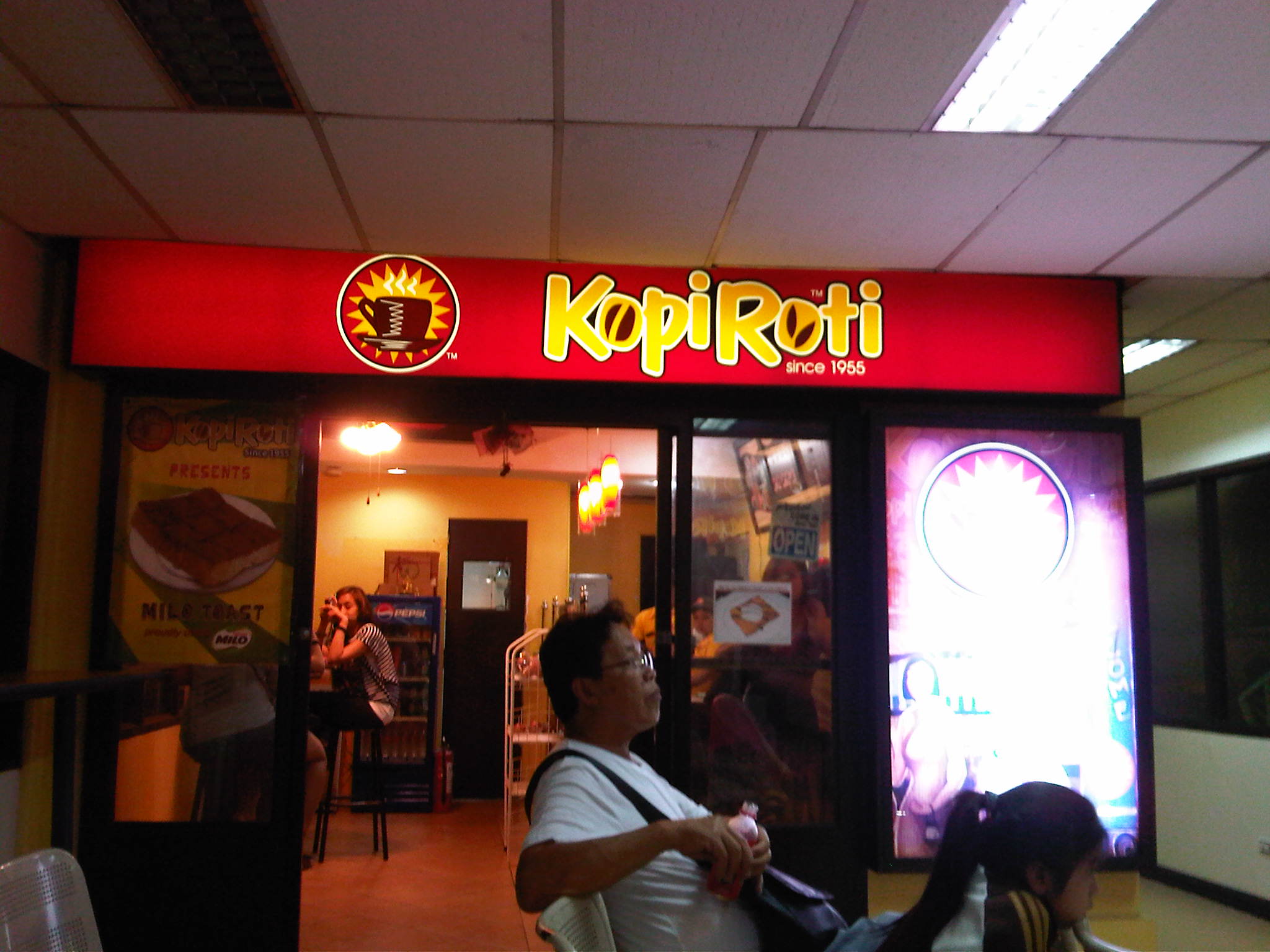 Refreshments – there are 3 concessionaires inside the building, all on the second floor, including one generic food stall and this one featured in the photo that’s quite popular for its coffee buns and kaya toast.
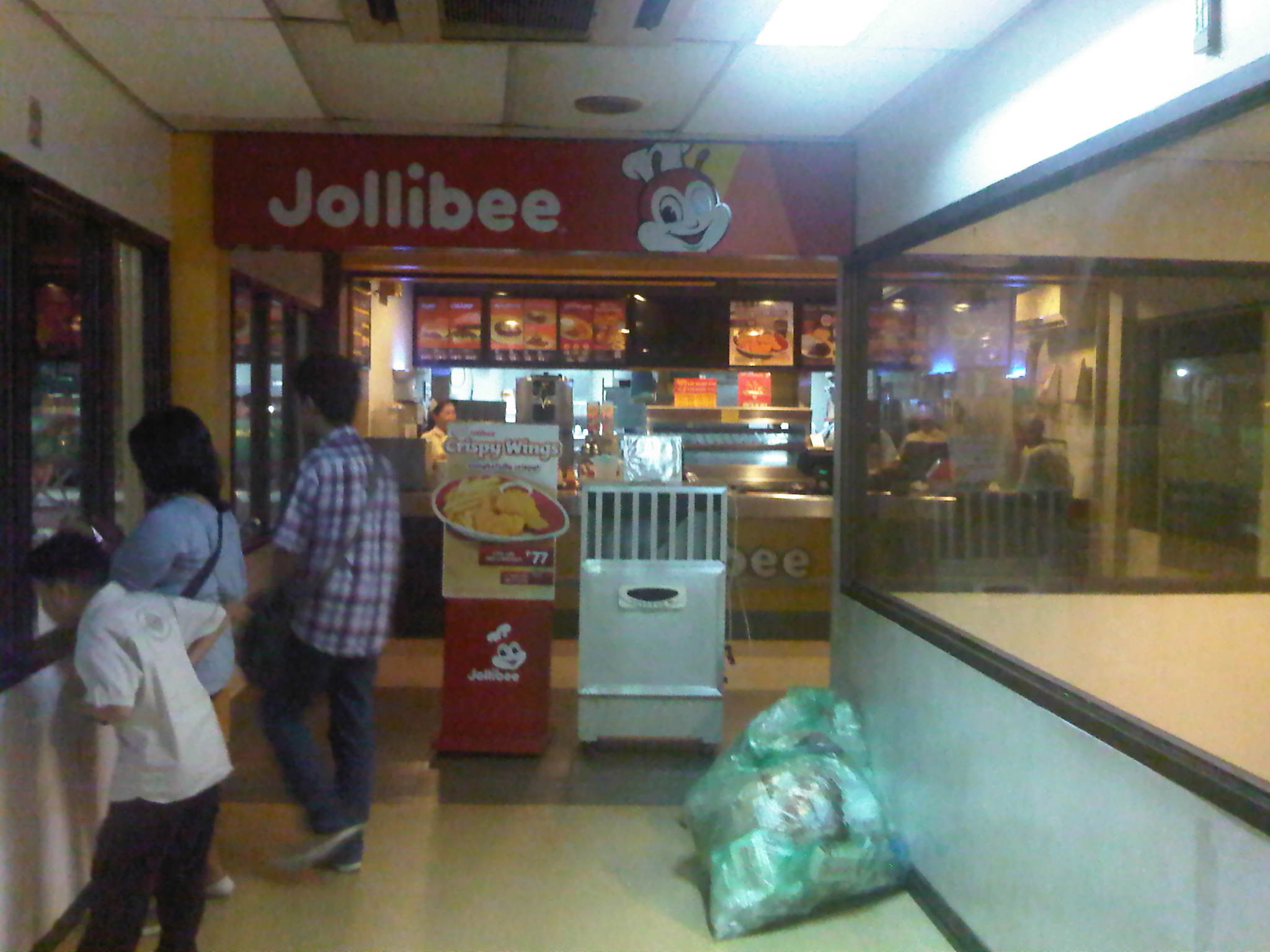 Fast food – the other concessionaire is a branch of the most popular and largest fast food chain in the Philippines
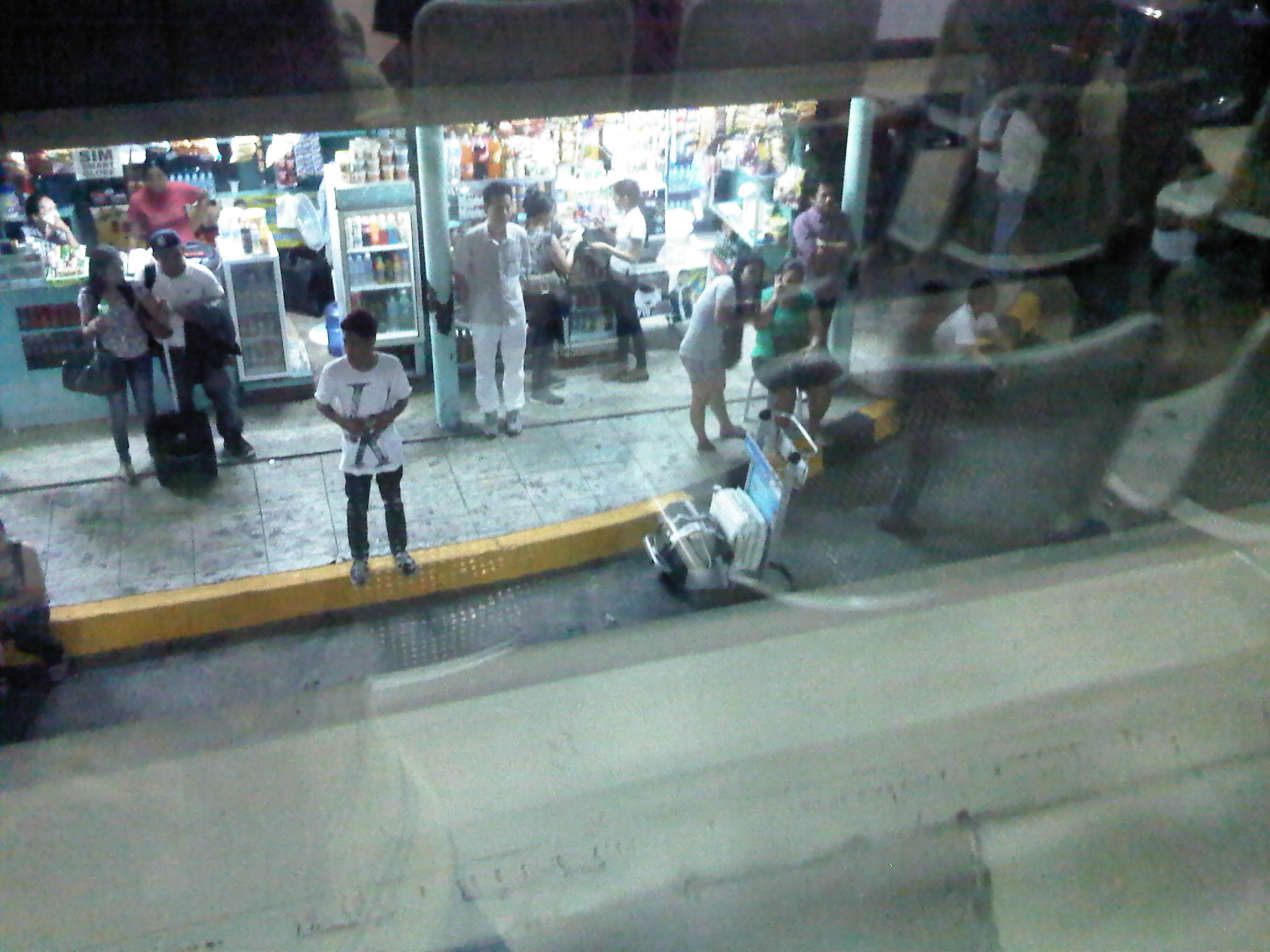 Kiosks and stalls – at the back of the building are kiosks and stores spread out in the open parking lot for people who’d rather wait in these areas. One will find here whole families and other groups loitering about or even picnicking as they wait for arriving passengers.
 Comfortable – the second level of the building is air-conditioned unlike the first level and so many people choose to lounge around the area. Most seats, however, are immediately taken and so a lot of people end up standing while watching out for people they’re fetching.
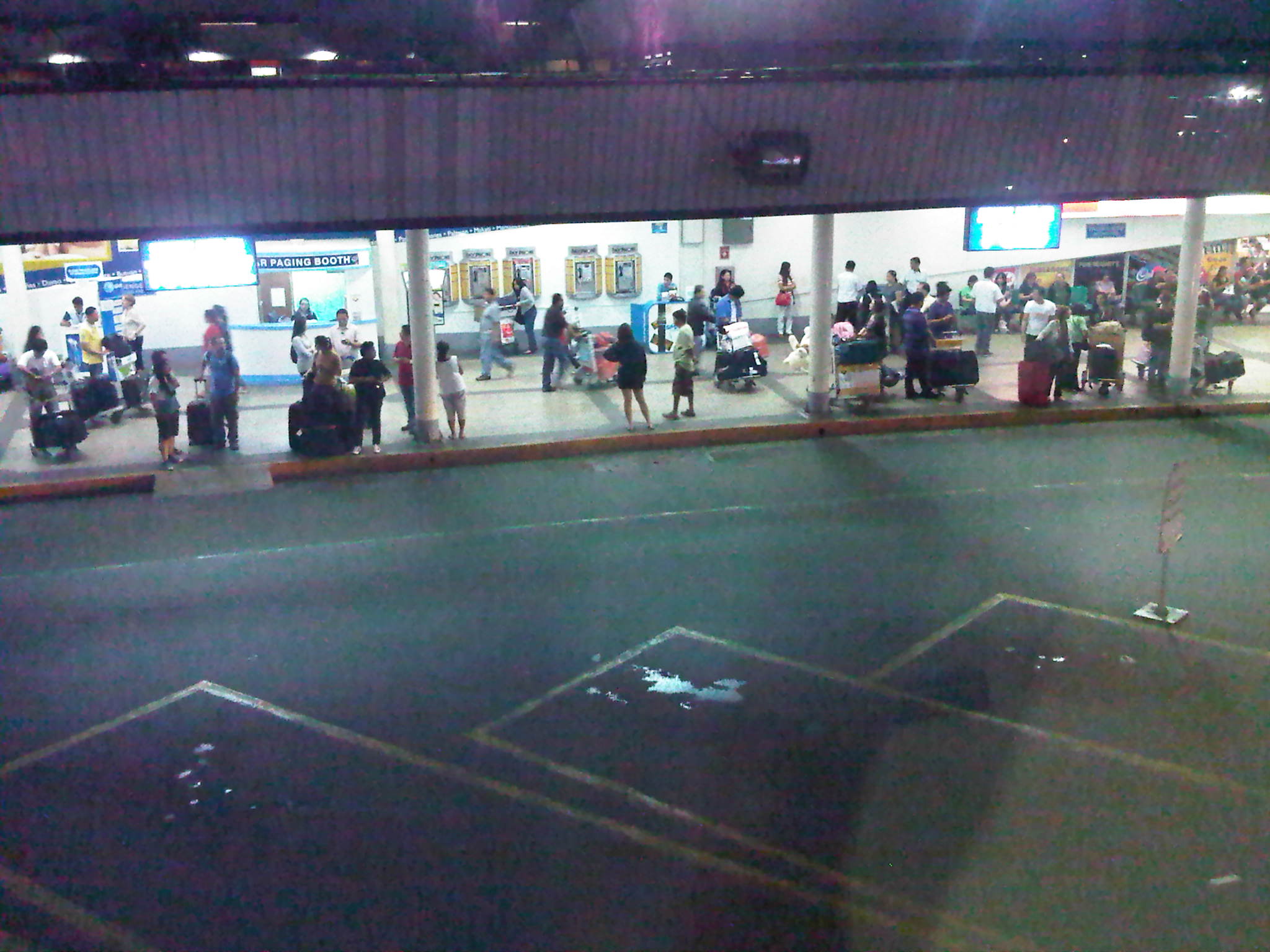 Waiting game – arrivals waiting for their sundo (people fetching them).
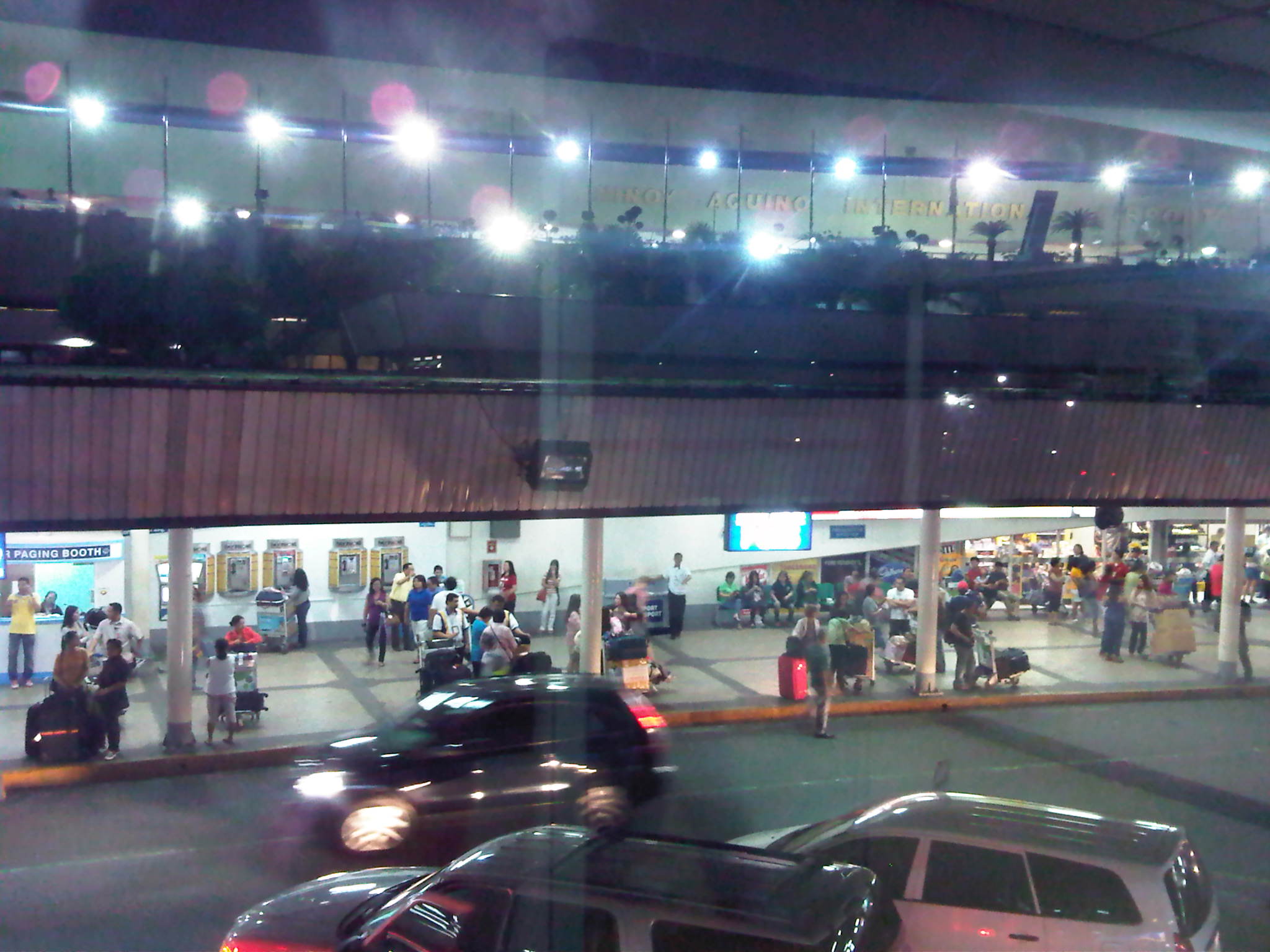 Another level – there is actually another driveway atop the one seen in the photo. The lights at the top of the photo are lined up along the driveway for the main terminal building, which is reserved for VIPs and others extended the privilege of using the driveway. All other passengers have to cross from the main terminal to descend towards the area shown and the lower driveway that’s level with the open parking lot.
 Congestion and mayhem – the arrival of several aircraft particularly from major origins like Hong Kong, Dubai and the US (via Narita and Nagoya) meant that the area would be very crowded with passengers, well-wishers and vehicles. People and drivers tend to disregard personnel trying to manage the people crossing between the terminal and the waiting area, and traffic along the driveway.
 Crowded house – the ground floor area of the building where passengers an well-wishers generally meet up is a very crowded area and airport personnel often struggle in controlling people from crossing over to the arrival area to personally fetch passengers, often with cause due to the amount of luggage (e.g., balikbayan boxes) passengers tend to bring with them when traveling to Manila.
NAIA Terminal 1 serves most international flights coming in and out of Manila that are not Philippine Airlines, Cebu Pacific or ANA (the only other foreign carrier using the larger and more modern Terminal 3). It definitely has seen better days and its current capacity and facilities are not suitable for the number of flights that it serves given that it wasn’t adequate from the time it started operation in the early 1980’s. There is the welcome news that T1 would be renovated and that a large reputable firm has been hired to do the unenviable task of improving this gateway. We can only hope that the project proceeds with little delay so that travelers would be able to avail of better services and perhaps allow this terminal to shed its tag of being the worst airport in Asia.
–
NAIA Terminal 1 arrival driveway and well-wishers area
Despite several opportunities in the past, I haven’t been able to take photos of the area for arriving passengers to be picked up by relatives or friends. I seem to forget doing including taking some while waiting for people at the building designated for sundo. And so I took a couple of photos while waiting for my ride showing the well-wishers area and the driveway for vehicles making pick-ups. Airport security usually limit the time for pick-ups as some vehicles tend to park and clog the area. There is another driveway immediately after exiting the main terminal building that is reserved for VIPs but some people who feel they are important have their drivers wait for them at the driveway featured below making them another breed of pasaway or pa-importante.
 Well-wishers area – building for people fetching arriving passengers from across the Terminal 1 building. At the back of the building is an open parking lot. Inside the building at the second level is a branch of a popular fast food chain and a coffee shop, and just behind the building before the parking lot are kiosks offering refreshments and even meals to waiting people.
 Duty Free Philippines branch at the waiting area.
Last year when talk was hot particularly about NAIA Terminal 1 being one of the worst hotels in the world, plans were being drawn about the renovations for T1. These plans included those from well-known Filipino architects that were eventually “dismissed” in favor of contracting the firm that originally designed the airport. While I have nothing against architects, I feel that T1 is one of those cases where they went more about aesthetics than functionality. This is an observation by many other people who have wondered why the airport didn’t have enough space for the typical groups (or droves?) of well-wishers that seems to be a cultural thing with Filipinos. And so the areas and buildings shown above will likely be among those to be included in a major renovation for T1 that is supposed to increase the capacity of this terminal and improve facilities for passengers and other users. However, more than a year has passed and I’ve seen nothing yet being done to the terminal.
–
Airport congestion and options to decongest NAIA
Airport congestion refers to two things – congestion at the passenger terminal and congestion at the runway(s). The first may be found in several areas of an airport terminal. Among these areas are at the check-in counters, the immigration counters, customs and the baggage claim counters. Congestion may also refer to the areas allotted to well-wishers although depending on the terminal layout or design, these can be integrated with the check-in or arrival areas. The second concerns aircraft take-offs and landings, and queuing is present both on the ground and in the air. Congestion on the ground can be observed at the end of a runway from where aircraft may be queued according to air traffic control. Congestion in the air is observed in the form of aircraft circling the vicinity of the airport at various designated distances (radius) and altitudes.
Congestion of the first kind is a given at most major airports in the Philippines especially for international flights where security is tighter and there are immigration and customs processes that passengers need to go through. In most cases including domestic flights, airports are usually congested due to the well-wishers taking passengers to the airport or welcoming the same as they arrive. It is not uncommon to see jeepney-loads or tricycle-loads of well-wishers at Philippine airports as it is customary to take relatives or friends (hatid) to the airport or fetch (sundo) people at the terminal
The second type of congestion hogged the headlines earlier this year and during the summer months of April and May when take-off and arrival delays plagued aircraft at Manila’s Ninoy Aquino International Airport (NAIA). Some flights were even cancelled, causing much headaches for passengers and particularly those with connecting flights both for domestic and international destinations. The culprit, technically, seems to be the limited capacities of NAIA’s intersecting runways. Some critics, however, have pointed out that the airlines should share part of the blame for having schedules packed during the day times and offering so many promos. While they have a poin there in as far as scheduling is concerned, one can’t blame airlines from offering such as day flights are more attractive to passengers.
 Aircraft queued along the taxiway leading to NAIA’s main runway
 A newly arrived plane cuts into the queued along the taxiway towards the eastern end of NAIA’s main runway
There are currently several options to decongest the airport in Manila. Many of these are actually proposals that are impractical if not too expensive. One option is to transfer international operations to Clark, which is about 220 kilometers from NAIA or 200 kilometers from Quezon City via the North Luzon Expressway (NLEX). It seems to be the most viable solution and has been compared with the location of other international airports like Narita and Suvarnabhumi, which are outside the metropolitan areas. The thing here is that there needs to be a good link between the airport and the metropolis, which presumably generates much of the demand for the airport. So far, there is already the NLEX for road transport and it should not take so long for someone to travel from, say, Quezon City to Clark. Meanwhile, a rail link has taken so much time in the planning (or procrastinating?) stage that it seems more and more that the Northrail will never become a reality in the foreseeable future.
Two other options have been put forward recently, one by a major corporation that has now expanded its portfolio to include infrastructure, particularly on transportation, and another by a consortium that has developed reclaimed areas along Manila Bay. The head executive of the San Miguel Corporation, which now controls Philippine Airlines, announced plans to build their own airport, initially likely to be somewhere in the province of Bulacan, which is just north of Metro Manila and a shorter distance away compared to Pampanga, which hosts Clark. No details were given making a lot of interested parties including airport aficionados think about which areas in Bulacan are viable and spacious enough to host an airport of international standards. More recent is the idea for the development of the Sangley Point airport that will require reclamation and still another airport link towards the reclaimed areas that include PAGCOR City and the SM MOA. This last proposal seems to be morphing into something that San Miguel is said to be considering based on at least one report that came out today. I think the bottomline here, which ever option is taken, is that we need to have a modern airport that will be able to handle current and projected passengers and freight given our aspirations for commerce and tourism plus the fact that more and more Filipinos are traveling given the OFWs abroad. Decisions will have to be made and government should have a say here considering it is a major piece of infrastructure being considered. One opinion is that we simply cannot rely on the private sector to decide on this and such decisions need to be guided based on the public interest and good.
–
NAIA Terminal 1 Arrival
Arriving at NAIA Terminal 1, I was curious to see if there have been significant improvements in the terminal as the arrival corridors and facilities would probably give visitors a first impression of Metro Manila and the country as well. Terminal 1 serves all other international carriers with flights to Manila with only Japanese airline All Nippon Airways using Terminal 3 for its flights. Domestic carriers Philippine Airlines and Cebu Pacific operate to and from Terminals 2 and 3, respectively.
 The corridors are definitely cleaner and neater than before (when Terminal 1 was heavily criticized as being one of the worst international airports in the world) and I think the tarps featuring tourist destinations around the Philippines help promote the country.
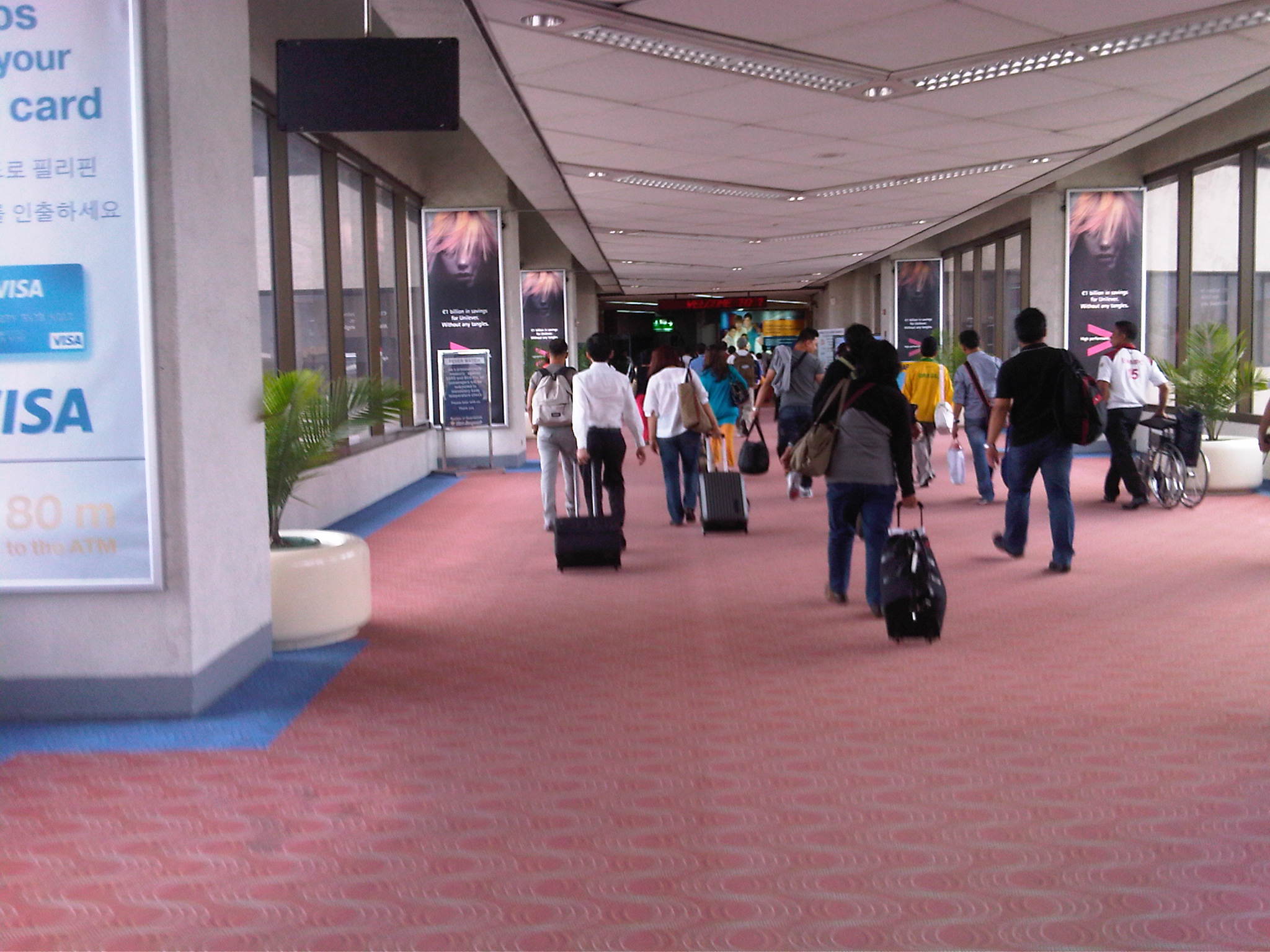 The corridors are spacious enough and the walk is not so long to require moving walkways or “walkalators.” There are staff and equipment at the end of the corridor scanning for indications of high body temperature usually associated with flu.
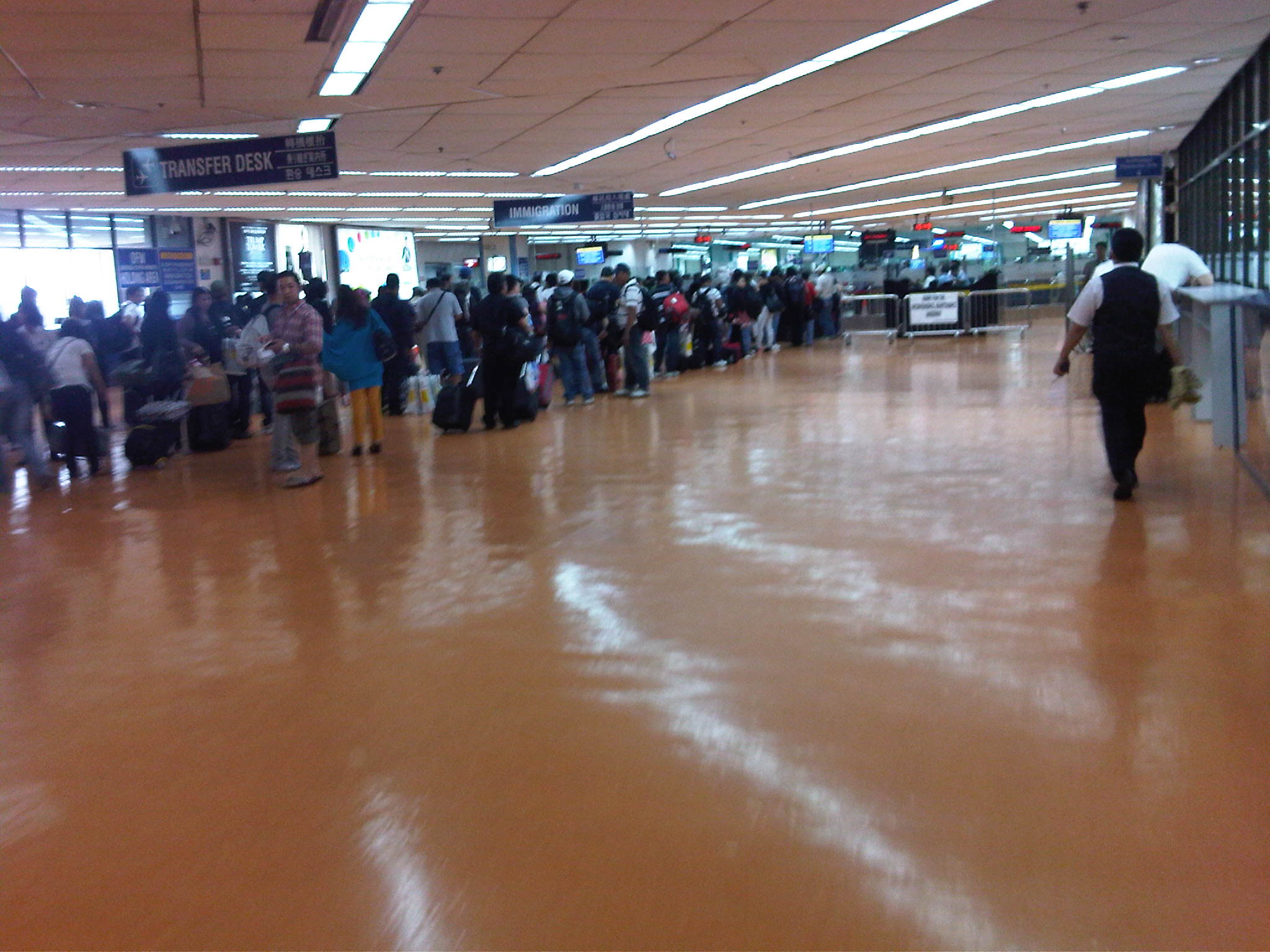 There are still long queues at the immigration counters despite additional booths and personnel posted at Terminal 1.
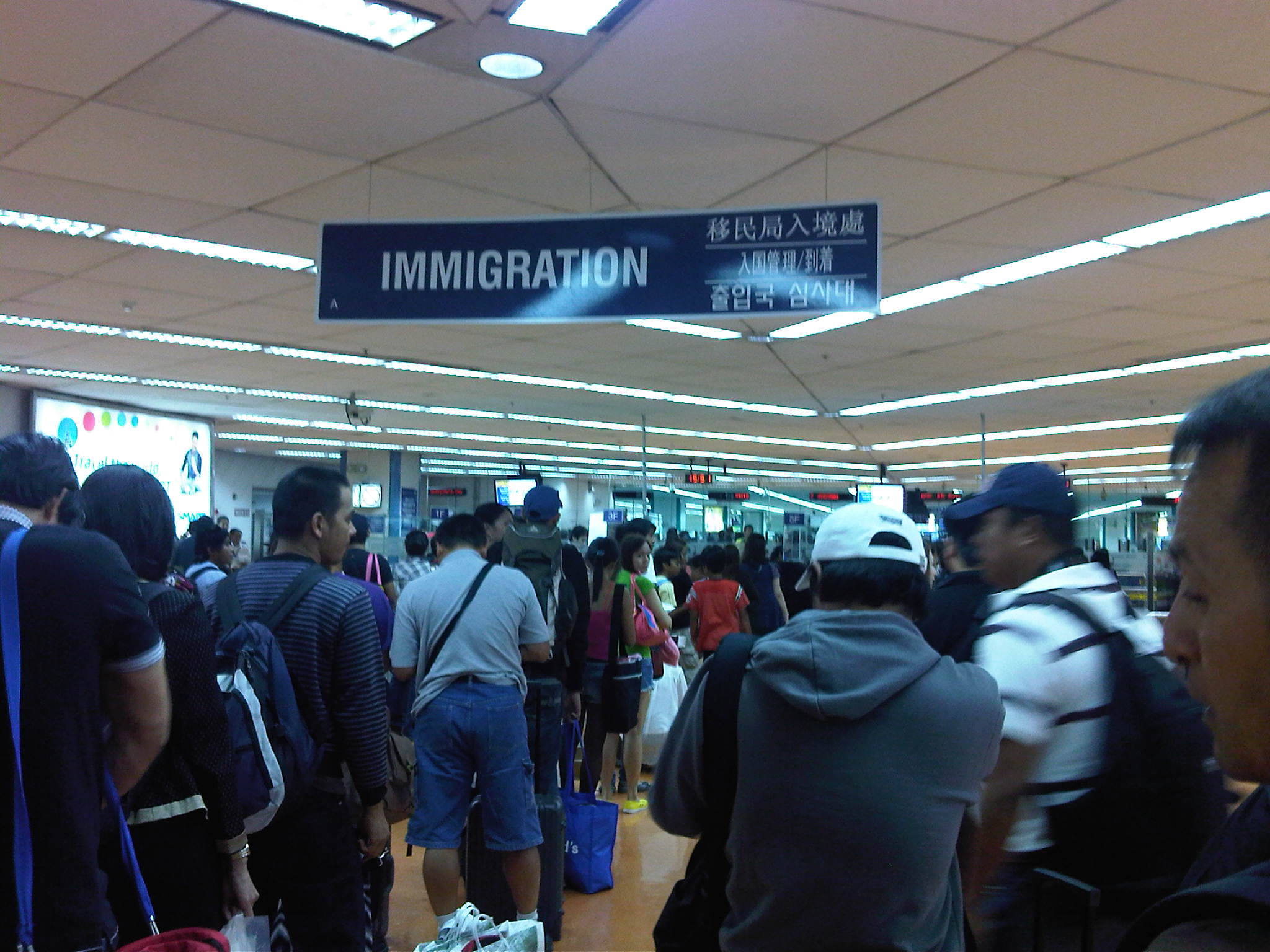 There are separate counters for Philippine passport holders and those bearing passports from other countries. Previously, there were special counters for Overseas Foreign Workers (OFW).
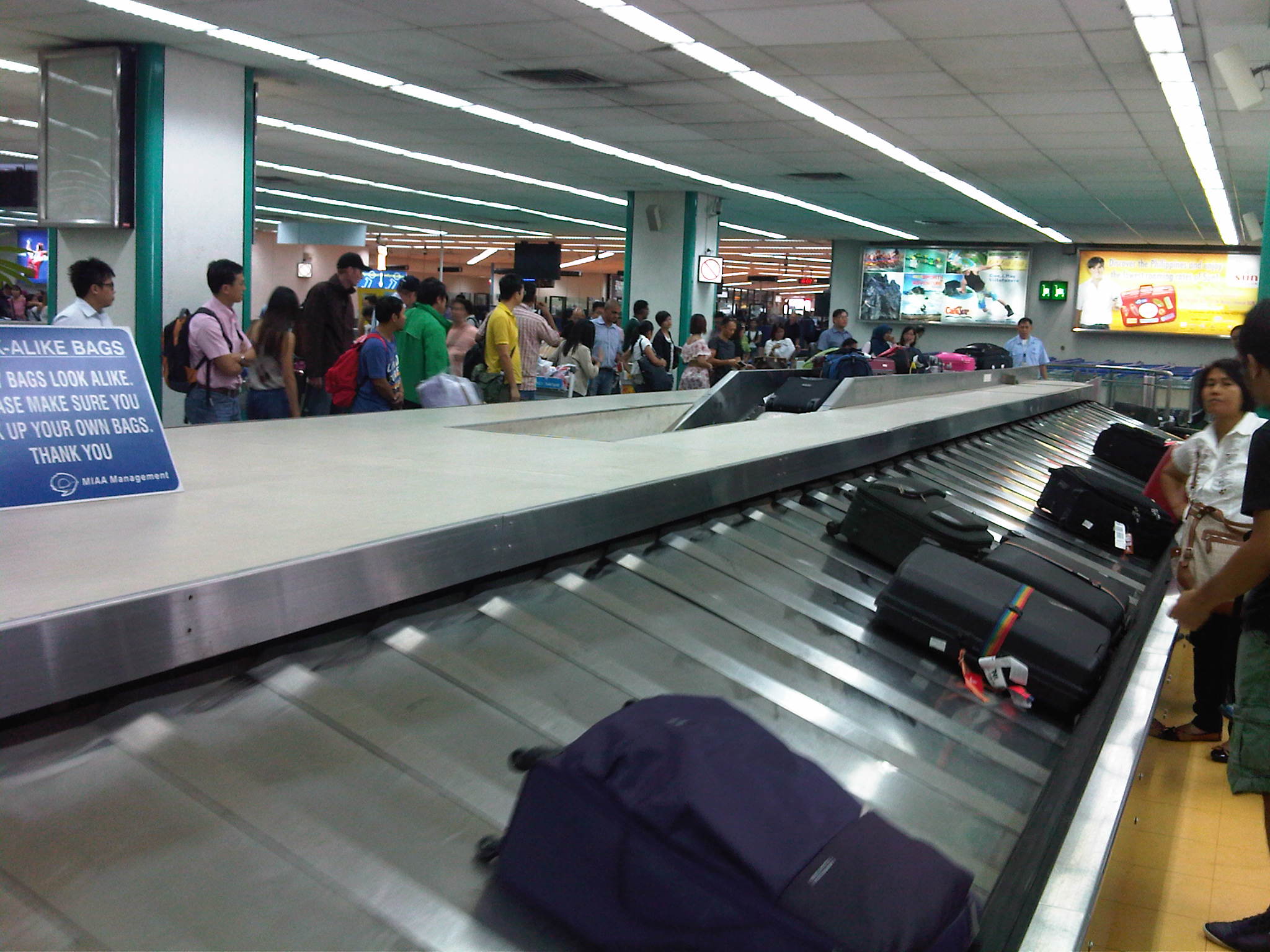 Checked-in luggage emerge and move along at the carousel for our flight.
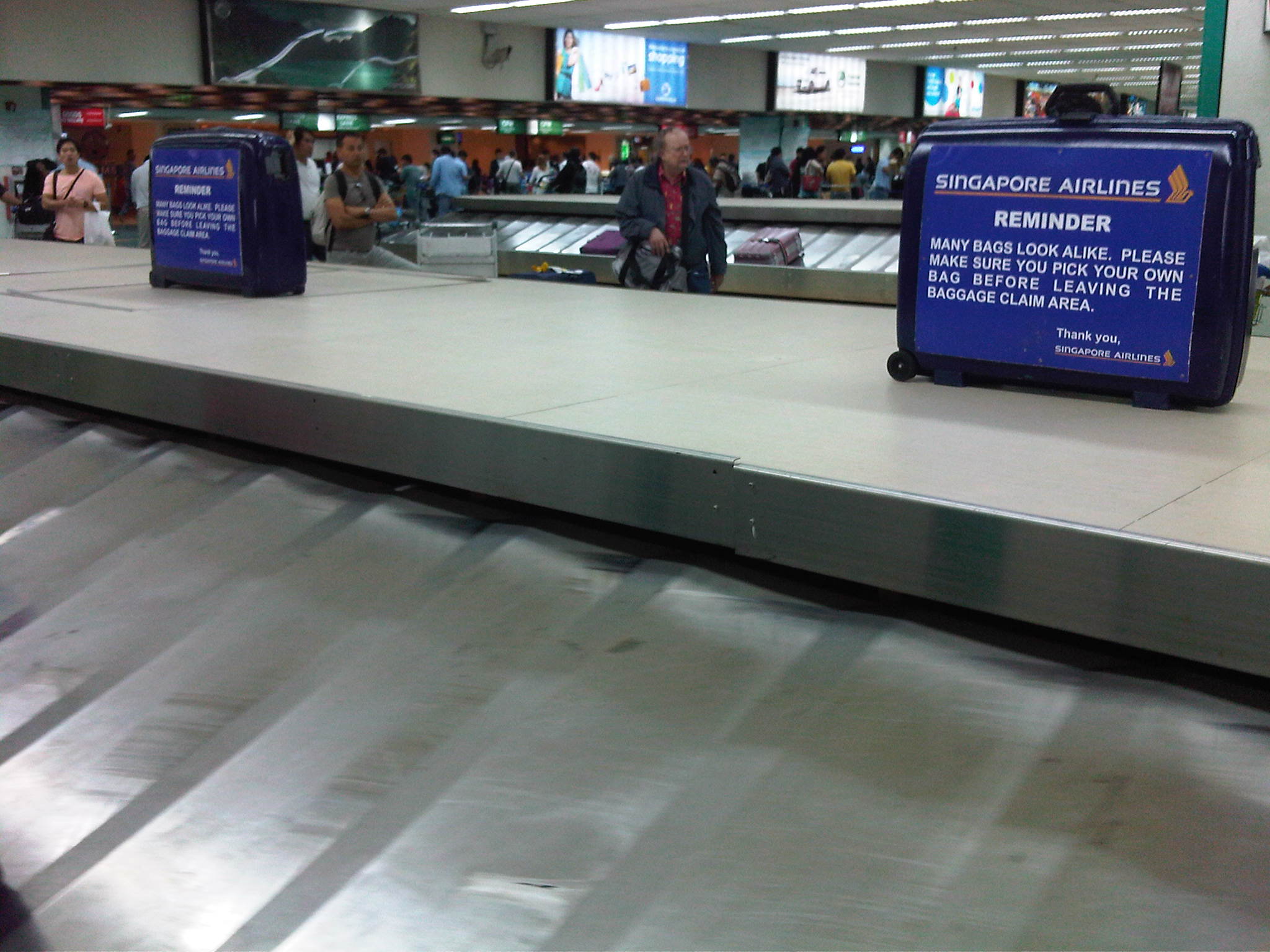 Singapore Airlines placed these signs on old luggage to caution passengers on picking up or identifying luggage from the carousel.
–
 Caught (up) in traffic