
Home » Posts tagged 'road safety'
Tag Archives: road safety
Diskarte sa tag ulan – child rider safety
Sharing this photo of a child taking cover from the rain using her adult companion’s jacket. it is obviously not a safe situation or set up but perhaps it suffices for the moment.
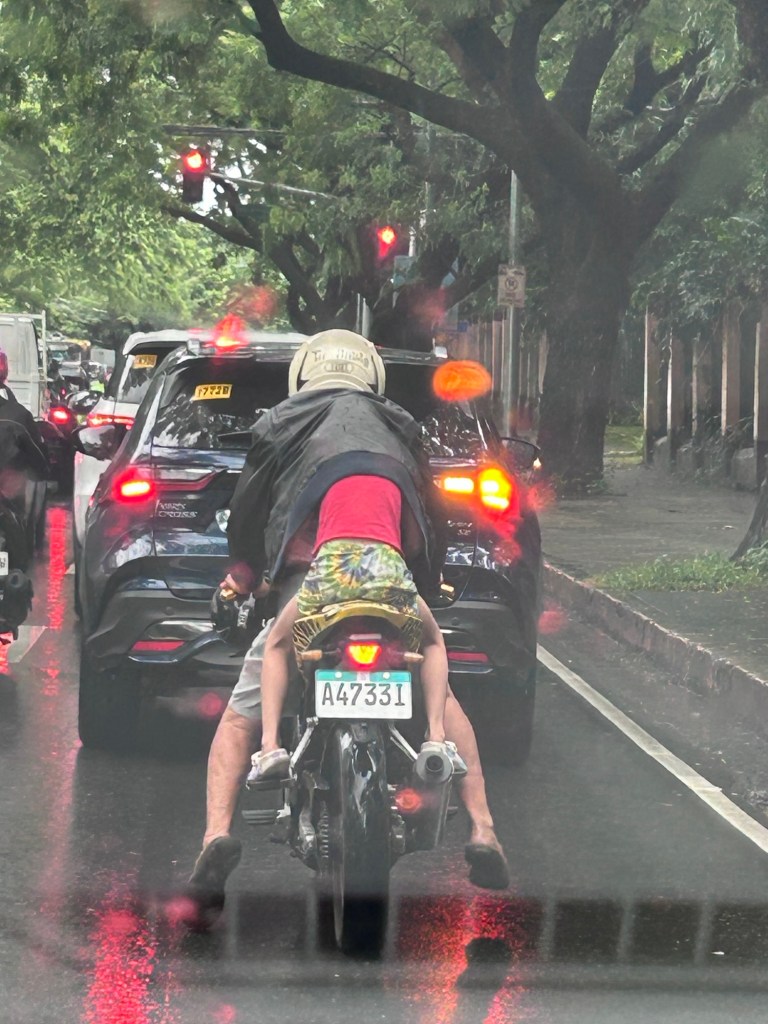
Kids should have the necessary gear like a child- sized helmet for safe riding and a jacket or coat to protect the kid from the rains. The provision of these is the responsibility of adults particularly the parents or guardians of the child.
–
Drones for road safety assessments
We recently started a research collaboration with a Belgian university where we will be using drones to conduct a more comprehensive survey around schools. The drones will be able to capture wider areas where conflicts can be identified; ultimately allowing us to determine solutions for various situations in schools zones.
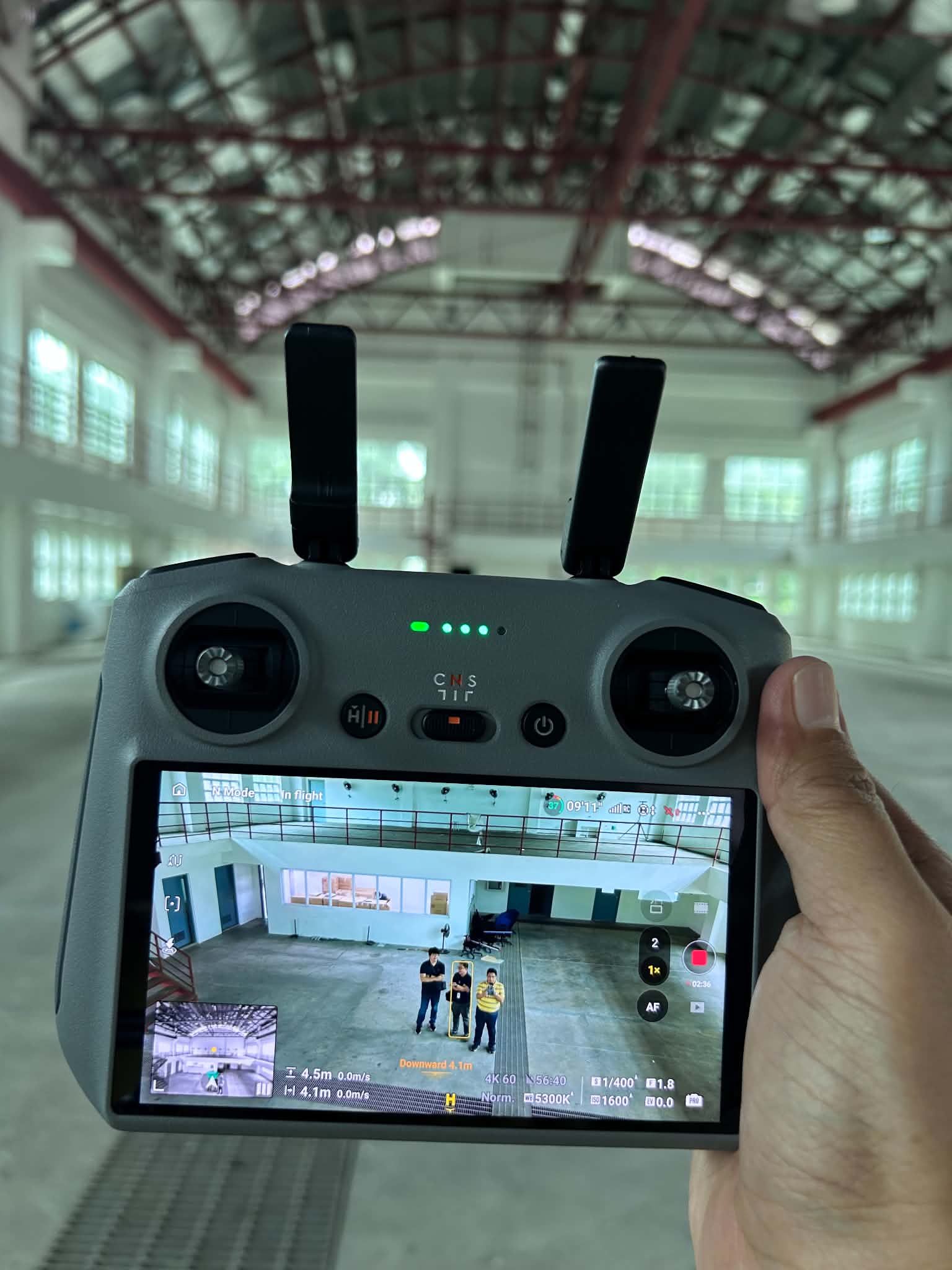 We had scheduled many activities last week but the weather did not cooperate. And so we had to improvise. That meant some indoor training on using the drone.
–
Alternative reasons for the rise of SUVs in the Philippines
I recently shared an article about the rise of large vehicles in the US and how they have negatively affected road safety in that country. There are mentions there of the elements that led to people preferring SUVs including the usual technical specifications of SUVs and trucks (what they call the pick-up) that proliferate US roads. These are probably safer for transport from the perspective of the occupants including the driver. However, they are unsafe to other road users especially pedestrians and cyclists. I guess the reasons for owning large vehicles are similar for the Philippine case but there are other stories and reasons behind the preference of large vehicles in many parts of the country. A couple of these are quite common reasons that has nothing to do with people having car-centric mindsets. The latter is probably far from their consciousness.
One reason for preferring larger vehicles is practicality. I first encountered this reason during vacations in Iloilo in the 1970s and 1980s. People had pick-ups and owner type jeeps built for the rough roads at the time. Cars would not have survived the road conditions with the shock absorbers and tires being the first to go. This would probably be the same reason in other provinces as well. The unpaved and poorly maintained roads necessitated pick-ups and the SUV models of those times. Eventually, these evolved into the Pajeros, Patrols and Land Cruisers and later the Monteros, Everests and Fortuners. Add to these the AUVs (e.g., Innova, Adventure, etc.) that also became preferences depending on the affordability to people.
Another reason for preferring larger vehicles is not just about practicality but survival. People from flood prone areas tend to have larger or taller vehicles. Ground clearance is a criteria for vehicles as these have to be able to navigate flooded highways and streets. Most flash floods are probably ankle or gutter deep. But there are more severe situations where floods can be knee or waist-deep. And so people preferred vehicles that can get them out of their flooded homes if not get to their not flooded home but via flooded roads. This comes from first hand experience. After Typhoon Ondoy inundated much of Mega Manila, sales of SUVs and AUVs were up. People replaced their vehicles with these rather than regular cars. They generally didn’t transfer homes as many decided to stay as they probably couldn’t afford to get a new hour or have gotten used to the flood situation in their places. Floods, after all, are seasonal and the Ondoys are not so frequent.
The stories or reasons I cited above are real and will probably be attested to by many who share the experiences in flood-prone and/or rural areas. These narratives though have been set aside or dismissed in favor of the car-centric narrative that’s the in thing these days. If we really look more deeply, the failures of infrastructure development, whether pertaining to basic roads or drainage systems, have tremendous impacts on our lives including our preferences for vehicle types or models. In fact, weren’t those also among the questions for resisting electric vehicles? Kaya na niyan ang rough roads? Kaya ba niyan ang ahon? Kaya ba niyan ang baha? Of course, housing location preferences and options (along with affordability) are also factors. Why live in a flood prone area after all? But that’s another topic that I plan to write about as well very soon. I think I wrote something about this here or in my other blog. I should write about it again and probably in light of the flood control projects that have been the hot topics these past months.
–
On the rise of large vehicles as preference of car-owners
Here is a quick share of an article I found about the rise of large vehicles including SUVs:
These vehicles have become quite popular and the preference of many vehicle owners in the Philippines as well. Owners will probably cite safety as their primary reason for purchasing these vehicles but other reasons would likely include passenger capacity (e.g., having many members of the household), and practicality (e.g., living in or regularly traveling along flood prone areas, etc.). The concern though is that the increasing numbers of these large private vehicles that includes SUVs and AUVs have probably led to a rise in the number of fatal road crashes involving them and pedestrians. I say probably here because there are no formal studies locally like the one in the article above.
–
New wide roads lead to more crashes?
I was in Tagaytay several times the past year and recently and couldn’t help but notice all the wide and widened roads in Cavite Province. Driving our vehicle, I also noticed how many were speeding along these roads and that many refuse to give way at intersections unless it’s signalized. We caught the terrifying images of a fresh crash this morning as we traveled home from Tagaytay. There were three wrecks at the intersection of the Crisanto Delos Reyes Road and the East West Road. It took quite some time for the rescue people to get there based on how long we got stuck in traffic just a few hundred meters from the crash site.
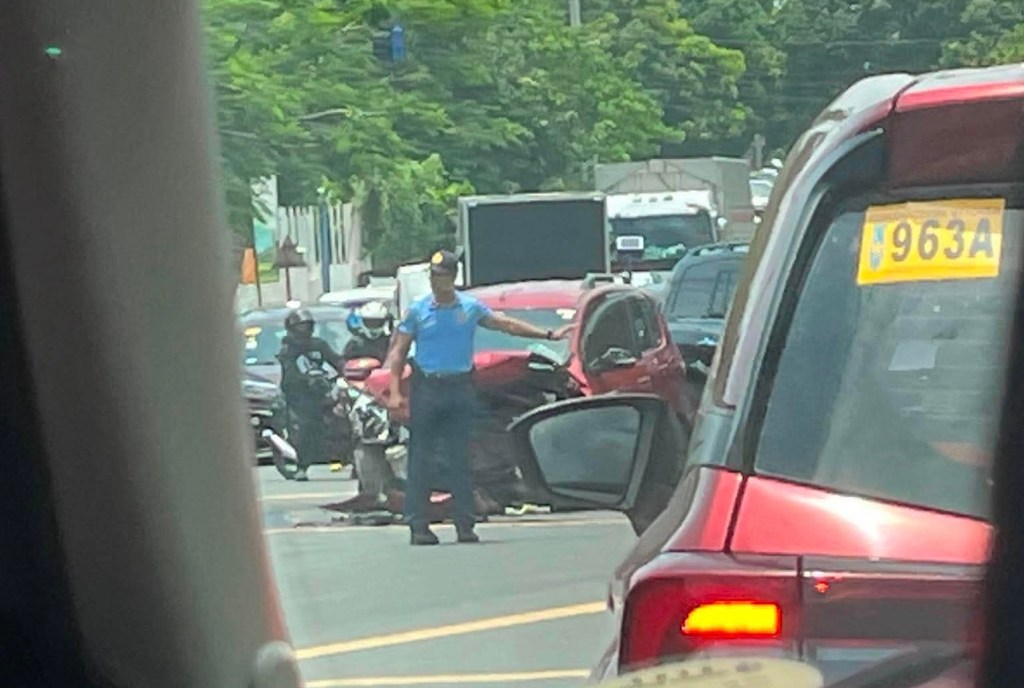
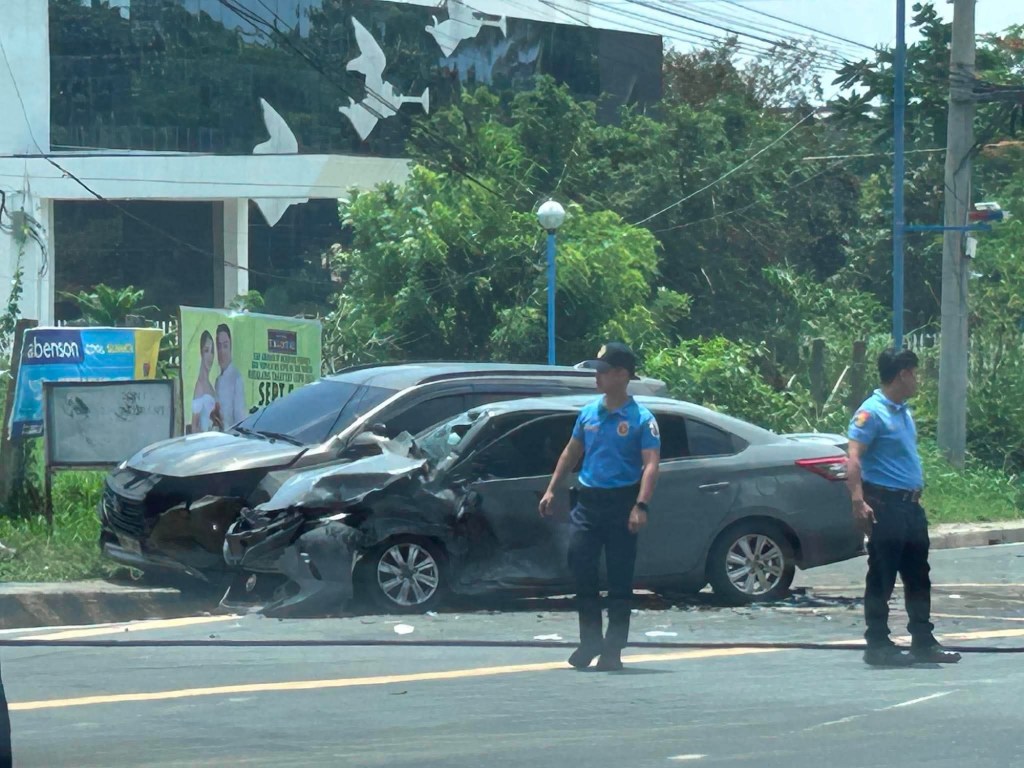
Wide roads and aggressive driving are just two major factors or contributors towards road crashes. I wonder what are the crash rates along these roads in Cavite Province. I also wonder how fast first responders, especially medical staff, could arrive on site for these crashes. The police were there first but looked helpless and couldn’t attend to those involved in the wrecked cars. Are they even trained for first aid? Or was this part of their training to just wait for competent medical staff to arrive?
–
Article share – My provocative proposal: Want a roadway safety movement? Ditch the engineers.
Here’s a quick share of an article on who should be involved in road safety:
Source: My provocative proposal: Want a roadway safety movement? Ditch the engineers.
On reducing deaths due to road crashes
Following is a link to an article on the increase in road crash-related deaths in Singapore. The city state prides itself as one of the safest places in terms of transportation yet road crash deaths recently hit a 10-year high.
From the article:
“Cellphone-related driving violations surged 39.1% to 4,193 cases, the report showed. Motorcyclists, who make up just 15% of Singapore’s vehicle population, accounted for 54.8% of all traffic accidents and 53% of fatalities.
Speeding violations jumped 25.9% to 253,550 cases, equivalent to roughly 695 motorists caught daily. While speeding-related fatal accidents dipped from 46 to 41, red-light running accidents surged 27.1% to 122, resulting in seven deaths. Drink-driving accidents fell from 166 to 156, but the number of fatal drink-driving accidents held steady at 12 in both years…
…”Road safety requires a culture of mutual respect and graciousness among all road users,” the police force said. “Simple acts of courtesy, such as maintaining a safe following distance of at least three seconds, giving way to pedestrians, reducing speed near junctions and being patient during peak hours, can create a better road culture.” “
What can we learn from Singapore’s experience? Are we capable and equipped to improve road safety in the Philippines? Can we be more courteous, respectful and gracious in the way we drive or behave as road users?
–
On the dangers of drowsy driving
Here’s another quick share of an article on road safety. This one is about drowsy driving, which is said to be more dangerous than drunk driving. Drowsy here is equated to being sleepy – for whatever reasons may have led the driver to be drowsy. Perhaps lack of sleep, fatigue or being simply tired, or maybe due to food or medication he/she took before driving.
Here is the link to the article, which has a link to the report referred to in the article:
https://www.ghsa.org/news/drowsy-driving-new-data-analysis
From the article:
“…several strategies to combat this dangerous behavior:
-
Start with prevention: Promoting healthy sleep habits for everyone – especially for teens as they begin their driving journey – is essential. Drivers should practice good “sleep hygiene,” which includes sleeping in a quiet, cool, device-free environment and avoiding caffeine or alcohol before bed.
-
Vehicle technology that’s available now: Advanced Driver Assistance System (ADAS) features can monitor for telltale signs of drowsiness (like yawns or long blinks) and issue visual, auditory or haptic alerts to tell drivers to take a break. Notably, none of the current systems prevent a driver from ignoring them and continuing to drive, or from turning them off entirely.
-
Change the culture at work and school: Employers should implement responsible scheduling and travel policies to minimize fatigue. School districts can consider shifting high school start times later in the day to help teens get more rest. One study of high school student drivers found significantly lower crash rates with a later school start time.
-
Build more, smarter infrastructure: Infrastructure changes such as rest stops, rumble strips and cable median barriers can help prevent drowsy driving, wake drivers up or reduce the severity of a run-off-the-road crash.”
–
On at-grade crossings and footbridges
Here’s a quick share of an article on how at-grade crossings are generally better and preferred over footbridges:
When Footbridges Cost Lives and At-Grade Crossings Save Them
The article effectively articulates the case for at-grade crossings and presents the facts and references in support of these crossings. I will only add here that context is still important along with an appreciation or understanding of the volume of traffic and occupancy of vehicles along the roads. Commonwealth Avenue, for example, requires footbridges but there should be better designs for these footbridges than the current ones along this highway. I think we lack good designs that we can refer to and this leads to a summary dismissal of footbridges where they are actually most suitable.
–
A quick note on road safety parks
A new road safety park is to open today in Muntinlupa City in Metro Manila. While the objectives of the park appear to be clear enough to most people, I’ve seen some unusual reactions vs. the park. Instead of stating my piece about this and road safety parks, I will just share a couple of links on similar facilities in two countries in our region where road safety is strongly advocated not just by private citizens but by their governments:
Road Safety Park in Singapore: https://www.torque.com.sg/features/singapores-road-safety-community-park-was-built-30-years-ago/
Traffic Garden (Taman Lalu Lintas) in Malaysia: https://www.facebook.com/share/p/1BF8ruywsZ/
You can also try to Google other road safety parks or gardens in other countries to see other examples of these and how other cities have utilized the parks to promote road safety especially among children. It is better to learn about these parks and perhaps recommend how these can help rather than start shooting from the hip to discredit these and their proponents.
[Note: The MMDA has a road safety park in Manila that is patterned after the Malaysian and Singapore examples.]
–
 Caught (up) in traffic