
Home » Posts tagged 'safety'
Tag Archives: safety
The need to be alert while walking, jogging or running in campus
With the recent bad weather, I noticed a big decrease in the number of visitors to the UP Diliman campus. Most of these walk, jog or run for health or recreation. Many of these are often lost in their conversations or too focused on their activity that they become unaware of the dangers of moving under large trees whose branches might fall on them anytime. It is especially true during the wet season and when there are typhoons or storms. The water and wind often bring down the older branches and one can get serious injuries perhaps even die should a large branch fall upon them.
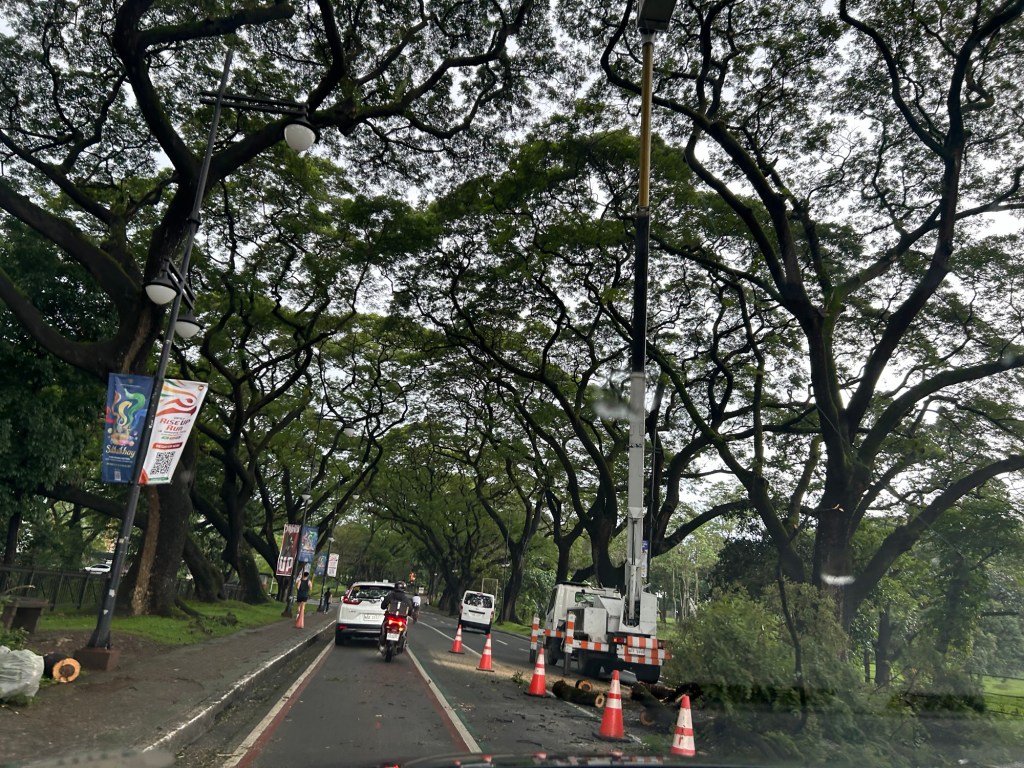
Walkers, joggers and runners (let’s also include cyclists/bikers) need to be aware of these dangers. I myself had a few near misses in the past while walking around the Academic Oval. I know people who have been injured by falling branches while they went around.
–
The need to be alert while walking, jogging or running in campus
With the recent bad weather, I noticed a big decrease in the number of visitors to the UP Diliman campus. Most of these walk, jog or run for health or recreation. Many of these are often lost in their conversations or too focused on their activity that they become unaware of the dangers of moving under large trees whose branches might fall on them anytime. It is especially true during the wet season and when there are typhoons or storms. The water and wind often bring down the older branches and one can get serious injuries perhaps even die should a large branch fall upon them.
Walkers, joggers and runners (let’s also include cyclists/bikers) need to be aware of these dangers. I myself had a few near misses in the past while walking around the Academic Oval. I know people who have been injured by falling branches while they went around.
–
Senseless road crashes
My staff shared the following cctv footage of a recent road crash along C.P. Garcia Avenue just across the College of Science Complex in UP Diliman. The videos show two vehicles colliding along the road at nighttime. This is usually a busy road with traffic to and from Katipunan, mostly comprised of travelers associated with the schools I the area.
https://www.facebook.com/share/v/17MPeJnrCk/
The black SUV appears to be speeding and suddenly veered towards the opposing lane where it collided with another vehicle. It is unclear if the driver lost control of the vehicle or was aware of what he was doing. That cost 2 lives as both drivers reportedly died from the crash.
This is among those crashes that can be regarded as senseless incidents. This could have been avoided if the driver was not speeding in the first place or perhaps was not influenced by any factor like alcohol or drugs. Perhaps it’s really about the behavior of certain motorists who shouldn’t have licenses to drive in the first place? We commonly refer to them as kamote drivers or riders. The LTO should do their part in ridding the roads of these menaces.
–
On reckless driving and riding, road rage, and kamotes
A story went viral a couple of weeks ago about a motorcycle rider getting shot by a driver. Many discussions and videos have been shared with some sympathetic to the driver and others to the riders. One thing is definite from the videos shared when you filter the commentaries and biased opinions – both the driver and the riders are guilty of reckless driving or riding. With all due respect to the root crop often invoked and associated with these kinds of motorists, kamotes as they are called seem to have increased no thanks to many of these learning to operate motor vehicles without being properly trained, oriented, evaluated and tested if they deserve having licenses. The increase and documentation of incidents of road rage should be taken very seriously by the LTO and serve as reference for improving the licensing system.
Here’s an informative material on reckless driving from the National Center for Transportation Studies’ Road Safety Research Laboratory:
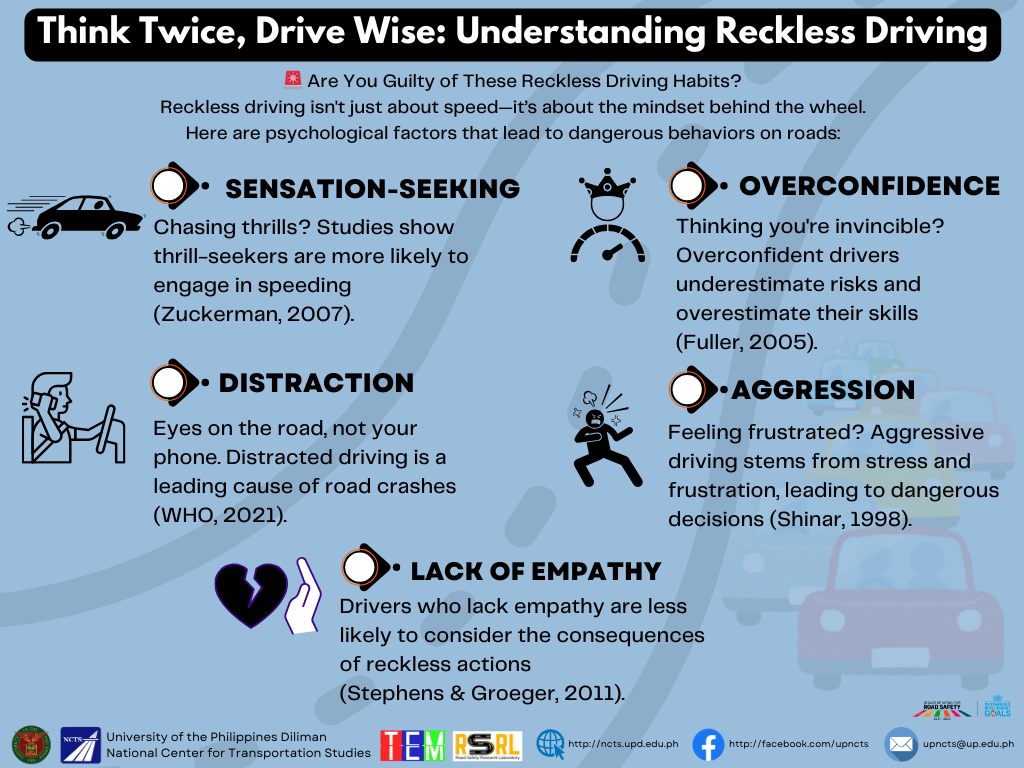
This Holy Week, there are many who are using the roads whether for long distance travel (e.g., spending the holidays in their hometowns away from the metro) or for the typical religious trips (e.g., pilgrimages, Visita Iglesia, etc.). Motorists should exercise caution as they drive or ride. We should be more mindful of the impacts of our behavior to other travelers whom we share the roads with.
Safe travels to all!
–
Old Versus New Traffic Safety Paradigms
Here is a quick share of an article on road safety:
Source: Old Versus New Traffic Safety Paradigms
To quote from the article:
“This issue is, of course, complex. Vehicle travel reductions are not the only way to reduce crashes — traditional traffic safety strategies are also important, and the two approaches are often complementary. For example, many targeted traffic safety strategies such as graduated driver’s licenses, special driver’s tests for seniors and anti-impaired driving campaigns become more effective and politically acceptable if implemented with multimodal planning, TDM incentives and Smart Growth policies so youths, seniors and drinkers can find convenient alternatives to driving.”
–
On the collapse of a bridge in Isabela
A hot topic these days is the collapse of a span of a newly built bridge in Isabela. The alleged causes of the collapse included truck overloading, design flaws and inferior construction. Initial news reports and statements put the blame on the trucker and the designer with only a few suspicions thrown at the contractor. And then the current President of the country together with his DPWH Secretary inspected the site together. BBM was later quoted as saying the cause was a design flaw.
The bridge’s designer came out to state that it is not his fault. That could have been perceived as a self-serving statement until you delve into his explanation and check his credentials. The designer happens to be one if not the most experienced bridge engineer in the country. He obtained his Bachelor’s and Master’s degrees in reputable institutions (UP and Virginia Tech in the US, respectively). He taught bridge engineering in universities and is perhaps instrumental in civil engineers choosing to specialize in bridges. And he was a past president of the Association of Structural Engineers in the Philippines (ASEP). He knew what he was doing and the process requires for his design to be reviewed and approved by the DPWH prior to having the bridge constructed. If it passed the DPWH review and approval process, then it should be determined if the contractor was faithful to the execution of the design. Photos spreading over social media shows problems where the structure failed. And the quick assessment of many who are knowledgeable about structural engineering and construction is that apparently, the failure is due to the construction.
What happened? Wasn’t construction progress monitored? Were there inspections to determined whether the design was followed? One result of the suspicions being thrown at the people responsible for the bridge is the proliferation of ‘corruption’ as the root cause of the collapse. There are already clever memes of the bridge employing ‘steal design’ and ‘steal reinforcement’ obviously replacing ‘steel’ in the terms. While we inject humor into the situation, we cannot deny how serious the matter is and the implications of design specifications as well as the emergence of new truck types with higher payloads is to pavement engineering in general and bridge engineering in particular.
–
On bike lanes contributing to safer roads
Do bike lanes make roads safer? There are obviously mixed reaction to this question especially if you look as social media. If we are level headed about this topic and look at the evidence out there, the answer is yes. But there can be caveats as we try to contextualize in the local setting. The formal studies so far are in countries where the drivers arguably more disciplined than ours here in the Philippines. Driver behavior, after all, is a major factor for road traffic safety. Here is a good article for reference in the discussions and arguments for bike lanes:
Tu, Maylin (November 5, 2024) “How Bike Lanes Slow Drivers and Save Lives,” Next City, https://nextcity.org/urbanist-news/how-bike-lanes-slow-drivers-and-save-lives [Last accessed: 11/10/2024]
To quote from the article:
“Bike lanes with physical delineators (cones or bollards) were more effective than paint-only lanes at calming traffic, echoing a popular mantra for bike activists: “Paint is not protection.” (The lanes were not protected, however, because drivers could drive over the delineators.) For vehicles turning right, top speeds were reduced by 28% and average speeds by 21%. Paint-only bike lanes slowed driver speeds by up to 14% and drivers going straight slowed down by up to 8%…
The study adds that pop-up bike lanes are a cost-effective solution for studying the effects of more permanent solutions — after all, you could just borrow the traffic cones. A city could quickly implement pop-up or temporary infrastructure. Then, armed with data and community feedback, they could invest in making the changes permanent.”
The article also points to a technical paper or scientific article on the traffic calming effect of bike lanes. Here is the link to the article published in the Journal of Urban Mobility: https://doi.org/10.1016/j.urbmob.2024.100071
–
Foggy roads in Tagaytay – Part 1
It’s been a while since the last time I was in Tagaytay. We used to go there at least once a month. Eventually, we grew tired of the traffic and the city becoming quite crowded. Of course, our schedules also became more busy so the drives for a weekend getaway turned into trips for music lessons (for our daughter) and meet-ups with friends. It was a welcome return last July when I had to go to Tagaytay Highlands for a meeting and then join up with our college for a workshop on the other end of the city. Here are some photos of the foggy roads that reminded me of the Tagaytay of old.
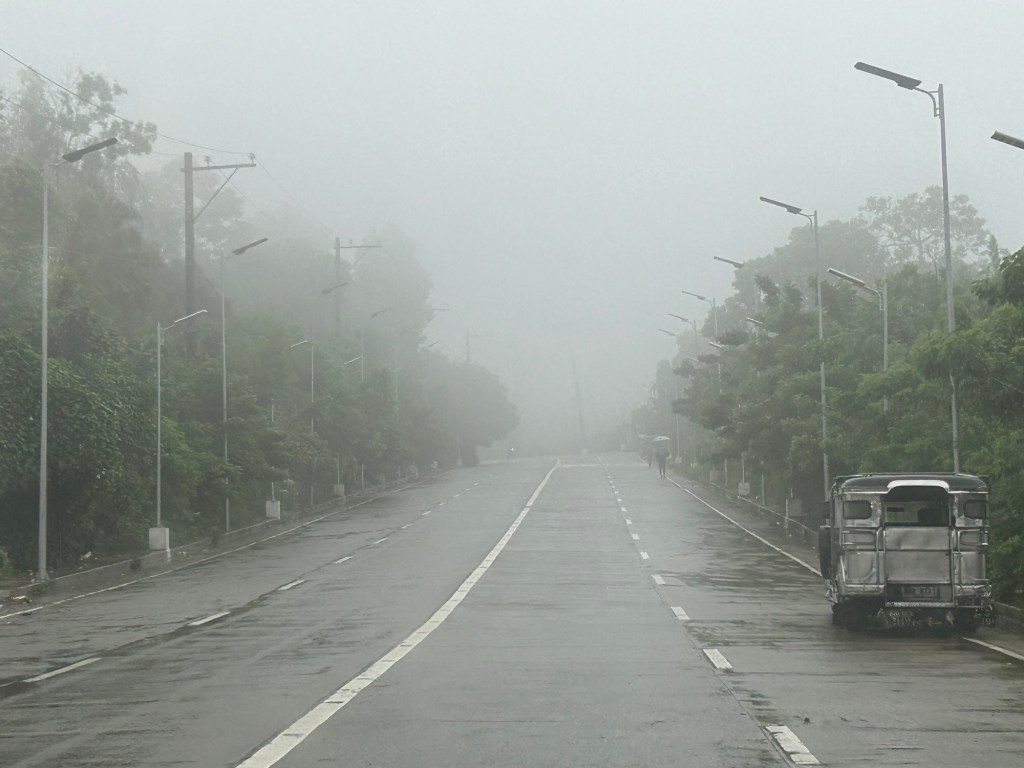
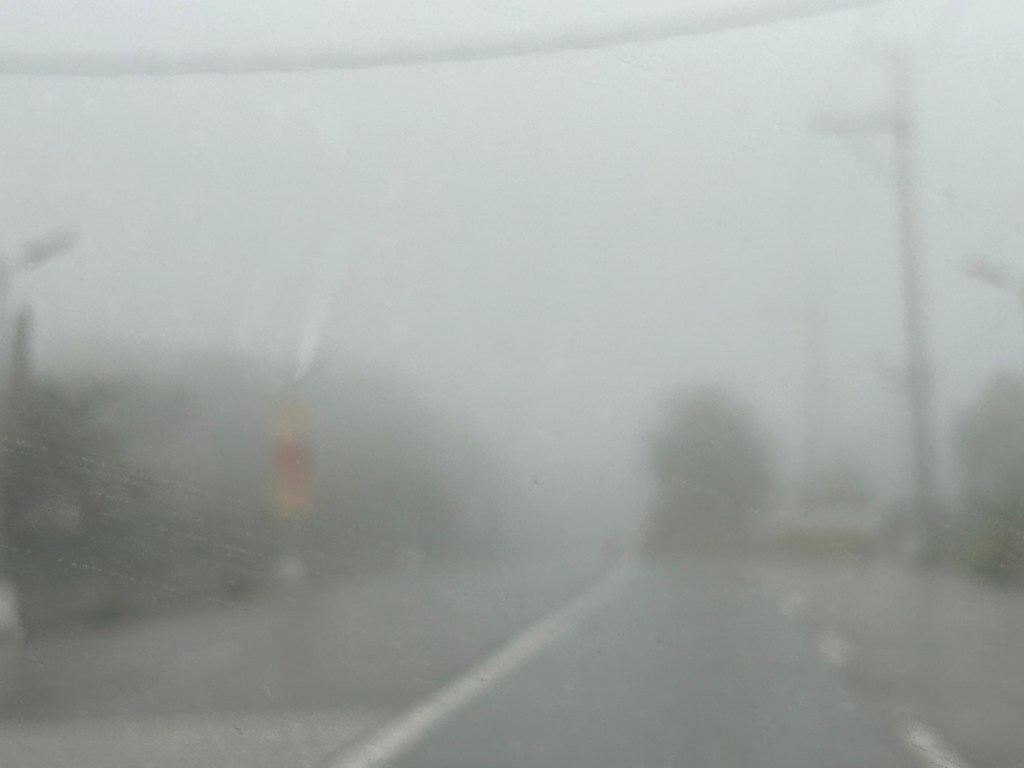
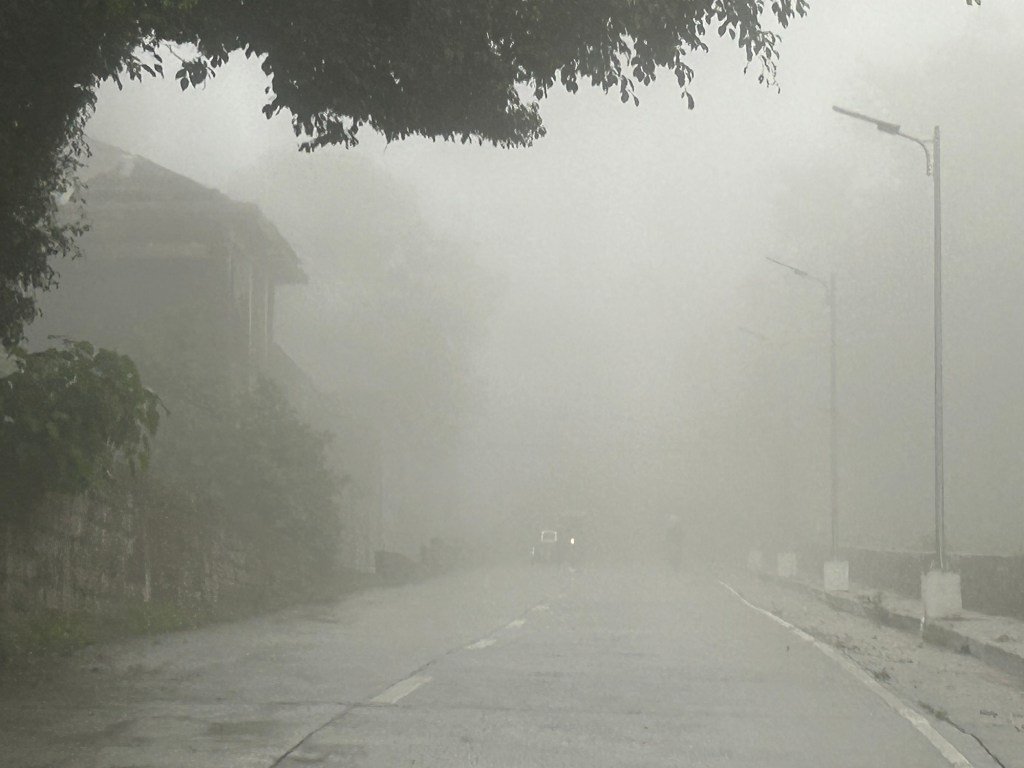
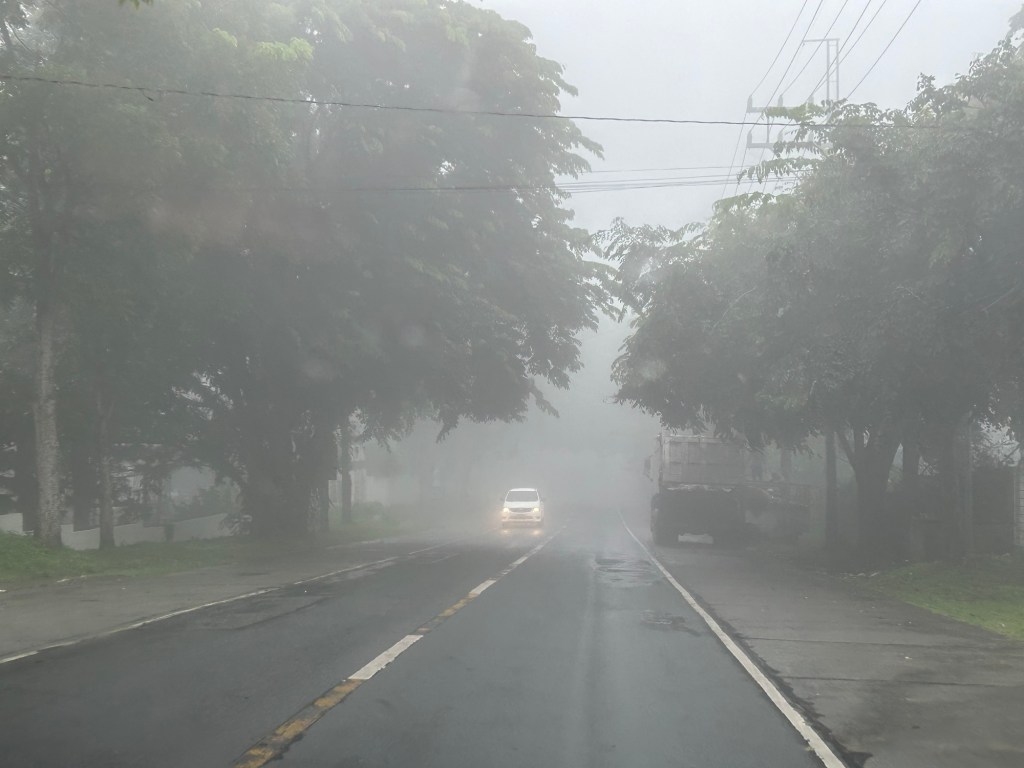
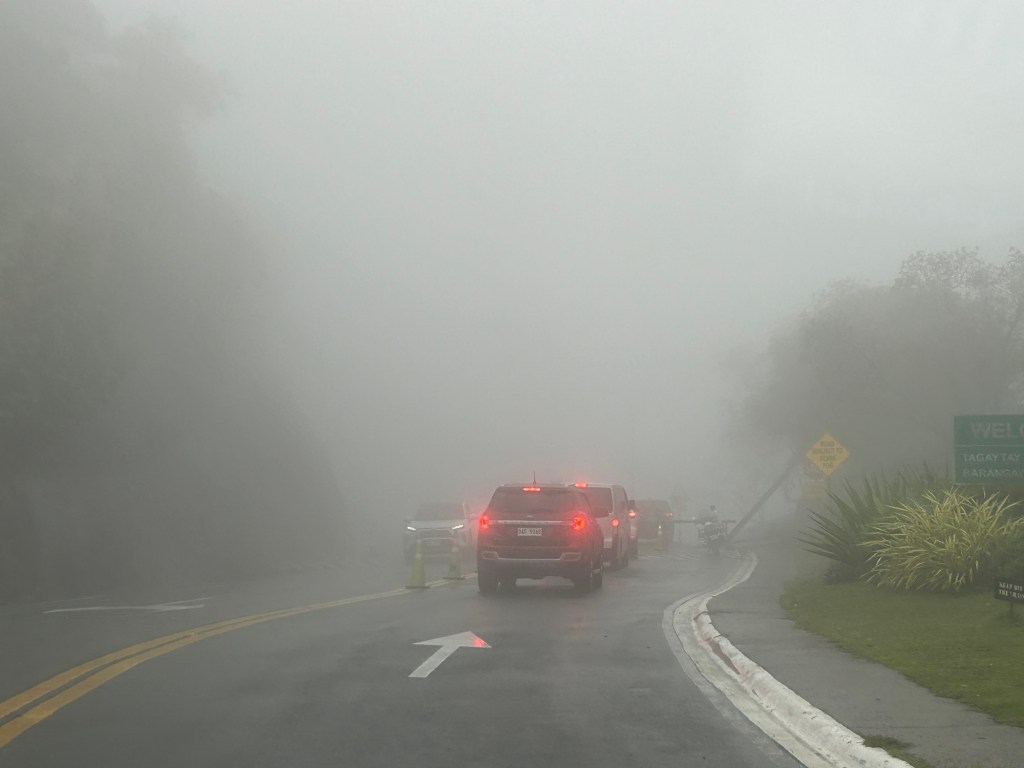
More photos of the foggy roads in the next post!
–
On the impact of bike lanes on motor vehicle traffic
With the news that bike lanes will be removed along major roads including, most recently, I share some findings from the US about a decrease in traffic speeds when there are protected bike lanes. The decrease in speeds are associated with a reduction in road crashes, ergo safer streets.
McPherson, K. (June 3, 2024) “Traffic Speeds Decrease When Bike Lane is Present,” Rutgers.edu, https://www.rutgers.edu/news/traffic-speeds-decrease-when-bike-lane-present [Last accessed: 6/8/2024]
To quote from the article:
“They found that the presence of the delineated bike lane made a difference: a 28 percent reduction in average maximum speeds and a 21 percent decrease in average speeds for vehicles turning right. For those heading straight and not turning, a smaller speed reduction of 8 percent was observed. In addition, drivers moving at a perpendicular angle to the bike lane did not slow down.
Marking the bike lanes with cones as a clearly delineated space was more effective at reducing speed than a painted-only bike lane. The painted-only bike lane was associated with a smaller speed reduction of between 11 percent and 15 percent, but only for drivers turning right.
Younes hypothesized that drivers slow down when they see a bike lane marked with the cones because the driving lane is narrower and requires more concentration, and it’s easier to notice cones or planters or some other space delineator than it is to spot painted lines on the road surface.”
Of course, one major element that was probably not considered in their studies is the presence and behavior of motorcycle riders. Motorcycles here frequently enter and use bike lanes whether protected or not. Often they crowd out bicycle users leading to situations where riders of motorized and non-motorized 2-wheelers come into conflict. Still, it would be nice to have a study to determine not just whether there are similar outcomes here but to what extent as well as how motorcycles figure in the study.
–
Extreme turbulence during air travel
Transport-related news last week included a report about a Singapore Airlines B777 jet flying to London from Singapore that had to make an emergency landing in Bangkok due to extreme turbulence experienced. Many people were seriously injured when the plane suddenly ascended (“tilted up” as some news reports state) and then abruptly descended, resulting in people being tossed up and hitting the compartments above their seats. Obviously, these passengers were not wearing their seatbelts at the time. Otherwise, they would have been restrained to their seats. It is likely that the turbulence was not anticipated by the pilot as they usually advise passengers to put on their seat belts if turbulence was expected at any time during a flight.
The incident raises concerns about extreme and sudden turbulence occurring during flights. I guess this may happen anytime and aircraft instruments may not be able to tell the crew about an impending incident like this. Will such an incident have a significant impact on air travel? Perhaps not if these incidents remain rare. There should be records and monitoring of factors or elements leading to such incidents in order to establish the likelihood of these happening. Incident records will also show if there is an increasing frequency as well as the number of people killed and injured. Such information would be vital as more people use aviation for travel and there are more aircraft activity around the world.
As a precaution, it is good practice not to remove your seatbelt while seated in flight. If it’s tight, then loosen it. At least you have some restraint in case of incidents where the aircraft encounters sudden turbulence.
–
 Caught (up) in traffic