
Home » Posts tagged 'traffic calming'
Tag Archives: traffic calming
Traffic calming devices in the vicinity of schools – speed tables
Traffic calming devices are an effective means to reduce speeds especially where there are many pedestrians crossing the streets. These are usually applied near schools where there are significant numbers of pedestrians, particularly schoolchildren. Following are examples of raised crossings or speed tables located at the approaches and exits of an intersection in Naga City. These are located at the intersection of J. Hernandez Avenue and P. Burgos Street. Burgos leads straight to the main gate of the University of Nueva Caceres. However, there is no raised crossing for Burgos. There are only those for both legs of Hernandez.
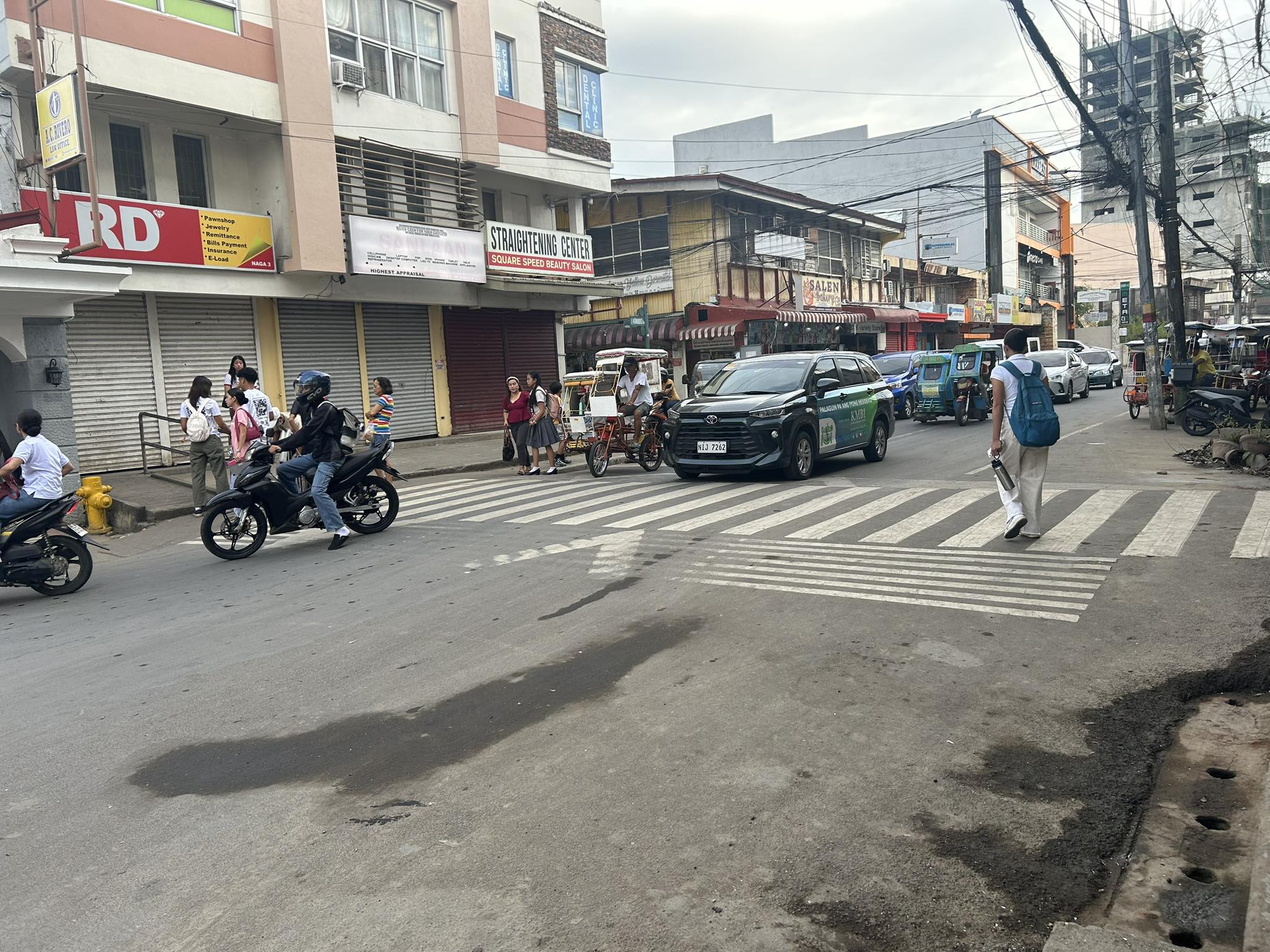 Speed table along north approach of J. Hernandez Avenue
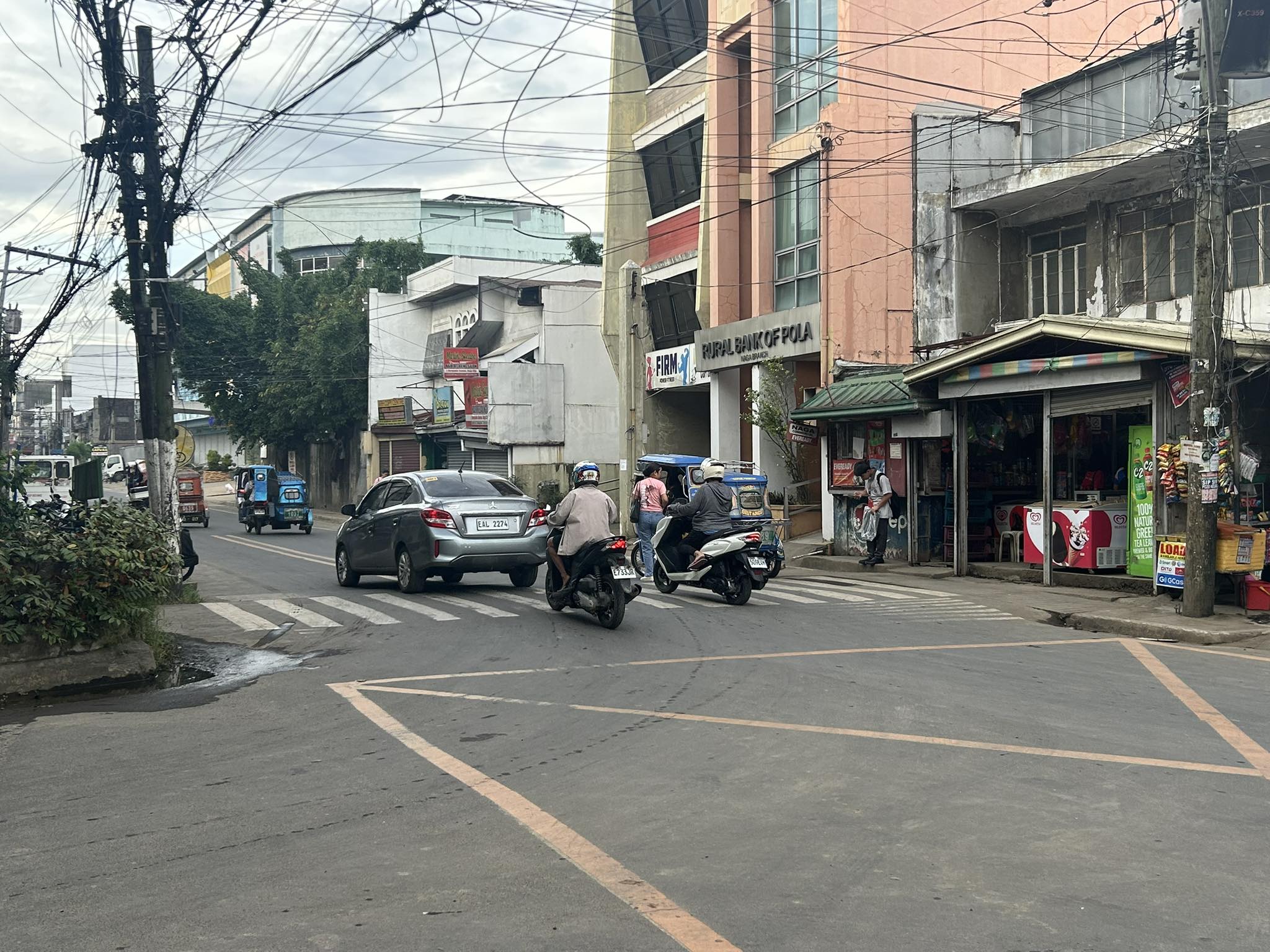 On the other side, there is another raised crossing along J. Hernandez Avenue.
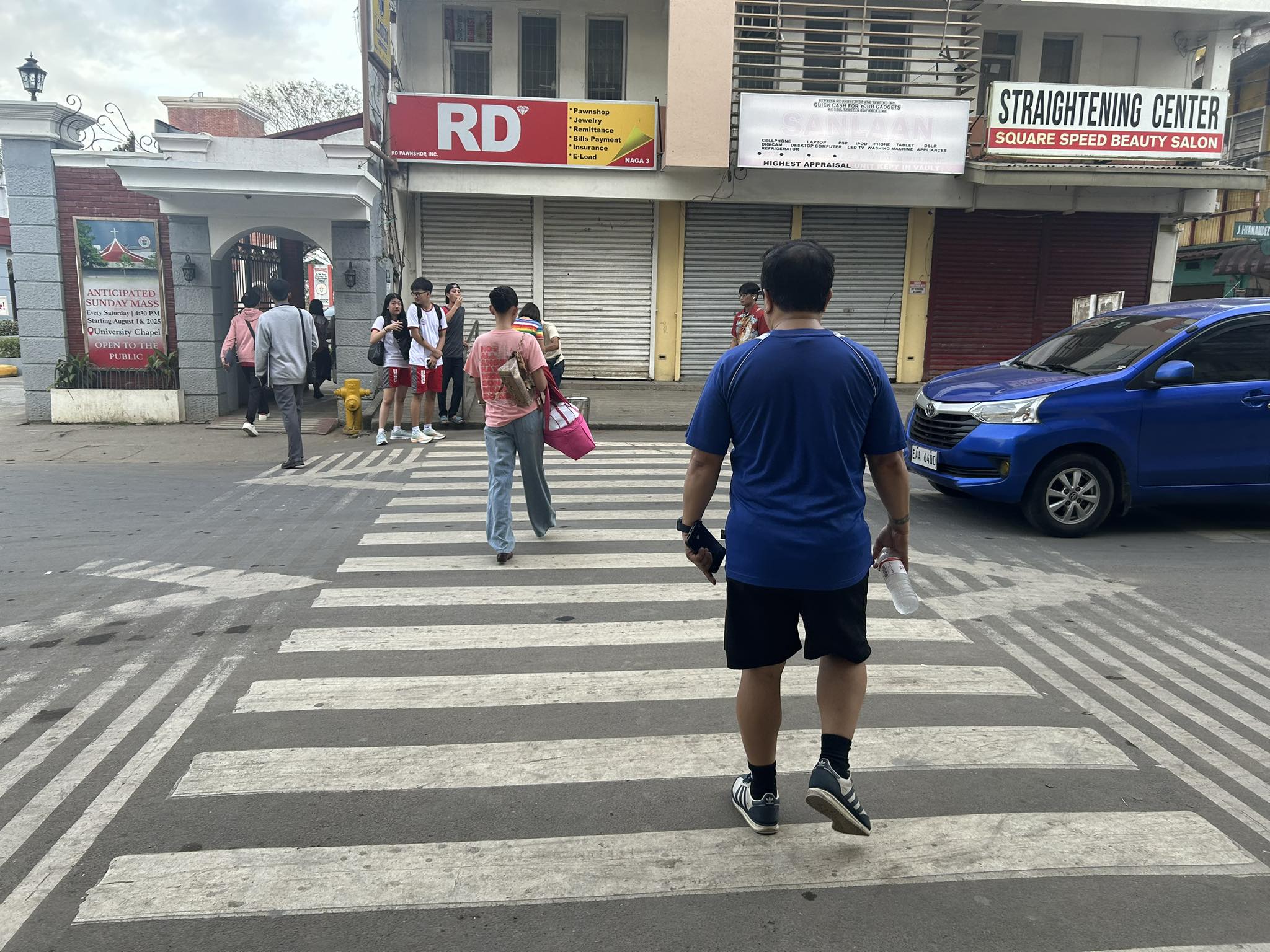 POV of a pedestrian crossing at the speed table towards the UNC main gate (to the left in the photo).
There is a need to have these traffic calming devices in other locations across the city and particularly near schools where crossings are located and vehicle speeds need to be reduced. There should be no exceptions for the application of traffic calming. That includes national roads along which certain agencies like the DPWH like to maintain higher speeds despite the obvious risks posed on pedestrians. Many schools are located along national highways and raised crossings can be designed to reduce speeds while offering safe crossings to schoolchildren. We just have to change mindsets pertaining to safety and priorities.
–
Towards safer streets – on the best street improvements
We conclude the month of September with an article on road safety and particularly on best or good practices towards improving safety:
Brey, J. (September 16, 2022) “What Are the Best Safe-Streets Improvements,” Governing, https://www.governing.com/community/what-are-the-best-safe-streets-improvements [Last accessed: 9/29/2022]
The article points to improvements concerning pedestrians have the best results in terms of reducing the injury rose and death. To quote from the article:
“The data suggested that interventions which give more street space to pedestrians have the best results for lowering the risk of serious injury and death. Somewhat to the department’s surprise, that includes curb extensions, also known as “neckdowns,” which reduce the distance that pedestrians have to cover to cross a street. Those interventions were associated with a 34.1 percent decrease in deaths and serious injuries, according to the report.”
There is an interesting table in the article listing the top safety treatments in terms of injury change and KSI (killed or seriously injured) change. For the latter, the top treatments in order of highest change are:
- Pedestrian island
- Curb & sidewalk extensions
- Road diets
- Leading pedestrian intervals
- Protected bike lanes
- Turn calming
- Conventional bike lanes
With the push for more segregated bike lanes (as opposed to shared lanes), it is interesting to note from the article that:
“Another important takeaway was that conventional bike lanes, which involve little more than paint, did result in significantly fewer deaths and serious injuries. Protected bike lanes, which are separate from traffic by medians, parking space or other infrastructure, were more effective — but painted lanes are also useful…”
This a good reference and taking off point for those who are doing studies on road safety and want to contextualize it from the perspective of the complete streets concept.
–
Resources on traffic calming and recalling statistics on road safety in the Philippines
As I usually post on some interesting and useful articles on transportation and so I just couldn’t resist sharing this find on resources for traffic calming. This is always a timely source of material on how we can improve road safety particularly in residential areas or where there are more pedestrians exposed to transport and traffic. Such exposure increases the likelihood that they may be involved in a crash.
I recall an article from 2015 that appeared on Rappler:
Francisco, K. (2015) Road deaths in PH: Most are motorcycle riders, pedestrians, Rappler, http://www.rappler.com, October 27, 2015.
The WHO Global Status Report on Road Safety 2015 is a good resource for statistics and the report can be easily downloaded along with other information, and in different languages. Here is the entry for the Philippines appearing in the report:

–
 Caught (up) in traffic