
Home » Posts tagged 'trains'
Tag Archives: trains
PNR services from Naga City
I have yet to share the photos I took at the PNR Station in Naga City. Instead, I am sharing here the current train schedule and fares.
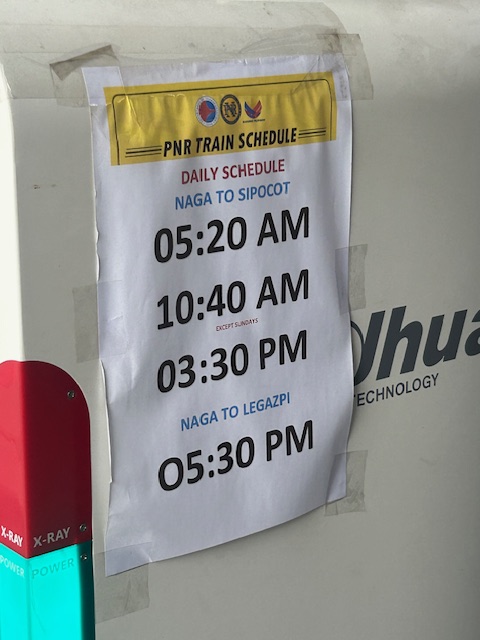 There are only three trips from Naga to Sipocot – two in the morning and one in the afternoon. Meanwhile, there is only one trip to Legazpi. Sipocot is in the same province, Camarines Sur, while Legazpi is the capital of Albay.
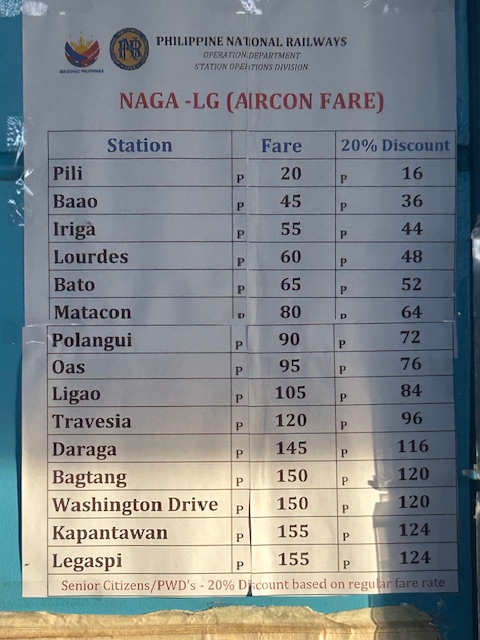 Fare rates between Naga City and Legazpi City. There are 15 stops along this route.
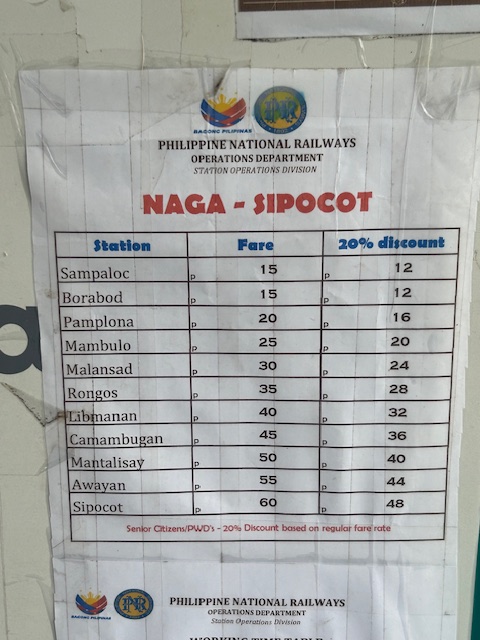 Fares for destinations between Naga and Sipocot
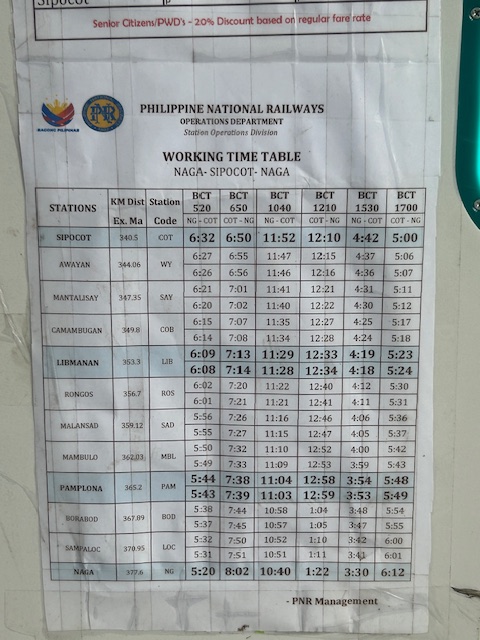 Timetable between Naga and Sipocot. It takes 1 hour and 12 minutes one way. It seems I wasn’t able to take a photo of the Naga-Legazpi timetable but the staff told us it takes 3 hours to get to Legazpi.
The station staff also told us that the train from Legazpi leaves at 4:30 AM. If it also takes 3 hours, then it arrives in Naga at 7:30AM. This can be okay for a super-commuter even at this travel time and speed (about 33 km/h). The frequency of trips between Naga and Legazpi should increase and will probably do once the PNR completes rehabilitation of what was termed as the Main Line South.
–
Learning to commute in Singapore
In a recent trip to Singapore, we took advantage of their excellent public transportation system to teach our daughter about commuting using public transport. It will be useful for future travels especially in countries we plan to visit that also have similar transit systems.
 |
| Descending to the subway station near our hotel |
 At the station level, one needs some sense of direction and the layout of the station to know where to get a card or tickets and where to enter the station towards the platforms.
 Station and train information are available and very visible in SMRT stations
 Network maps help one plan a trip including determining where you can transfer from one line to another. While there can be many transfer stations, the key is to determine the least number of stations as presumably this will lead to less travel time. Offhand, a familiarity with stations may also be useful to determine where it is easier to transfer (i.e., same platform for two lines rather than having to walk, ascend or descend to transfer).
 Singapore’s transit system employs ezlink cards for the convenience of commuters. We got one each and its nice that we got these cards with the Doraemon design.
It took only a couple of rides for our daughter to learn how to commute in Singapore. That’s how easy it was and it should be very similar if we’re traveling to Japan or Korea, even Europe at some point. The public transportation in cities in those countries are really good and easy to figure out and use. Hopefully, we can soon take her to learn how to use the LRT in Metro Manila and perhaps also the bus and jeepney. That will be an interesting experience.
–
On air quality in subways
I saw this article on Wired and immediately read it as the topic to me was interesting. I have been using when I lived in Japan in the 1990s and in Singapore in 2010-2o12. I have used the transit system in many other cities including in the US and Europe. And so the topic of air quality in subways (particularly the stations and inside the trains) got my attention. I guess this is not entirely an issue for ground-level and overhead systems like what most of Lines 1, 2 and 3 and the PNR are. Only Line 2 has one underground station (Katipunan Station) and perhaps has that issue. Here is the article about the air in subways:
Baraniuk (April 24, 2023) “The Filthy Truth About Subway Air,” Wired, https://www.wired.com/story/subway-air-health/ [Last accessed: 4/25/2023]
To quote from the article:
“The big unknown is whether all of this particulate matter is actually causing health problems for people. Millions of commuters use metro systems, in many cases for multiple hours a day, five days a week, for years on end. And thousands of transport workers spend even longer in the tunnels. But there are no widespread signs of severe or acute health problems among these populations, even if pollution levels in subways exceed recommended limits. Could there be more subtle, chronic effects, however—impacts on lung, brain, or heart function?”
Indeed, metros or subway systems have been operating for over a century and so far there is limited that we know about the health risks concerning their use by passengers. But this is something to keep in mind as the Philippines builds its first subway line in Metro Manila. The depots and the situation of workers thought may be a different matter. I recall one of my colleagues at the university doing a quick study of the Line 3 depot, which is underground (i.e., underneath the Trinoma Mall), and measurements showed the air quality to be quite bad. Imagine working there and being exposed to that everyday. Those conditions merit further study but require immediate action to improve working conditions considering the impact to health.
–
Articles on railway safety
I shared a link to a Medium writer who specialized on articles about air crashes. These were investigative articles that provide details about air crashes especially since these are all tragedies and include those that have remained mysteries like Malaysian Airline Flight 370.
I am sharing today another collection of articles pertaining to transport safety. This time they are about railway or rail safety. Here is the link to the collection of articles from Max Shroeder:
https://mx-schroeder.medium.com
And here is an example of what he writes:
https://mx-schroeder.medium.com/stressful-schedule-the-2005-amagasaki-japan-derailment-12156ddd488
Again, there is much to be learned about these incidents. The circumstances, factors and experiences need to be examined in order to draw lessons from these incidents and reduce the likelihood of them happening again. In the case of the Philippines, this is especially applicable as the country rebuilds its long distance railways infrastructure with a line connecting Manila and Clark, Pampanga along what used to be called the Main Line North (MLN) of the Philippine National Railways (PNR), and another currently being rehabbed and for upgrading to the south in what was called the Main Line South (MLS). Other rail projects are also underway like the Metro Manila Subway and the MRT Line 7. All pass through populous areas, and railway crashes may not just lead to passenger and crew fatalities and injuries but also the same for those residing or working along these rail lines.
–
On model trains and railways
Here is a quick share of an article from The New York Times about model railways and trains. I first learned about the company mentioned in the article from a mentor who collected train models and built his own railway model sets. The latter included a portable set he built using an old briefcase that he brought to his classes to demonstrate basic railway features to his students. Some of his scale models are also on display in his home. Whenever we were in the Akihabara District of Tokyo, I enjoyed tagging along him as he searched for models or parts in the many hobby shops in the area.
–
On leaders and decision-makers taking public transport or bikes to commute
There has been clamor for our leaders and decision-makers, especially those in the transport and highway agencies, to take public transportation. This is for them to experience how most commuters fare for their daily grinds. And no, having an entourage including bodyguards or reserving your own train car does not count. Dapat pumila o maghintay sa kalye. Makipagsisikan o makipag-habulan sa bus, jeepney o van para makasakay. Many if not most of these officials have their own vehicles or are even driven (may tsuper o driver) to and from work. One even had the gall to transfer his department to where he comfortably resides so he won’t commute but that’s another story.
You see articles and posts about Dutch politicians and even royalty riding the bicycle to work.
 The Dutch Prime Minister bikes to work
Then there are politicians regularly taking public transport while in office. Here is an article about the newly inaugurated POTUS, Joe Biden, who took the train for his regular commutes:
Igoe, K.J. (May 4,2020) “Where Did “Amtrak Joe,” Joe Biden’s Nickname, Come From?”, Marie Claire, https://www.marieclaire.com/politics/a32363173/joe-biden-amtrak-joe-meaning/ [Last accessed 2/14/2021]
Do we have someone close to such an example? Commuting by private plane between your home in the Southern Philippines and your office in Manila surely won’t let one have an appreciation of the commuting experiences of typical Filipinos.
–
The AGT test site at UP Diliman is no more
This is actually a late post considering what has transpired last year that led to the demolition of the AGT test facilities at the University of the Philippines Diliman campus. For one, UP (or at least Diliman) didn’t want it. That was to be expected as Diliman’s Executive Council comprised of the constituent university’s deans and executive staff (Chancellor and Vice Chancellors) already stated that they don’t want an AGT in the campus many years ago and during the last administration when the main proponent, then DOST Secretary Montejo, was still very much in-charge of that department. Here are photos taken by a colleague last year showing the demolition work on the elevated guideway and stations. These were taken as they traveled along C.P. Garcia Avenue towards the University Avenue.
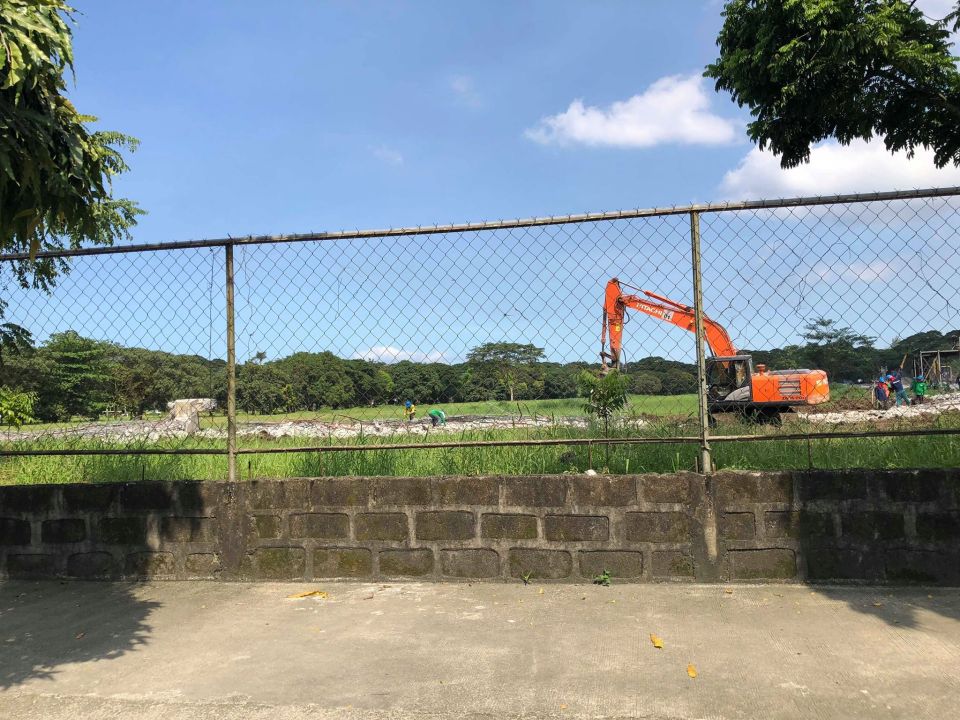
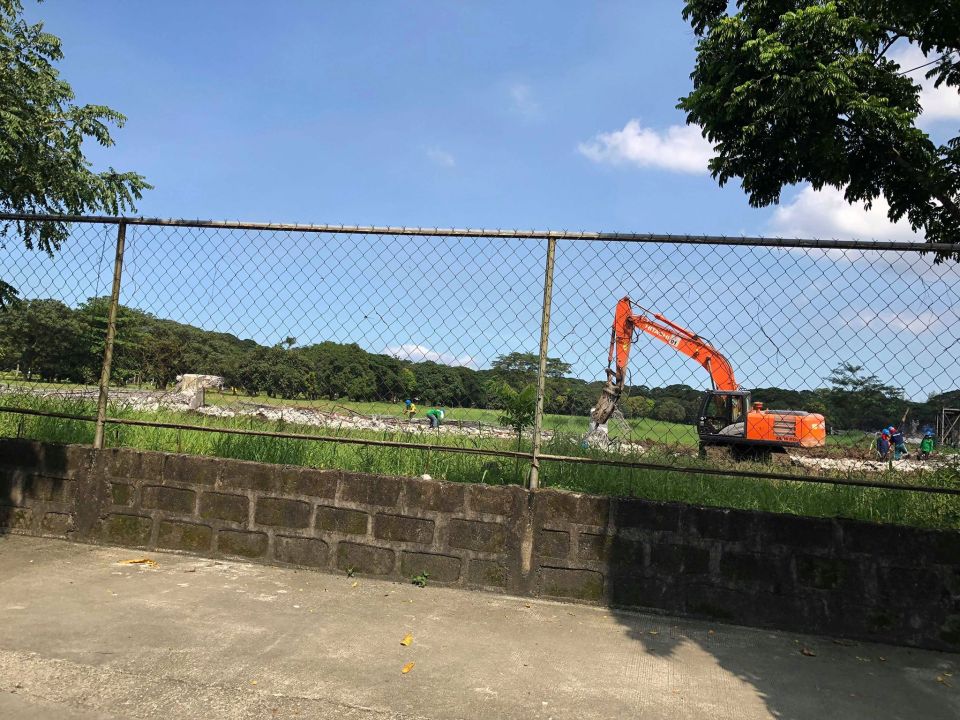
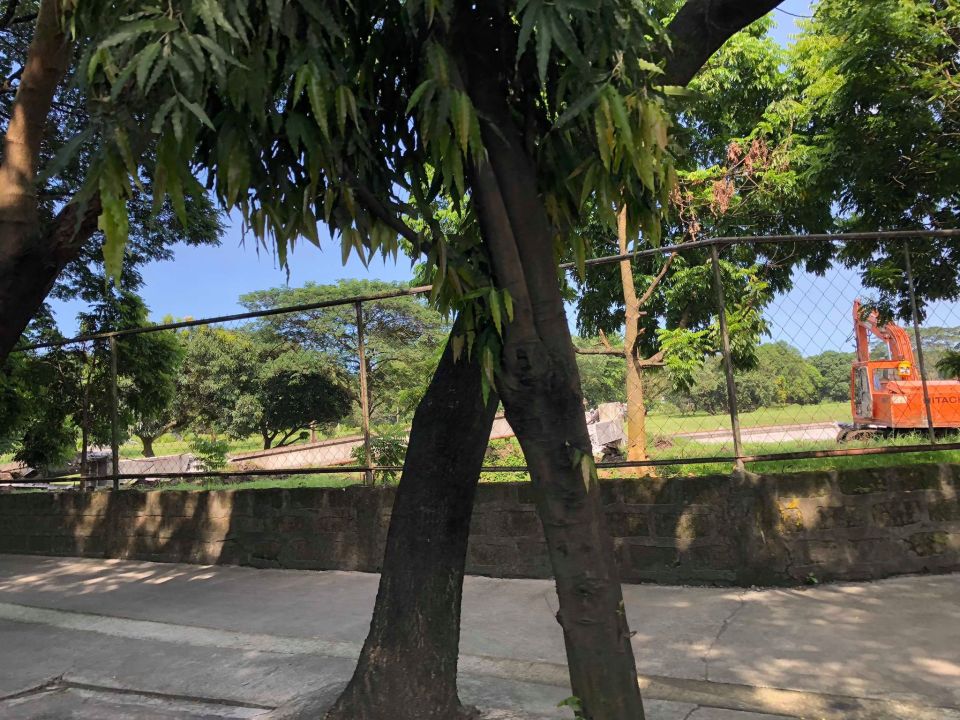
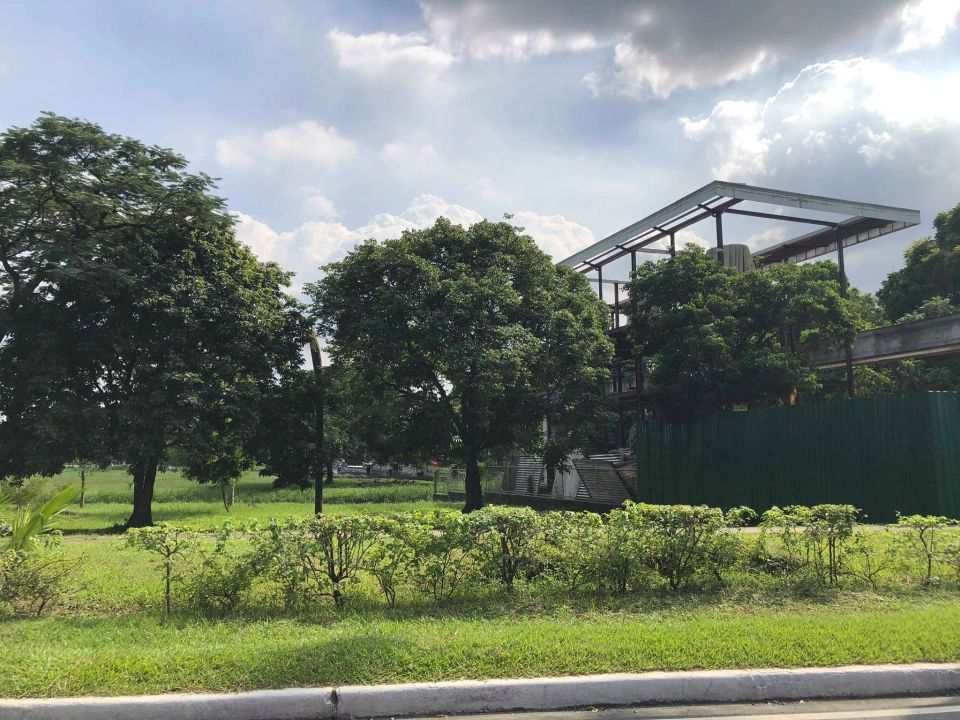
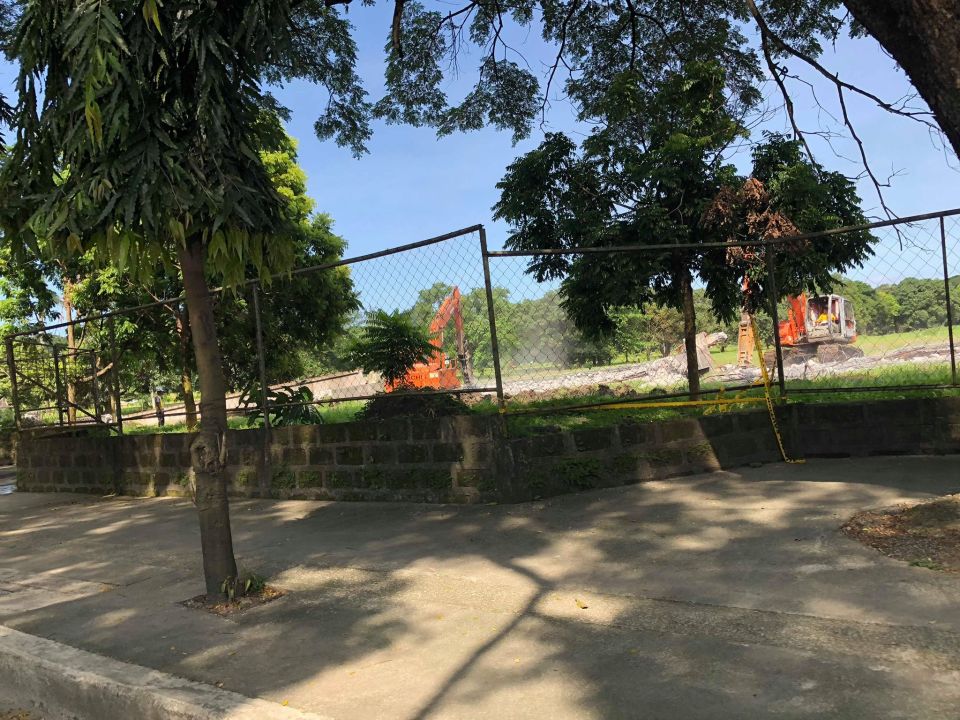
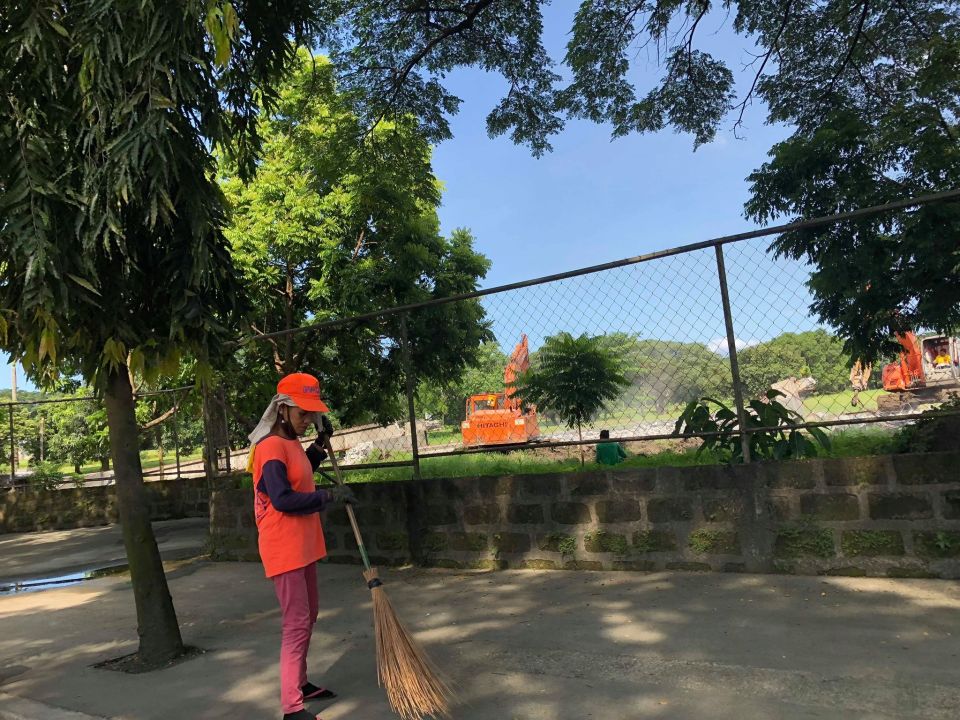
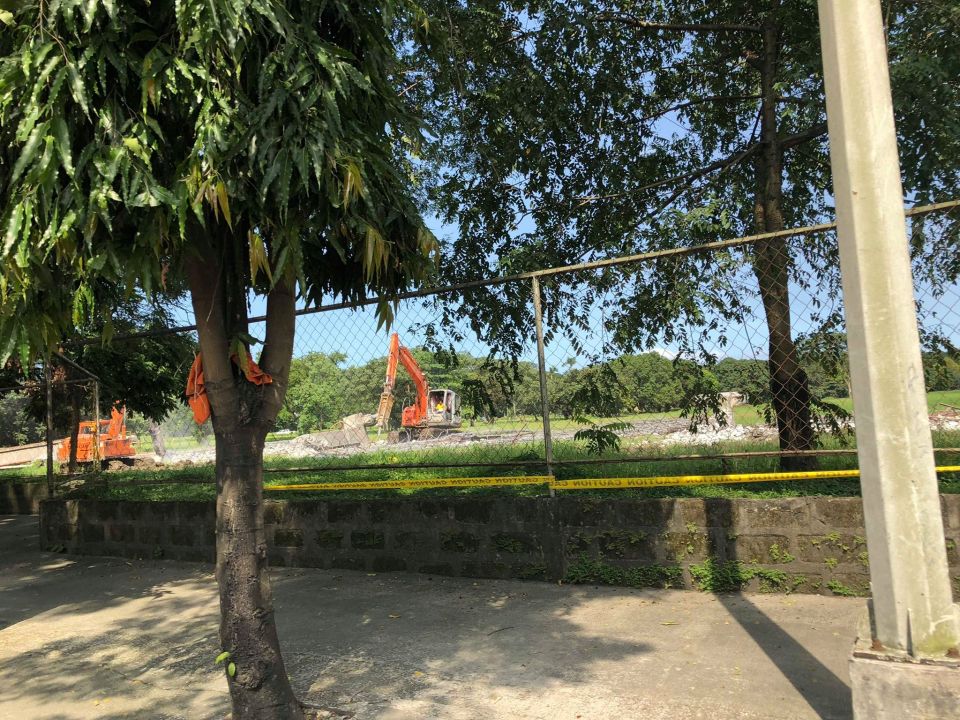
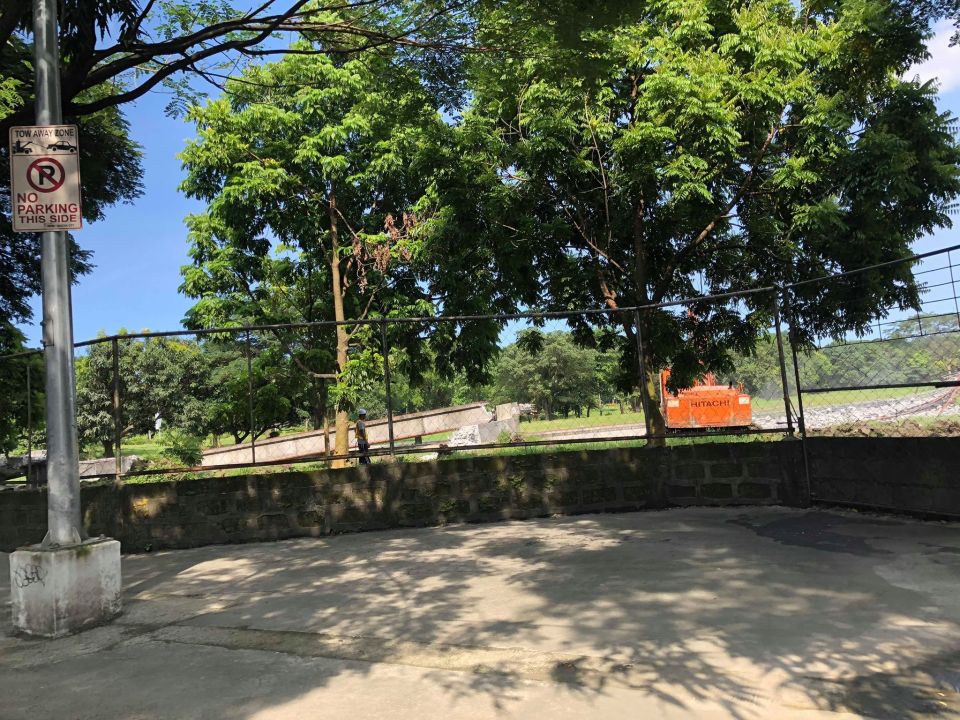
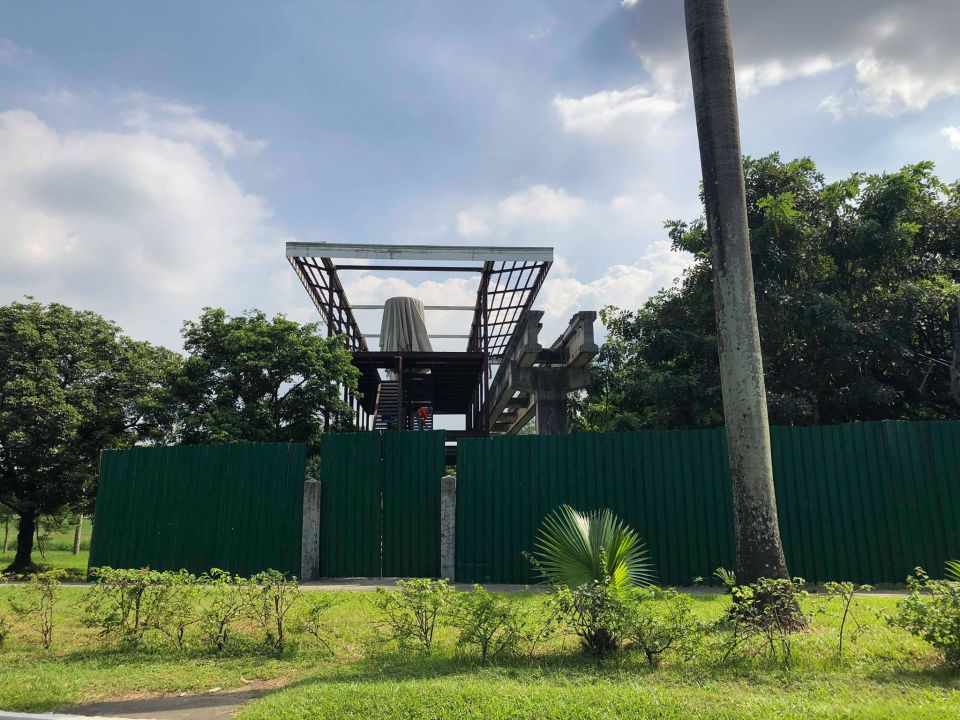
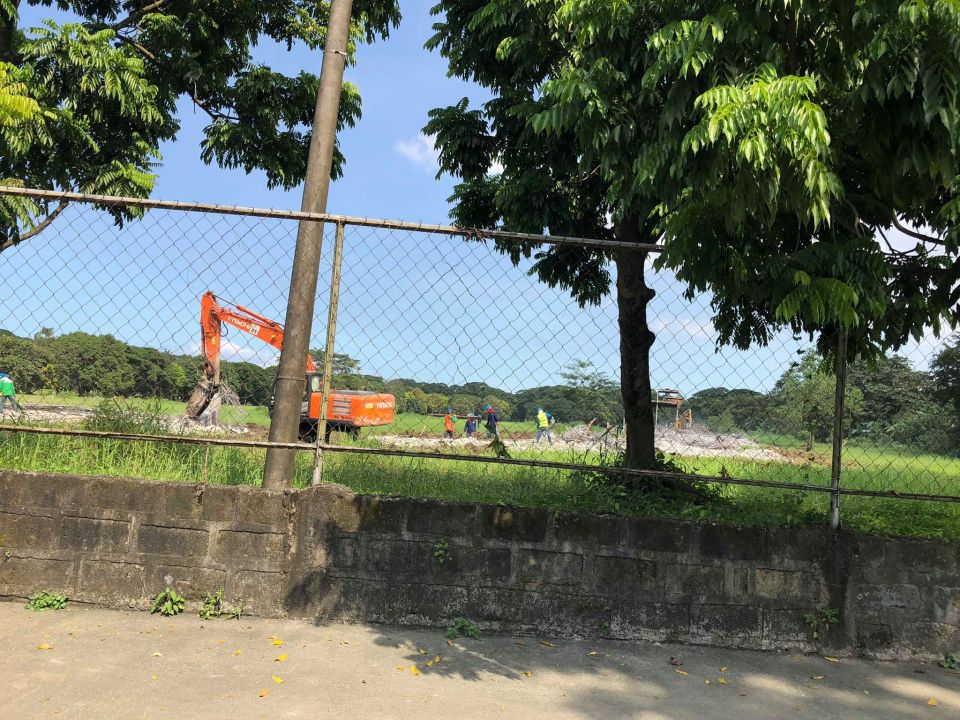
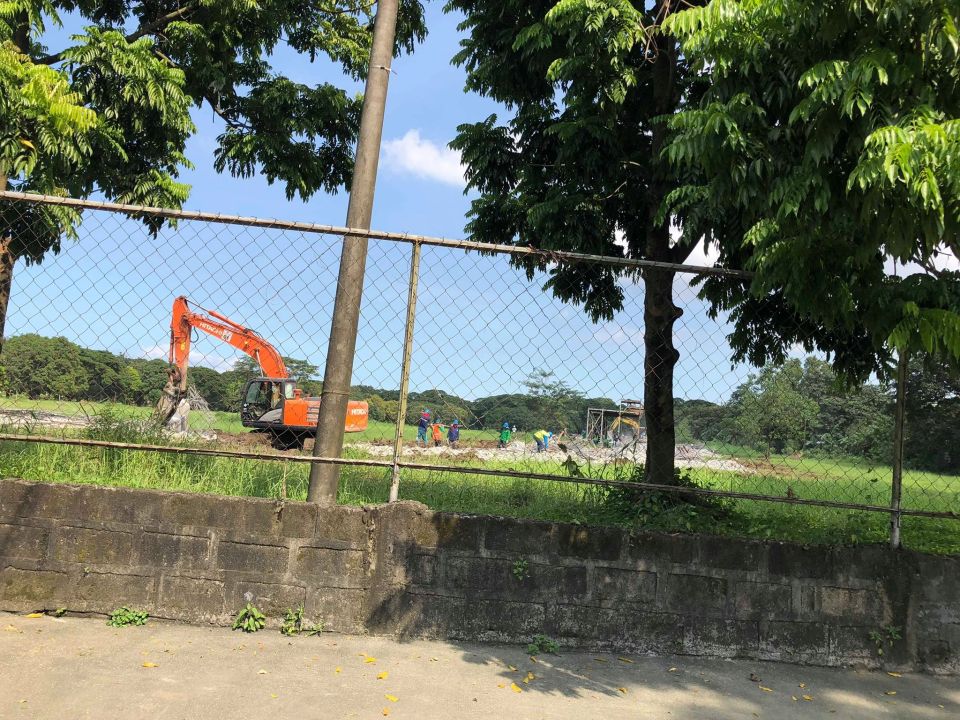
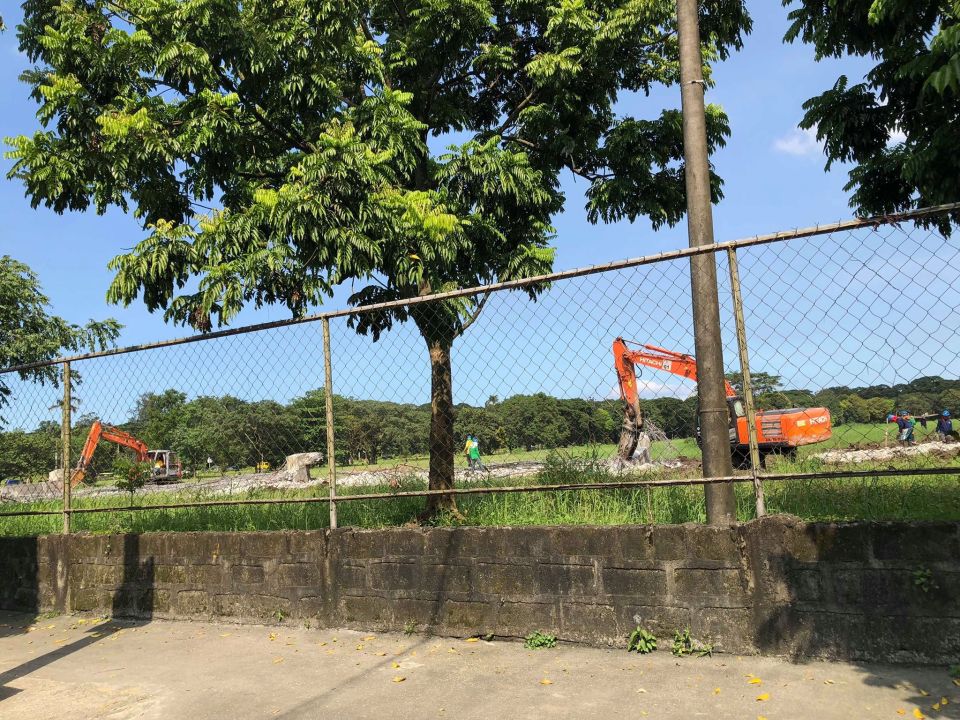
The demo was completed late last year and the AGT vehicle has been transferred to the MIRDC compound in Bicutan. The two prototypes are now there and there is an uncertainty about their futures. One colleague recalled “if only they had listened and had the AGT tested the proper way”. He was referring to the proposal to have an independent evaluation of the vehicle in order to ensure that its technical specifications and capabilities were up to international standards. The AGT proponents didn’t agree and proceeded according to what they wanted despite what we heard was a similar recommendation from then DOTC officials to have the vehicle certified as safe for public use.
I am happy to know that at least one project from that ambitious program during the last administration will finally be operational. A different approach seems to have been undertaken for the hybrid train that was produced for the PNR. Recent news stated that the train has undergone a series of tests and needs to hurdle a few more before going into operation along the PNR’s commuter line. Hopefully, it succeeds and encourage production of more like it and lead to an evolution of Philippine-made trains.
–
PNR Alabang Station
My colleagues conducted a survey at several Philippine National Railway (PNR) stations in relation to studies being made for proposed new railway lines including those for rehabilitation. One was already posting photos on her social media account so I asked if I can use some of her photos here on this blog. She generously obliged so here are photos taken just a few weeks ago at the PNR Alabang Station.
 PNR commuter train at the Alabang Station – note the conditions of the railway tracks and how open the station is.
 People (not necessarily passengers) walk along the railway tracks
 Passengers queued to get tickets for their journey
 Station platform
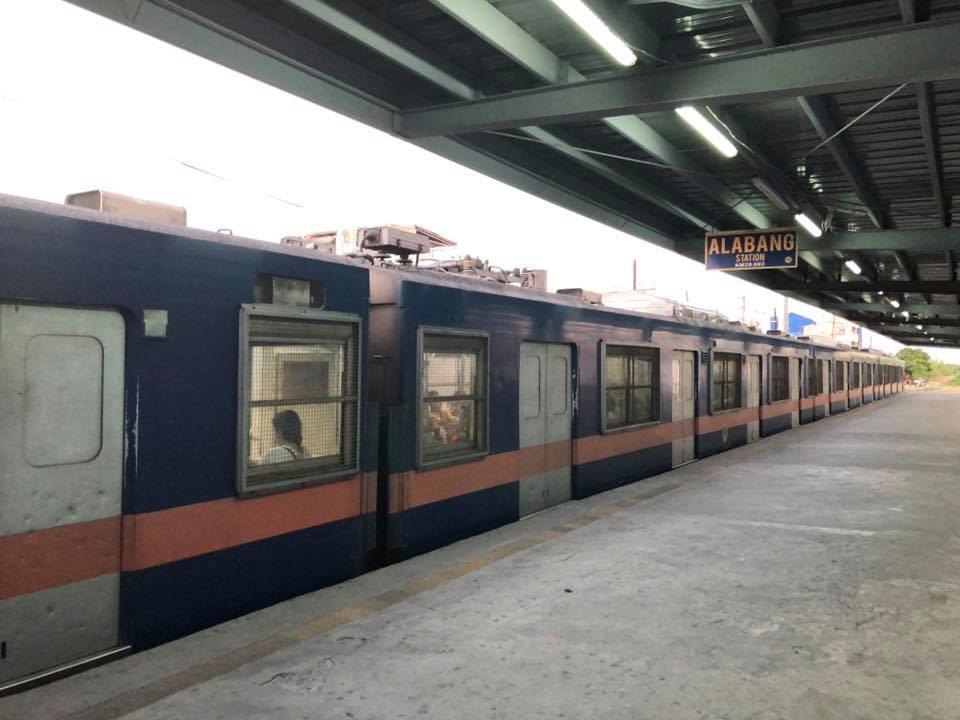 Another photo of the platform and train
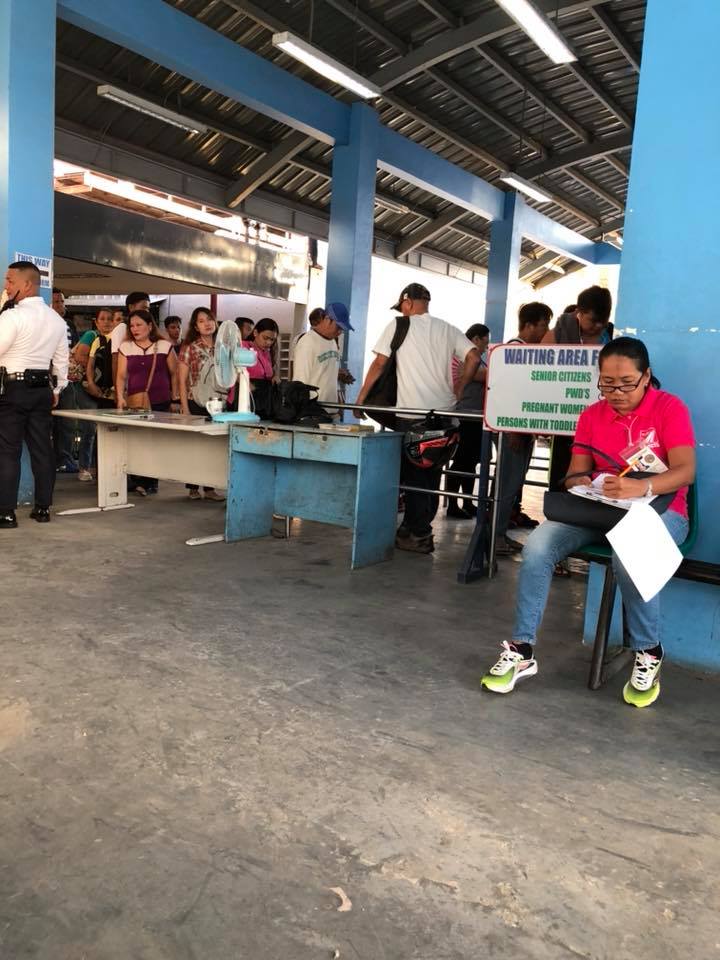 Passengers queued for tickets and entering the platform (yes, no turnstiles here) while a surveyor works
 Here’s a train that’s about to close its doors after loading passengers
More photos soon!
–
Trams of Den Haag
Going around The Hague was no hassle. There were a lot less people there compared to Amsterdam last Easter Sunday. I felt more relaxed moving around. I also like it that I had transit options in the form of trams and buses to get from one place to somewhere walking seemed to be the less efficient mode to take. Not so many people were on bicycles but that’s probably because it was a Sunday and most bike traffic were for work or school trips? Here are some photos of trams at The Hague (Den Haag).
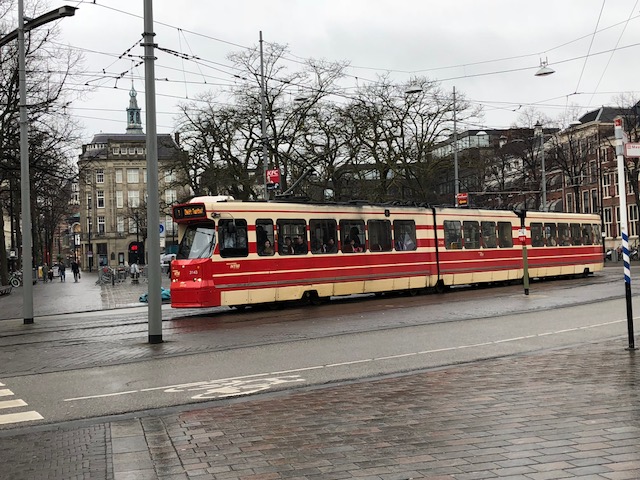 Saw this tram as we went around some of the attractions in the city.
 We rode this one going to the beach.
 I rode this tram going back to Den Haag Central Station
 Transit network map at Frankenslag stop
 Tram schedule posted at the stop
Our friends’ neighbourhood was a really nice one and I liked it that it is accessible to both tram and bus. The walks are short but you can easily get some exercise by getting off at an earlier stop or perhaps walking to a further one. The clear walking paths are definitely a plus and the environment is one conducive for such activities as well as for saying ‘hello’ to other people.
–
Misleading information on comparing modes of transport
A major media network sponsored an experiment pitting a bicycle, bus and rail in a race from Trinoma to De La Salle University along Taft Avenue. The bicycle won but under conditions that are favorable to the cyclist even considering Metro Manila’s road conditions that are not bike-friendly (and not pedestrian friendly, too, in many areas).
Would the bicycle have won against a motorcycle where both riders were of similar skills and experiences? Probably not considering the speed of a motorised vehicle even given congested roads.
Would a lot of people consider cycling between, say, Trinoma and DLSU? Most likely not, even if you provide the necessary infrastructure and facilities like bike racks, showers, etc., short of building exclusive bikeways (e.g., elevated).
I have nothing against bicycles and cycling. I have a bicycle myself and I have cycled between my home and the universities when I was studying and a visiting scientist in Japan. However, I have to caution people into thinking and oversimplifying that one mode is better than all others. If we pursue this line of thinking, then perhaps we should include walking in the discussion. I would like to think that there will also be a lot of people who would state that walking (and even running) is better than other modes including cycling. When comparing these two non-motorized modes, however, the advantages of one over the other become obvious – cycling is faster and requires less energy per person traveling using the mode. Such would extend to the motorized modes and comparisons should clearly show the suitability of certain modes of transport over others once distance and capacity are factored into the equation. Thus, we have rail systems as more appropriate over longer distances and are able to carry much more passengers per hour compared to, say, jeepneys. These are even more efficient in terms of energy on a per passenger basis. Further, we have to appreciate that we have to establish a clear hierarchy of transport systems and provide the necessary infrastructure to enable people to have all the options for traveling and especially for commuting.
–
 Caught (up) in traffic