
Home » Posts tagged 'Travel' (Page 2)
Tag Archives: Travel
Off to Baguio
I’m off to Baguio City after more than 8 years. Though it’s not the first time to use all three expressways (NLEX, SCTEX and TPLEX) going there, I am curious about the developments along the way. TPLEX now extends all the way to Rosario, La Union. Also, there should be a lot of changes already in Baguio city especially after the pandemic and the projects of the current mayor. The latter includes a more people-friendly Session Road that I have yet to see for myself.
I will try to share photos and updates on this trip in future posts even while in Baguio. The city is a sentimental place for me as my first major project after graduating from university was there. And I had experienced walking around the city on many occasions.
–
More political garbage along our roads
I was telling some friends who were planning to go to Antipolo this long weekend that they should not be distracted by the images of demonyos and demonyas they’ll see along the way to the Shrine of Our Lady of Peace and Good Voyage.
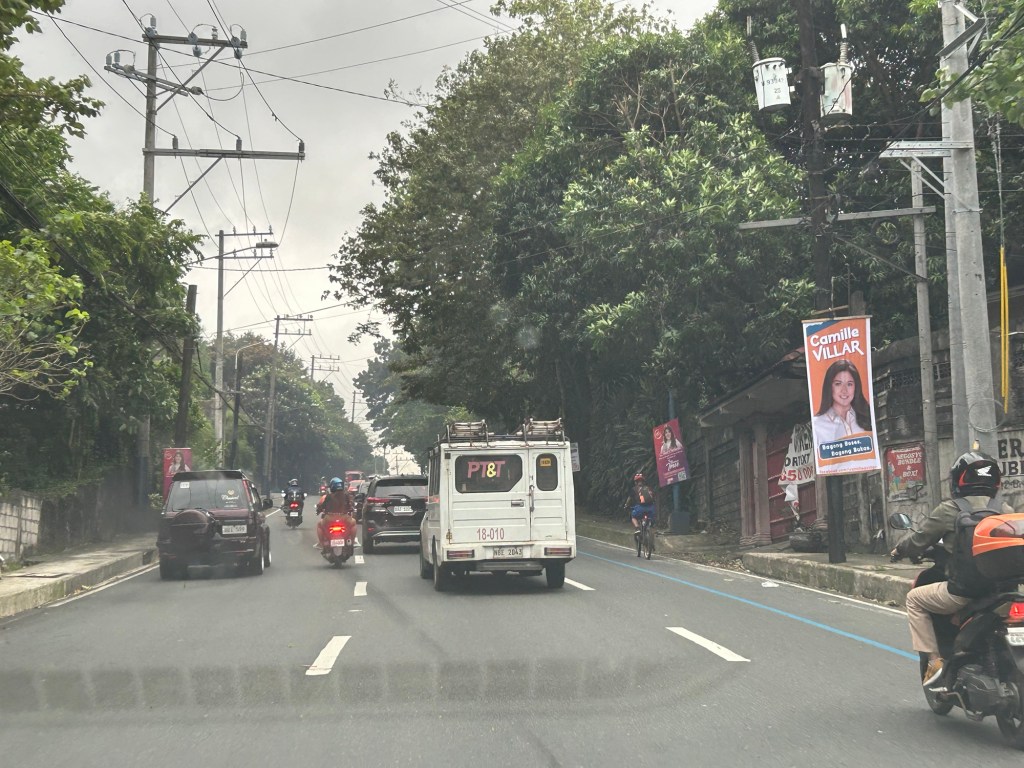
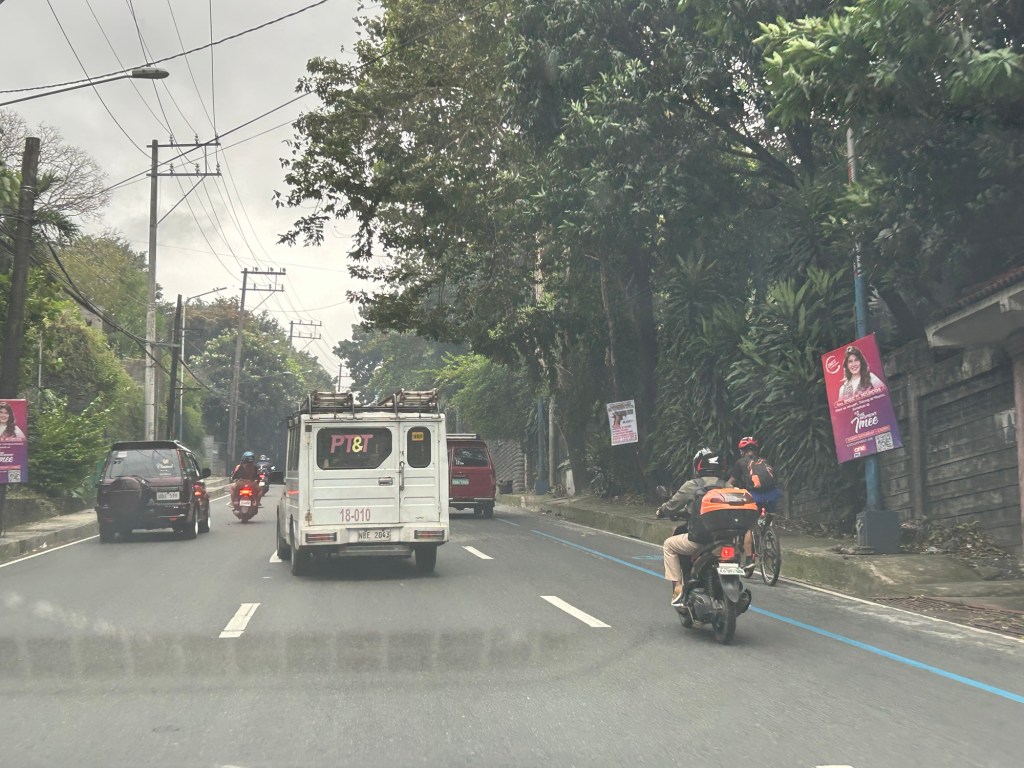
These are electioneering and those who vote for these clowns have no right to complain about their economic situation. You only perpetuate these scums in government.
–
What’s new in Panglao Airport? -Part 1
We were in Panglao, Bohol last April and I was disappointed to see there were no shops after entering the pre departure area. Also, there were only 2 kiosks inside. One selling the usual siomai, hotdog and noodles kind of food and the other operated by a popular hotel/resort.
I am glad that this time, there are more shops and eating options after the final security check.
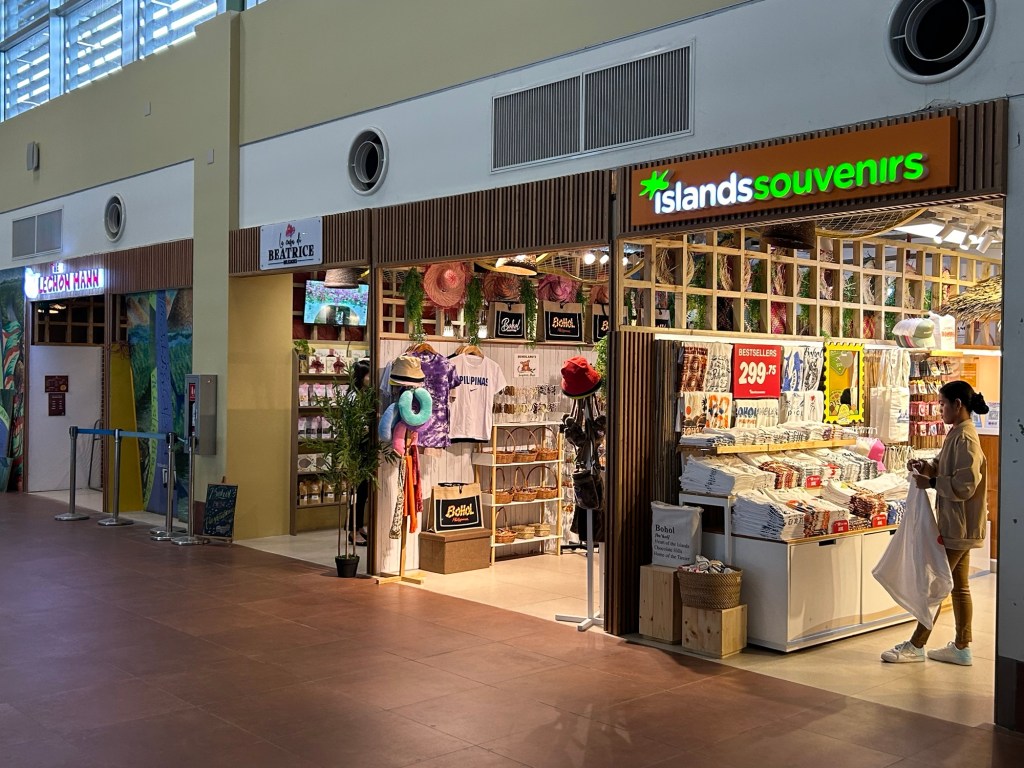
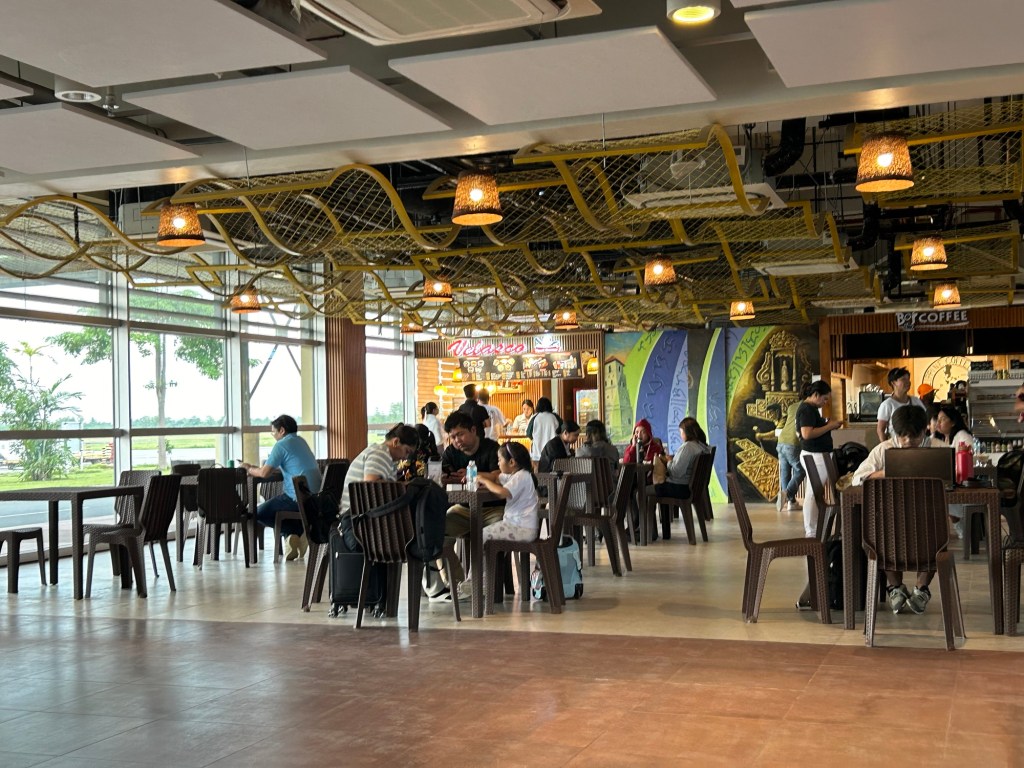
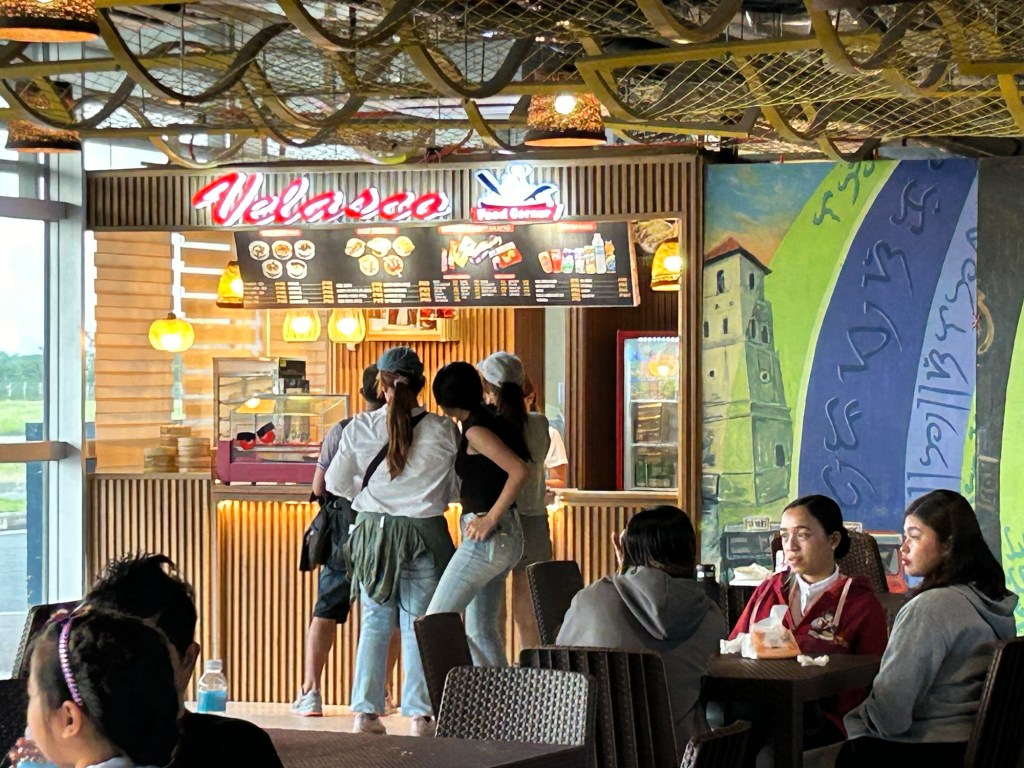
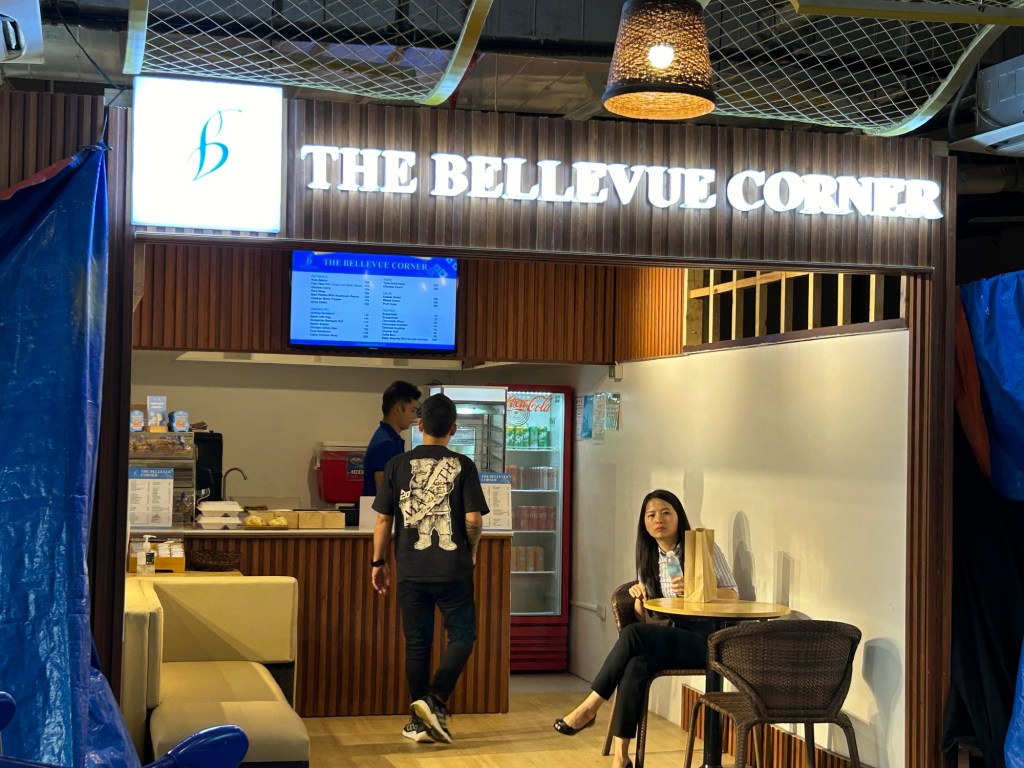
More on these new shops and stalls in the next post.
–
Extreme turbulence during air travel
Transport-related news last week included a report about a Singapore Airlines B777 jet flying to London from Singapore that had to make an emergency landing in Bangkok due to extreme turbulence experienced. Many people were seriously injured when the plane suddenly ascended (“tilted up” as some news reports state) and then abruptly descended, resulting in people being tossed up and hitting the compartments above their seats. Obviously, these passengers were not wearing their seatbelts at the time. Otherwise, they would have been restrained to their seats. It is likely that the turbulence was not anticipated by the pilot as they usually advise passengers to put on their seat belts if turbulence was expected at any time during a flight.
The incident raises concerns about extreme and sudden turbulence occurring during flights. I guess this may happen anytime and aircraft instruments may not be able to tell the crew about an impending incident like this. Will such an incident have a significant impact on air travel? Perhaps not if these incidents remain rare. There should be records and monitoring of factors or elements leading to such incidents in order to establish the likelihood of these happening. Incident records will also show if there is an increasing frequency as well as the number of people killed and injured. Such information would be vital as more people use aviation for travel and there are more aircraft activity around the world.
As a precaution, it is good practice not to remove your seatbelt while seated in flight. If it’s tight, then loosen it. At least you have some restraint in case of incidents where the aircraft encounters sudden turbulence.
–
Self check-in and self bag-drop at NAIA Terminal 3
In addition to the self check-in terminals, Cebu Pacific now has self bag drop booths at NAIA Terminal 3. These are easy to use and may lead to quicker processing of passengers. They have staff ready to assist in case passengers encounter some difficulty using the self bag drop terminals.

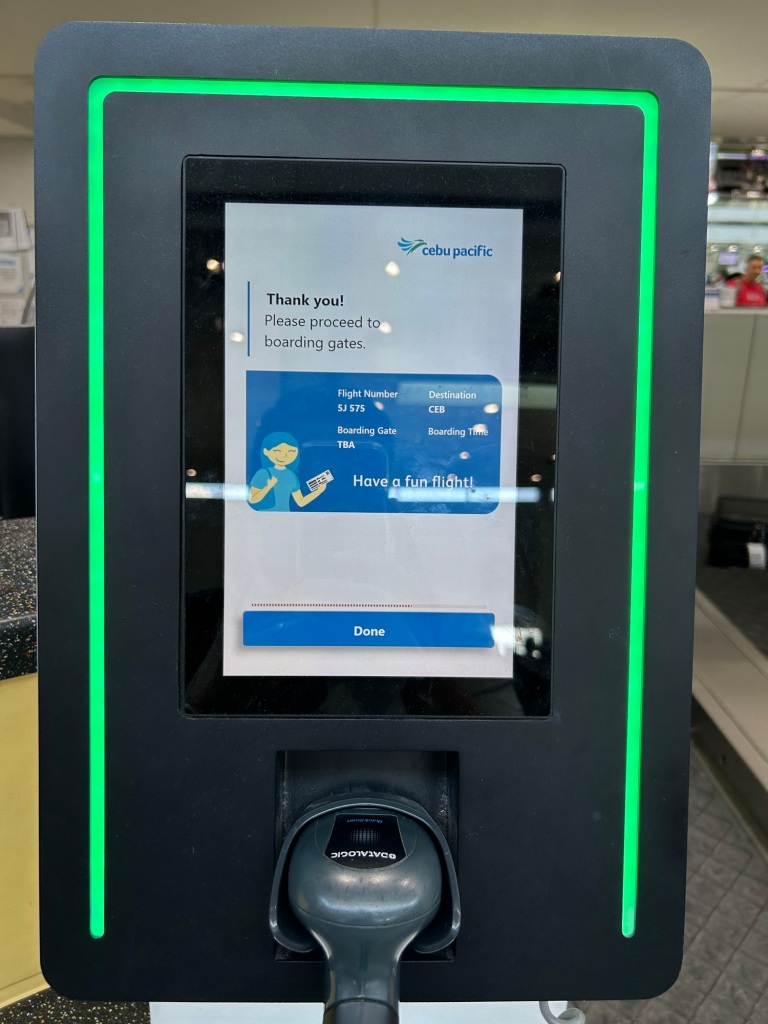
We’ll probably see these terminals in other airports particularly the major ones like Cebu, Davao and Clark. It is a convenience and also reduces the need for staff manning the check-in counters.
–
Change in scenery
We had an off-campus workshop last week in Baras, Rizal, and it was a welcome change in environment and pace. The venue also afforded a view of the provinces of Rizal, Laguna and even Quezon.
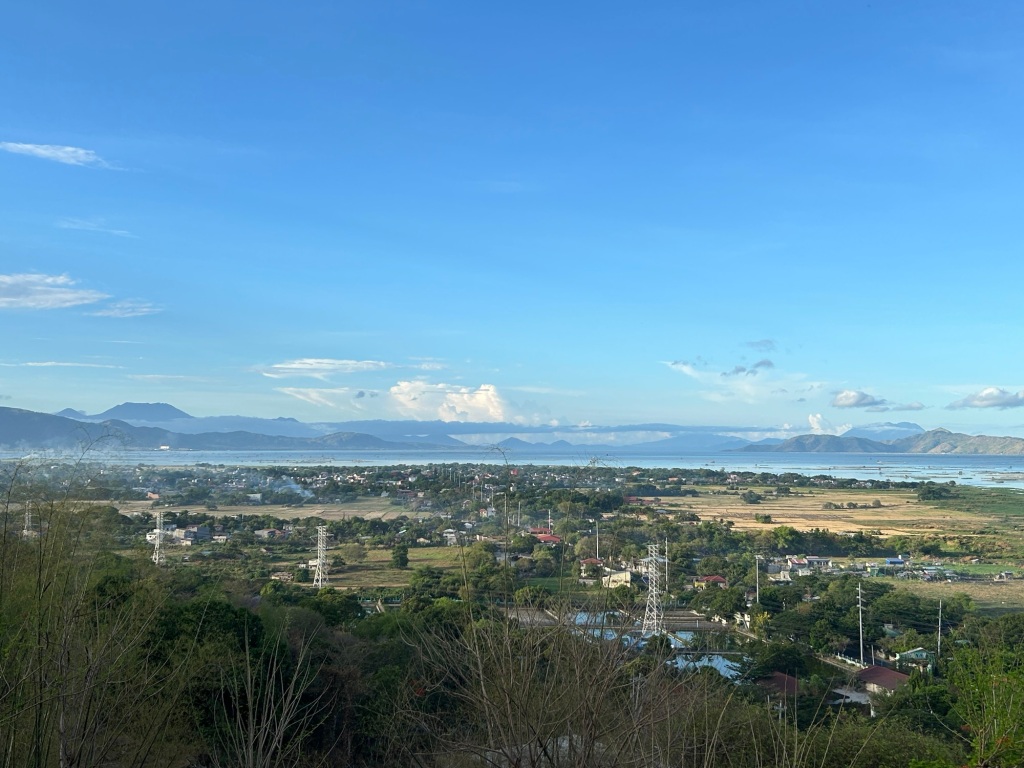 We had a nice view of Laguna de Bai. At the center of the photo is the town proper of Tanay, which has an old church at the center and along the old national road. In the background are mountains, volcanoes actually, including on the left Mt. Banahaw in Quezon Province. Mt. Makiling in Laguna is also in the horizon on the right.
If you notice the power lines in the photo, these connect to the two power plants in the area – the Malaya Thermal Plant and the Pililla Wind Farm both in Pililla, Rizal.
Tanay has a small port and a lighthouse. There are many fish pens in the area so most boats using the port are probably fishing boats. There was a proposal many years ago for extending the ferry service along the Pasig River to towns along the lake. This required clearing the lake of many fish pens to make it navigable. I hear the plans are being revived but I think its a wait and see in as far as these projects are concerned.
–
Antipolo to any point of the Philippines
I wrote several times in the past about every road leading to Antipolo. Recently, a new route opened between Antipolo and Iloilo. This is interesting for me since my father’s hometown, which I also consider mine, is Cabatuan, Iloilo. We usually flew to the province though we also rode on inter-island ferries when I was a child. I have memories riding on the ships operated by the now defunct Negros Navigation and Sulpicio Lines. I had never used the SuperFerry ships that now connect the major islands of Luzon, Visayas and Mindanao.
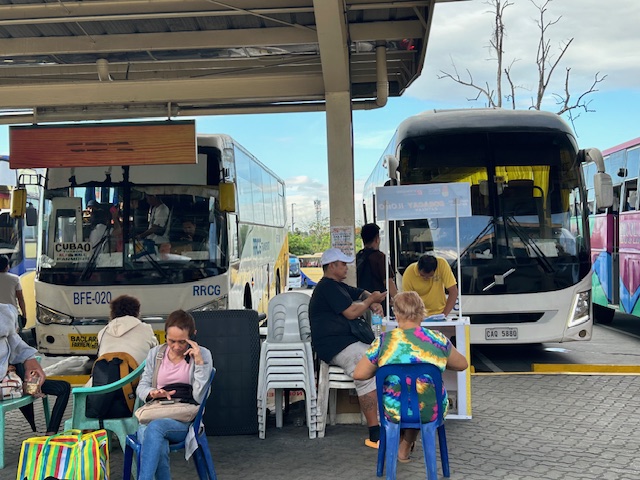 Buses at the public transport terminal at Robinsons Antipolo include those regularly dispatched to Cubao and Quiapo. There are many provincial and RORO buses including those bound for the Bicol Region and Eastern Visayas (i.e., Samar and Leyte). The latter are operated by several bus companies including RRCG whose buses are shown in the photo.
 RRCG bus bound for Iloilo via Batangas, Mindoro, Aklan (Caticlan), and Antique. The fare to Iloilo City is 2,700 pesos. It’s 2,400 pesos until Caticlan.
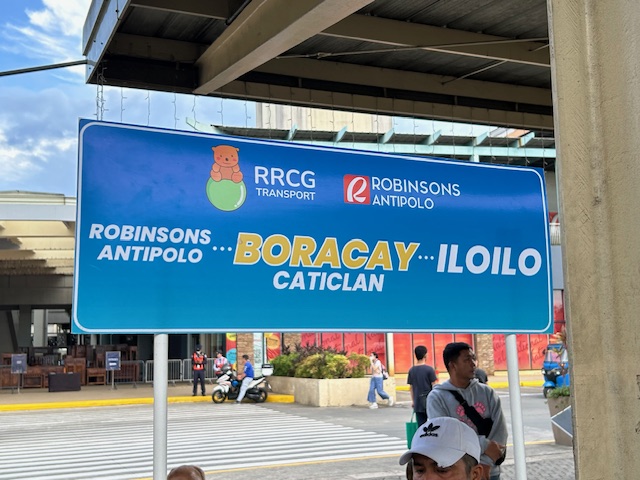 New sign for the route connecting Antipolo City and Iloilo City. Caticlan in the province of Aklan is along the way. I estimate the travel time to be roughly a day considering the bus will still go to Marikina’s transport terminal across from SM City Marikina. From there, the bus will proceed to Batangas Port via C5, SLEX and STAR Tollway. The bus will queue to be loaded unto a RORO ferry bound for Mindoro. It will travel by land to cross Mindoro Island before being transported via ferry from Mindoro to Caticlan.
 One bus company provides services to destinations in the Bicol Region. Both air-conditioned and ordinary (non-aircon) buses are available.
–
Back in Bangkok
We’re back in one of our happy places to be in again. Bangkok’s been one of our favorite destinations since the 2000’s. There was a time when we were here twice a year. Those trips were mostly business, actually academic-related as from 2001 to 2008 we had collaborative research network among ASEAN Universities hosted by Chulalongkorn University. I’ve returned several times after but the last time I was in Bangkok was in 2018 for a seminar on road safety. This is the first time we are in Bangkok with our daughter (her second ASEAN country) so we’re only very happy to share with her the experiences in Thailand.
 Clearing immigration at Suvarnabhumi Airport
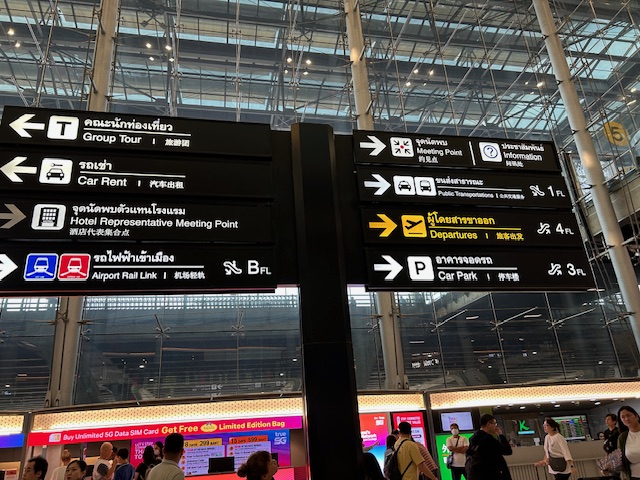 Where to and how to get there? We decided to take the airport taxi to our hotel.
 Marveling at the spacious terminal.
I will post about Bangkok and transport in Thailand in the next posts probably after we return from this trip.
–
Congestion near bus terminals during the Christmas season
I attended a formal event yesterday at the Philippine International Convention Center (PICC) in Pasay City. Along the way and back, I already noticed the congestion along Gil Puyat Avenue (formerly Buendia Avenue) as well as the congestion or how crowded the bus passenger terminals were. In fact, the buses at the JAC Liner terminal along Gil Puyat were all on the streets. The terminal itself was filled with passengers, many of whom were queued as they waited to board their buses. Others I assumed were in line to purchase tickets there. The latter apparently have not done so online, which is already an available and more convenient option for provincial travel.
 |
| Buses lined along the Makati-bound side of Gil Puyat Avenue. These are queued towards to the U-turn slot that will take them to the bus terminals on the other side and near Taft Avenue. |
 |
| Other buses are lined along the Pasay-bound side of Gil Puyat Avenue. These come from the South Superhighway where these buses eventually head to after boarding passengers en route to Southern Luzon, Bicol and even Visayas and Mindanao destinations. |
Then as now, the junction of Gil Puyat and Taft Avenues is a major convergence area for transportation especially provincial routes. Even before the construction of the LRT Line 1 (which has a station at Gil Puyat) there have been a number of bus terminals here. Currently, I am aware of the JAC Liner and DLTB bus terminal near the junction. There are others including small terminals or garages for provincial buses. These generate much traffic particularly during this Christmas, which is considered peak season for travel in the country.
–
Back in Davao after 4 years
We conclude the month of November 2023 with a post on a recent travel, which allowed me to take new photos of an airport I’ve frequently used in the past. I was in Davao last week for a national convention. The last time I was there was in August 2019 and before the pandemic so it was a welcome trip for me. Back then and probably even now, Davao was riding high after 3 years of Digong as President. I am glad that Davao is still rapidly progressing. It has so much potential with or without a certain holding key posts in government.

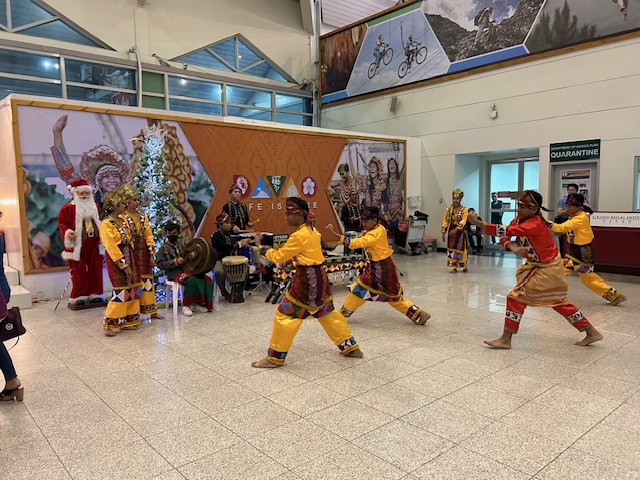
I will be posting about the Francisco Bangoy Airport in the next days. There have been some improvements to the terminal but most remain the same as it was in 2019.
–
 Caught (up) in traffic