
Home » Posts tagged 'Travel' (Page 3)
Tag Archives: Travel
First impressions of a country or city – Kuala Lumpur
I recently traveled to Malaysia and just making this quick post of first impressions based on one of its gateways – Kuala Lumpur International Airport. This was not my first trip to Malaysia as I traveled there before but by land and from Singapore (we were residing in Singapore). That time, I traveled to Melaka. Here are photos when we arrived in KLIA last weekend.
 |
| A view of KLIA Terminal 2 as our plane approached to land |
 |
| Two towers – air traffic control towers, that is. The closer one is Terminal 2’s while the one at the distance is Terminal 1. |
 |
| A view of Terminal 2 as our plane taxied to the terminal |
 |
| Terminal 2 is designated for low cost carriers, and is the hub of AirAsia. This terminal replaced the low cost carrier terminal at KLIA, similar to what also happened in Changi. |
 |
| Our plane berthed at the satellite building. This meant we had to walk to the bridge to cross to the main Terminal 2 building. The two buildings are not served by a transit system like KLIA Terminal 1 (or HKIA or Changi, for example). |
 |
| The view of our plane as we crossed on the bridge to the main terminal building. |
 |
| AirAsia planes lined up along one of wings of the satellite building. Each wing is essentially a long pier. |
I was impressed by how large and spacious Terminal 2 is. It is designed, after all, to serve the millions of travelers going through this gateway in what is Southeast Asia’s most visited country for tourists. I just thought though that the moving walkways seemed to be an afterthought and that it was a long walk (healthy though) for many people between the main and satellite buildings. Terminal 2 though is located far from Terminal 1 so transport is required in case you need to transfer from one terminal to the other. It is not as seamless as Changi, for example. Still KLIA is much better than many capital city airports that I’ve been to though there is room for improvements.
–
Vendors along the boulevard in Zamboanga
Our morning walks allowed us to observe some scenes in the city. Along the R.T. Lim Boulevard, there are stretches of what was probably a public beach. We saw these vendors along the shore selling shellfish and clams.
 Vendors selling shellfish – suddenly I recalled the tongue twister: “She sells sea shells by the sea shore.”
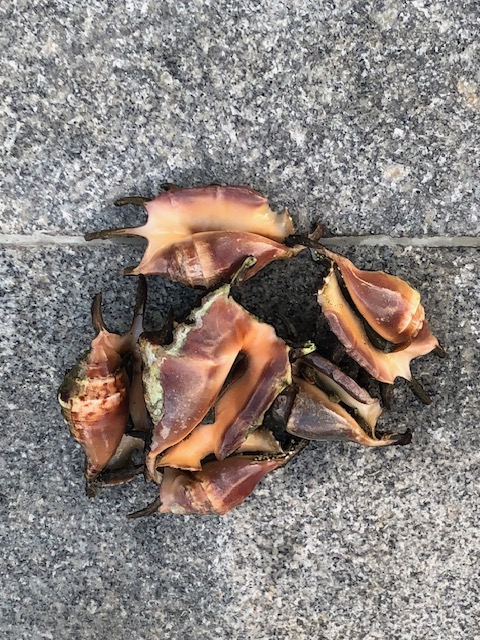 Conchs are sea snails and considered a delicacy in the Philippines
 Other sea snails that some people generally call kuhol are in buckets to keep them alive and fresh.
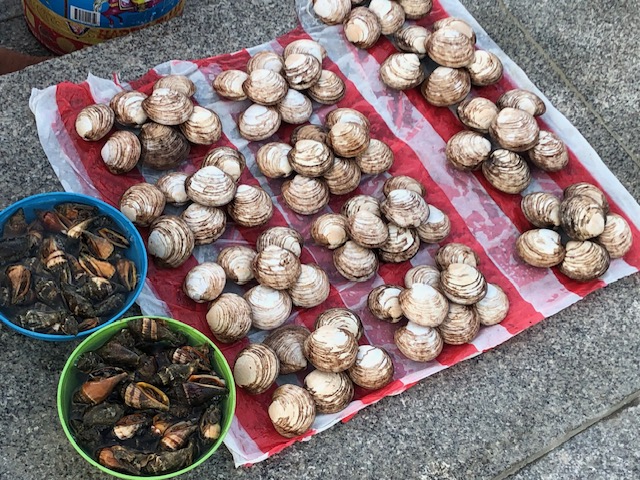 Clams make for good clear soup that will go with any viand for your meals whether it’s lunch or dinner.
These are the scenes you usually miss when you’re driving or riding. Walks or jogs bring you closer and provide the opportunity to stop and look (even inquire or take a few photos). They enhance our walks and allows a glimpse of how life was along the shores when a city like Zamboanga was not as developed as in the present. Manila used to have public beaches before the first reclamation projects eventually wiped them out. The attempt to bring those back in the form of the dolomite beaches don’t really help considering the water pollution that makes swimming or wading risky for people.
–
Morning walks in Zamboanga City – Part 2
We took early morning walks in Zamboanga City, when most people are just starting their day. That meant less people and traffic, and one can enjoy the walks without worrying about motor vehicles or crowded streets. A nice route would be from City Hall to Paseo Del Mar and First Pilar and back. This is easily 5,000 to 6,000 steps depending on the variations to the walking route.
 Zamboanga City’s Paseo Del Mar is practically deserted but for a few joggers or walkers around 6:00 AM.
 You can enjoy a walk, jog or run with views of the sea and ships
 The lamps reminded us of similar designs along Roxas Boulevard in Manila and Pasay.
 A view of the port and what used to be the Lantaka Hotel (building at right) from the Paseo Del Mar. During one of the city’s festivals, this area would be the staging ground for colorful vintas.
 This sign for the paseo would likely be a popular photo op spot.
 A potted palm tree and a bench that invites one to sit and enjoy the view
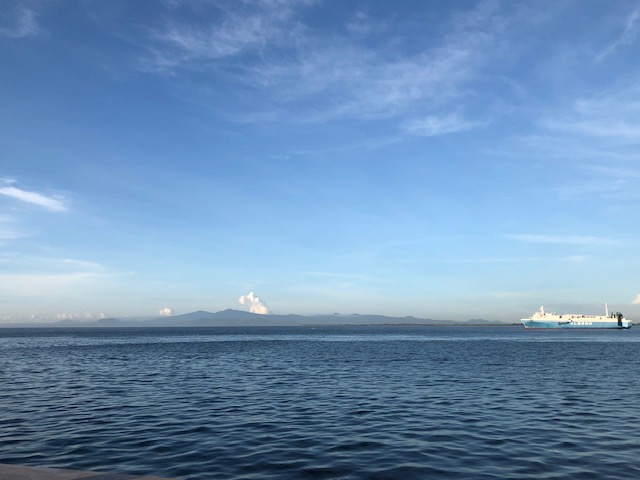 On a clear day, one can see the island of Sulu
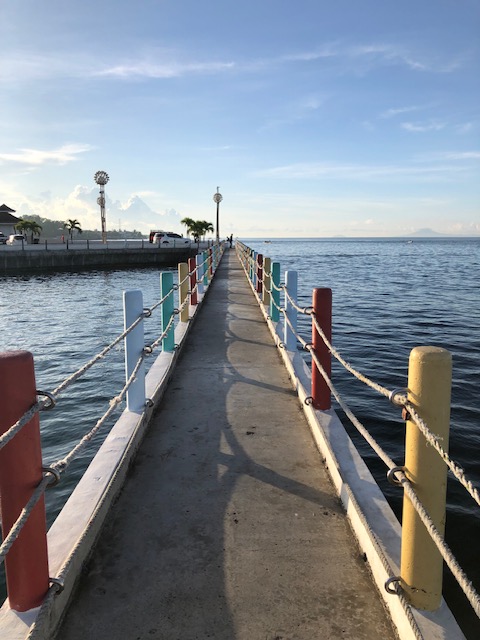 Board walk
 The space is just enough for two people going opposite directions
More photos on walking around Zamboanga City in the next posts!
–
Covid test kits at the airport
Despite the relaxed stance on COVID-19, the virus is still very much around and evolving or mutating. While airports in the Philippines are lax about the wearing of masks, airlines require masks for passengers on flights. I’m not sure how effective as a preventive measure this is since most people at airports don’t wear masks and there is nothing that will allow for contact tracing anymore.
Meanwhile, COVID-19 test kits vending machines are now common at airports. I guess aside from being a reminder of the pandemic, it is also a convenience for people who want to check, quickly though not so accurately, if they are positive for the virus.

–
Been there, done that
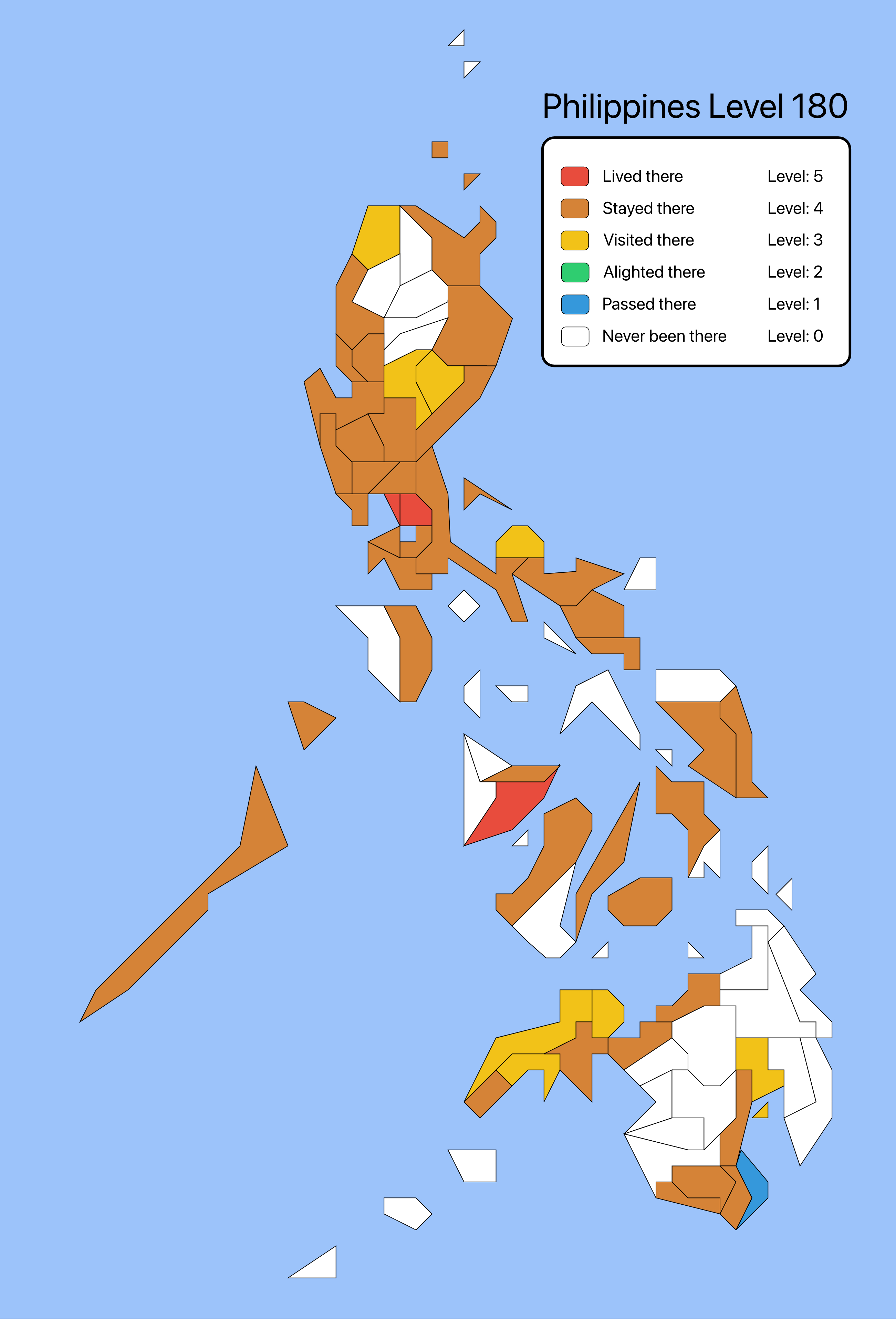
A map share went viral the past week as people thought about the places they’ve been to. The map showed the provinces in the Philippines (there are other versions featuring maps of other countries like Japan) and you’re to determine whether you’ve lived there, stayed there, visited there, alighted there, passed there, or never been there. I am sharing my map here instead of on social media. My definition of ‘lived there’ is if I actually have a residence in the province. ‘Stayed there’ is if I at least spent the night there. ‘Visited there’ is more an excursion for me including making a stopover to have a meal. ‘Alighted there’ is a bit unusual for me since it should be the same as ‘passed there’. ‘Passed there’ for me is simply going through the province without stopping for a meal, to buy something, to take a few photos or a toilet break.
–
Departure via Mactan Cebu International Airport Terminal 2 – Part 2
In Part 2 of this short series (and a very late post at that), I share more photos at Mactan Cebu’s International Airport Terminal 2.
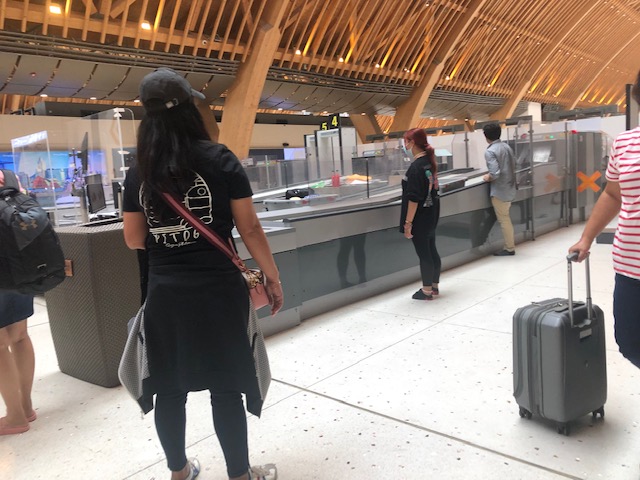 MCIA is equipped with modern bag scan machines
 These are now installed in most major airports in the country but the first time I saw these outside of NAIA was in MCIA.
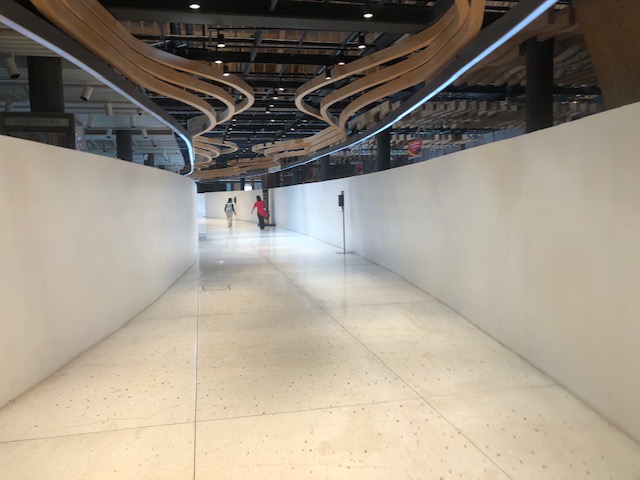 The long corridor from the final security check to the pre-departure areas
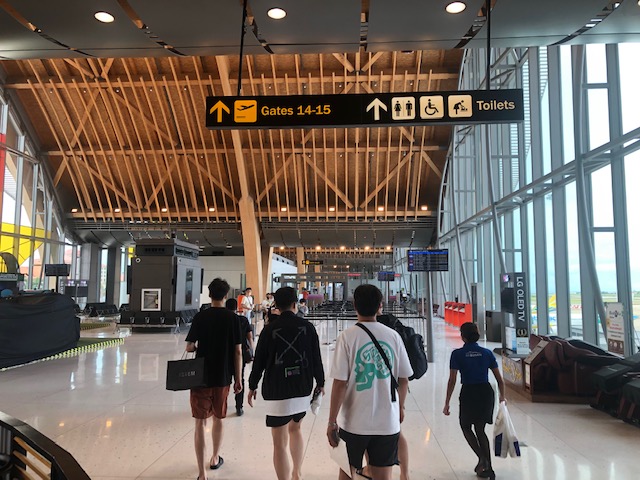 The terminal is spacious as can be seen in this photo (and in the previous Part 1).
 There are many restaurants and cafes to choose from inside the terminal.
 There are generic ATMs around the terminal for the convenience of travelers who might need cash or do other transactions using these machines.
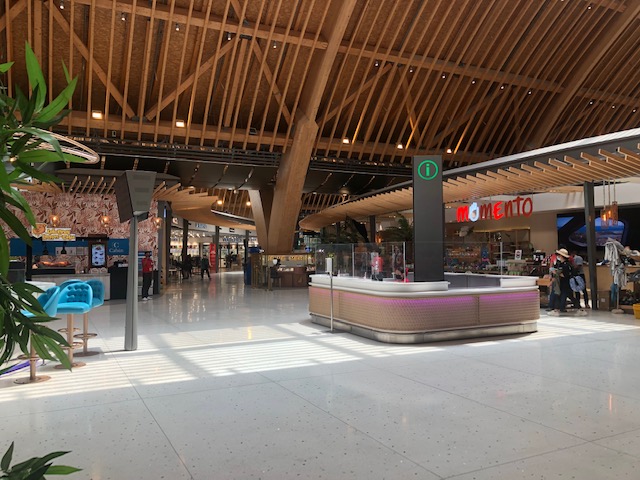 Information counter in the middle of shops and restaurants
 Souvenir shops have products mainly from Cebu. Others are from other provinces or regions but mostly from the Visayas.
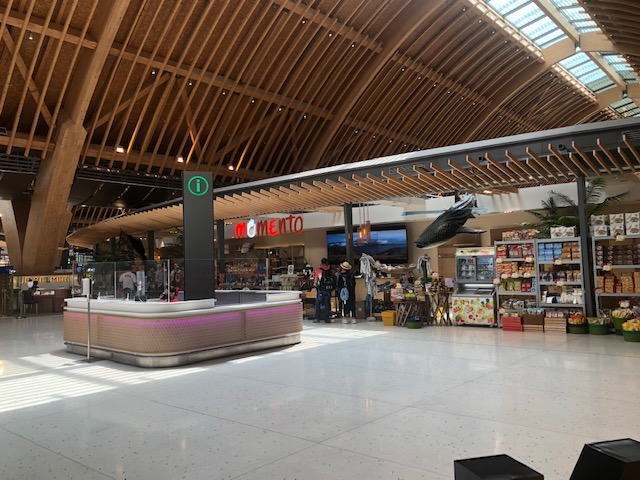 Another shot of the information counter with the souvenir shop across from it
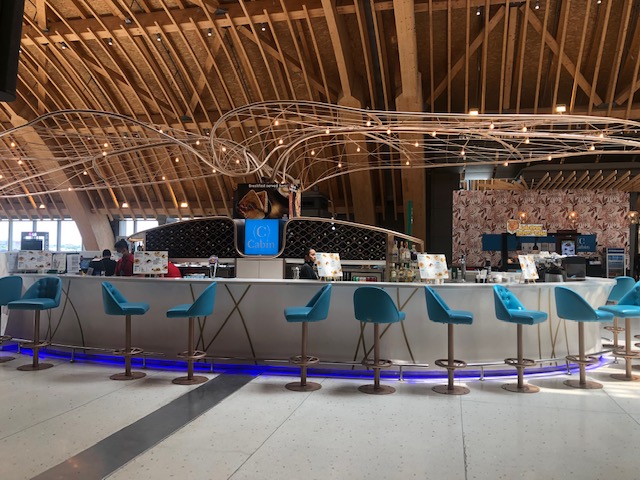 Cafe at the terminal just before the gates
 There’s a nice ramen restaurant at the terminal. I will write about this but in another blog.
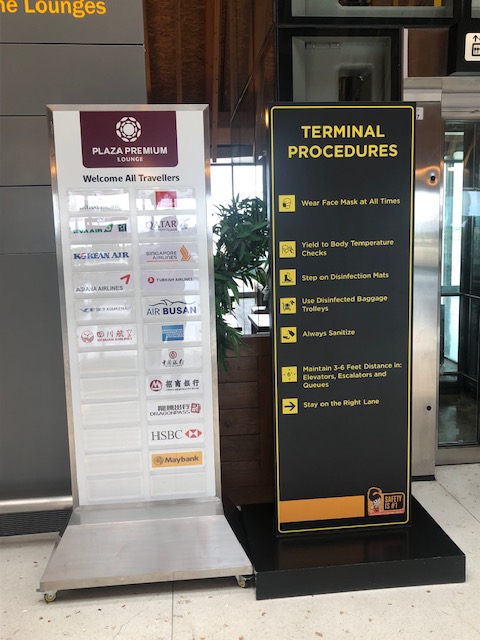 Premium lounge sign showing airlines whose passengers may use the lounge. Beside is a sign showing terminal guidelines including the wearing of face masks and the urge to regularly sanitize and practice physical distancing. This was over a year ago so perhaps they have a different sign at the terminal now.
 A closer look as the premium lounge sign
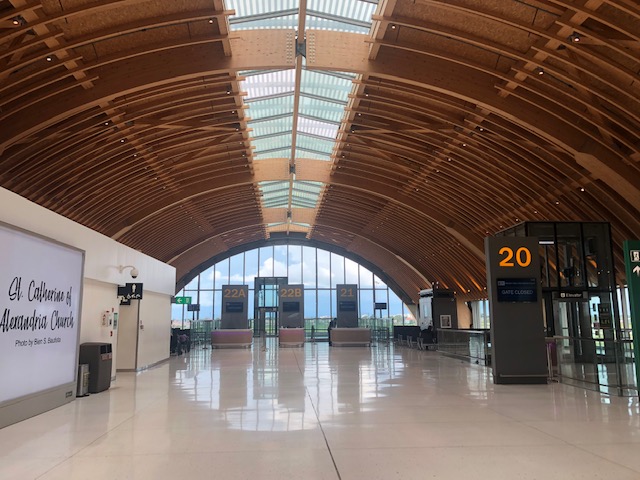 A look at the entrance to the pre-departure lounge of Gate 20
 A view of the terminal and the tarmac
 Tube waiting for the next aircraft to dock
 The modern design restrooms are clean and spacious.
 Boarding gates
 I took this photo of the floors.
 Drinking station near the toilets
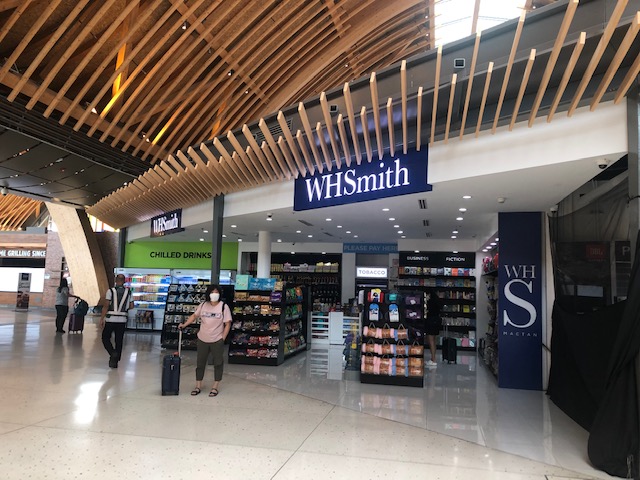 A familiar shop is this WHSmith, which we used to see only in airports in other countries including Changi and HK.
 A look at one of the Duty Free Shops at MCIA T2
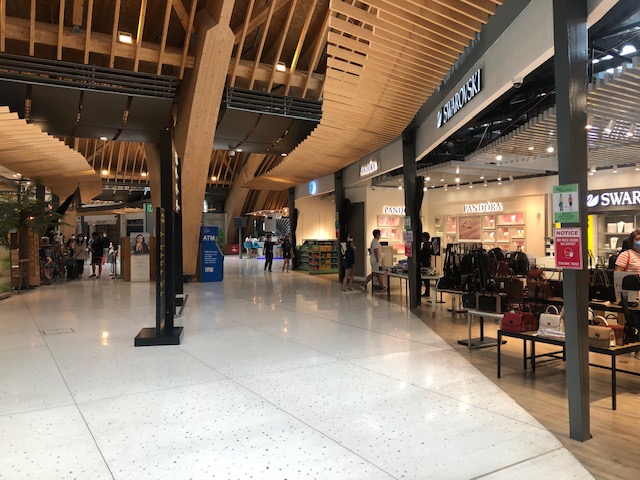 A glance along the corridor shows most shops and restaurants open
 Familiar brands like Coffee Bean and Tea Leaf have branches in the terminal
 Burger King is beside this donut shop – the donuts are really good and I took home a box from this shop.
 Gateway to the departure gates
 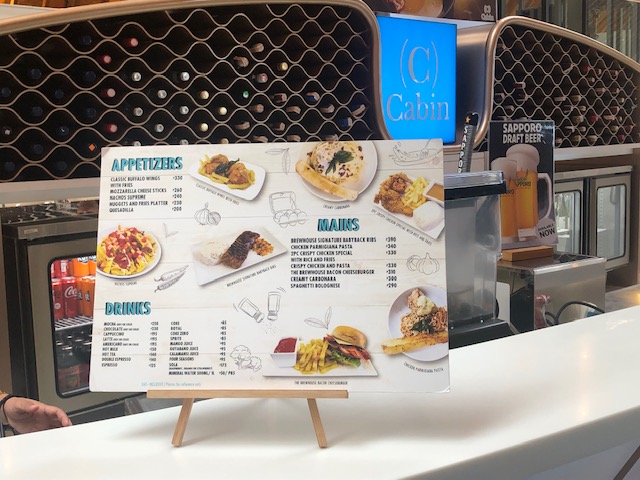 Terminal 2 cafe menu
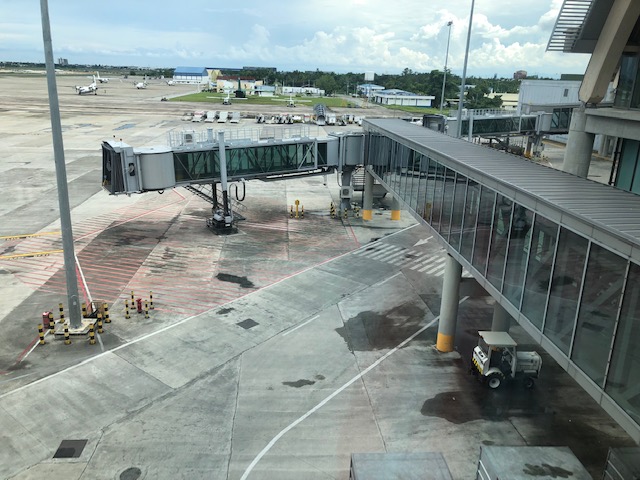 Another look at the tube while waiting for our plane to arrive.
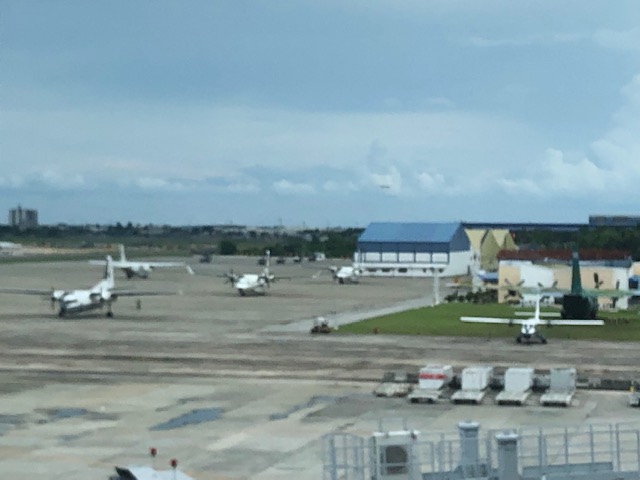 Other aircraft at the airport includes private planes and military aircraft from the adjacent air base.
I already mentioned that this is a late post. We traveled to Cebu back in July 2022 and perhaps many things have changed since then. The terminal’s features though should have few changes aside from having more people there as restrictions due to COVID-19 have been lifted. I just wanted to post this as a form of closure for an unfinished series featuring MCIA T2 before I start posting on other airports.
–
Bisikleta Iglesia – Visita Iglesia on a bicycle
I read this post shared by a former student-advisee about a Bisikleta Iglesia being organized in Quezon City. Here are some information I got from the post:
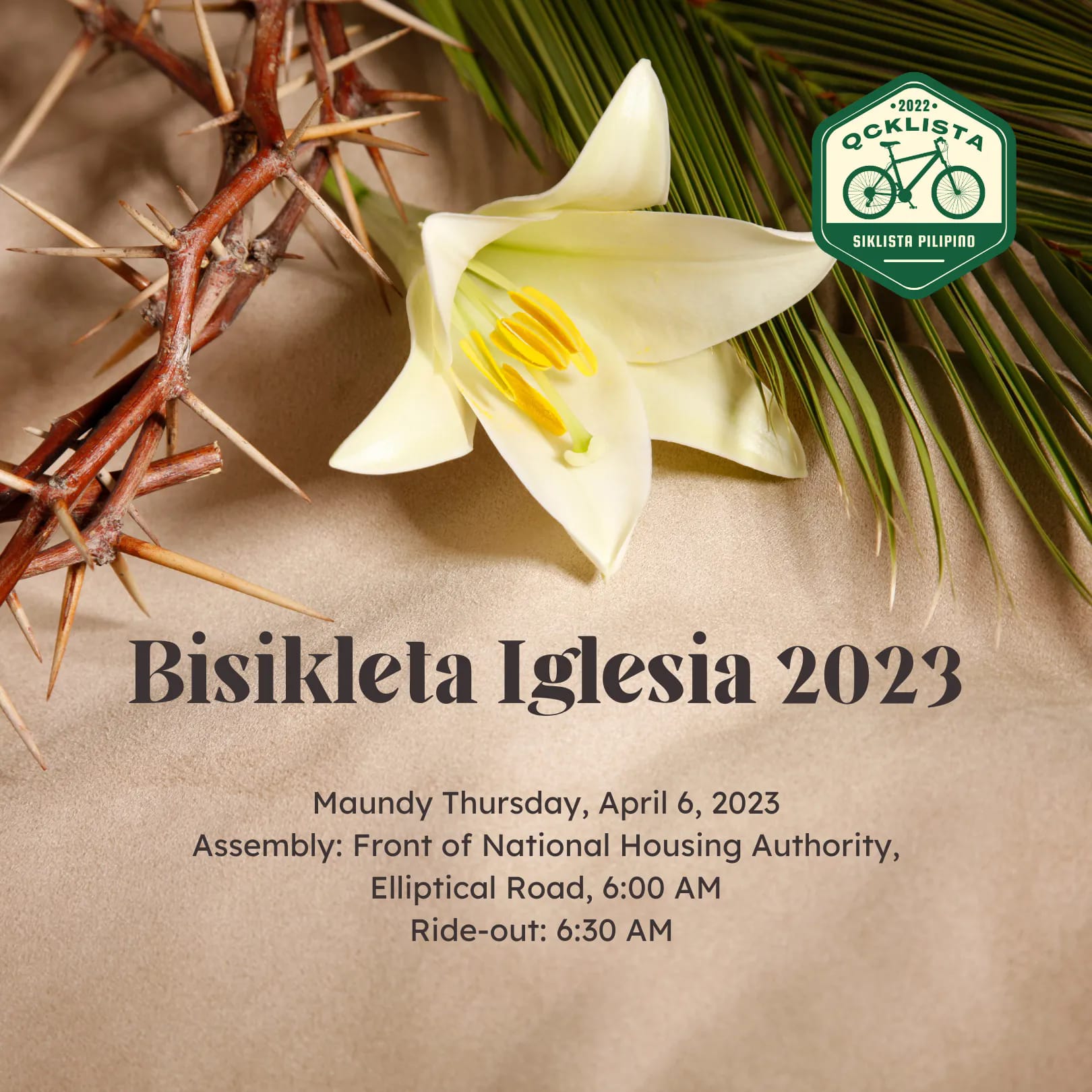


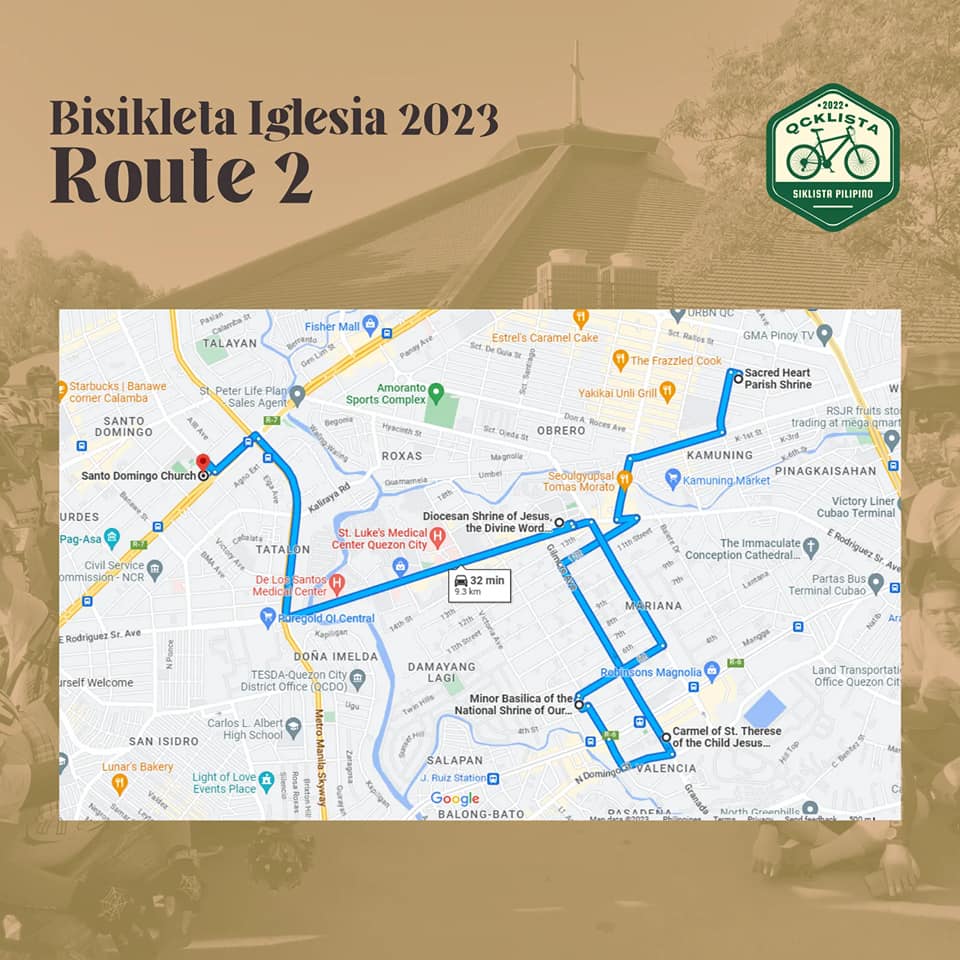
More details on their Facebook page:
https://www.facebook.com/PadyakQCklista
Of course, if you’re more into longer distance rides and even older churches, there are other routes to consider around Metro Manila. Manila alone would have so many churches to include in a Visita Iglesia itinerary such as the Manila Cathedral, San Agustin Church, Binondo Church, Sto. Nino Shrine, Paco Church, San Sebastián, Remedios, St. Jude, San Miguel and Quiapo (Black Nazarene). I will look for other itineraries shared and try to share them here before Holy Thursday. For those who are more adventurous, I share an old post (April 2019) about a bike able itinerary in Rizal:
https://d0ctrine.com/2019/04/16/visits-iglesia-itinerary/
–
Work trips abroad
We are traveling again abroad for work. Work-related travel was mostly limited to road trips and local travel (e.g., to Zamboanga) in the past 2+ years. We used to average at least 2 foreign trips per year with my wife usually raising that average due to the nature of her work that used to make her travel to the US at least twice a year.
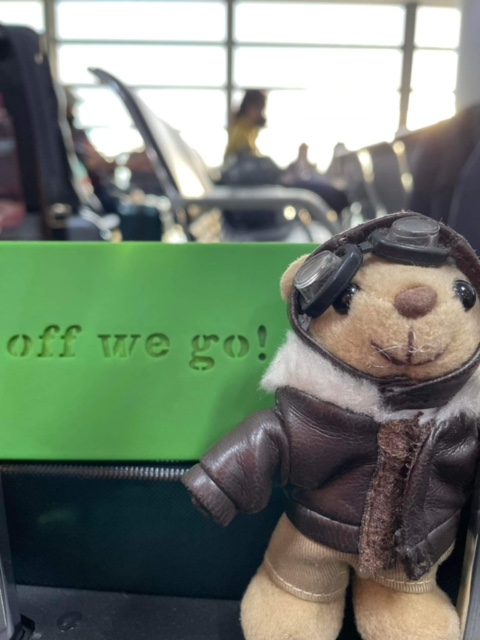 I got this bear in Arnhem, The Netherlands. He’s supposed to be an Air Force aviator, symbolizing one of those who braved the skies to bomb enemy positions or deliver paratroopers during Operation Market Garden as depicted in the movie “A Bridge Too Far.”
–
Departure via Mactan Cebu International Airport Terminal 2 – Part 1
The MCIA has two terminals with the newer Terminal 2 being lauded as one of the best designed terminals in the country. It has been recognized internationally, too. And this is mainly due to the architecture of the new terminal.
 Approach ramp to the departure level of MCIA Terminal 2
 Departure level driveway – the area looks spacious but you wonder how it is during the peak season.
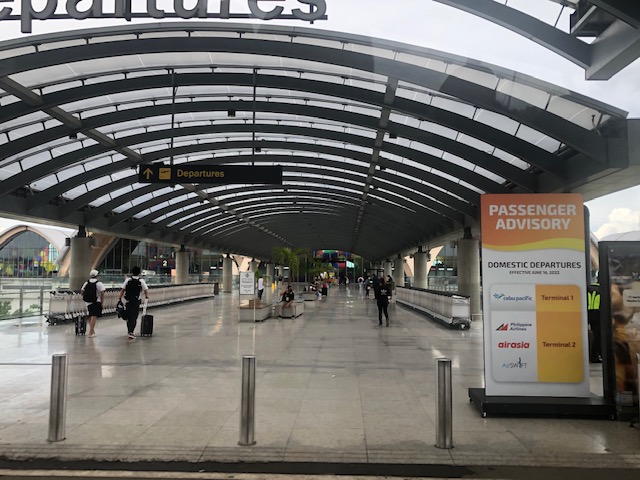 The view upon alighting from the vehicle that took us to the airport – note the advisory stating Cebu Pacific departures are via the old Terminal 1.
 The walkway leading to the terminal building is very spacious.
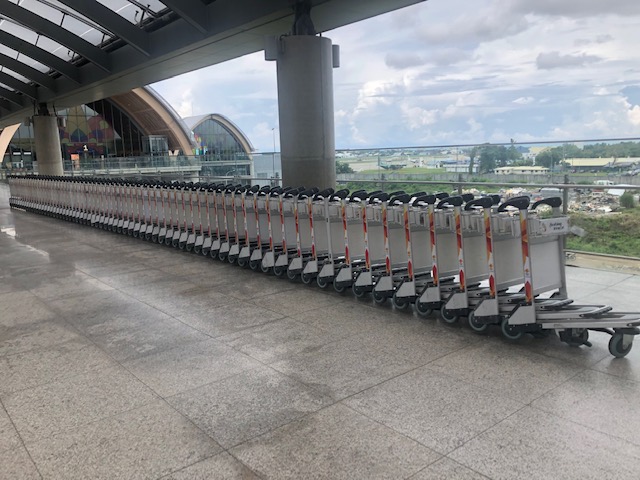 Passengers may use the baggage trolley for their convenience in hauling their luggage.
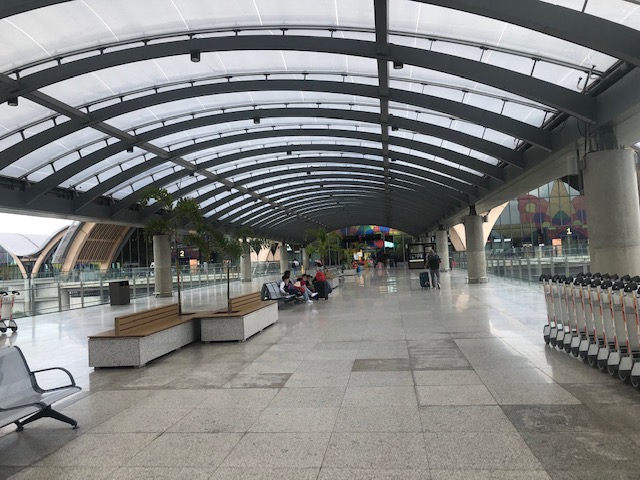 There are seats for travelers and their well-wishers.
 One of the kiosks along the corridor leading to the terminal building
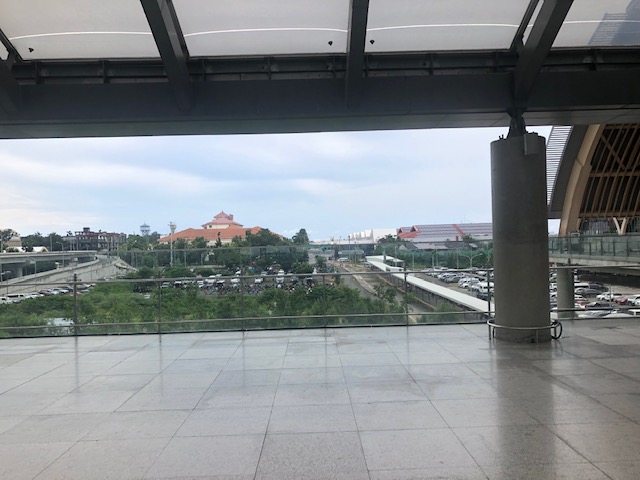 The view from the walkway shows the Waterfront Hotel with its tiled roofs and the older MCIA Terminal 1 building (at right in the photo).
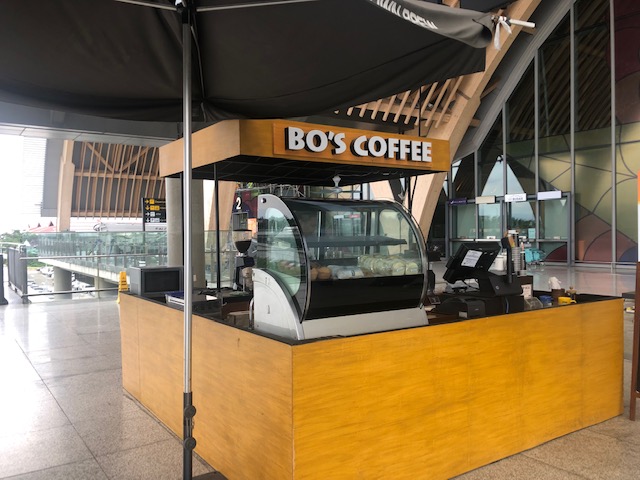 A local coffee shop operates out of one of the outdoor kiosks. These kiosks serve both travelers and well-wishers.
 Inside, a popular souvenir shop welcomes travelers.
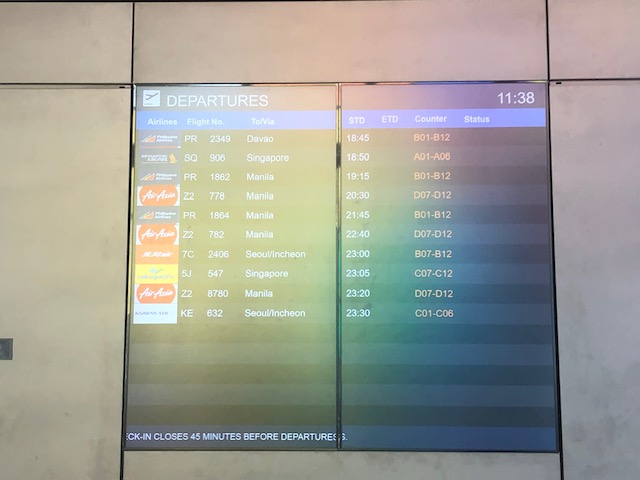 Schedule of departures are shown on one of the screens inside the terminal building.
 Info booths of some of the airlines using Terminal 2
 The Terminal 2 building offers very impressive architectural details.
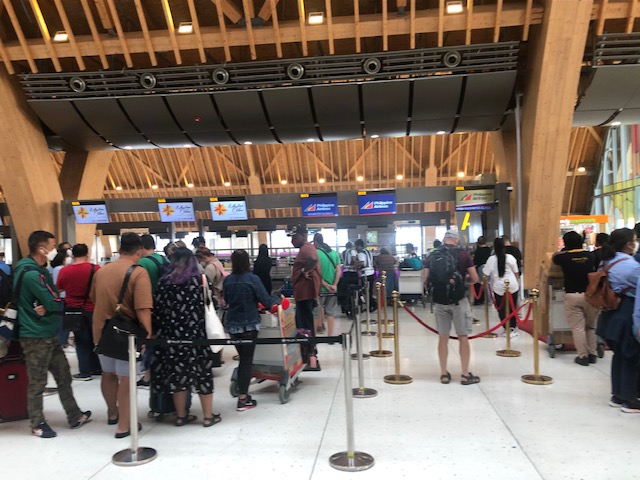 There were long lines not because the airport is crowded but because there were few check-in counters open. Even those who have checked-in online and were to drop-off their bags were not spared the queues.
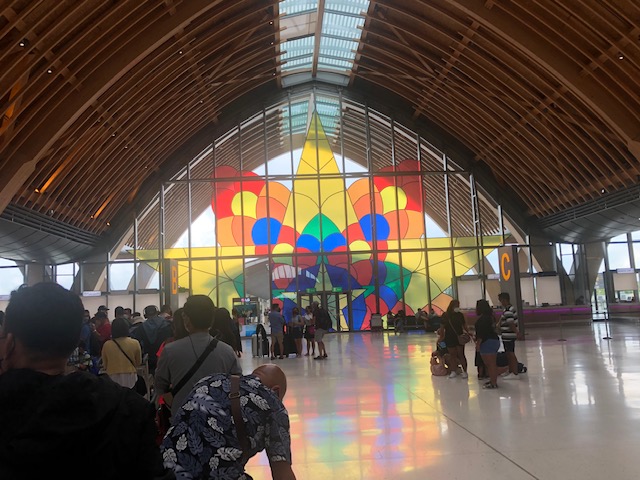 Stained glass windows featuring what appears to be a giant parol (Christmas lantern).
 A view of the other check-in counters at the spacious MCIA Terminal 2
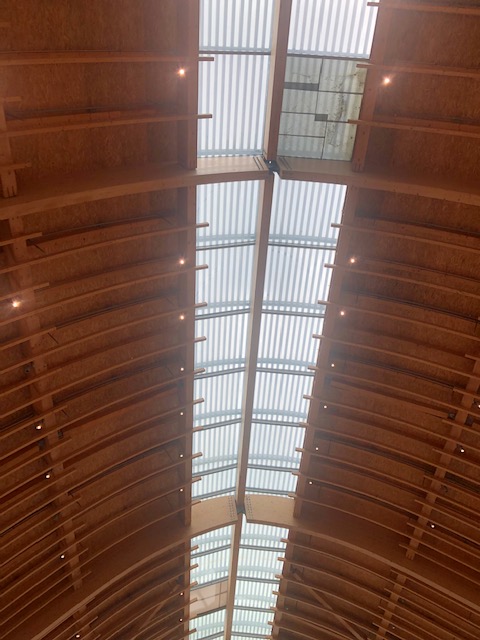 I took this photo of the ceiling to show the incorporation of natural lighting elements that allow for less power consumption for lighting particularly during daytime. This is one of the eco-friendly features of the building.
 Another view of the long queues for PAL after we finished checking-in.
 Airline service and information counters at the terminal – these are for Air Busan and Korean Air. An Air Busan plane figured in a crash recently when it overshot the runway upon landing at the MCIA in bad weather.
 Another view of the ceiling and roof
 Guidance for passengers are posted at the check-in counters. These include info on items that are not allowed in the check in bags, what are prohibited and will be seized at the airport, and what are allowed only in check in bags. The scale readout is working and can be seen on the counter. Typical luggage limit for domestic passengers range from 20 to 25kg depending on the airline.
Part 2 is coming soon!
–
Tagbilaran – Panglao Airport Arrival
The last time we were in Bohol, the airport was still in Tagbilaran City. One had to travel about 45+ minutes if you were staying at a resort in nearby Panglao Island that is part of the province. The old airport was closed (the runway though served as a venue for ) and replaced by a new airport. This one is located in Panglao Island and close to the resorts that are the main attraction of the province.
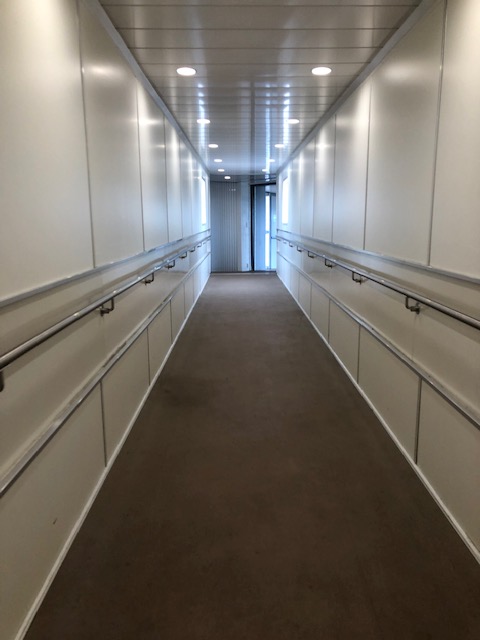 We deplaned via tube/bridge at the new airport terminal
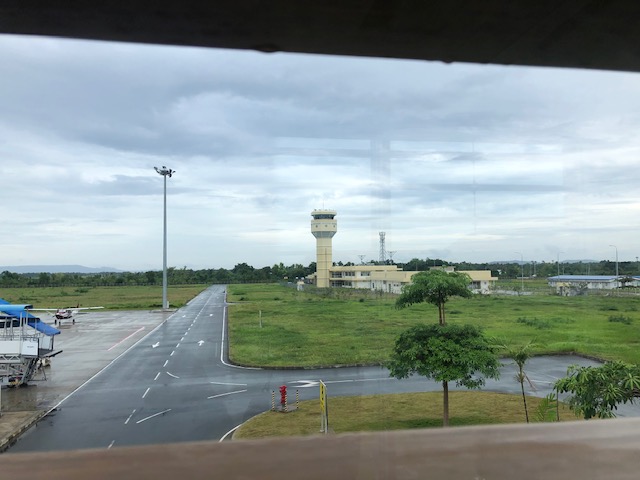 A photo of the control tower from the bridge
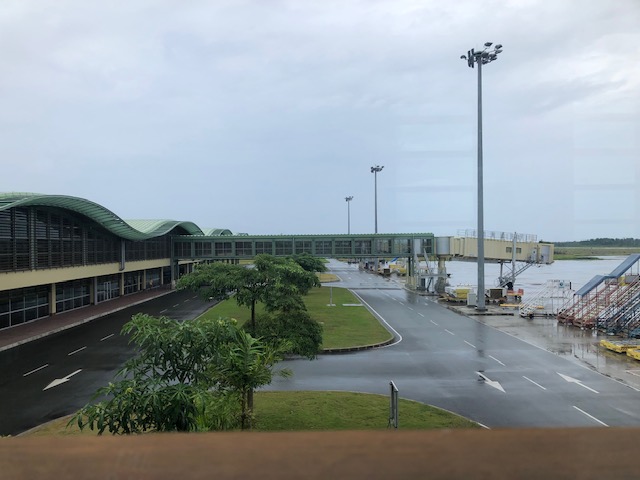 Did the airport terminal architecture take inspiration from Bohol’s famous Chocolate Hills?
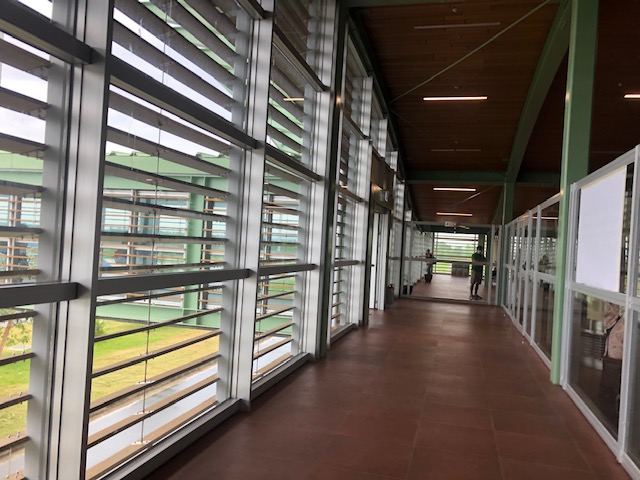 The corridors were well lighted, again thanks to the building design.
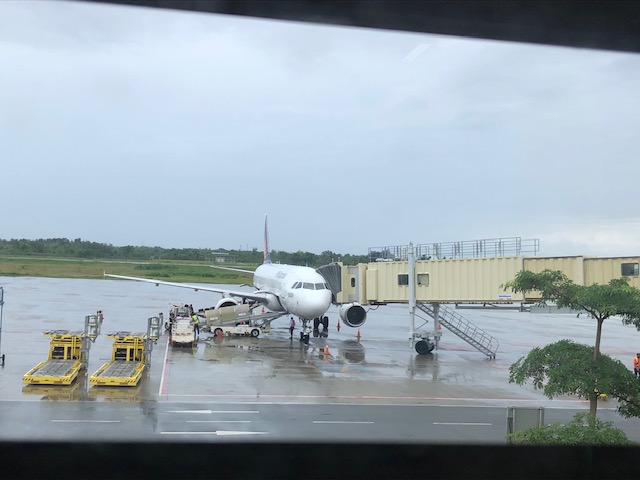 Our plane at the tarmac or apron unloading luggage and cargo
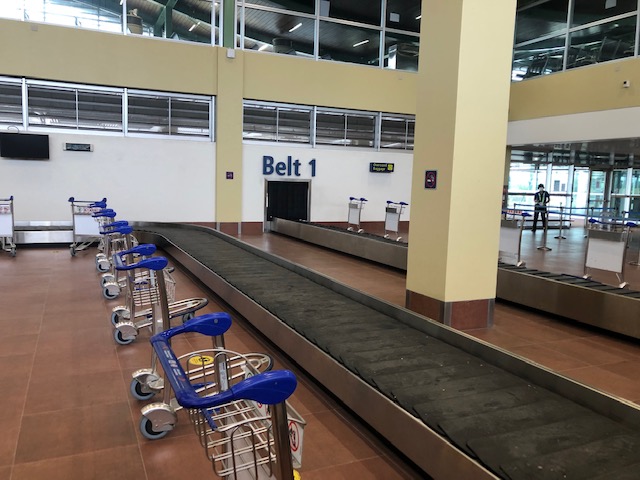 We arrived at the baggage claim area ahead of most people. The carts were already placed across the conveyor belt by airport staff.
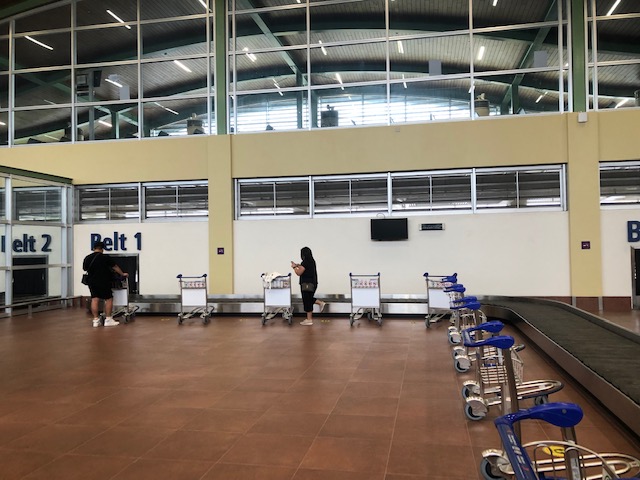 Belt 2 on the other side is for international arrivals. The airport already served international flights before the pandemic. These have yet to resume.
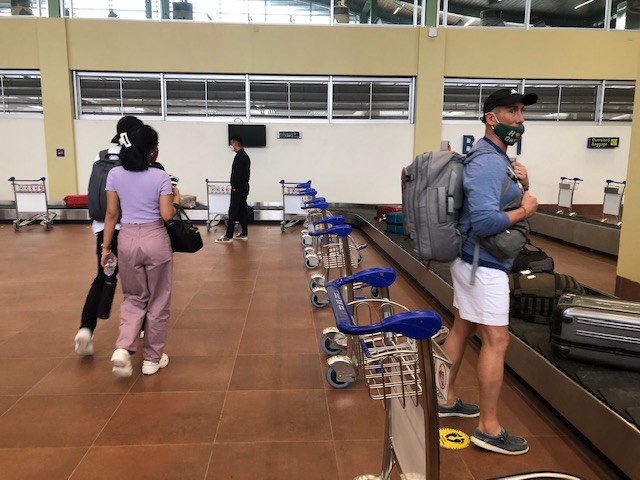 Passengers file unto the baggage claim area to pick up their luggage.
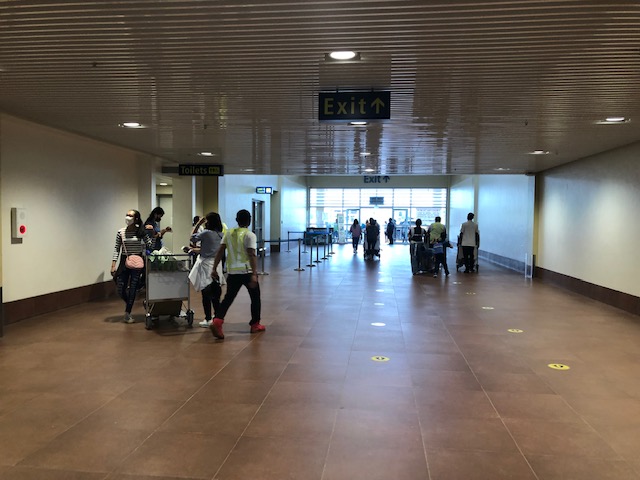 The hallway towards the terminal exit. The toilets are on the left side of the hallway.
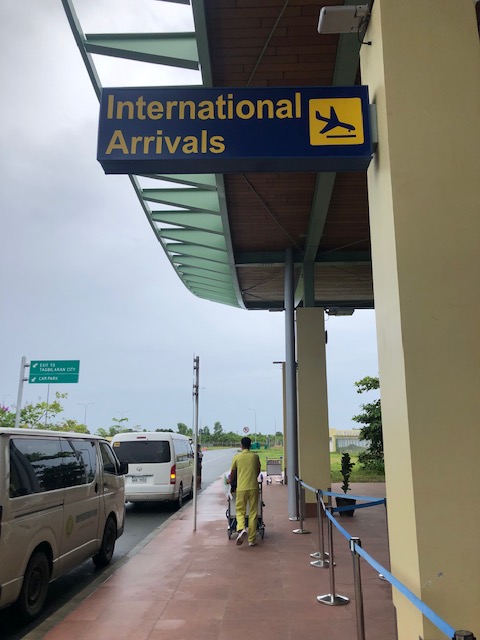 The sign indicates international arrivals. The airport currently does not serve international flights but these will likely resume once the pandemic threat is clearly contained. Other airports like Iloilo and Bacolod have also suspended international flights.
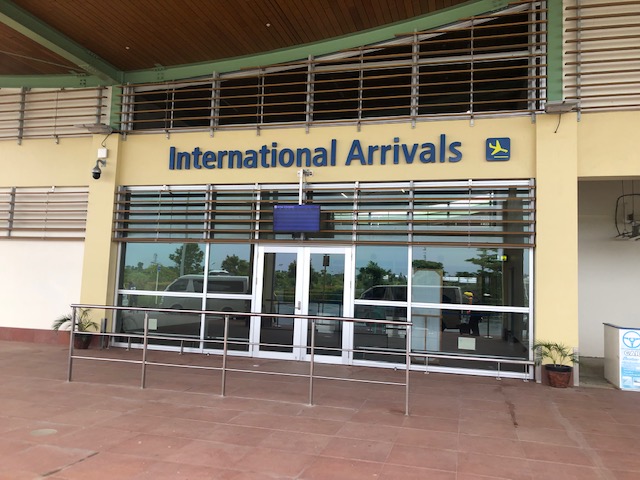 The international arrival area at Tagbilaran-Panglao Airport
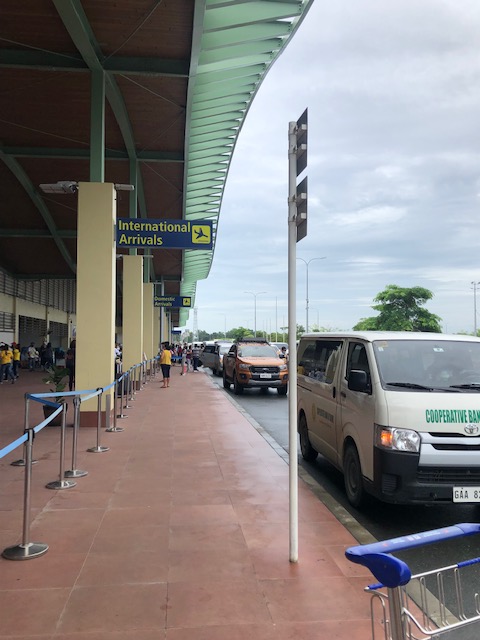 Airport driveway
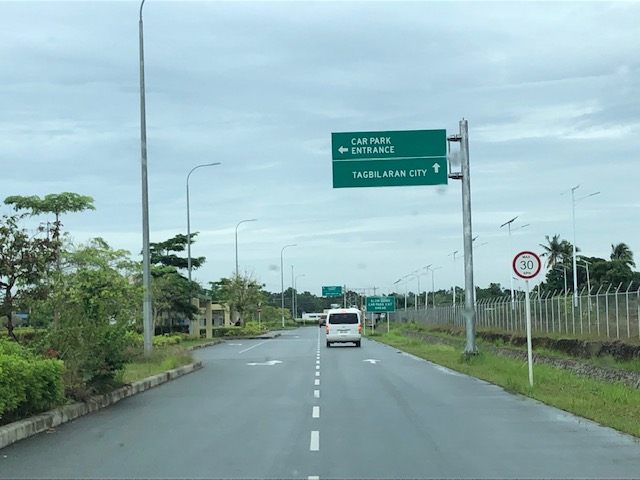 Exit towards our destination
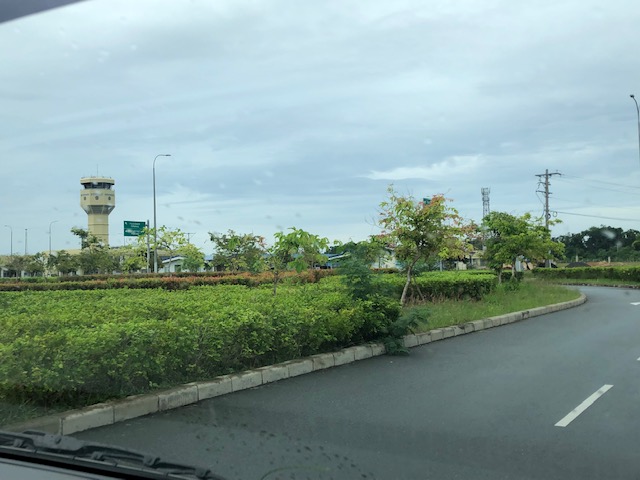 A view of the control tower as we headed towards the airport exit gate
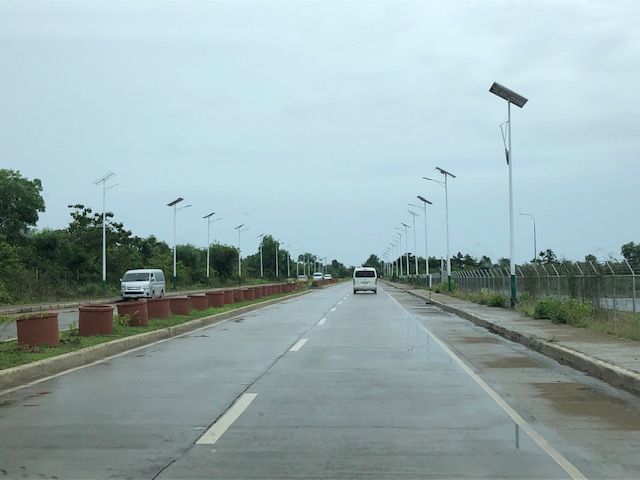 The new road connecting to the national road circling Panglao Island, which connects to the local roads leading to the resorts and towns in the island.
It now only takes something like 10 to 15 minutes to many of the resorts in Panglao Island. This is a convenience to tourists. However, the distance from the main island of Bohol (the rest and most of the province) means a longer travel time for Boholanons or Bol-anons to/from their hometowns from/to the airport. This looks to be a non-issue considering the pros of the new airport outweighs its cons.
More on this airport soon!
–
 Caught (up) in traffic