
Home » Posts tagged 'Zamboanga'
Tag Archives: Zamboanga
What’s new at Zamboanga Airport?
We were back in Zamboanga last week to do some follow-up work on a project on road safety. We also paid a courtesy call to the new City Administrator to reiterate our commitment on helping the city address concerns about child road traffic injury prevention. Of course, I was able to take some new photos of places and food. Among the typical photos I take is of the airport.
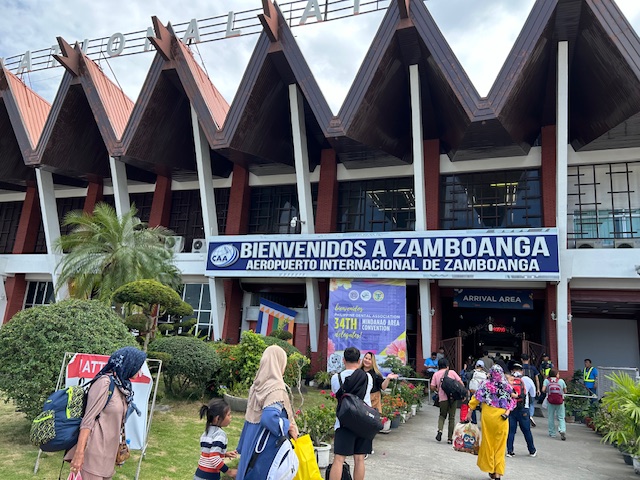 Passengers arriving at the Zamboanga Airport
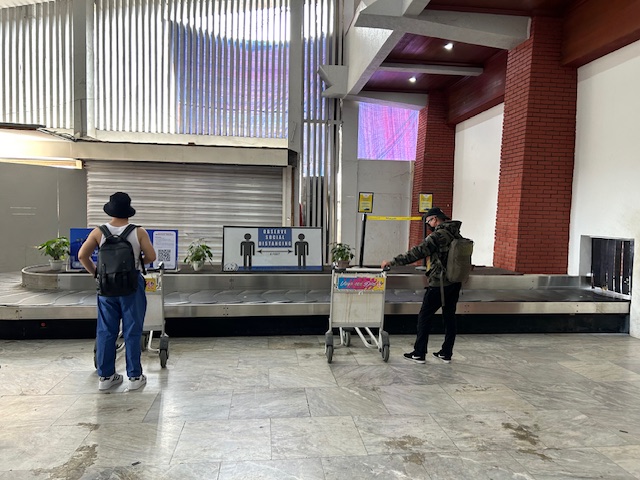 We were greeted by what looked like a new baggage carousel at airport
 This actually looks like the old one transferred to this position. The new one is currently being set up where the old one was and will probably be operational very soon. That means the airport will be able to separately handle baggage from two arriving planes.
 Colorful vintas on display at the arrival area just next to the baggage claim area
–
Zamboanga’s first flyover
We passed by the construction site of Zamboanga City’s first flyover at the intersection of the Pan Philippine Highway (AH 26) and Veteran’s Avenue. I recall there was a lot of pressure from DPWH for the city to approve its construction. The previous mayor didn’t want to approve the project because the perception was that it was not required and there were other options to consider before a flyover was to be constructed. However, many people including the then congressman and now mayor probably thought the flyover would be the solution to the congestion experienced at the intersection. Add to that the perception that the flyover is also somewhat a symbol of progress.
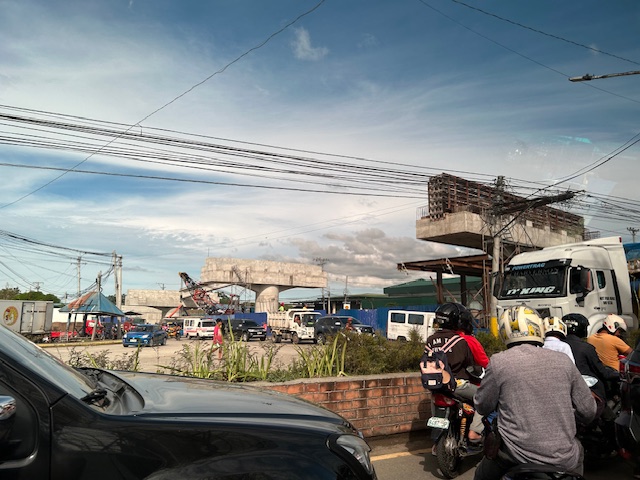
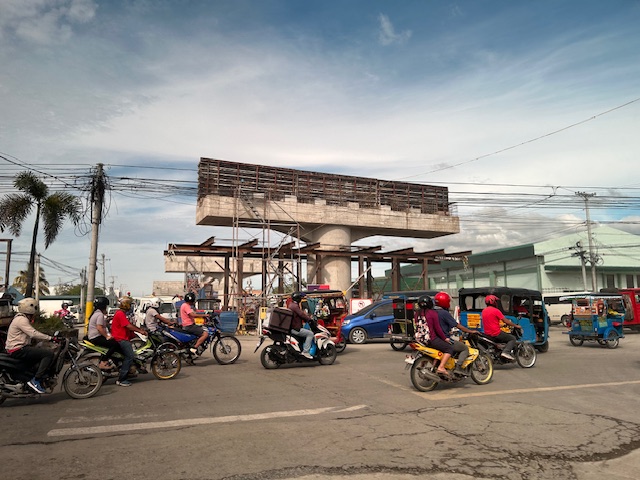
We won’t know until its completion and the ‘normalization’ of traffic in the area to determine whether the flyover has ‘solved’ traffic congestion in the area. The problem with this approach to ‘solving traffic’ is that it is usually a short-lived alleviation of a symptom of the real problem, which is transportation. Zamboanga City has deferred rationalization of public transport routed despite analysis and plans pointing to a streamlined and optimized transportation system if this was pursued. The City commissioned a Transportation and Traffic Management Plan Study in the previous administration but the plan and its recommendations have been shelved, another example of such being casualties of a change in administration of an LGU.
–
Morning walks in Zamboanga City – Part 3
Part of our walks took us to Fort Pilar and the Shrine of Our Lady of the Pillar. The shrine is originally located within the walls of the Fort, which served as a refuge for citizens when the city was under attack during various times in history. It is near the Paseo so can easily be integrated in our morning walks.
 The Shrine of Our Lady of the Pillar is open/outdoors and there’s a daily early morning Mass
 Instead of candle stands for prayer intentions, there is this trench set-up where you can put your candles and pray nearby.
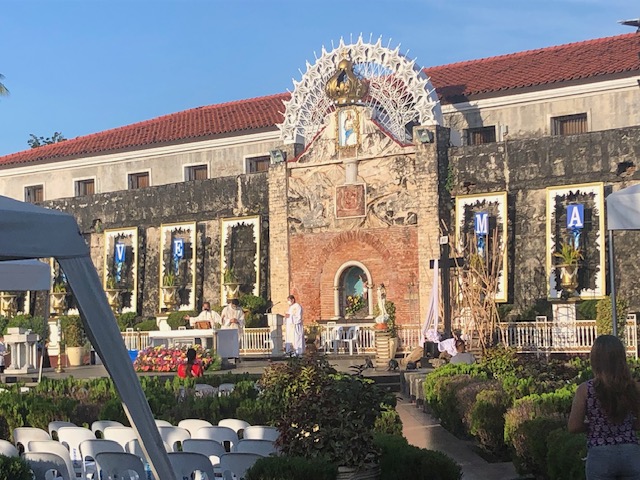 The main altar of the shrine apparently faces the sunrise
 Bells at the shrine
 Pigeons just outside the shrine and near the souvenir shops just across from Fort Pilar
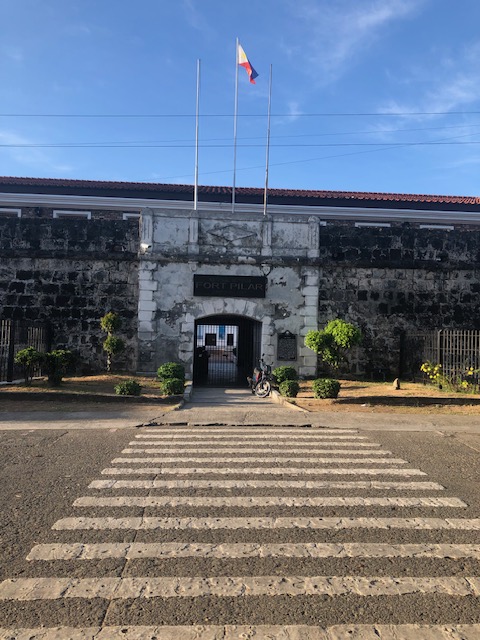 Entrance to Fort Pilar, which is administered by the National Museum of the Philippines
 Plaque describing the fort and its history
More posts on walking in Zamboanga soon!
–
Vendors along the boulevard in Zamboanga
Our morning walks allowed us to observe some scenes in the city. Along the R.T. Lim Boulevard, there are stretches of what was probably a public beach. We saw these vendors along the shore selling shellfish and clams.
 Vendors selling shellfish – suddenly I recalled the tongue twister: “She sells sea shells by the sea shore.”
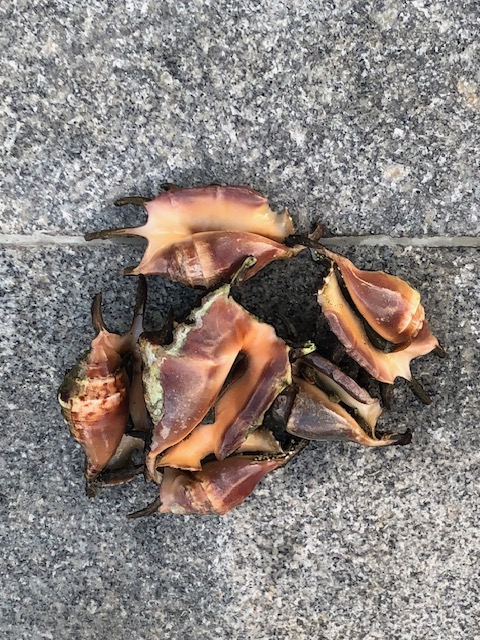 Conchs are sea snails and considered a delicacy in the Philippines
 Other sea snails that some people generally call kuhol are in buckets to keep them alive and fresh.
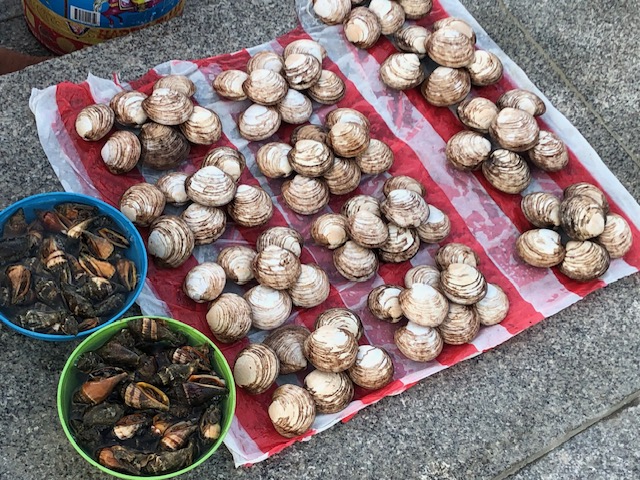 Clams make for good clear soup that will go with any viand for your meals whether it’s lunch or dinner.
These are the scenes you usually miss when you’re driving or riding. Walks or jogs bring you closer and provide the opportunity to stop and look (even inquire or take a few photos). They enhance our walks and allows a glimpse of how life was along the shores when a city like Zamboanga was not as developed as in the present. Manila used to have public beaches before the first reclamation projects eventually wiped them out. The attempt to bring those back in the form of the dolomite beaches don’t really help considering the water pollution that makes swimming or wading risky for people.
–
Morning walks in Zamboanga City – Part 2
We took early morning walks in Zamboanga City, when most people are just starting their day. That meant less people and traffic, and one can enjoy the walks without worrying about motor vehicles or crowded streets. A nice route would be from City Hall to Paseo Del Mar and First Pilar and back. This is easily 5,000 to 6,000 steps depending on the variations to the walking route.
 Zamboanga City’s Paseo Del Mar is practically deserted but for a few joggers or walkers around 6:00 AM.
 You can enjoy a walk, jog or run with views of the sea and ships
 The lamps reminded us of similar designs along Roxas Boulevard in Manila and Pasay.
 A view of the port and what used to be the Lantaka Hotel (building at right) from the Paseo Del Mar. During one of the city’s festivals, this area would be the staging ground for colorful vintas.
 This sign for the paseo would likely be a popular photo op spot.
 A potted palm tree and a bench that invites one to sit and enjoy the view
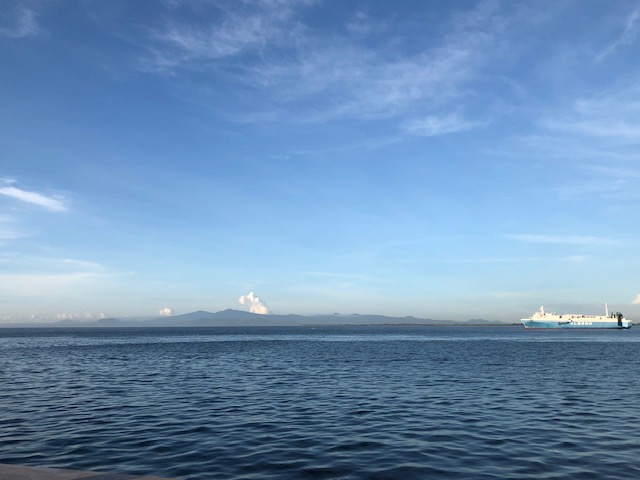 On a clear day, one can see the island of Sulu
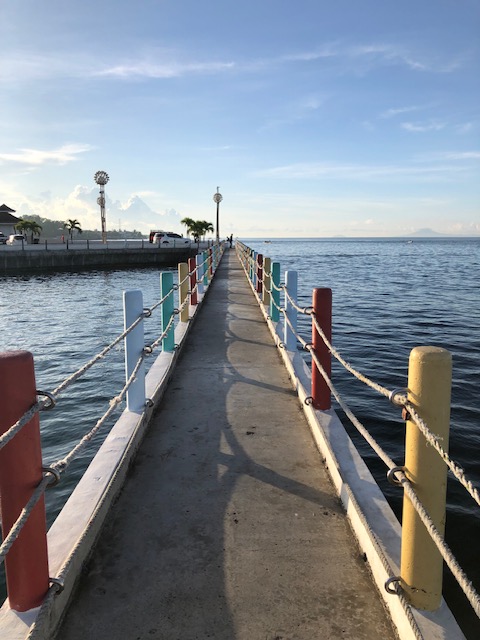 Board walk
 The space is just enough for two people going opposite directions
More photos on walking around Zamboanga City in the next posts!
–
Morning walks in Zamboanga City – Part 1
Before I return to Zamboanga City for another workshop, I wanted to at least post the first of a series about walking in the city. One advantage of staying at a hotel in downtown is that it is close to the parks and city hall. You can also walk towards Lim Boulevard or perhaps towards Fort Pilar on the opposite direction.
 Rizal Park
 Arcade style walkways integrated into the older buildings in downtown Zamboanga City
 Valderosa Street with the Zamboanga City Hall on the right

 Rizal Park viewed from City Hall
 A close up of the Rizal monument
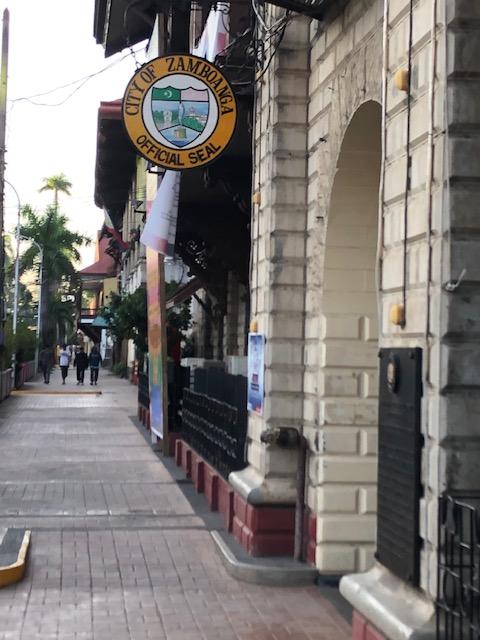 One of the entrances to city hall has the official seal of the city on display.
 Historical market for the building, which was first constructed during the American Period. It states that the building also used to be the Provincial Capitol. It is a heritage structure that is over a century old.
 The sidewalks are wide and paved. Planters are located along the curb to enhance the environment.
 Historical marker on an old house that was the official residence of Gen. John Pershing (yes, that Pershing) and which became BPI’s first branch in the city.
 Other old houses may be found along Valderosa Street. Many if not most are in a state of disrepair.
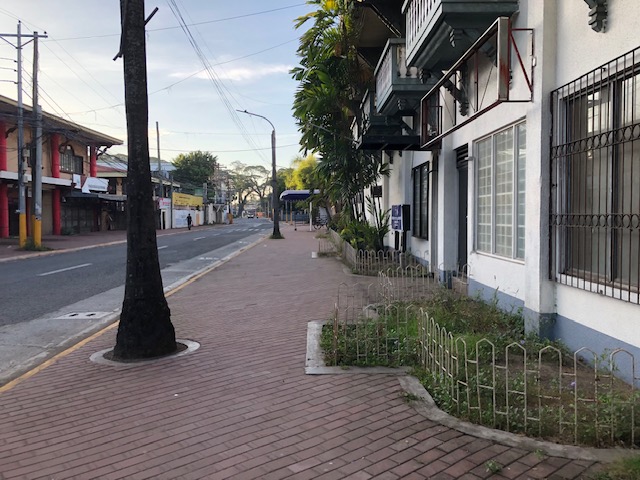 Sidewalk fronting what used to be the Lantaka Hotel. Part of the hotel is now with Ateneo de Zamboanga.
 Graffiti on the walls along Valderosa Street
 Section fronting what used to be the Lantana Hotel. It is now part of Ateneo de Zamboanga.
More photos in Part 2, which is coming out soon!
–
Short cuts in Zamboanga City
Our capacity building workshop in Zamboanga involved not just lectures and workshops but some practical exercises to demonstrate the surveys needed for road safety assessment of schools. Fortunately, there was a nearby school to our workshop venue and we only needed to walk to the school where participants could set up at certain locations to simulate data collection. Since a couple of teachers participating in the workshop were from the area and the nearby school, they led us to a short cut to get to their school. The route included a walk along a paved path along one of Zamboanga City’s streams.
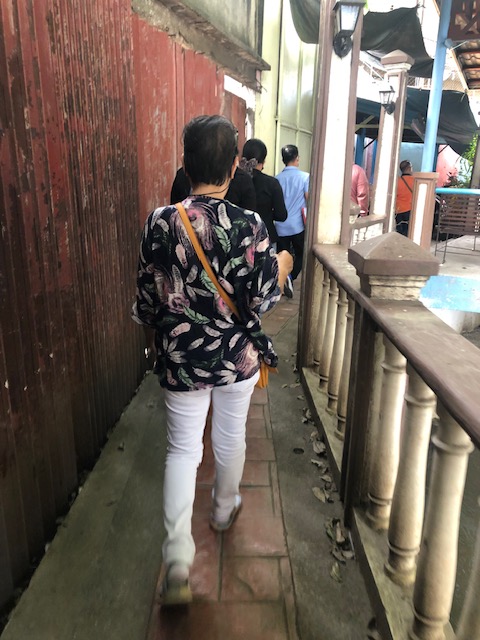
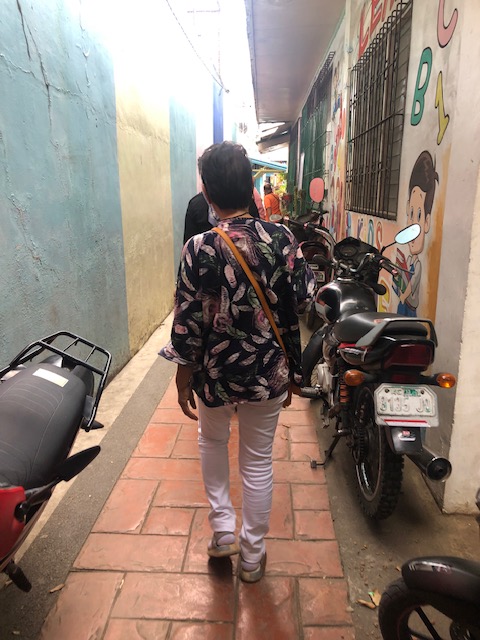
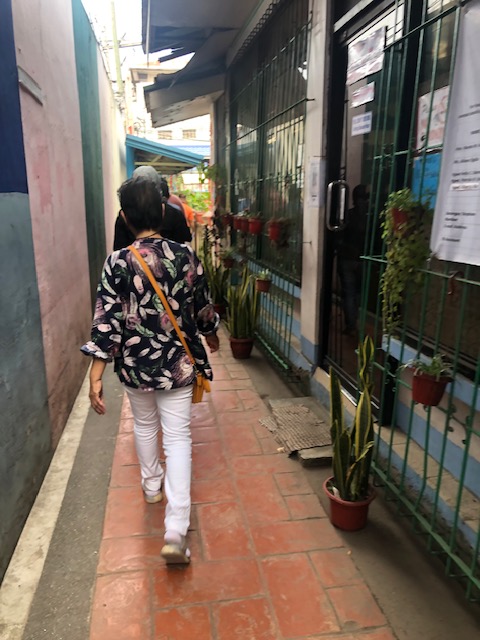
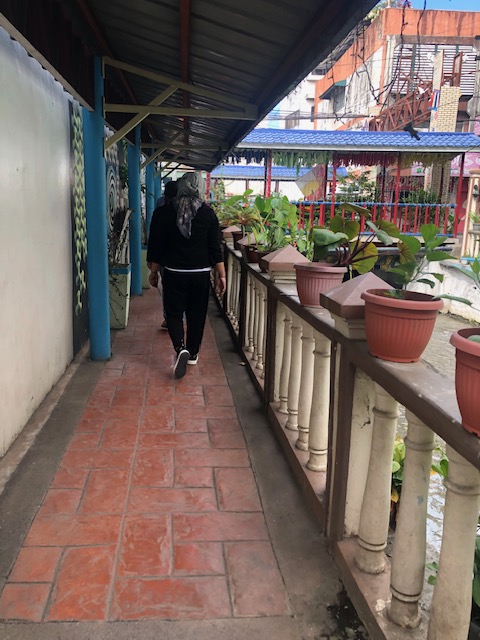

The area had a smell (stink?) to it. That was likely because it was the dry season and the heat meant the dirty water from the stream evaporated and generated the smell. There were even large rats that we saw swimming in the waters! Our guides told us that it was better during the wet season as the water flowed faster and was cleaner due to the rains and runoff. They also related about them bathing in the stream during their childhood days (I assume this was more than 30 years ago.) and before the structures above were constructed. The pathways were clean and secure though and there were others like these that we thought were good examples of pedestrian infrastructure that promote safety as well as encourage walking as a preferred mode of transport especially for short trips.
–
Another look at the Zamboanga Airport – departure
This is another one of those late posts. I was in Zamboanga City three months ago. I had wanted to see for myself what the airport now looks like and if they were able to complete the renovations on the airport. Here are the photos I took of the departure area of the airport where most of the renovations were being done the last time we were in Zamboanga just weeks before the lockdown in March 2020.
 The driveways are still the same and so is the main concourse, which is limited to VIPs. Most passengers would have to cross this area from where they alighted to get to the terminal.
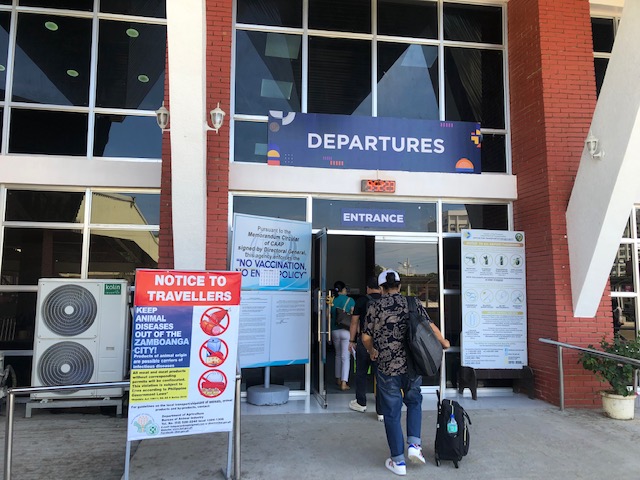 Entrance to the terminal’s departure area
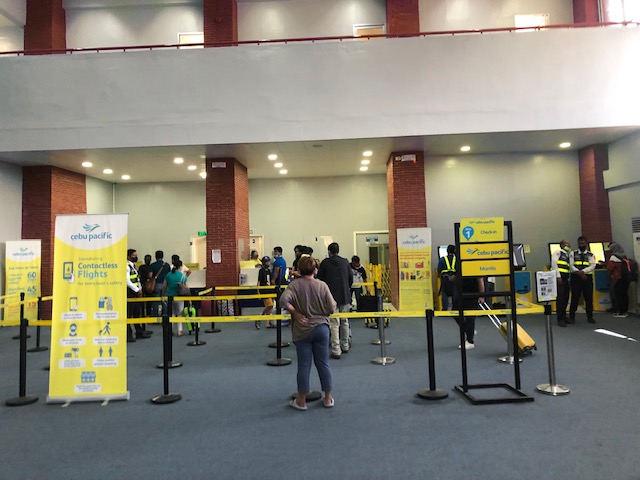 What used to be a crowded, hot and humid check-in area is now spacious, orderly and better-ventilated.
 A general view of the check-in area of the airport
 It can now accommodate more passengers and travelers will be more comfortable here compared to how it was before.
 Cebu Pacific posted this for guidance of passengers in the number of baggage they are allowed to bring according to what they paid for when they bought their tickets.
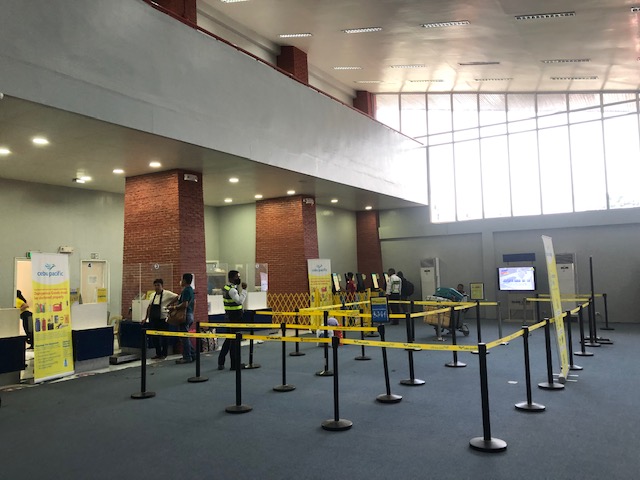 Cebu Pacific’s check-in counters
 PAL’s check-in counters
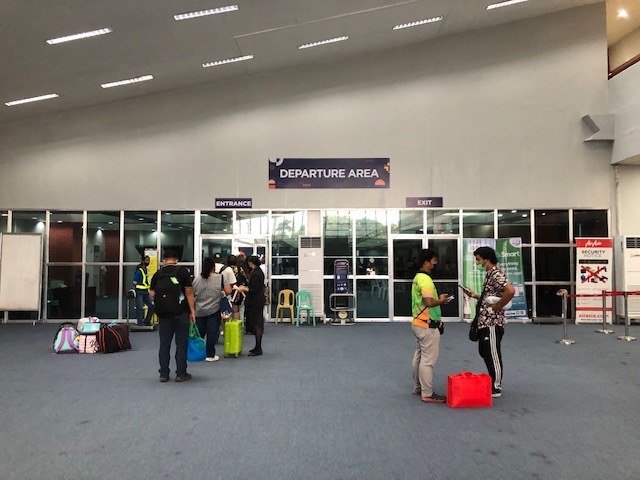 Entrance to the lounges – airport personnel check the passengers’ boarding passes and mark the seats on the plane to probably see who are already in the lounge and waiting for the boarding call.
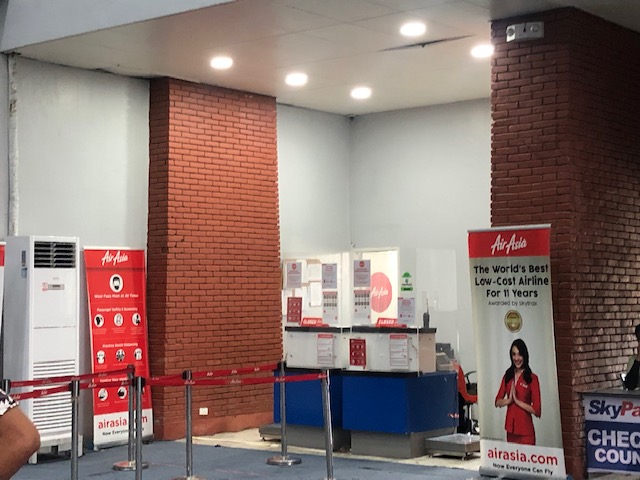 Air Asia check-in counters
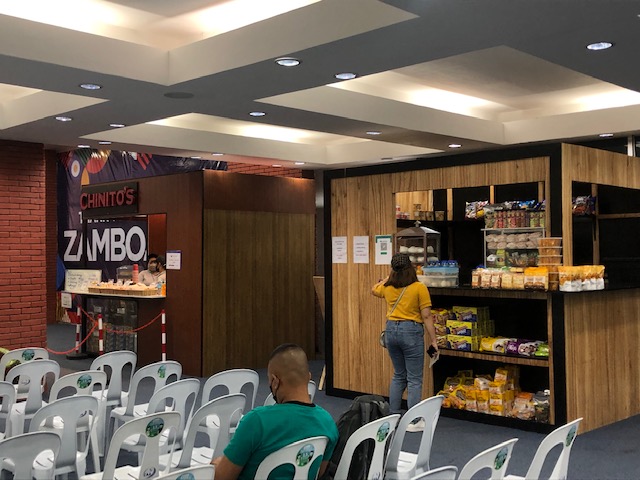 The shops and eateries that was in the mezzanine are no more. Like the airport in Panglao there are now fewer and limited food options at the departure lounge. Fortunately, there is a stall operated by the popular restaurant-cafe Chinito’s. They have good coffee, snacks and light meals there.
 The lounge area remained the same. I did not see any additional seats or areas for departing passengers. The lighting has improved though.
 There’s a separate Heroes’ Lounge for those who are from the armed forces. Zamboanga is an important post for the military and you can see drones either flying or on the ground at the air force base in Zamboanga. Andrews Air Base is just across the airport and they share the same runway.
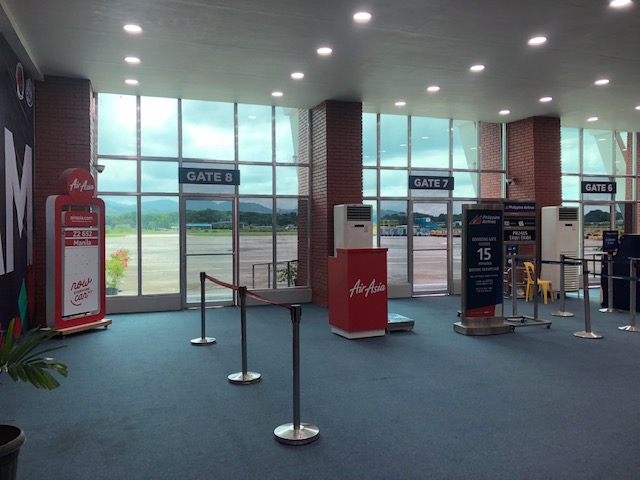 Gate assigned to Air Asia
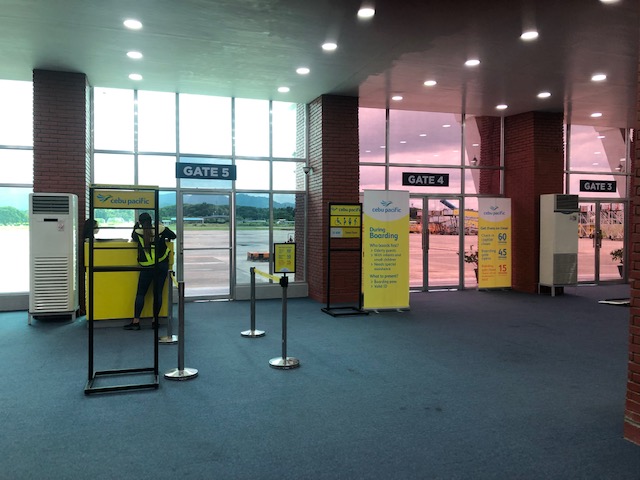 Gates assigned to Cebu Pacific
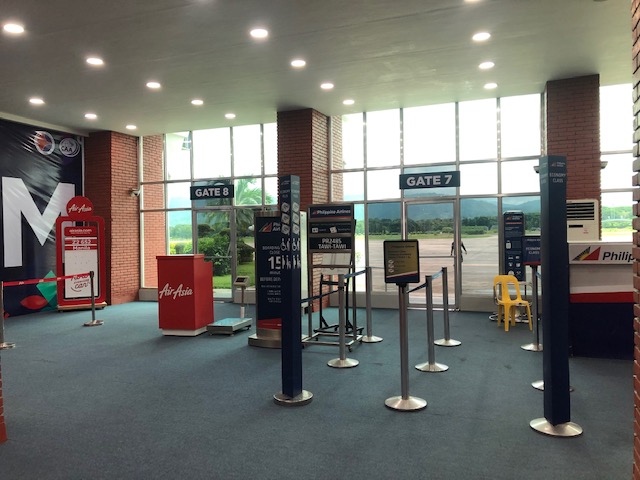 PAL’s gates are just beside the one assigned to Air Asia
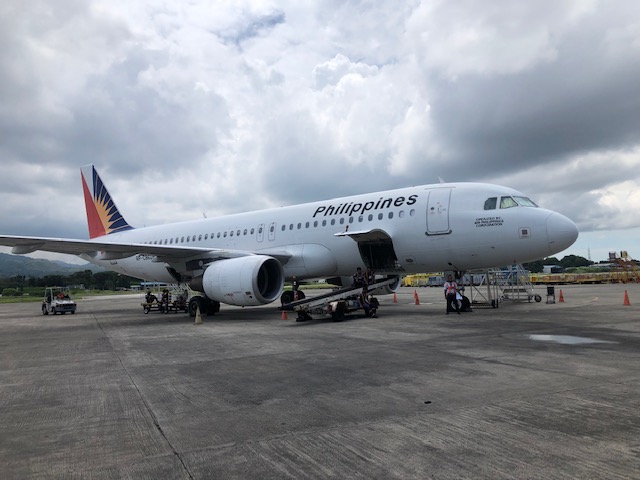 A PAL jet preparing to load luggage and freight
 Our Cebu Pacific plane uses the more passenger-friendly ramps for the forward door.
I will post more photos of airports once I am able to visit other cities once again. I am already looking forward to traveling to Cagayan De Oro via Laguindingan Airport. And perhaps my first overseas trip since December 2019. Meanwhile, I still have to post photos of Mactan’s newer terminal.
–
Another look at the Zamboanga Airport – arrival
We traveled to Zamboanga earlier last month and it was our first trip to the city since the first lockdowns in 2020. We were supposed to travel in March 2020 to conduct data collection for a full week but then there was the nationwide lockdown implemented to control the spread of the Covid-19 pandemic. If we were already there when the lockdowns were implemented, we could have been stranded at our hotel and perhaps spent a few weeks to perhaps a month before we could return to Manila.
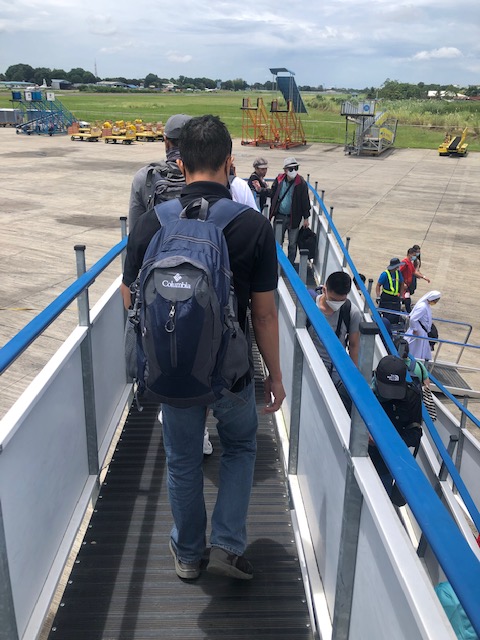 We disembarked from the plan using the more sophisticated and senior citizen- and PWD-friendly ramps.
 It took longer to get down both in terms of distance and disembarking time.
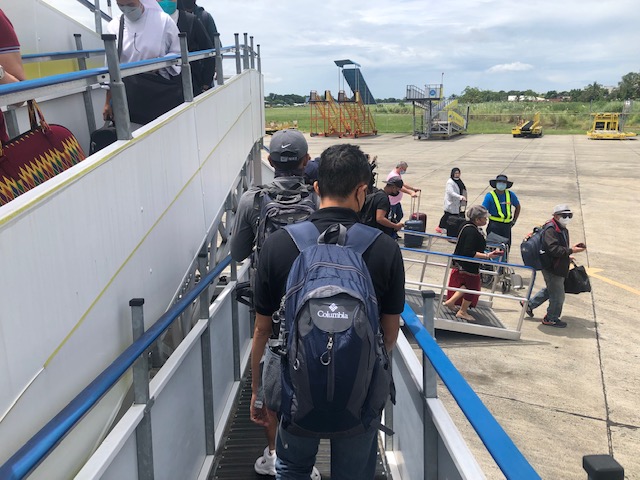 Other stairs and ramps are shown in the background. I recall only Cebu Pacific had these for their aircraft.
 Our first look at the renovated Zamboanga International Airport (Aeropuerto International de Zamboanga in the local language – Chavacano) since February 2020. At the time the roof was already falling apart at different locations.
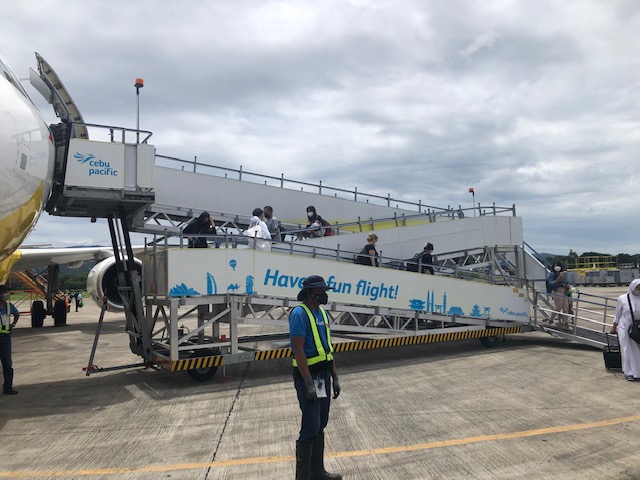 A look back at the ramp
 Passengers walk towards the arrival area of the airport
 The baggage claim area is practically the same as in 2020. The only notables are the signs encouraging physical distancing as well as the stickers on the floor that designated where passengers were to position themselves.
 As you one can see, people no longer really observe social distancing but all are wearing face masks.
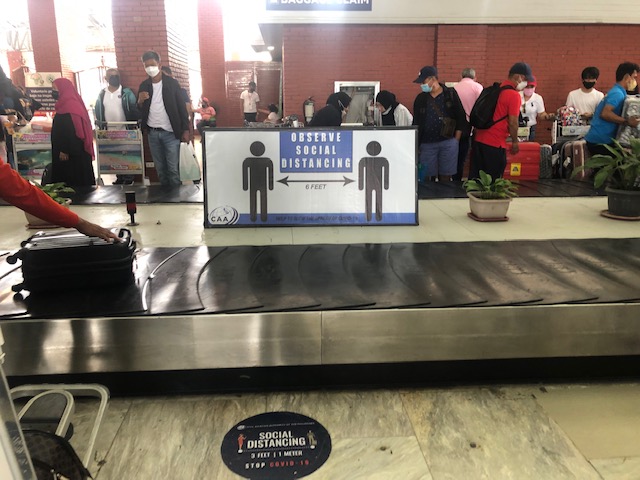 A closer and clearer look at the sign and the floor sticker asking people to practice social distancing
 The main driveway of the airport remains closed to general traffic. This is used only for special occasions and VIPs.
 A look back to the terminal’s arrival area as we walked to meet up with the driver of our service vehicle while in the city.
Photos from the departure/return leg of our trip in the next post.
–
Aerial photo: Zamboanga City’s fish canning and bottling factories
As we approached Zamboanga City’s airport last week, my colleague and I surveyed the landscape trying to identify landmarks. He was quite good at this being a geographer/transport planner. We took a few photos from the plane and one is this shot of the fish port and factories in Barangay Recodo along the national highway.
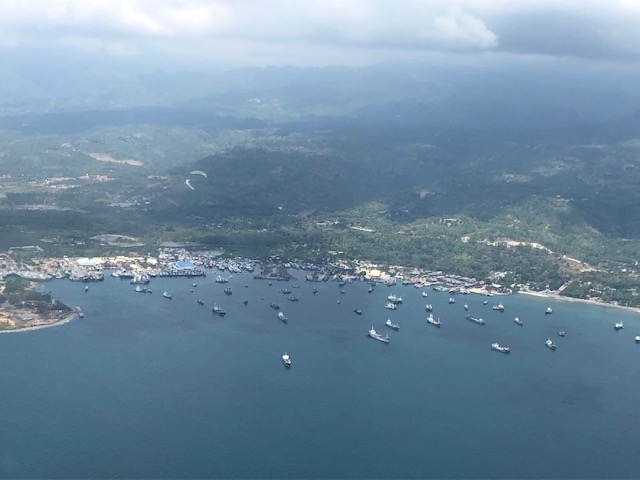 Canning and bottling factories lined along the Zamboanga City coast with are mostly fishing vessels anchored off-shore.
There is still an abundance of aquatic resources in the Sulu Sea where these vessels go for fishing. These should be more than enough for domestic as well as typical international demand. Unfortunately, there are alleged foreign trawlers or vessels poaching our resources. These should be seriously looked into by our coast guard and navy.
–
 Caught (up) in traffic