
Home » Air travel (Page 4)
Category Archives: Air travel
NAIA terminal designations for airlines – reshuffle
Airport authorities in Manila announced that airline designations at NAIA’s four terminals would be reshuffled. I took this photo of the announcement on a tarp at the corner of NAIA Road and Ninoy Aquino Avenue as we left NAIA Terminal 1.
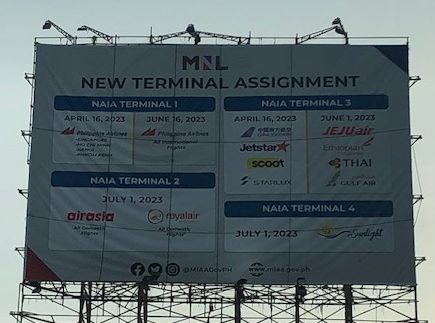
While there seems to be no major concern for the international airlines mentioned in the tarp, there will be a major inconvenience for Philippine Airlines passengers. For most its flights including international ones, transfers were easier and more convenient since international and domestic flights shared the same Terminal 2. There was no need to travel from or to another terminal unless the transfer involved another airline. From June 16, 2023, all its international flights will be via Terminal 1 so there will be a need to transit between T1 and T2 for connecting flights. Cebu Pacific will still enjoy this convenience for most of its flights as international and most domestic flights are via Terminal 3.
–
Covid test kits at the airport
Despite the relaxed stance on COVID-19, the virus is still very much around and evolving or mutating. While airports in the Philippines are lax about the wearing of masks, airlines require masks for passengers on flights. I’m not sure how effective as a preventive measure this is since most people at airports don’t wear masks and there is nothing that will allow for contact tracing anymore.
Meanwhile, COVID-19 test kits vending machines are now common at airports. I guess aside from being a reminder of the pandemic, it is also a convenience for people who want to check, quickly though not so accurately, if they are positive for the virus.

–
Departure via Mactan Cebu International Airport Terminal 2 – Part 2
In Part 2 of this short series (and a very late post at that), I share more photos at Mactan Cebu’s International Airport Terminal 2.
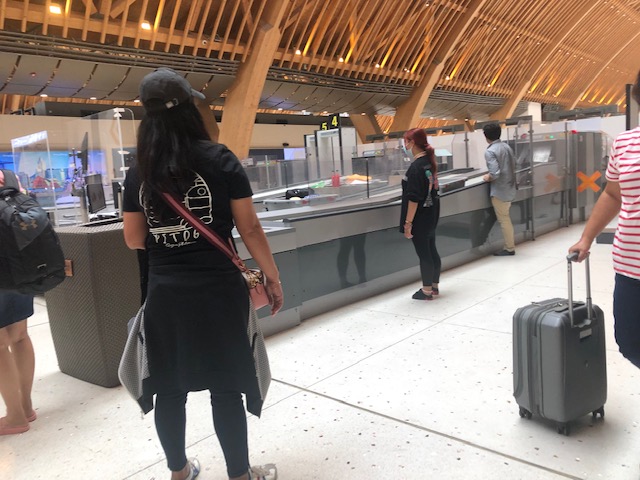 MCIA is equipped with modern bag scan machines
 These are now installed in most major airports in the country but the first time I saw these outside of NAIA was in MCIA.
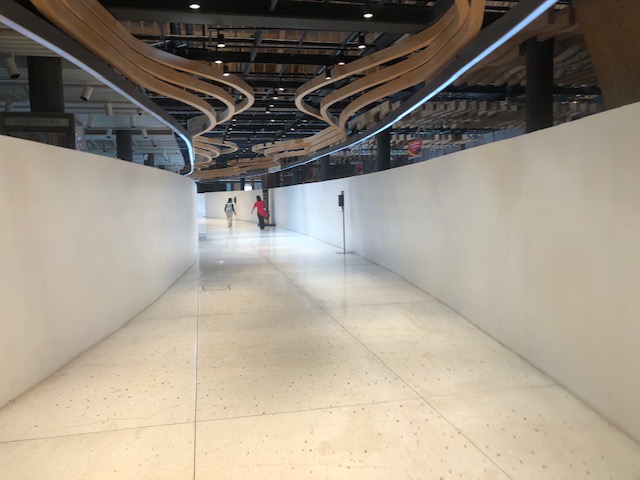 The long corridor from the final security check to the pre-departure areas
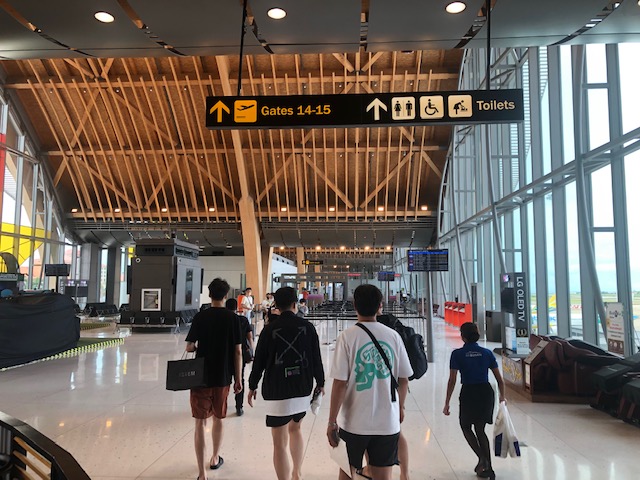 The terminal is spacious as can be seen in this photo (and in the previous Part 1).
 There are many restaurants and cafes to choose from inside the terminal.
 There are generic ATMs around the terminal for the convenience of travelers who might need cash or do other transactions using these machines.
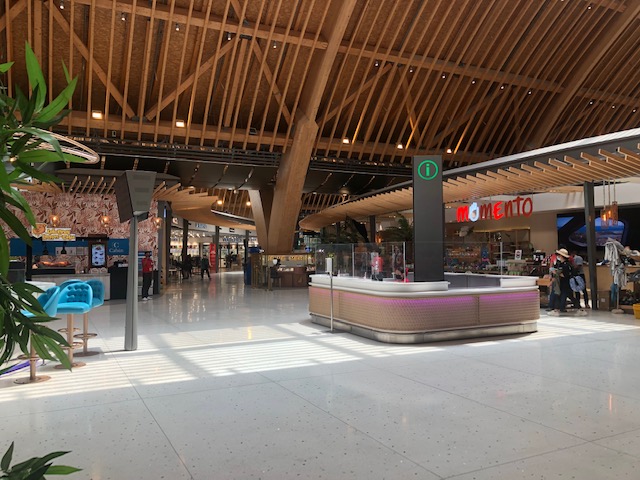 Information counter in the middle of shops and restaurants
 Souvenir shops have products mainly from Cebu. Others are from other provinces or regions but mostly from the Visayas.
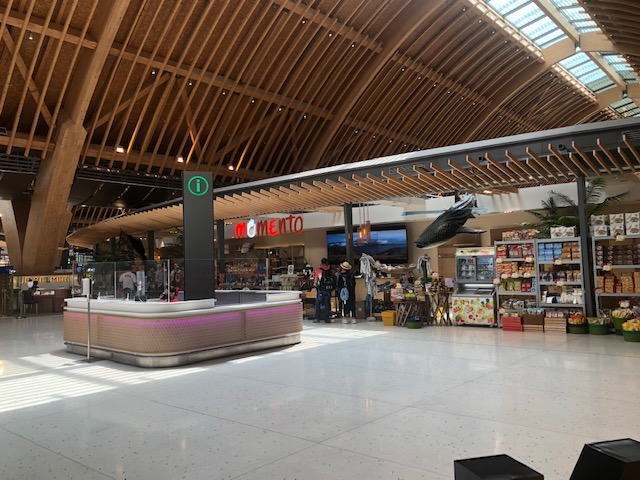 Another shot of the information counter with the souvenir shop across from it
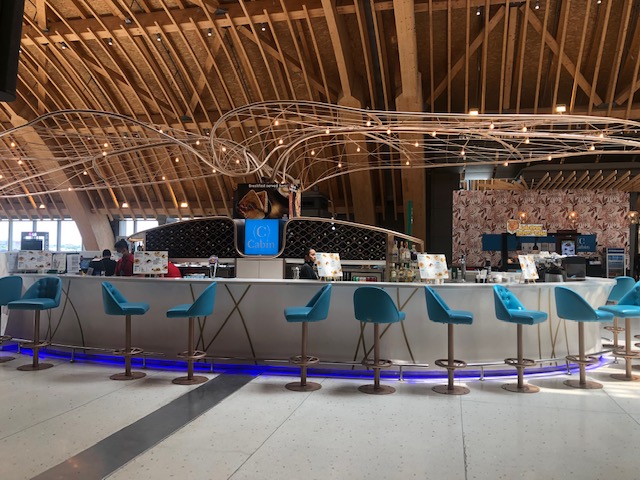 Cafe at the terminal just before the gates
 There’s a nice ramen restaurant at the terminal. I will write about this but in another blog.
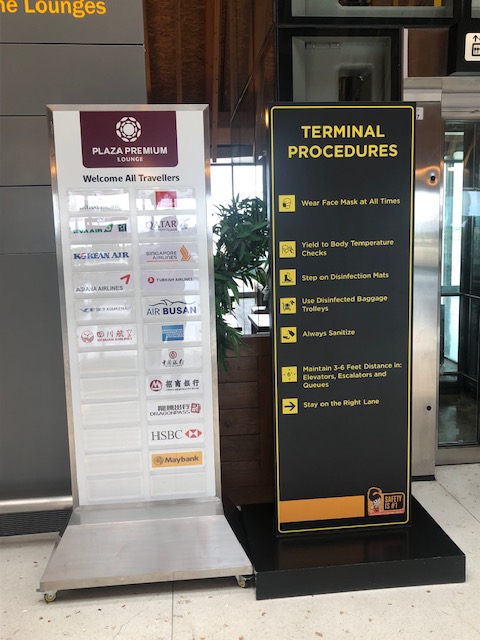 Premium lounge sign showing airlines whose passengers may use the lounge. Beside is a sign showing terminal guidelines including the wearing of face masks and the urge to regularly sanitize and practice physical distancing. This was over a year ago so perhaps they have a different sign at the terminal now.
 A closer look as the premium lounge sign
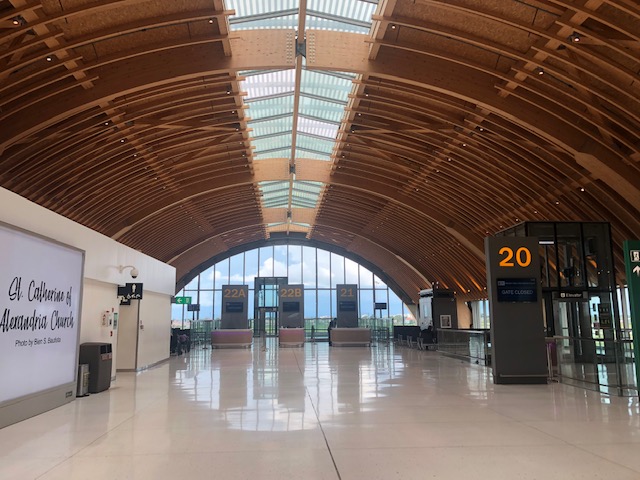 A look at the entrance to the pre-departure lounge of Gate 20
 A view of the terminal and the tarmac
 Tube waiting for the next aircraft to dock
 The modern design restrooms are clean and spacious.
 Boarding gates
 I took this photo of the floors.
 Drinking station near the toilets
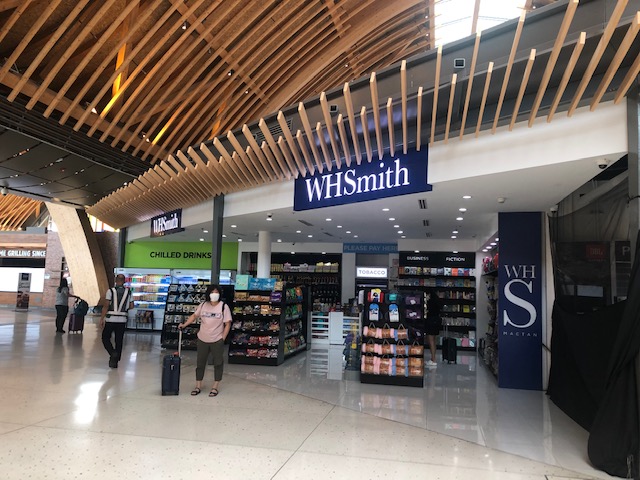 A familiar shop is this WHSmith, which we used to see only in airports in other countries including Changi and HK.
 A look at one of the Duty Free Shops at MCIA T2
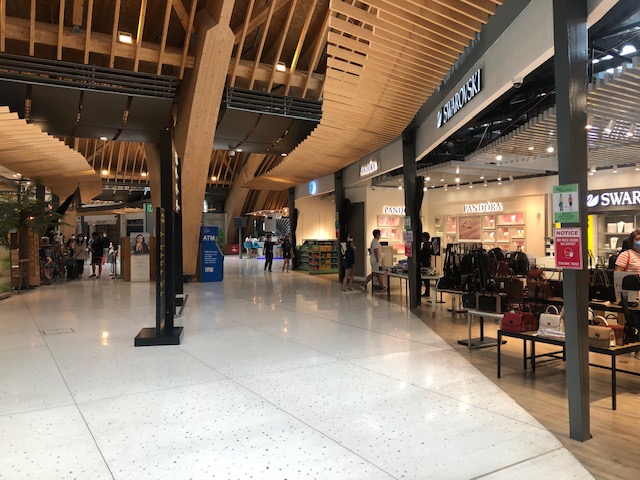 A glance along the corridor shows most shops and restaurants open
 Familiar brands like Coffee Bean and Tea Leaf have branches in the terminal
 Burger King is beside this donut shop – the donuts are really good and I took home a box from this shop.
 Gateway to the departure gates
 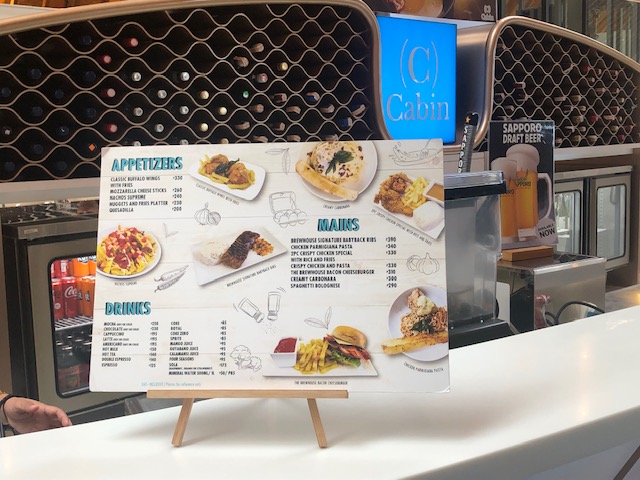 Terminal 2 cafe menu
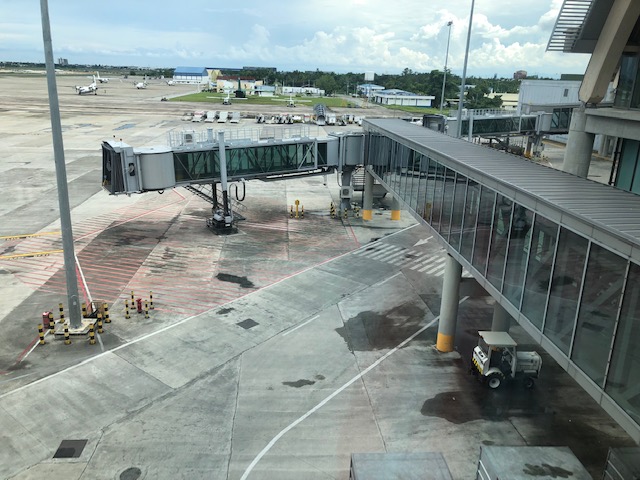 Another look at the tube while waiting for our plane to arrive.
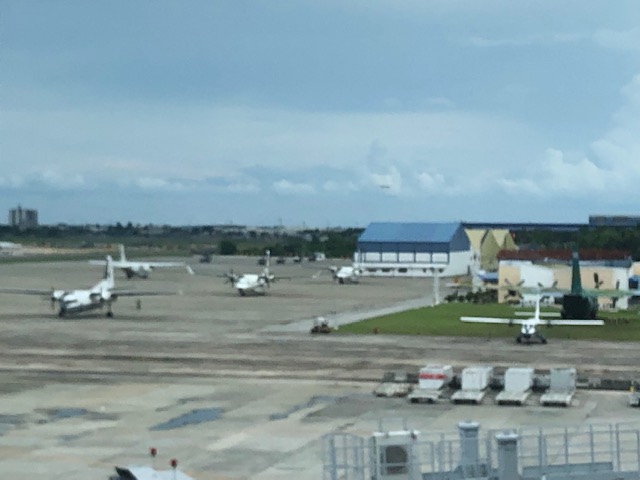 Other aircraft at the airport includes private planes and military aircraft from the adjacent air base.
I already mentioned that this is a late post. We traveled to Cebu back in July 2022 and perhaps many things have changed since then. The terminal’s features though should have few changes aside from having more people there as restrictions due to COVID-19 have been lifted. I just wanted to post this as a form of closure for an unfinished series featuring MCIA T2 before I start posting on other airports.
–
In-flight meals on board Philippine Airlines: MNL-SIN-MNL
Before I start posting about airports and air travel from more recent trips, I am posting on inflight meals on a recent international travel. Such meals are not usually served on-board domestic flight (you can pre-purchase for Cebu Pacific or purchase quick meals on the their flights).
Our first international flights since the onset of the pandemic in 2020 were supposed to be on Singapore Airlines. Inflight meals on board SIA are usually good as per our experience whether on Business Class or Economy. Unforunately, that trip didn’t push through due to a typhoon. We moved our trip and we flew Philippine Airlines instead. Here are our inflight meals on board Philippine Airlines.
 My inflight meal tray included an appetizer, a bun and orange juice.
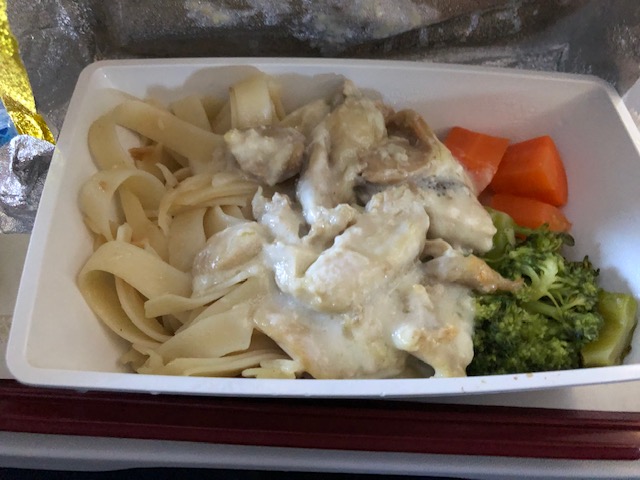 Pasta with chicken and vegetables
 Beef with rice and vegetables
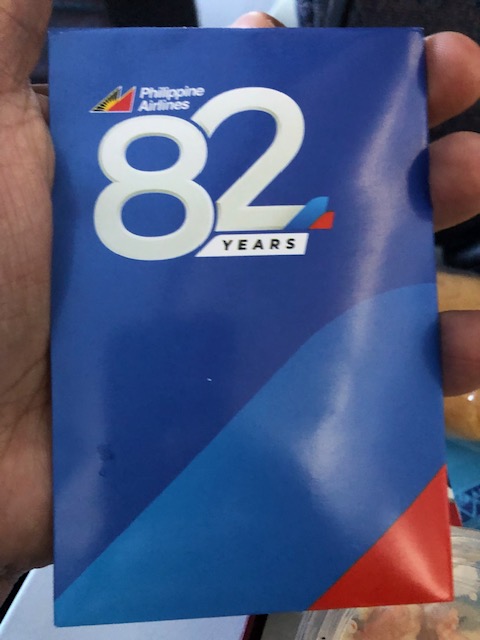 We were curious about the packaging for what looked like our dessert with our inflight meals.
 And we were delighted about this being an Auro chocolate
 Auro chocolates, I believe, currently are the best chocolates readily available on the market that are made in the Philippines via Davao.
 I had chicken inasal (hidden under the carrots and broccoli) on the flight back to Manila.
More on inflight meals in future posts!
–
Back to ‘old’ normal for air travel in the Philippines
Before we embark on another trip this week, I just wanted to share that it seems all is back to the old normal in as far as air travel is concerned in the Philippines. There are few, if any, exceptions based on what I and colleagues have experienced while traveling domestically. The only difference now from pre-COVID-19 air travel is that people are required to wear face masks inside the aircraft. Inside the airports, masks appear to be optional though most people wear them.
 The March-April 2023 issue of Cebu Pacific’s Smile Magazine features places to go while in Tokyo, Japan, a popular destination these days as foreign travel restrictions have eased.
Cebu Pacific provides passengers with their Smile magazine on-board their aircraft. Philippine Airlines domestic flights don’t have magazines (unless they do on Business or First Class) for Economy passengers. I noticed also that PAL did not have duty free items on-board their aircraft (at least for the MNL-SIN-MNL trips we had recently). I know that other airlines have resumed duty free sales on-board so perhaps this is just a cost-cutting thing for PAL. Meanwhile, Cebu Pacific’s inflight shop is open and selling souvenir items on their domestic flights.
–
Work trips abroad
We are traveling again abroad for work. Work-related travel was mostly limited to road trips and local travel (e.g., to Zamboanga) in the past 2+ years. We used to average at least 2 foreign trips per year with my wife usually raising that average due to the nature of her work that used to make her travel to the US at least twice a year.
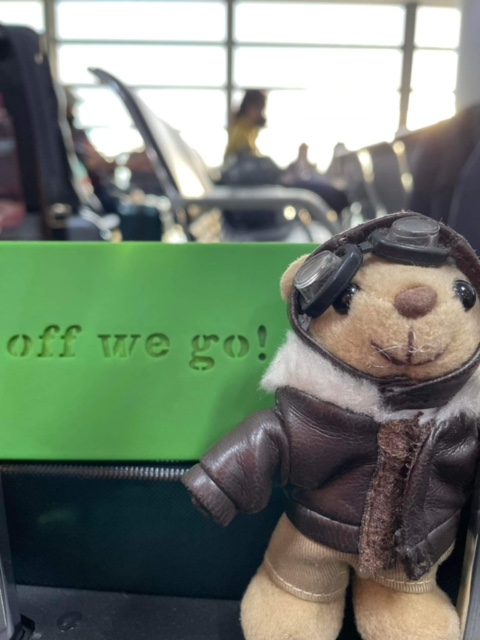 I got this bear in Arnhem, The Netherlands. He’s supposed to be an Air Force aviator, symbolizing one of those who braved the skies to bomb enemy positions or deliver paratroopers during Operation Market Garden as depicted in the movie “A Bridge Too Far.”
–
Safest airlines in 2022/2023?
One magazine published an article recently about the safest airlines in the world. This is very relevant as people have returned to traveling during this period despite the pandemic and the new strains coming out. It is useful especially for people who are traveling overseas since airline choices might be very limited for domestic routes. Here is the article:
Puckett, J. (January 5, 2023) “This is the safest airline in the world,” Condé Nast Traveler, https://www.cntraveler.com/story/the-safest-airlines-in-the-world?utm_source=nl&utm_brand=spotlight-nl&utm_campaign=aud-dev&utm_mailing=thematic_spotlight_010623_2&utm_medium=email&bxid=5bd6761b3f92a41245dde413&cndid=37243643&hasha=cf6c402001bc473063a8744033fe9be3&hashb=ec2bb753c2e6299f5107823241955221da67bd1f&hashc=09f65c608bfb62050199733de500e3cd82827631b36d537ce8386d41a3bd1ff7&esrc=FYL_SEG_APR18&sourcecode=thematic_spotlight&utm_term=Thematic_Spotlight_Afternoon [Last accessed: 1/7/2023]
To quote from the article, the basis for the ranking is as follows:
“The site’s staff analyzes each airline’s records for crashes over the last five years, serious incidents over two years, audits from aviation’s governing bodies and associations; fleet age, expert analysis of pilot training, and COVID protocols. In addition to these criteria, each airline that makes the list is also at the top of the industry in terms of safety innovations and have added cutting-edge aircraft to their fleets, like the Airbus A350 and the Boeing 787…”
There are not so many Asian airlines in the list especially if you don’t include the Middle Eastern airlines. Only Singapore Airlines, EVA Air and Cathay Pacific are in the list. I was expecting at least one Japanese airline and perhaps Thai Airways to be in the list. I was not surprised Philippine Airlines was not on the list considering the criteria.
There’s a separate list for low-cost carriers in the article and Air Asia is one though there are actually several Air Asia companies operating out of Southeast Asian countries. It would be nice to see how Air Asia Philippines compares with the mother company based in Malaysia. Cebu Pacific is categorized under LCC’s but with so many of these companies around the world, it won’t be a surprise they didn’t rank among the Top 20 either.
–
On a canceled trip due to a typhoon
I was supposed to be traveling with my family to Singapore over the Undas long weekend. That did not push through due to the circumstances brought about by Typhoon Paeng. What could have been our daughter’s first travel abroad did not materialize and we were left with sunk costs from the tickets we had already bought online for Universal Studios and the Singapore Zoo. We also had to cancel meet-ups with friends in Singapore.
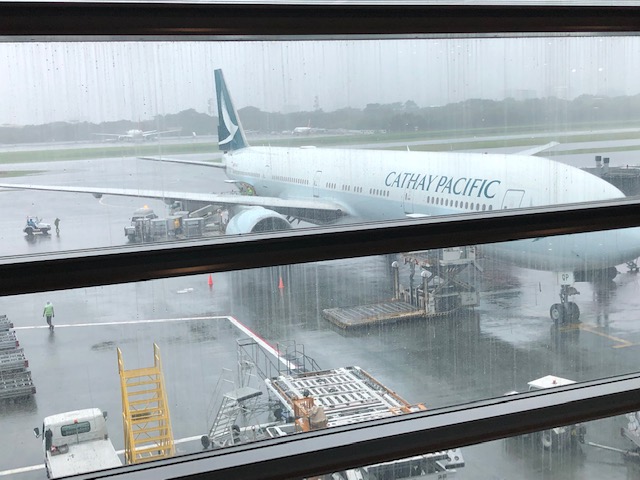 This Cathay Pacific plane landed safely before noon and later departed for Hong Kong without incident.
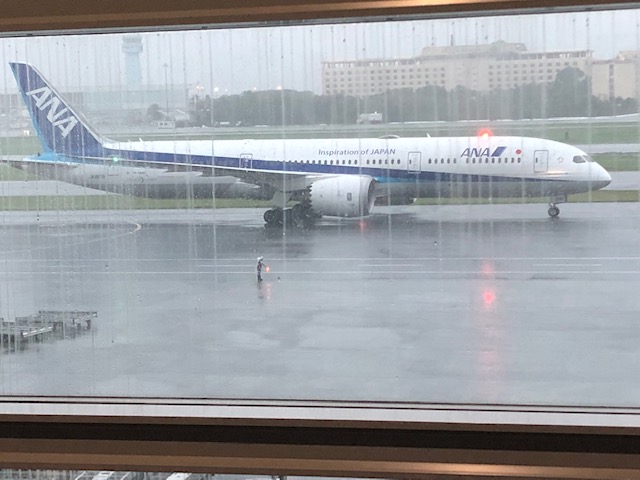 An earlier ANA flight arrived and departed without incident. This one arrived mid afternoon but was similarly grounded due to the typhoon.
The airport announced all flights were canceled just before 6:30 PM. This was a late announcement that some airlines were waiting for. Cebu Pacific apparently had advance information as they canceled all their international flights one after the other around 6:00PM (probably to manage the crowds that would file out of the departure area to reclaim their luggage). We were disappointed that Singapore Airlines did not act immediately and decisively on the matter. We were expecting at least an announcement of when we could expect to be on the next flight. For an airline of their stature, I was also expecting that they could have made arrangements for accommodations due to the great inconvenience brought upon passengers. That was the least they could do if they intended to put us in the next available flight (planes were cleared to operate at 10:00PM that night). Apparently, the typhoon (and its implied acts of nature/acts of God aspect) was also a convenient excuse for the airline (and others, too) to practically abandon their passengers. [Note: A pilot friend intimated that these decisions and behavior by airlines are partly due to policies and actions of the previous administration/government of the Philippines where all the blame was put on airlines for cancellations and they were penalized for acting independently or ahead of government announcements.]
Of course, we later received a series of emails from the airline informing us that we were rebooked to flights the following day. I say ‘flights’ here because these the first email informed us of a flight at 10:00AM. A subsequent email then said we were to be in a 12:00 flight. A third then said that we were to be on a 2:00 PM flight. We got to read these emails around 7:00 AM the following day as they were sent overnight when we were already occupied in finding accommodations during inclement weather. Flabbergasted, we decided to request a refund instead of re-booking and rescheduling our trip. It was already difficult to reschedule as there weren’t any weekends long enough remaining this 2022 and this Undas was the ideal time for a getaway. We’ll try again another time.
–
Another look at the Zamboanga Airport – departure
This is another one of those late posts. I was in Zamboanga City three months ago. I had wanted to see for myself what the airport now looks like and if they were able to complete the renovations on the airport. Here are the photos I took of the departure area of the airport where most of the renovations were being done the last time we were in Zamboanga just weeks before the lockdown in March 2020.
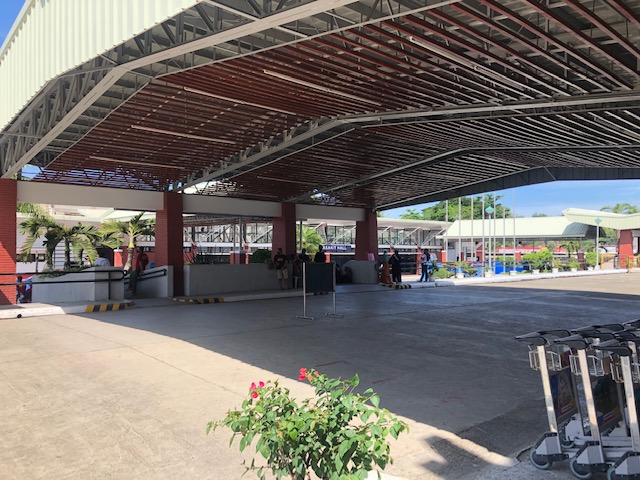 The driveways are still the same and so is the main concourse, which is limited to VIPs. Most passengers would have to cross this area from where they alighted to get to the terminal.
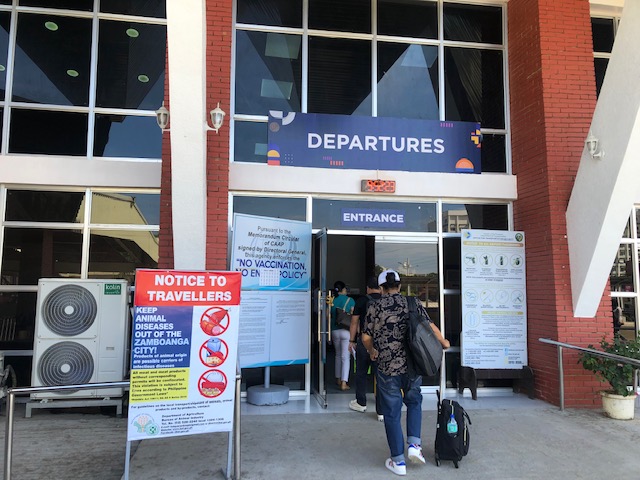 Entrance to the terminal’s departure area
 What used to be a crowded, hot and humid check-in area is now spacious, orderly and better-ventilated.
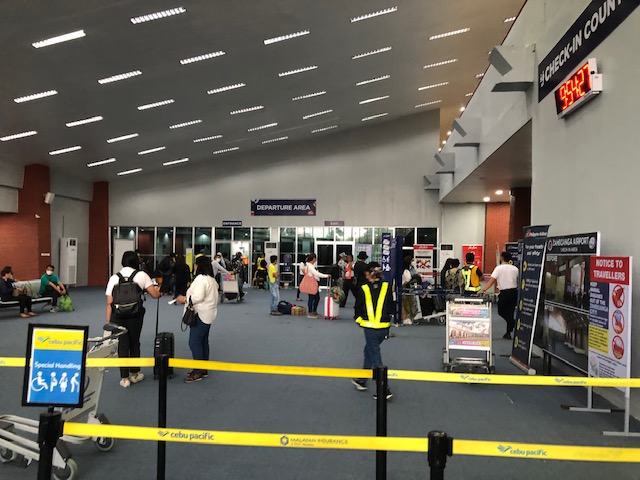 A general view of the check-in area of the airport
 It can now accommodate more passengers and travelers will be more comfortable here compared to how it was before.
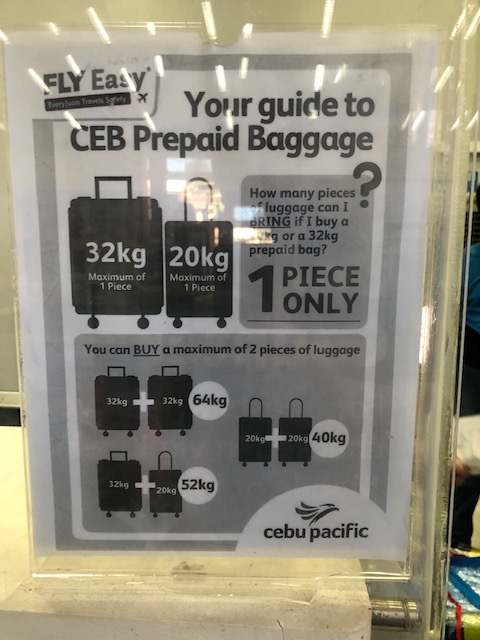 Cebu Pacific posted this for guidance of passengers in the number of baggage they are allowed to bring according to what they paid for when they bought their tickets.
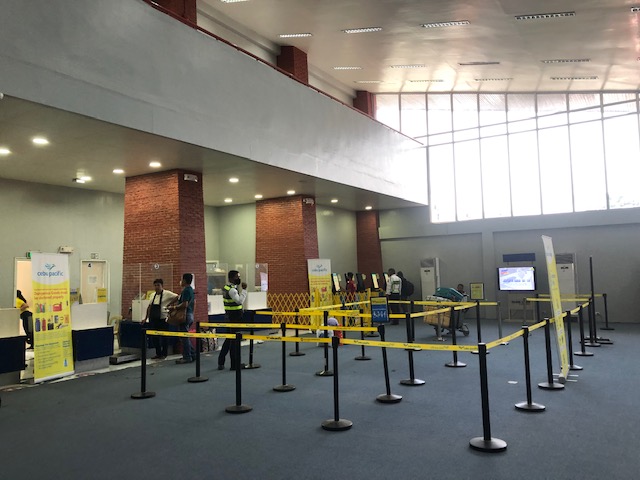 Cebu Pacific’s check-in counters
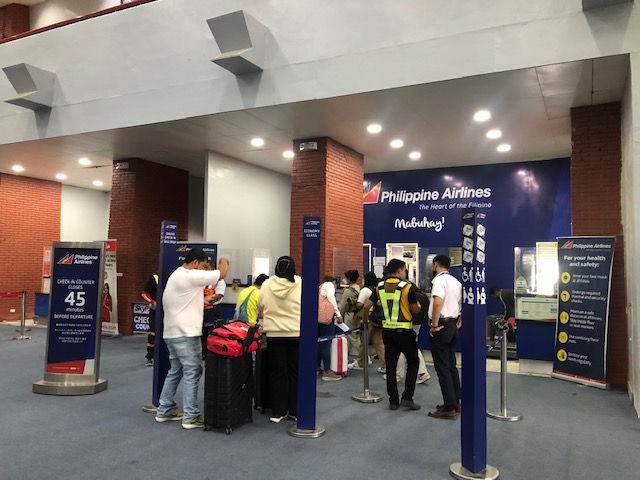 PAL’s check-in counters
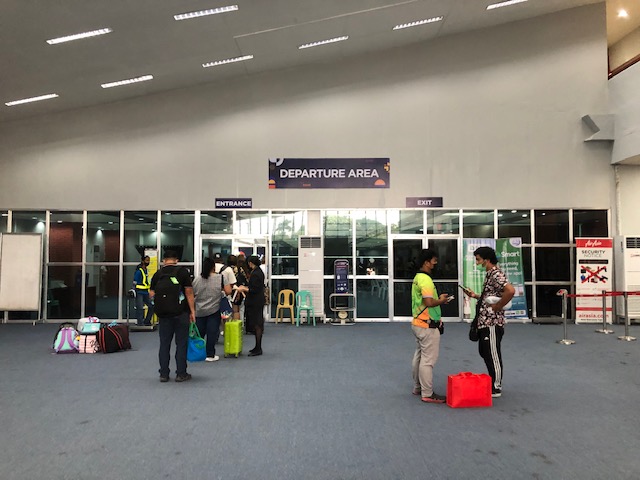 Entrance to the lounges – airport personnel check the passengers’ boarding passes and mark the seats on the plane to probably see who are already in the lounge and waiting for the boarding call.
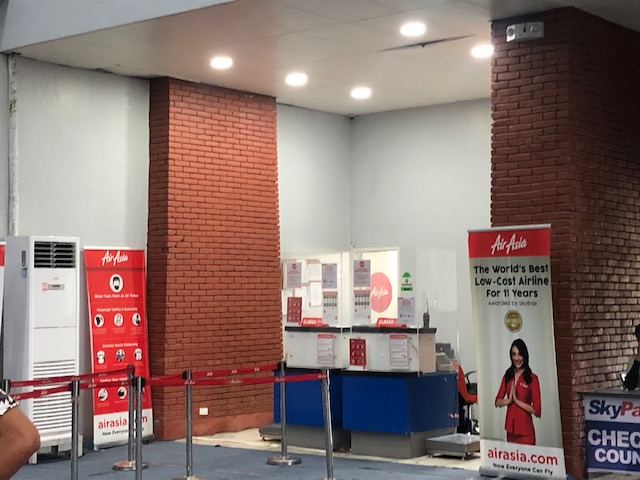 Air Asia check-in counters
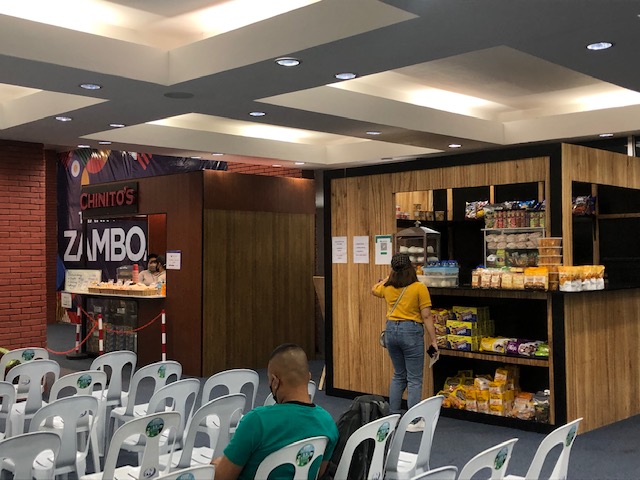 The shops and eateries that was in the mezzanine are no more. Like the airport in Panglao there are now fewer and limited food options at the departure lounge. Fortunately, there is a stall operated by the popular restaurant-cafe Chinito’s. They have good coffee, snacks and light meals there.
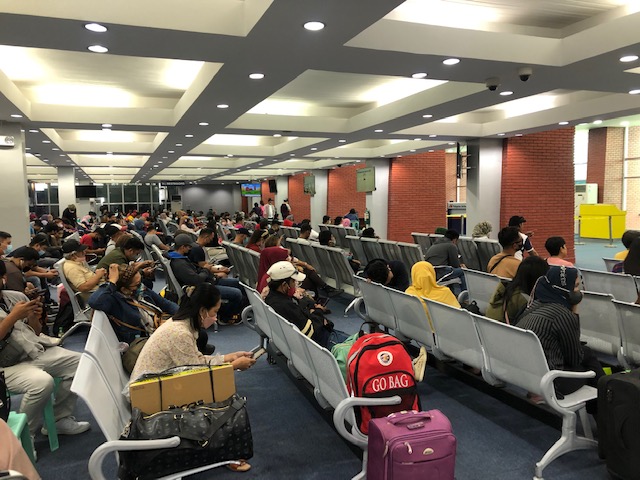 The lounge area remained the same. I did not see any additional seats or areas for departing passengers. The lighting has improved though.
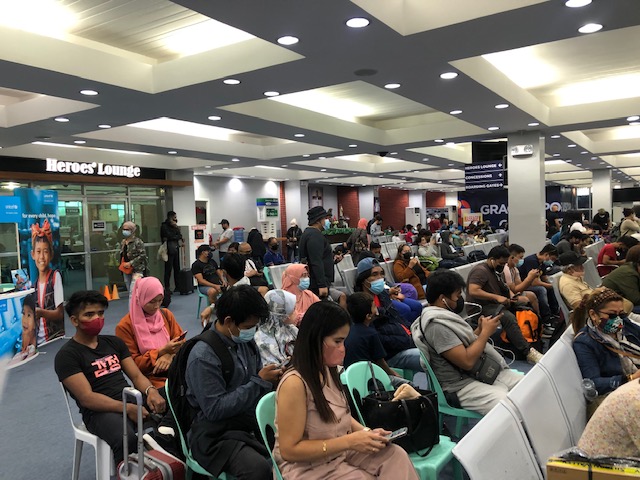 There’s a separate Heroes’ Lounge for those who are from the armed forces. Zamboanga is an important post for the military and you can see drones either flying or on the ground at the air force base in Zamboanga. Andrews Air Base is just across the airport and they share the same runway.
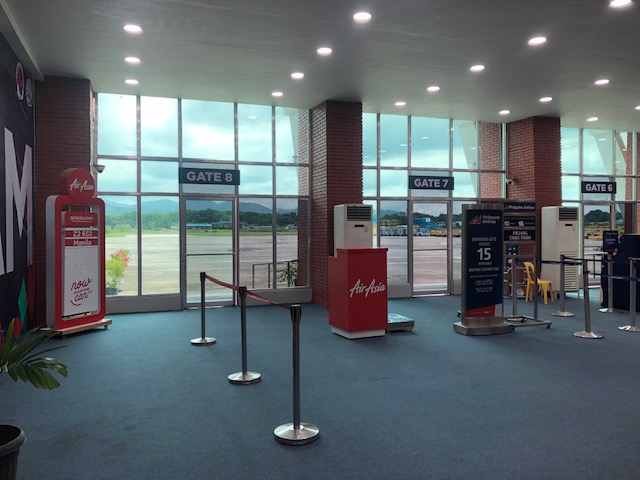 Gate assigned to Air Asia
 Gates assigned to Cebu Pacific
 PAL’s gates are just beside the one assigned to Air Asia
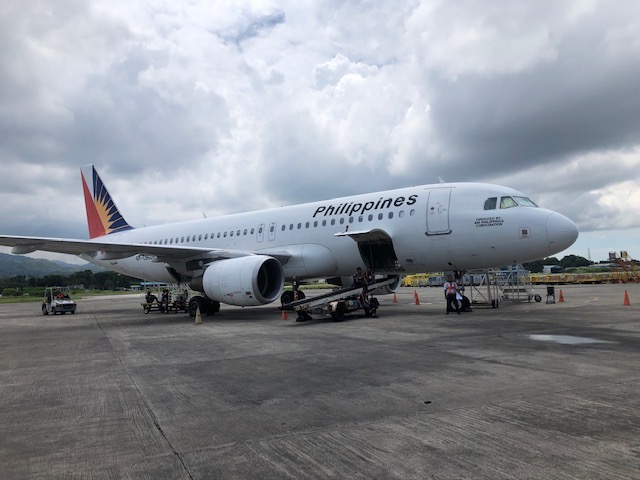 A PAL jet preparing to load luggage and freight
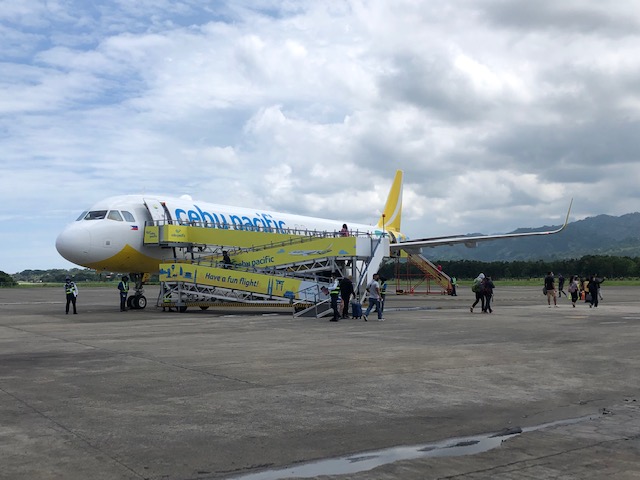 Our Cebu Pacific plane uses the more passenger-friendly ramps for the forward door.
I will post more photos of airports once I am able to visit other cities once again. I am already looking forward to traveling to Cagayan De Oro via Laguindingan Airport. And perhaps my first overseas trip since December 2019. Meanwhile, I still have to post photos of Mactan’s newer terminal.
–
On the air that you breathe when inside aircraft
I am sharing a different kind of article this time. It is still on transportation but more health-related in the sense that the article’s topic is about the air passengers breathe when inside a plane. This is very relevant as we continue to grapple with COVID-19 and other diseases such as influenza, while also trying to get back to our normal activities including traveling whether for family affairs, work, recreation or other reasons.
McGee, W.J. (September 20, 2022) “How clean is the air on planes?” Condé Nast Traveler, https://www.cntraveler.com/story/how-clean-and-safe-is-a-planes-cabin-air?utm_source=nl&utm_brand=spotlight-nl&utm_campaign=aud-dev&utm_mailing=thematic_spotlight_092122_2&utm_medium=email&bxid=5bd6761b3f92a41245dde413&cndid=37243643&hasha=cf6c402001bc473063a8744033fe9be3&hashb=ec2bb753c2e6299f5107823241955221da67bd1f&hashc=09f65c608bfb62050199733de500e3cd82827631b36d537ce8386d41a3bd1ff7&esrc=FYL_SEG_APR18&sourcecode=thematic_spotlight&utm_term=Thematic_Spotlight [Last accessed: 9/21/2022]
Obviously, there are concerns about the air inside the cabin. But there are other items that one needs to be mindful of if you are truly concerned with the risk of infection.
To quote from the article:
“But some experts have expressed more doubt about the ability to completely scrub the air for zero chance of spreading flu and COVID. “Transmission of infection may occur between passengers who are seated in the same area of an aircraft, usually as a result of the infected individual coughing or sneezing or by touch,” WHO warns. Cabin crew members agree with this assessment. “It’s naive to think an airline can protect passengers 100 percent because you’re in an enclosed space for however long the flight is,…””
The article also provides the following recommendations to travelers (quoted directly from the article and highlights mine):
- If you’re concerned about aircraft cleanliness, try booking the earliest flight possible that day, as most airlines do a deep-clean each night. And if your itinerary allows it, consider nonstops rather than connecting flights, to limit your exposure to multiple dirty cabins.
- Wipe down your airline seat and surrounding area with a sanitizing wipe to kill any lingering flu virus; pack an alcohol-based hand sanitizer and wash your hands often.
- The CDC recommends that most travelers get a flu vaccine in September or October; it also advises to get up-to-date with your COVID vaccines and boosters before any travel.
- Practice social distancing throughout your journey—at check-in, security screening, boarding, baggage claim, etc. Select seats apart from other passengers (often in the rear) and ask to be moved if possible.
- Although there is no longer a mask mandate for air travel in the U.S., the CDC still advises travelers ages 2 years and older to opt to wear a face mask in indoor areas of public transportation—such as airplanes, trains, buses, ferries—and in transportation hubs like airports.
There seems so many of what are being termed as revenge travel these days. Many people were not able to travel particularly for family (visits, homecomings) or recreation (vacations) the past 2 years. They are now traveling again as more countries open up for tourism and more people have been vaccinated or gained immunity from the virus. The recommendations above should be heeded as there’s really nothing to lose if we follow them and particularly continue good practices to avoid infection.
–

