
Home » Airports (Page 2)
Category Archives: Airports
Closed shops at NAIA Terminal 3
I’ve been seeing posts on social media about many shops being closed after San Miguel took over the NAIA terminals. Last February, on the way to Bicol via NAIA Terminal 3, I was able to see for myself just how many and what shops are no longer at the terminal. Here are photos of the area that used to be lined with shops on one side and restaurants on the other that leads to the terminal gates. What used to be a line of shops are now closed and now lined with seats instead.
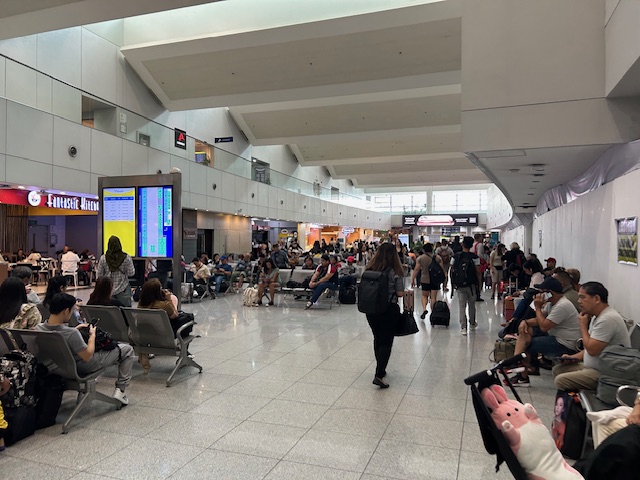
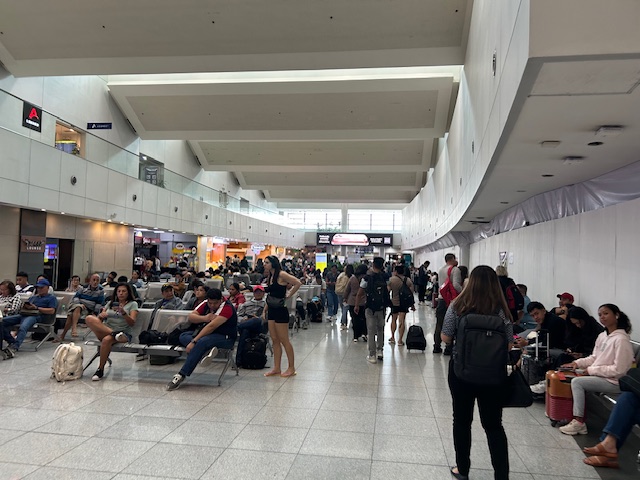
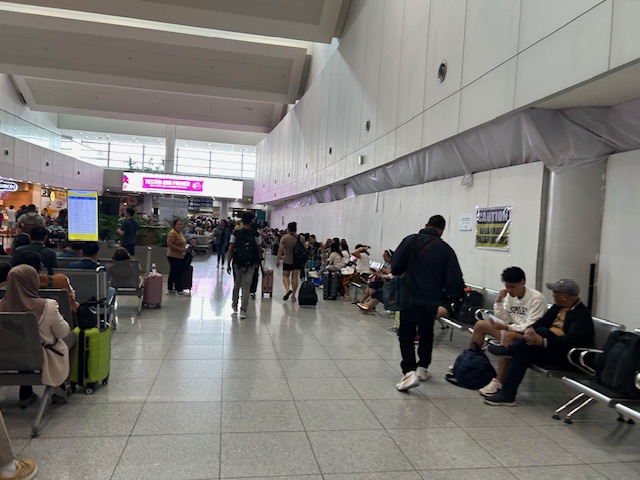
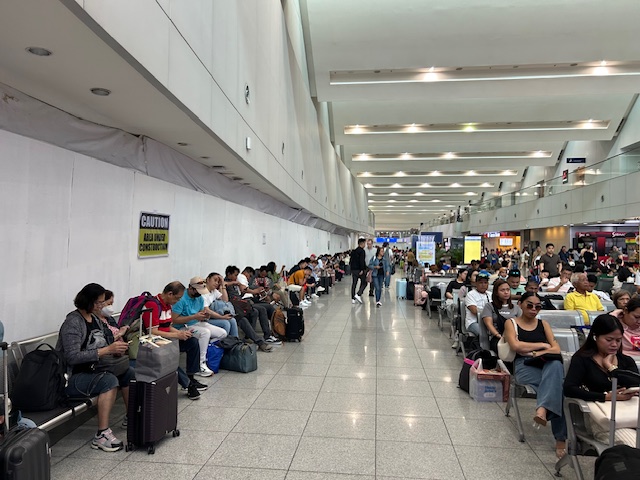
There used to be some nice shops there including a chocolate shop, an Islands Souvenir shop and a Bath & Body Works shop. They are no longer there along with others where you could have gotten souvenirs or some travel needs or accessories. Did their contracts or leases end recently and higher rates led to their non-renewals and closure? Or does the airport operator have different plans for these stalls? I haven’t seen if the same happened to other shops at the terminal, particularly those at the third level. The absence or scarcity of shops is definitely an inconvenience to many travelers.
–
Eats and shops at the Bicol International Airport
This is a continuation of the feature on the Bicol International Airport. I am sharing the following photos below so my readers can be guided about what’s available to eat and/or drink at the terminal.
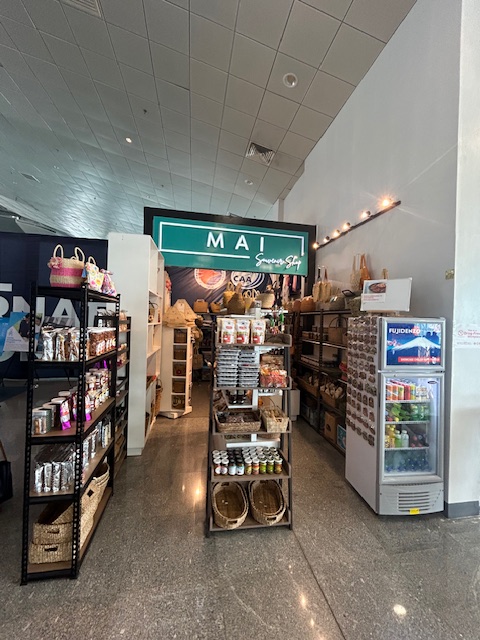 Souvenir store at the entrance to the departure lounge
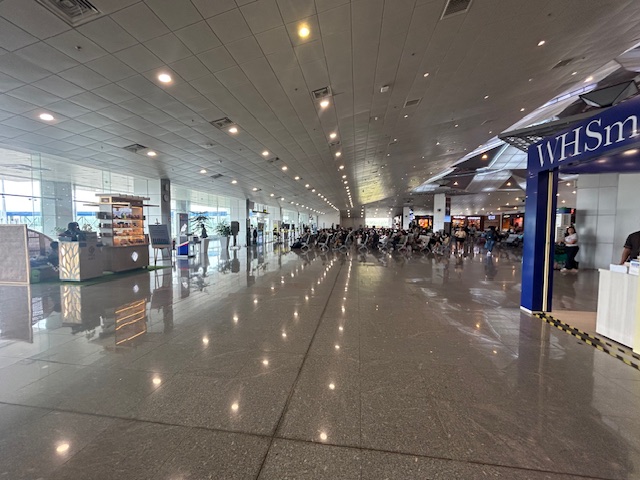 Turning to the pre-departure area – there’s WHSmith
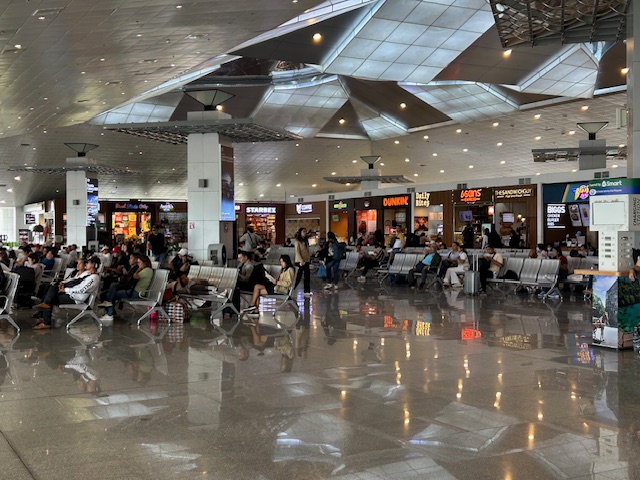 The terminal has a spacious lounge surrounded by shops
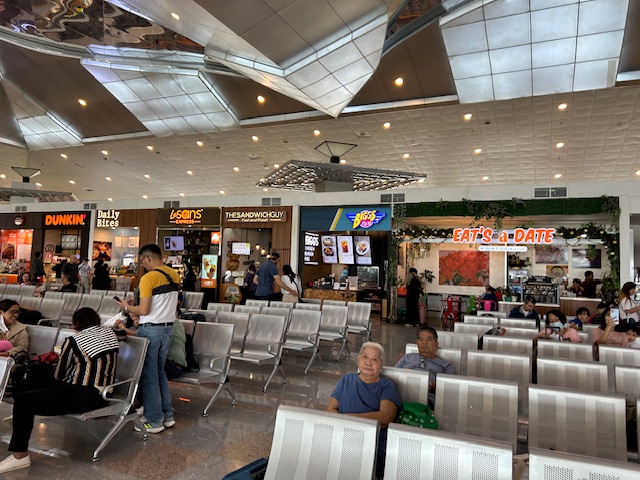 Among the options for the hungry are Eat’s a Date and the familiar Bigg’s, which is a chain that originated in Bicol. I think they are the Bicol equivalent of Bo’s Coffee.
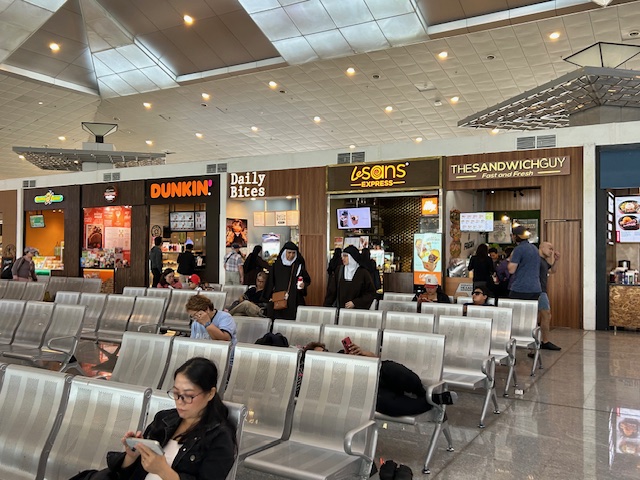 Some are familiar (Dunkin, Potato Corner and Sandwich Guy) while others are probably Bicol-based (LeSans, Daily Bites)
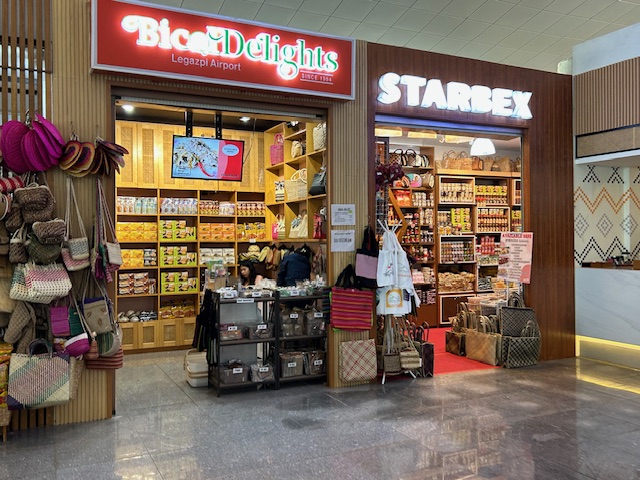 There are many local products for sale as souvenirs or for personal consumption.
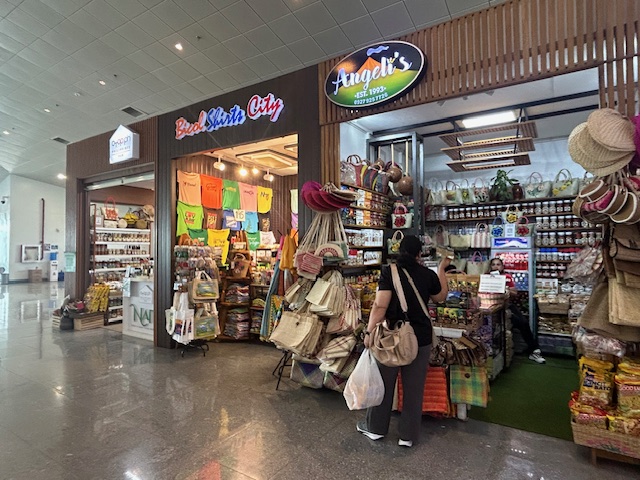 There are handicrafts and shirts at the terminal. I highly recommend the shirt store for the quality and variety of designs. I believe there are better shirts here in general compared to the tourist areas like Cagsawa.
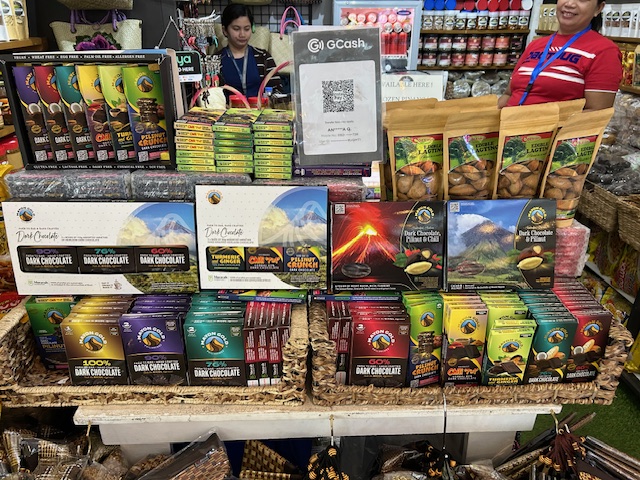 One shop sells local delicacies especially those with pili nut and chili – two items associated to Bicol.
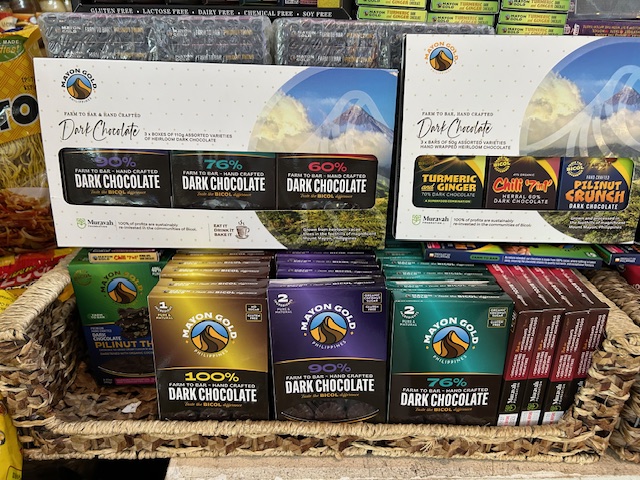 Locally made chocolates are available at the airport. I’ve seen Mayon Gold at the NAIA terminals and can say that their pili nut crunch chocolate is good. I have another blog where I write about chocolates so I will not write about the taste here.
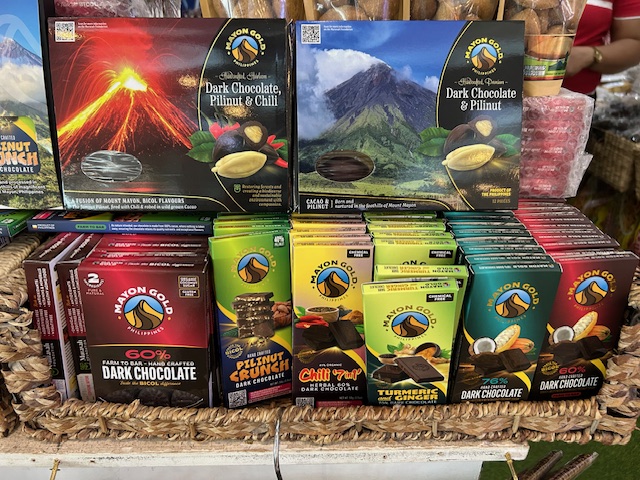 The chocolates come in individual bars for the different variants. They also have box sets or samplers.
More on the airport soon!
–
On accessibility for airline passengers with disabilities
We already know about the ramps they use for boarding and deplaning for most if not all passengers including those on wheelchairs. As we boarded our plane to Legazpi last month, I noticed that there was another way to board aircraft if the passenger was on wheelchair. Here are some photos I took of the elevator access at NAIA Terminal 3.
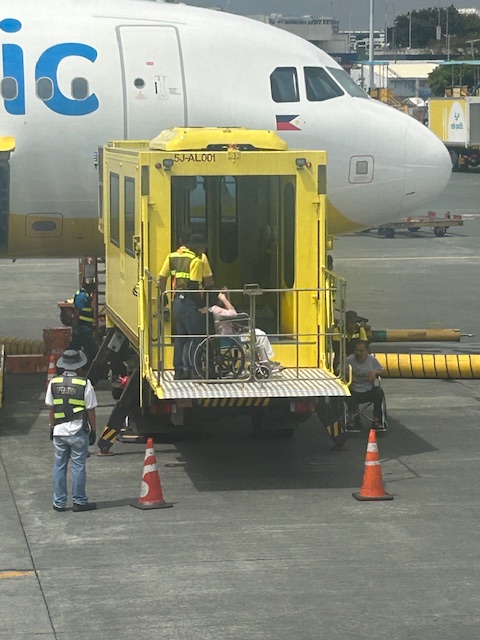 I took this photo of a female passenger being wheeled into the elevator compartment after the ramp was elevated to the compartment level. Notice that there is another wheelchair-bound passenger waiting in the shade at the right in the photo.
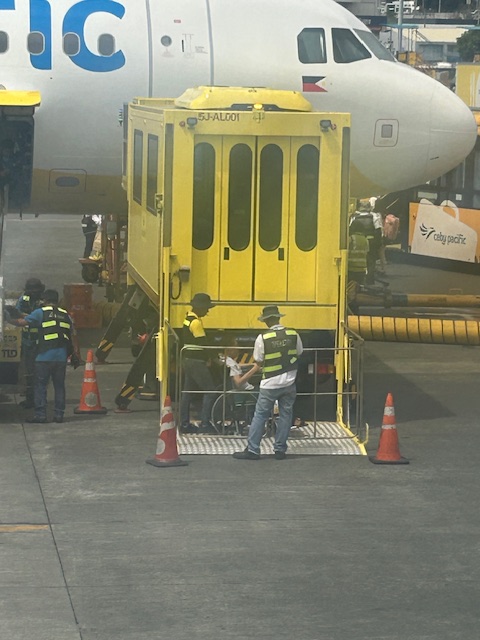 After the female passenger is inside the compartment, the ramp is lowered and the male passenger is wheeled unto the ramp.
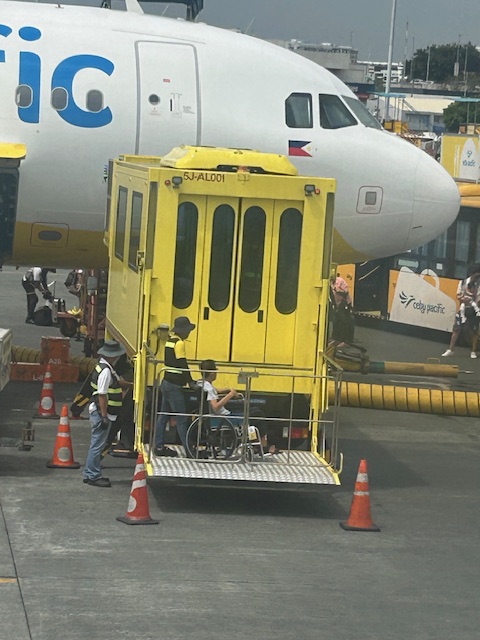 The ramp elevates towards the compartment door.
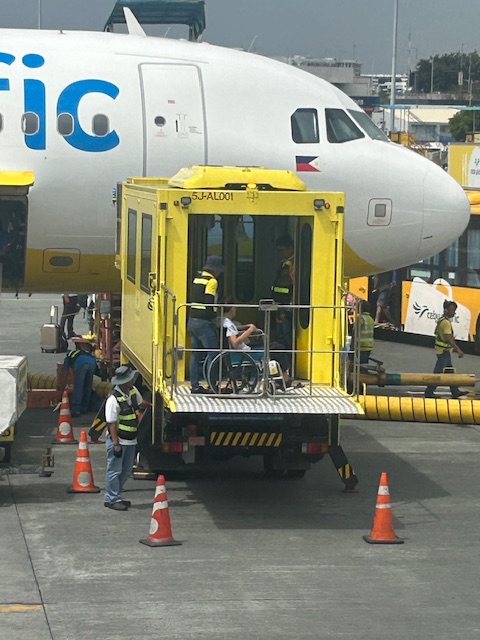 When level, the doors open for the second passenger to enter.
 The doors close and the main elevator goes up with the 2 passengers and the ground personnel assisting them.
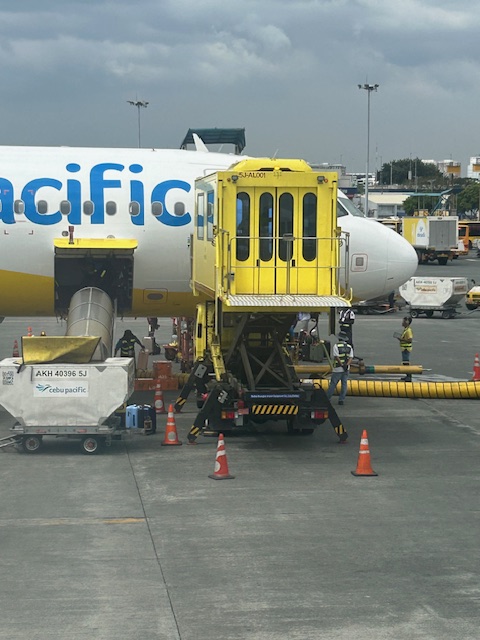 The platform is elevated until its door and ramp is aligned with the plane’s door.
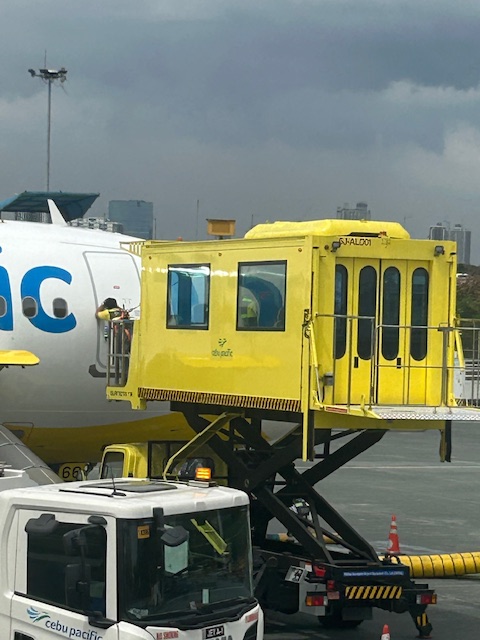 Ground personnel assisting the wheelchair-bound passenger knocking on the door for flight attendants to open it for the passenger.
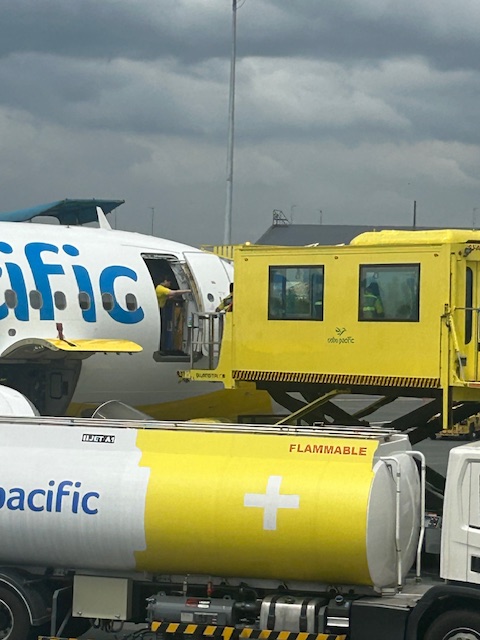 Airline crew opening the door for the wheelchair-bound passengers
This was the first time I saw this equipment at an airport. I wonder if there are similar elevators at the other NAIA terminals or in other Philippine airports where there are no tubes or bridges connecting the aircraft to the terminal buildings.
–
A suddenly spacious NAIA Terminal 3 outdoor parking area
The news of NAIA being taken over by San Miguel Corporation initially drew many criticisms. I won’t talk about these here but somewhat many things have changed aside from the airline assignments among the three remaining terminals. I said three because Terminal 4, what used to be the Manila Domestic Terminal, was already demolished. Among the changes are the suddenly spacious parking areas at the terminals. Here are some photos we took en route to the multi level parking prior to a trip.
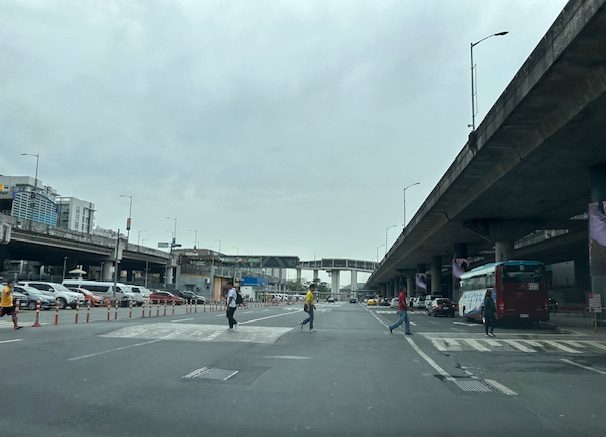 What used to be islands separating the Terminal 3 building from driveways and the open parking lot is no more.
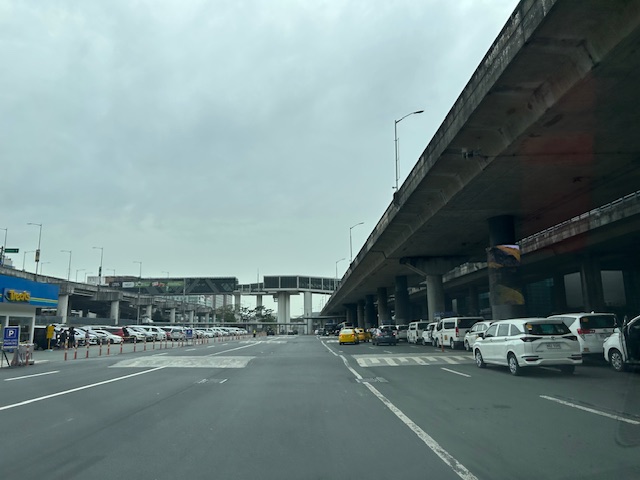 The area is suddenly very spacious allowing for more parking slots as well as a wide driveway for vehicles.
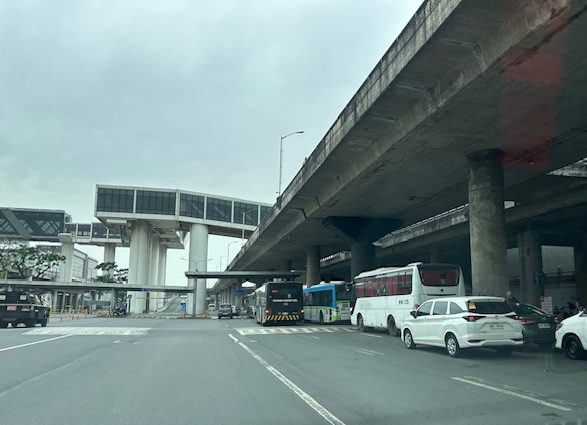 The buses also benefitted from the space as they can line up at the terminal stop without blocking other vehicles.
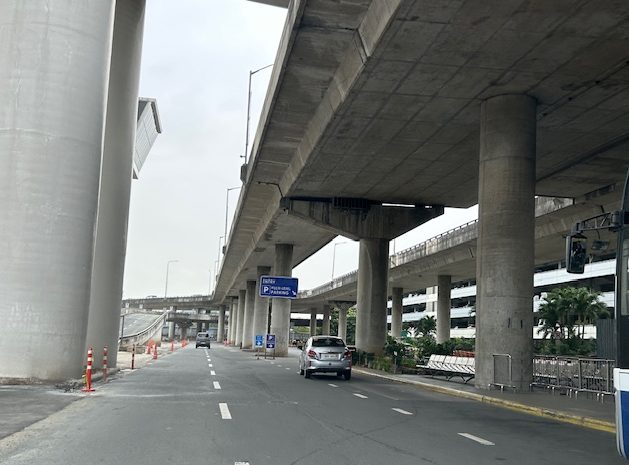 The section leading to the multi-level parking building is not as congested. Most intending to park there including those leaving there vehicles for a few days enter via the upper level driveway. Rideshare vehicles generally use the ground level entrance.
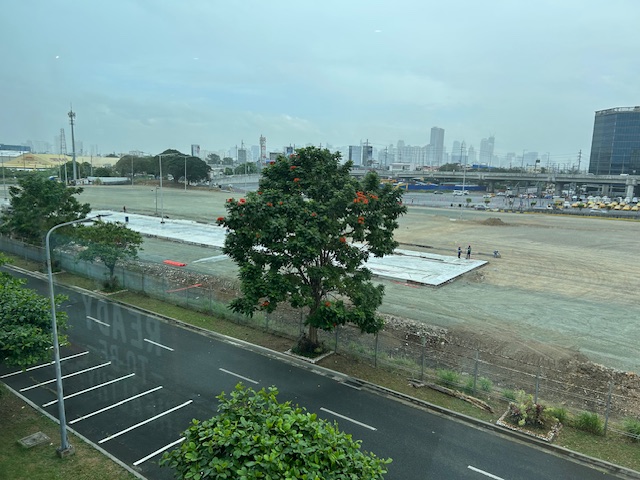 The graded open area that was just usually dirt or mud is now being paved. Perhaps this will provide additional parking spaces considering a significant part of the multi-level parking building has been committed to ride share and taxis.
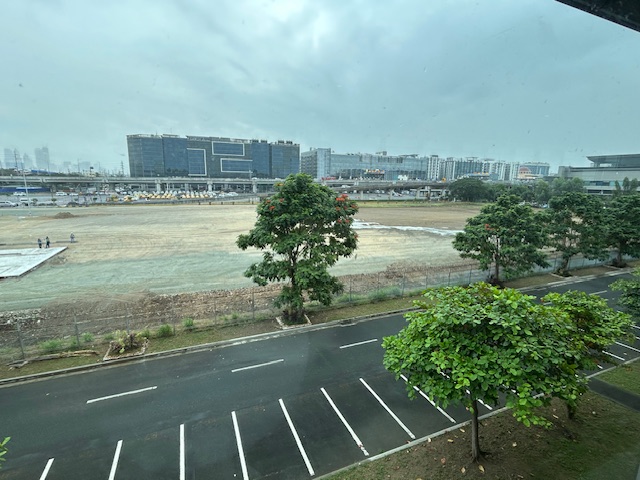 This used to be the area that was burned along with so many cars last year. Gone are the abandoned vehicles and perhaps these will all be paved. But was it necessary to just pave everything rather than have something porous and less heat generator than pavement? It would have been better to go for a multi-level facility and at the same time do some landscaping to have more trees and plants in this area.
–
The old Legazpi City airport
En route to Camalig after checking out from our hotel, we passed by the old airport in Legazpi City. This was closed after the new airport in nearby Daraga became operational.
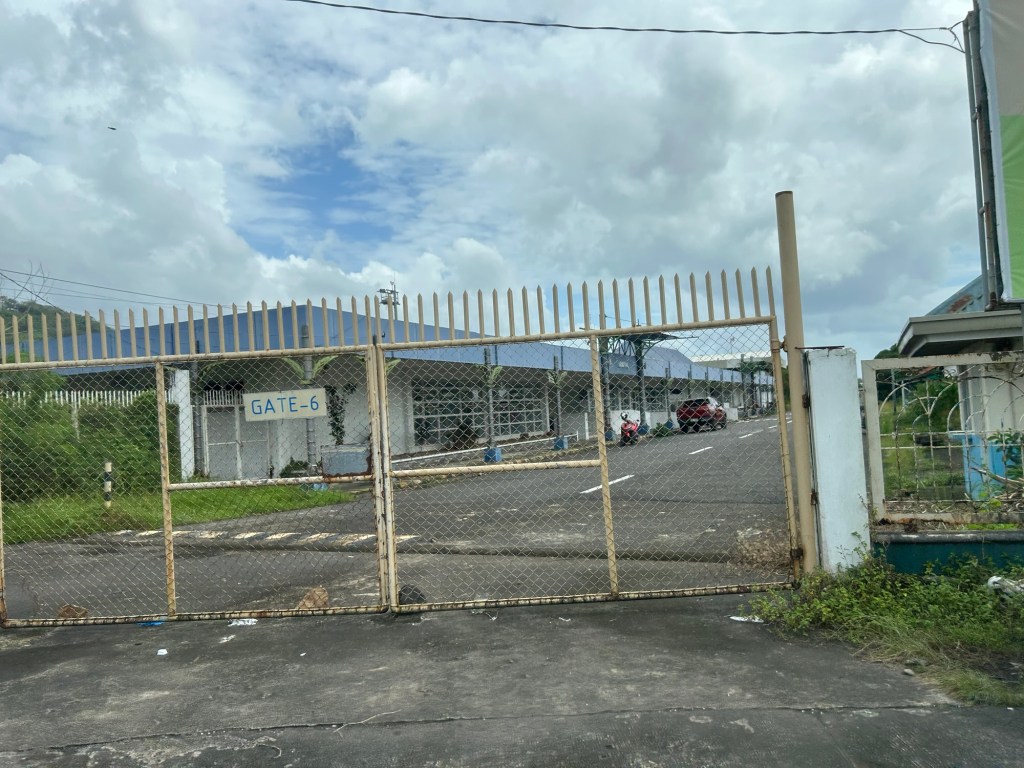
Legazpi and the Bicol region needed a new gateway after the old one could not be expanded. Add to that the fact that the runway configuration and location was compromised by nearby Mayon Volcano. The Bicol International Airport in Daraga is a modern gateway for a region deserving such infrastructure.
–
On a different kind of transport – electric suitcases
Here’s an interesting article for Sunday. I guess you’ve probably seen these at airports and even malls?
Unseen Japan (February 3, 2025) “Japan Warns Against Use of Electric Suitcases ,” Medium.com, https://unseenjapan.medium.com/japan-warns-chinese-travelers-against-use-of-electric-suitcases-d3eb946f2980 [Last accessed: 2/23/2025]
To quote from the article:
“Electric suitcases act as miniature people-movers, preventing people from having to walk from point A to point B in sprawling locations like airports. With a speed of 10 to 13kph, they’ve proven especially popular among tourists from China.
They’re also somewhat dangerous. On top of the danger of running into other passengers, people can lose their balance and take nasty spills.
The devices have proven a nuisance outside of airports, too. Last year, police in Osaka charged a woman for riding an electric suitcase on a sidewalk. Riding the device violates Japan’s motor vehicle laws, as it’s not legally classified as an e-scooter. It also violates the law around motorized vehicles on the sidewalk, which are only allowed for certain devices that restrict their top speed to 6kph.”
While these “act as people-movers”, I don’t think these could be regarded as transport under the category of micromobilities. If these are allowed to proliferate, then these will create new problems and come into conflict with active transport. What do you think?
–
Bicol International Airport – first impressions
The Bicol International AirPort project started during the time of then Pres. Gloria Macapagal-Arroyo. The old airport could no longer be expanded or upgraded and was too close and oriented to Mayon Volcano, causing frequent disruptions to flights. The development was similar to Iloilo’s, Bacolod’s and Tagbilaran’s airports that had to be relocated to accommodate airport expansion including future phases of development. The airport was started construction during the time of Pres. PNoy and was completed in the term of Pres. Duterte.
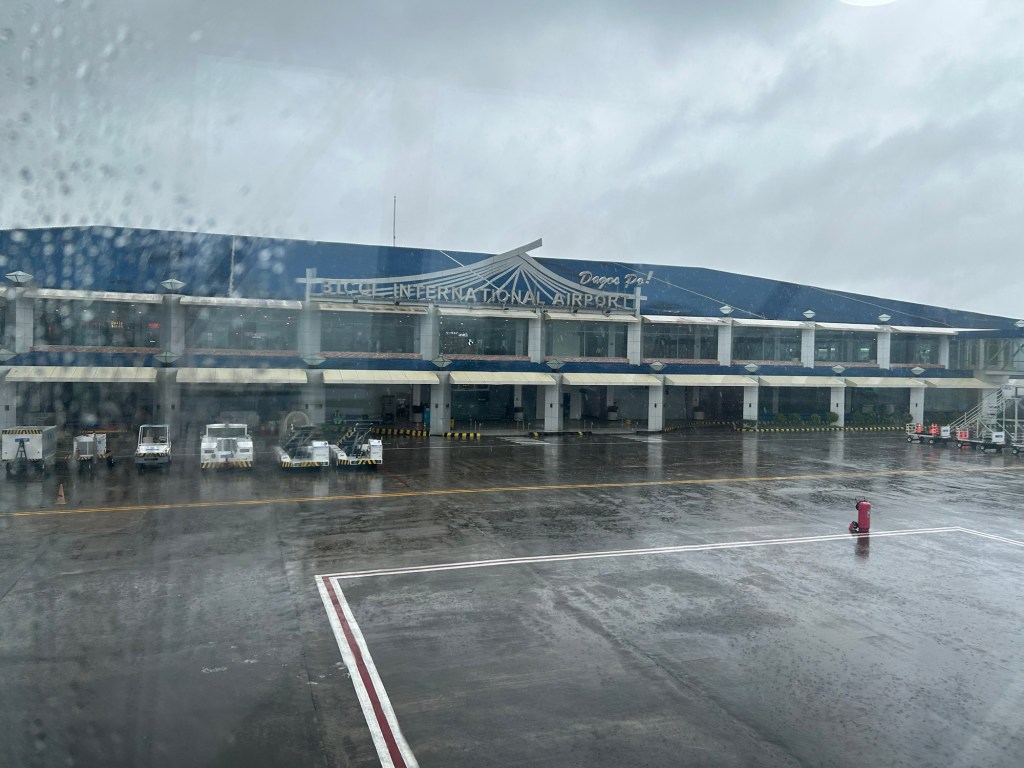
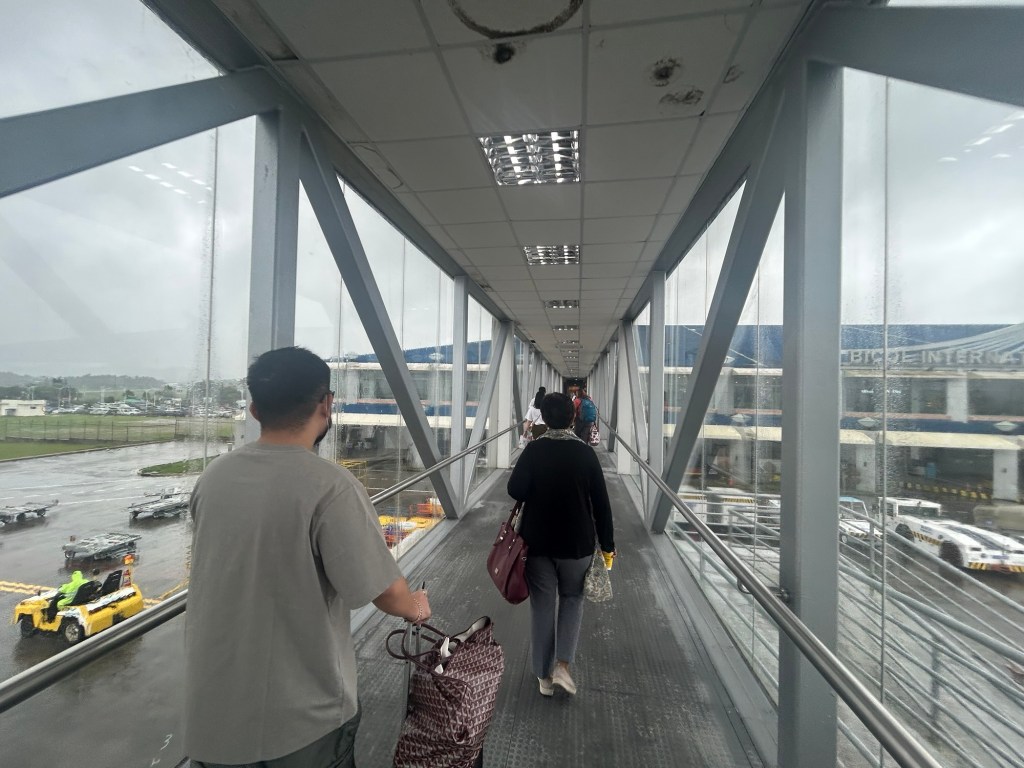
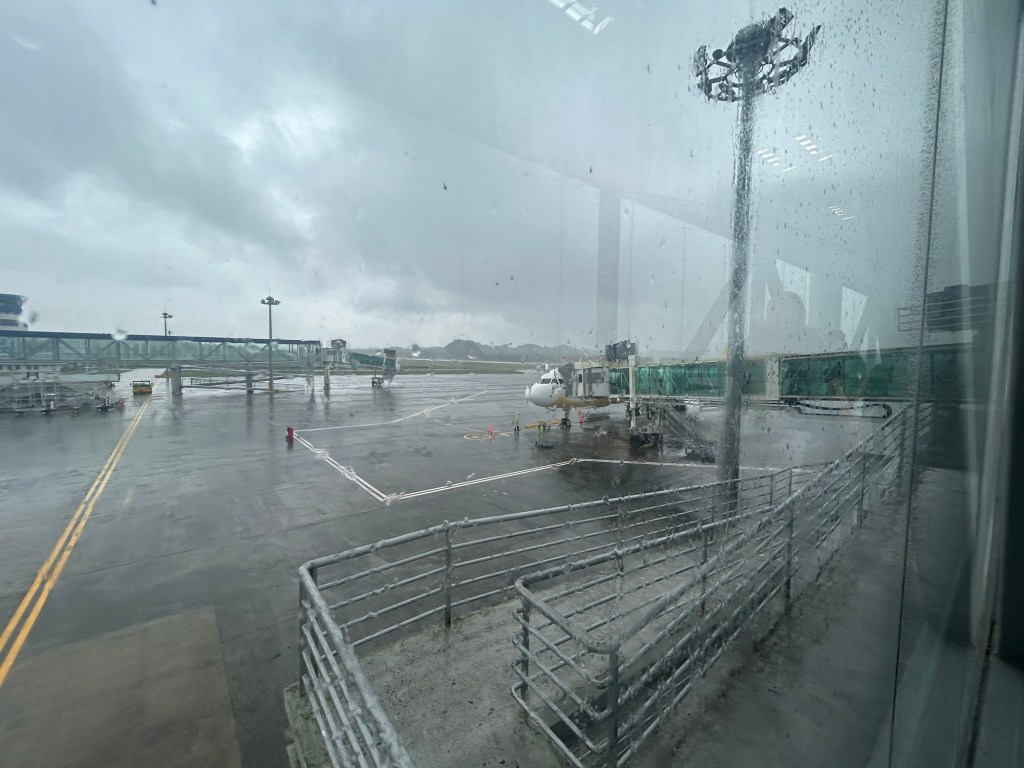
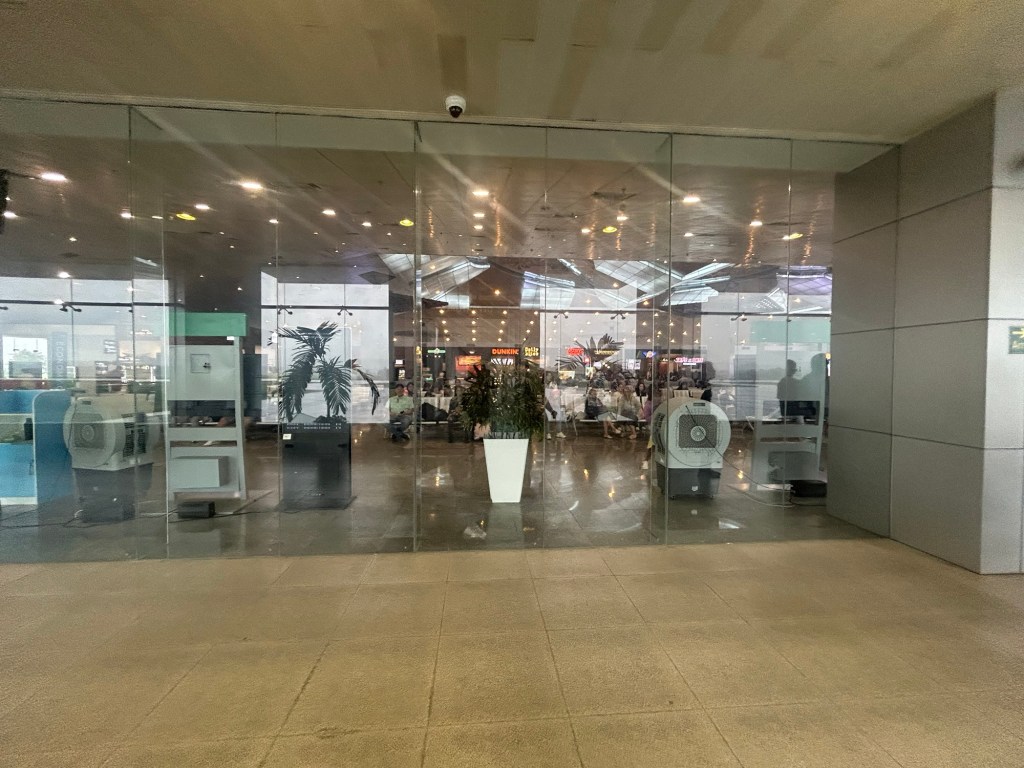
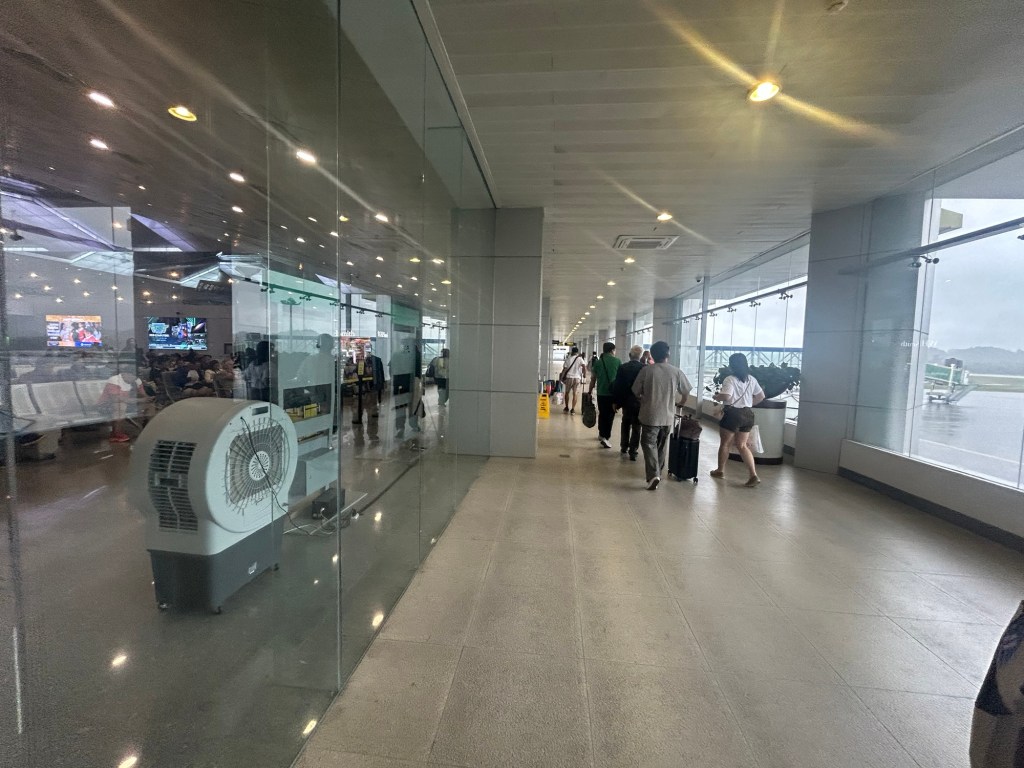
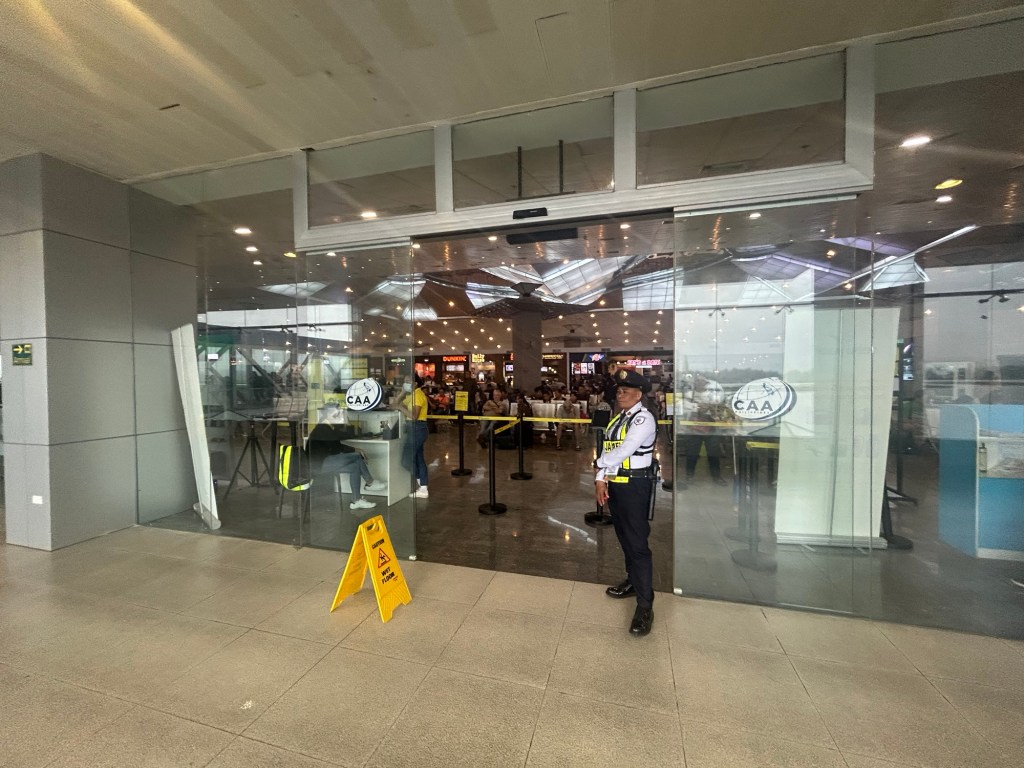
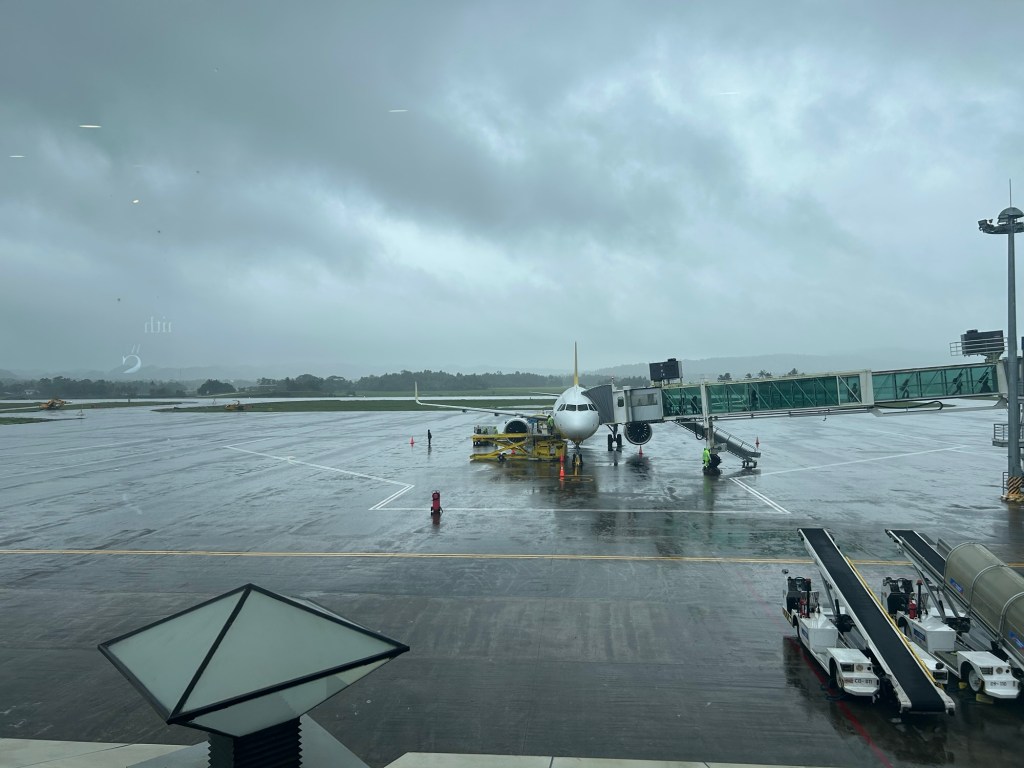
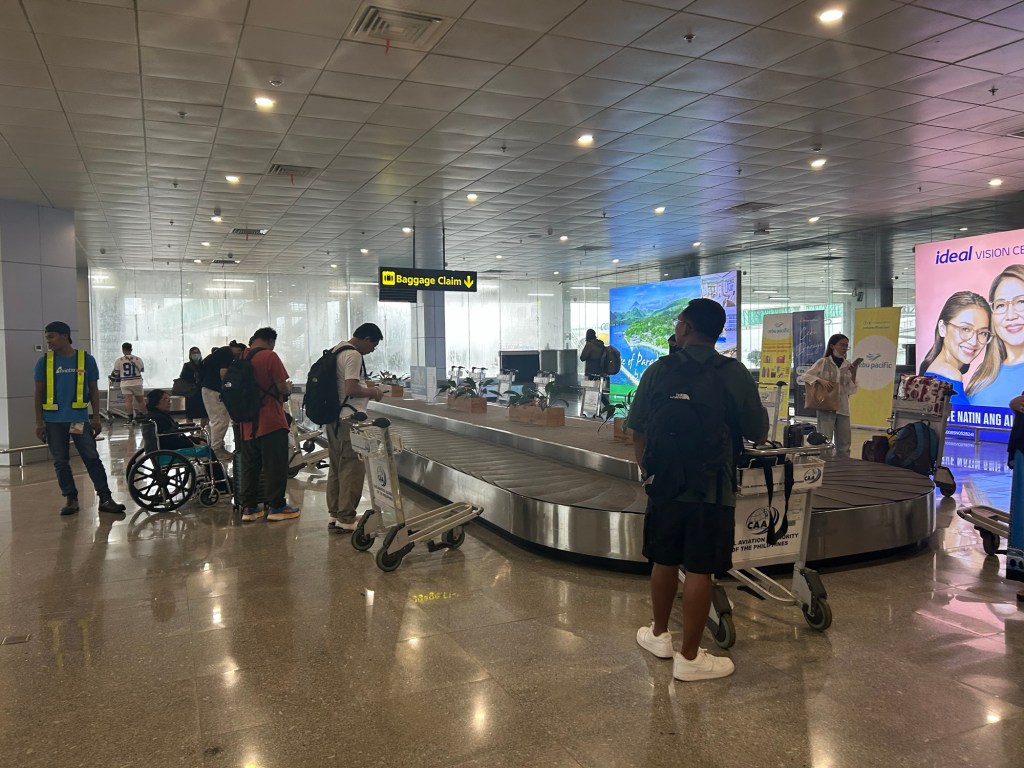
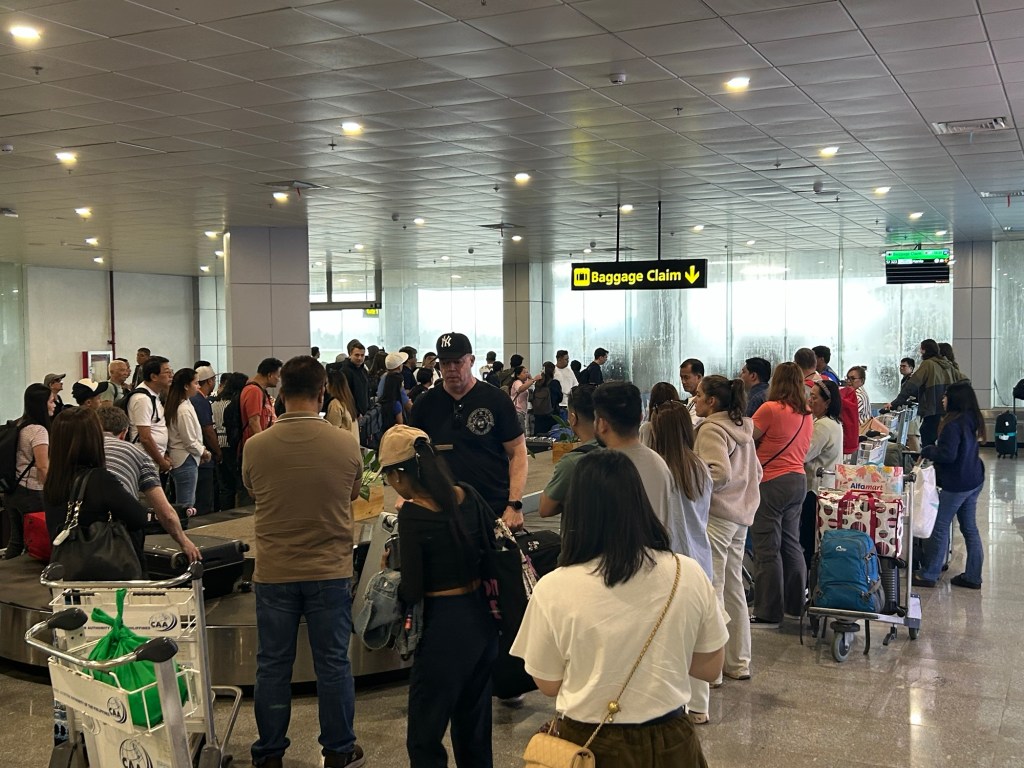
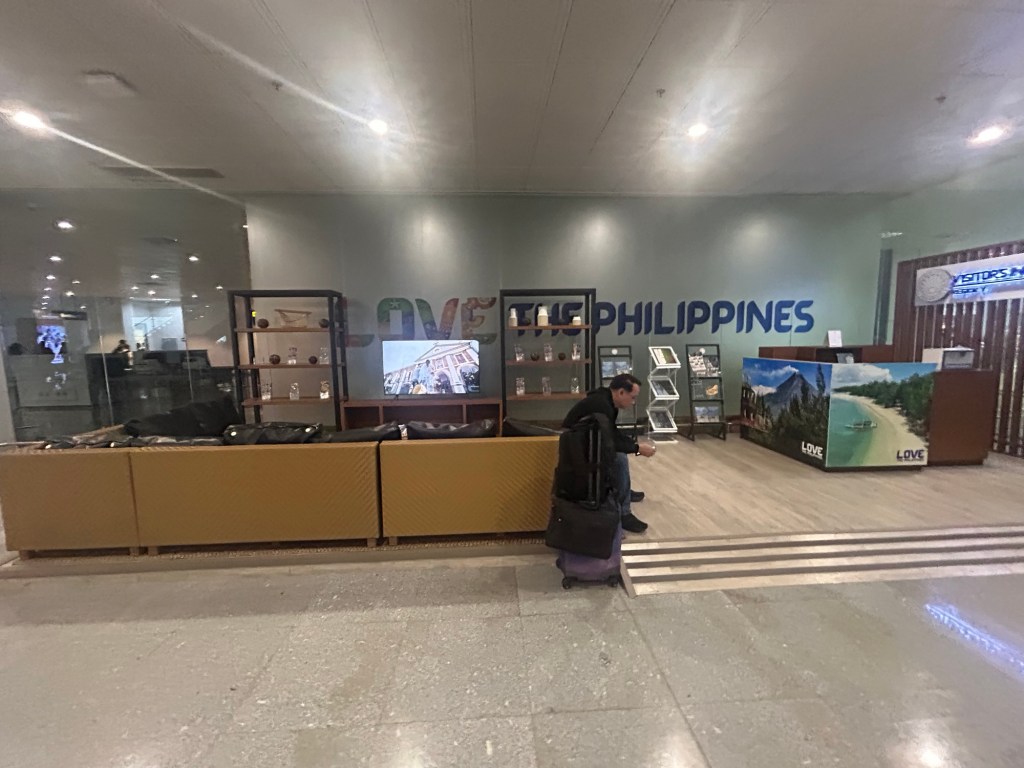
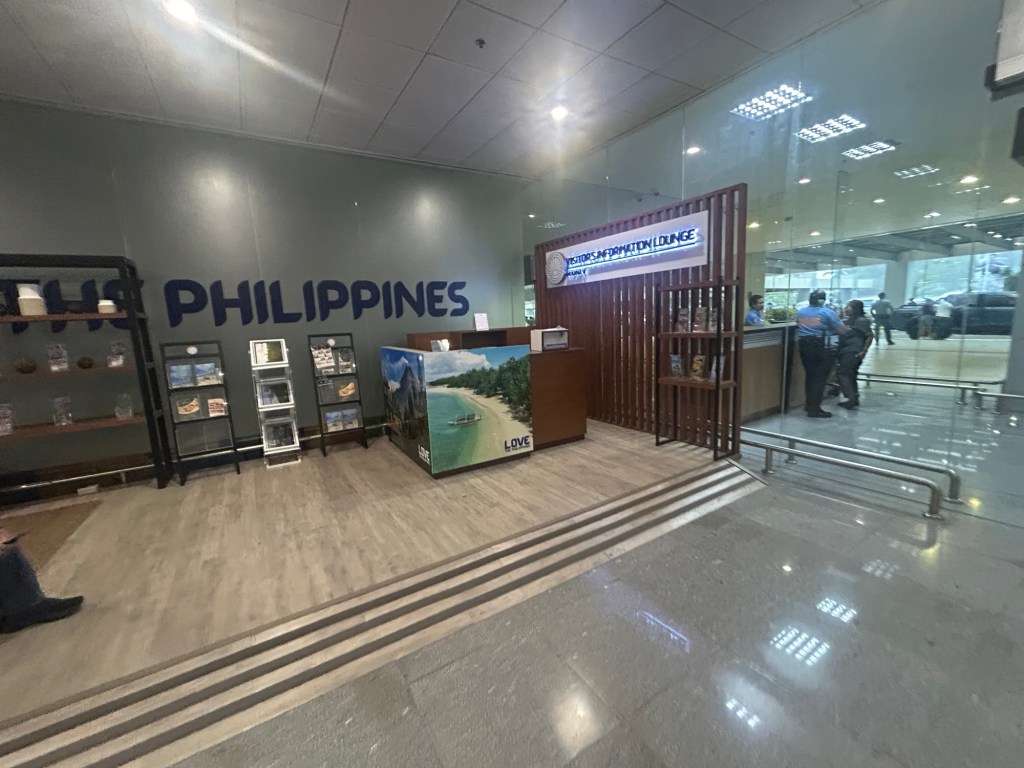
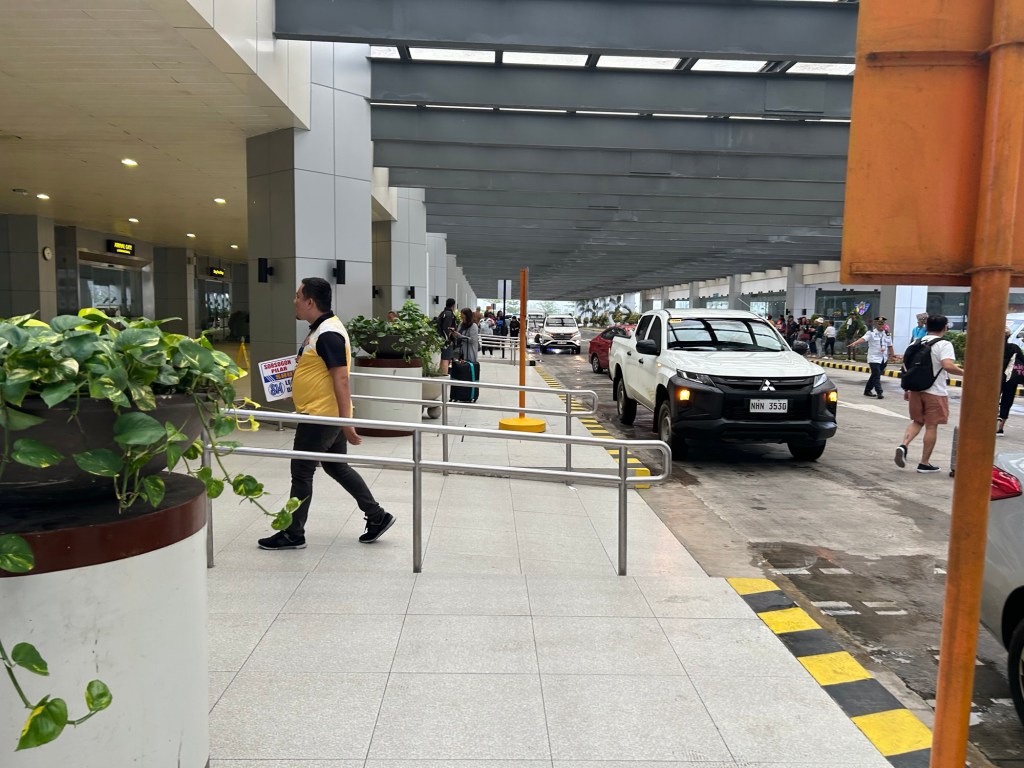
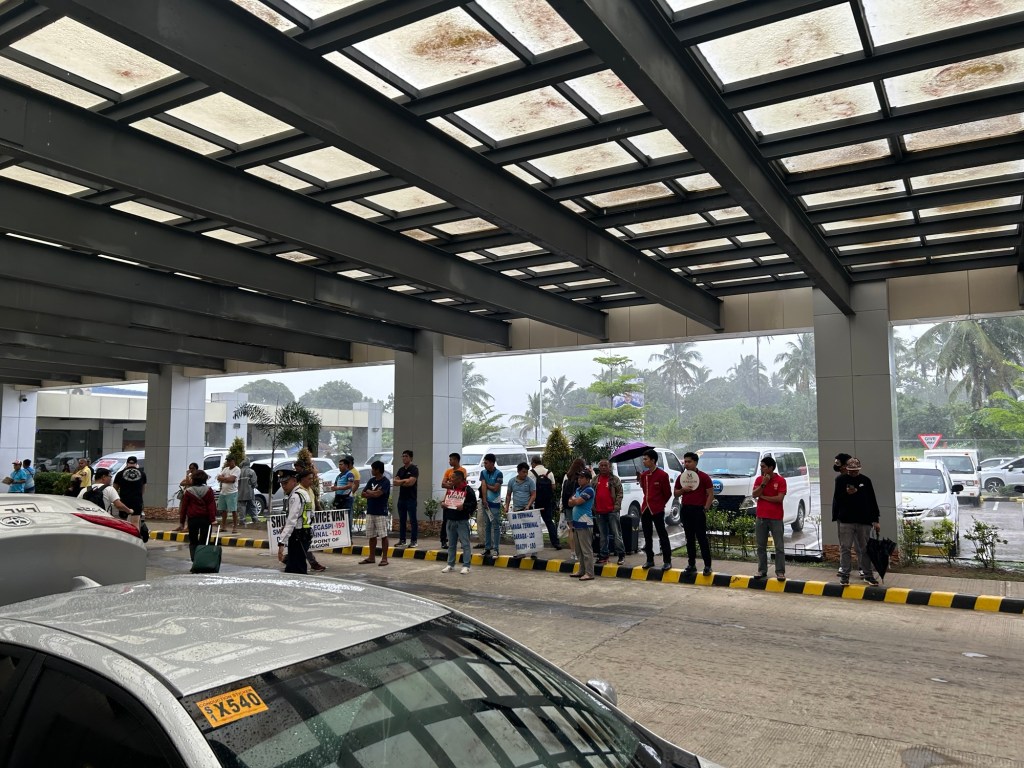
The airport is spacious and orderly. I’m not sure how the situation is when flights are more frequent and when there are international flights but perhaps the terminal can handle these at least over the foreseeable future.
More on the airport soon!
–
Back in Bicol
I have not been to Bicol since before the pandemic in 2020. But that was in Naga City in Camarines Sur to which I have been a few times. I have not been beyond Naga City since my early high school days. That was my last travel to my mother’s hometown in Gubat, Sorsogon. I think that was when we traveled on the occasion of my maternal grandfather’s passing.
We arrived at Legazpi City yesterday via the Bicol International Airport in nearby Daraga. I was looking forward to this trip as I also wanted to see the new airport and, of course, Mayon Volcano. Unfortunately, the weather is bad and so I currently have not seen the volcano even during the plane’s approach to the airport.
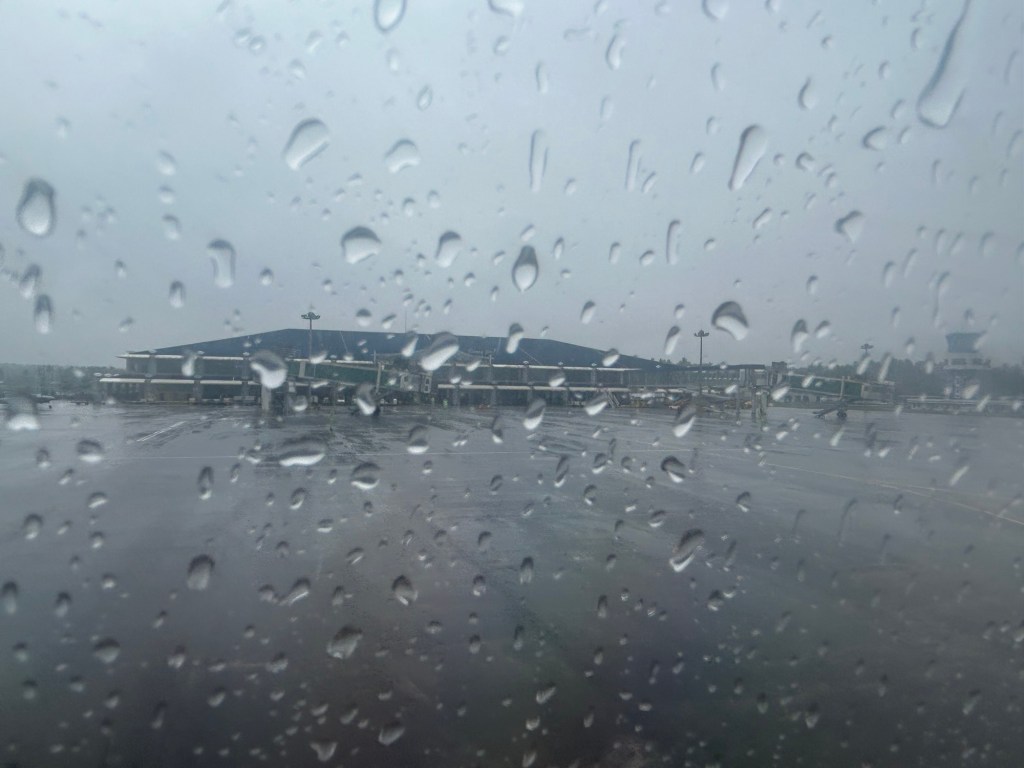
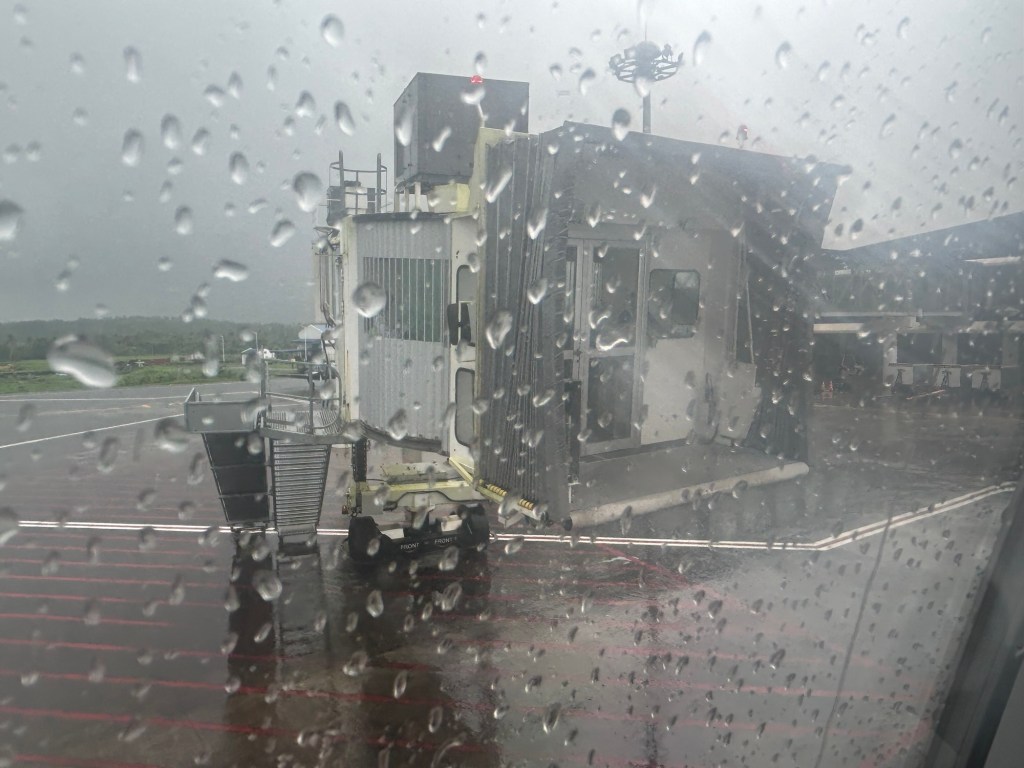
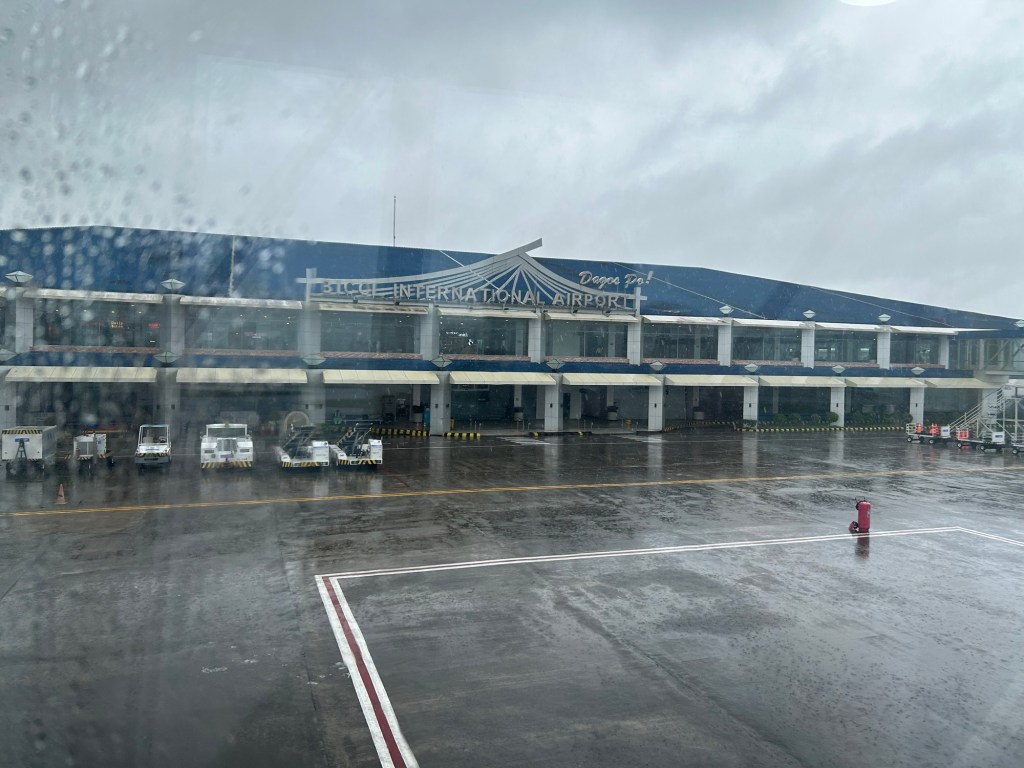
More on Bicol and Legazpi in future posts.
Roads, railways support needed for airport upgrades — analysts
Here’s a quick share on an article on the infrastructure needed to support airport development:
Source: Roads, railways support needed for airport upgrades — analysts
Unlike many capital airports including Malaysia’s Kuala Lumpur International Airport and Bangkok’s Suvarnabhumi International Airport, Ninoy Aquino International Airport does not have rail or mass transit access. It will eventually have rail access via the currently under construction Metro Manila Subway. The airport construction in Bulacan should also have transit access in order to make it more accessible to passengers and other airport users. Railways will provide an alternative to road-based transport that would probably require much road space and likely lead to congestion just like what we experience around NAIA at present.
–
Increase in parking rates at NAIA
A friend shared this notice about the increase in parking rates at NAIA.
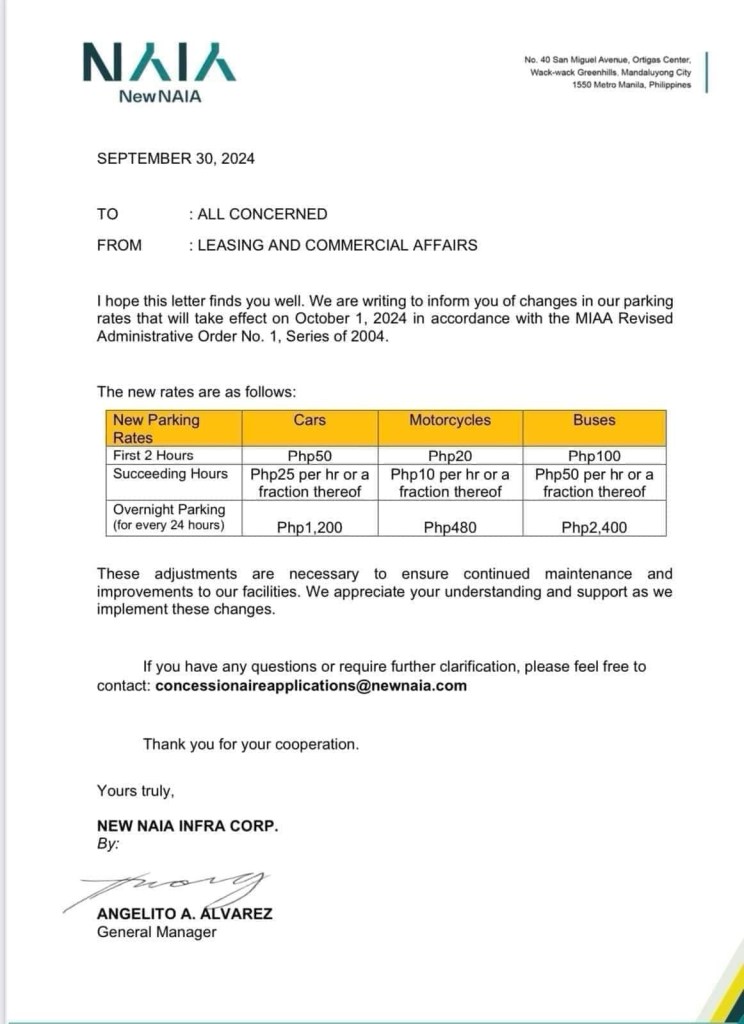
Parking at any of the terminals has been quite difficult if not horrendous. Everyone seems to be bringing their car to the airport for pick up and drop offs as well as leaving them for a night or more while traveling abroad or somewhere in the country. And then there are those who park there because the rates are supposed to be cheaper than the hotels and mall around the airport (e.g., the case of Terminal 3). Will the increase in the rates discourage unwanted or unnecessary parking? Perhaps not because people are still quite dependent on cars as their primary mode in and out of NAIA.
Access to the airport remains road-dependent. Granted there are many options like ride hailing, airport bus and taxis, these are all road based. They share the same roads that are often congested. The tollways are not enough to ease traffic in the area, which aside from airport generated trips include those from offices and industries in the area.
Too long has the need for a rail access for the terminals and government has failed to provide it. It would at least have engaged private sector for this provision but it took so long. Perhaps the Metro Manila subway will change that but we have to wait a long while to find out.
–
 Caught (up) in traffic