
On road clearing and towing of illegally parked vehicles
The MMDA conducted road clearing operations along Katipunan Avenue this Tuesday. To be exact, they towed illegally parked vehicles in the area. We saw a fleet of tow trucks lined along C.P. Garcia Avenue prior to the operations.
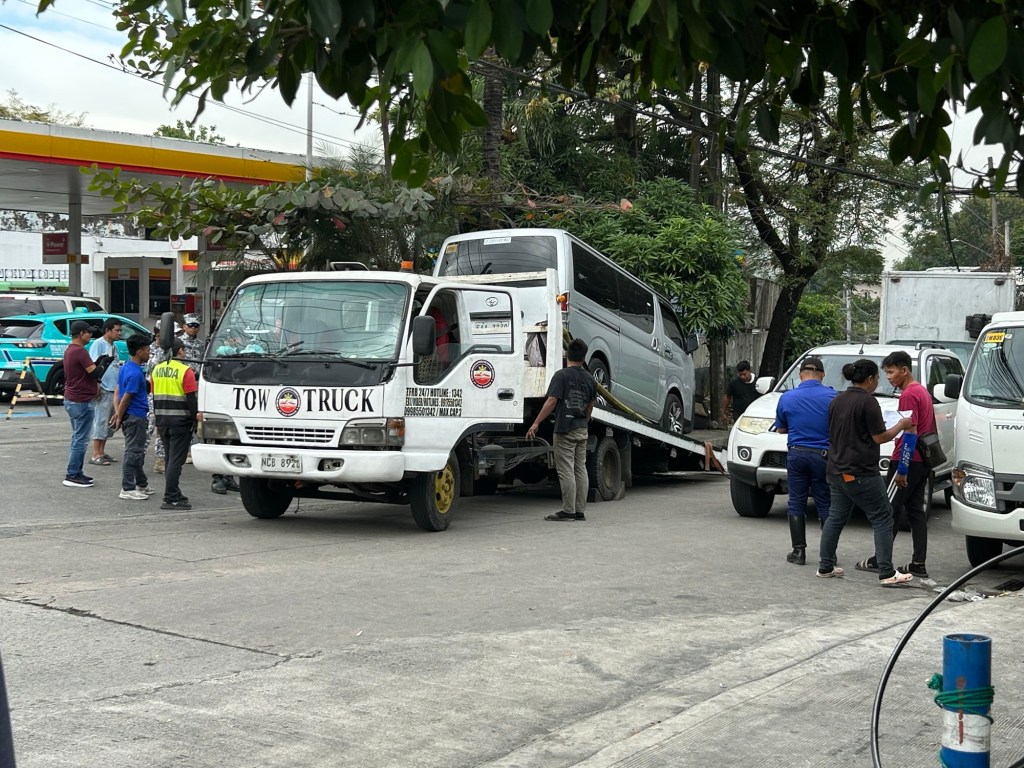
There are many illegally parked vehicles along Katipunan and the side streets to it. It is partly due to parking minimums (as stipulated in the National Building Code) not being followed and mainly because of the dependence on cars and high car ownership attributed to residents there.
Operations like this by the MMDA or LGUs are important because spaces need to be reclaimed especially for pedestrians. There is of course their main objective of easing traffic along roads whose capacities were decreased by on street parking. Do these streets need to be redesigned? Maybe but not now considering the resources required for transformation. It’s not as easy as the examples being peddled on social media.
–
On parking for typhoons
The Metro Manila Development Authority (MMDA) recently issued a memo to shopping mall operators in Metro Manila in relation to the anticipated arrival and onslaught of a super typhoon. I reproduce the memo below:
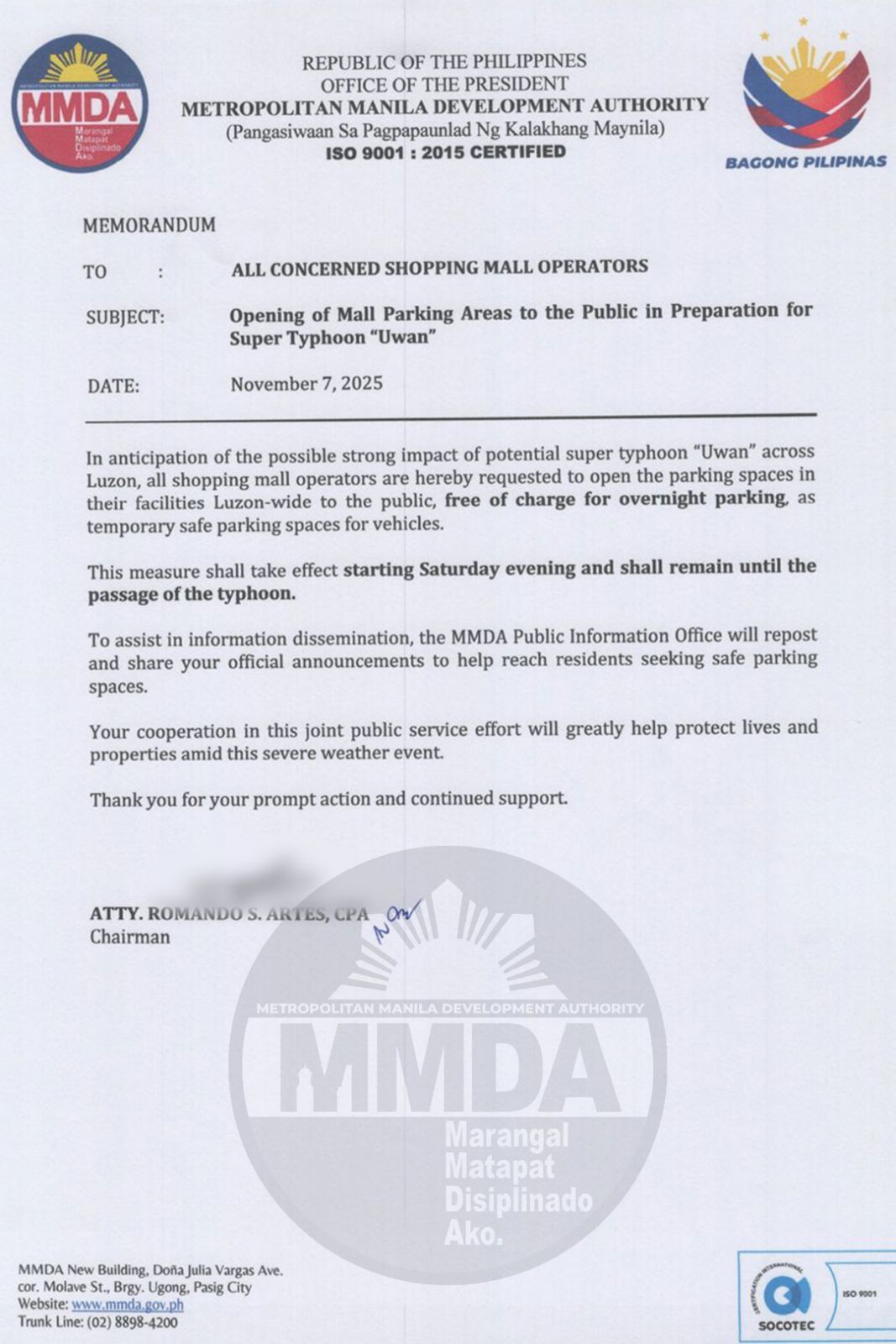
As of this morning, most if not all mall operators (at least all of the major ones – SM, Robinsons, Ayala and Megaworld) have responded positively. Some observations this morning though shows a lot of people already lining up their vehicles at the malls to take advantage of the free parking. It seems a lot of people have misunderstood the memo and responses (from the malls) to mean there’s free parking from today til Monday. Let’s assume that most of these people live in flood prone areas and that many of them probably don’t have garages in their homes. This somewhat shows us another angle of vehicle ownership and the lack of parking for many. It also somehow tells us something about our dependency on cars and how we really need to have a better transportation system.
–
Vehicle refuge during floods
Passing Felix Avenue one early morning this week, I saw familiar scene. There were lots of vehicles parked along Felix Avenue (formerly Imelda Avenue) including the service roads along either side of this major road connecting Marcos Highway and Ortigas Avenue Extension.
These vehicles are owned by residents of subdivisions along the avenue whose areas are prone to flooding. These include Vista Verde, Metroville, Kasibulan, Karangalan and the two Green Parks. I didn’t see this along the stretch so the other flood prone villages like Village East and Country Homes. Perhaps they have been able to adapt better?
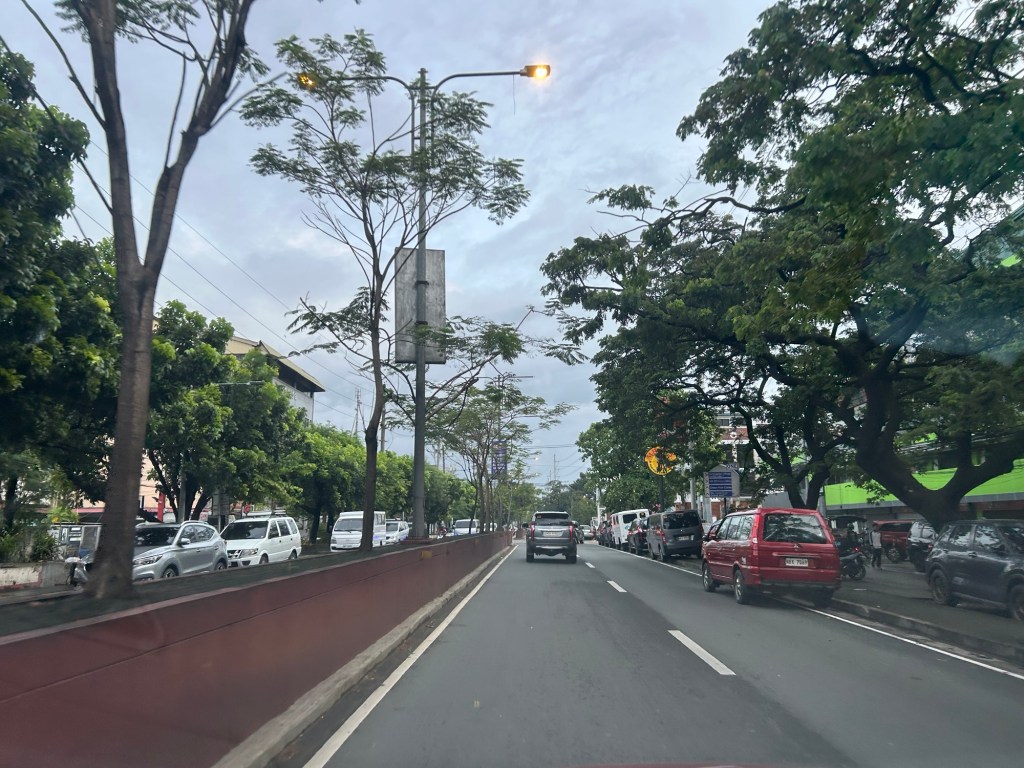
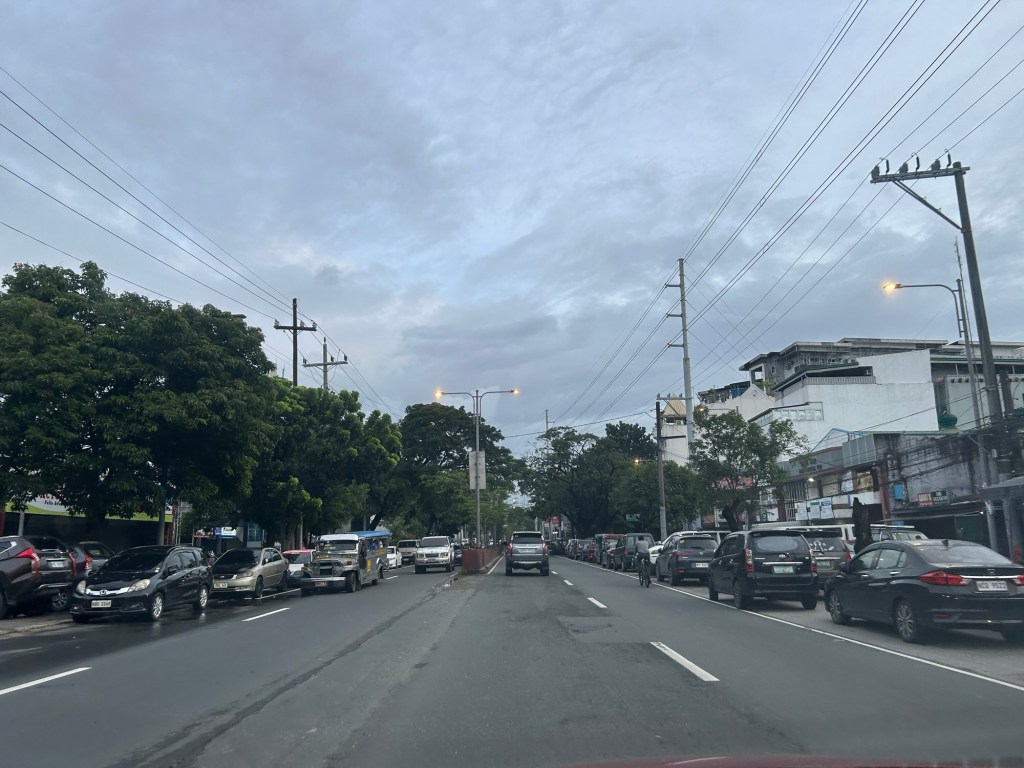
Car-centric discussions aside, when you go the ‘east’ you will notice a lot of people using SUVs. One reason probably is because many Rizal towns including Antipolo City, and Pasig and Marikina Cities are prone to flooding. Can you imagine over 50 years of flooding in these areas? And then with the current investigations concerning flood control projects, have you wondered if the ‘east’ really got their taxpayers’ money’s worth in terms of interventions?
–
A suddenly spacious NAIA Terminal 3 outdoor parking area
The news of NAIA being taken over by San Miguel Corporation initially drew many criticisms. I won’t talk about these here but somewhat many things have changed aside from the airline assignments among the three remaining terminals. I said three because Terminal 4, what used to be the Manila Domestic Terminal, was already demolished. Among the changes are the suddenly spacious parking areas at the terminals. Here are some photos we took en route to the multi level parking prior to a trip.
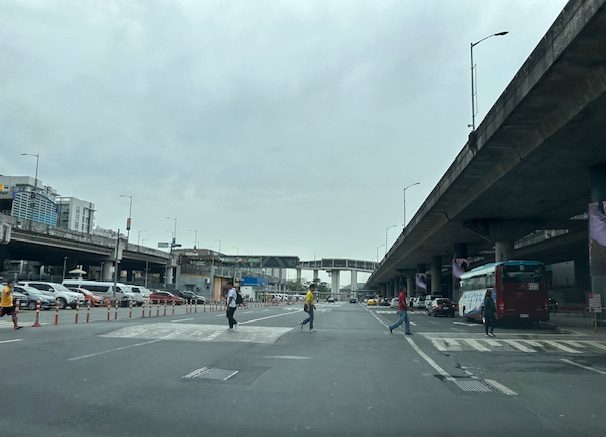 What used to be islands separating the Terminal 3 building from driveways and the open parking lot is no more.
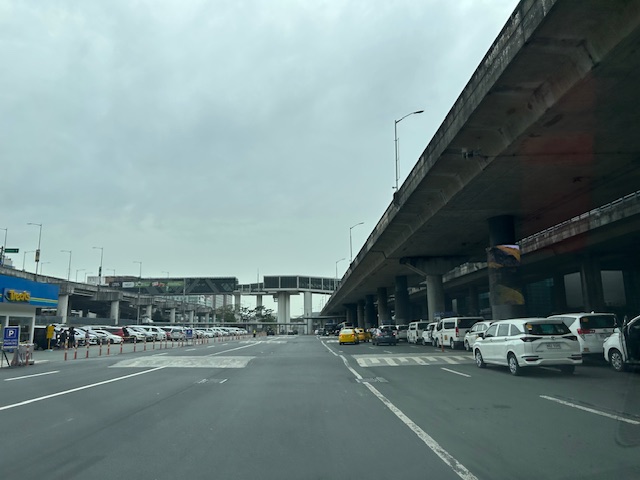 The area is suddenly very spacious allowing for more parking slots as well as a wide driveway for vehicles.
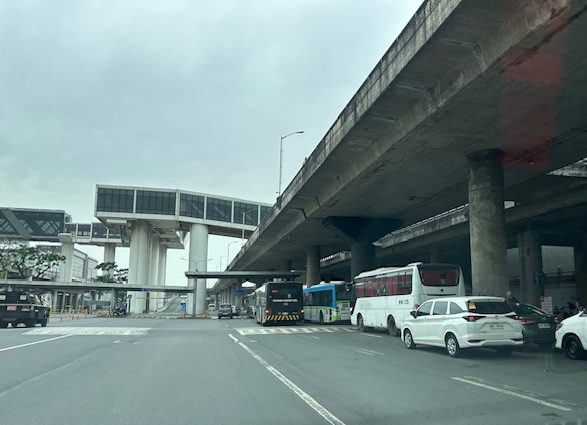 The buses also benefitted from the space as they can line up at the terminal stop without blocking other vehicles.
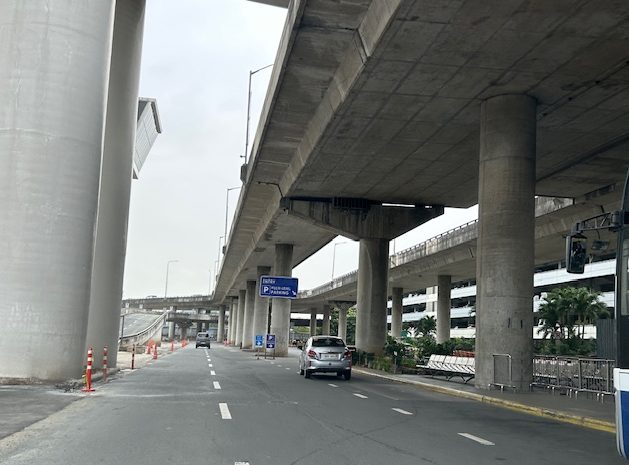 The section leading to the multi-level parking building is not as congested. Most intending to park there including those leaving there vehicles for a few days enter via the upper level driveway. Rideshare vehicles generally use the ground level entrance.
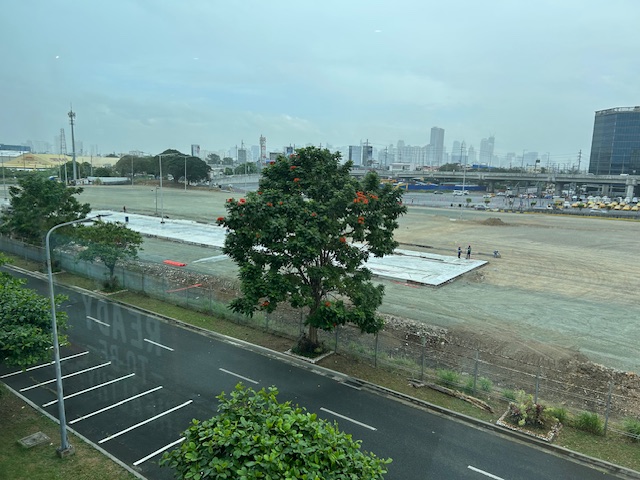 The graded open area that was just usually dirt or mud is now being paved. Perhaps this will provide additional parking spaces considering a significant part of the multi-level parking building has been committed to ride share and taxis.
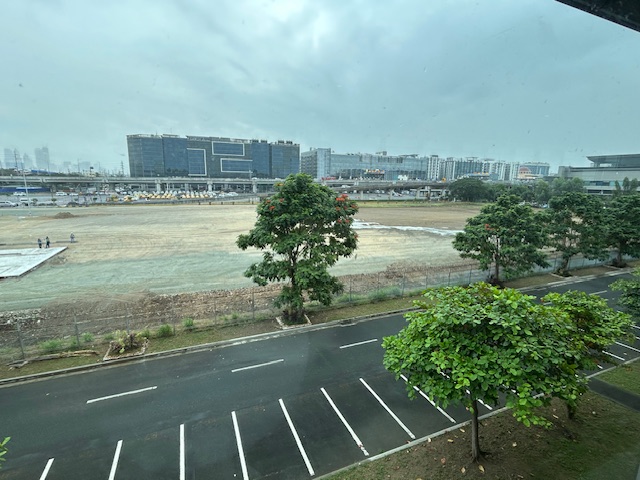 This used to be the area that was burned along with so many cars last year. Gone are the abandoned vehicles and perhaps these will all be paved. But was it necessary to just pave everything rather than have something porous and less heat generator than pavement? It would have been better to go for a multi-level facility and at the same time do some landscaping to have more trees and plants in this area.
–
Pave paradise
With the arrival of rains, many would probably forget about the recent heat wave we experienced. Those days were definitely record-breaking in as far as temperatures and heat indices were concerned. It was so hot that many schools had to revert to online or hybrid modes. Many people were complaining and as usual, the loss or lack of trees were mentioned in conversations or exchanges about how trees and other foliage could have helped cool the earth. The problem is that we have not learned our lesson and continue removing trees particularly those that need not be removed or cut down. In the name of road widening, which appears to be a key performance indicator for the DPWH, trees have been removed along national roads. This led to the elimination of what used to be shaded roads (i.e., canopies provided by trees), and gave way to now very exposed and open spaces.
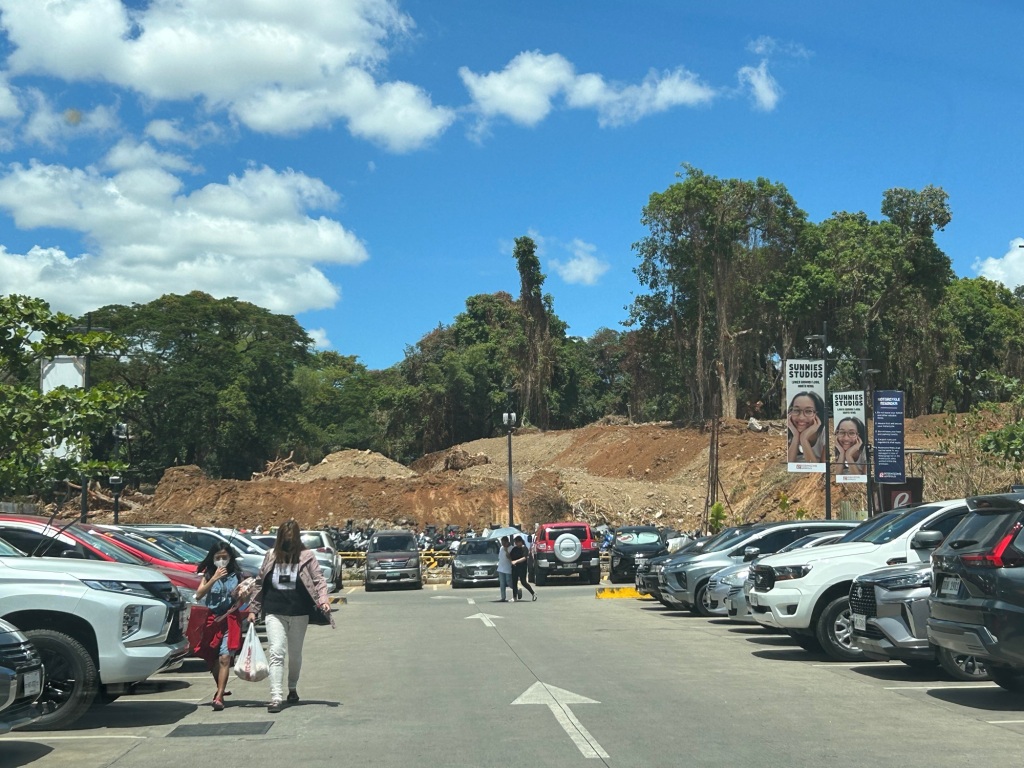

The very same trees providing us with oxygen and shade, and contributing to cooler temperatures are also the ones helping reduce flooding. Denuded mountains and hills easily have their soils saturated leading to landslides that often are destructive and murderous. While it seems cliche to state that government should lead in ensuring we have more trees, it is a truth and we are in search of champions in government to inspire us to work together for more trees for our future.
–
On non-roadway traffic deaths and incidents
I found this interesting article about non-roadway crashes or incidents that may cause deaths. These are often recorded in buildings including parking lots or facilities but are not generally collected and reported by governments as part of road crash data.
Wilson, K. (April 18, 2024) “Why Does the Vision Zero Movement Stop At the Edge of the Road?,” Streetsblog USA, https://usa.streetsblog.org/2024/04/18/why-does-the-vision-zero-movement-stop-at-the-edge-of-the-road [Last accessed: 4/28/2024]
From the article:
“According to the latest report from the National Highway Traffic Safety Administration, a shocking 3,990 people died in car crashes that occurred outside of the traditional transportation space in 2021, the last year for which data is available. One-quarter of those people were outside vehicles, including, pedestrians, cyclists, wheelchair users, and even children simply wishing their parents goodbye before they were accidentally run over by the caregivers who loved them most; all lost their lives after they were struck by drivers on private property, like parking lots, driveways, drive-thrus, and private roads.”
These crashes very likely contribute to under-reporting. One wonders, for example, how many incidents occur in mall parking lots, schools and subdivisions. Recall the incident in Ateneo years ago when a child got ran over and killed as students were being dropped off in the morning. Surely there are other incidents though not involving deaths, and these need to be recorded among traffic incidents. The deaths need to be included in the reports. These are important information to complete the picture of road traffic safety in any country including the Philippines.
–
Want Less Traffic and More Parking? Start Charging for It!
Here’s a quick share of an article on parking:
Source: Want Less Traffic and More Parking? Start Charging for It!
From the article:
“like most urban issues, parking is not an isolated problem. If smart parking programs are implemented but road design and policies still encourage motor vehicle use, the efficiency of parking programs will be limited by the intrinsic political and physical nature of each location. Nevertheless, free parking is a nuisance and a massive cost to the public, especially lower-income individuals, causing congestion and ultimately reducing mobility. Research shows that charging for parking makes the most out of parking spaces in a given area, and makes the process of maintaining parking fairer by charging its users instead of everyone indiscriminately.”
–
On reimagining our streets
We start the last month of the year by sharing this article on complete streets:
Robertson, D. (November 15, 2023) “Safe streets are global—and it’s time for the U.S. to catch up,” Smart Growth America, https://smartgrowthamerica.org/safe-streets-are-global-and-its-time-for-the-u-s-to-catch-up/?eType=EmailBlastContent&eId=03b04320-4eeb-4bf5-9b12-71ec2a960421 [Last accessed: 12/1/2023]
To quote from the article:
“The examples mentioned here are exemplary cases, but demonstrate that the future of mobility need not follow the same dangerous status quo. They prove that with a combination of public and political will to the commitment of the prioritization of people over cars, we can produce the results we care all about.”
While the article is on complete streets, there is a very quotable section that referred to the situation in Japan:
“Anyone who wants to register a car in Japan today must prove that they have a private place to park it. This shifts the economic burden of providing parking from the public to drivers, and also ensures that supply of parking will not grossly outpace demand.”
There are many opportunities for the complete streets concept to be applied in the Philippines. A few have already been implemented but there should be more especially in light of the gains from the development of bike lanes networks in many LGUs that started during the COVID-19 pandemic. As for parking, perhaps the Japanese example should be adopted and implemented to curb car-dependence.
–
Bike racks at SM City Taytay
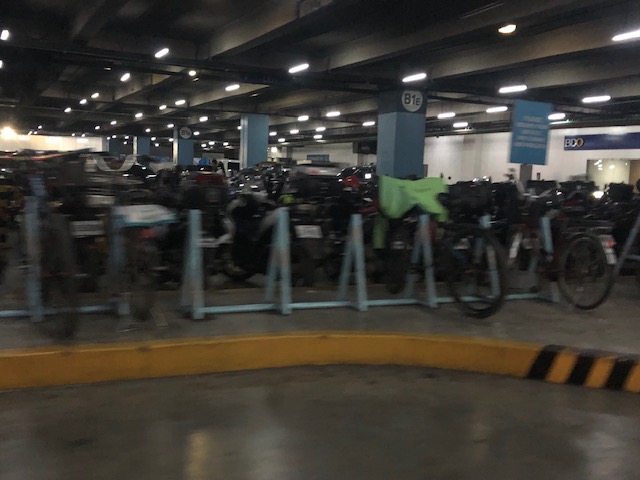
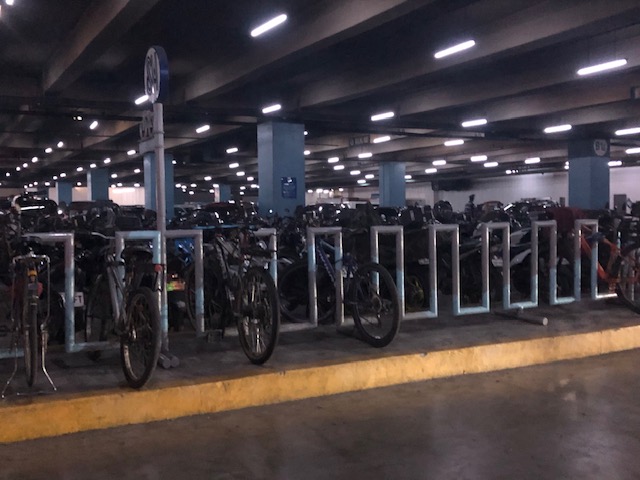
I have written before about the bike facilities at SM malls. Their new malls and expansion projects already have provisions for bike parking in addition to motorcycle parking despite the building code not having provisions for these. I write about another example, this time in Rizal province. SM City Taytay has bike racks installed at the basement parking. I am sharing the following photos for reference.
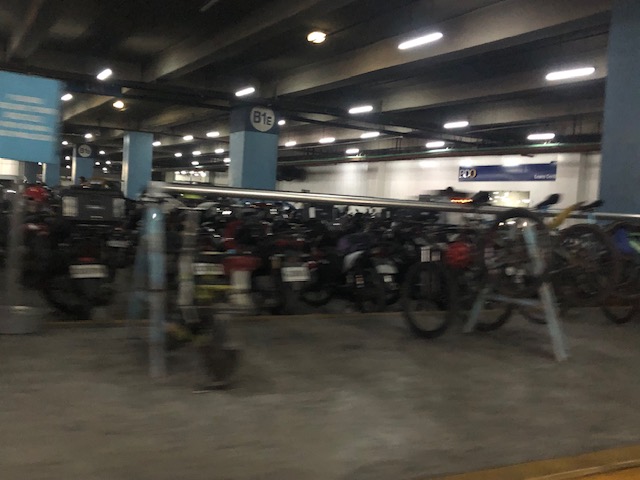 Hand rail/hanger type racks
 Bollard style racks
 Grid style racks
I’m not sure what went into the decision, if there was any, to provide different types or styles of racks for bicycle parking. To some, it looks like an afterthought rather than a planned approach to bike parking. Still, the facilities appeared to be highly utilized so that means people are taking their bikes to the the mall and it appears that most of these are customers rather than mall personnel. SM has been quite vocal and active in promoting their involvement in active transport (i.e., mostly about cycling) and their malls have included bike parking as an integral part of their facilities. Hopefully, they will continue to support cycling and develop better facilities to encourage bike use.
–
Bike parking at SM Masinag
With the increasing popularity of cycling, particularly the utilitarian kind (i.e., bike-to-work, bike-to-school, bike-to-shop, etc.), there is also the increasing need to provide facilities for cycling. Aside from the obvious (i.e., bike lanes), there are also what are termed as end-of-trip facilities, the most basic of which are parking. These may be spaces or slots allotted at workplaces, schools, markets, malls, government buildings, churches, etc. for cyclists or bikers to secure their vehicles. Bicycles may also be used as ‘last mile’ modes of transport so bike parking are necessary at transit or train stations. It is heartening to see the big malls like SM and Robinsons provide parking facilities for bicycles. Here are some photos of the bike station at SM City Masinag in Antipolo City.
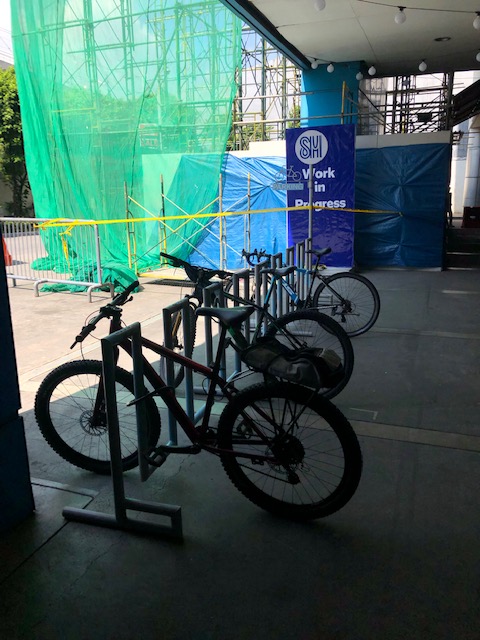 End of trip facilities in the Philippines is generally a work in progress. Hopefully, we get to benefit from their provision where they are needed – workplaces, schools, government buildings, commercial establishments, etc.
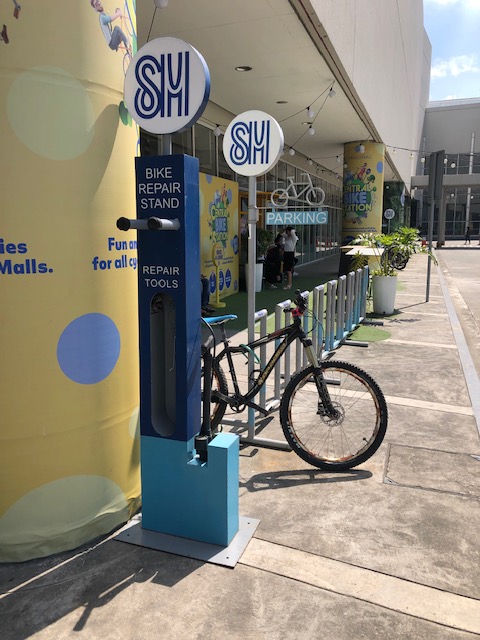 The bike station at SM Masinag includes this bike repair stand with the basic tools for bike repairs and tire inflation.
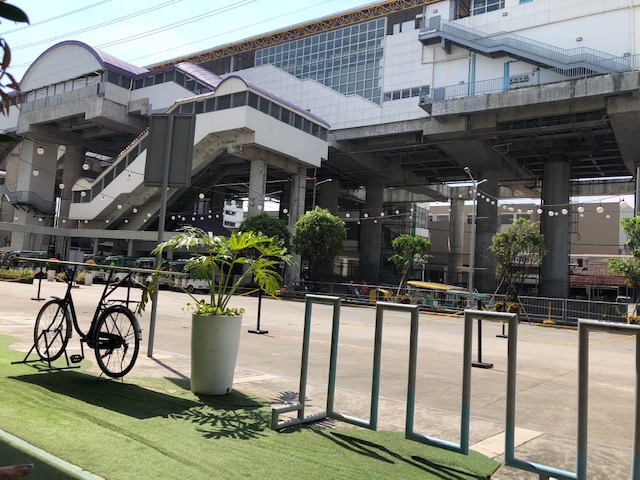 The bike station is just across from the Line 2 Antipolo Station (what was supposed to be called Masinag Station).
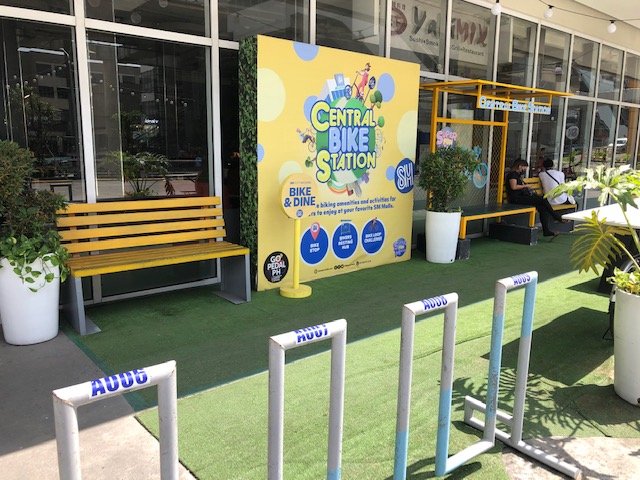 The central bike station also has benches for those who might want a rest and tables for those who want to “bike and dine”.
–
 Caught (up) in traffic