
Home » Governance (Page 2)
Category Archives: Governance
Complicated intersections in Rizal – Tikling Junction
There are several major intersections in Rizal Province. Among them are 3 junctions in Cainta, Taytay and Antipolo – Cainta Junction (Ortigas Ave Ext.-Felix Ave), Masinag Junction (Marcos Highway-Sumulong Highway), and Tikling or Kaytikling Junction. The first two are signalized intersections. The last one is supposed to be a roundabout. All three are problematic in various ways and have been associated with congestion along the major roads intersecting at these junctions.
Tikling is quite interesting as traffic seems to have worsened after it was set up as a roundabout. Taytay enforcers have been deployed here but they seem to contribute more to worsening congestion rather than easing it. Motorists familiar with the area will tell you that traffic is better when there are no enforcers. Unfortunately, not all motorists here are from the area or are familiar with the rules for navigating or positioning at a roundabout. And so the intersection is often constricted with vehicles whose drivers and riders don’t practice courtesy.
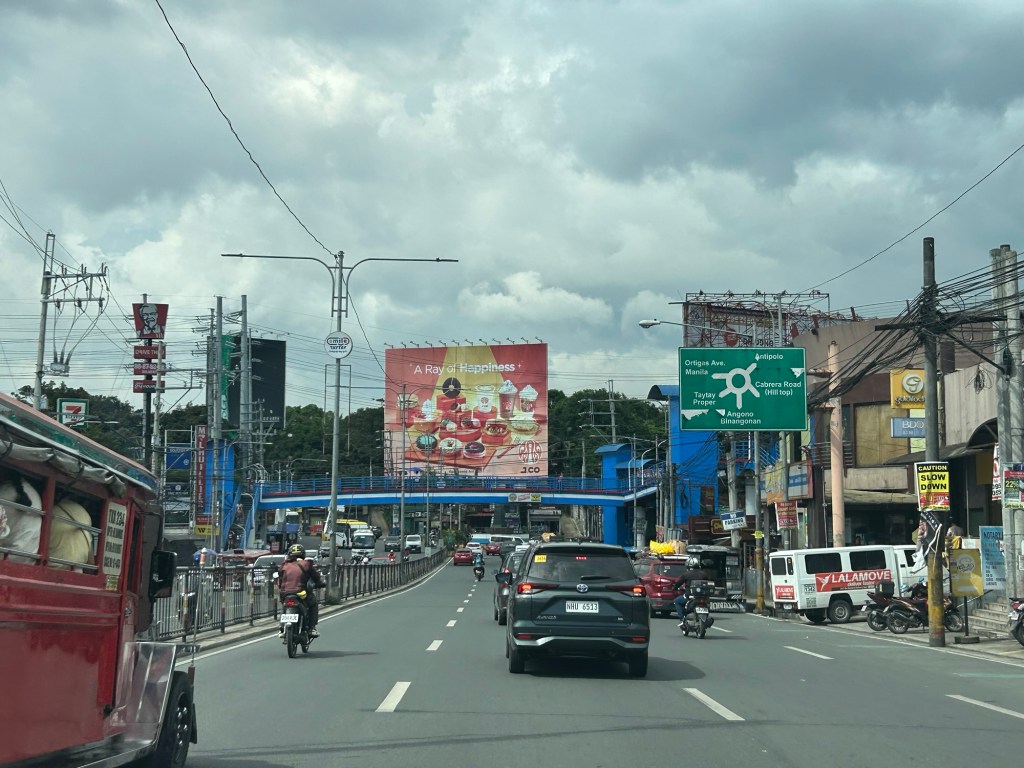
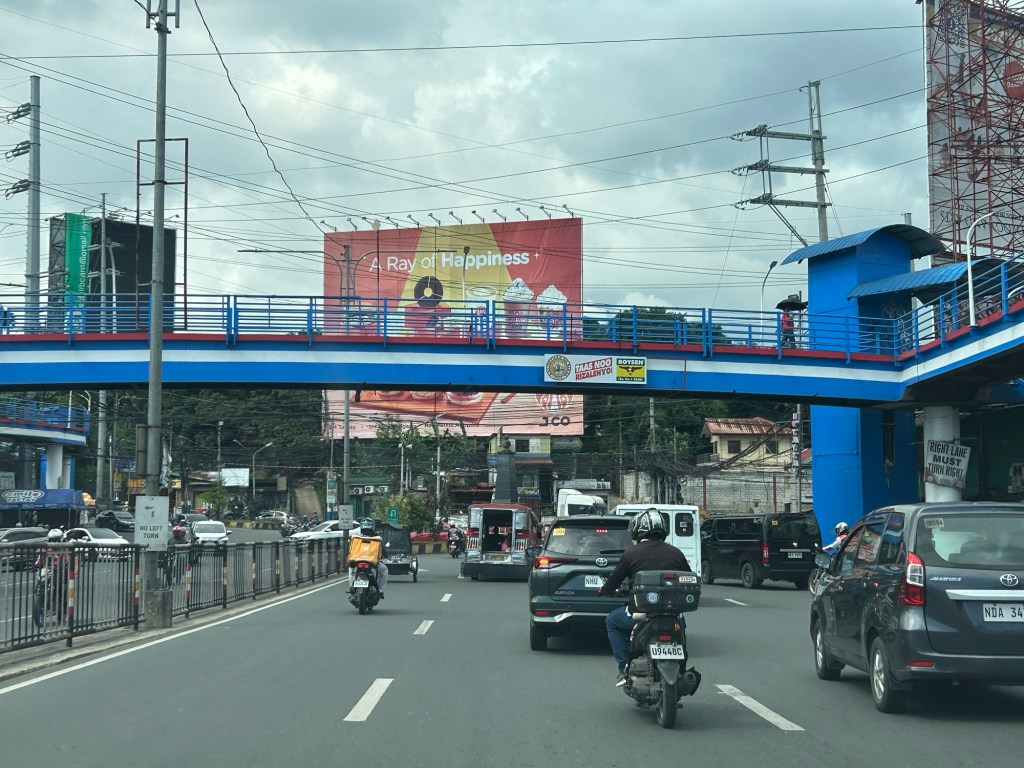
Perhaps a combination of geometric improvements and more clever enforcement/management can improve intersection performance?
–
Senseless road crashes
My staff shared the following cctv footage of a recent road crash along C.P. Garcia Avenue just across the College of Science Complex in UP Diliman. The videos show two vehicles colliding along the road at nighttime. This is usually a busy road with traffic to and from Katipunan, mostly comprised of travelers associated with the schools I the area.
https://www.facebook.com/share/v/17MPeJnrCk/
The black SUV appears to be speeding and suddenly veered towards the opposing lane where it collided with another vehicle. It is unclear if the driver lost control of the vehicle or was aware of what he was doing. That cost 2 lives as both drivers reportedly died from the crash.
This is among those crashes that can be regarded as senseless incidents. This could have been avoided if the driver was not speeding in the first place or perhaps was not influenced by any factor like alcohol or drugs. Perhaps it’s really about the behavior of certain motorists who shouldn’t have licenses to drive in the first place? We commonly refer to them as kamote drivers or riders. The LTO should do their part in ridding the roads of these menaces.
–
Words of wisdom from the back of a taxicab
I was driving home from work one evening last week and was behind this taxi. As we were practically stopped due to the evening rush traffic jam, I was able to take this photo of a quote from the Bible that was displayed on a board installed behind the cab:
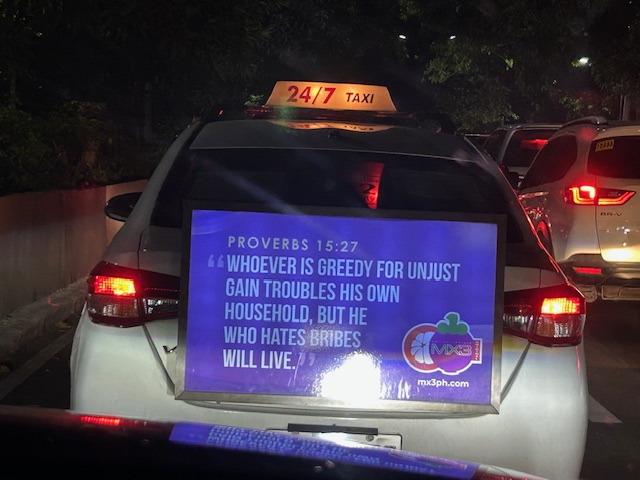 It is a very apt quote especially in these times when corruption is everywhere in the news.
The quote also reminded me of the families of those alleged to have been involved in corrupt practices. All those social media posts by the so-called nepo children of politicians, government officials and contractors bring these relatives in the fray, in the forefront of discussions. Are they innocent or be treated as so (based on the opinions of some people)? Or are they themselves guilty and even complicit of the corruption their parents are involved in? My take is that if the children are of toddler age or younger, then they shouldn’t be involved or shamed. They definitely do not know and not aware of what’s going on. But for the older children who are traveling, shopping and enjoying ill-gotten wealth, that’s a different story, even if they are still below 18 years old. They are aware. They already know of their excesses. Perhaps they have already been indoctrinated by their elders about their status and privilege, and think these are okay. Indeed, entire households can be liable and should suffer the consequences of their actions and excesses.
–
Article share: In Defence of Vision Zero — a Traffic Engineer’s Perspective
On weekends, I try to catch up on reading articles that I have deferred indulging on during busy weekdays. One such article that I have repeatedly put off reading is this one on road safety:
Source: In Defence of Vision Zero — a Traffic Engineer’s Perspective
To quote from the article:
“For years, success in transportation was measured in level of service, vehicle throughput, and reduced delay times. But Vision Zero forced the industry to confront a difficult truth. The more we prioritized speed and volume, the more we endangered the most vulnerable users of the road: pedestrians and cyclists, with particular emphasis on children and older adults. Those who sit in decision-making positions must recognize the realities of physics, namely that the human body is frail and vulnerable to a transportation system that prioritizes throughput over safety.”
The article is a really good read and one that I would recommend for my students in Traffic Engineering to read.
–
Vehicle refuge during floods
Passing Felix Avenue one early morning this week, I saw familiar scene. There were lots of vehicles parked along Felix Avenue (formerly Imelda Avenue) including the service roads along either side of this major road connecting Marcos Highway and Ortigas Avenue Extension.
These vehicles are owned by residents of subdivisions along the avenue whose areas are prone to flooding. These include Vista Verde, Metroville, Kasibulan, Karangalan and the two Green Parks. I didn’t see this along the stretch so the other flood prone villages like Village East and Country Homes. Perhaps they have been able to adapt better?
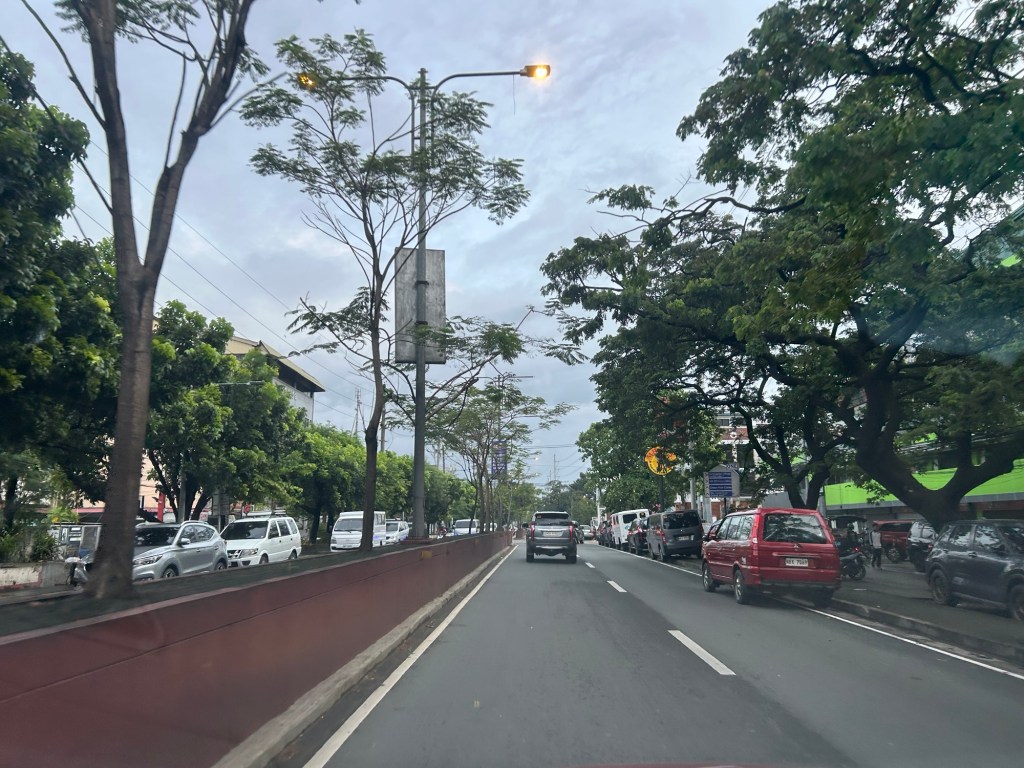
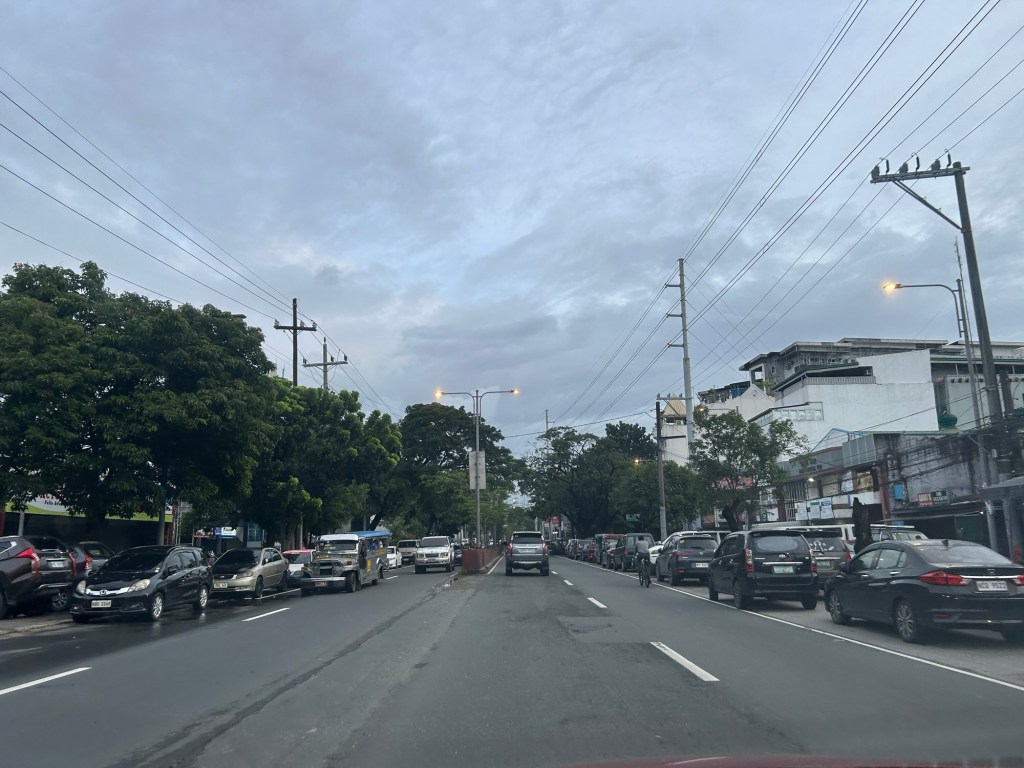
Car-centric discussions aside, when you go the ‘east’ you will notice a lot of people using SUVs. One reason probably is because many Rizal towns including Antipolo City, and Pasig and Marikina Cities are prone to flooding. Can you imagine over 50 years of flooding in these areas? And then with the current investigations concerning flood control projects, have you wondered if the ‘east’ really got their taxpayers’ money’s worth in terms of interventions?
–
Railways construction progress in Luzon
I’m currently attending the Philippine Railway Conference. The presentations so far have been informative especially about the progress of rail projects in the country. Most if not all of these projects are in Luzon, which includes Metro Manila. Here are the progress of work as shown in the photos of the slides I took during the plenary sessions this morning.
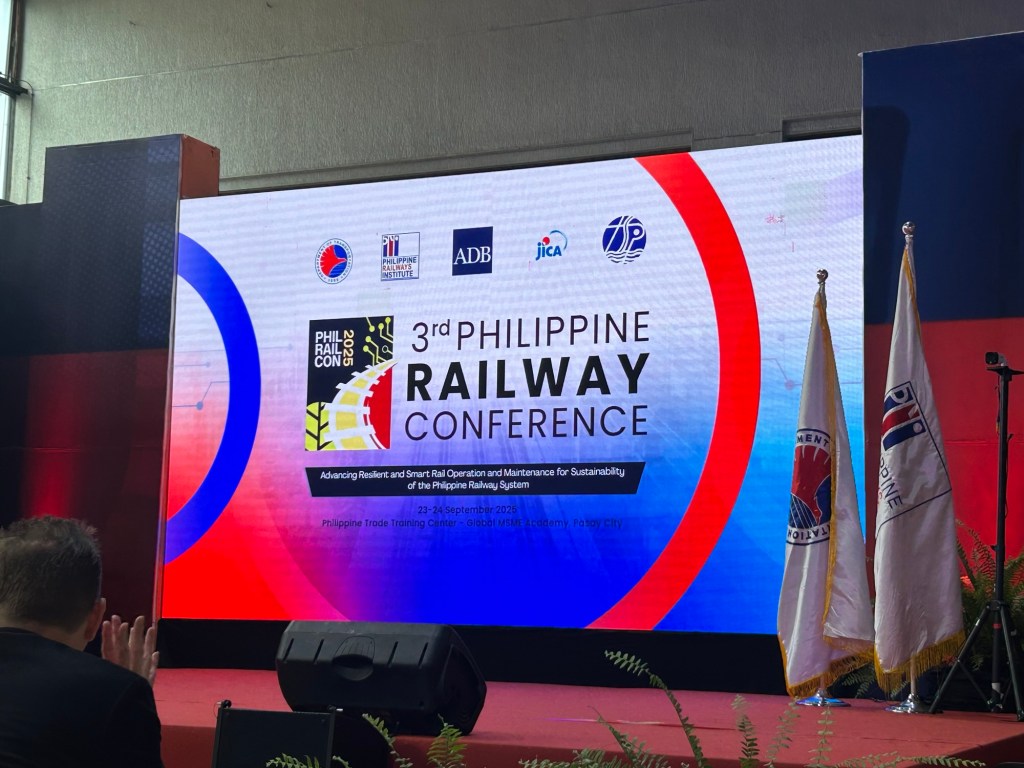
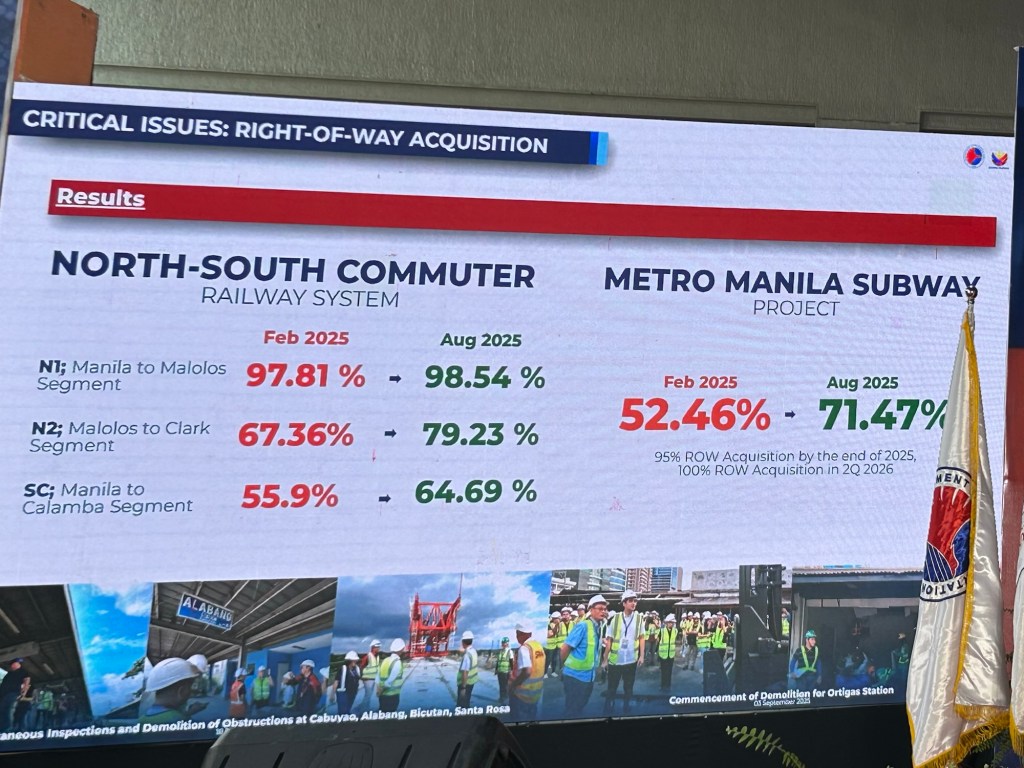
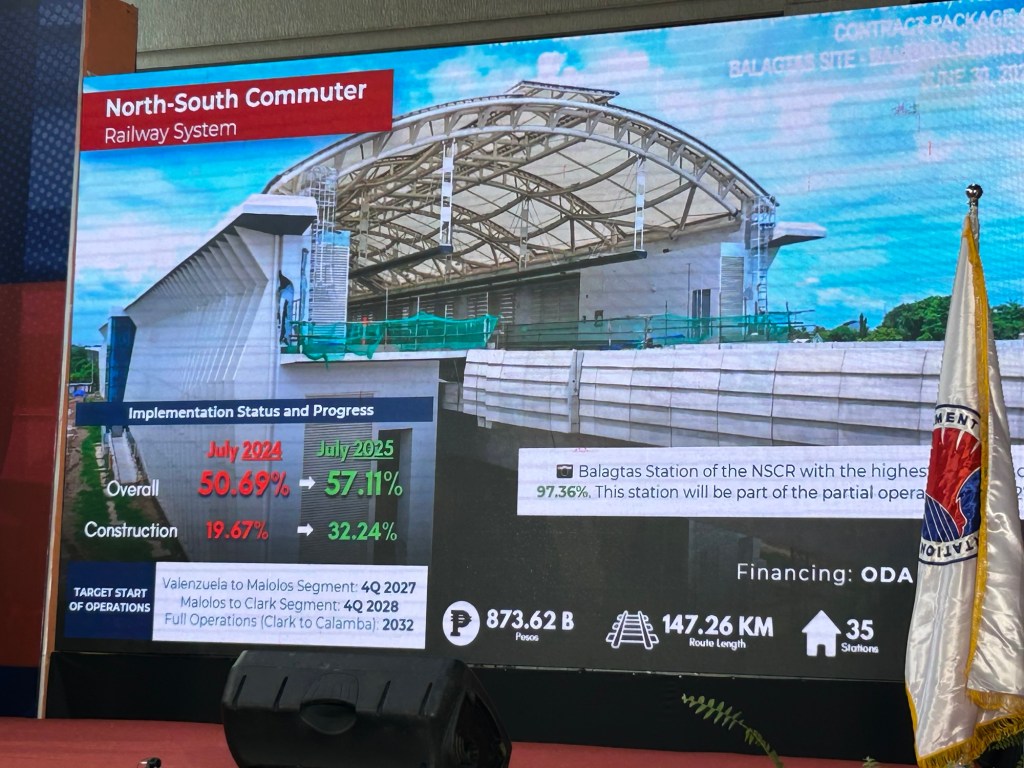
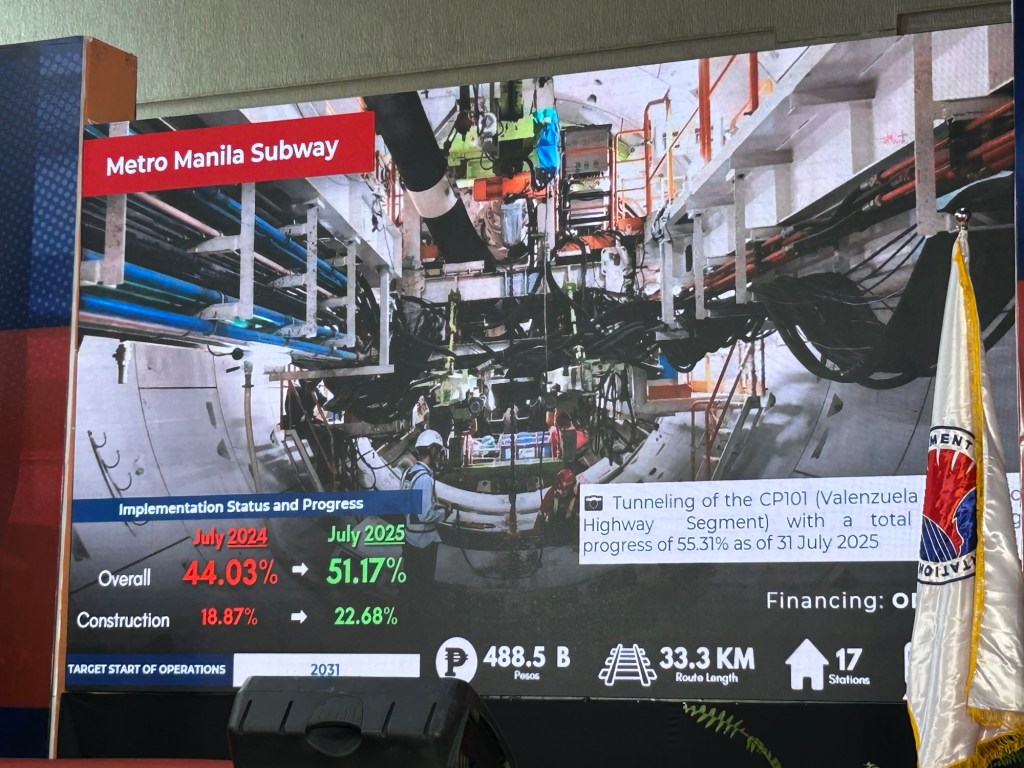
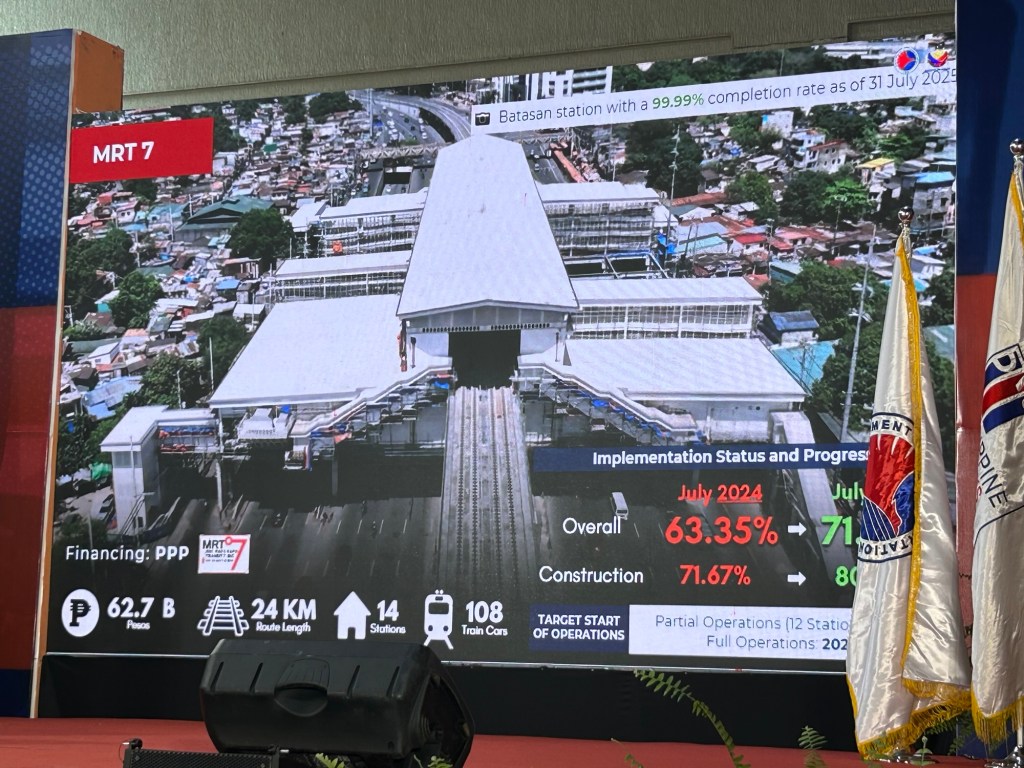
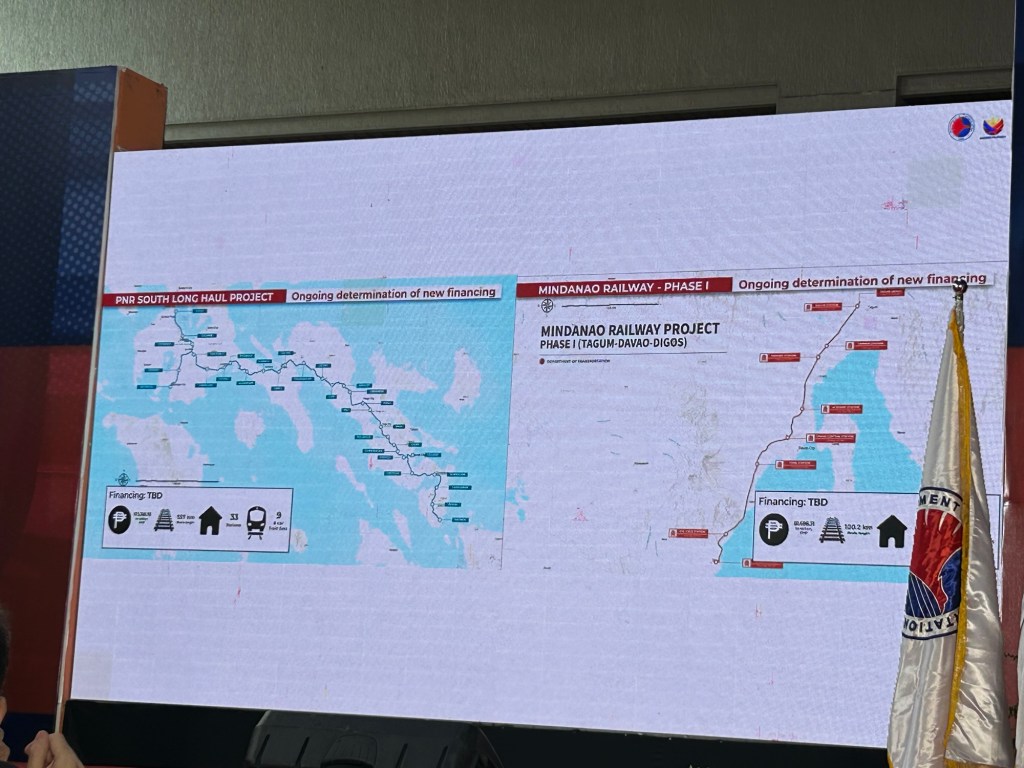
Based on the presentations, these railways currently under construction will be ready or partially operational by 2027. What do you think about the progress of work?
–
Needed: MMDA Transport Authority similar to Transport for London
I am sharing this article from Business World about the idea (or is it already a proposal) for an MMDA Transport Authority. I seem to recall there were already proposals for something like this but I have to check for references and sources. In the meantime, I am content with sharing the following:
On Nov. 11, 1999, the British Parliament established the Greater London Authority. Prior to that, there was no single entity managing the entirety of London. The governance of the city was fragmented, and responsibilities for planning, transport, and other city-wide matters were divided between local boroughs and national authorities. The Greater London Authority was established […]
Source: Needed: MMDA Transport Authority similar to Transport for London
Sins of omission at DPWH
I’ve been quite busy the past weeks due to various commitments including deadlines. Nevertheless, I have tried to be updated on the current events pertaining to the flood control scandal many government officials are now being linked to. These include the personalities involved, the projects and the amounts that are now the basis for a lot of people being horrified enough to be called into action. Apparently, many people have not been convinced enough of past misdeeds that have been reported; including the ones pertaining to abuses of uses of confidential funds.
I have hesitated to post on my thoughts about the mess at DPWH as I have many friend including past and present students who are with the Department. Some if not all I know to be sensitive to the corruption issues around the flood control projects. The latter apparently blew up in the faces of the officials of the agency and exposed them and their staff to a lot of ridicule (both warranted and not) and even harassment. Recently, I’ve been seeing a lot of posts from people who are supposedly with the DPWH. These posts are obviously apologists for certain officials considering the content of their writing. These are basically attempts to absolve those who claim to be clean among the DPWH staff and officials, and yet they have not done anything to correct these wrongdoings. This is what is called commiting ‘sins of omission’. By not doing anything for whatever reasons including being afraid to be a whistleblower (considering the consequences) means one is enabling or even encouraging the acts of corruption. In essence, they are being complicit by turning their blind eyes to the rotten eggs. This applies anywhere and not just to DPWH employees. And perhaps so many in government agencies are guilty of this.
–
Traffic congestion along EDSA
I’ve taken some photos of EDSA traffic as well as the EDSA Carousel buses. Here are the more recent EDSA photos I took as I traveled from Makati to Quezon City after serving as a panelist in the Energy Transitions Dialogue last Wednesday.
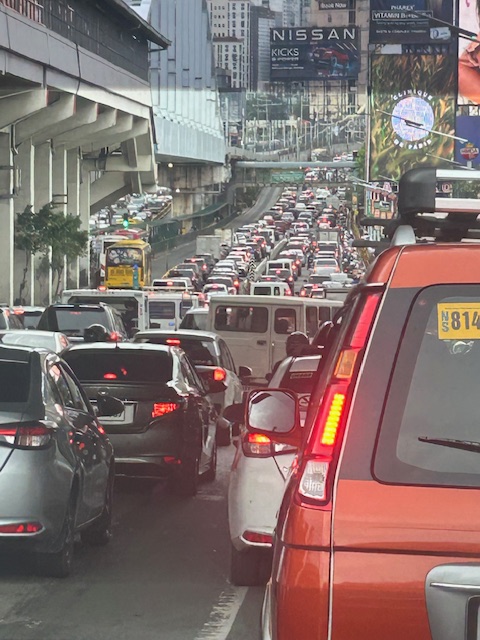 I took this photo as we passed Guadalupe. I like this in the sense that it shows the clear ROW for the EDSA Carousel buses. One wonders why most of these motorists would prefer to drive their vehicles rather than take the bus or the MRT.
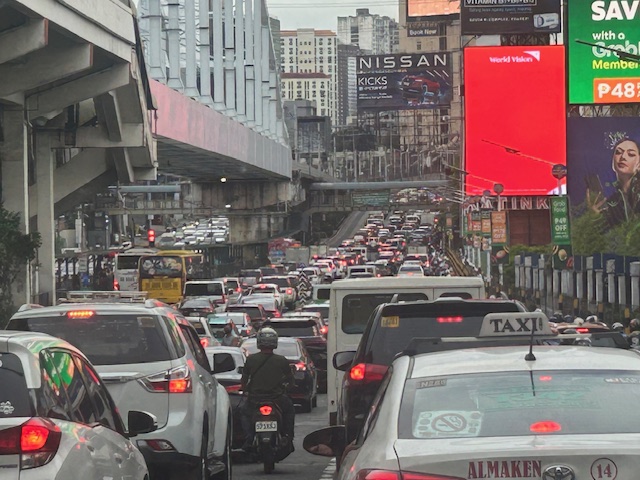 You can see in the photo that EDSA’s northbound side is clogged as far as the eye could see. If you check the image under the MRT bridge, it shows the southbound side was also congested. These photos were taken around 4 PM so this was still an hour before most people would be going home from work.
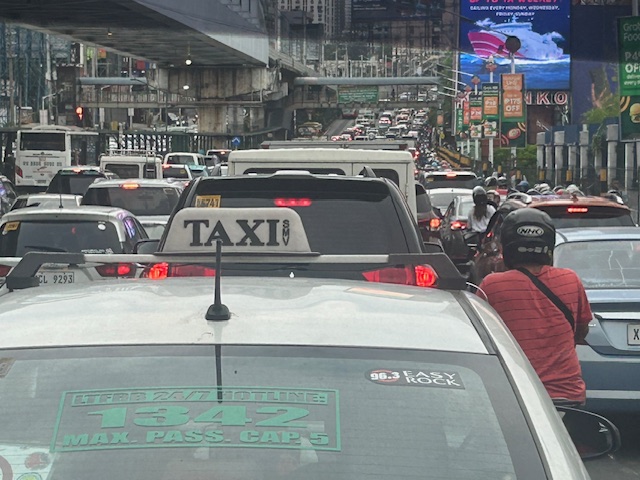 I mentioned in my comments at the panel that one consequence of giving number coding exemption to electric and hybrid vehicles is that this further diminishes the effectiveness (is it still effective?) of the MMDA’s number coding scheme. I don’t have the stats of how many EV’s and hybrids are registered and running in Metro Manila. Those numbers combined with actual counts will tell us how they are impacting traffic. That would be a nice topic for a paper. 🙂
The photos pretty much describe the transport situation in Metro Manila. Many of our major cities will be heading this way unless they improve their public transportation fast. If they do, then public transport mode share will be sustained if not increased. Metro Manila’s is already being eroded by inefficient public transport, motorcycles (including taxis) and perhaps unintentionally, electric and hybrid vehicles.
–
Flash floods in Quezon City
The rains poured again this afternoon and it was quite intense for more than an hour in Quezon City. We had floods at the UP campus and along Katipunan Avenue. Reports from various sources stated that there were also floods along EDSA and other major roads in the city. The floods come at a time when QC flagged flood control projects undertaken by the DPWH without the city’s blessings.
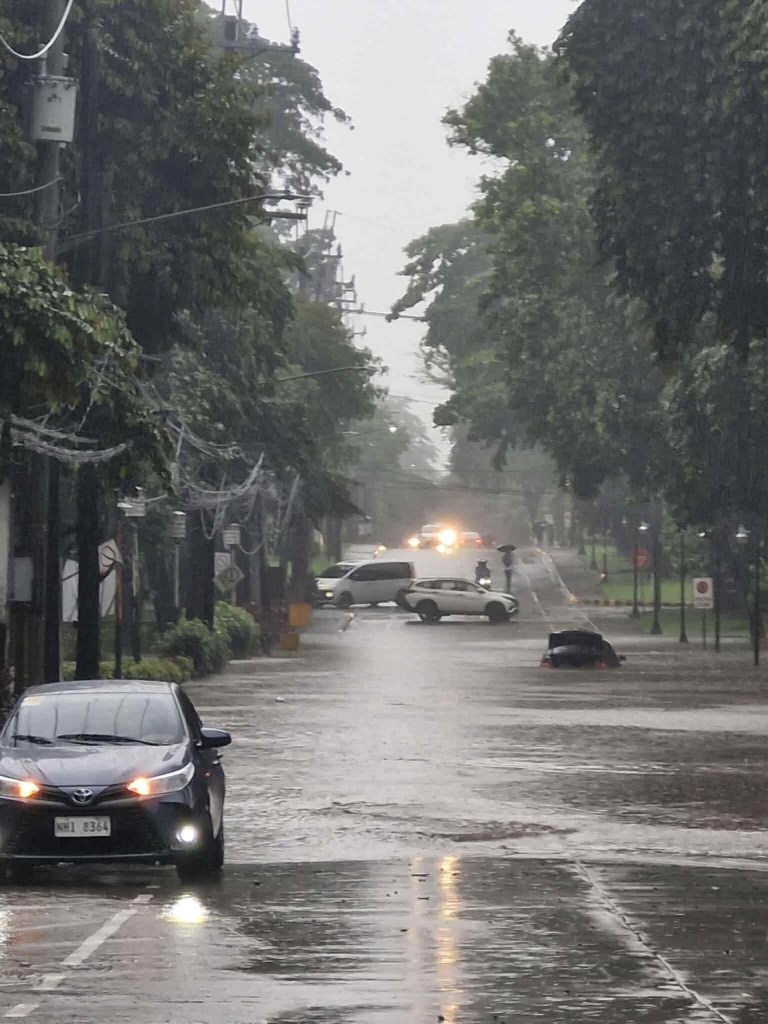
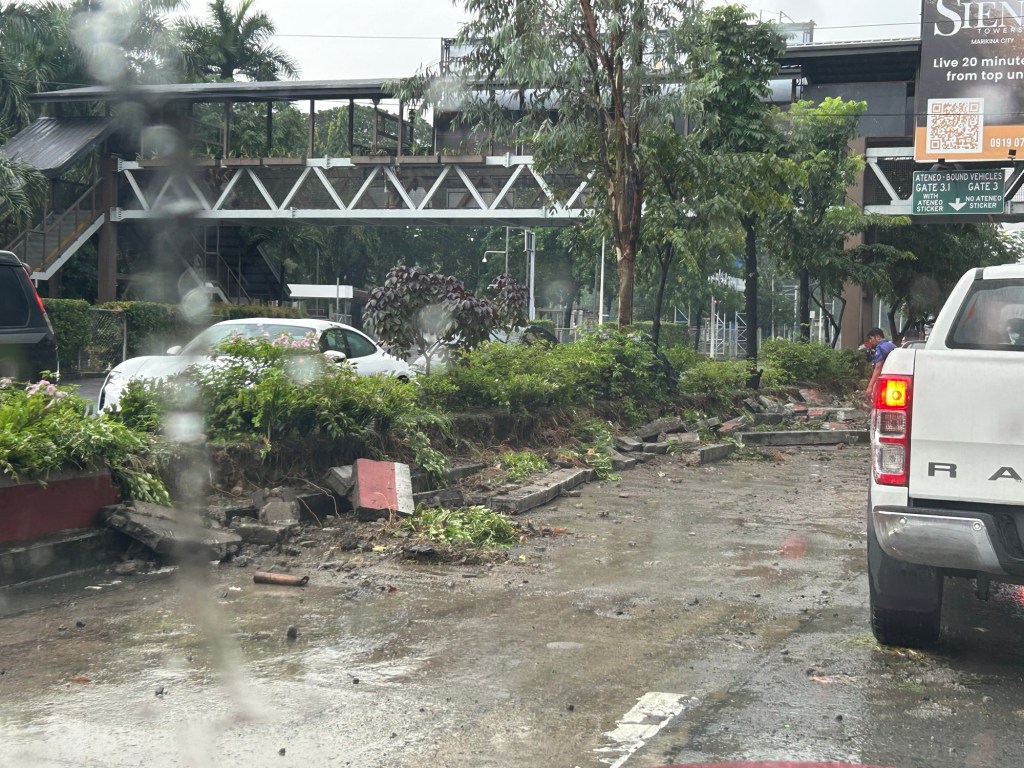
The flash floods were probably proof of the shoddy work associated with DPWH and its contractors. While QC residents and the LGU should share the blame for these, the scale and frequency of the floods indicate drainage issues.
The floods have led to intense traffic congestion and commuters being stranded due to public transport vehicles not being able to turn around. The latter is one of the cases where public transport appears to be lacking. Their numbers may not be lacking at all but the traffic conditions prevent their turnaround to address the demand for transport.
–
 Caught (up) in traffic