Caught (up) in traffic

Home » Highways and Streets (Page 3)

Category Archives: Highways and Streets

Congestion due to flyover construction: Tagaytay-Nasugbu Road – Part 1

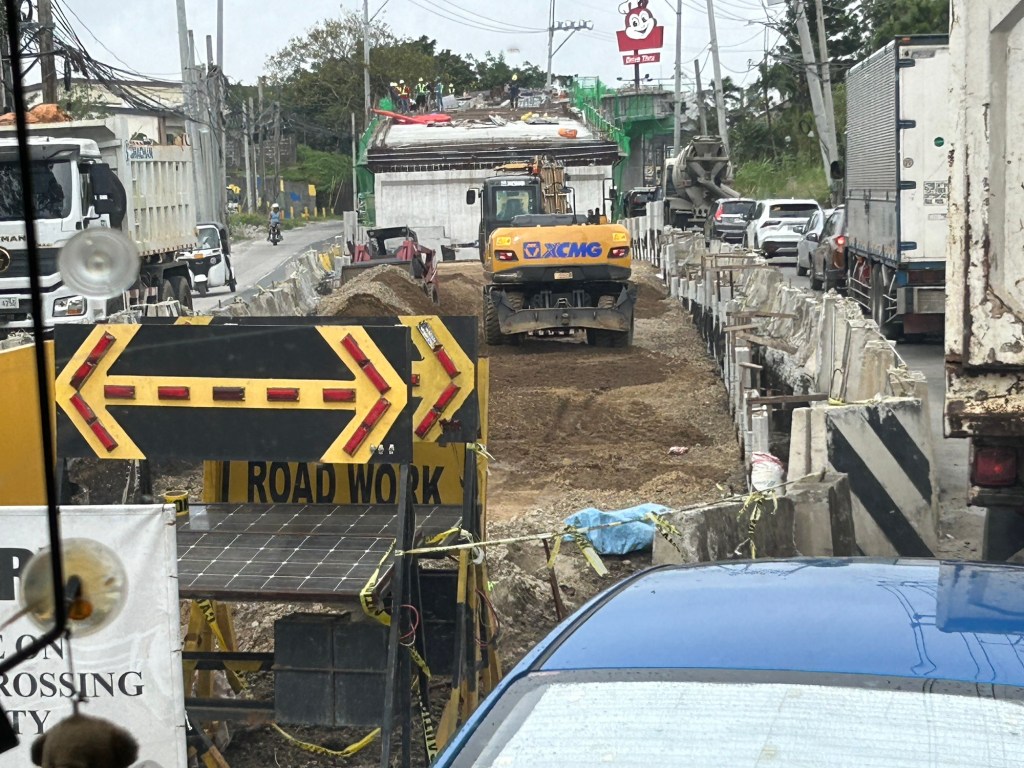
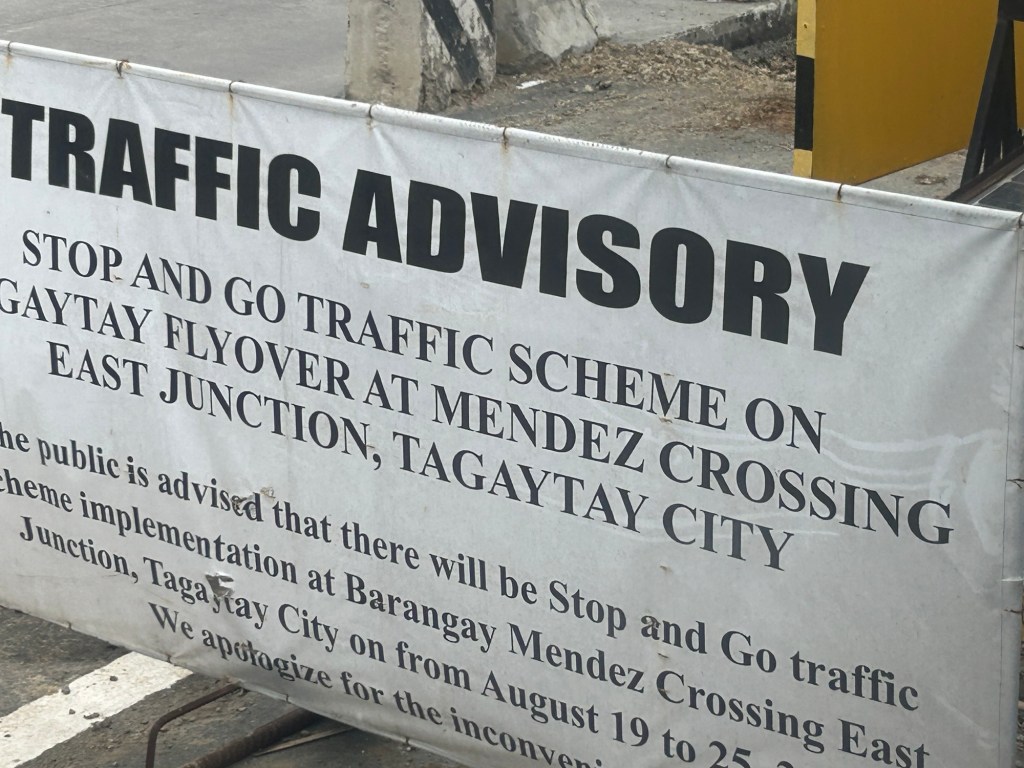
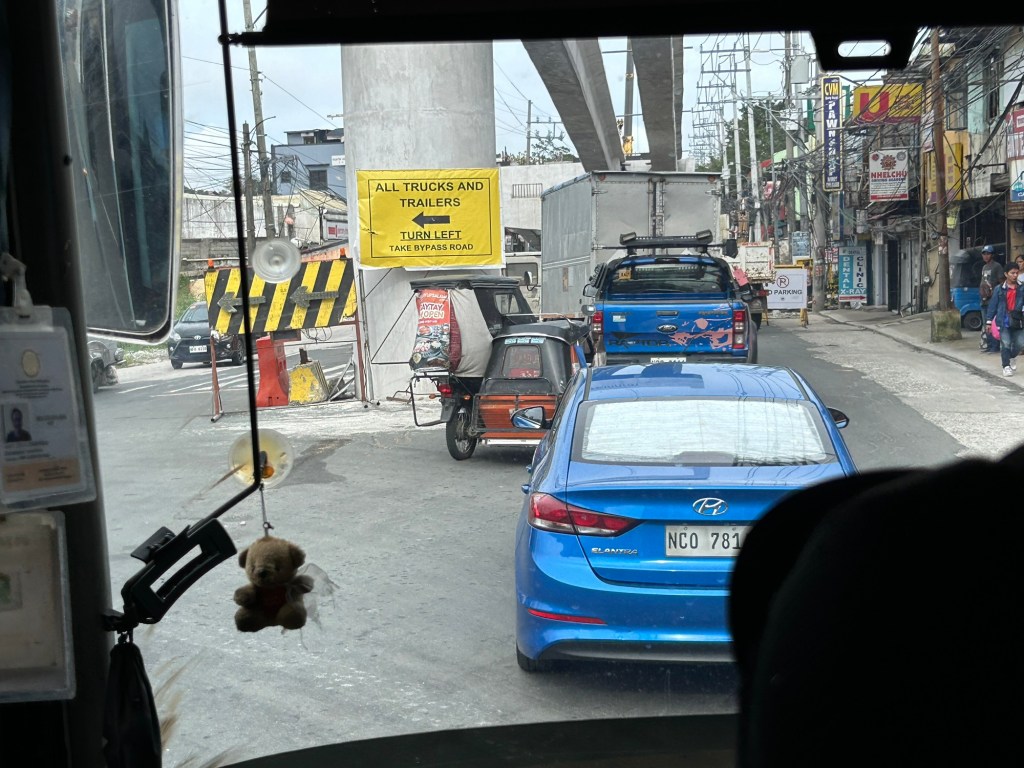
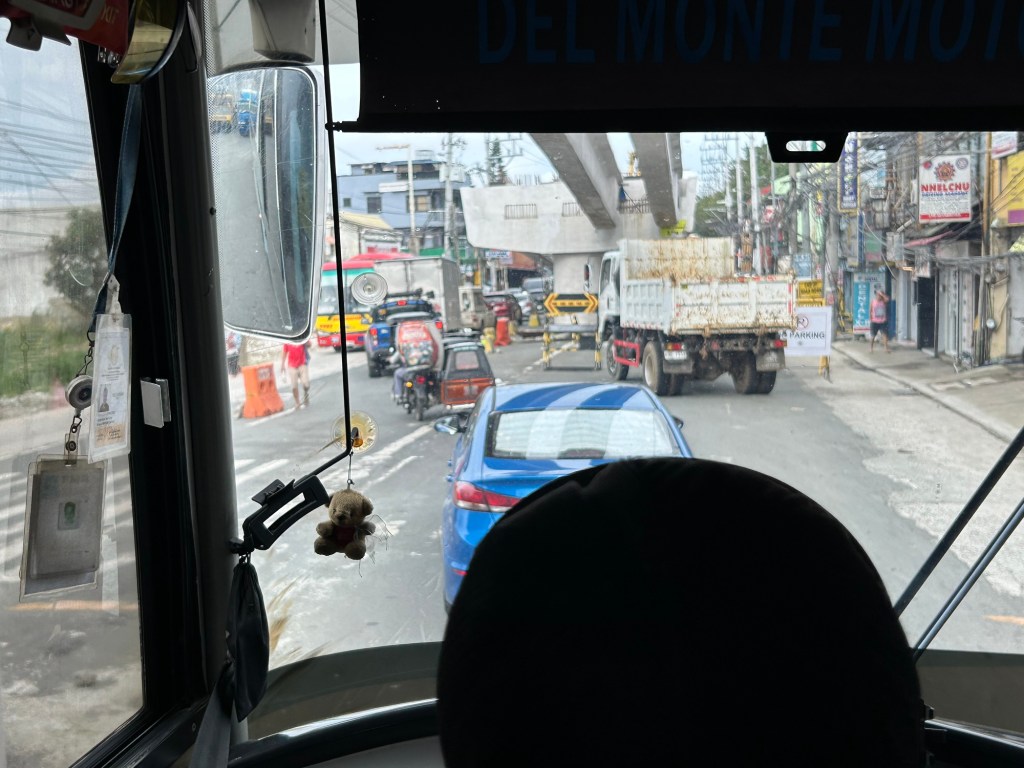
There is significant traffic congestion along the Tagaytay – Nasugbu Highway due to the construction of an overpass along the highway at its junction with the Tagaytay – Mendez Highway.
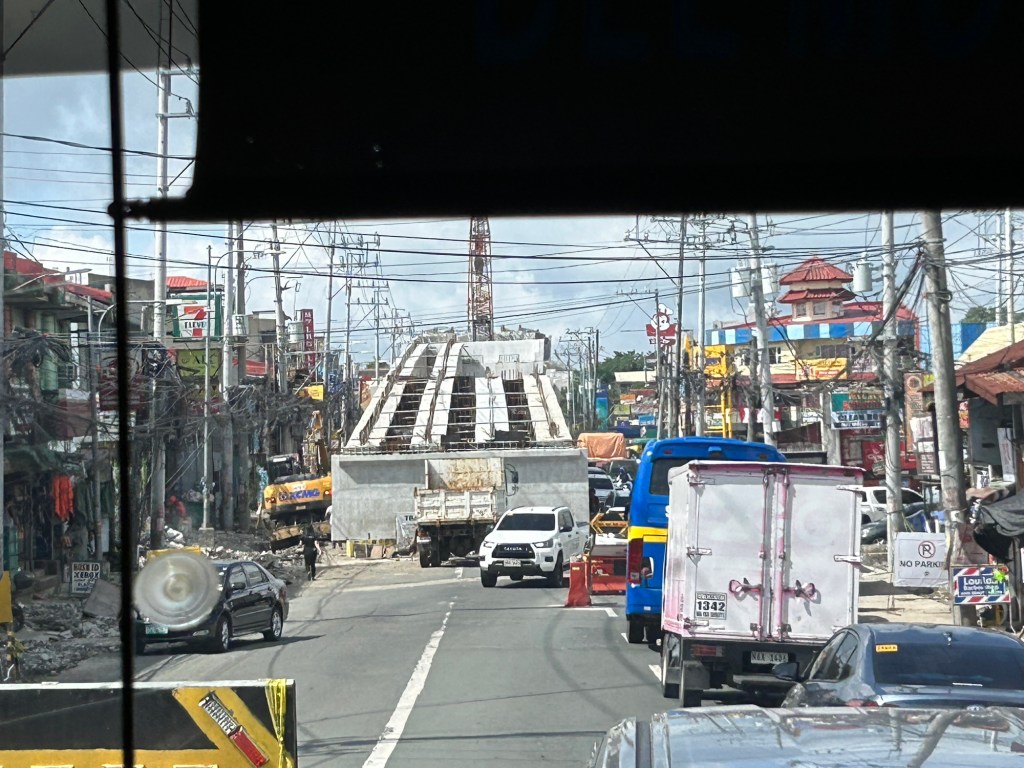
Approach from Tagaytay
Based on the dimensions, this will be a 2-lane overpass
The situation on the ground requires traffic management due to the limited space available to vehicles.
What was a 4 lane highway is effectively has only 2 lanes now.
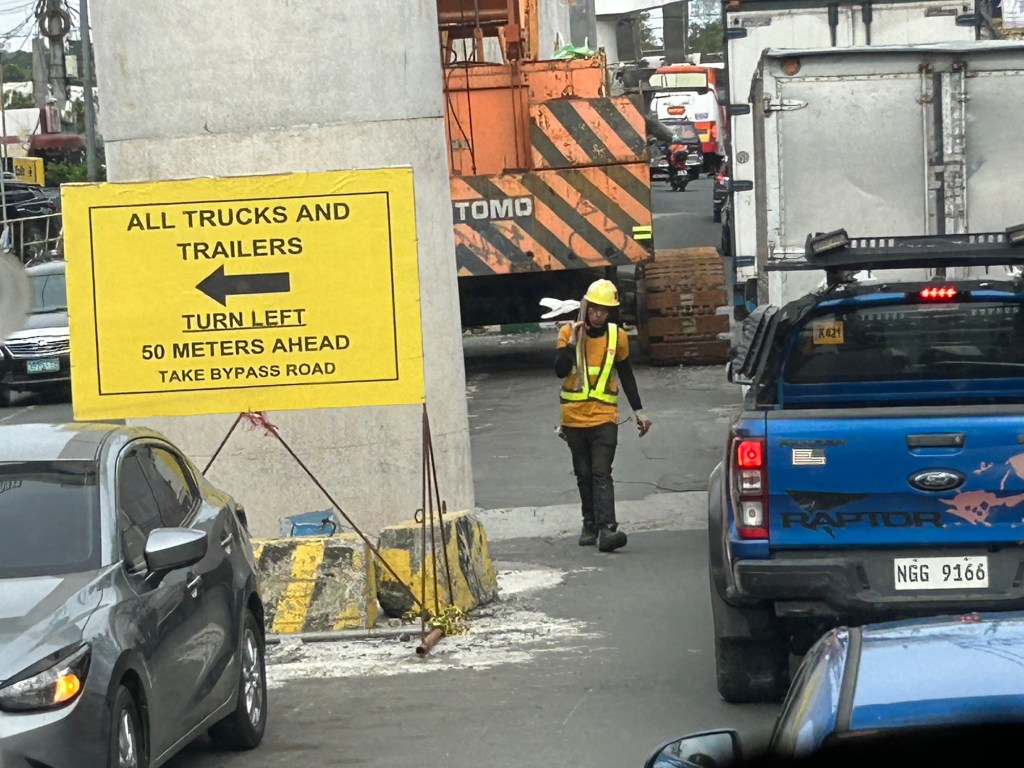
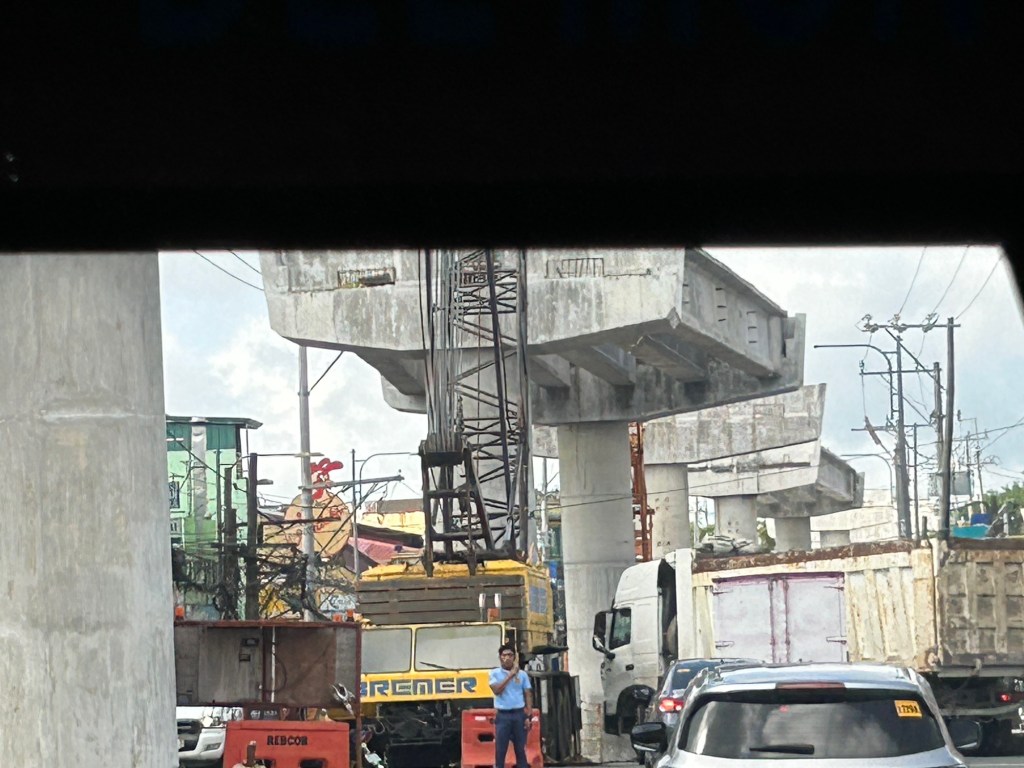
Trucks and other construction vehicles are parked under the overpass
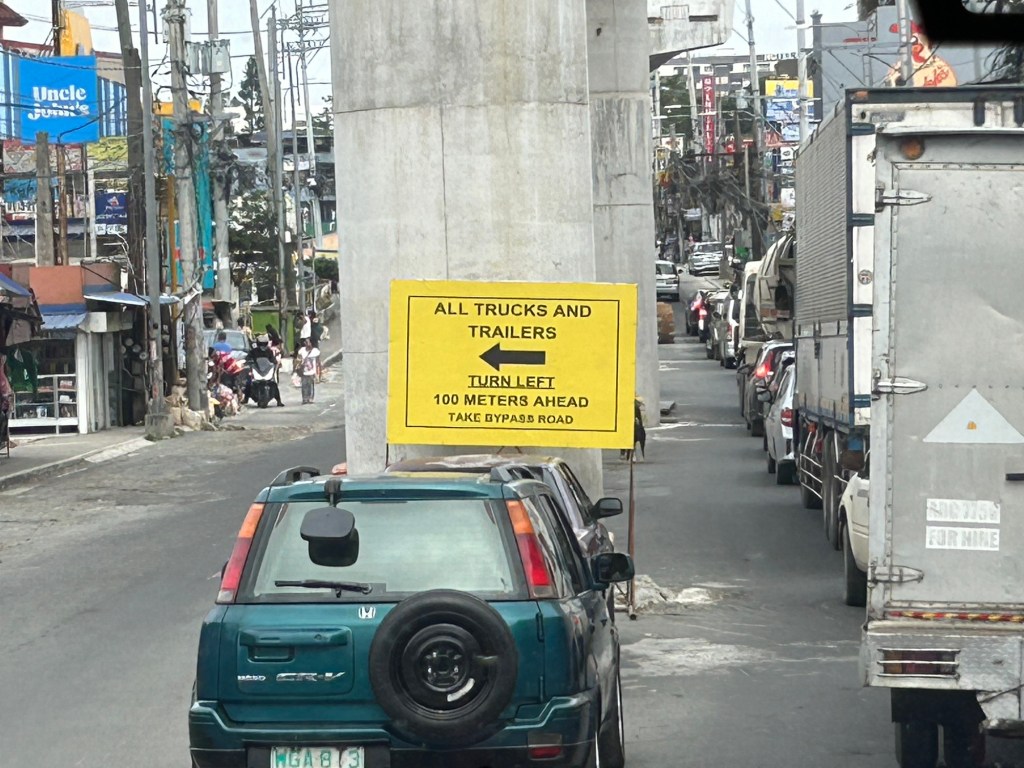
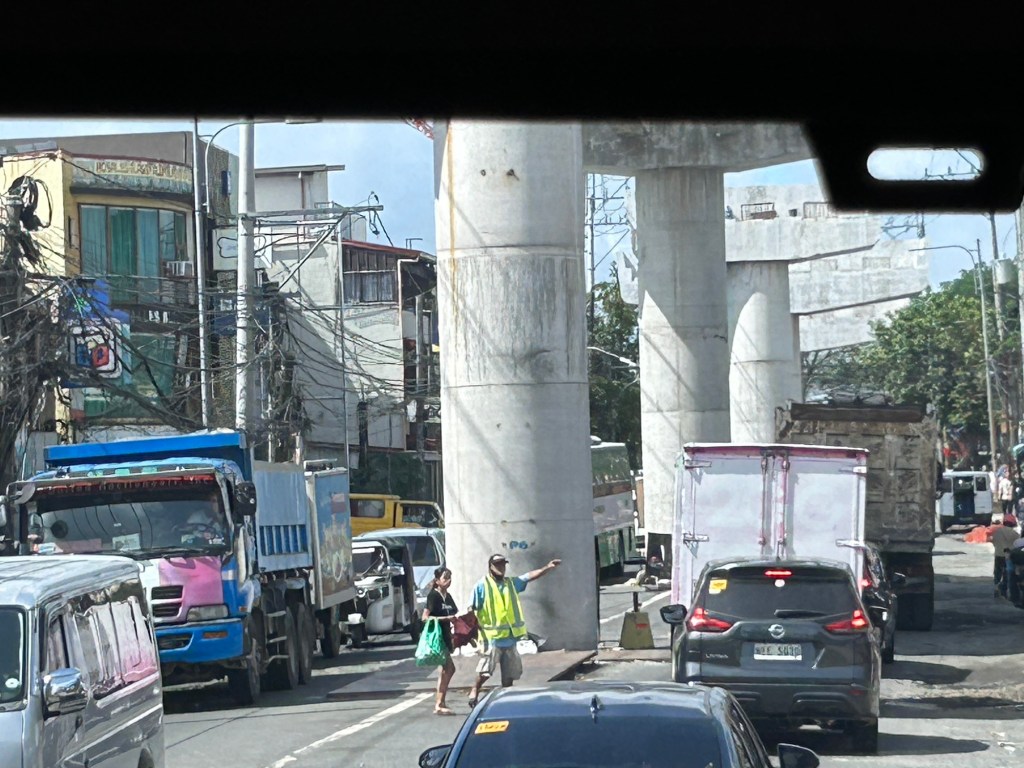
Congestion along the highway.
Heavy traffic beneath the flyover under construction

Was there a need for a flyover here? Otherwise I would suggest instead a set of good old-fashioned traffic signals and geometric improvements to the intersection.

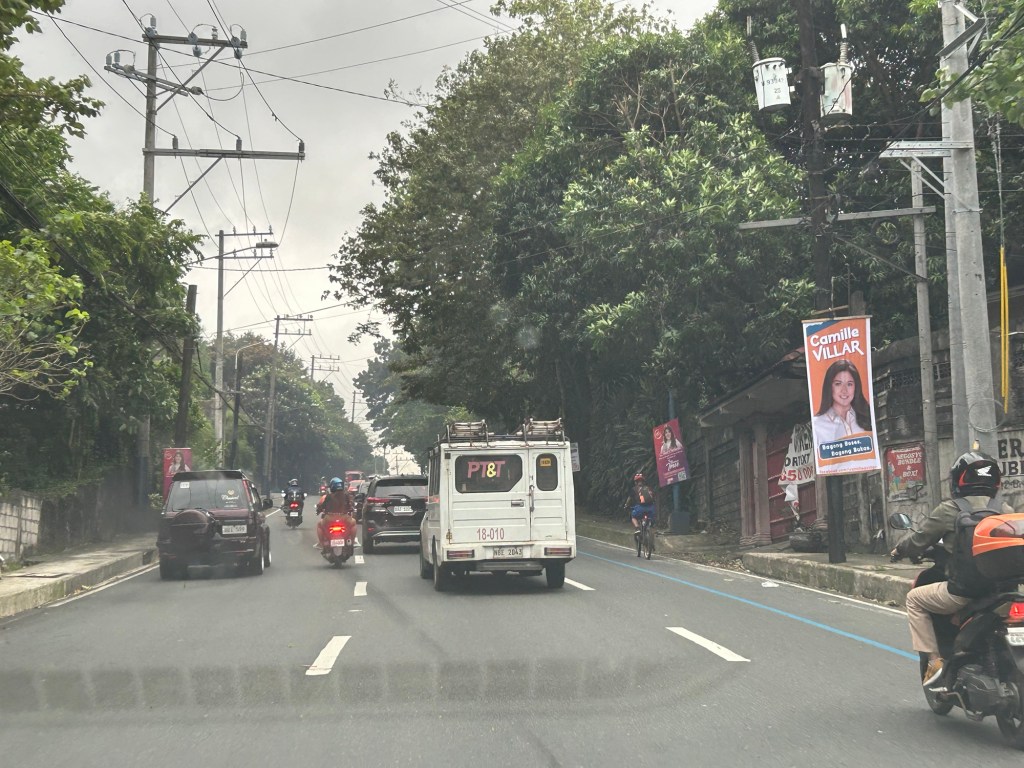
Political garbage along our roads

While it is not formally campaign season, you’ve probably seen all those ads, posters, tarps and other obviously campaign materials that have sprouted around the country. Even before the filing of COCs, there were already a lot of political garbage (as I refer to them) along our roads. Many that you see on large billboards promote their purported TV or radio shows. Others pretend to be concerned about your safety while traveling (e.g., “Ingat sa biyahe!”, “Ride safe!”, etc.).

Party list ad along Marcos Highway in Rizal Province – No, they are not the Partylist of Rizalenos. They are actually from Cavite masquerading as an advocacy and “investing” in Rizal to garner the votes needed to keep them in Congress.

The government, particularly the COMELEC, seems to be inutile and inept about these brazen, even flamboyant displays by politicians. And so we end up with a lot of literal and figurative garbage along our streets. These are the politicians that people continue to vote while stating they want changes and reforms in government and society. You vote for these clowns and you get exactly the misery and incompetence that dooms us especially during times of difficulties and calamities.

Welcome arch in Iloilo

We had a small adventure when we were in Iloilo last month. We traveled to the last town to the west just before the border with the Province of Antique. I was expecting to see welcome arches as we crossed one town after another. There was only one town that had this – Guimbal. And practically the whole stretch of the national highway had a signature of the town’s motto that had got something to do about it like a rising sun.
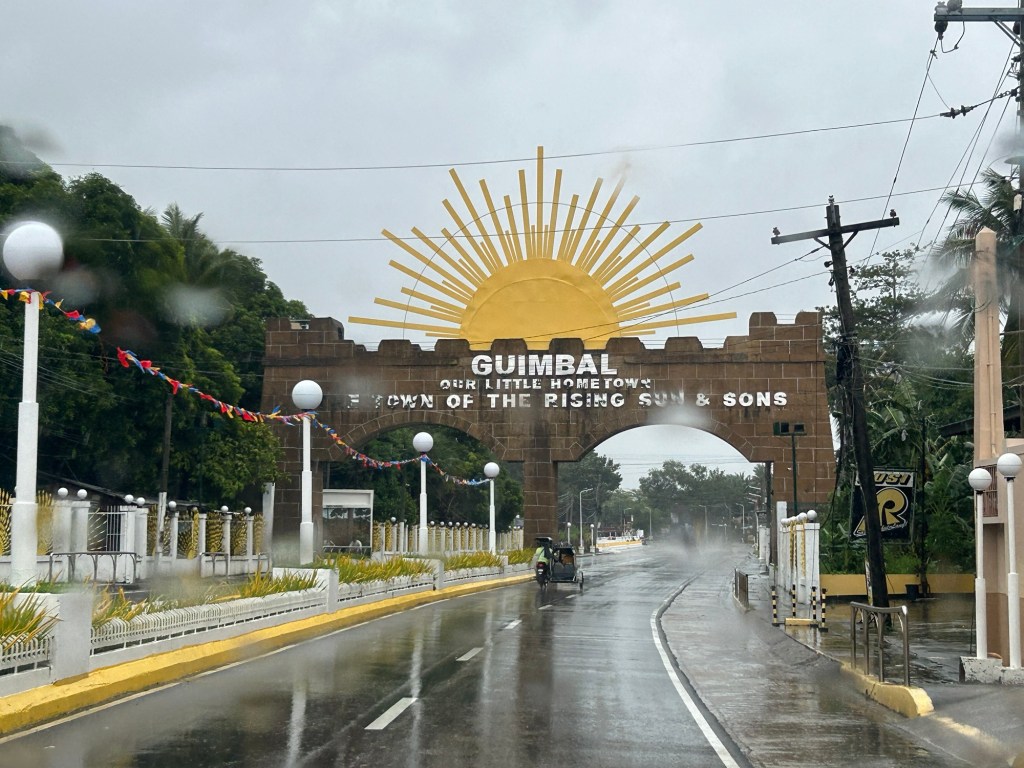
Arch of Guimbal, Iloilo

There’s another quite unusual landmark there that I will also be writing about soon. I will leave my readers in suspense for now.

Post Habagat Aerial Photos

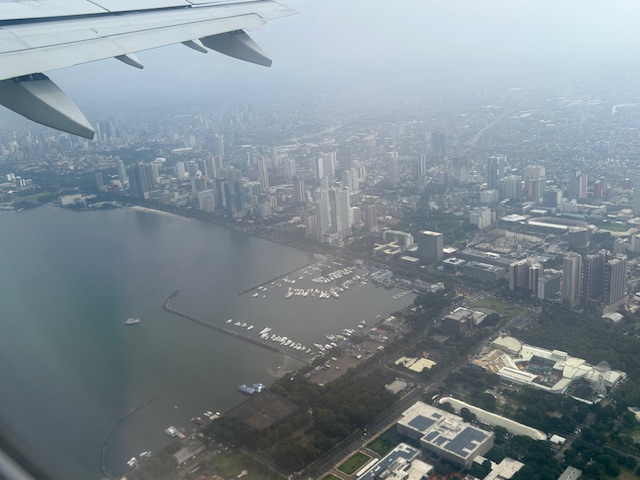
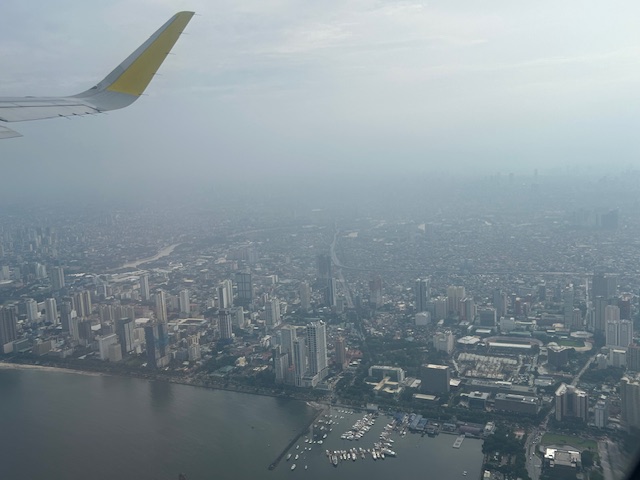
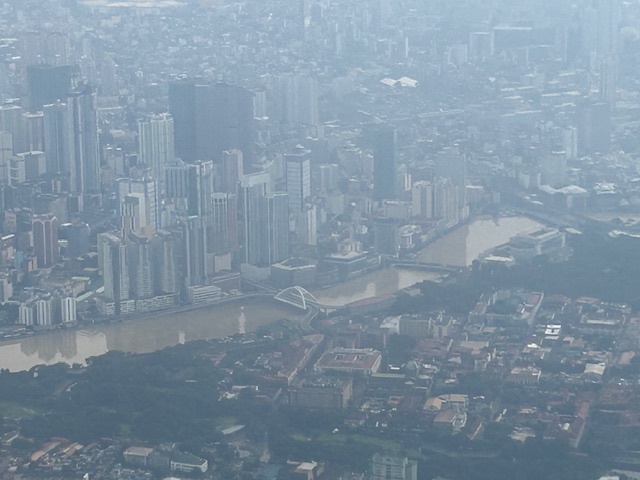
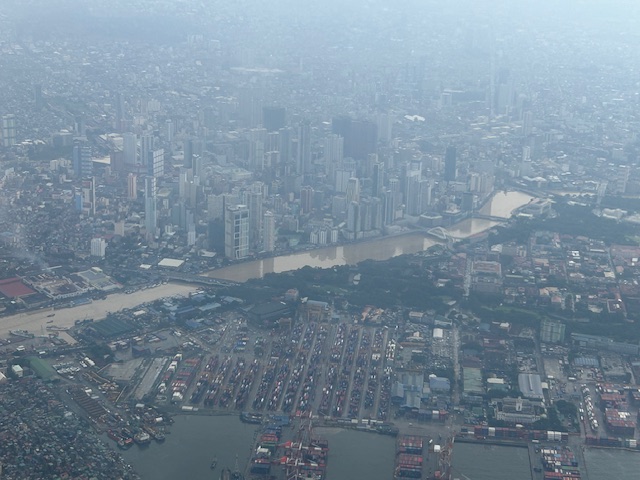
We flew to Iloilo just after the Habagat floods that ravaged much of Metro Manila and its surrounding provinces. As our plane took off from Runway 13-31, I figured there was an opportunity to take a few photos of Metro Manila especially as I was seated by the window of the plane.
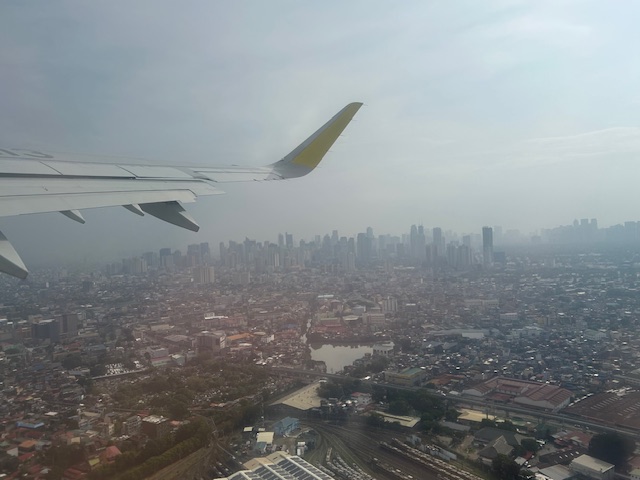
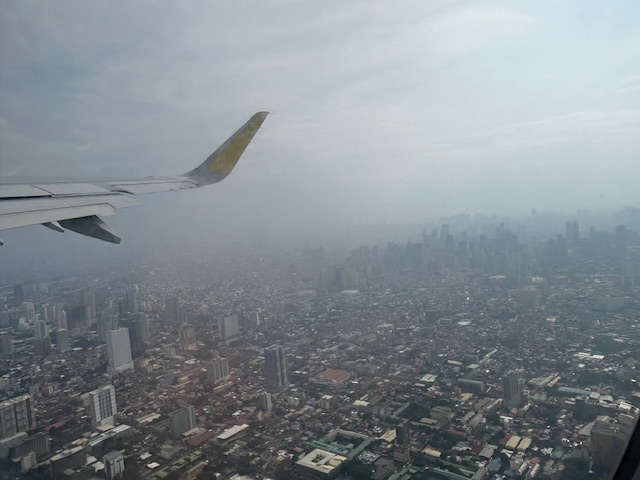
That’s the LRT depot in Pasay City at the bottom of the photo. The waterway in the photo is the Estero de Tripa de Gallina, which is supposed to be the largest or longest creek in Metro Manila.
Makati and Manila buildings
The Manila Yacht Club (center), the Cultural Center of the Philippines (to its right) and the US Embassy (upper left)
Closer view of Manila – the major road in the middle of the photo is Quirino Avenue (Circumeferential Road 2) and visible in the photo is the Skyway Stage 3 turning to the South Superhighway. The green area just above the yacht club is the Manila Zoo.
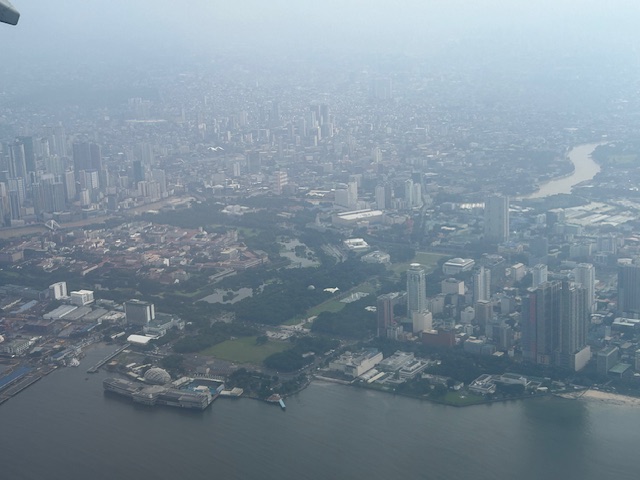
The photo shows Rizal Park, Manila Ocean Park, the Manila Hotel, the US Embassy, and Intramuros. That’s the Pasig River on the middle right snaking to the left and above Intramuros.
The Manila South Harbor with the SuperFerry terminal to the left of the Manila Hotel. Rizal Park, Manila Ocean Park and Intramuros are in the photo. Across from Intramuros at the top in the photo is the Binondo District. Also shown at the left is the Baseco Compound.
Close-up showing the Binondo-Intramuros Bridge, the Jones Bridge (leading to Escolta and Quintin Paredes), and the McArthur Bridge (leading to Carriedo). Between the Jones and McArthur Bridges is the Manila Central Post Office Building that was heavily damaged by fire last year.
Another view of Intramuros, Binondo and the Port Area
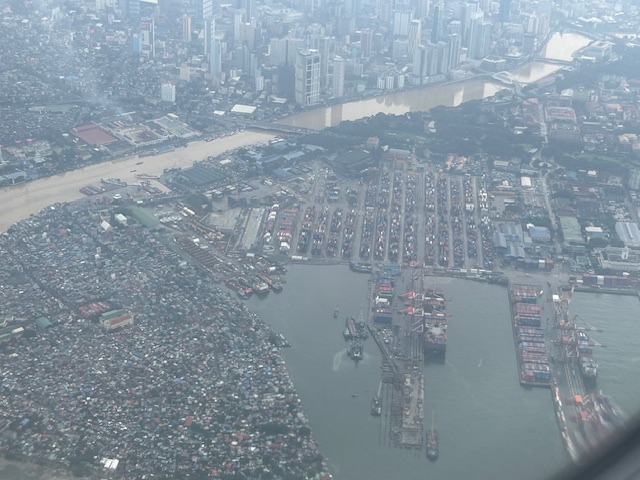
Close-up of part of the Baseco Compound and the port area. The bridge at the center of the photo is the Manuel A. Roxas Bridge that is part of Radial Road 10. Fort Santiago is the green area to the right of the bridge.
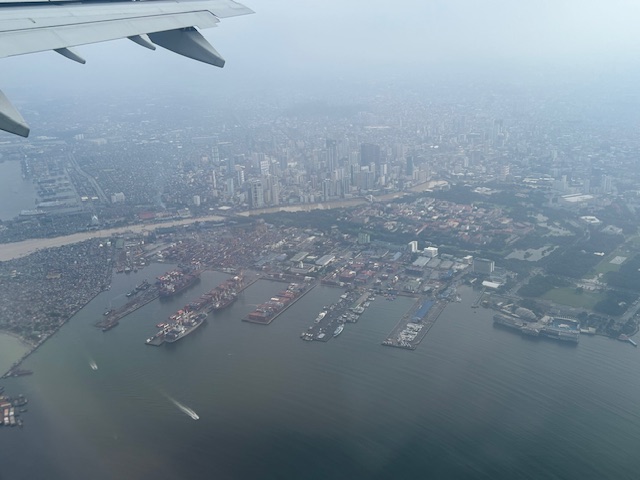
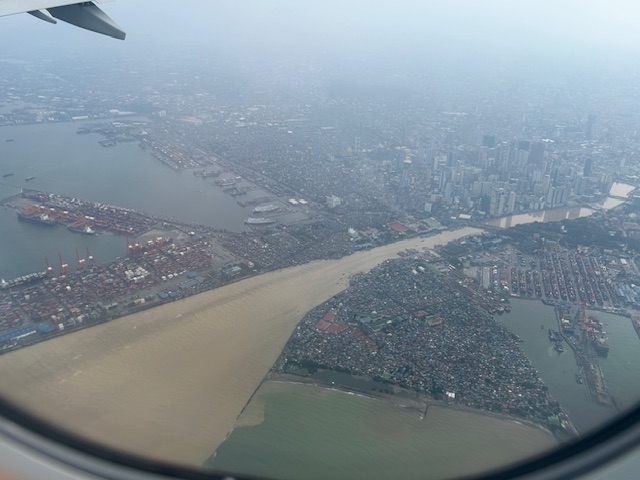
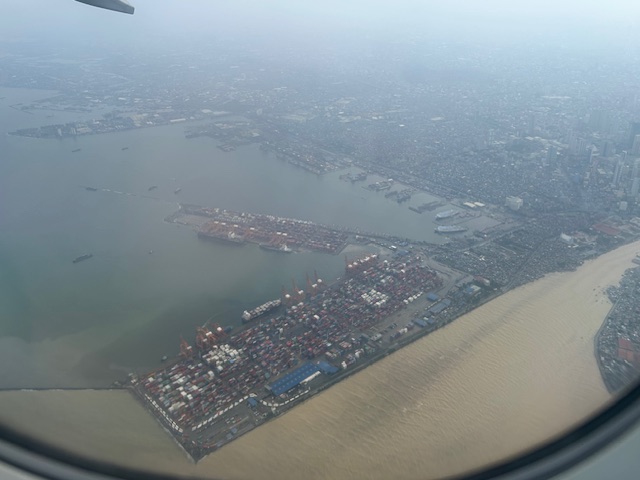
Aerial view of the mouth of the Pasig River showing the Baseco compound to the right and the Manila International Container Terminal (MICT) to the left. Note the contrast in the color of Manila bay and the brown waters of Pasig River. The Manila North Harbor is shown at the top of the photo.
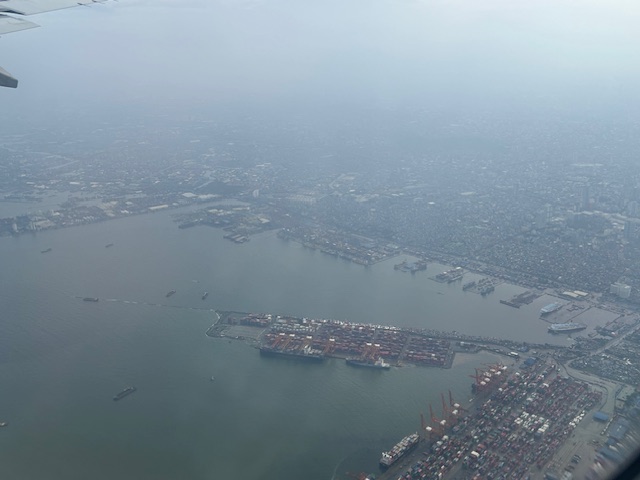
The MICT, the Manila North Harbor and Isla Puting Bato (extending to the top from the base of MICT in the photo). Note the piers of the North Harbor are even-numbered (Pier 2, 4, 6, and so on) while the South Harbor’s piers are odd-numbered (1, 3, 5, and so on).
Isla Puting Bato was developed into another container terminal and is where the Bureau of Customs has its Port District Office. Also seen in the photo is the Manila Harbor Center, to the north of which is the Navotas Fish Port. I was hoping to get a photo of the fish port but our plane already banked to the left before I could get a good shot.

More aerial photos to be posted here soon!

Foggy roads in Tagaytay – Part 1

It’s been a while since the last time I was in Tagaytay. We used to go there at least once a month. Eventually, we grew tired of the traffic and the city becoming quite crowded. Of course, our schedules also became more busy so the drives for a weekend getaway turned into trips for music lessons (for our daughter) and meet-ups with friends. It was a welcome return last July when I had to go to Tagaytay Highlands for a meeting and then join up with our college for a workshop on the other end of the city. Here are some photos of the foggy roads that reminded me of the Tagaytay of old.
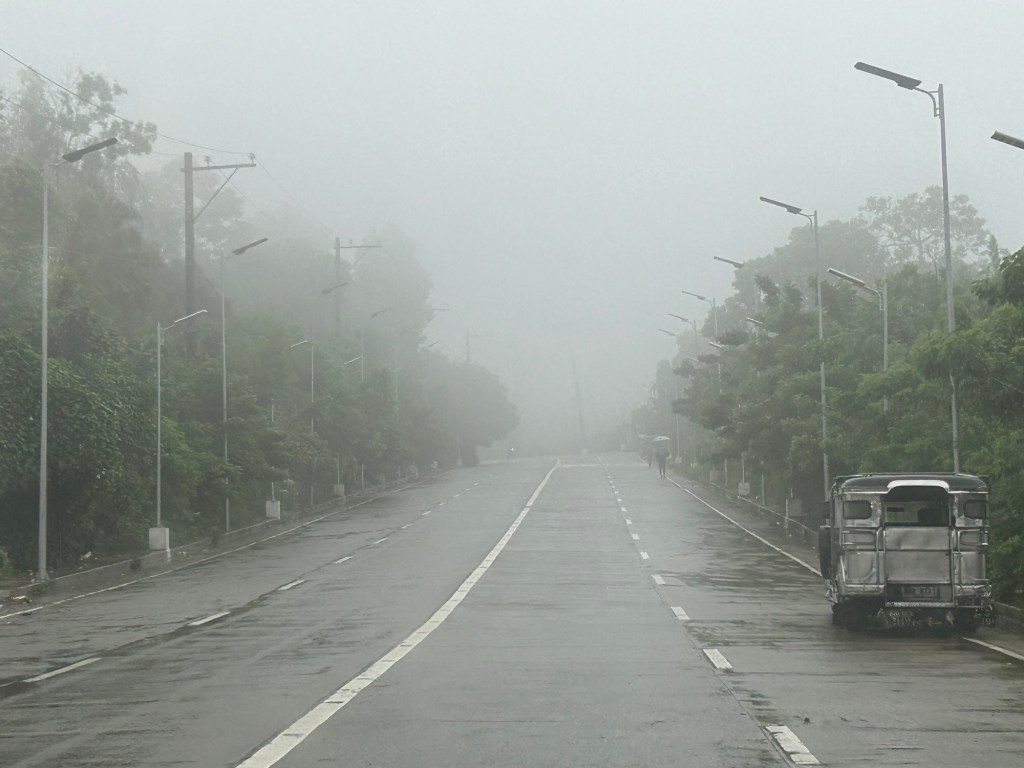
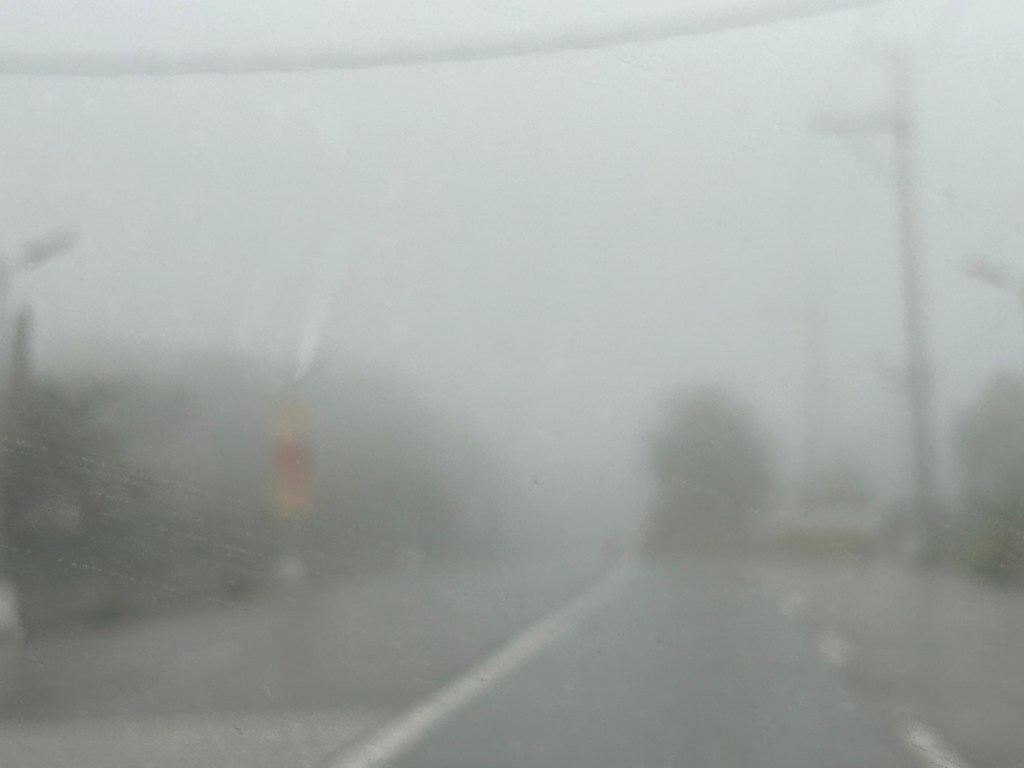
We took the Kaykulot Road from the Sta. Rosa-Tagaytay Road so we didn’t have to pass by the busy junction with the Tagaytay-Calamba Road.
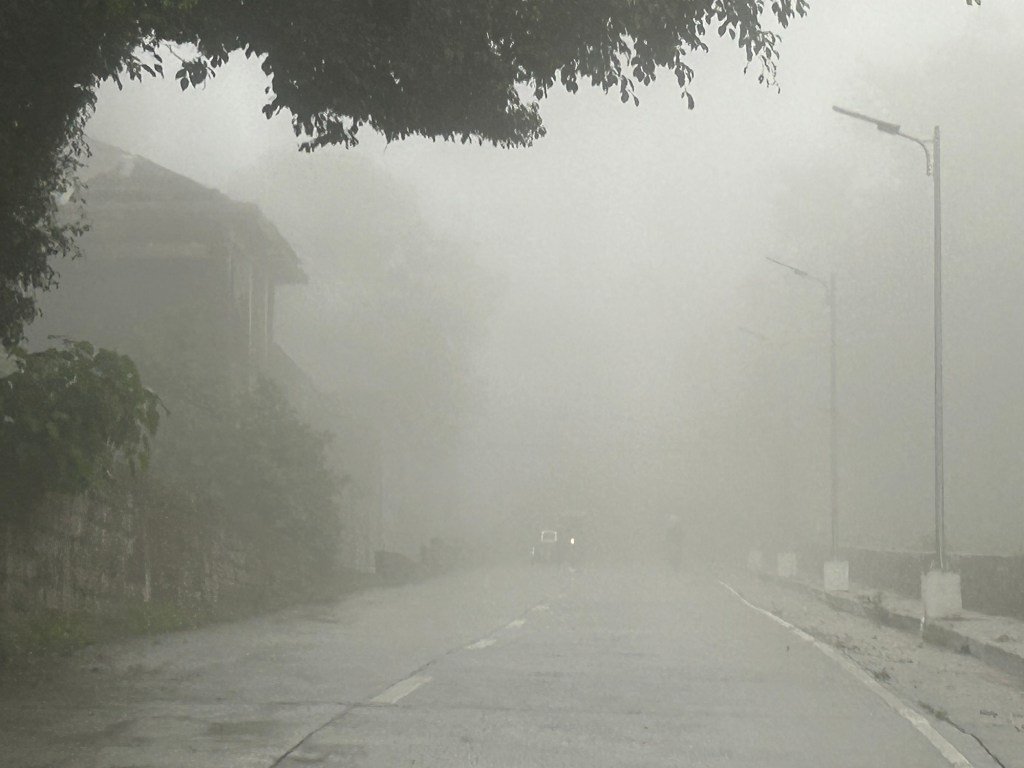
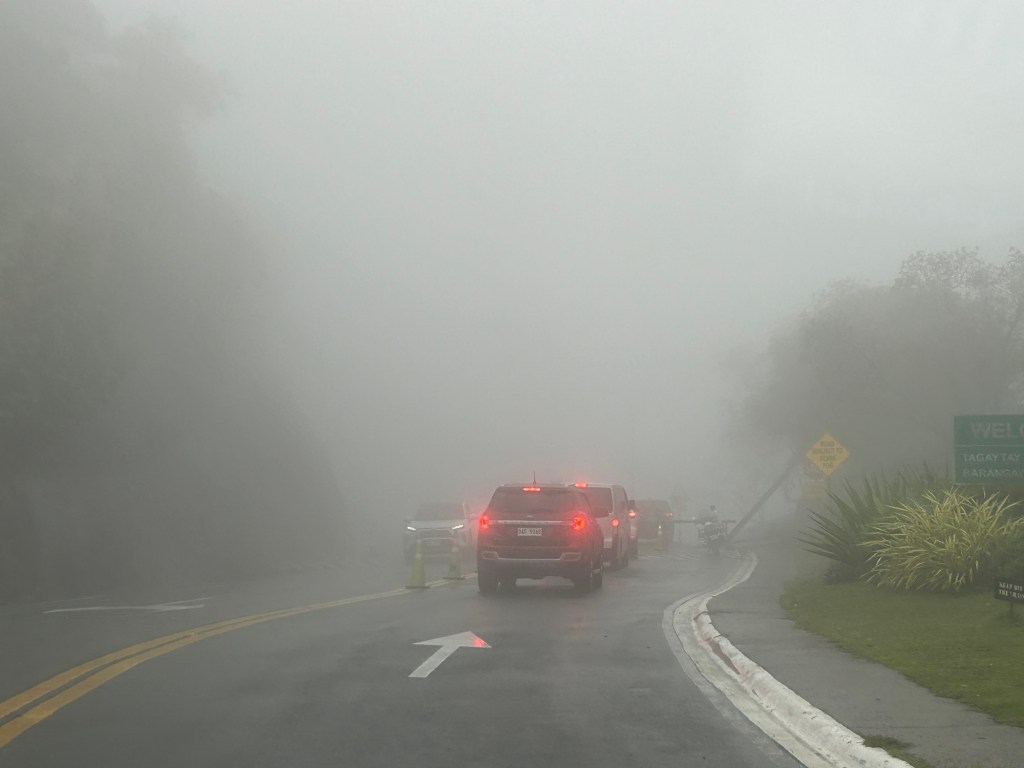
Some sections of the Kaykulot Road was heavily shrouded with fog. We wondered if we could see vehicles or people given the very limited visibility. At this portion, the 4-lane road narrows into 2 lanes.
This is the section of the Kaykulot Road with the CCT Tagaytay Retreat Center on the left. Can you see the tricycle with its headlight on? And can you see the man on a bicycle ahead of our vehicle? I could but other people might not and this situation creates a higher likelihood for crashes.
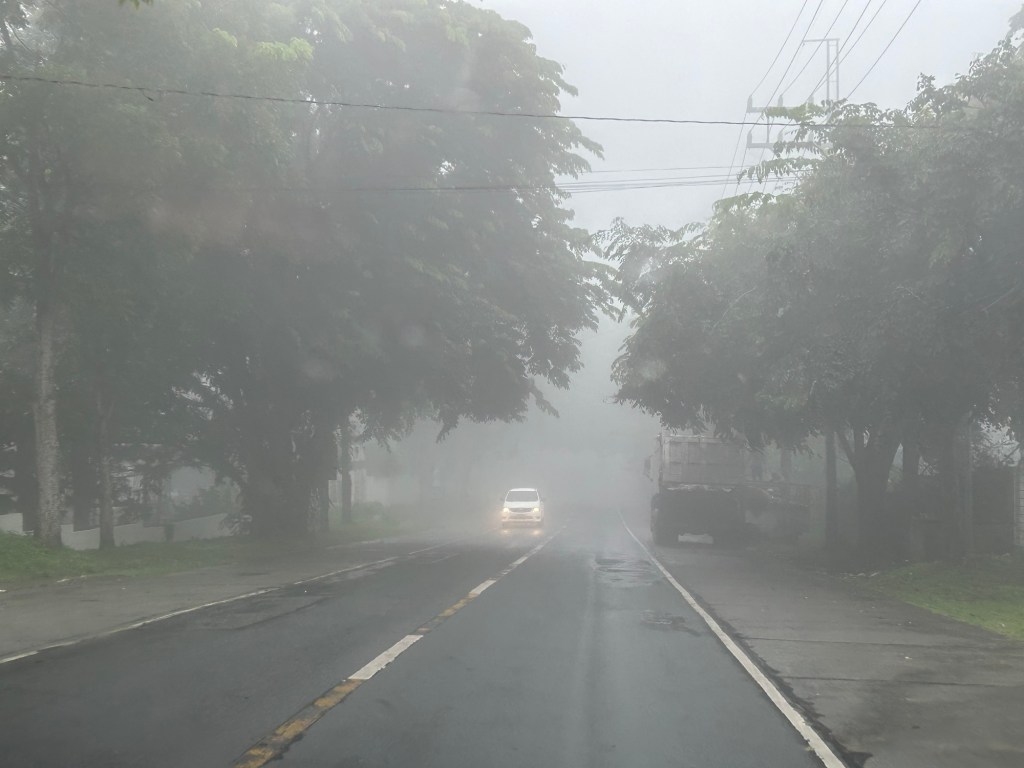
Fog along the Tagaytay – Calamba Road
Approach to Tagaytay Highlands – can you see the sign stating “Road subject to dense fog”?

More photos of the foggy roads in the next post!

Skyway to the south

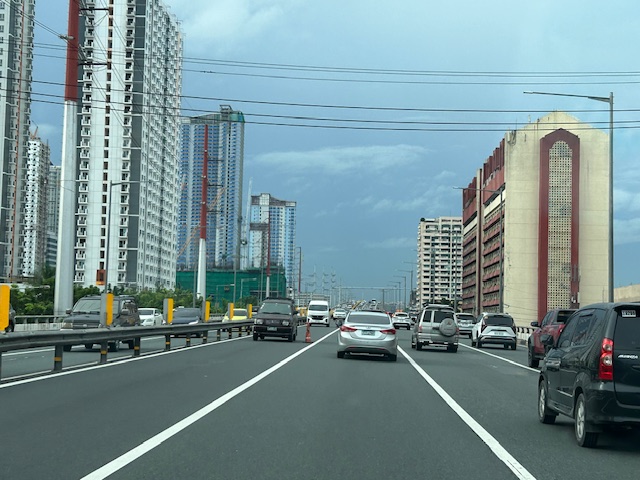
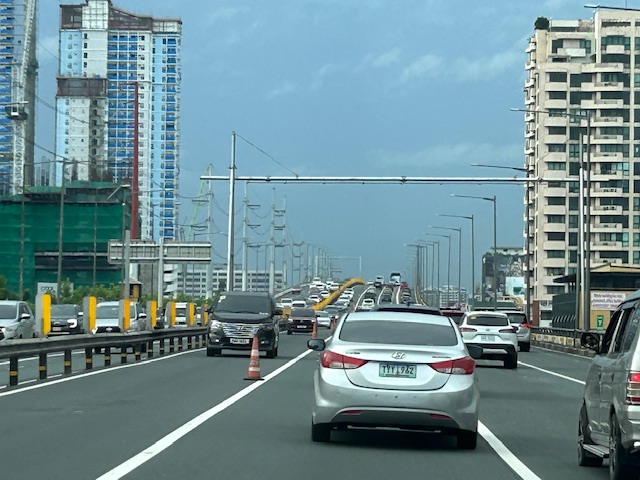
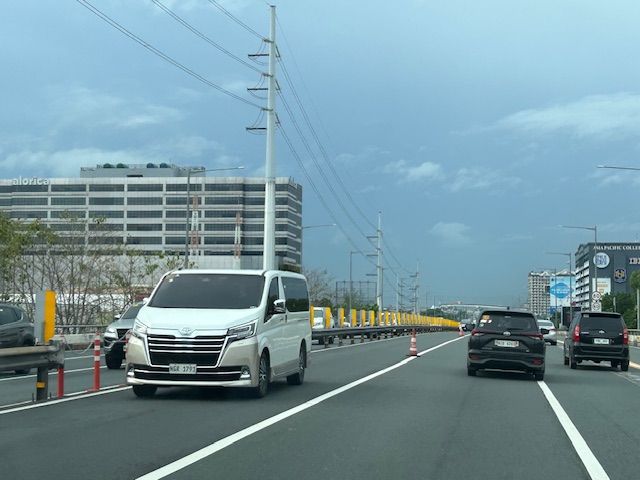
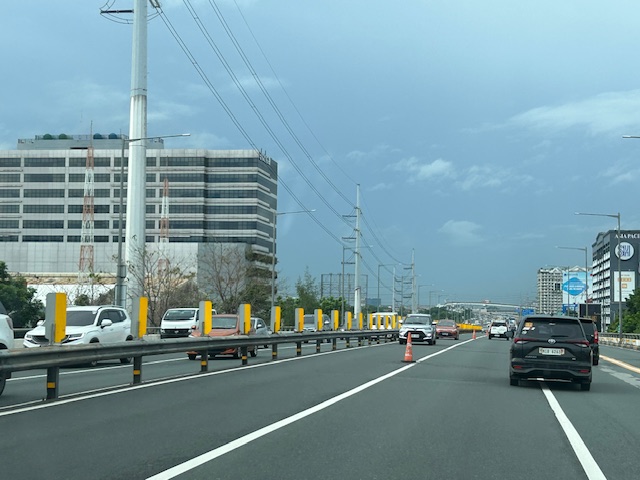
Instead of going via C5 and then SLEX en route to Tagaytay last week, we opted to take the Skyway via Quezon Avenue. The travel was smooth between 6:30 AM and 7:30 AM maybe because it was a Thursday and regular classes have not yet resumed (i.e., less trips). Note the counter flow lane adjacent to the median? This is implemented likely due to the experience of heavier traffic along the northbound (Metro Manila-bound) direction during the mornings. I wonder if the reverse is implemented in the afternoons/evenings.

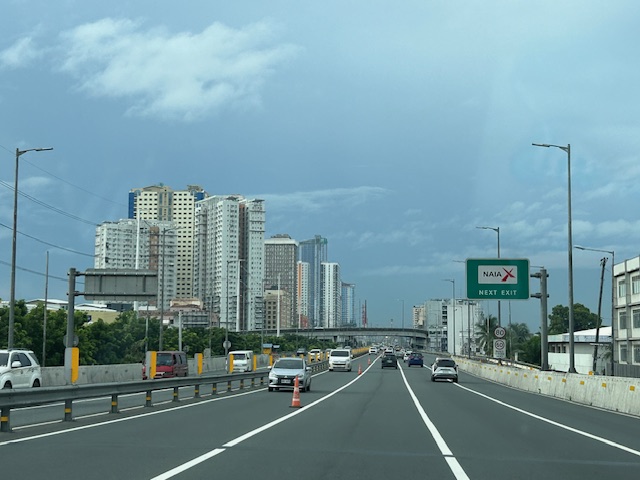
We observed free-flowing traffic for most of our trip along the Skyway upon entering the elevated tollway from Araneta.
I only started taking photos when we were in the Makati area. By the time, we were already approaching NAIA and the NAIA Expressway (NAIAX).
The tollway affords nice views of the cities that is difficult to appreciate when you’re on the ground level. That is much more true when the roads beneath us are blighted by the tollway superstructure.
I think this photo was taken as we passed Gil Puyat Avenue in Makati City
As seen from the previous photos, traffic along the counterflow lane is also relatively light.
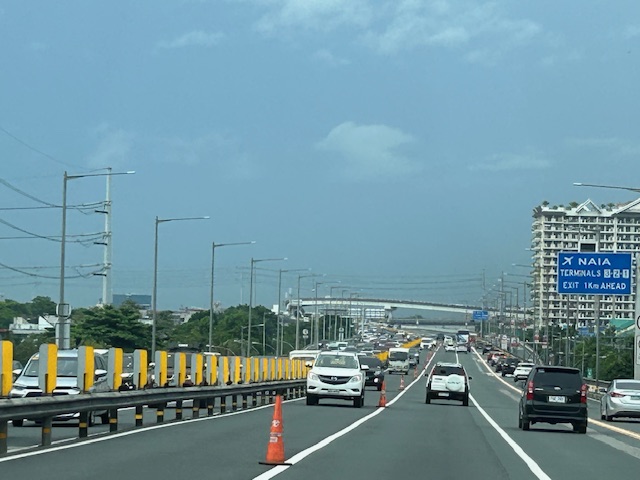
Approaching the NAIAX ramp
The ramp connecting the Skyway southbound side to NAIAX is on the right. In front and turning left is the ramp from the northbound side of the Skyway.
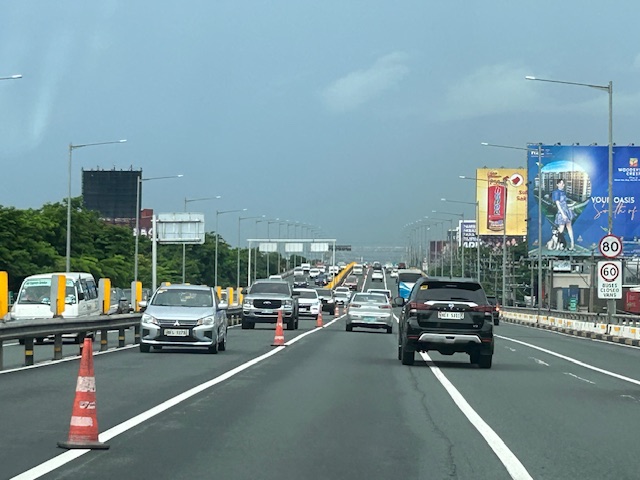
Traffic was heavy along both sides of the tollway.
Traffic is relatively light along the southbound direction
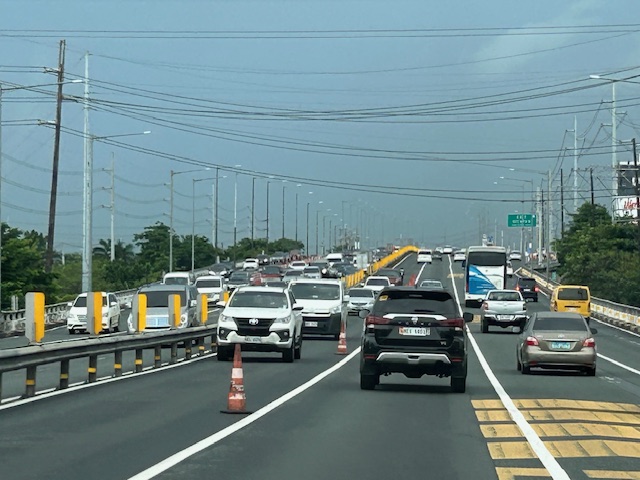
Approaching the start of the counterflow lane
The counterflow starts at the Bicutan exit area.

Note that there was more traffic as we traveled between Makati and Muntinlupa. The traffic represented commuters residing in the south and traveling to Metro Manila for work purposes.

Back in Tagaytay

It’s been a while since I’ve been to Tagaytay. I think the last time was before the pandemic and with family. There used to be a time when we went there at least every month not counting the seminars and workshops we attended there. It was an easy drive from our home in Antipolo to Tagaytay via C6, SLEX and the Sta. Rosa-Tagaytay Road. We had our favorite stopovers with breakfasts usually at the Paseo de Sta. Rosa. Later, as Tagaytay became more crowded and congested, the trips became fewer. Of course, our schedules also became busier but then it wasn’t like we looked forward to the traffic and the crowded attractions there. I’m doing a project there now with my team at the office and that means I get to go there for work. Since we’ll be there anyway, we could have some side trips to eat some good meals (bulalo!) and maybe take some photos of Taal volcano.
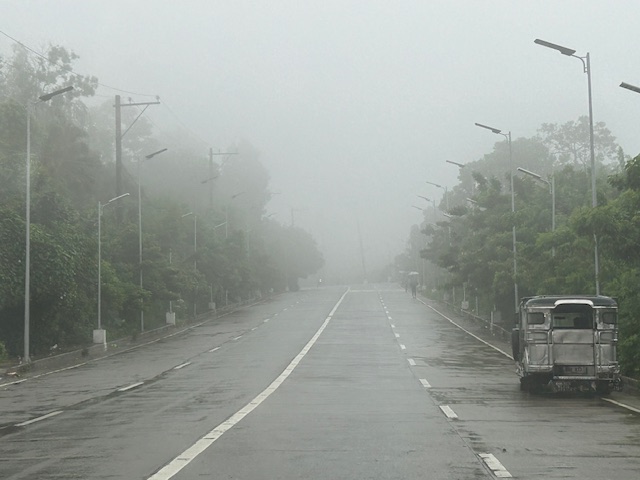
Dense fog greeted us as we arrived in Tagaytay
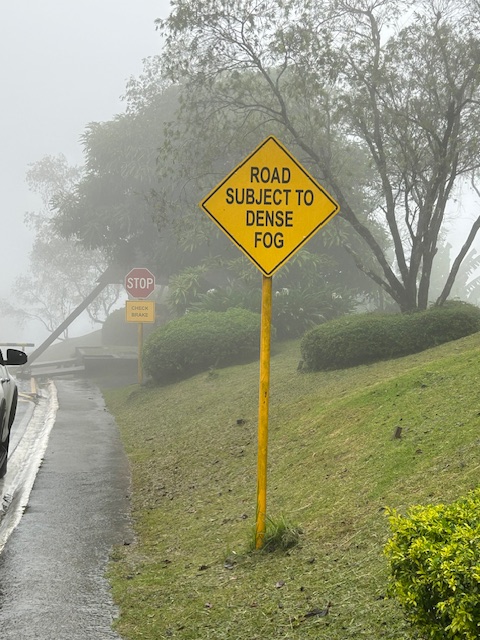
The sign along the main access road to Tagaytay Highlands perfectly describes what we experienced last week.

The fog was a quick reminder of the Tagaytay of old that we frequented before. But what we noticed was that it wasn’t cool. It was still somewhat warm if there was no breeze or wind blowing. This was certainly not smog as you can smell the pollution if it was. We even joked that it probably wasn’t because of the volcano as the smell of sulphur would probably be strong. We were in Tagaytay during the weekdays so there were fewer people and traffic. We were told that it was worse on weekends. That was to be expected. And with CALAX, Tagaytay became more accessible to visitors. I will write about the developments there in the next post. I feel there’s just too many buildings and the intense development has made Tagaytay less attractive. I have similar memories and feelings about Baguio but that’s another story to tell or write about.

SPRINT principles for bicycles

Here is the link to how to improve your city’s or municipality’s bicycle facilities based on scores guided by the SPRINT principles: https://cityratings.peopleforbikes.org/create-great-places

SPRINT stands for:

S -Safe Speeds

P-Protected Bike Lanes

R-Reallocated Space

I-Intersection Treatments

N-Network Connections

T-Trusted Data

The site provides links and examples of good practices of actual bike projects in the US. Many of these can be replicated or adapted to Philippine conditions. These are something that the active transport section of the Department of Transportation (DOTr) should look into and perhaps provide a reference for developing and improving bicycle facilities in the country.

Another roadblock for active transport?

The Metro Manila Development Authority (MMDA) recently released what they claim to be their counts of bicycle traffic along major roads in Metro Manila from 2020 to 2023.

These are supposed to be official data as it is issued by the government agency in-charge of traffic management for Metro Manila roads (aside from its other functions and roles). What are not stated, and are actually very important details, are the locations of the counts and when the counts were conducted.  The Traffic Engineering Center (TEC) that was under the DPWH and currently with the MMDA used to publish traffic volume maps for major roads in Metro Manila. So along EDSA, for example, the volume per section are shown on the map. The same for other major roads like Commonwealth, Quezon Avenue and SLEX. The thicker lines mean higher volumes along those sections, and vice versa. However, they did not consciously count bicycles (only motor vehicles) and perhaps MMDA only started counting during the pandemic (i.e., 2020). So there is no one value to represent a road. And counts vary over time of day, day of the week and even throughout the year (i.e., monthly variations).

There were many reactions to the MMDA’s posting of the data and most were critical and even derided the agency for what to them appeared to be inaccurate data. The problem is that it seems there are no other counts that can validate and perhaps refute the MMDA data. Previous bike counts were not conducted according to how the MMDA and DPWH count vehicles. That is, counts are typically done over a 14 or 16-hour period and ideally on several days in a year. Expansion and conversion factors are applied based on established stations along major roads that are supposed to have more frequent if not continuous counts. This methodology is how Annual Average Daily Traffic (AADT) is computed. Call it car-centric if you like but the methodology is very much applicable to bicycles as well. Peak hour counts for bikes are not enough and the peak hour factor for motor vehicles does not apply to bicycles (if this is to be used to expand/convert peak volumes to daily values). In fact, if you go into the math, there should be a peak hour factor for each type of vehicle considering each vehicle’s volume will vary differently over time. So yes, the solution here is to conduct bicycle counts according to how MMDA or DPWH counts vehicles and these should be done along several stations along major roads (e.g., those in the table above) to validate the MMDA counts.

More on this topic in the next post!

A widened Col. Bonny Serrano Avenue and opportunities for complete streets

Col. Bonny Serrano Avenue is one of the major roads directly connecting EDSA (C-4) and C.P. Garcia Avenue (C-5). The last time I used the road was before the pandemic. So it came as a surprise to pass by last weekend and see the avenue had been widened. I guess that pretty much “solved” the traffic along this usually busy thoroughfare that is part of jeepney routes to Cubao (via Murphy – referring to Camp Aguinaldo, which was formerly Camp Murphy). The avenue was renamed after a Korean War Hero (my uncle fought under him with the 10th Battalion Combat Team in the Korean War in the 1950s). It was called Santolan Road before.

What used to be a 4-lane road is now an 8-lane road

The area used for road widening was carved out of Camp Aguinaldo. The headquarters of the Armed Forces of the Philippines (AFP) gave up quite a lot of square meters for this project and you can see from the photo the now very wide avenue. I thought perhaps they could have placed a median island where they could have also planted some trees (note how exposed to the sun the area is). They also could have designed protected bike lanes along either side of the road. These could have connected the EDSA and C5 bike lanes. And, of course, they should have also improved the pedestrian sidewalks. You can see how narrow the sidewalks are and how electric and light posts block pedestrians using the sidewalks. There were opportunities here for the application of complete streets and its not too late to do just that.

I assume there are many men in uniform who use bicycles for their commutes and recreation. Camp Crame is just across EDSA from Camp Aguinaldo and Bonny Serrano Avenue also passes along the headquarters of the Philippine National Police (PNP). Down the road towards Marikina City in Libis is another camp, Camp Atienza, which is home to the 51st Engineering Brigade of the Philippine Army. I mention these camps as I know many there regularly use Bonny Serrano for commuting and many use bicycles. A cousin-in-law (my wife’s first cousin) who is an army officer bikes a lot from Camp Atienza and Camp Aguinaldo and tells me there are many enlisted men who bike to work.