
Home » Infrastructure
Category Archives: Infrastructure
The unfinished Ungka flyover in Iloilo City
The Ungka flyover generated much controversy in Iloilo not just because it remain unfinished but the reasons why it is not completed. I assume that since this is a government project, budget is not really an issue. Projects like this can always have allocations as long as it sticks to the budget or any reasonable and justifiable adjustments (read: additional funds) for its completion. However, there are technical rather than budget issues that need to be addressed and which have major implications on the budget if retrofitting is required and undertaken. Otherwise, the capacity of the overpass is compromised and it will not function as originally planned. Following are photos I took last year coming from the airport to the city.
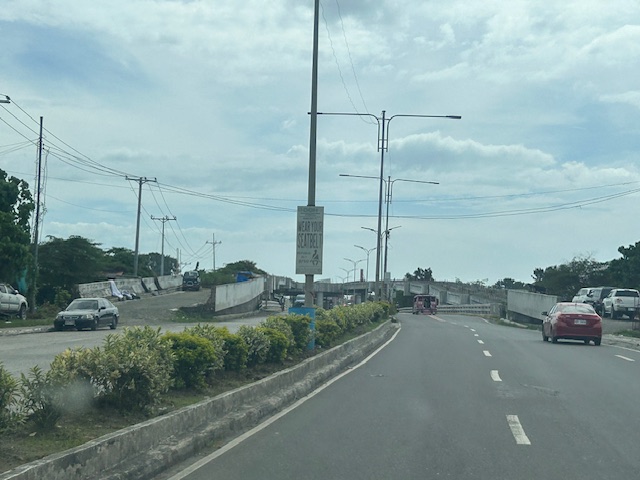
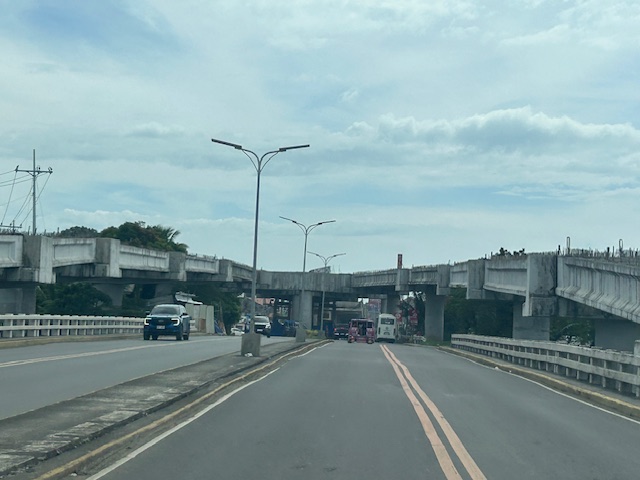
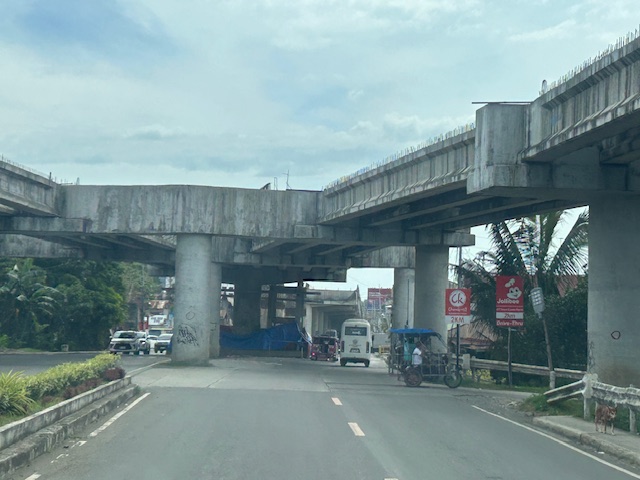
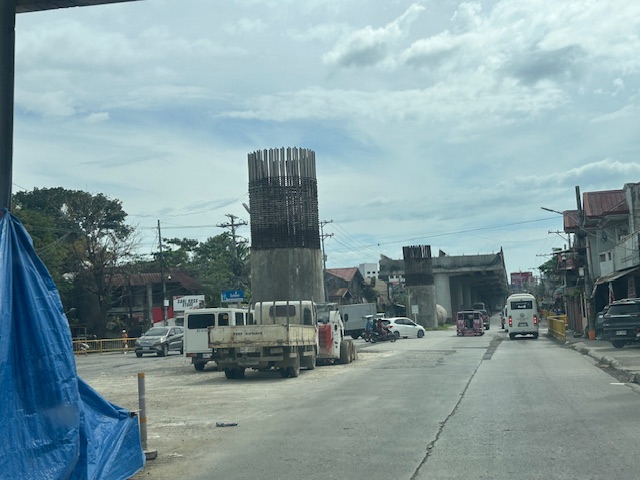
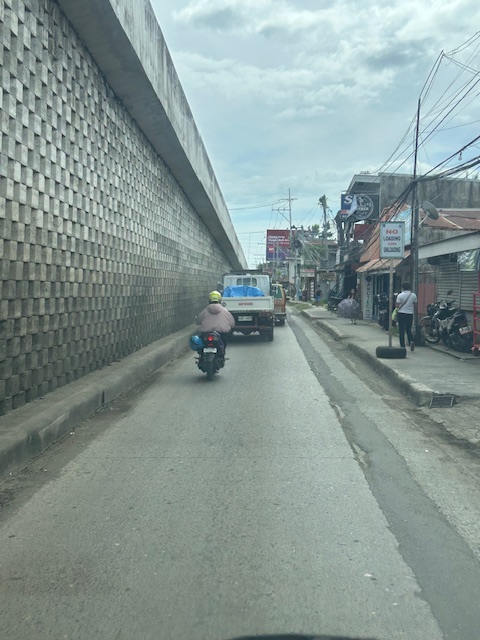
I decided to finish and publish this now as there is news that construction recently resumed. Hopefully, the issues have been addressed and this long delayed project can be completed to help alleviate congestion in the area.
–
At long last, the Cebu BRT is finally running
After more than two decades, the Cebu Bus Rapid Transit (BRT) is finally operational (partly). I think I wrote about the BRT numerous times here. I was involved in the social marketing of the BRT to major cities almost 2 decades ago. At that time, only Cebu City was receptive to the idea as Metro Manila was more engrossed with railway projects that also took much gestation time. I was also involved in the pre-FS for Metro Manila BRT’s so I can say this has a lot of history and political economy about it.
Here is a report from Rappler via their official Facebook page:
https://www.facebook.com/share/v/1J3Fpmar16/
I already look forward to the next trip to Cebu to have a first hand experience of the BRT there. I wanted to share photos from the internet here but perhaps I can wait til I have my own photos to share.
–
On at-grade crossings and footbridges
Here’s a quick share of an article on how at-grade crossings are generally better and preferred over footbridges:
When Footbridges Cost Lives and At-Grade Crossings Save Them
The article effectively articulates the case for at-grade crossings and presents the facts and references in support of these crossings. I will only add here that context is still important along with an appreciation or understanding of the volume of traffic and occupancy of vehicles along the roads. Commonwealth Avenue, for example, requires footbridges but there should be better designs for these footbridges than the current ones along this highway. I think we lack good designs that we can refer to and this leads to a summary dismissal of footbridges where they are actually most suitable.
–
What’s left of NAIA Terminal 4?
When we landed at NAIA last Saturday, our plane passed Terminal 3 to what we thought were the usual spaces for transporter interface with the terminal. We passed the area and proceeded to where Terminal 4 used to be. T4 was the Manila Domestic Airport or MDA in old documents.
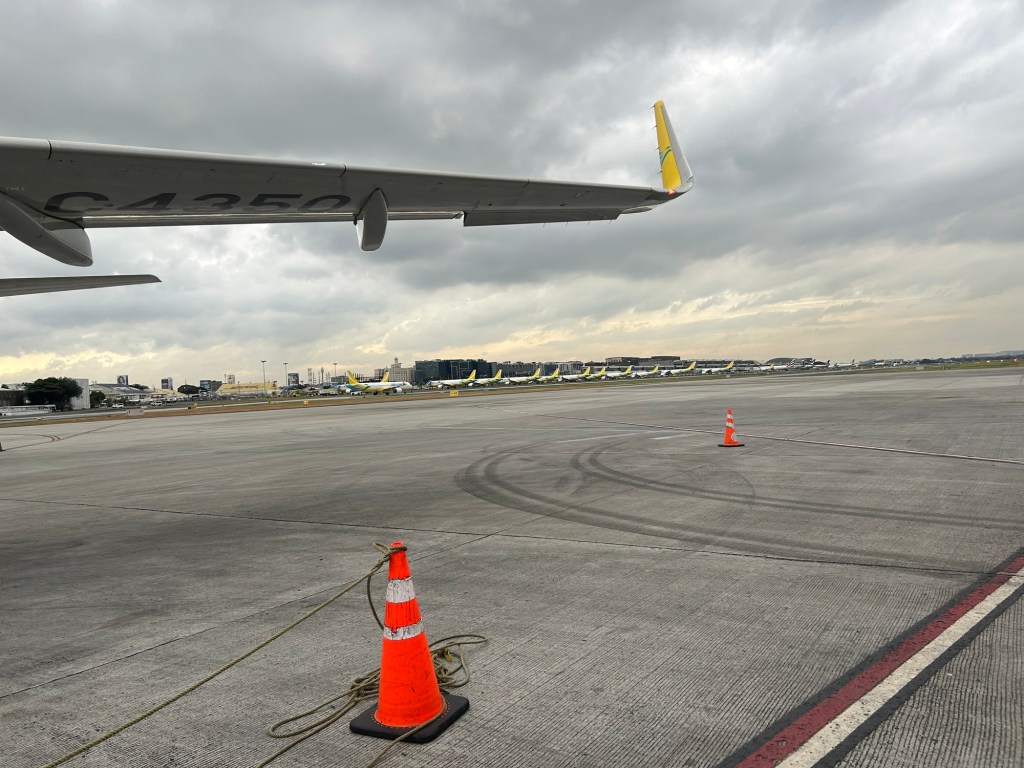
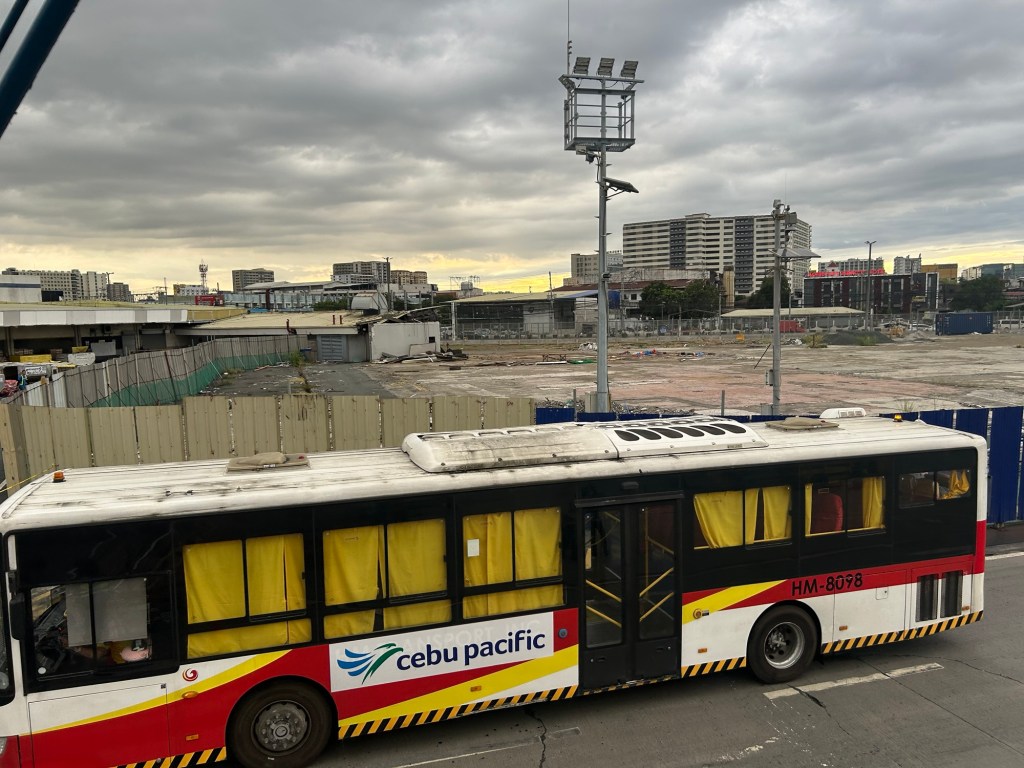
The terminal building was demolished last year as part of San Miguel’s airport redevelopment that included building an extension of Terminal 2 and a new Terminal (5?) where the Philippine Village Hotel and Nayong Pilipino were located. A new terminal will also be built where the old one stood. How does this relate to the airport being developed in Bulacan? Will this be complementary airports like Narita and Haneda? Or perhaps like Don Muang and Suvarnabhumi?
–
New self check-in portals and turnstiles at NAIA Terminals 2 and 3
With the holidays coming up, travelers using the NAIA terminals should also note that there are new self check-in portals at the airport. I noticed in two recent travels (one via Terminal 2 and another via Terminal 3) that people taking Cebu Pacific and Philippine Airlines were not using these. Ceb Pac passengers in particular crowded over their portals near their check-in counters at T3. Walang pumapansin nitong mga bagong terminals that could save you time when you check-in. Here are photos of the ones at Terminal 2:
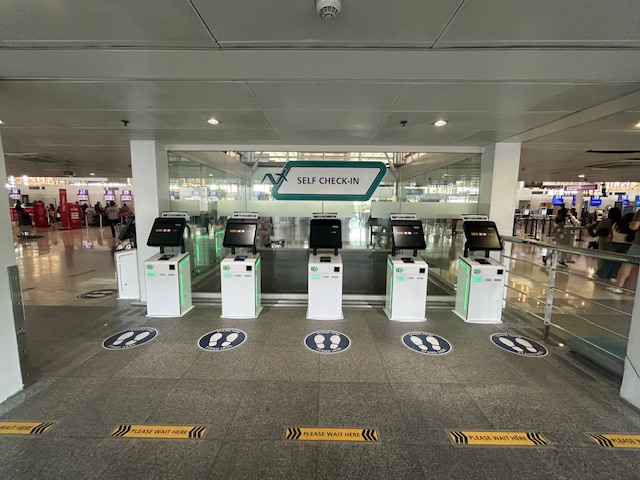 The areas where these were installed weren’t crowded.
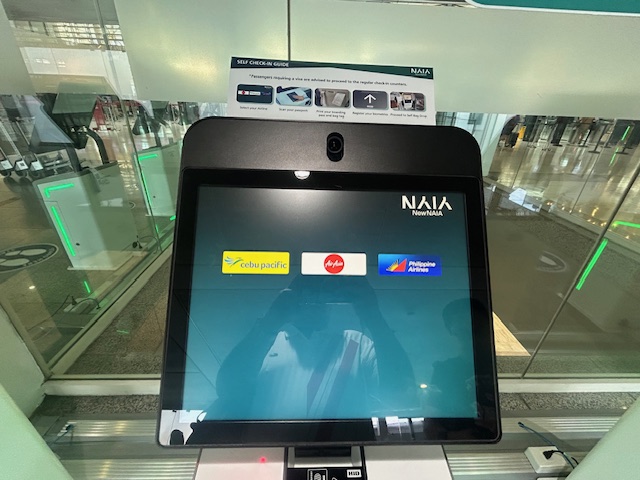 You can use these for Cebu Pacific, Air Asia or Philippine Airlines.
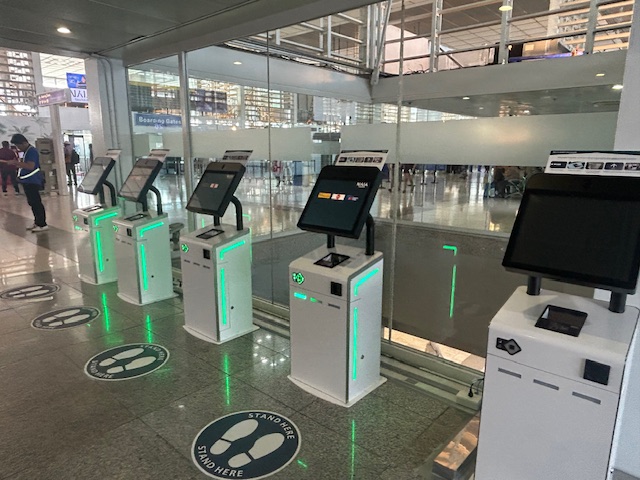 You can get your boarding passes and luggage tags here.
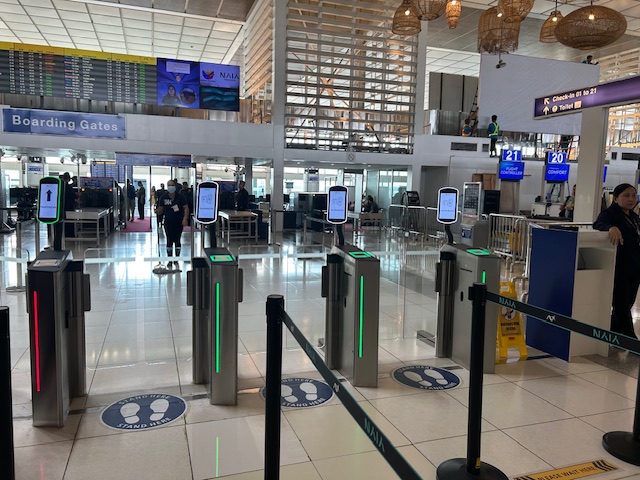 NAIA admin has also installed these new automated turnstiles prior to the final security check and the boarding gates at Terminal 2.
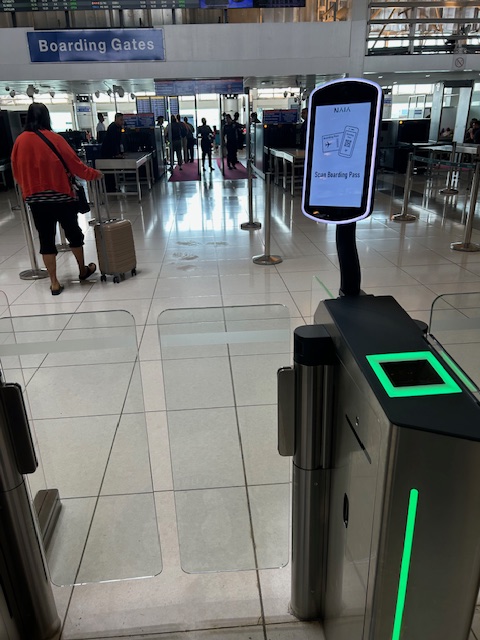 You just need to scan your boarding pass for the barrier to open. I haven’t used any of the LRT/MRT lines lately but this is basically the technology we’d like to have for the station turnstiles.
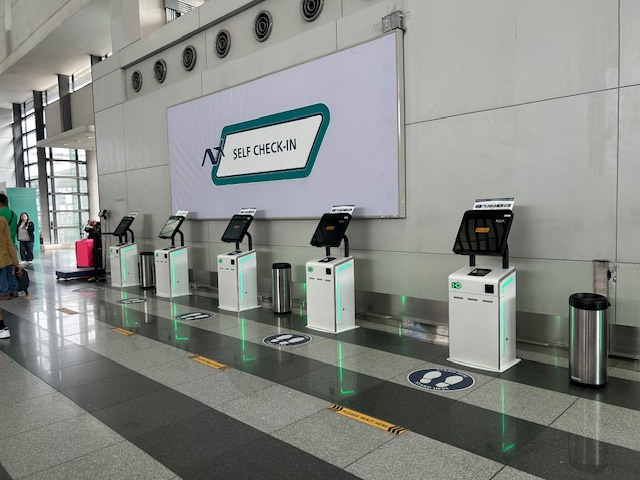 Here are the self-check portals at T3. Of course, they would have even greater utility if more airlines are included for self check-in.
Mactan Cebu International Airport (MCIA) terminals already have these new features for quite some time. It’s good that NAIA is finally catching up in modernizing its facilities. For the turnstiles, that tech should have been installed at train stations and a variant should allow for a variety of means for payment of fares.
–
Railways construction progress in Luzon
I’m currently attending the Philippine Railway Conference. The presentations so far have been informative especially about the progress of rail projects in the country. Most if not all of these projects are in Luzon, which includes Metro Manila. Here are the progress of work as shown in the photos of the slides I took during the plenary sessions this morning.
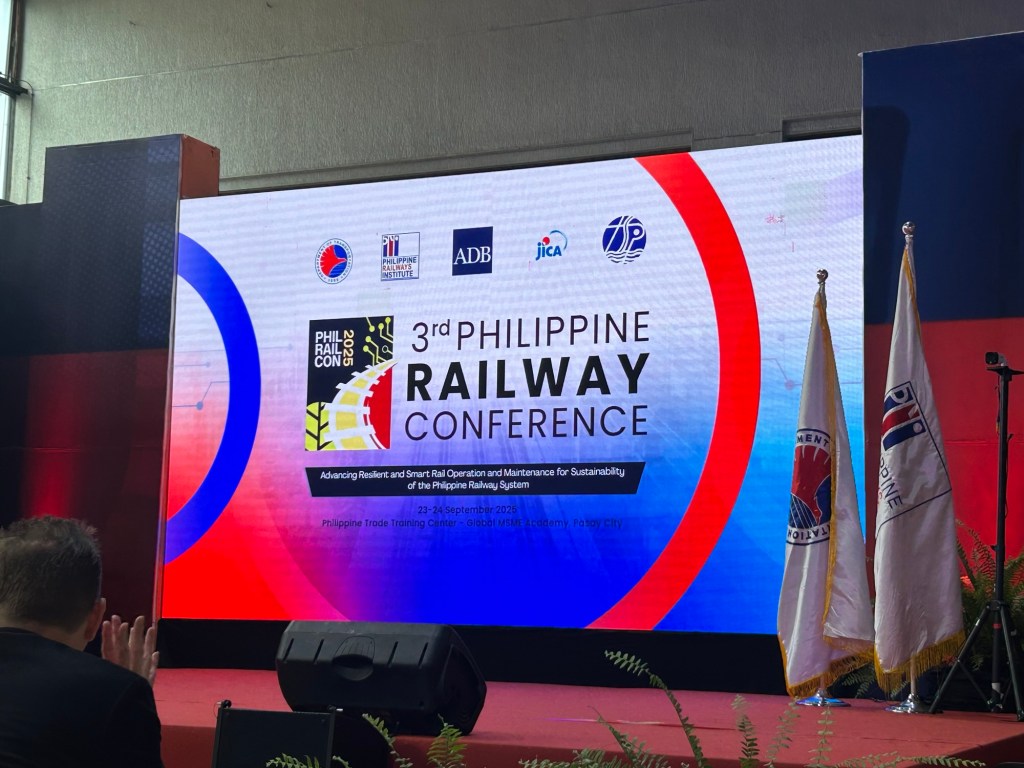
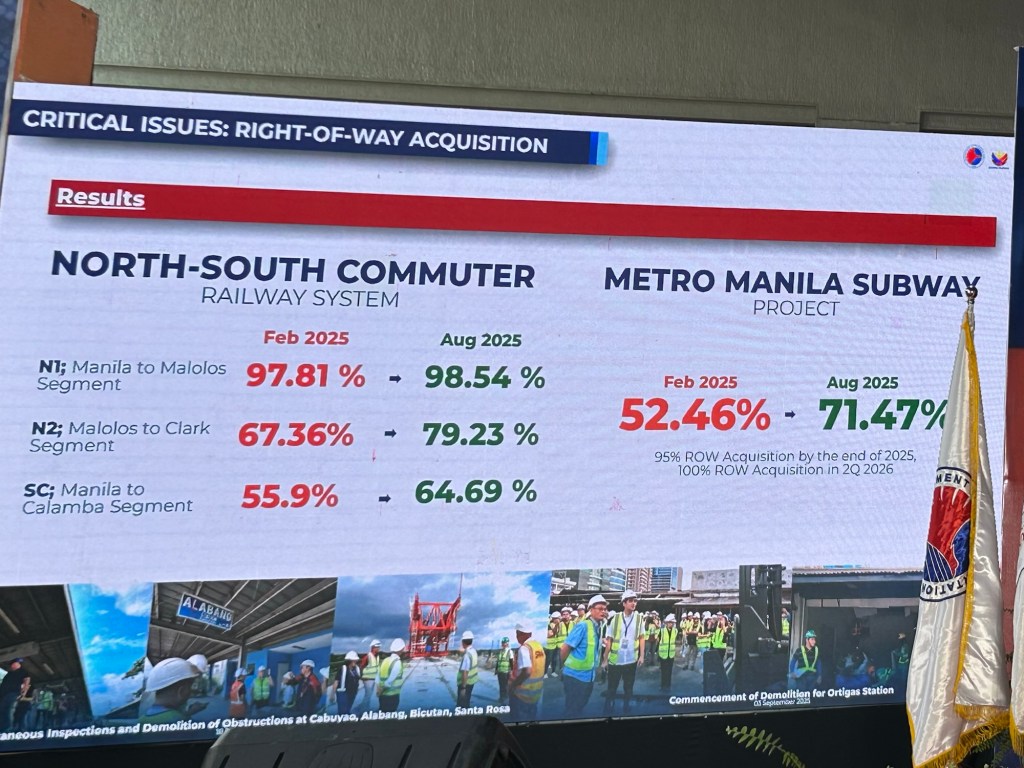
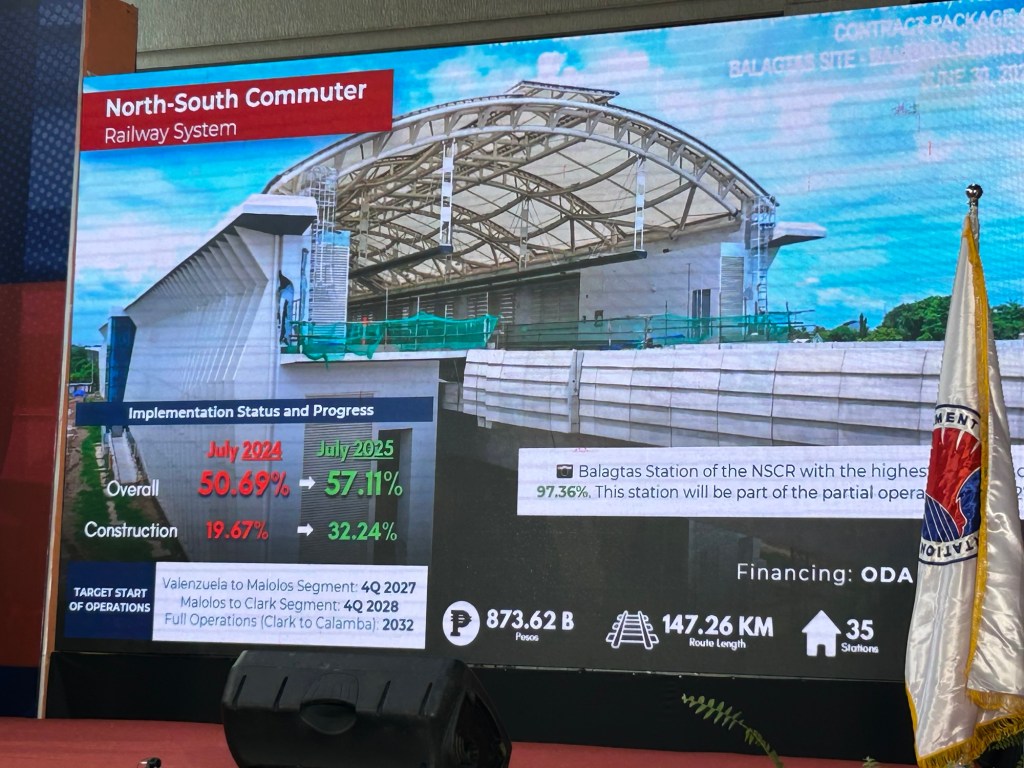
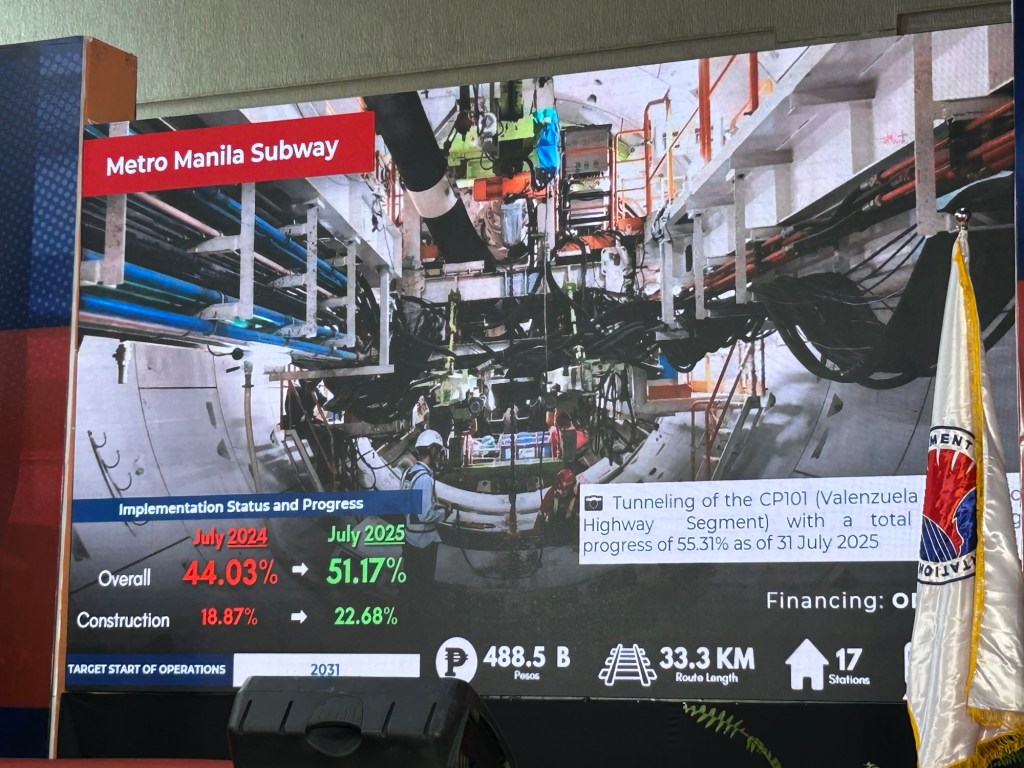
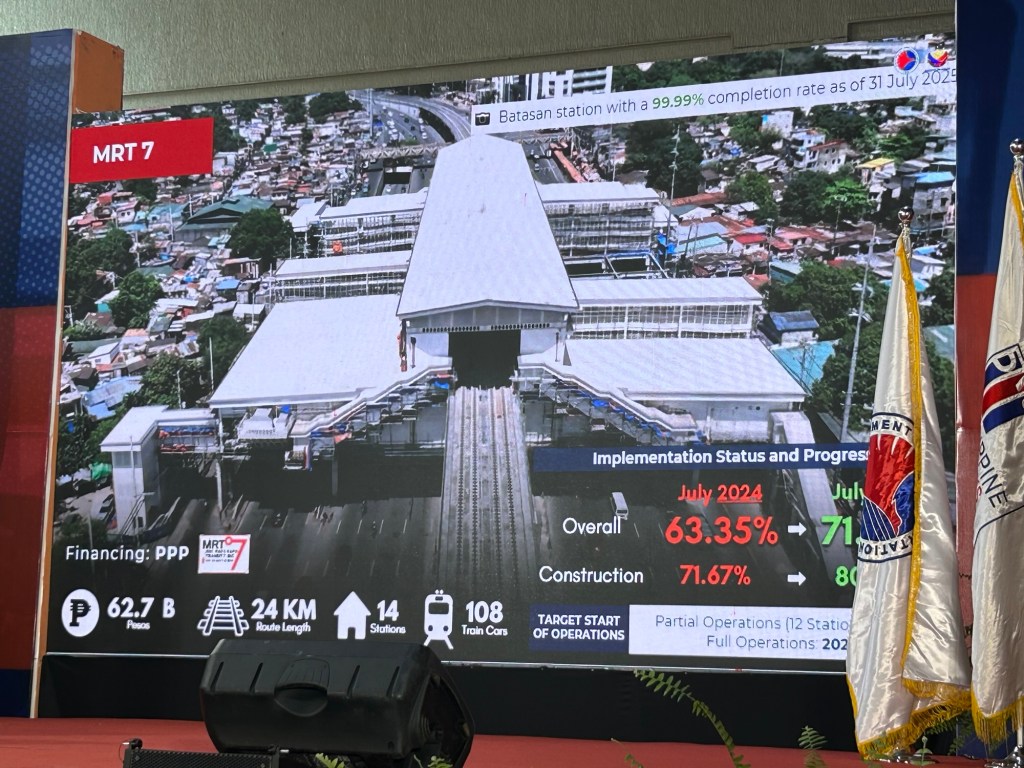
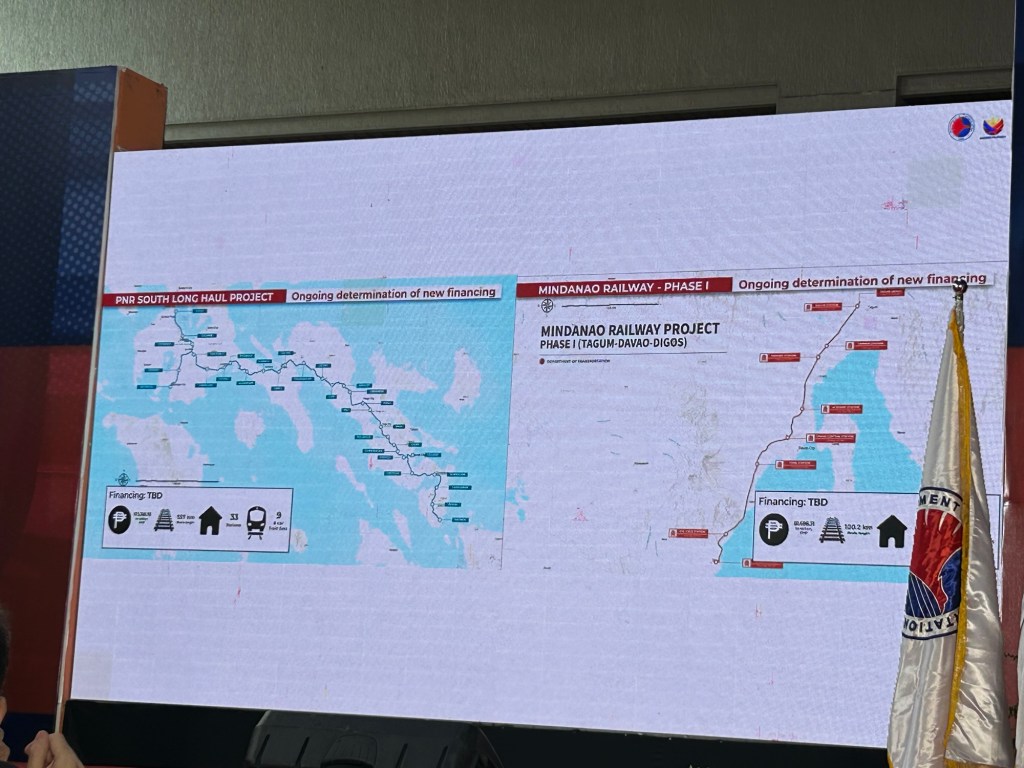
Based on the presentations, these railways currently under construction will be ready or partially operational by 2027. What do you think about the progress of work?
–
Traffic congestion along EDSA
I’ve taken some photos of EDSA traffic as well as the EDSA Carousel buses. Here are the more recent EDSA photos I took as I traveled from Makati to Quezon City after serving as a panelist in the Energy Transitions Dialogue last Wednesday.
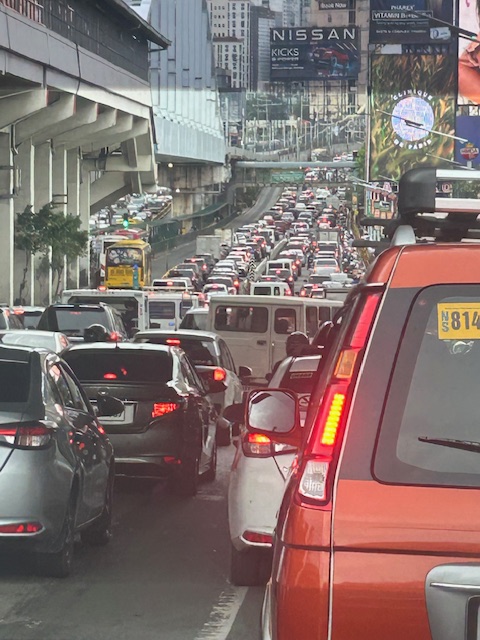 I took this photo as we passed Guadalupe. I like this in the sense that it shows the clear ROW for the EDSA Carousel buses. One wonders why most of these motorists would prefer to drive their vehicles rather than take the bus or the MRT.
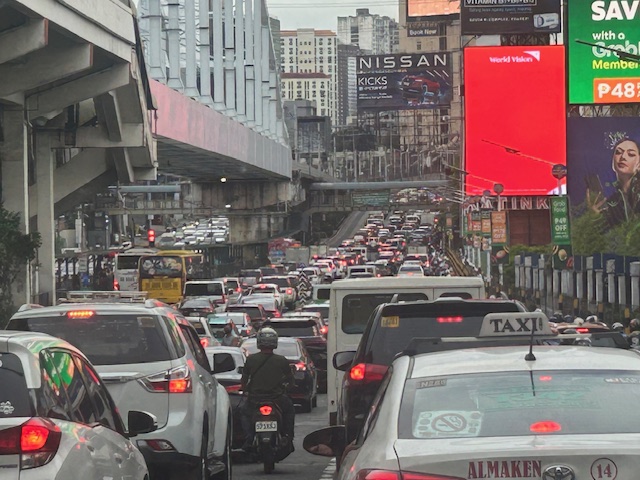 You can see in the photo that EDSA’s northbound side is clogged as far as the eye could see. If you check the image under the MRT bridge, it shows the southbound side was also congested. These photos were taken around 4 PM so this was still an hour before most people would be going home from work.
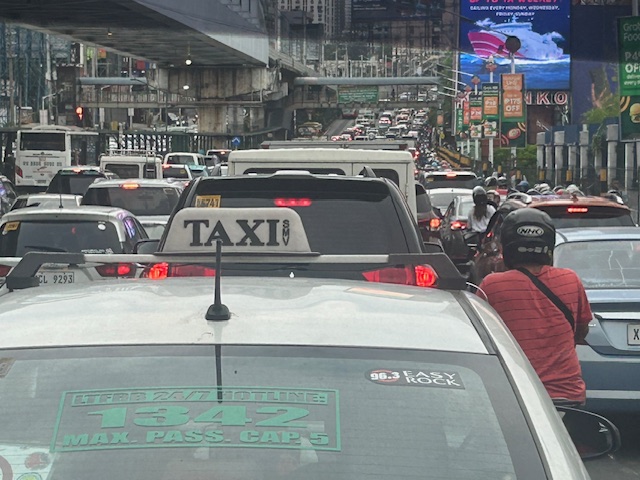 I mentioned in my comments at the panel that one consequence of giving number coding exemption to electric and hybrid vehicles is that this further diminishes the effectiveness (is it still effective?) of the MMDA’s number coding scheme. I don’t have the stats of how many EV’s and hybrids are registered and running in Metro Manila. Those numbers combined with actual counts will tell us how they are impacting traffic. That would be a nice topic for a paper. 🙂
The photos pretty much describe the transport situation in Metro Manila. Many of our major cities will be heading this way unless they improve their public transportation fast. If they do, then public transport mode share will be sustained if not increased. Metro Manila’s is already being eroded by inefficient public transport, motorcycles (including taxis) and perhaps unintentionally, electric and hybrid vehicles.
–
Our clear and present problem with DPWH and certain contractors
I was going to write about the new taxi service and TNVS I used recently during this long weekend. Unfortunately, I lost focus and “gana” after reading about the collusion among DPWH officials and certain contractors about flood control projects. Here are my sentiments today that I shared on my social media account:
“Bakit walang pasok bukas? Kasi may nagbabadyang masamang panahon. Baka bumaha? Bakit babaha? Alam na siguro natin ang sagot sa tanong na ito? Damay-damay na yan. Resilience na lang ba ng mga taong nagbabayad ng buwis ang kasagutan? Di ba dapat may managot sa kung bakit patuloy tayong binabaha samantalang bilyones o trilyones ng kaban ng bayan ang ginagastos? Naiisip ba natin na yung pinagpaguran, pinagpapaguran at pagpapaguran natin ay napupunta sa mga nanlalamang? Wala nga siguro silang nararamdaman at napapansin habang nakasakay sa kabilang magagarang sasakyan. Tayo naman, hanggang tiis sa paglusong sa baha at mag ‘abangers’ sa anunsyo ng walang pasok.”
With the recent revelations of these contractors having the propensity to purchase luxury items like expensive vehicles, do we still wonder why these people cannot feel what ordinary people experience during these times of inclement weather? Hindi nga siguro maramdaman ang baha o ang mga lubak sa daan pag naka SUV ka. To be quite direct about this, I would like to personally drag them to experience the floods and maybe submerge their homes for a few days so we’re even. I am probably not alone with my sentiments.
Flood control is probably just the tip of the proverbial iceberg. There are just so many other projects including roads and bridges that also need to be investigated for anomalies. Will the current administration act on this? Or are we just being taken for a ride with all these lip service and grandstanding by politicians and government officials?
–
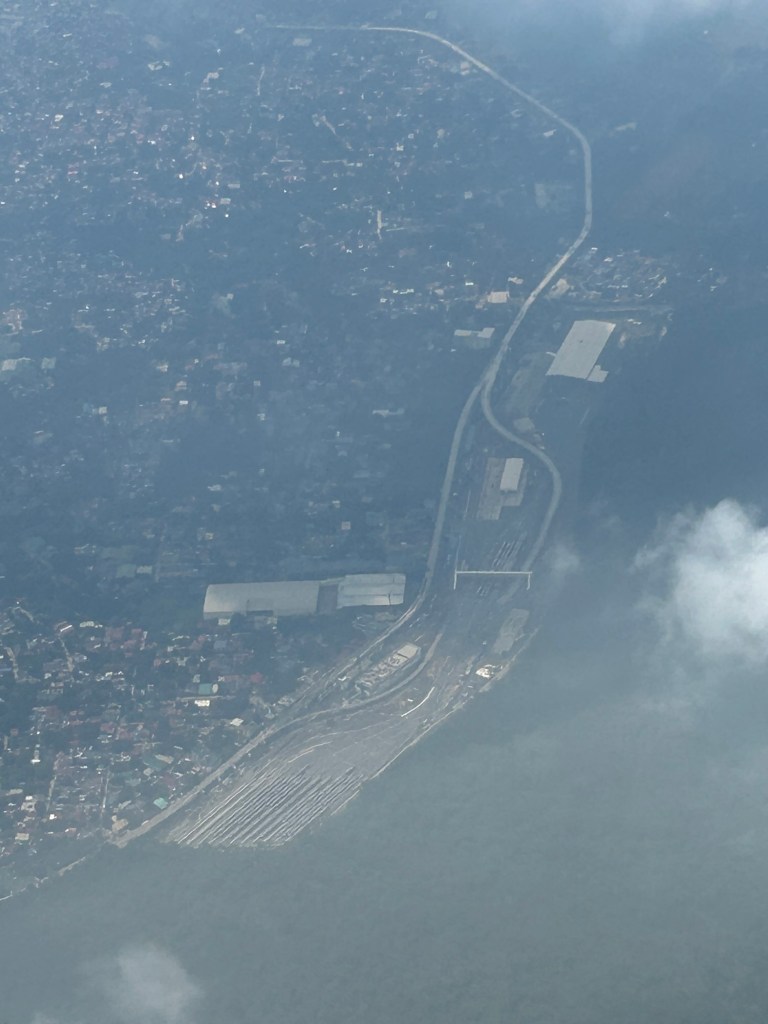
Aerial photo of the MRT7 depot?
I took this photo of what appears to be the MRT7 depot near or adjacent to the La Mesa reservoir. It was as quick a photo as our plane was banking into the clouds.
–
An aerial view of the PNR’s rail revival
I would just like to share a few photos I took while our plane was turning towards our Bicol destination upon take off from NAIA.
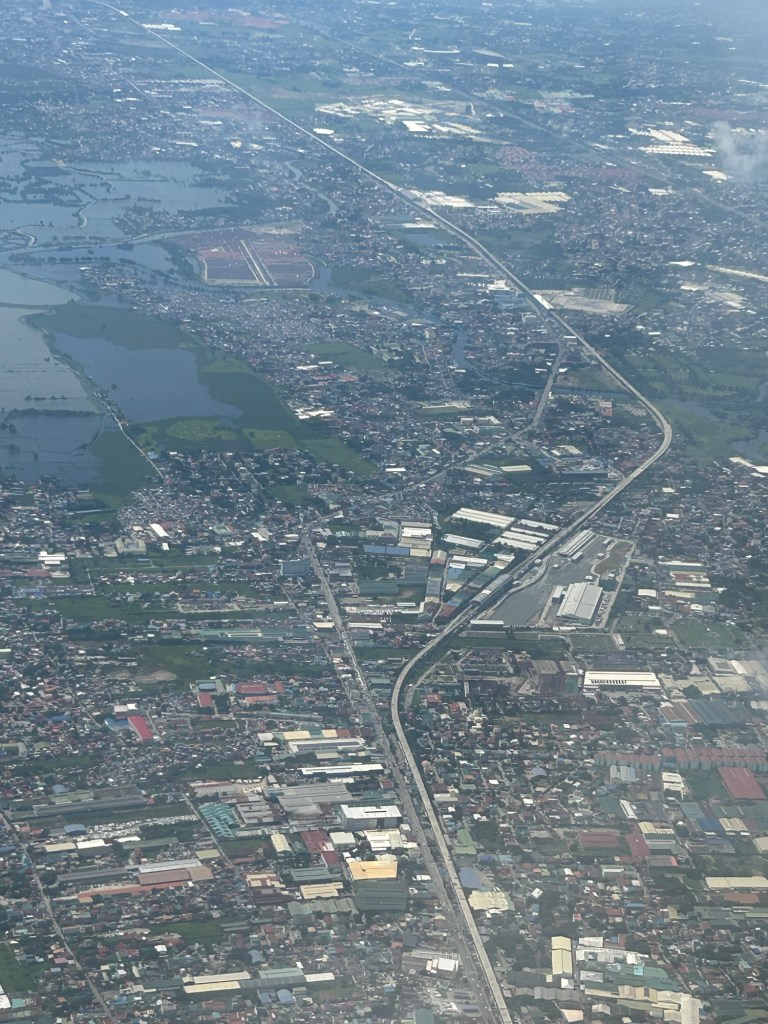
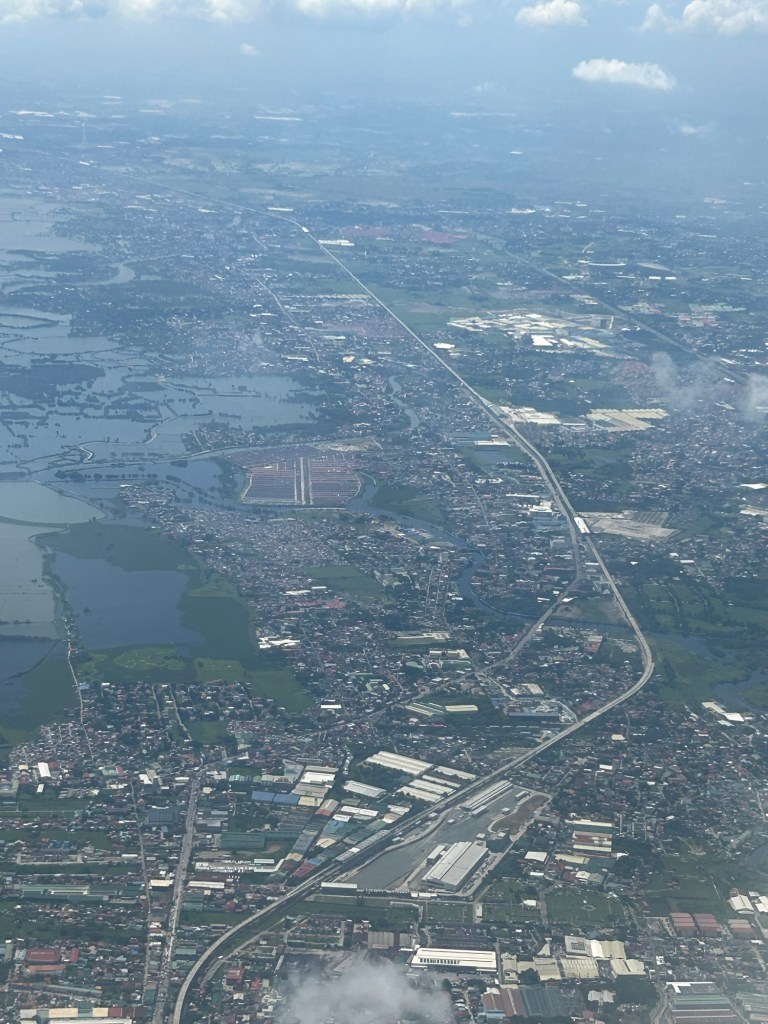
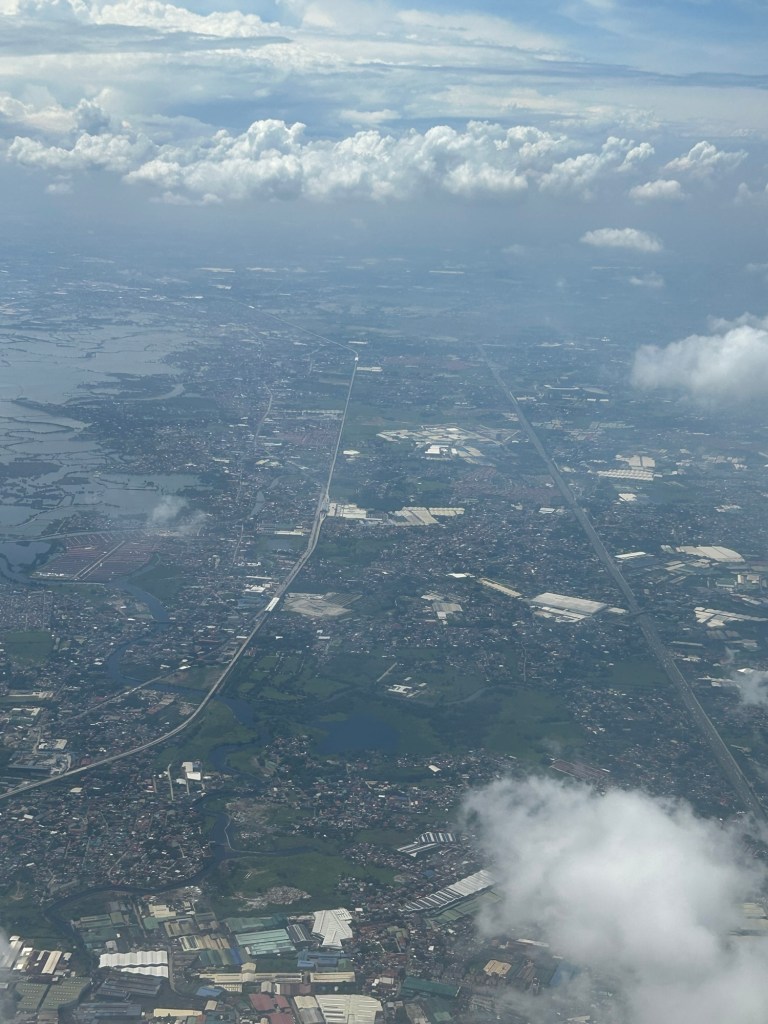
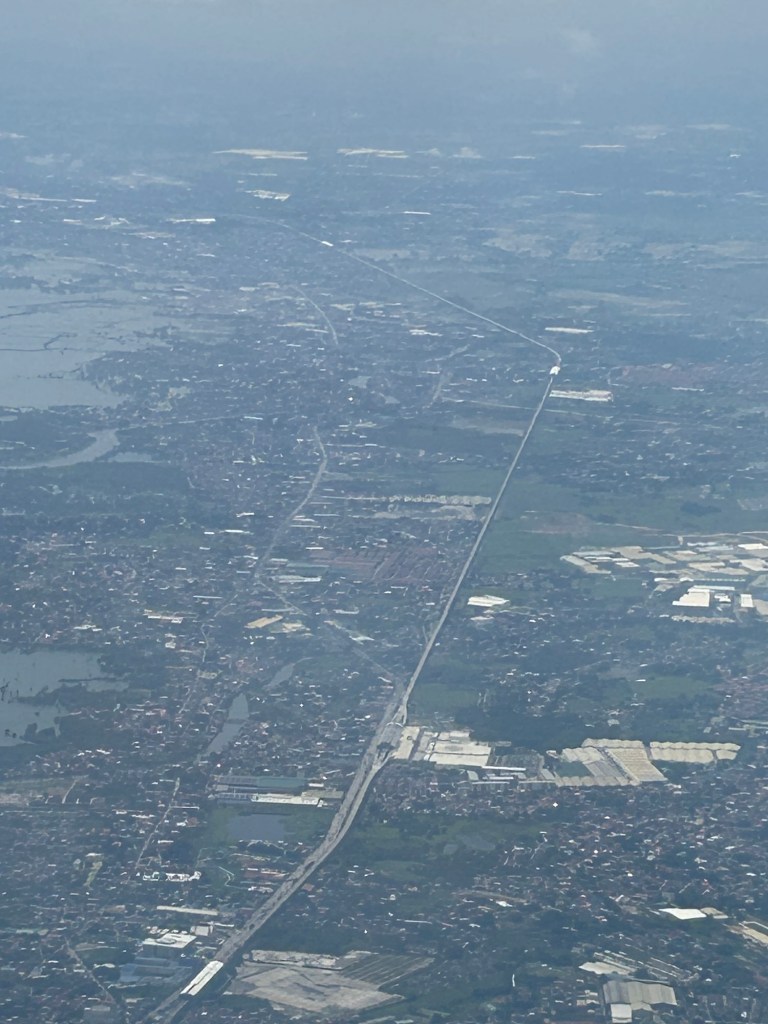
I will again pose the following questions to my readers: will the NSCR become the game changer it’s supposed to be for both long distance travel and commuting (super commuting for some cases)? Will it decongest McArthur Highway and NLEX? Will there be a significant shift from car use to rail? Or will those taking road-based public transport be the ones mainly shifting to rail?
–
 Caught (up) in traffic