
Home » Public Transport » Bus (Page 12)
Category Archives: Bus
Transport gaps
I first learned about the concept back in the 1990’s when I was a graduate student at UP majoring in transportation engineering. The concept on transport gaps was first mentioned in a lecture by a visiting Japanese professor as he was discussing about transport modes, particularly on which was suitable or preferable over certain travel distances and which could carry more passengers. Another time later and while in Japan, I heard about the concept during a presentation of a friend of his technical paper on public transport.
The figure below is one of many possible illustrations of the concept of transport gaps. In the figure, a distinction is made for mass transport and individual transport. As the original figure is likely taken from a textbook or a paper (probably from Japan), shown with a white background are the more conventional modes of transport including subways, urban and suburban railways, walking and a mention of the shinkansen (more popularly known as the bullet train). With a gray background in the original figure is a category on new urban transit systems that include monorails, AGTs and LRTs. If we attempt to qualify local transport modes such as jeepneys, UV Express, tricycles and pedicabs into the graph, the outcome can be like what is illustrated with different color backgrounds in the figure below.

The concept of transport gaps allow us to visualize which modes are suitable for certain conditions where other established modes of transport may not be available or viable. In the original figure, the gap in Japan is filled by new urban transit systems. In our case, gaps are filled by so-called indigenous transport modes such as jeepneys, multicabs, tricycles, pedicabs and even habal-habal (motorcycle taxis).
There are gaps in the Philippine case probably and partly because of the slow development of public transport systems such as the mass transport modes shown in the preceding figure. There was a significant gap right after World War 2 when the tranvia and other railways were destroyed during the war. That gap was filled by the jeepney. There was also a gap in the early 1990’s that was eventually filled by FX taxis. Such gaps can obviously be filled by more efficient modes of transport but intervention by regulating agencies would be required and rationalizing transport services can only be addressed with the provision of mass transport options complemented by facilities for walking and cycling that will complement these modes.
–
Araneta bus terminal
Cubao in Quezon City has always been a point of convergence for a lot of people and, like Pasay City, is a gateway for people coming from all over the country. Cubao is one of the larger commercial districts in Metro Manila and its Araneta Center is host to a large bus terminal catering mainly to southbound bus companies. The terminal is larger than any of the individual, private terminals around Cubao and nearby along EDSA or Aurora Boulevard. Most of these private terminals are for northbound buses. Southbound refers to buses connecting Metro Manila with Southern Tagalog and the Bicol Region in Luzon Island and those taking the western nautical highway and the Roll-On, Roll-Off (RORO) system to the Visayas and Mindanao provinces via the Port of Batangas and Mindoro. In fact, it is possible to take the bus to Caticlan, the jump off point for the immensely popular Boracay Island.
The Araneta Bus Terminal is located a block away from the Araneta Coliseum, housed in a building that was formerly the Rustan’s Department Store (to those who remember the old store) just across from the Ali Mall. It used to be located at an open lot across to the east of Ali Mall but had to be moved to its present (and perhaps better location) after the lot was committed to a new condominium development. Bus companies have their ticketing services inside the building and one can reserve tickets for future trips or, if seats are still available, can purchase tickets outright for buses scheduled to leave around that time.
 Passengers waiting or purchasing tickets at the Araneta bus terminal. There are clean rest rooms inside the terminal.
 Another look at the ticket booths and waiting area at the terminal. There are also stores selling food, snacks, drinks and even souvenir items. Popular pasalubong are assorted biscuits and other food stuffs. Located at the second level are terminal offices and a BPO, which shares tenancy with the terminal.
The terminal is usually very crowded during Christmas, Holy Week, and All Saints’ Day when people flock to the provinces (i.e., their hometowns). Many bus companies sell seats ahead of these holidays and people are encouraged to purchase tickets ahead of their trips to make sure they do get seats.
–
The electric bus and other thoughts on bus operations in Manila
An electric bus was on display at the 2nd Electric Vehicle Summit recently held at the Meralco Multi-purpose Hall. The exterior reminded me of the buses I rode in Yokohama and Saitama during my stints as a student and later as a visiting researcher. Following are a few photos I took of the exterior and interior of the bus. Most of the following notes are comments applicable to city buses operating in the Philippines rather than specifically for electric buses.
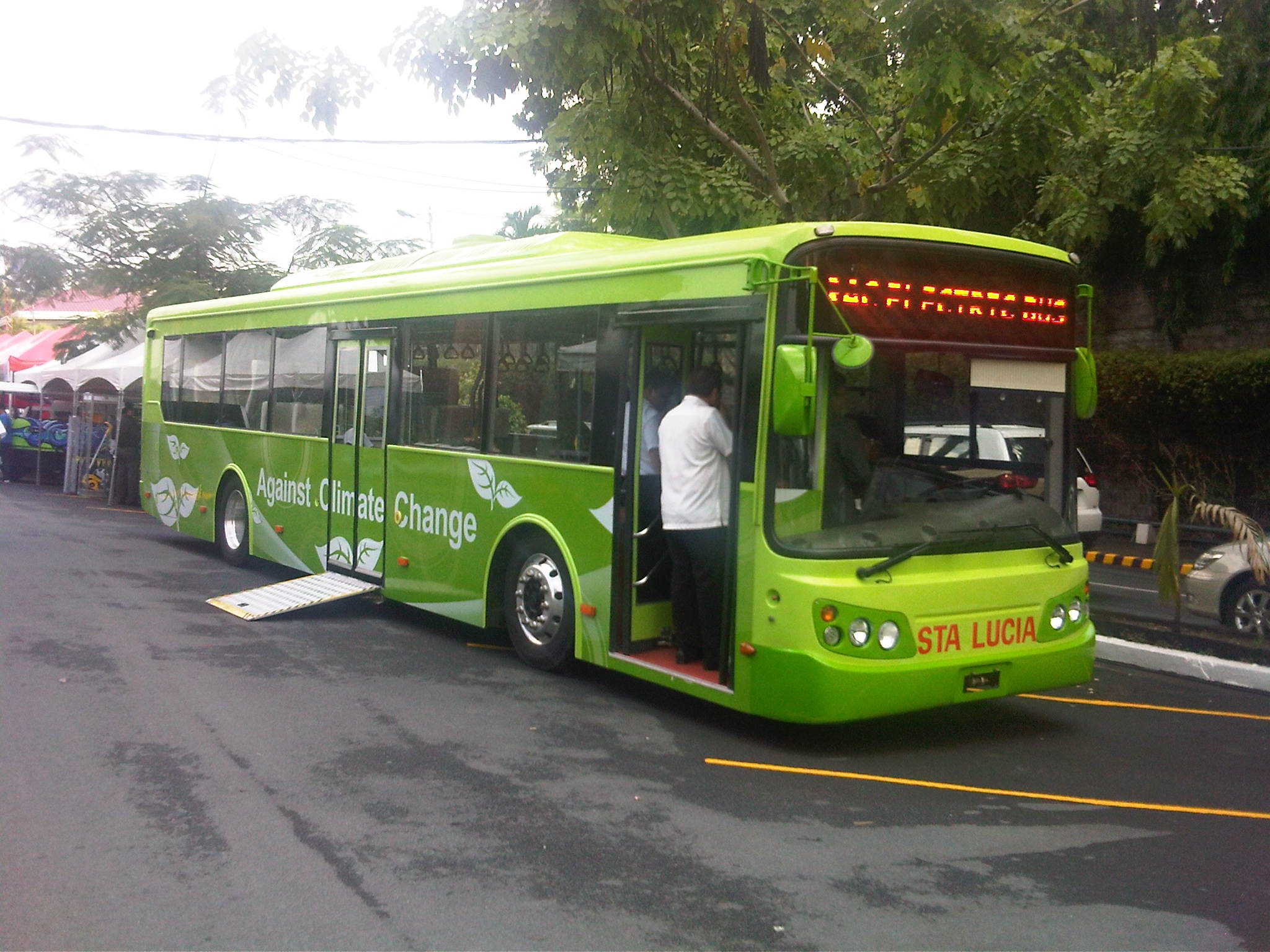 This electric bus was imported from Taiwan by the Victory Liner Inc.., which is among the largest provincial bus operators in the Philippines. The first thing I noticed is that the bus has a low floor, perhaps the same height as most curbs, but this can be a concern considering many of Metro Manila’s streets are subject to flash floods during the wet season.
 The interior and layout is perhaps the most appropriate for buses with city operations. There is sufficient standing space from the front to the middle of the bus. Seats here are usually for the elderly or physically challenged and includes space for a wheelchair. Most city buses in Metro Manila have layouts that are suitable for long distance trips, with many seats and often narrow corridors.
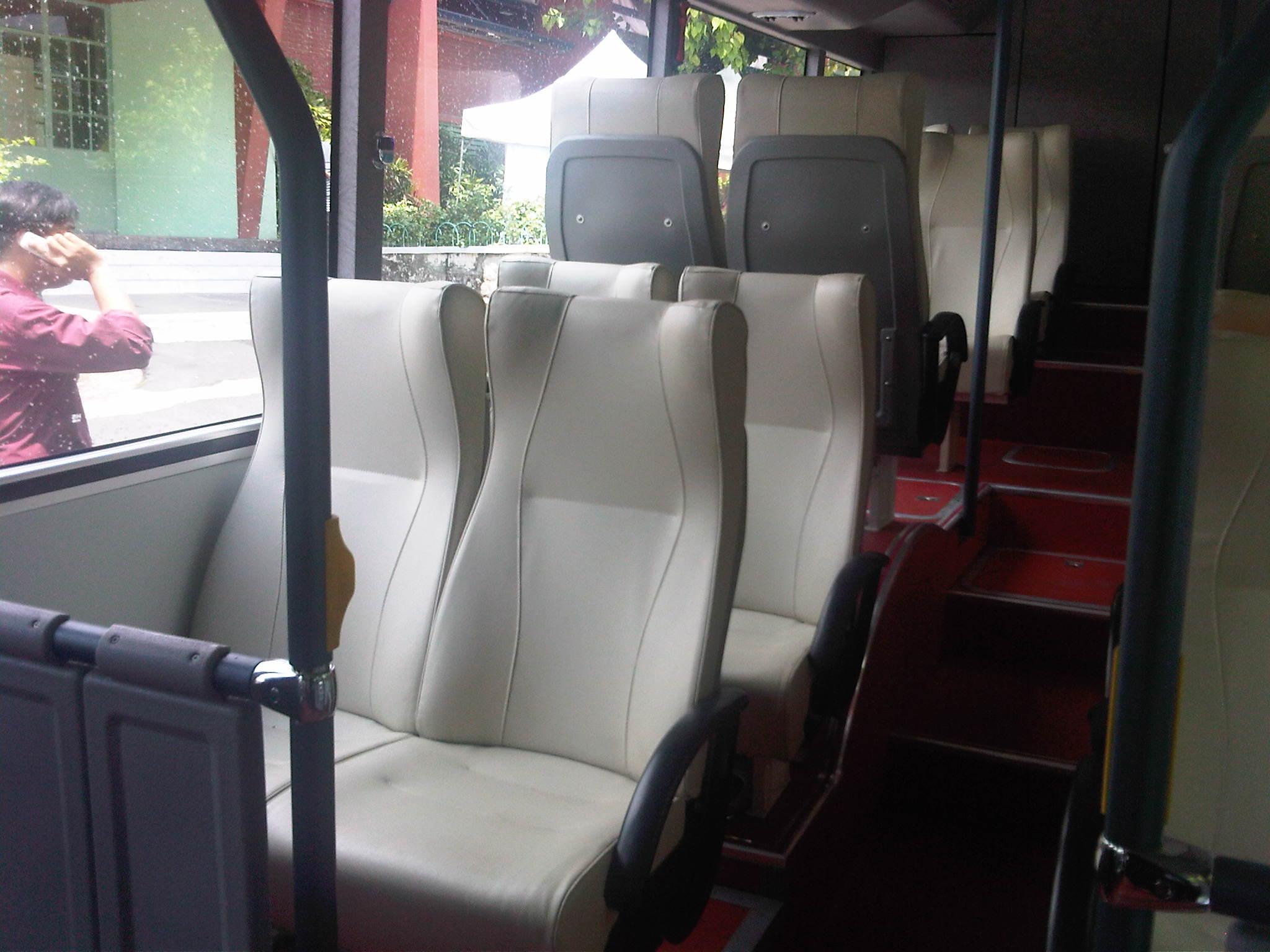 The seats at the back look very inviting and I assume are comfy for long rides not because of distances but congestion. Obviously, these seats and especially those at the back, which require passengers to negotiate a few steps are free for all though those in the lower level may be reserved for the elderly, physically-challenged or pregnant women.
 A look at the driver’s seat with the emblem of the manufacturer, RAC, on the steering wheel. I saw an article on the electric bus stating its specs (top speed of 95 kph and range of 270 km on a single charge). I’m really not worried about the specs given the advances in technology these days. I think it will still boil down to driver behavior when it comes to the question of road safety and the provision of efficient services for the public.
 Unlike most city buses in the Philippines, this bus has 2 doors. The one at the front may be used for entrance and there’s space for transactions, i.e., payment of fares, showing passes or swiping of cards. The one at the back is wider for more efficient unloading of passengers. There is also a provision for a ramp that can be used by persons on wheelchairs.
The potential benefits derived from electric buses are quite obvious from the environmental perspective. I like its chances for success considering that the initiative is being pushed by a major company like Victory, which might have to show the way by being an example and be the first to deploy these buses on an actual route. Victory’s business, however, is in provincial operations so there should be at least one taker from among the companies operating in Metro Manila to use these buses on a route.
For demonstration purposes, I think Bonifacio Global City with its Fort Bus service can provide a good route for a start. The Fort is ideal for such electric buses given the current demand and route length. Charging stations may also be provided at the route ends, particularly at the Market! Market! transport terminal. Another option might be Katipunan, with electric buses allowed to enter the Ateneo campus and perhaps help alleviate traffic congestion there by encouraging their students and staff to use public transport. One end may be at the UP Diliman campus where the buses may also be allowed to enter the campus but perhaps take a route that won’t necessarily compete with jeepneys on campus (e.g., Academic Oval). Deciding the other end of the route would be a bit tricky but one option can be near SM Marikina where a secure terminal can be established and sufficient space for “park and ride” or “kiss and ride” operations. These might just be success stories in public transport waiting to happen.
–
Electric vehicle revolution in the Philippines
It started with the deployment of the first electric jeepneys and tricycles about 5 years ago. Today, electric vehicles are the rage in the Philippines with public transport being the main application of the e-vehicles. Makati already has 3 operational e-jeepney routes including the first e-vehicles to be registered and the first franchise for public transport. E-trikes have been operating in Bonifacio Global City in Taguig as well as in limited numbers in Puerto Princesa, Surigao and Boracay. During the 2nd Electric Vehicle Summit held last May 24-25, 2012 at the Meralco grounds, models of various electric vehicles for private and public transport use were on display for people to inspect and appreciate. These included cars, motorcycles, tricycles, jeepneys and a bus. Special mention goes to the Segway booth and its clone, which featured more personalized modes that are not really in the same category as most of the e-vehicles on display.
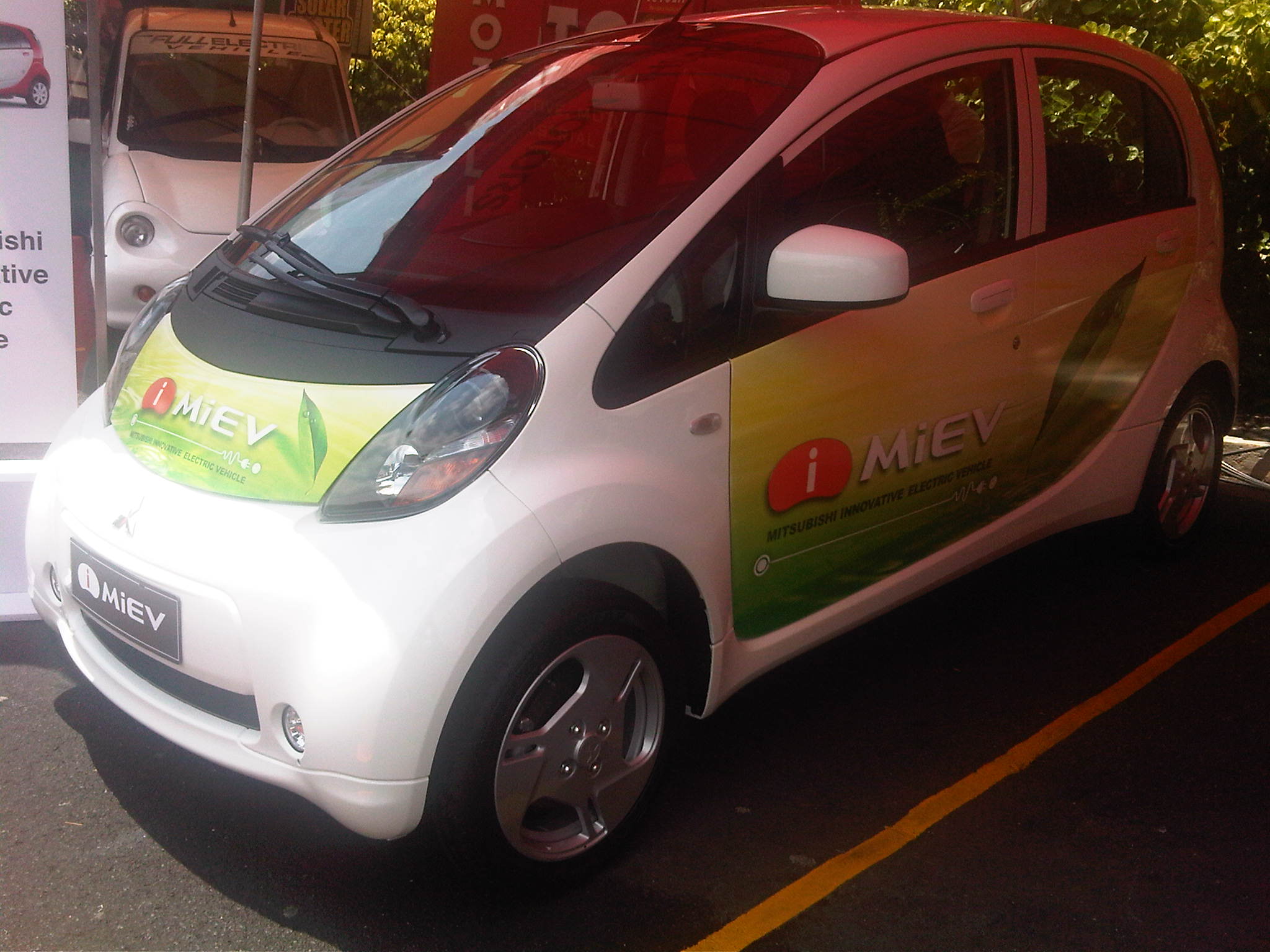 Mitsubishi’s entry in the local market is via the MiEV, a unit of which was donated to the Department of Energy (DOE)
 The REVAi is a small car produced by an Indian company. The logo on the car is of the leading battery company in the country.
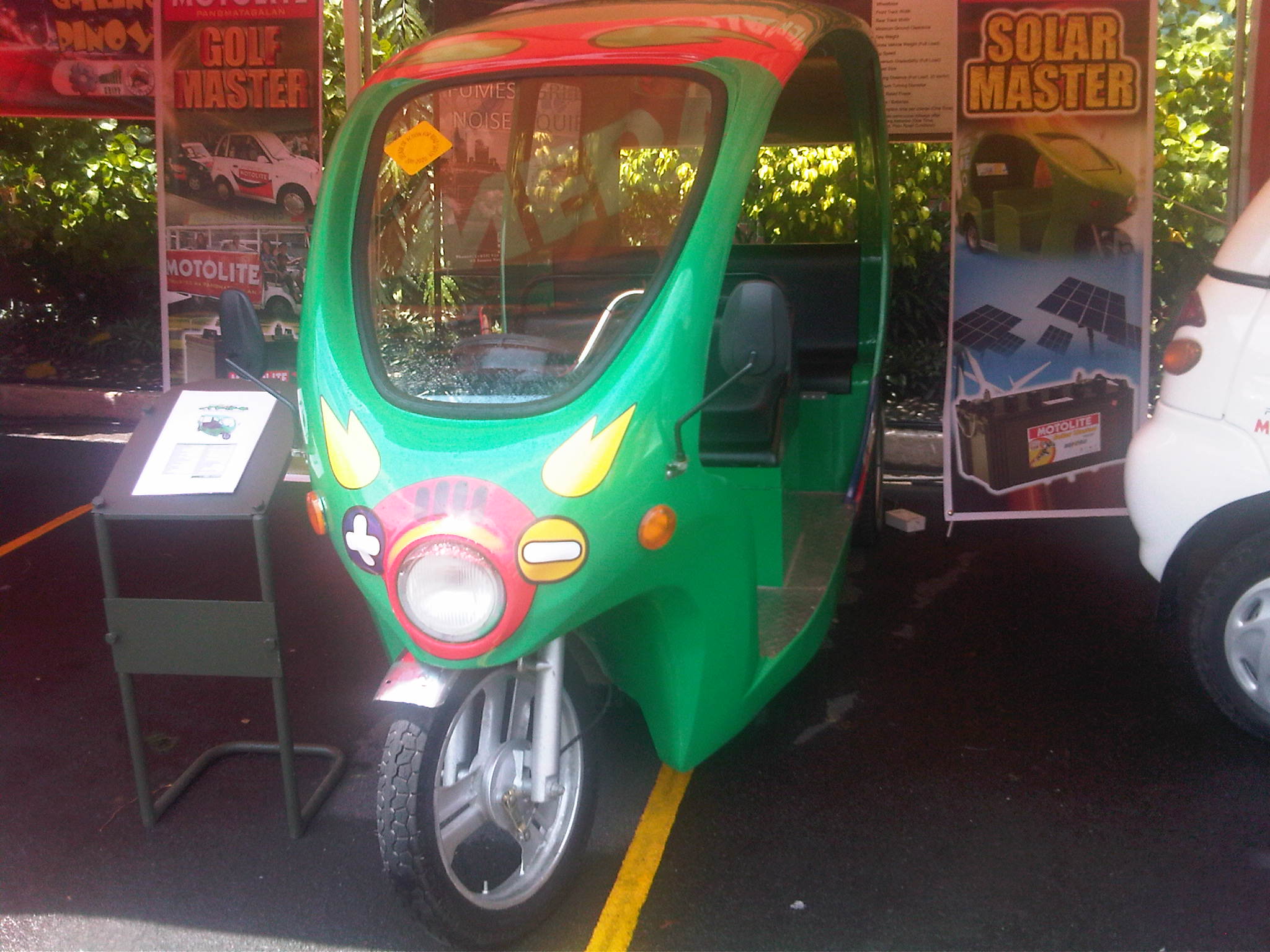 A locally assembled electric tricycle that is now popular in tourist areas like resorts.
 The 4-wheeled e-vehicle dubbed as the E-quad that is locally assembled.
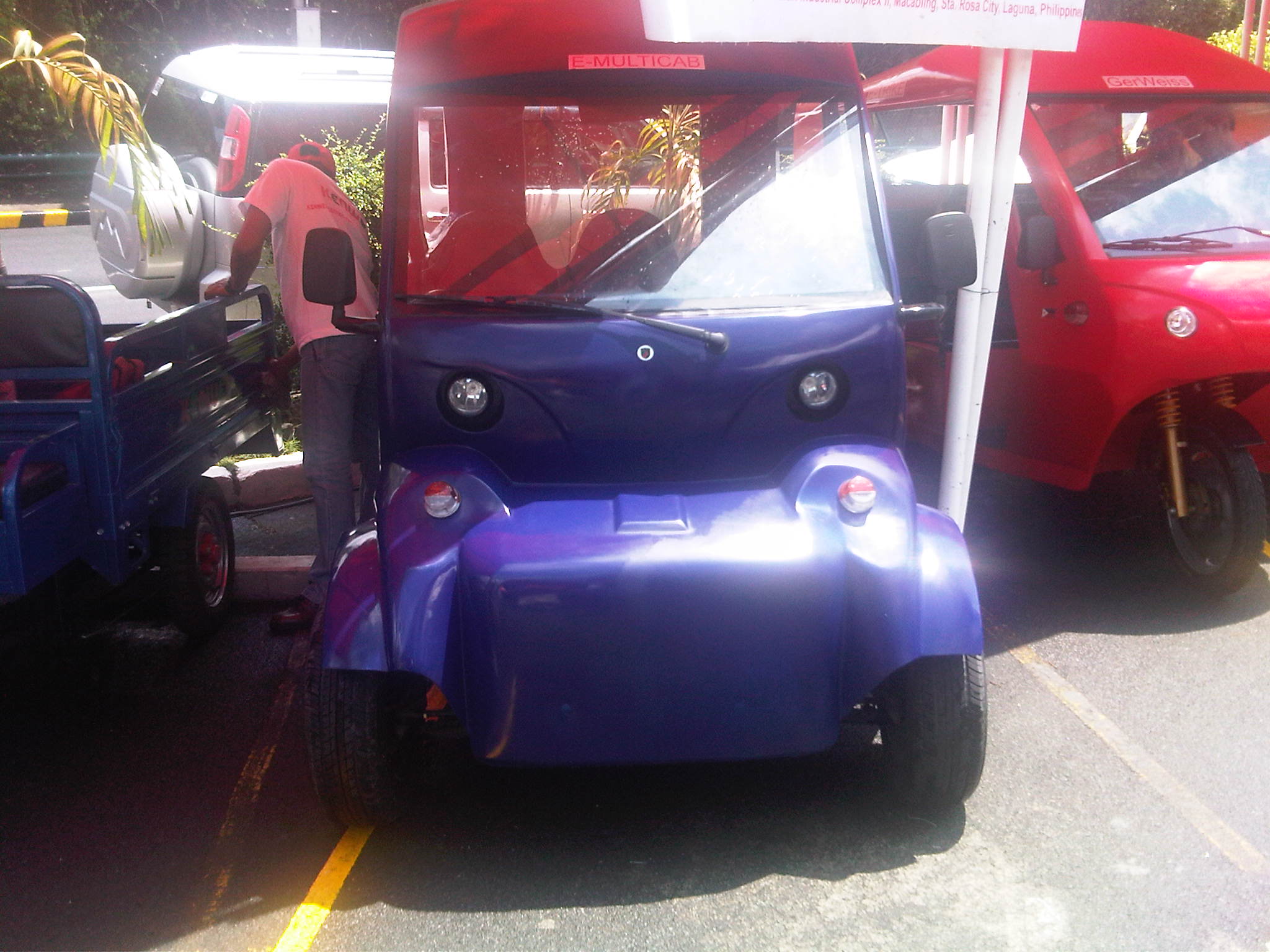 Variants of 3- and 4-wheeled e-vehicles including one (visible on the left) that is designed as a pick-up or delivery vehicle. All are made by local companies.
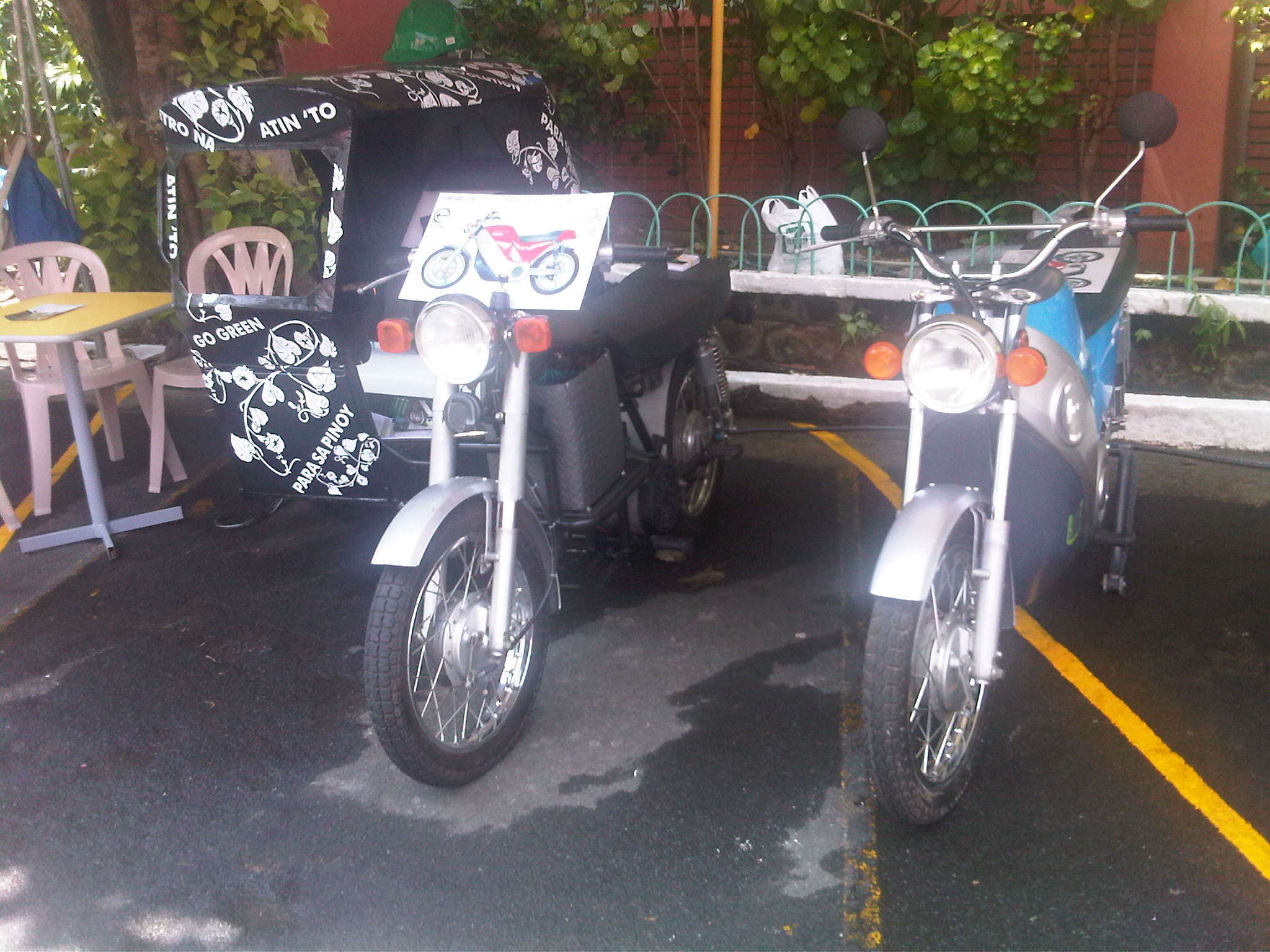 Electric motorcycles with one having a sidecar, which is the same form of the traditional tricycles that are the dominant public transport mode in local roads, many small cities and rural areas in the country.
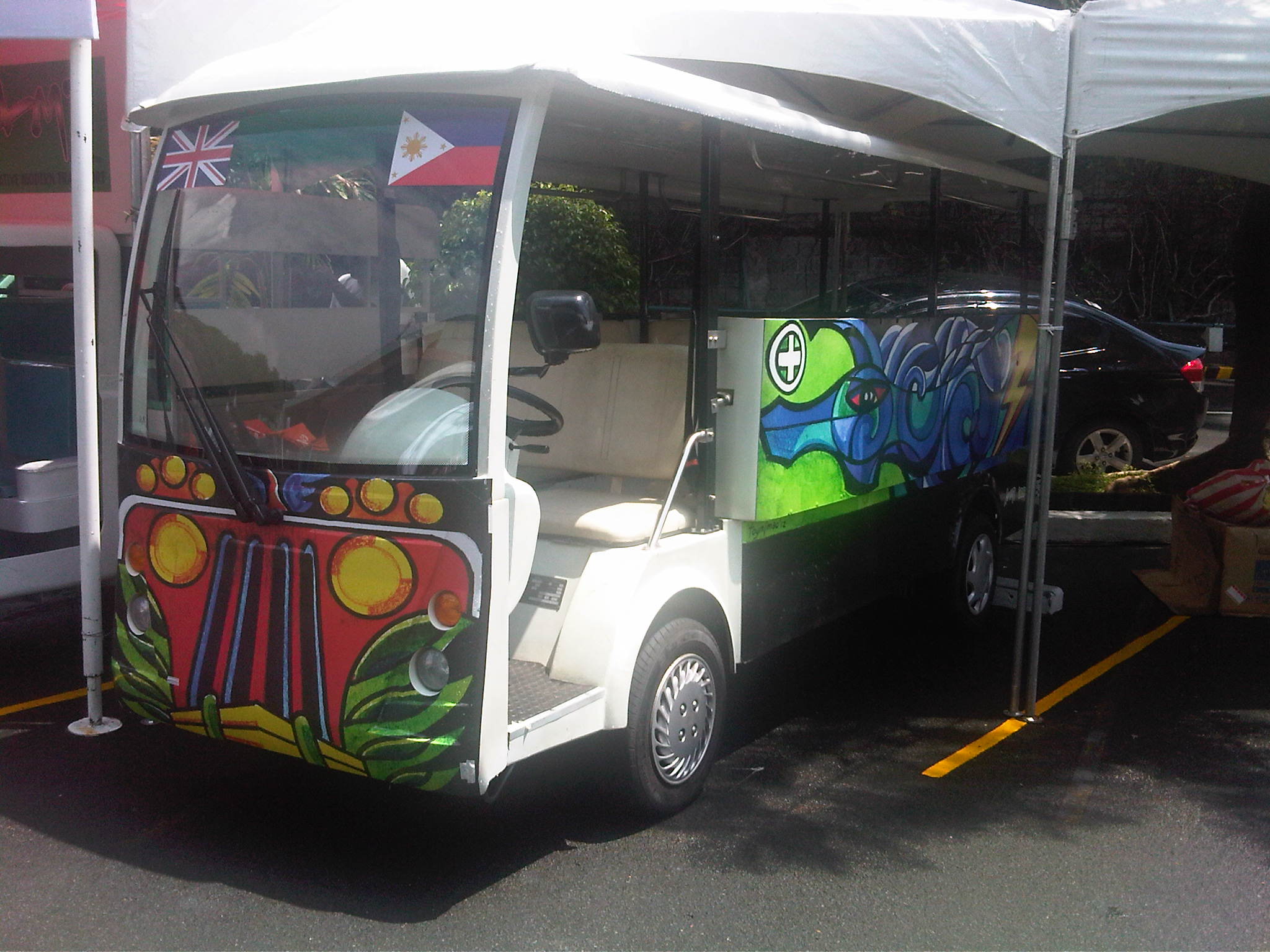 The electric jeepney that is also locally assembled with the motor and controller the only major components that are imported. I think this model is the latest one and has a more powerful motor that allows the vehicle to negotiate steeper slopes. Other models are currently operating in Makati City (CBD) and as shuttles in shopping mall complexes and industrial areas.
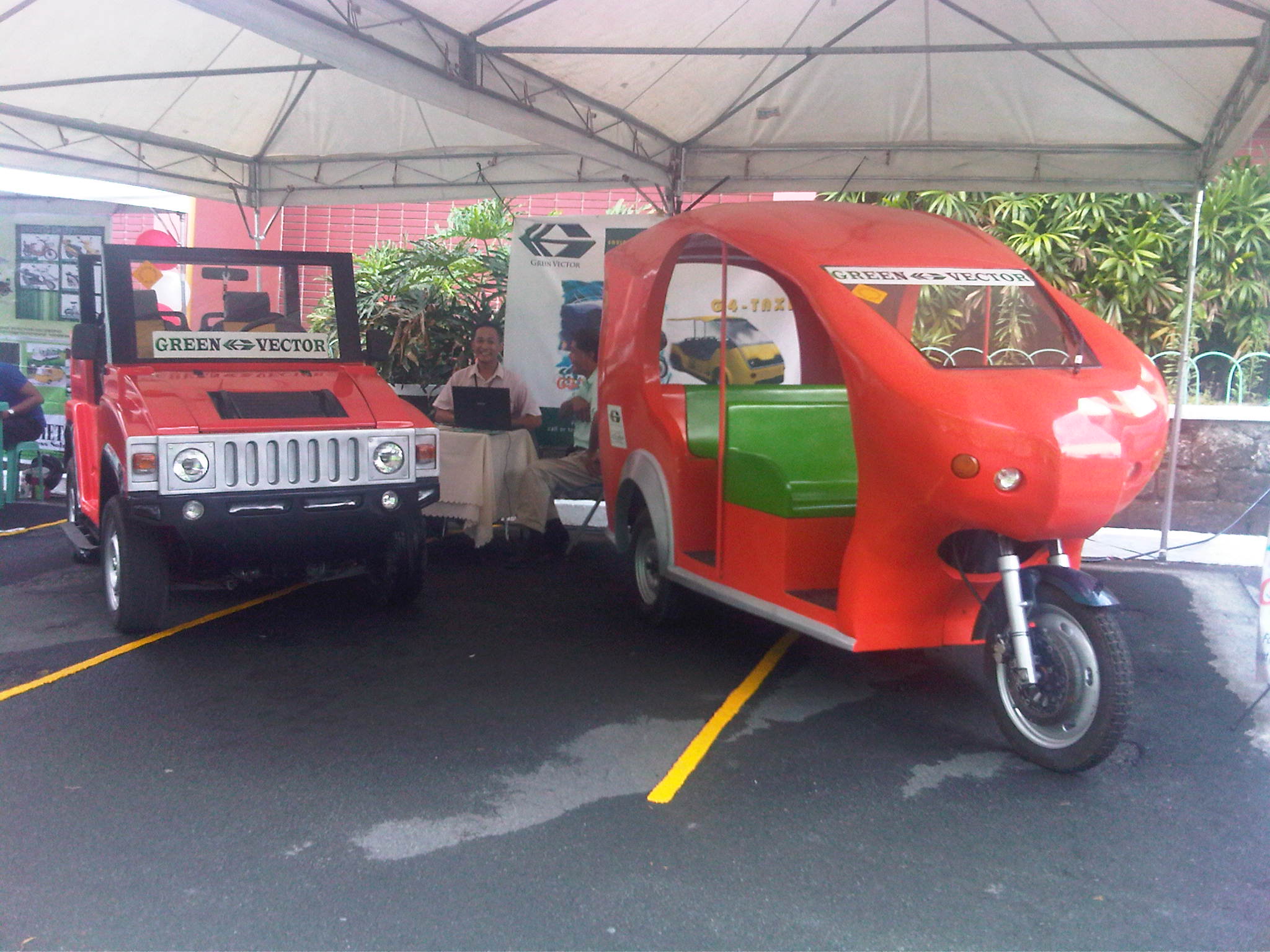 Another e-trike with form similar to the Thai tuktuks and another, a 4-wheeler, made to look like the popular Hummer vehicles.
 Electric scooters on display outside the summit venue
 The electric bus imported by a company affiliated with Victory Liner, one of the largest provincial bus companies in the Philippines was a popular attraction during the summit.
There are still many issues pertaining to the deployment or operations of e-vehicles in the Philippines. Among the more important ones involve costs and the need for infrastructure such as charging stations to support e-vehicles. Unlike the experiences in other countries, especially in Europe, the e-vehicle initiatives in the Philippines are mainly for public transport rather than for private use. In fact, the DOE’s E-trike project together with the ADB looks to the deployment of 100,000 e-trikes to replace traditional tricycles around the country. This seems to be a small initiative considering Metro Manila alone has about 250,000 legally operating tricycles (there are quite many illegally operating units) and an estimated more than 1.5 million legal units around the country. But such initiatives if carried out and evaluated scientifically, systematically and objectively will surely go a long way to addressing transport problems in this country. The Makati e-jeepneys already provide a good model for replication elsewhere and soon, more studies will be underway to evaluate such vehicles in comparison with the traditional jeepneys and the emerging Auto-LPG variant. With an impending law that will provide incentives for electric, hybrid and other alternative-powered vehicles, e-vehicles will be here to stay and perhaps effect a transformation of Philippine transport.
–
Melaka central bus terminal
Trips between Singapore and Malaysia are quite frequent given the proximity between the two countries (Singapore used to be part of Malaysia.) with a lot of people employed just across the borders and Malaysia being a popular destination for shopping and recreation. In fact, the first Premium Outlet in Asia is located in Johor, Malaysia, which is just across the border from Singapore. On a weekend trip to Melaka (Malacca), we took an express bus that made only 3 stopovers including one each for immigration control/processing in Singapore (exit) and Malaysia (entry). On the way back, we only had an extra stopover due to a fellow passenger requesting for a toilet break.
Arriving at Melaka, I was impressed with the central bus terminal, a sprawling complex that connected with commercial establishments around it. Inside the terminal, there are many shops and restaurants so one doesn’t need to leave the terminal to eat or to make some last minute shopping. Good buys are rubber sandals much like those being sold under Brazilian brands. Malaysia is a major producer of rubber and the sandals made in Malaysia are of high quality but less expensive than the Brazilian and perhaps Chinese counterparts.
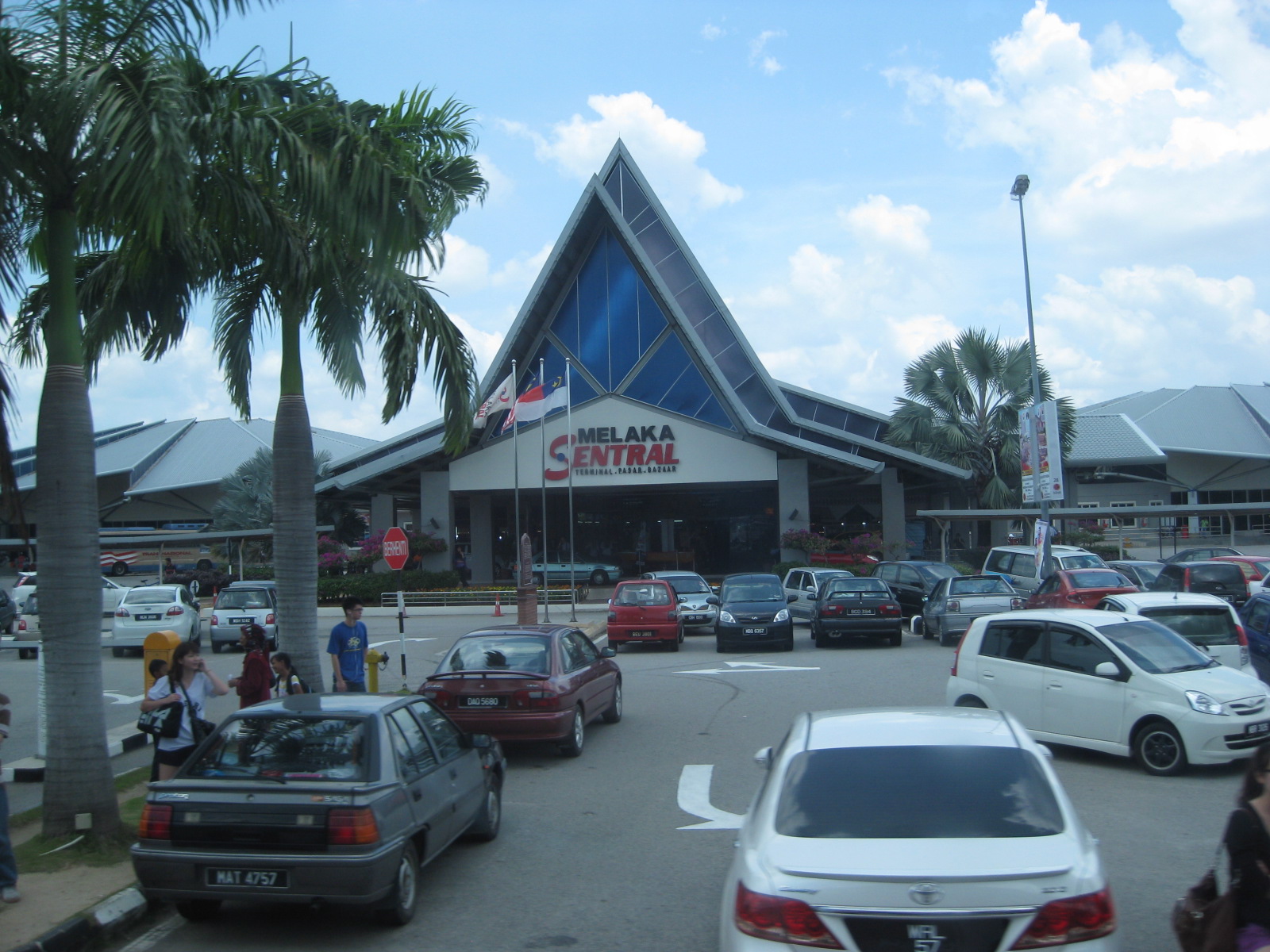 Terminal building and parking
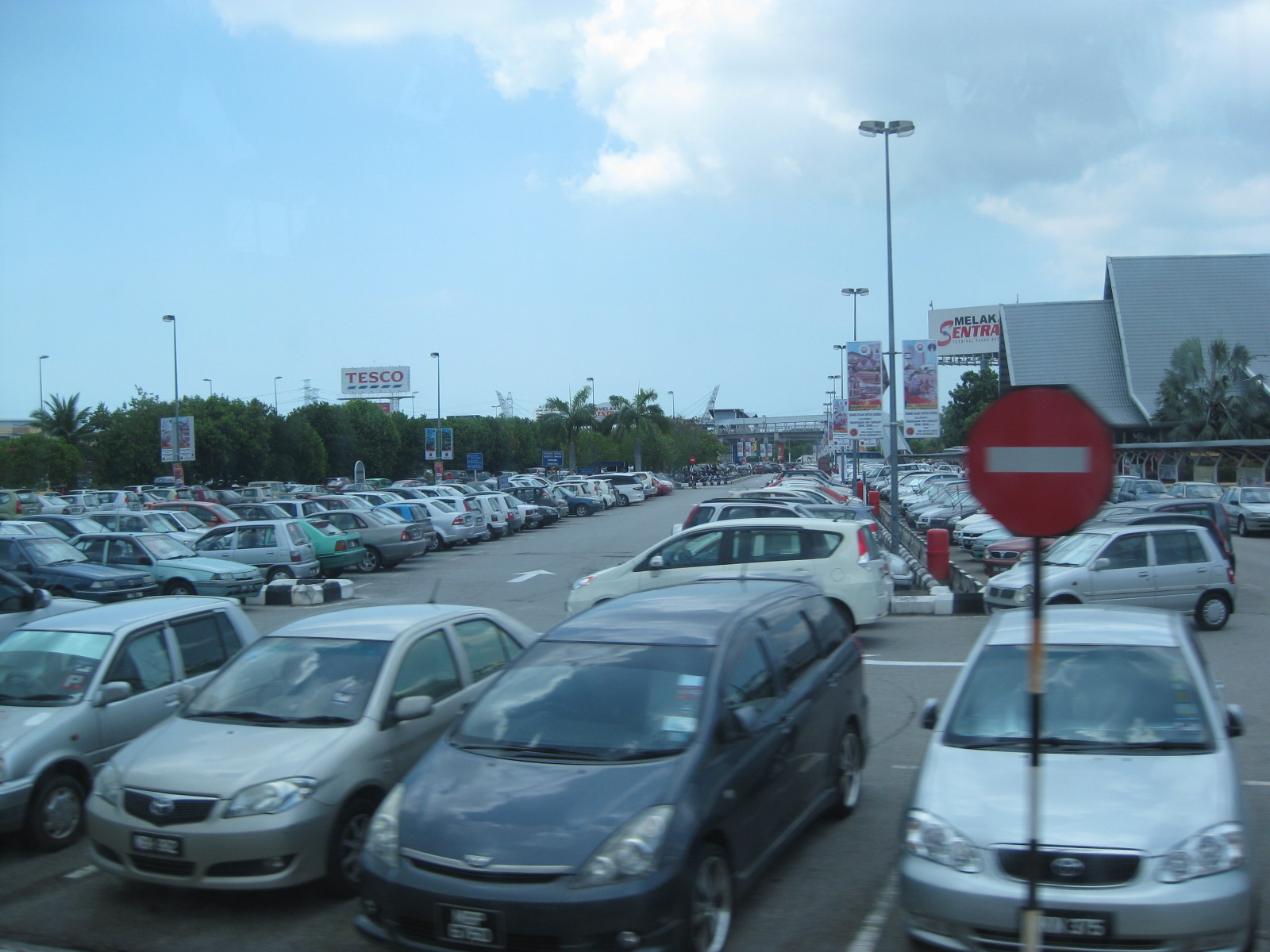 A look at the spacious parking area around the terminal.
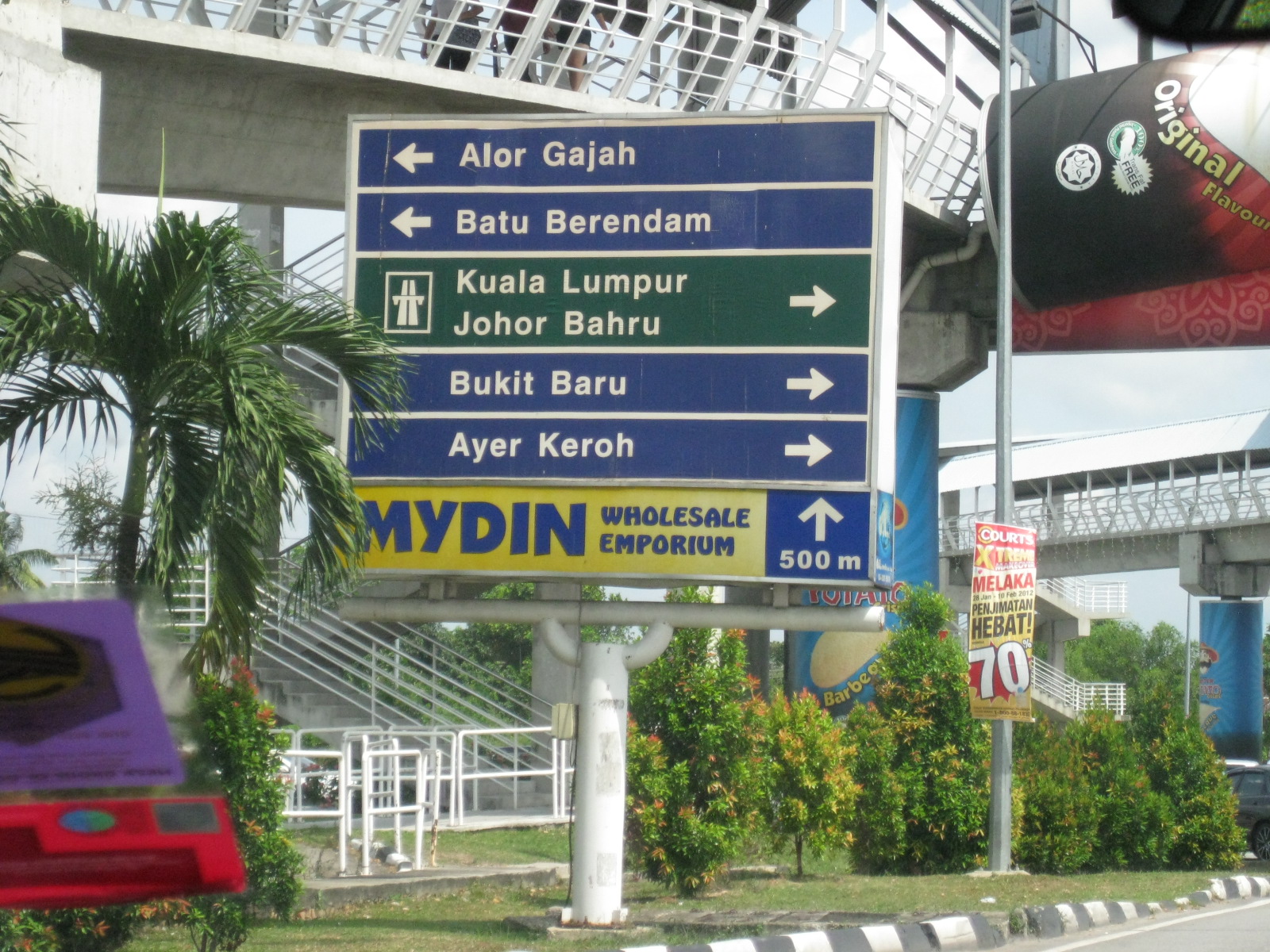 Directional sign to guide visitors (probably sponsored by the emporium indicated at the bottom).
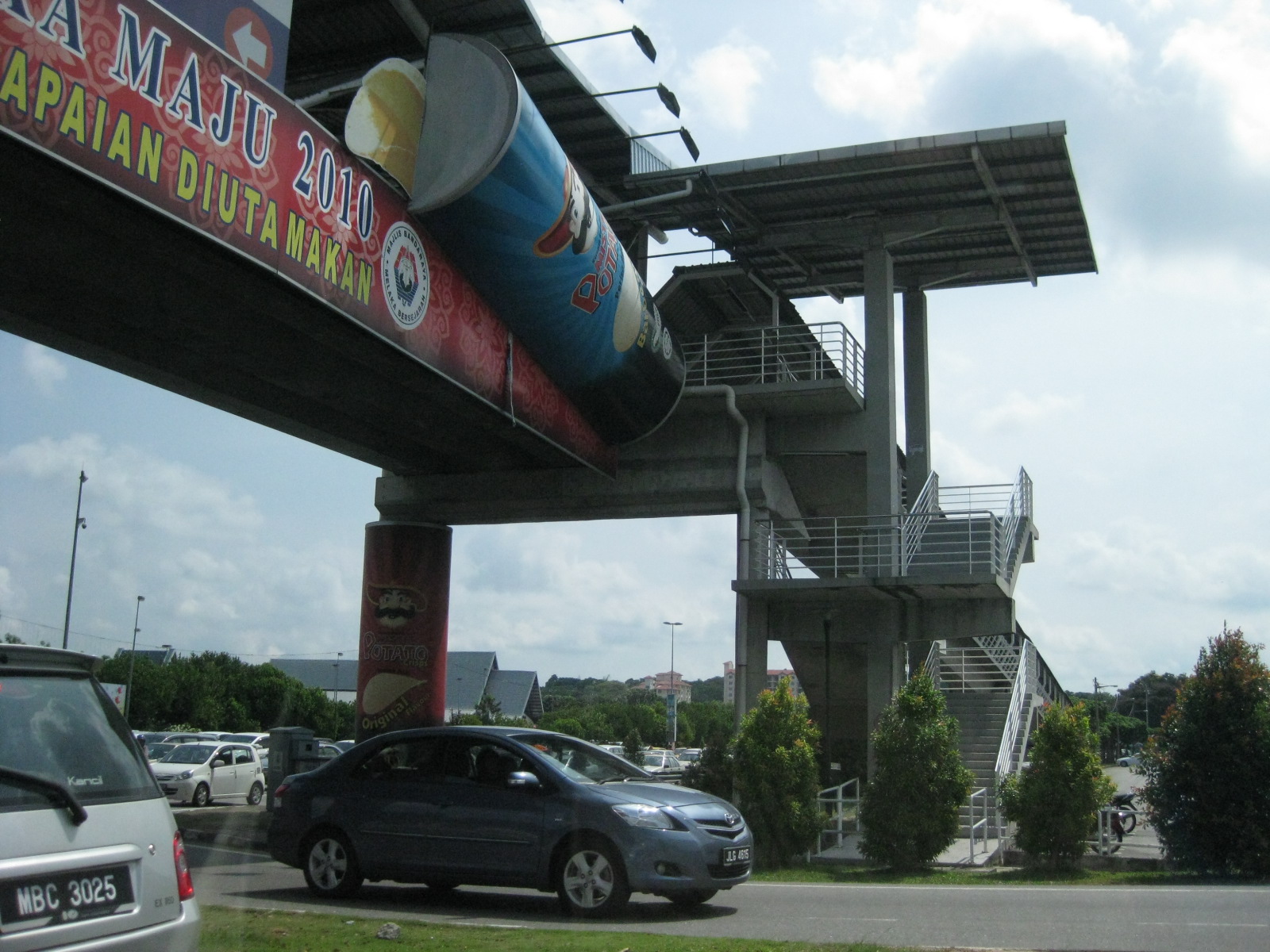 Pedestrian overpass for people crossing the busy highway in front of the terminal.
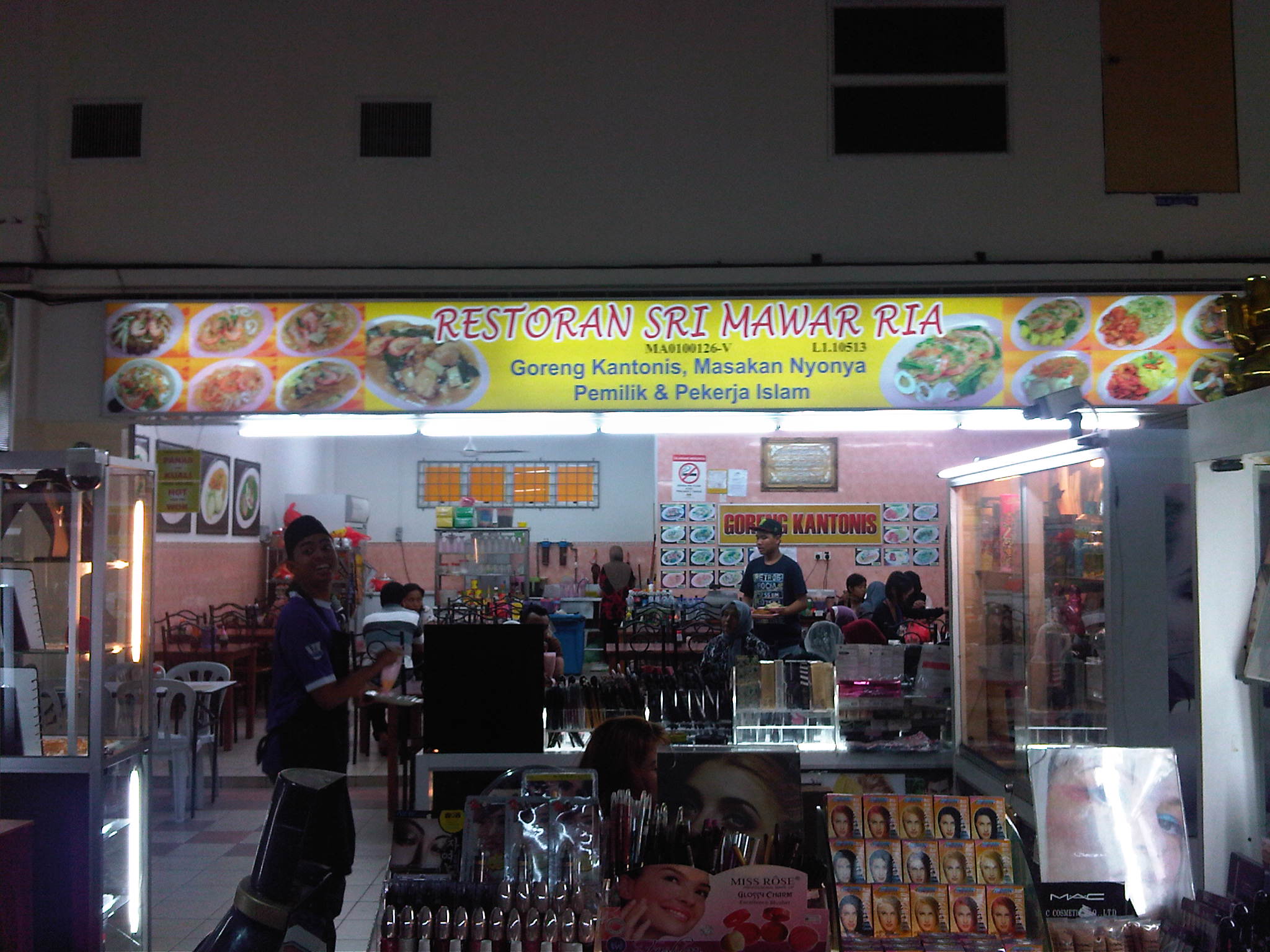 There are many restaurants and shops inside the terminal, which is by itself a commercial establishment.
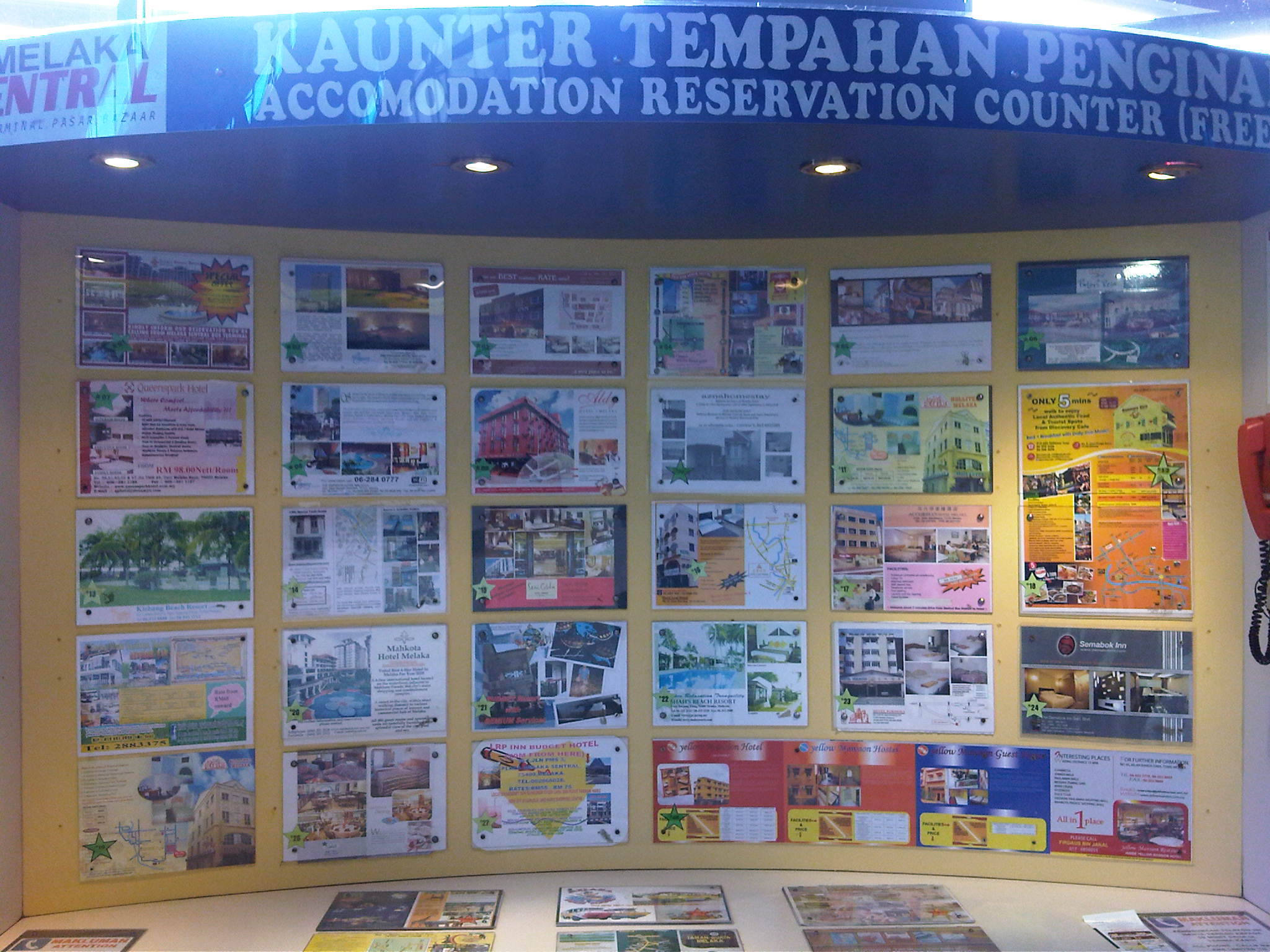 Hotel/accommodations information for travelers are posted at the terminal.
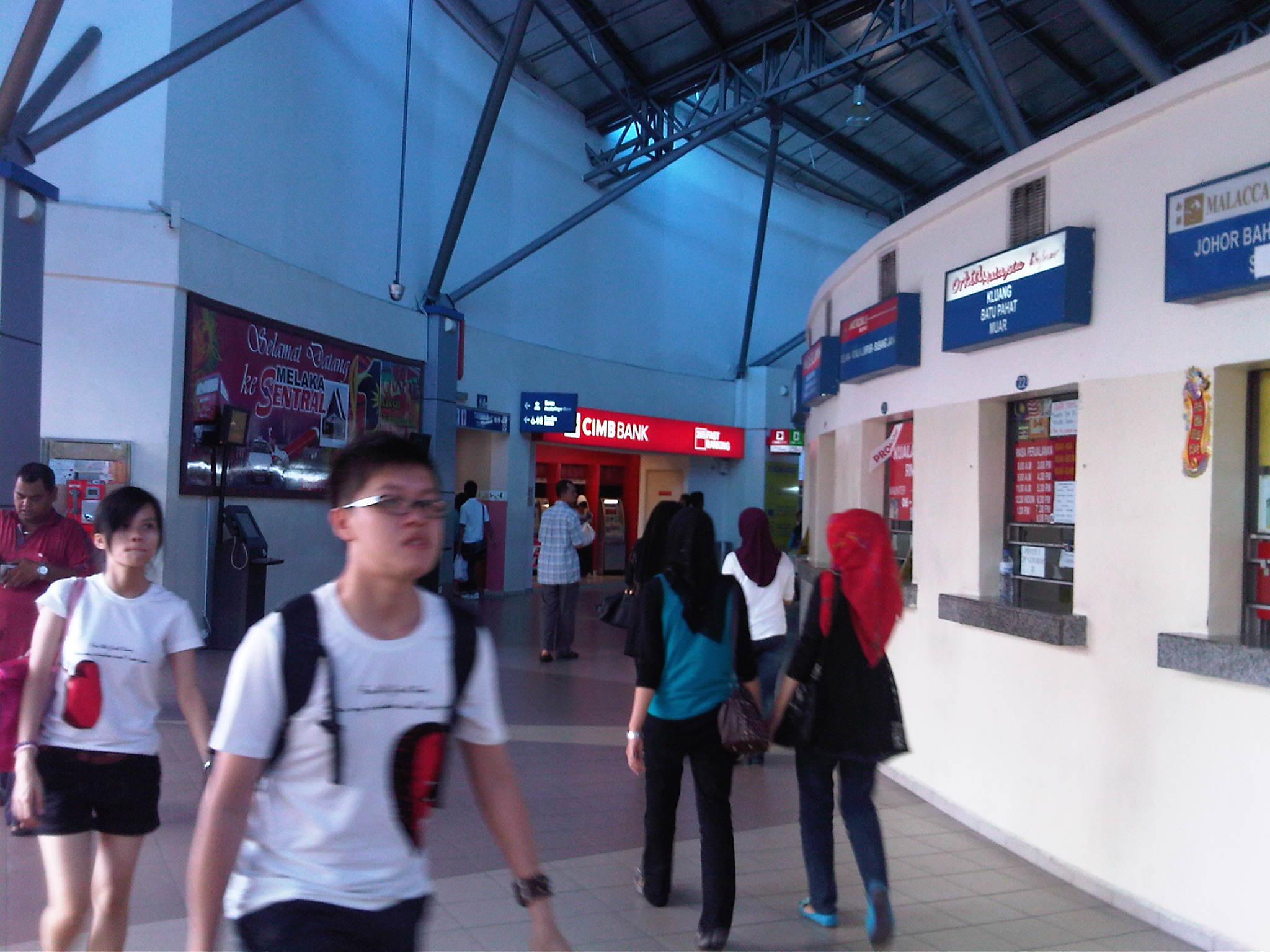 The different bus companies operating out of the terminal have their booths were travelers may buy/reserve tickets.
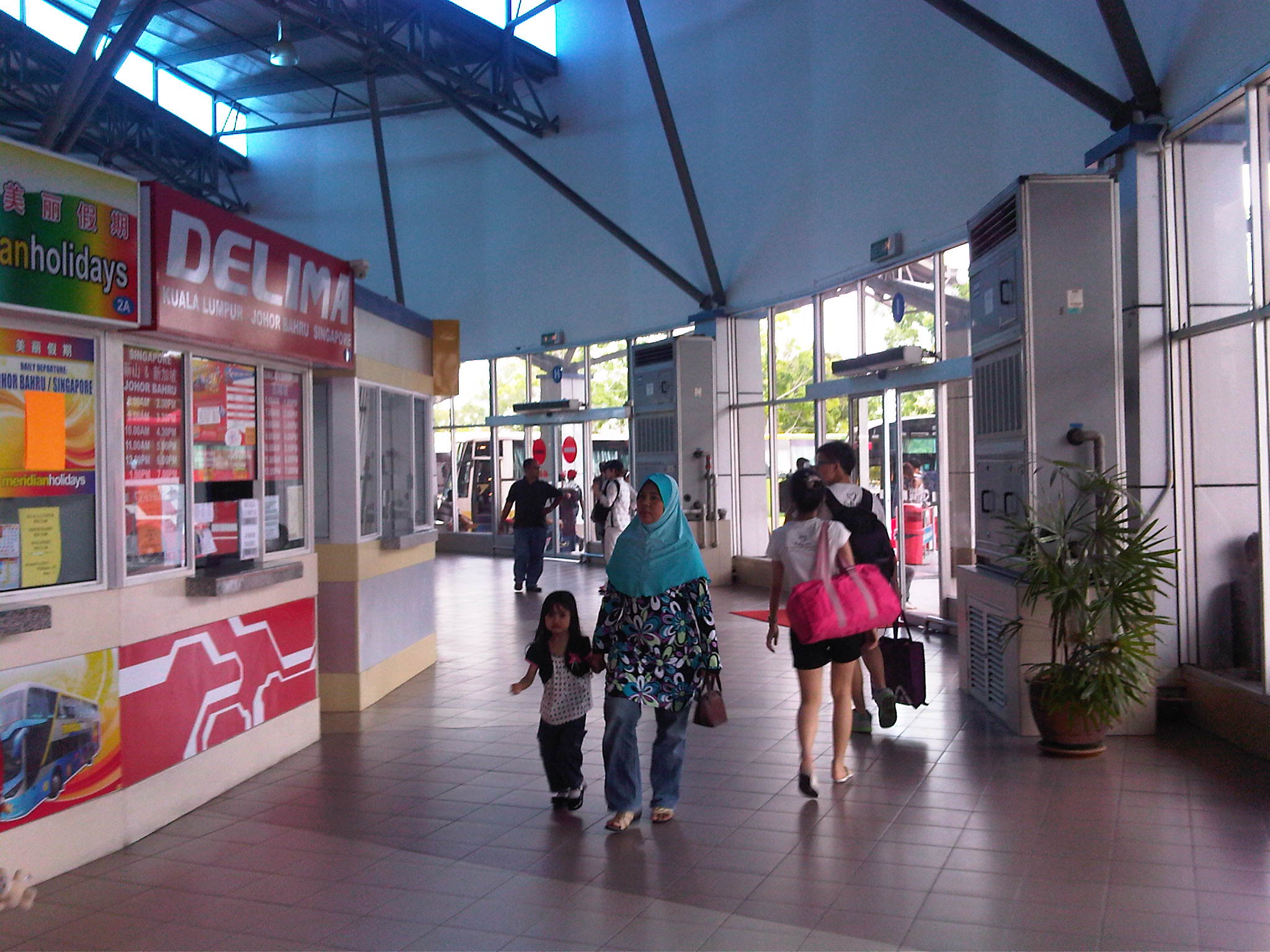 The ticketing area is spacious and there were no long lines, in part due to the availability of online (internet) ticket purchases. Seating is not free for all so travelers need to reserve or purchase tickets ahead of travel in order to get good schedules and seats.
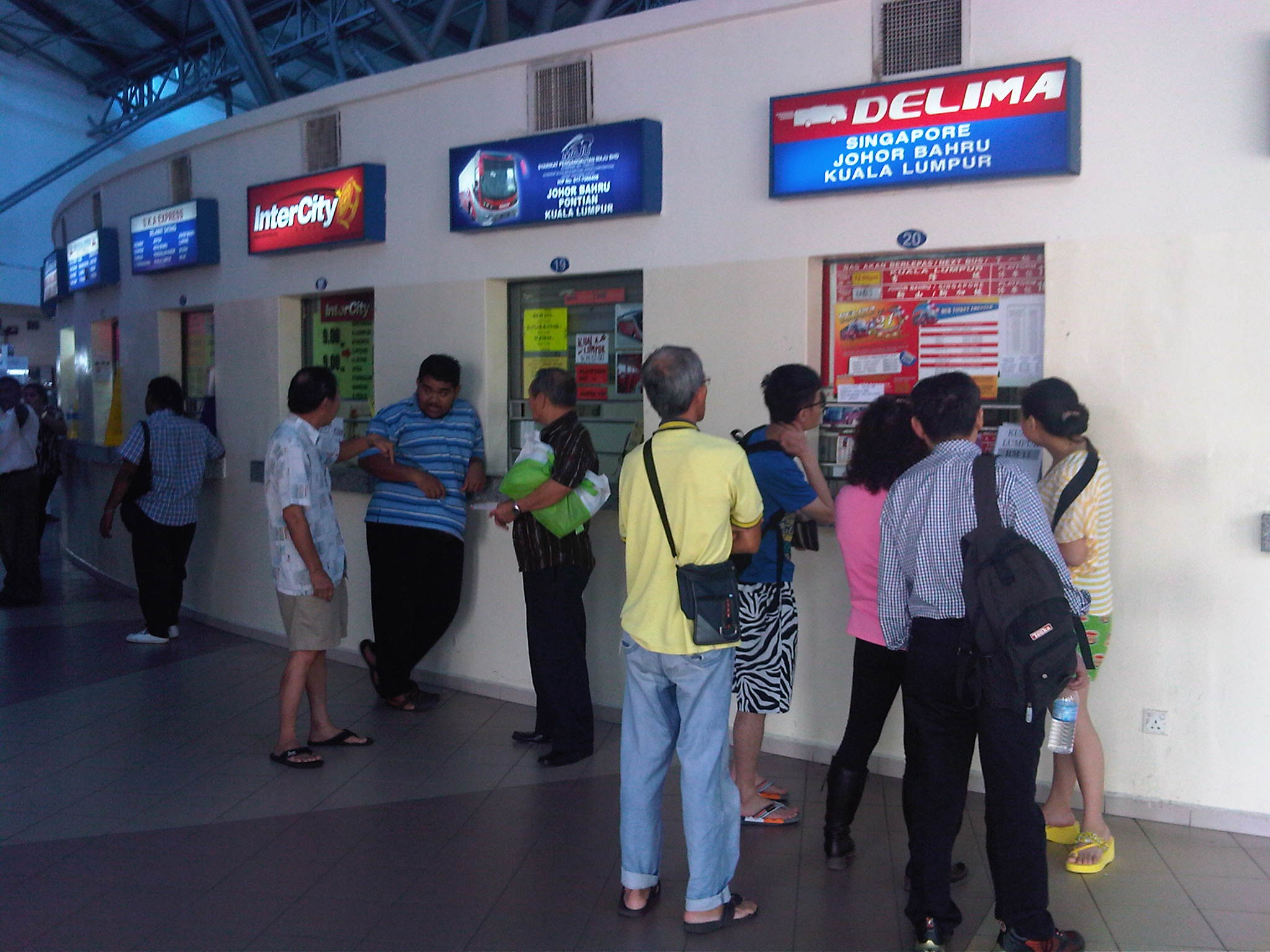 One can purchase tickets to any point in Malaysia (local long distance trips) and Singapore (another country) is among the most popular destinations. Schedules and fares are posted for information of travelers.
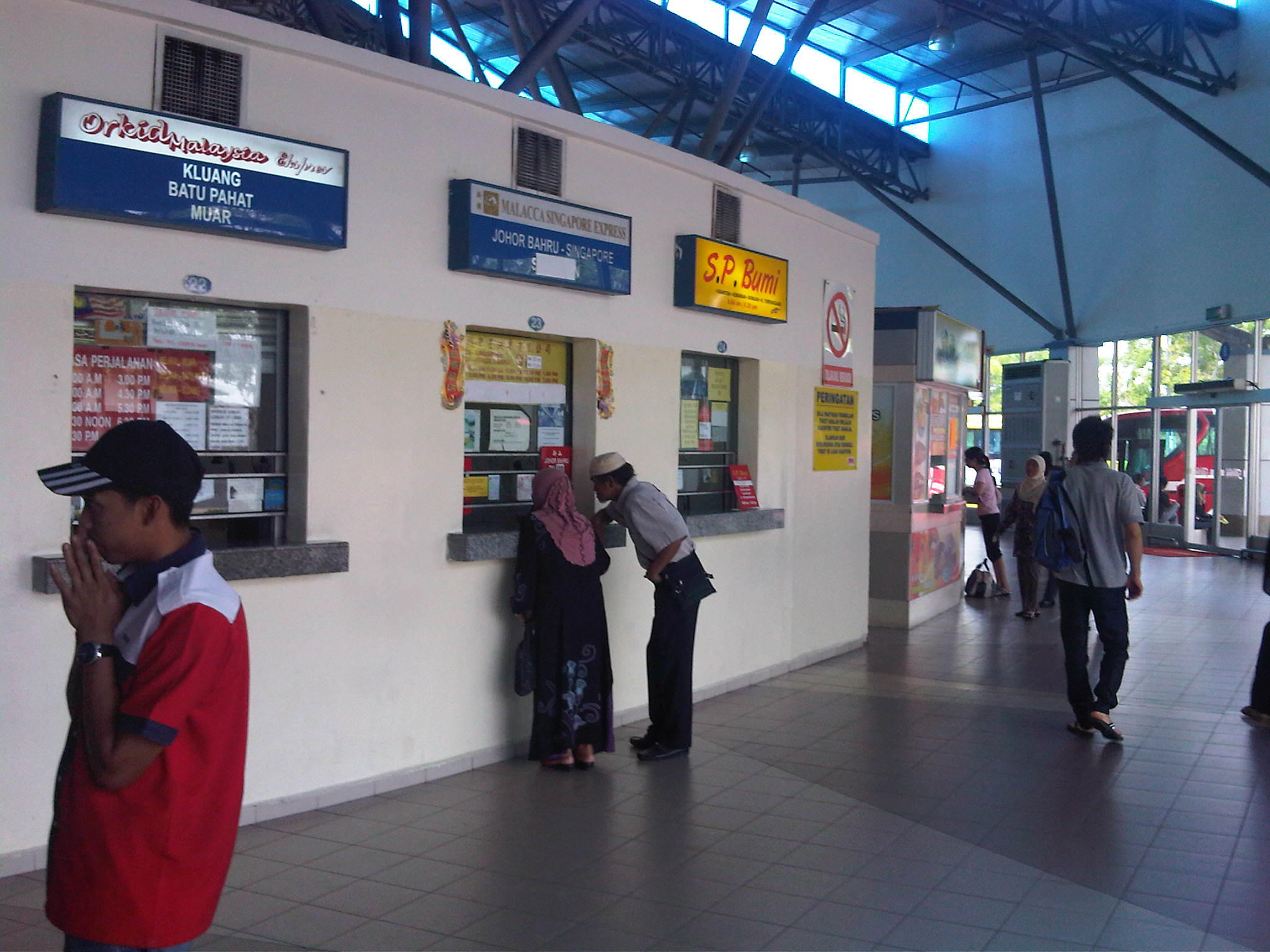 There are many choices among the bus companies but I would strongly recommend Starmart Express buses when traveling between Singapore and Malaysia. They provide excellent service and have well-maintained buses. One can purchase tickets online and claim these at their booths/stations.
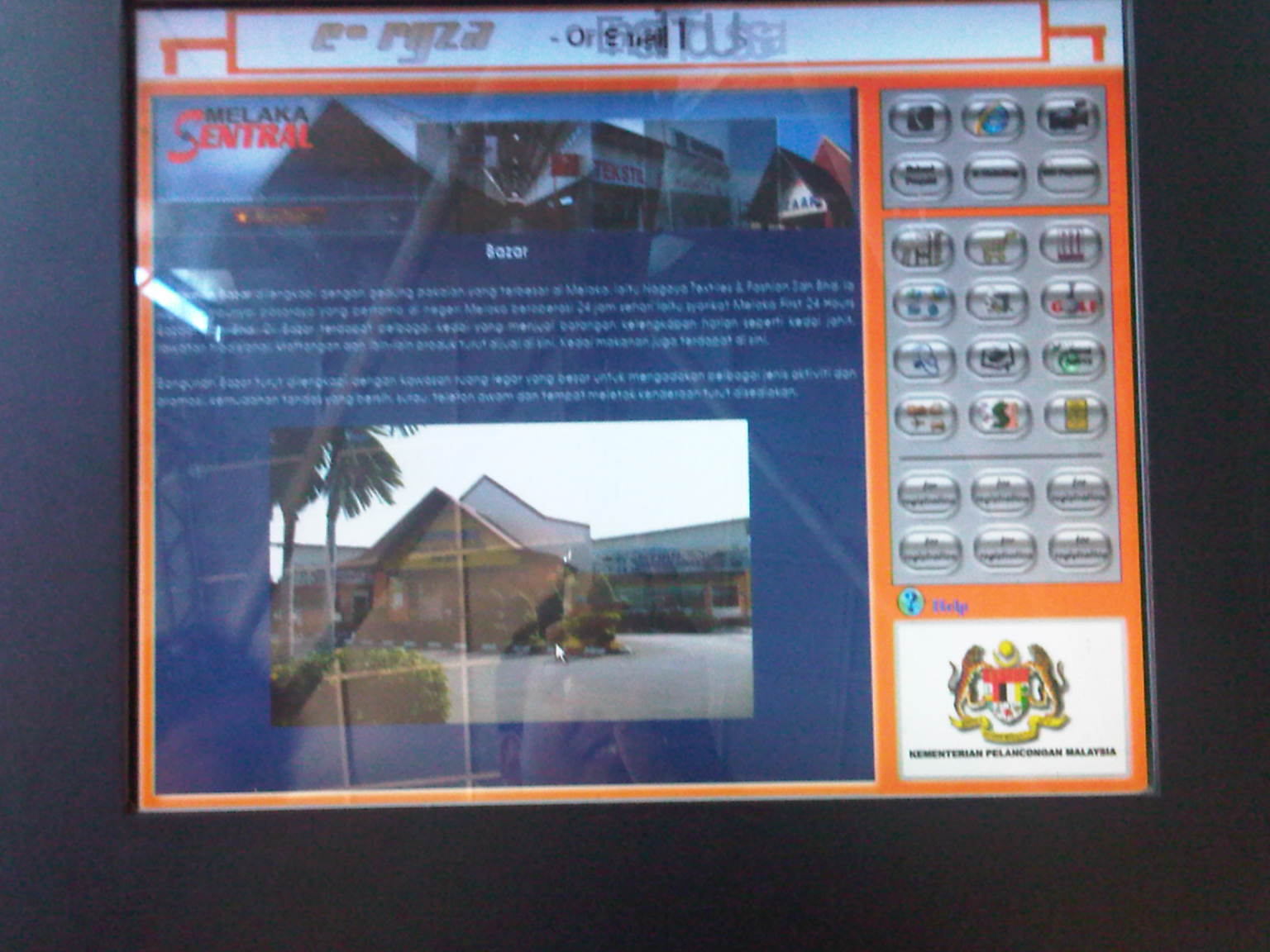
Interactive information screen at the terminal
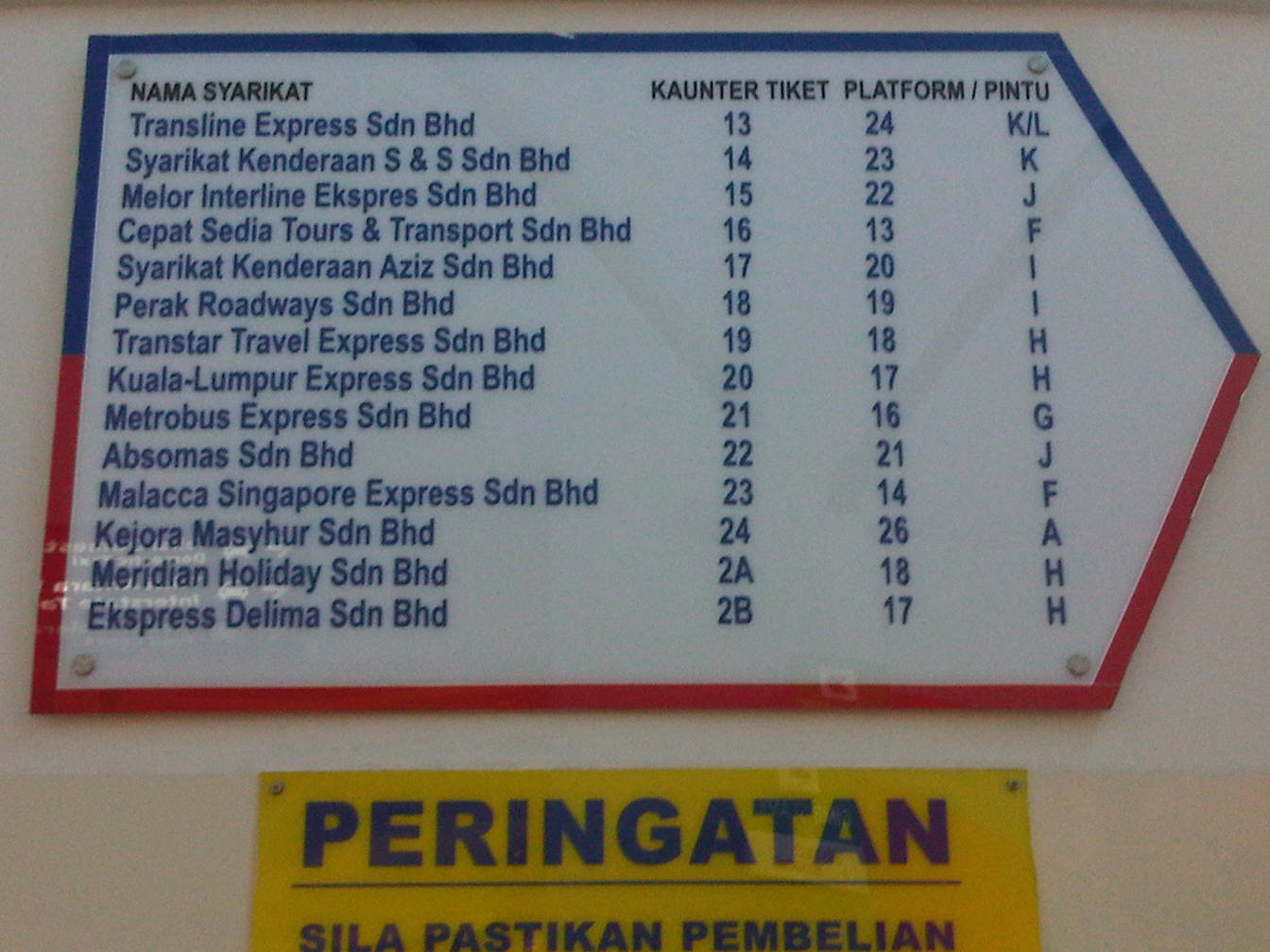 Static information board for the locations of bus company booths at the terminal
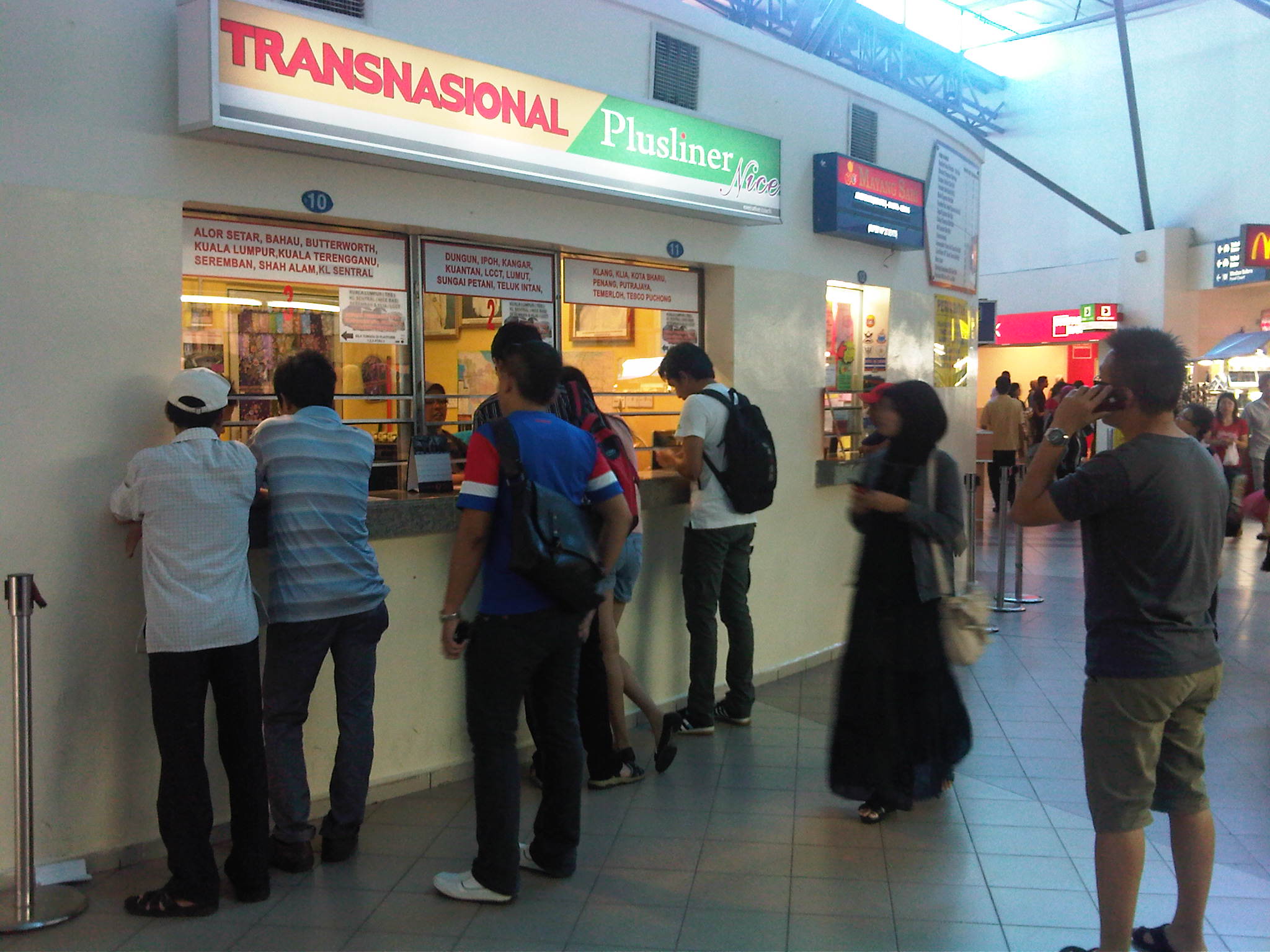 Travelers lining up before a booth to purchase tickets
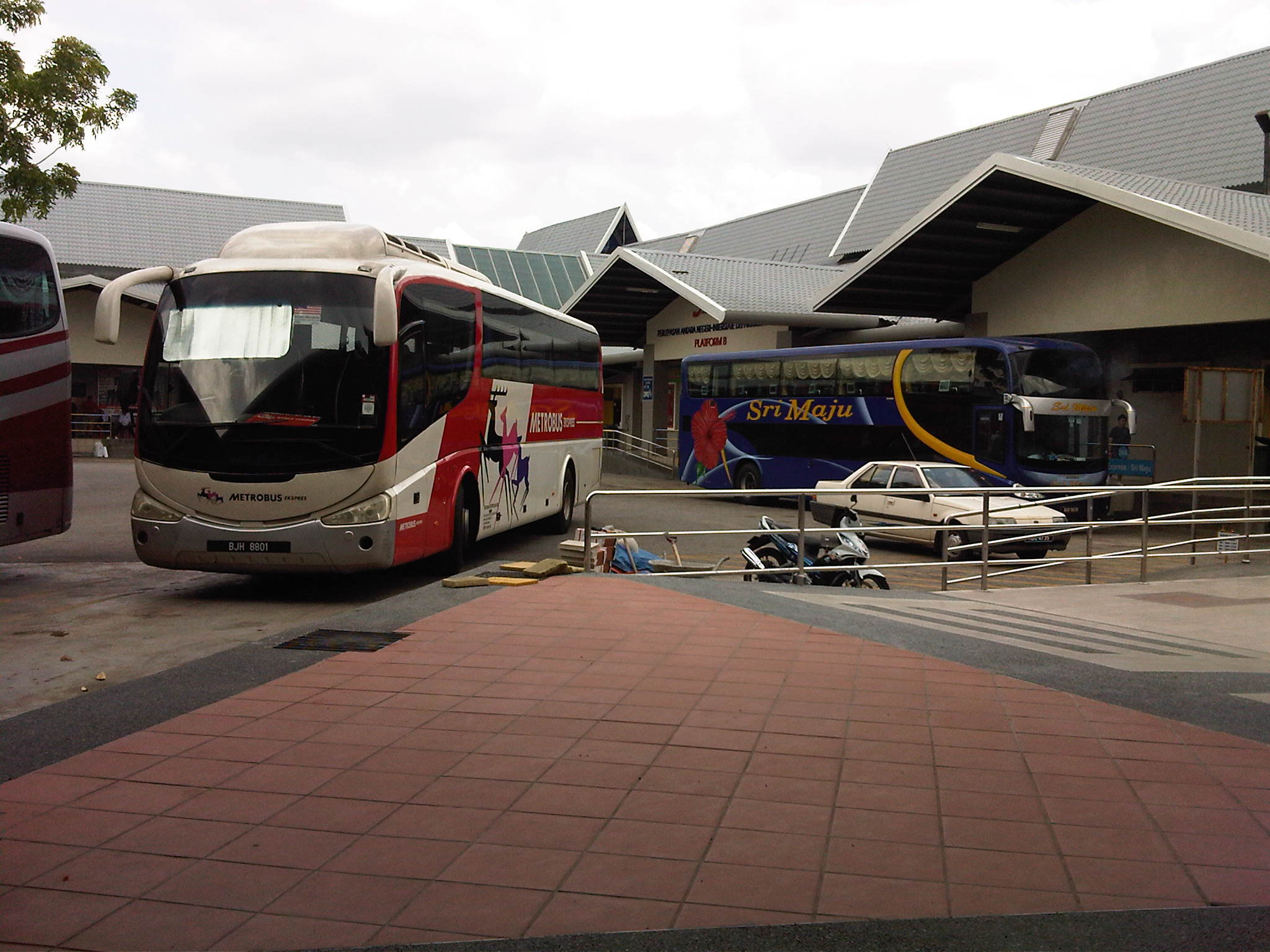 Buses berthed at the terminal departure area
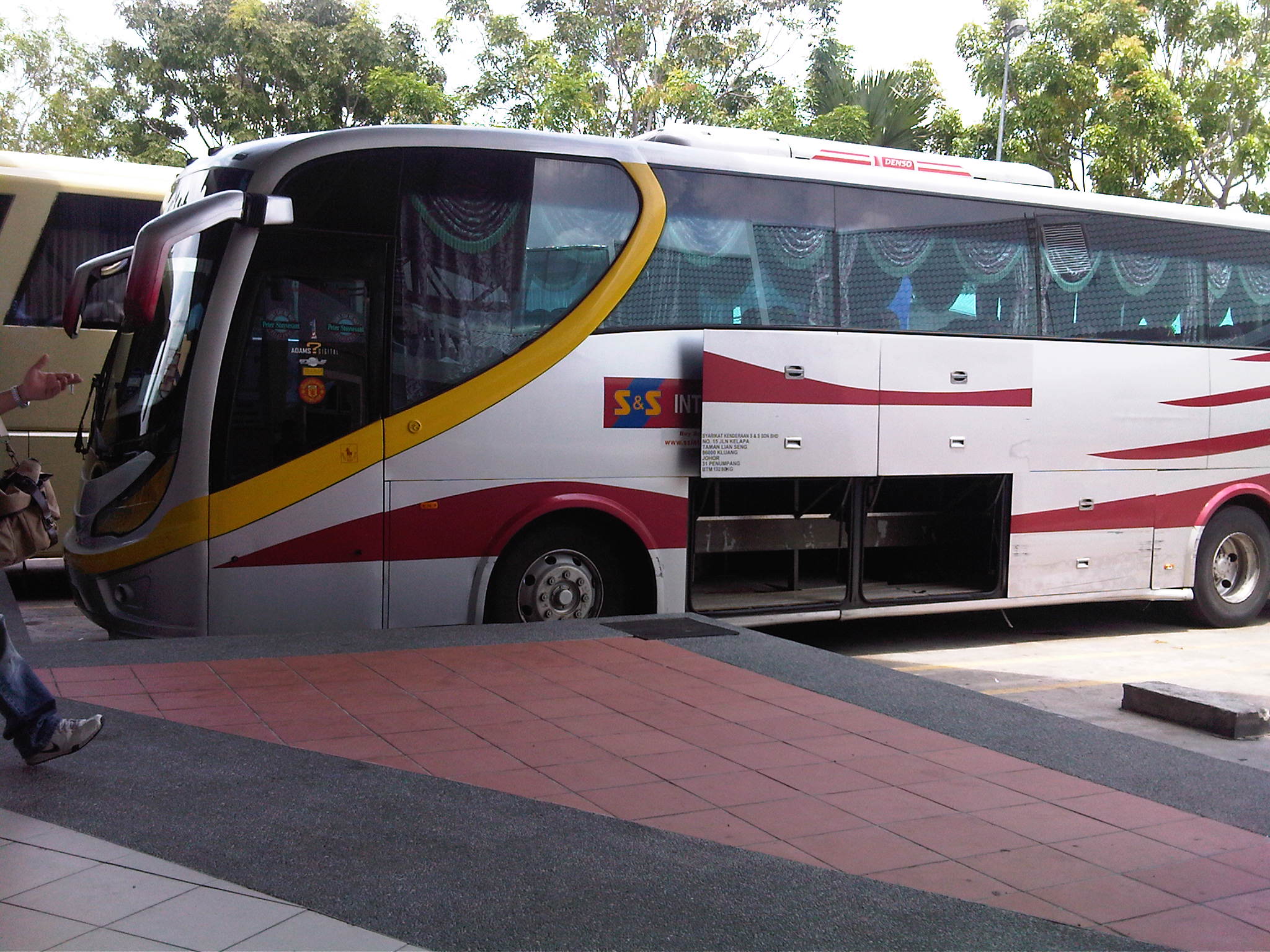 Typical long distance limousine bus plying routes between Malaysia and Singapore
The central bus terminal at Melaka is a good example of terminal design for long distance buses. Such concepts are also found in the Philippines but with some significant variations in the design. Among the notables are the terminals in Mabalacat (Pampanga), Lucena (Quezon) and Legazpi City (Albay) in Luzon. Other terminals in the Philippines are not good examples in the sense that many are not developed or well-planned, many without the amenities or features of a modern terminal. Perhaps local and international examples of terminals should serve as templates for central terminal development in the Philippines including those being conceptualized for Metro Manila.
–
 Caught (up) in traffic