
Home » Posts tagged 'railways'
Tag Archives: railways
PNR Naga – Lupi Timetable
We went to the PNR Naga Station last Friday morning and got an updated timetable for the PNR trains. We also were informed that the Naga-Legazpi train service is currently suspended due to damages along the line sustained during the recent typhoon. Hopefully, that section will be repaired immediately and the service resumed.
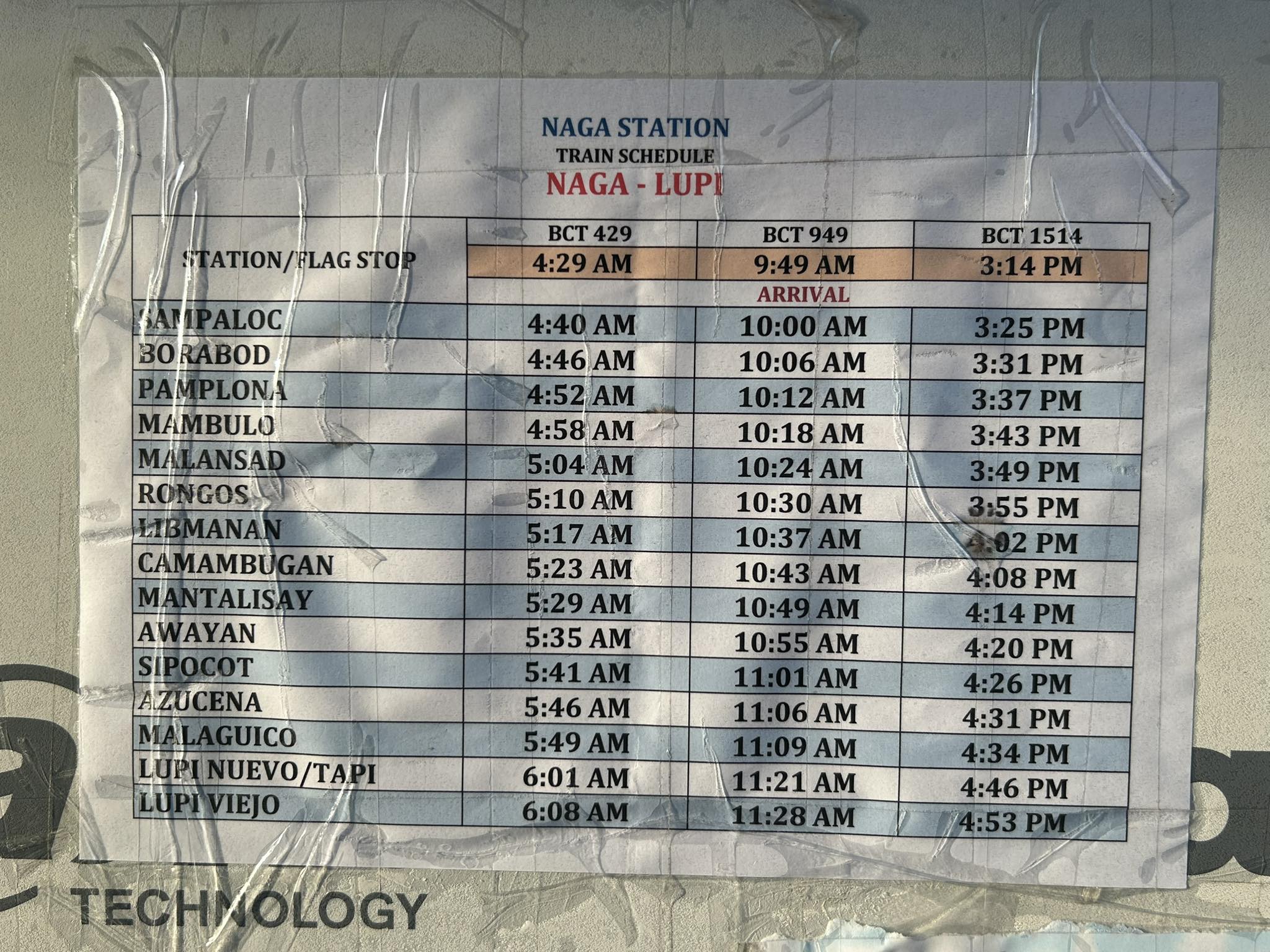 Naga to Lupi timetable showing the first train leaving Naga at 4:29 AM and the last at 3:14 PM. There are only 3 trips.
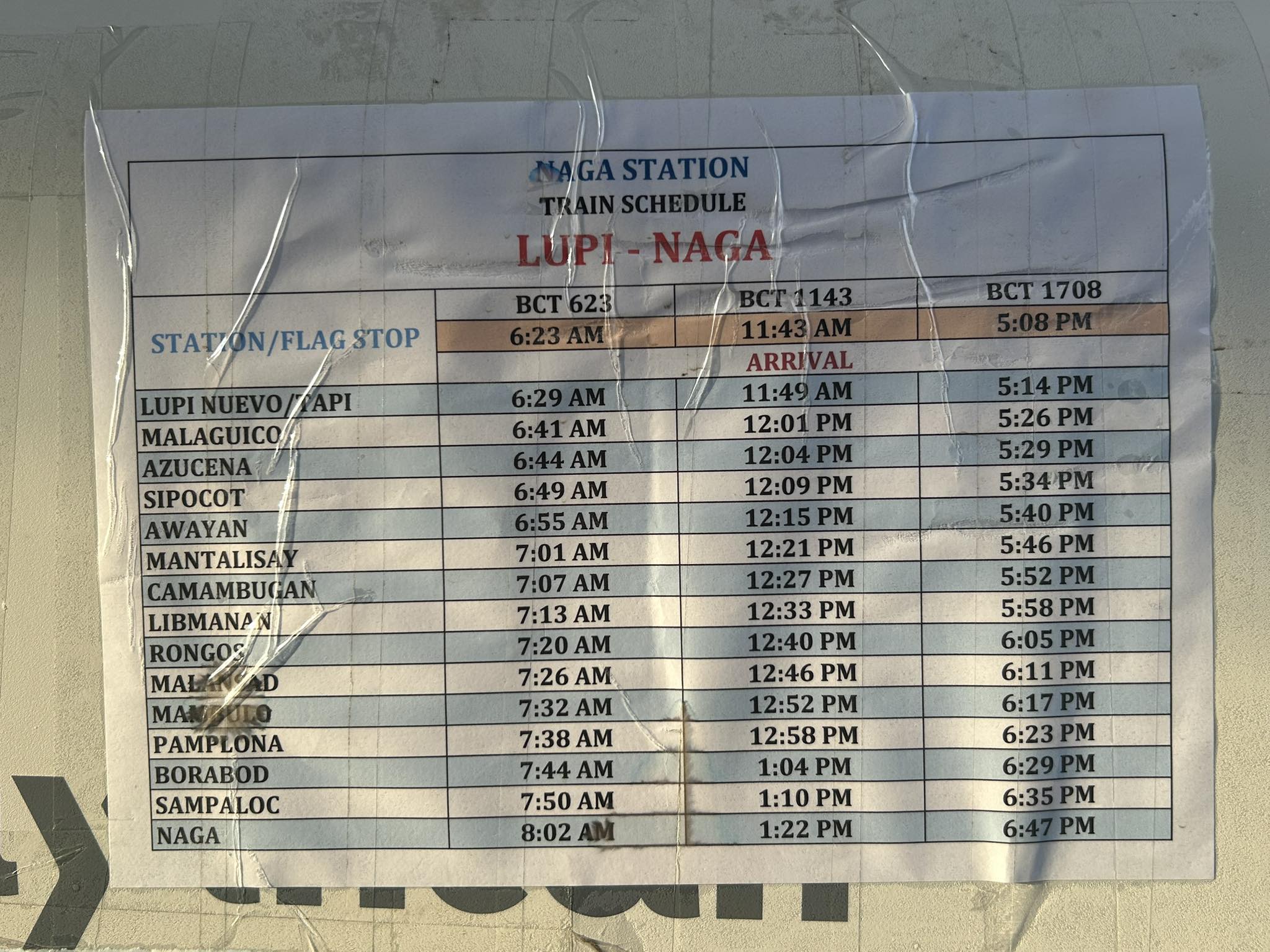 Lupi-Naga timetable showing the first train leaving Lupi at 6:23 AM and the last one at 5:08 PM. Again, there are only 3 trips from Lupi to Naga. The first train arrives in Naga at 8:02AM. This is actually attractive to commuters as the LGU reports the train to be full. Unfortunately, the return trip in the afternoon doesn’t have a favorable schedule for those heading home from work or school.
There is potential here for people to shift to rail for the major part of their commutes. Unfortunately, the frequencies of service is too low at present. People will shift to rail if the service is frequent and more reliable. Cost-wise, there is a significant difference between road-based and rail-based transport especially over long distances. Fares via express vans between Naga and Legazpi cost 300 to 400 pesos while private vehicle may cost between 3,000 to 5,000 pesos depending on the model and arrangements. Compare those with the 155 peso fare for the PNR train.
We are also hopeful that the rehabilitation and upgrading of train services will eventually be realized. The NSCR project is currently underway with the northern line connecting Metro Manila to Pampanga and the southern line currently until Laguna. The work needs to be accelerated and that entails much resources (i.e., funding) for railways to make comeback and perhaps experience another “Golden Age.”
–
Railways construction progress in Luzon
I’m currently attending the Philippine Railway Conference. The presentations so far have been informative especially about the progress of rail projects in the country. Most if not all of these projects are in Luzon, which includes Metro Manila. Here are the progress of work as shown in the photos of the slides I took during the plenary sessions this morning.
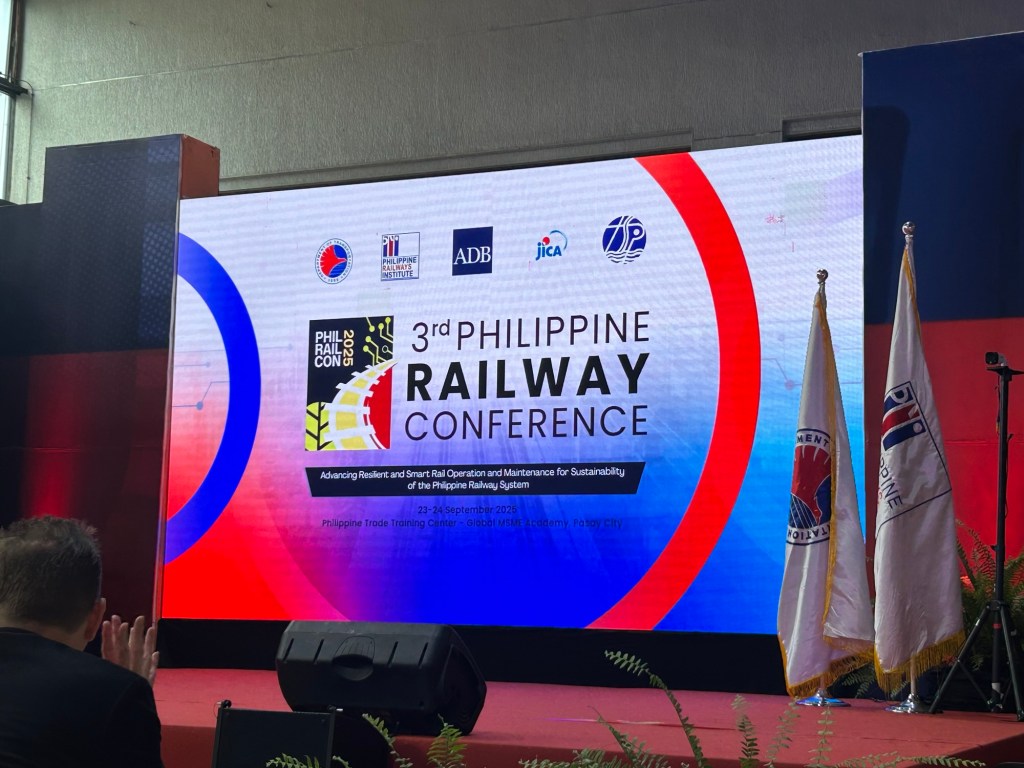
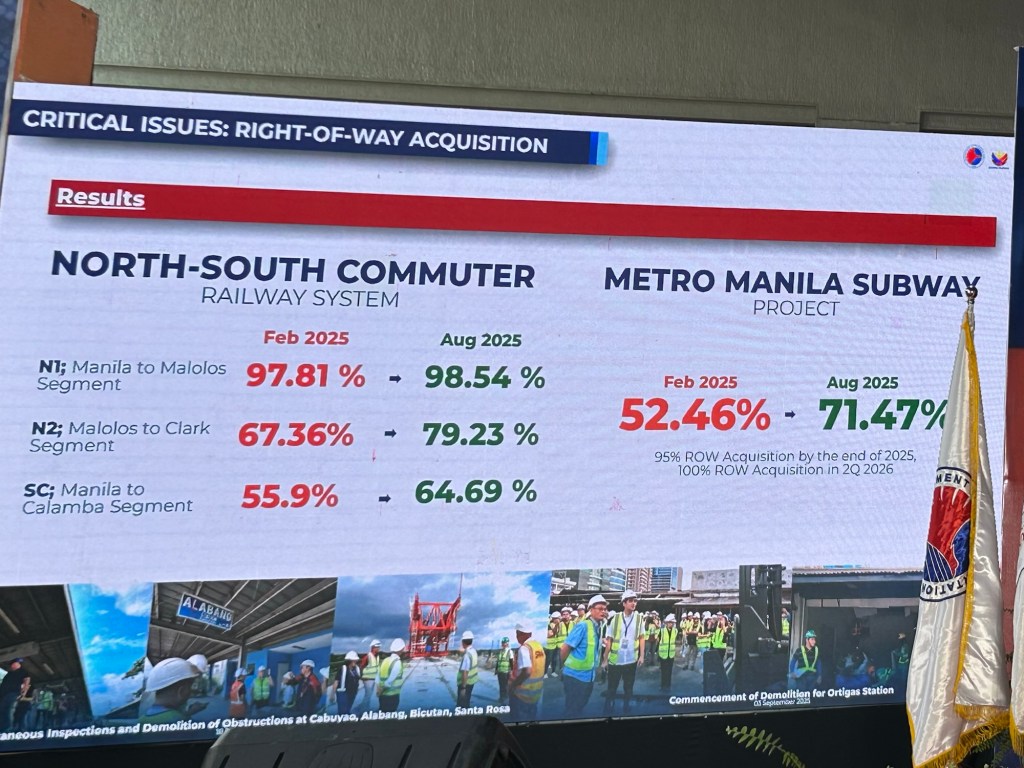
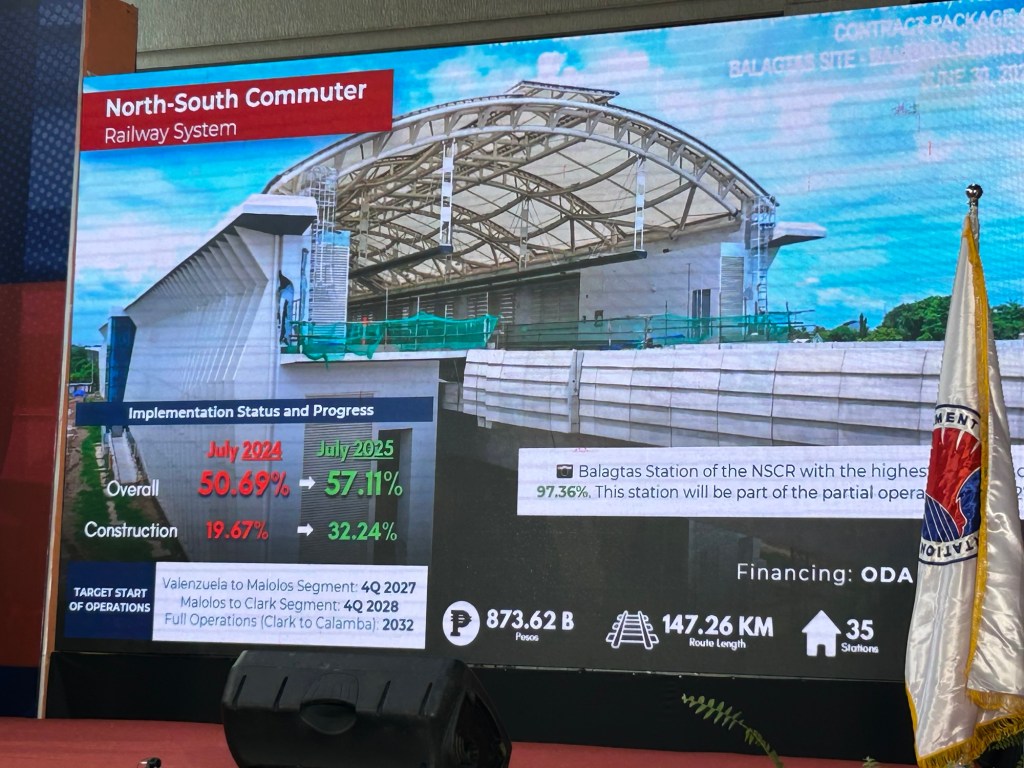
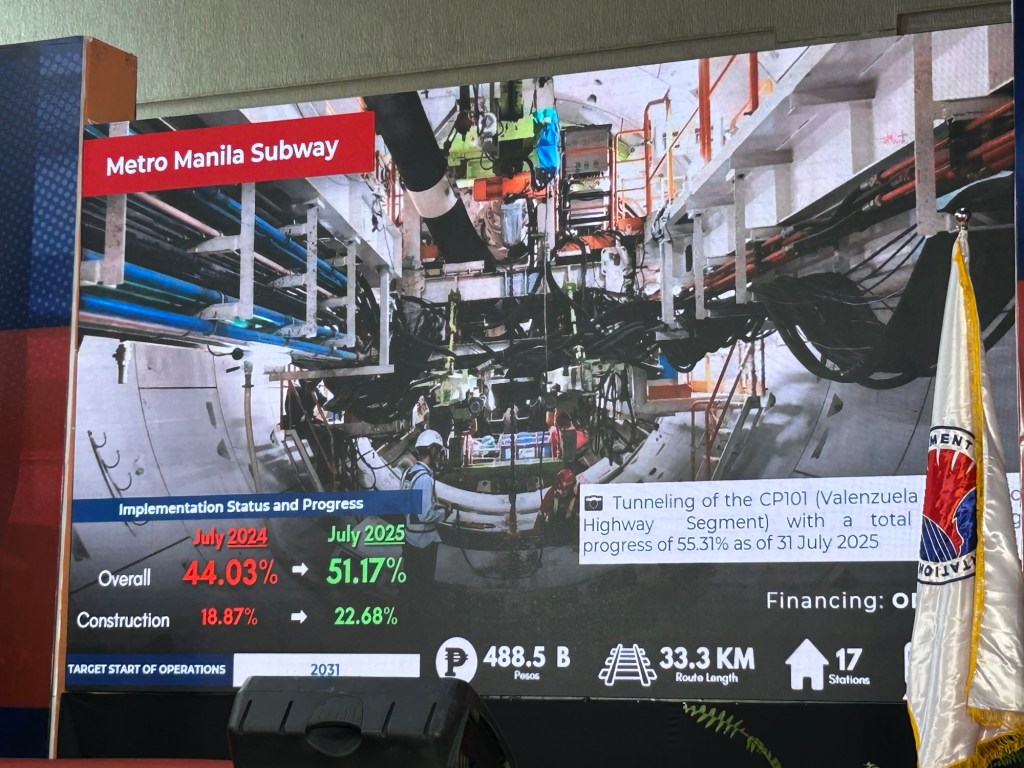
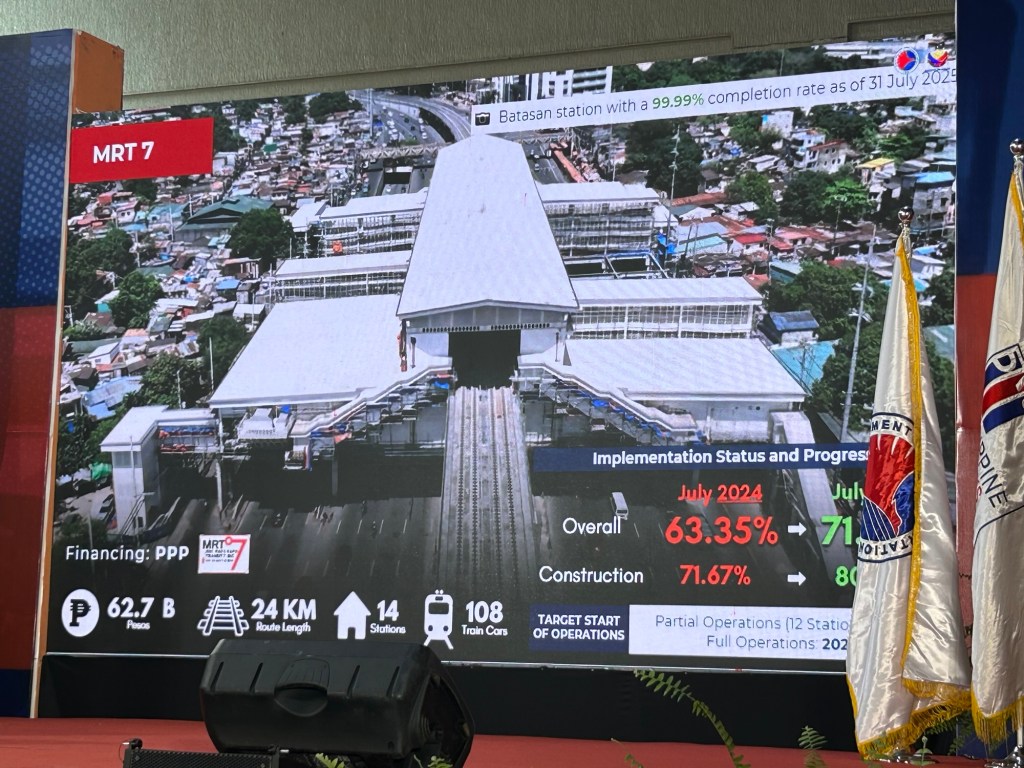
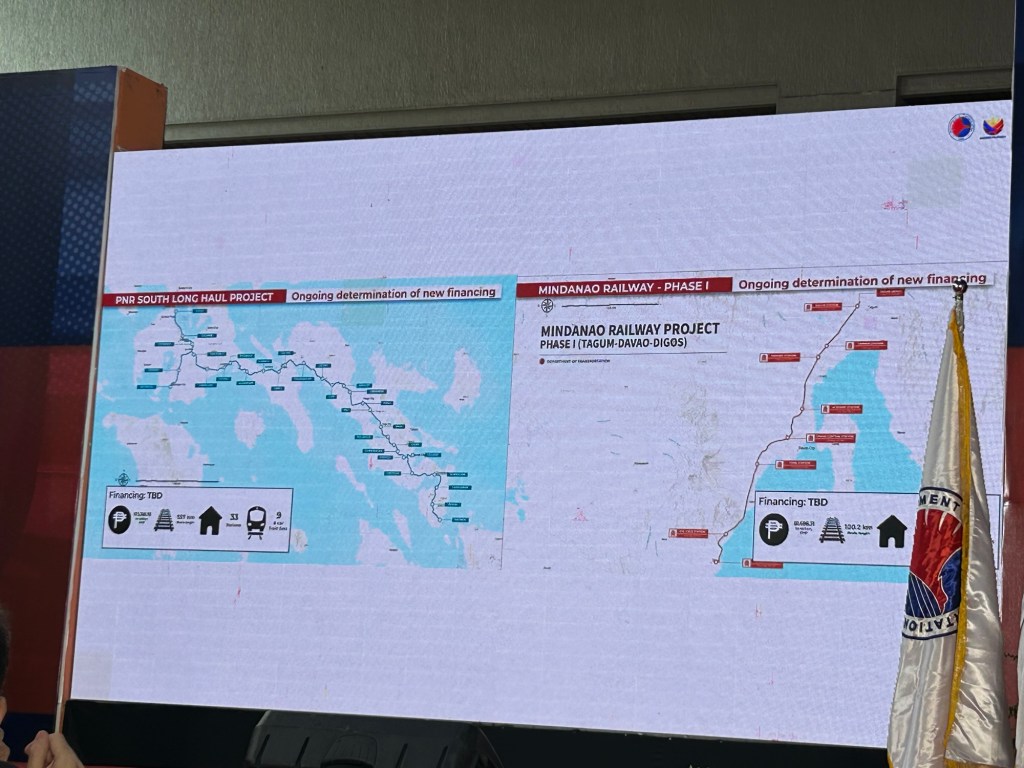
Based on the presentations, these railways currently under construction will be ready or partially operational by 2027. What do you think about the progress of work?
–
Looking back on Philippine railway history
The Philippine Railway Conference 2025 is coming up soon. I am very glad to see a lot of people interested in rail – from the technical people running our railways to those involved in planning and management to the advocates and enthusiasts. Rail was not so “fashionable” or “glamorous” (to use these words liberally) many years ago. Perhaps people traveling and experiencing rail in countries where it has persevered and evolved plus social media have changed this – and for the better. Sharing here some papers that were the outcomes of an interdisciplinary research program led by the Third World Studies Center of UP. Rail, after all, is not just about the technical but also the social and human aspects of the mode.
The website for the Emerging Inter Disciplinary Research (EIDR) program supported by the UP System is still up and hosted by the Third World Studies Center. I think it’s something worth a Phase 2. The program leader, Dr. Ricardo Jose, is now retired from UP but is a Professor Emeritus of UP so he can still be engaged. Nevertheless, there are many at UP and other higher education institutions who can be involved in a program that should have a more expanded coverage. There were railways, after all, in other parts the country including Panay, Negros, Cebu and Mindanao.
–
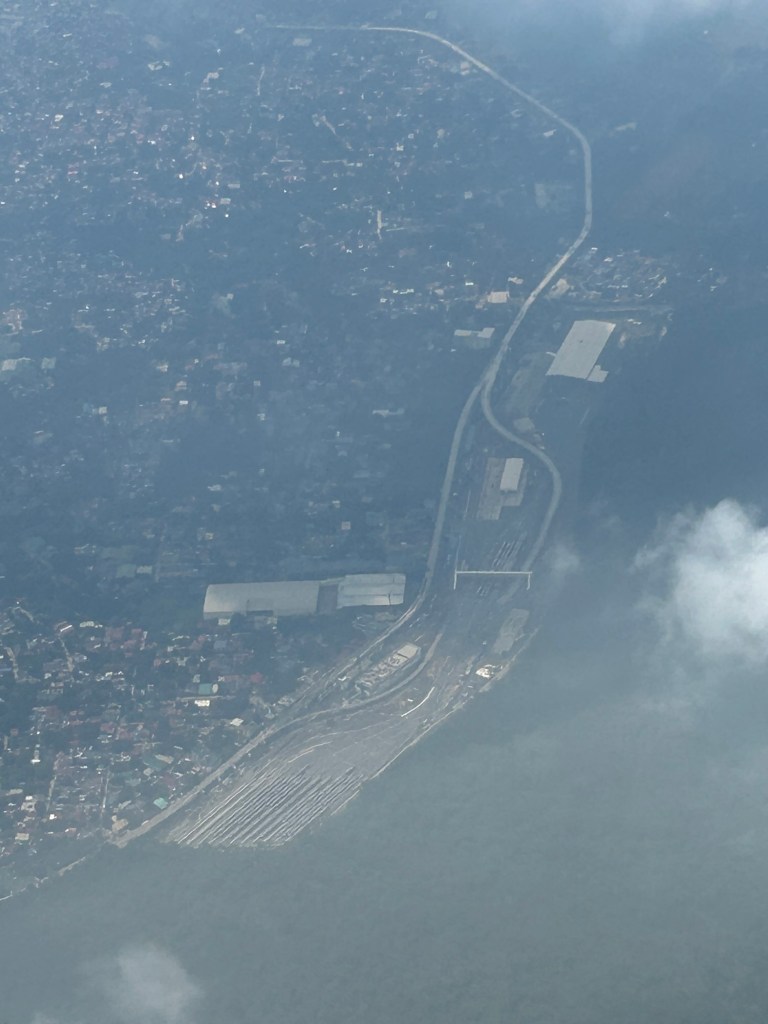
Aerial photo of the MRT7 depot?
I took this photo of what appears to be the MRT7 depot near or adjacent to the La Mesa reservoir. It was as quick a photo as our plane was banking into the clouds.
–
An aerial view of the PNR’s rail revival
I would just like to share a few photos I took while our plane was turning towards our Bicol destination upon take off from NAIA.
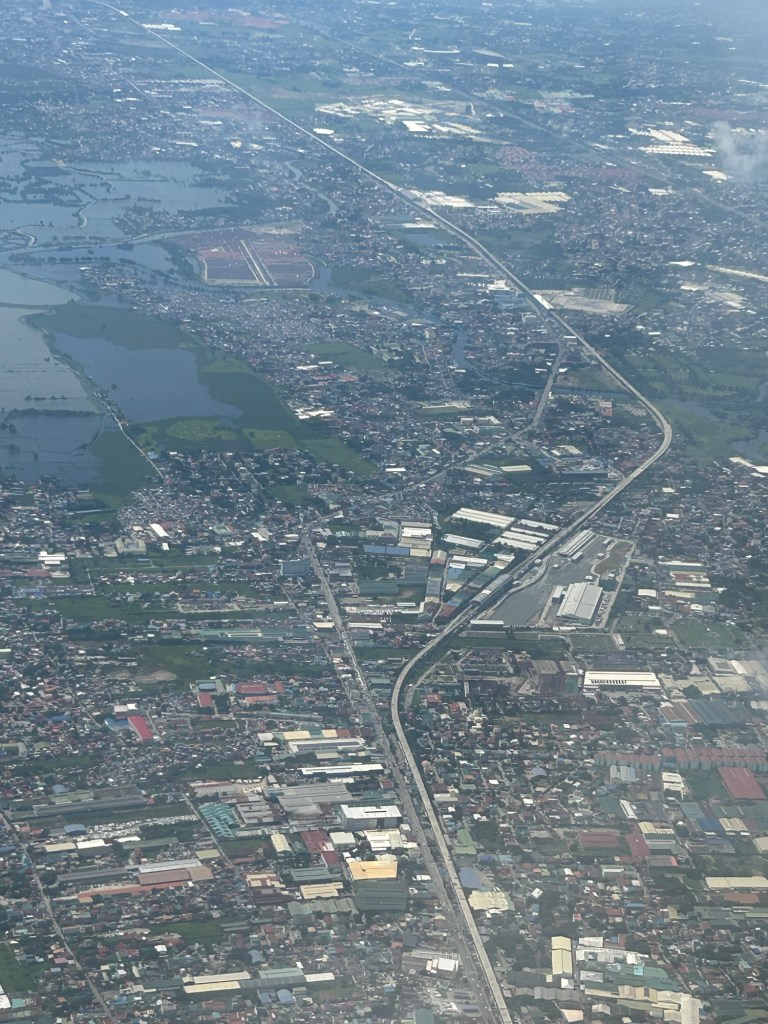
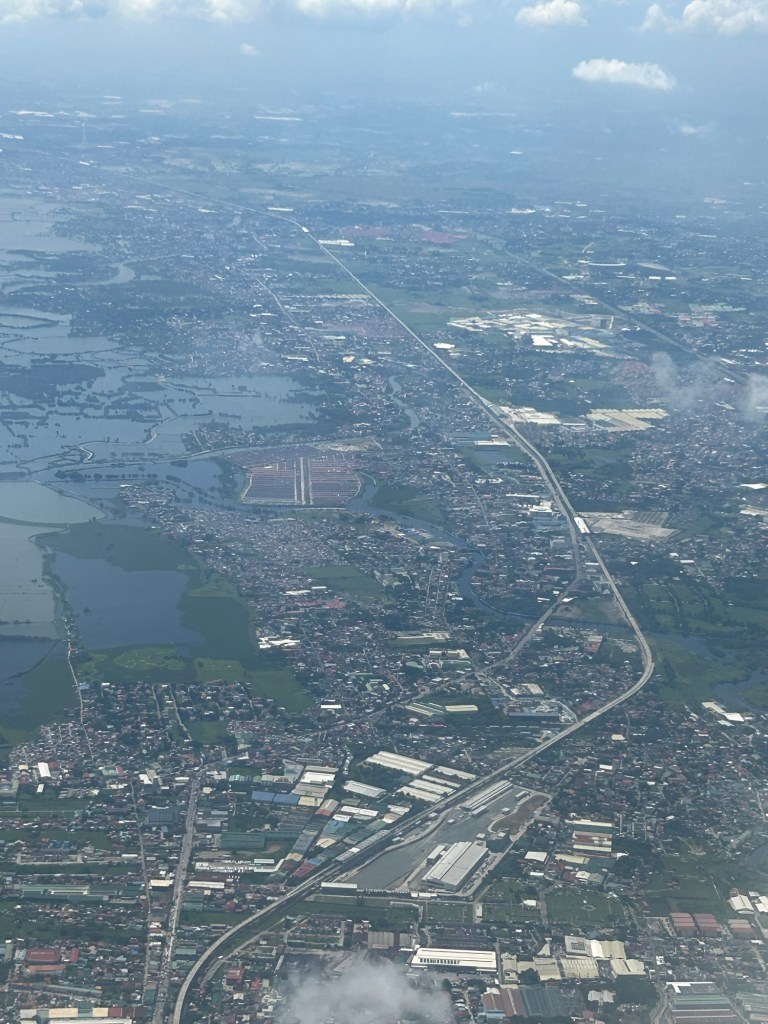
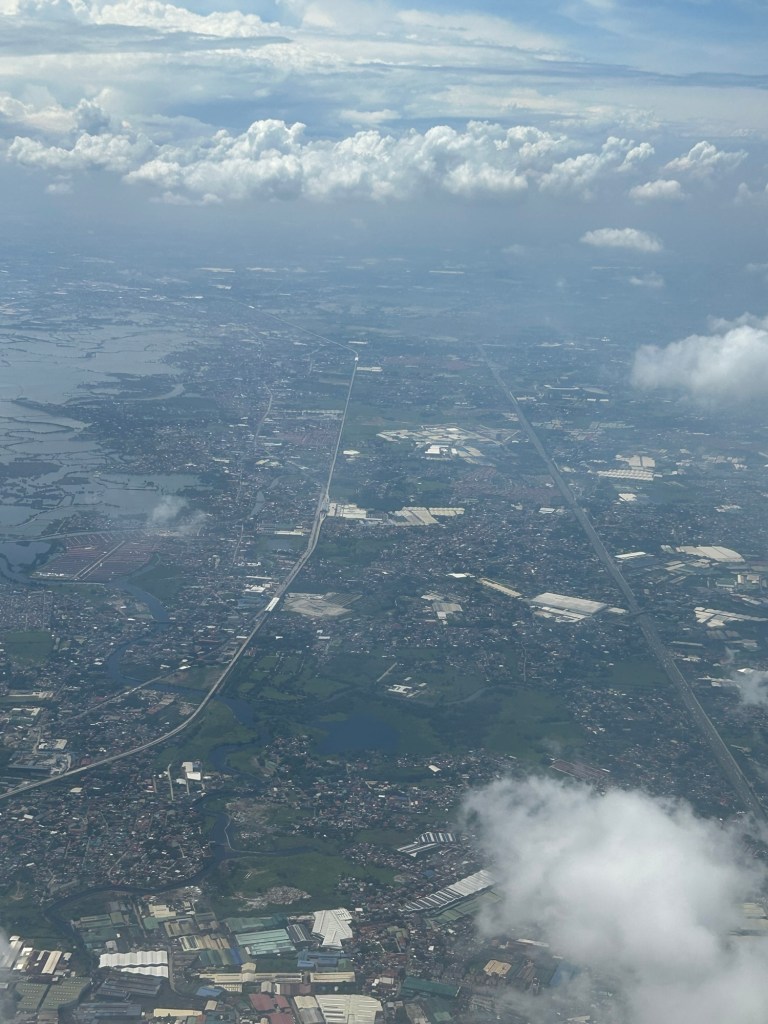
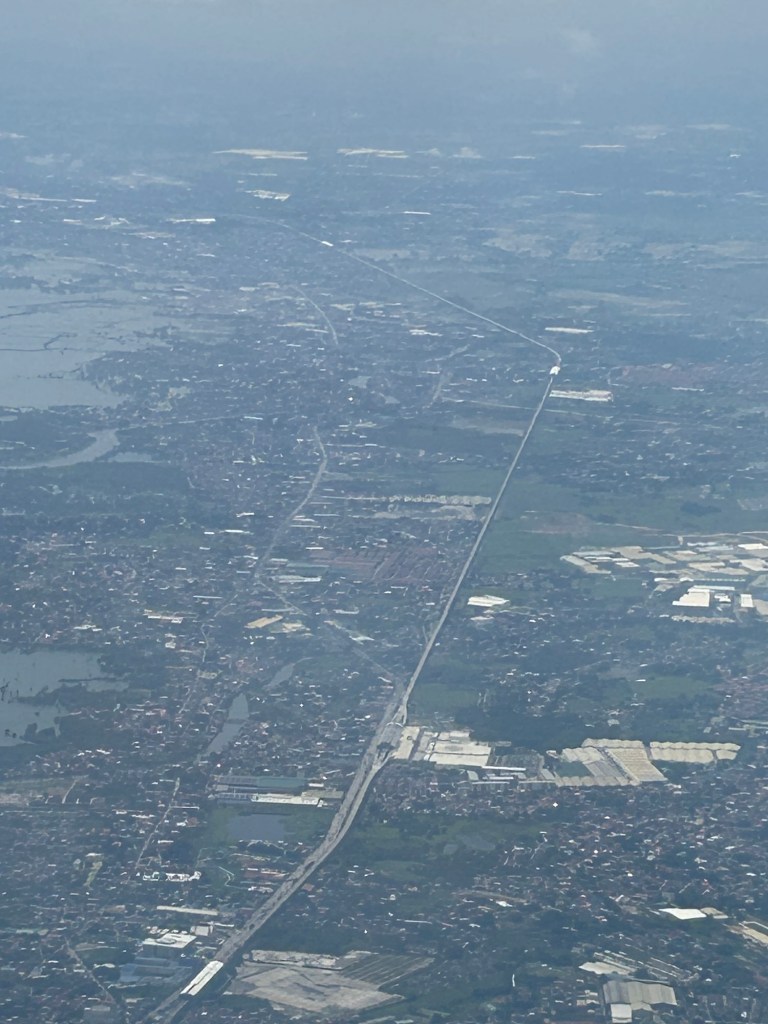
I will again pose the following questions to my readers: will the NSCR become the game changer it’s supposed to be for both long distance travel and commuting (super commuting for some cases)? Will it decongest McArthur Highway and NLEX? Will there be a significant shift from car use to rail? Or will those taking road-based public transport be the ones mainly shifting to rail?
–
Is there really a shortage of public transportation in Metro Manila? – Part 1 – Introduction
I will be doing a series of articles here on public transportation. More specifically, I will try to answer the question in the main title of the series – Is there really a shortage of public transportation in Metro Manila?
The quick answer probably is “yes” but we need to examine this concern from different perspectives and reasons so we can be objective about the “why” part of the shortage. Shortage may mean a real lack in terms of the number of public utility vehicles (PUVs) with approved franchises or perhaps the number actually operating on any given day. These two are actually different because it is possible to have fewer PUVs operating compared to the approved number or to have more PUVs operating than the approved number. The latter means there are “colorum” or illegal operations (i.e., vehicles providing public transport services without franchises).
Among the reasons why there is a perceived shortage of public transportation are as follows:
- Fewer than the number of franchises approved are operating.
- PUVs are not able to make a reasonable turnaround (e.g., due to traffic congestion).
- PUV drivers and operators refusing to operate their vehicles.
- Other factors.
- Any combination of the above including “all of the above.”
I hope I can write about these in a manner that can be easily understood – in layman’s terms.
–
Transport options between Naga and Legazpi
I wrote about the PNR still operating between Naga and Legazpi cities. However, there is only one roundtrip per day and that is the Legazpi-Naga-Legazpi trip. If you want to do the Naga-Legazpi-Naga trip, you have to spend at least the night in Legazpi. But the latter schedule is not so good for the return to Naga as the train leaves Legazpi at 4:30 AM! Aside from the rail option, most people will use road-based transport. That is, most people will probably take a bus or van. There are many bus companies and UV Express vans operating along the corridor (Pan Philippine Highway) connecting the major cities and municipalities of the Bicol Region.
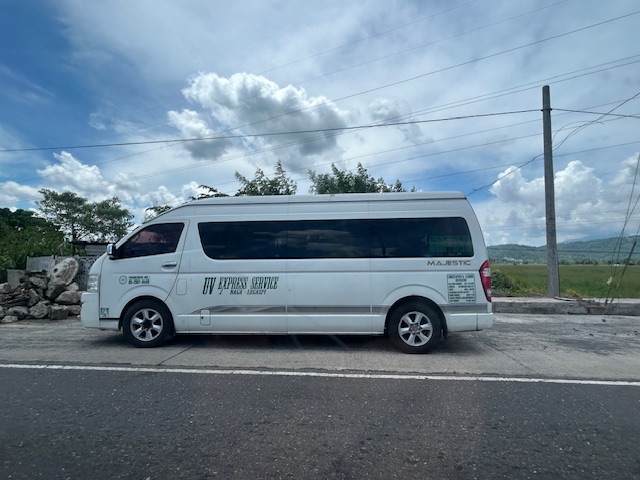 We saw this van parked along the roadside as we were waiting for our turn to proceed along a section under construction employing a alternating one way traffic scheme.
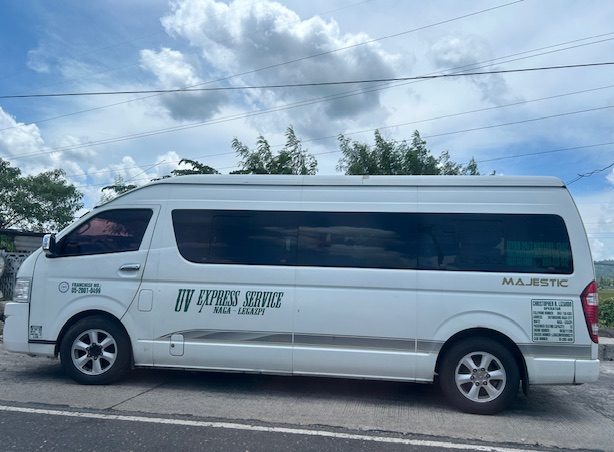 A close-up showing the UV Express van’s end points to be Naga and Legazpi. The declared passenger capacity is 23. Though this appears to be a long or stretched van, I can only imagine how comfortable or uncomfortable it is to ride these for 3 plus hours one way.
More on Bicol transportation in my posts this coming July!
–
PNR services from Naga City
I have yet to share the photos I took at the PNR Station in Naga City. Instead, I am sharing here the current train schedule and fares.
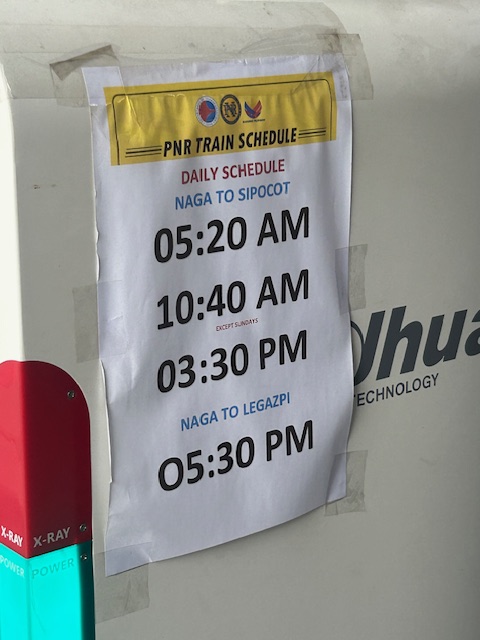 There are only three trips from Naga to Sipocot – two in the morning and one in the afternoon. Meanwhile, there is only one trip to Legazpi. Sipocot is in the same province, Camarines Sur, while Legazpi is the capital of Albay.
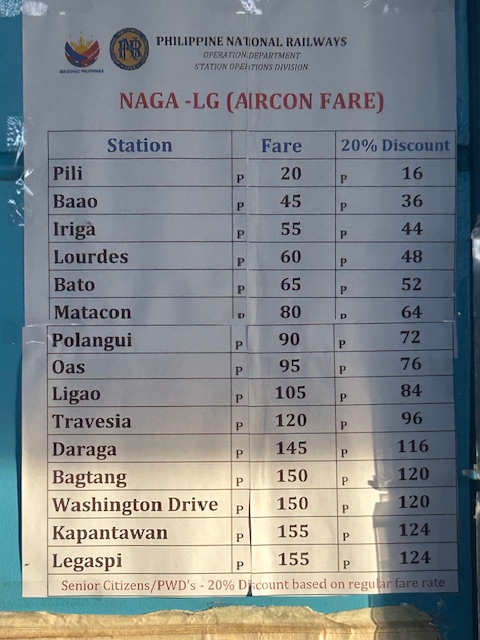 Fare rates between Naga City and Legazpi City. There are 15 stops along this route.
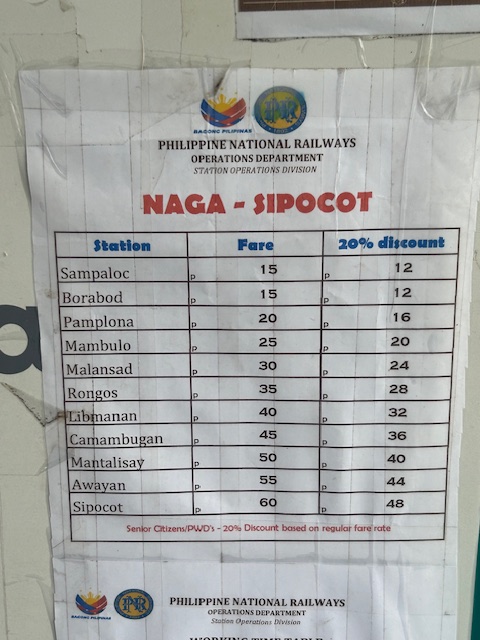 Fares for destinations between Naga and Sipocot
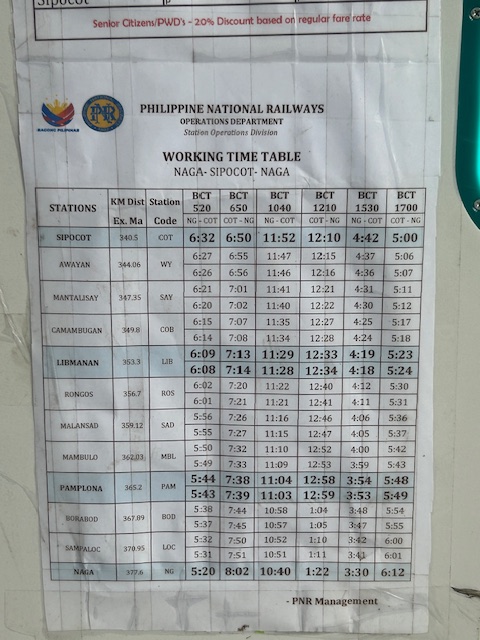 Timetable between Naga and Sipocot. It takes 1 hour and 12 minutes one way. It seems I wasn’t able to take a photo of the Naga-Legazpi timetable but the staff told us it takes 3 hours to get to Legazpi.
The station staff also told us that the train from Legazpi leaves at 4:30 AM. If it also takes 3 hours, then it arrives in Naga at 7:30AM. This can be okay for a super-commuter even at this travel time and speed (about 33 km/h). The frequency of trips between Naga and Legazpi should increase and will probably do once the PNR completes rehabilitation of what was termed as the Main Line South.
–
Metro Manila rail network by 2030?
I saw another map circulating in social media. It would really be nice to have a more comprehensive rail network for Metro Manila or perhaps the Greater Capital Region (Mega Manila or NCR plus or whatever you want to call it). Maps like this give us something to look forward to. We are made to be hopeful about our places being served by trains just like what some of us have experienced abroad in cities like Singapore and Tokyo.

Credits are due to whoever made this map. While it has the DOTr logo, I am not sure someone from there made the map. There are many ‘mapmakers’ out there who can make transit maps like this.
–
Solutions to transport problems: the combination of congestion pricing and transit infrastructure development
Congestion pricing and transit infrastructure development (e.g., mass transit infrastructure) are often mentioned separately or independently. It is as if they are mutually exclusive alternatives or solutions to our transportation problems. They are not and should be considered together for greater impacts and also to complement each other. While the article below focuses on the experience in the United States, the experience is Singapore as applied to cities should provide a model that can be adopted if not outrightly replicated. Singapore’s version of congestion pricing in the form of its Electronic Road Pricing (ERP) scheme has been very effective in regulating congestion levels while helping fund public transportation in the city-state.
Descant, S. (May 8, 2025) “Congestion Pricing and Transit Are a Necessary Alliance,” Government Technology, https://www.govtech.com/transportation/congestion-pricing-and-transit-are-a-necessary-alliance %5BLast accessed: 11/05/2025]
Quoting from the article:
“In order to move a congestion pricing proposal forward, “you must have serious congestion, and you must have good transit,” said Sam Schwartz, a former New York City traffic commissioner, said during a March 21 panel on the New York City congestion pricing program. The event was organized by the Massachusetts Institute of Technology (MIT) Mobility Initiative. Schwartz is also the CEO of Sam Schwartz Pedestrian Traffic Management Services, a consulting firm.
A recent report by the Mineta Transportation Institute at San Jose State University in California concluded roadway tolling — a form of congestion pricing — can serve the dual purpose of reducing traffic congestion and supporting transit options, if the programs are structured properly.”
–
 Caught (up) in traffic