
Home » Traffic Engineering (Page 9)
Category Archives: Traffic Engineering
Professorial Chair Lectures on Transportation Topics – 2012
The College of Engineering of the University of the Philippines Diliman recently held its Professorial Chair Colloquium where lectures were delivered by faculty members from the various institutes and departments comprising the college. Four lectures were delivered last August 10, 2012 at a special session held at the Toyota Training Room of the National Center for Transportation Studies. The lectures were on transportation topics and presented by faculty members of the Institute of Civil Engineering who are also Fellows at the NCTS. Following are the lectures and the presentation files in PDF:
Palmiano, H.S.O., Investigation of Road Crash Causal Factors in Metro Manila, DMCI Developers Professorial Chair: Road Safety Researches HSOPalmiano 10Aug2012
Vergel, K.N., Design of Traffic Signal Timing and Traffic Impacts of the Re-Introduction of Traffic Signal Control at the Intersection of the University Avenue and Commonwealth Avenue, Maynilad Professorial Chair: Traffic Signal Timing KNVergel 10Aug2012
Sigua, R.DG., Microscopic Simulation: A Tool for Evaluation of Traffic Schemes, Prof. Emeritus Norbert S. Vila Professorial Chair: Traffic Simulation RDGSigua 10Aug2012
Regidor, J.R.F., Revisiting the Costs of Traffic Congestion in Metro Manila and their Implications, Pozzolanic Philippines, Inc. Professorial Chair: Revisiting Costs of Congestion JRFRegidor 10Aug2012
–
Transportation-related lectures at the UP College of Engineering 2012 Professorial Chair Colloquium
The College of Engineering of the University of the Philippines Diliman will be holding its Professorial Chair Colloquium for 2012 on July 30, 2012 at the Melchor Hall and the UP Alumni Engineers Centennial Hall at the UP Diliman campus. Among the topics under many disciplines of engineering are several lectures on transportation. These are the following and mainly under three departments of the college.
Institute of Civil Engineering [P & G Room, Melchor Hall]
- “Investigation of Road Crash Causes in Metro Manila,” Dr. Hilario Sean O. Palmiano, DMCI Developers Professorial Chair [8:30 – 8:50 am]
- “Design of Traffic Signal Timing and Traffic Impacts of the Re-introduction of Traffic Signal Control at the Intersection of the University Avenue and Commonwealth Avenue,” Dr. Karl B.N. Vergel, Maynilad Professorial Chair [8:50 – 9:10 am]
- “Microscopic Simulation: A Tool for Evaluation of Traffic Schemes,” Dr. Ricardo G. Sigua, Prof. Emeritus Norbert S. Vila Professorial Chair [9:10 – 9:30 am]
- “Revisiting the Costs of Traffic Congestion in Metro Manila and Their Implications,” Dr. Jose Regin F. Regidor, Pozzolanic Philippines, Inc. Professorial Chair [9:30 – 9:50 am]
Department of Mechanical Engineering [Maynilad Room, Melchor Hall]
- “Performance And Emission Characteristics of a Direct Injection Diesel Vehicle with Different Blends of CME Biodiesel,” Dr. Edwin N. Quiros, Emerson Professorial Chair in Mechanical Engineering [9:30- 9:50 am]
- “Design and Local Fabrication of an Energy- Efficient Electric Vehicle,” Asst. Prof. Joseph Gerard T. Reyes, Emerson Professorial Chair in Engineering [10:30 – 10:50 am]
Department of Chemical Engineering [Maynilad Room, Melchor Hall]
- “Co-Production of Alternative Fuels for the Philippines,” Dr. Rizalinda L. De Leon, Semirara Professorial Chair in Engineering [10:50 – 11:10 am]
The lectures are all open to the public and will be held from 8:30 AM to 12:30 PM. There are 8 lecture groups that are assigned to 8 venues at Melchor Hall and UPAE Centennial Hall. Melchor Hall is located at the university core along the Academic Oval while the UPAE Hall is located along Velasquez Street beside the EEE Institute Building and across from the National Institute of Geological Sciences (NIGS).
–
Quezon Ave.-Araneta Ave. progress
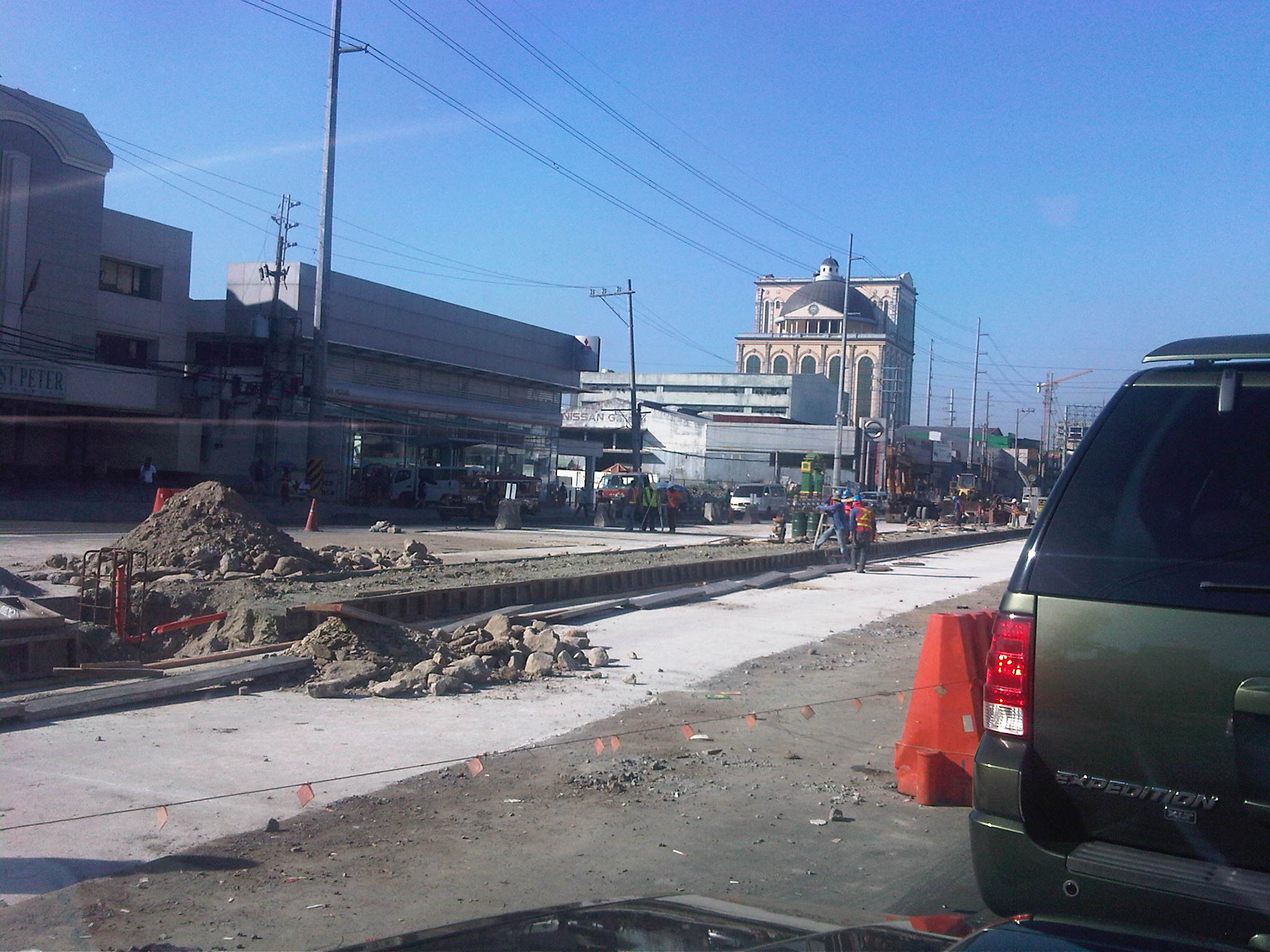
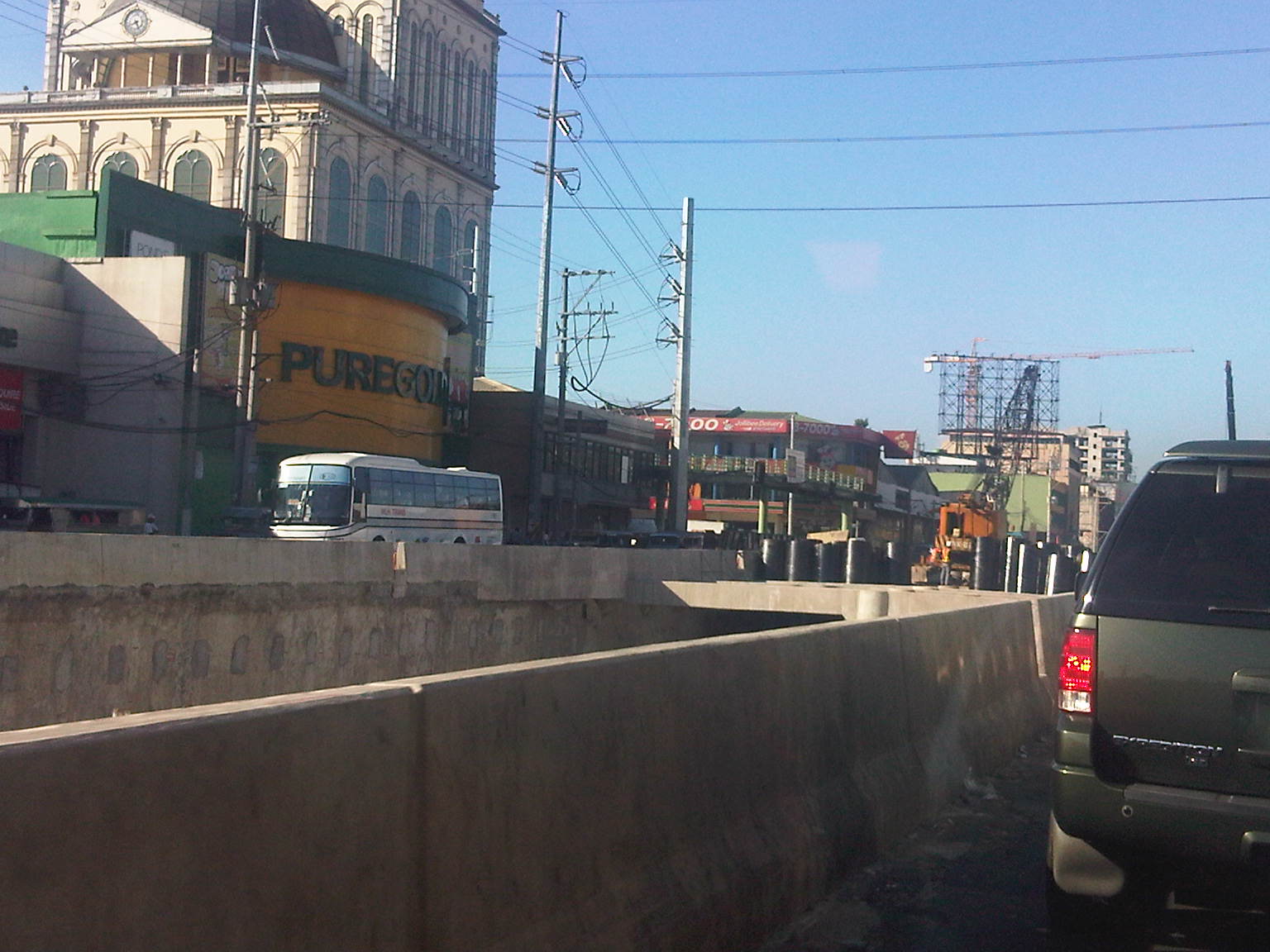
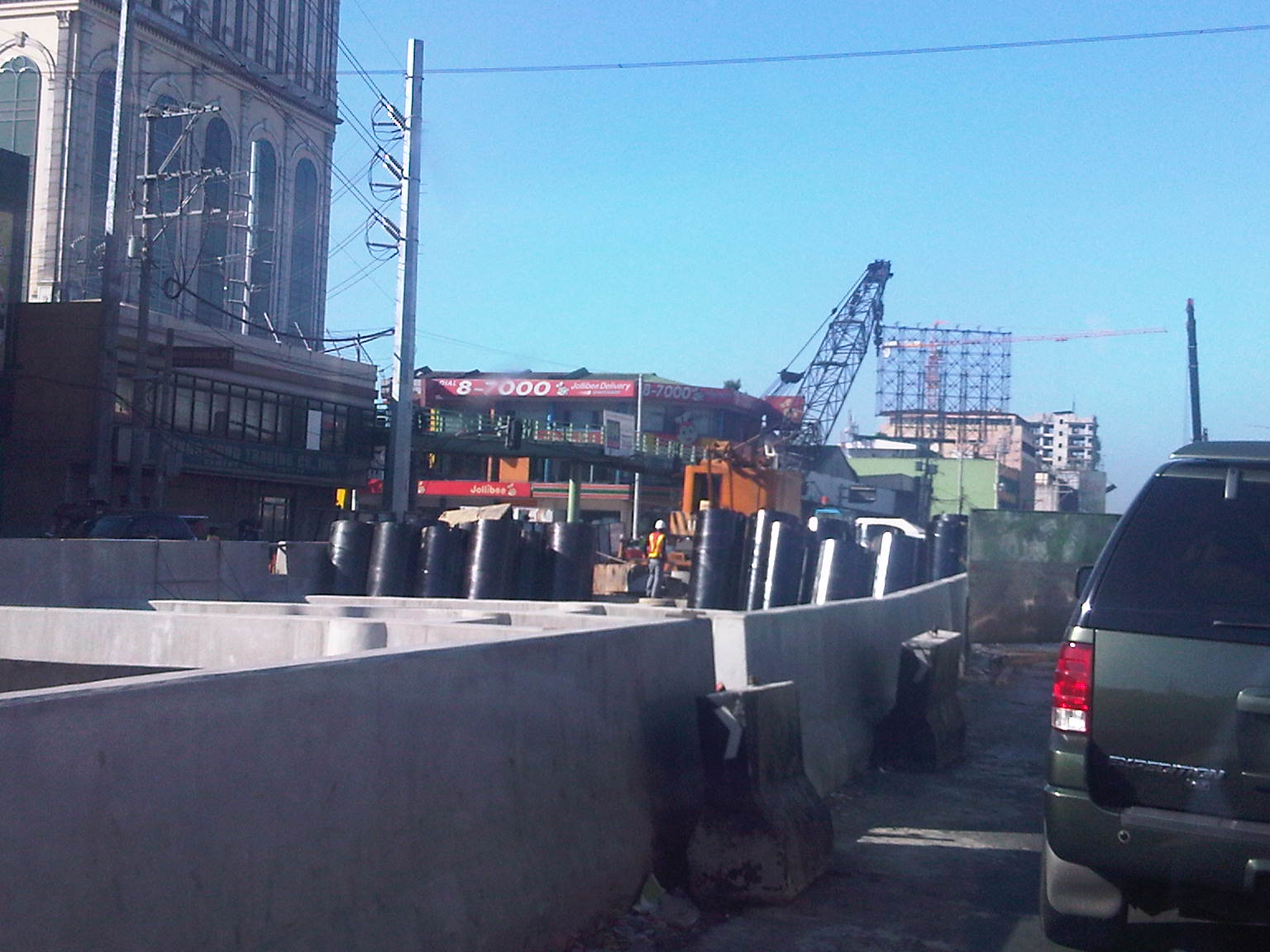
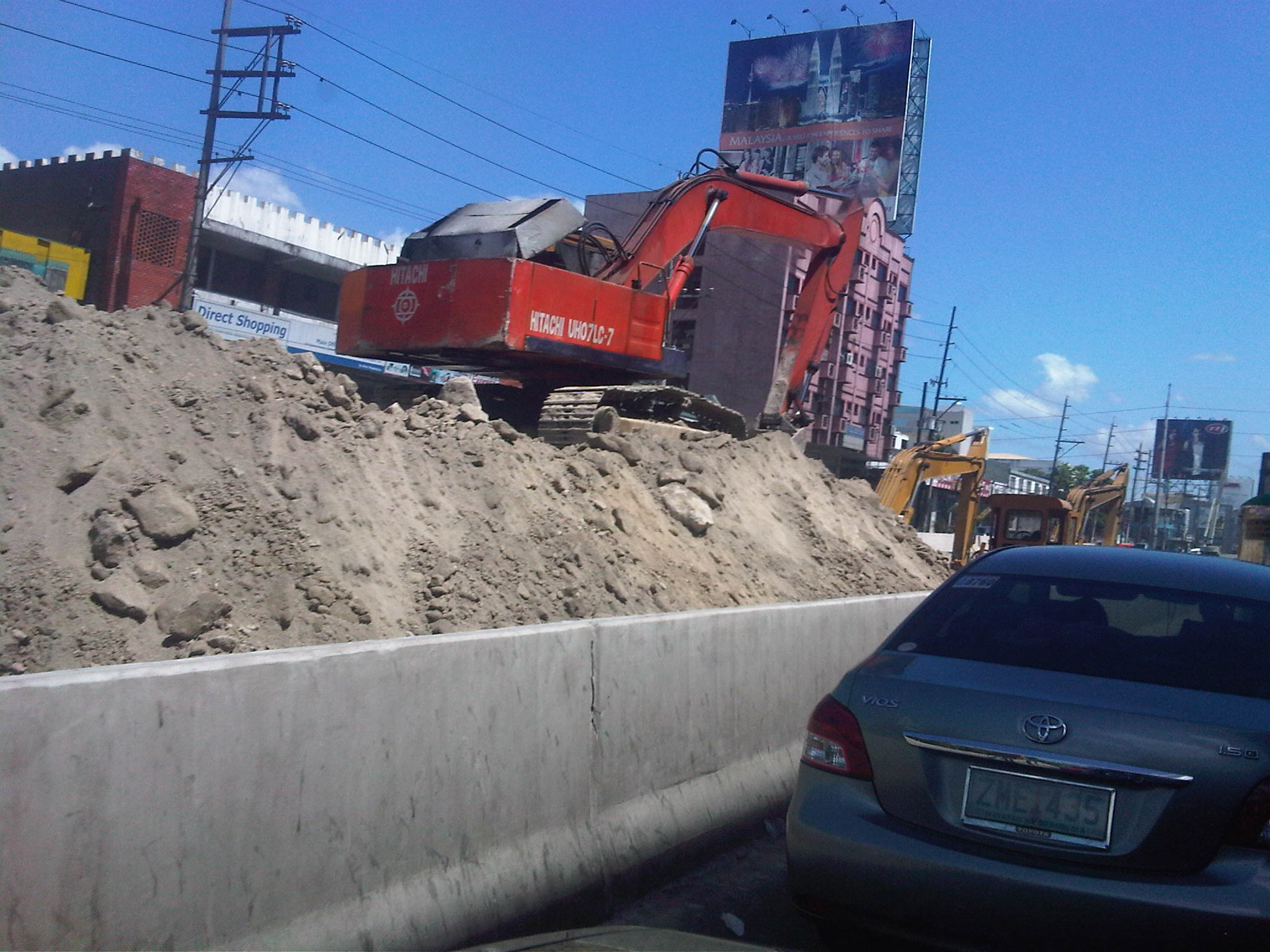
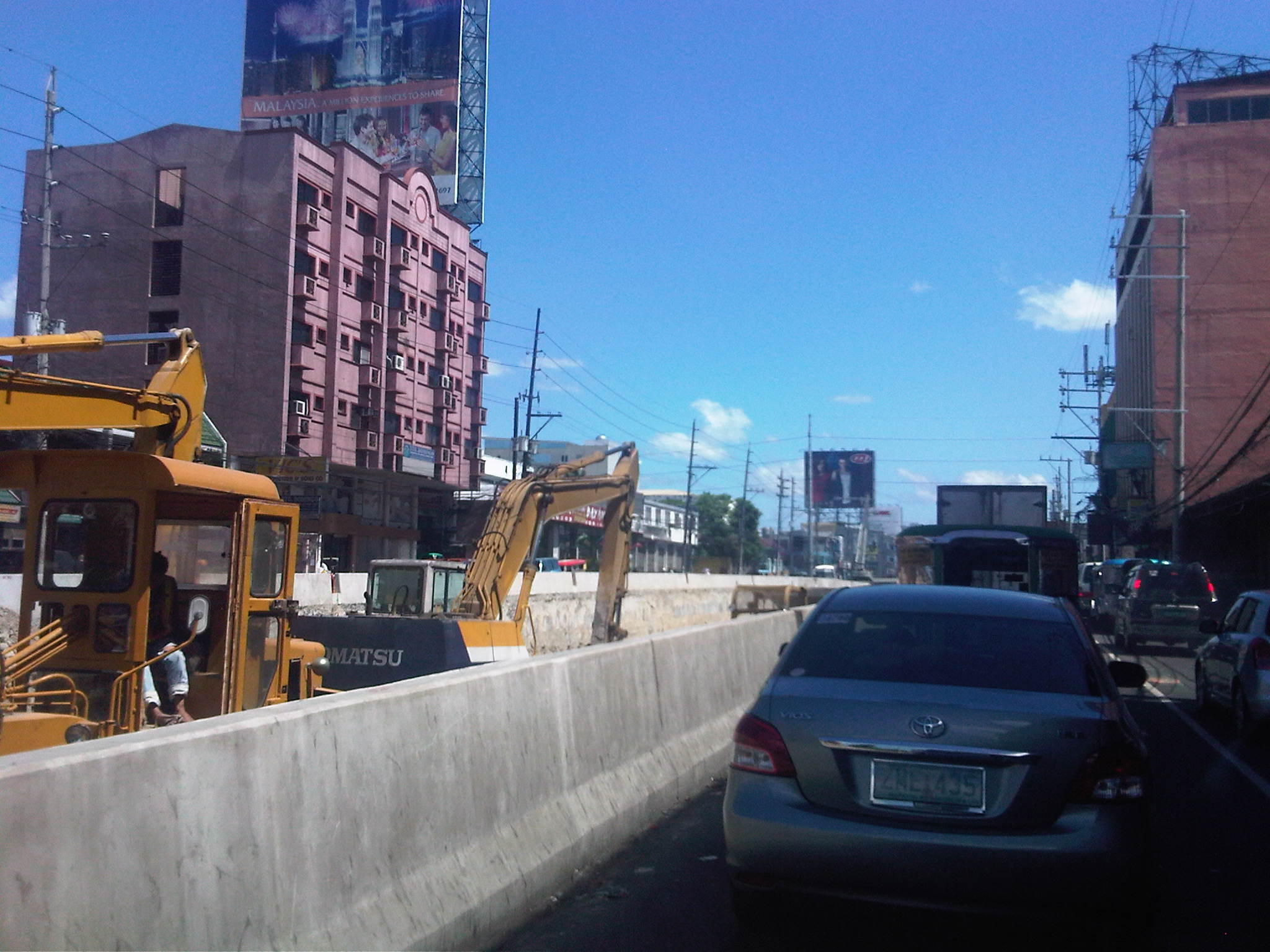
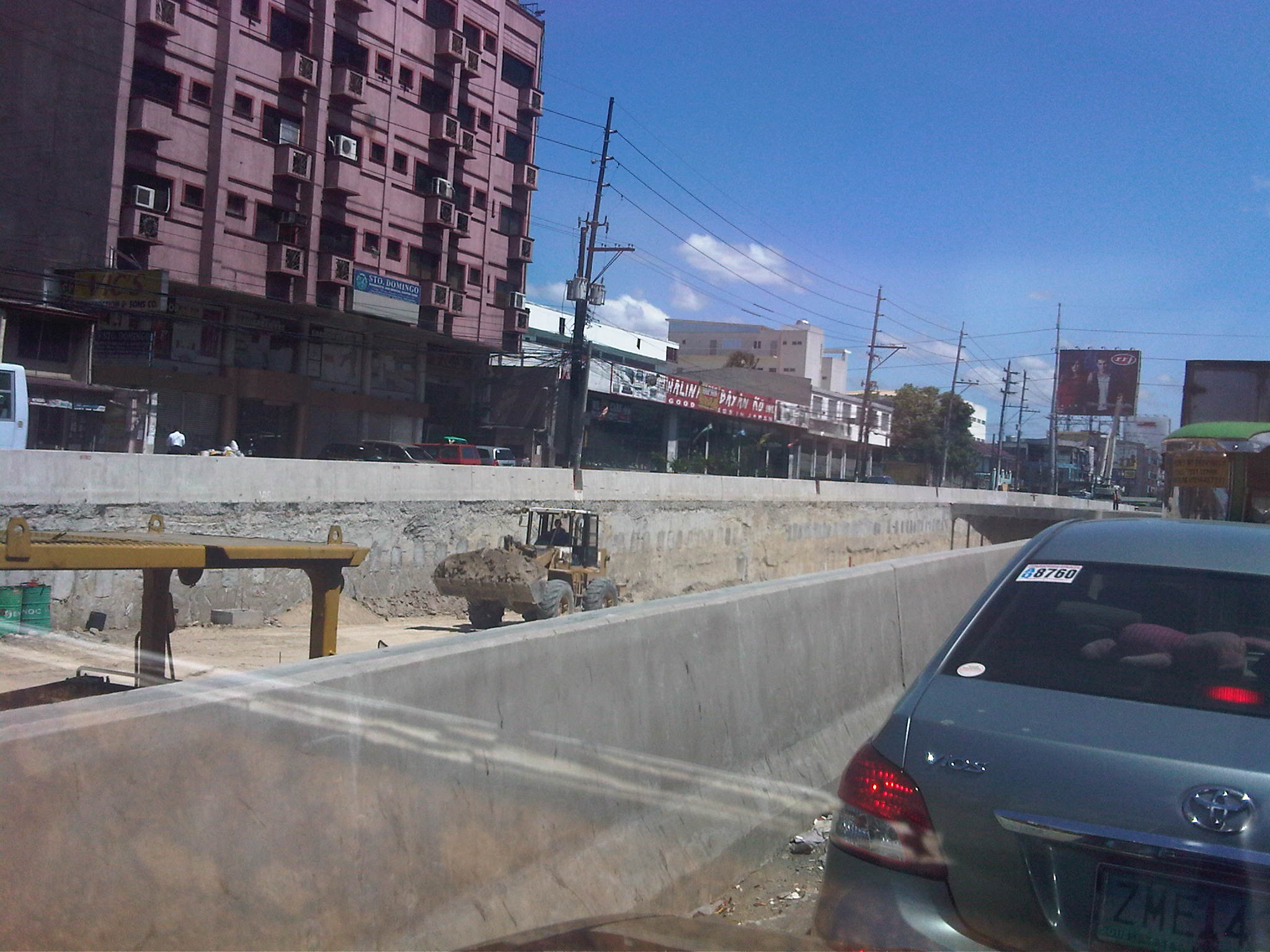
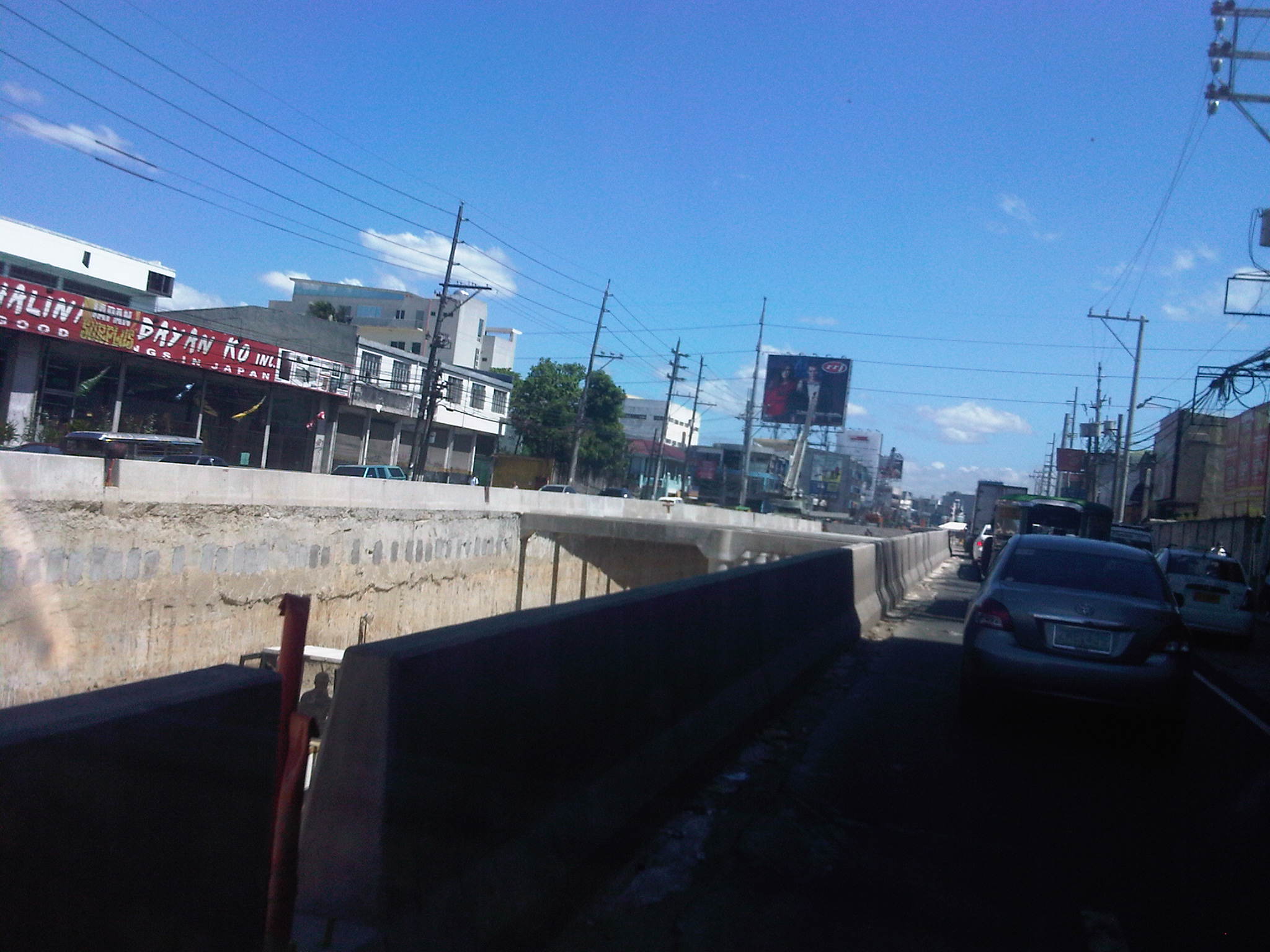
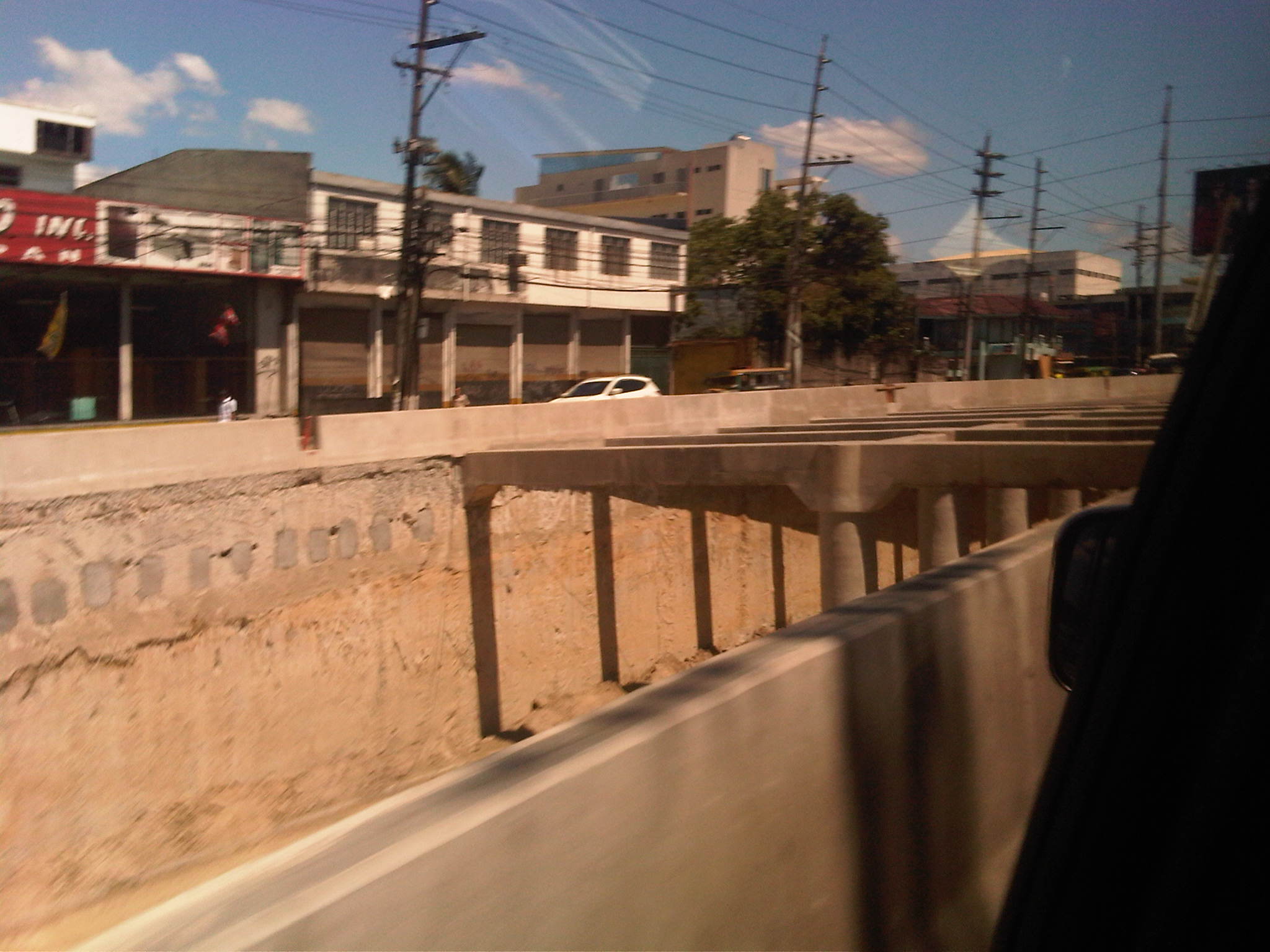
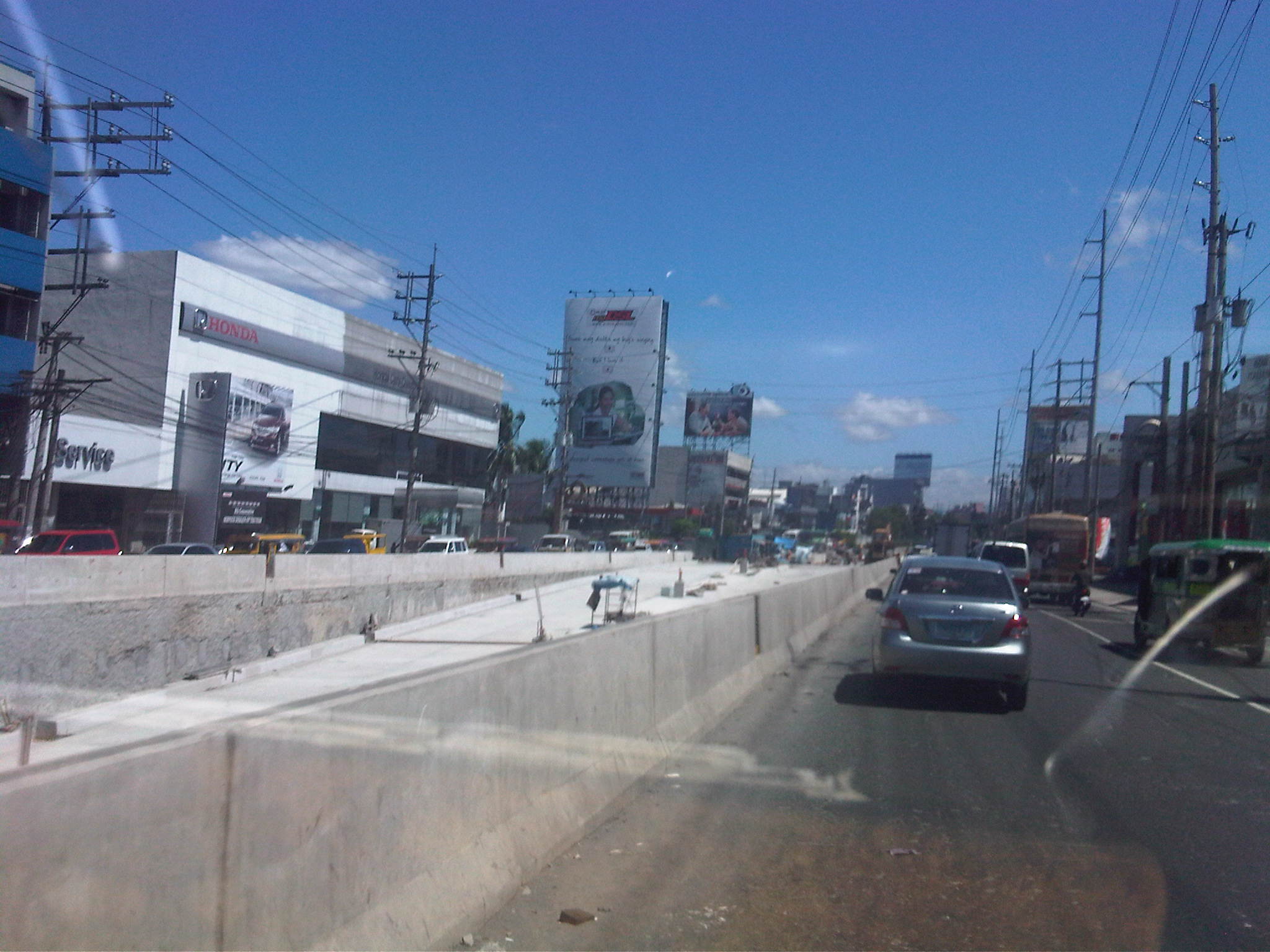
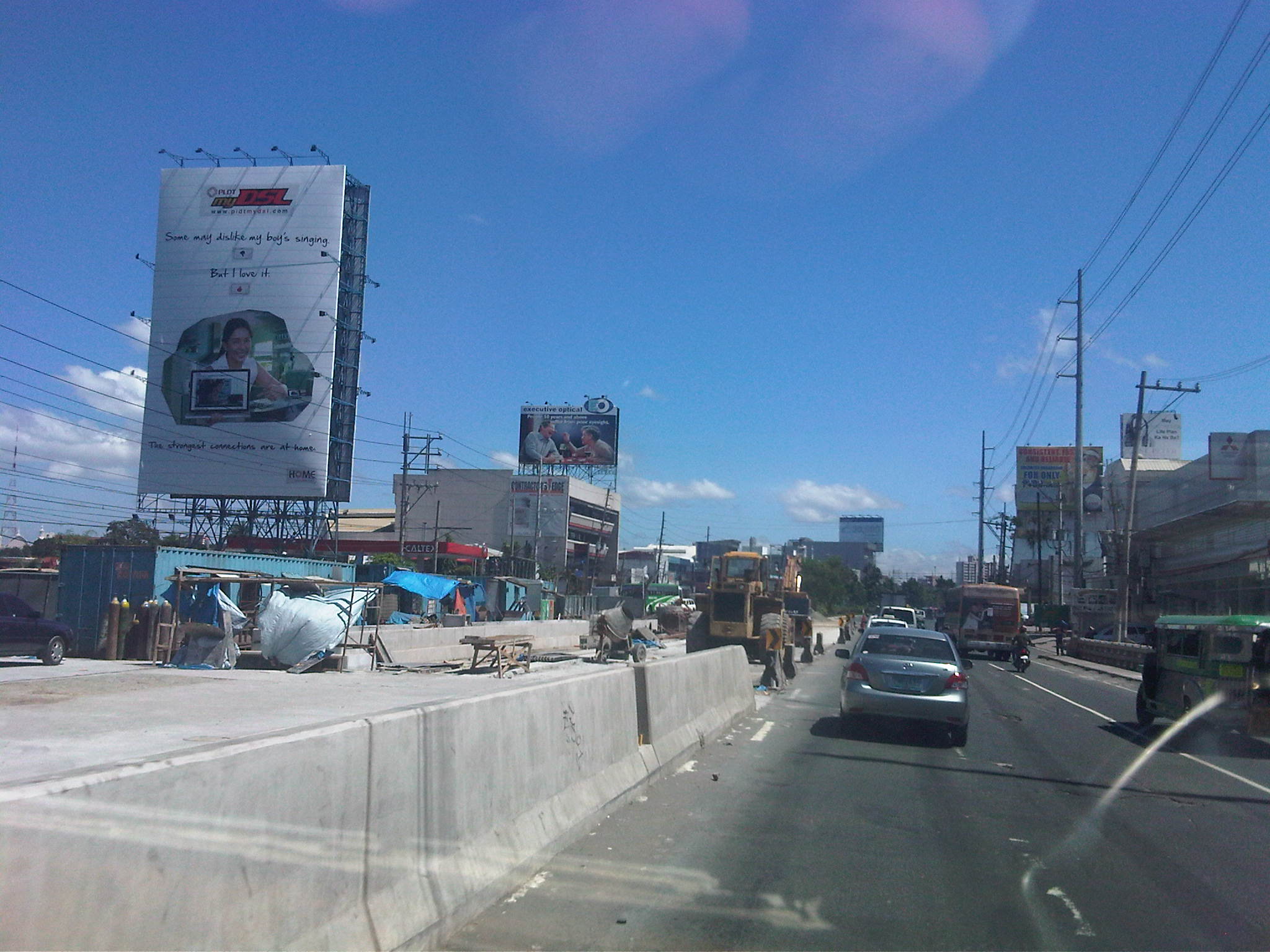
Passed by the construction site of the underpass along Quezon Ave. and the project seems to be running on schedule and should be finished prior to the next school year. Much is expected of the project because it has been touted as the solution to the traffic congestion along both major roads intersecting at this point.
The following photos show the work site from the westbound side along Quezon Ave. from Honda to Sto. Domingo:
 1
1
 2
2
 3
3
 4
4
 5
5
 6
6
 7
7
 8
8
The following photos show the work site from the eastbound side of Quezon Avenue from the Sto. Domingo to Puregold:
 9
9
 10
10
 11
11
 12
12
 13
13
 14
14
 15
15
 16
16
 17
17
 18
18
There seems to be a lot at stake with the completion of this project considering concerns about the drainage (Talayan is nearby and so is a river that usually overflows during periods of heavy rains.) as well as the capacity of the roads to handle traffic. While there should be no problems along the eastbound direction of Quezon Ave. due to the available capacity due to the widened sections of the highway, it is quite a different case for the Manila-bound direction where congestion may occur due to Sto. Domingo church and the series of intersections including the busy one at Banawe. Nevertheless, the main concern will be if the traffic signals at the at-grade Quezon Ave.-Araneta Ave. intersection will be able to handle the remaining traffic considering that most through traffic along Quezon Ave. will be expected to take the underpass. While the DPWH simulations seem to show relief at the intersection, the actual outcomes are something to wait for in order to validate traffic engineering analysis for the junction.
–
Undergraduate research topics on transportation 2011-2012
The Institute of Civil Engineering of the University of the Philippines Diliman is conducting its undergraduate research colloquium today. Expected to present are students who are either at the proposal stage or completing their research. Topics being completed are the following:
- Analysis of Road Accidents Involving Children Below 15 Years Old
- Analysis of the Impact of Billboards on Road Accidents Along EDSA
- Assessment of the Parking Management System in Shopping Malls
- In-Depth Comparative Analysis of Female and Male Bus Drivers for Public Transport in Metro Manila
Meanwhile, topics being proposed are the following:
- Accident Risk by Mode of Public Road-Based Passenger Transport in Metro Manila
- Analysis of Operations of Electric Tricycles
- Applicability of Unconventional Transit Systems in Selected Metropolitan Areas in the Philippines
- Assessment of the Philippine National Railways Commuter Line Services
- Assessment of the Re-Introduction of Traffic Signal at the University Avenue-Commonwealth Avenue Intersection
- Development of a Public Transport Information System for the UP Diliman Campus
- Estimating Ridership for a Proposed Public Transport System for UP Diliman
- Measuring Delay Caused by U-turn as Traffic Control Facility
- Quantitative Assessment of Road Safety Initiatives Along EDSA
- Travel Time Estimation of Jeepneys: The Case of University of the Philippines Diliman, Quezon City
The coverage of undergraduate research this year concerns mainly public transportation and road traffic safety but with one topic dealing primarily with traffic engineering. It is hoped that these researches would be able to answer certain nagging questions pertaining to transport and traffic particularly where safety and efficiency are concerned. In the case of topics on mass transport such as those on the PNR commuter services and the applicability of unconventional systems such as the automated guideway transit (AGT) and the monorail, the potential outcomes may actually be able to address questions that concern alternatives or options to road-based transport. This is essential and presently a very relevant issue given the shortcomings in transport infrastructure in many Philippine cities and the current efforts exploring the possibility and feasibility of systems that will alleviate congestion and address travel demand. Overall, such researches are targeted towards contributing to the body of knowledge that should serve as inputs to the formulation of solutions suitable for the Philippine setting.
Countdown
Among the things you get to observe at signalized intersections are the behavior of drivers given the setting of the traffic lights. While the cyclic transition from red to green to amber and then to red again seems routine and possibly trivial to many, it is an opportunity for traffic engineers to examine how drivers react to the lights. Among the most notable behavior are common violations like beating the red light and occupying the area within the yellow box despite full awareness that the exit is already full.
Then there are the not so obvious but risky habit of some drivers to beat the green light. That’s when a driver anticipates the green light and proceeds to move prior to the signal and before the intersection is clear of any vehicles or pedestrians that may have been caught in the change in signals. It is a practice that increases the probability of a road crash occurring as the clearance interval for vehicles whose paths may be in conflict is drastically reduced. This is a habit of many drivers who are familiar with the sequence of signals at an intersection and who know when its their turn for the green light.
In most cases, drivers and pedestrians are unaware of the length of time available for them to cross the street or intersection. There are no indications for when the lights will change and only familiarity would allow for drivers or pedestrians to estimate when it would be their turn to proceed. In Japan, many intersections play music during that tends to speed up when the signal will be changing. This audible indicator allows for both the blind and the busy to know whether it is safe to cross the street and if there is enough time to do so. It is also something that is probably taught to children for them to more easily know when it is safe for them to cross the street.
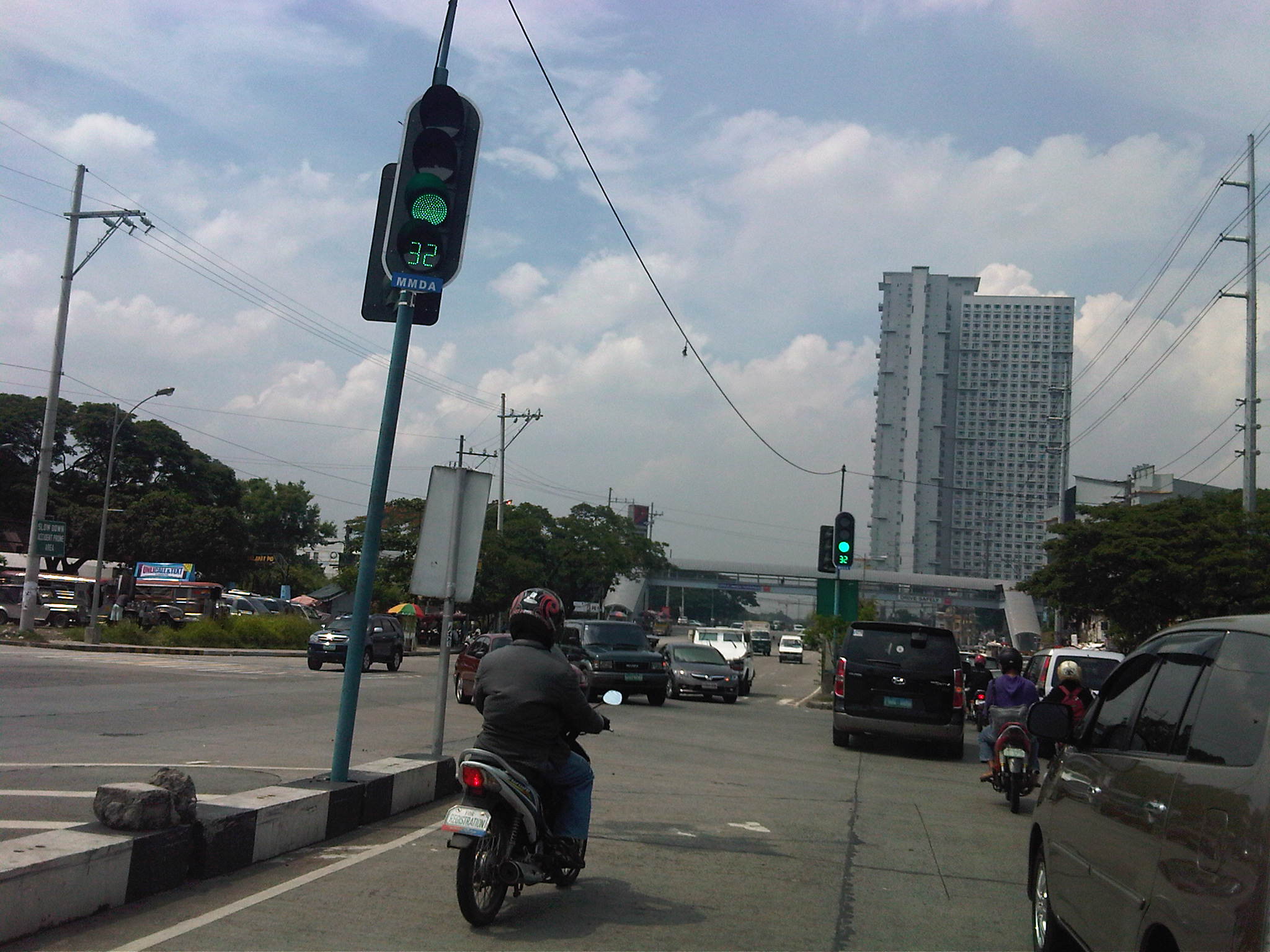
There is another innovation to traffic signals that is surely welcome to pedestrians and motorists alike but which may also have its disadvantages. I am referring to the countdown timer, which provides road users the information about the lengths of green and red signals (Note: Amber or yellow is usually fixed at 3 seconds.). From the perspective of energy efficiency, such information may allow motorists to turn off their engines, usually done when one practices eco-driving, resulting in fuel savings. Meanwhile, drivers of vehicles approaching an intersection may be able to tell if there is enough time for them to do so, and if there isn’t enough time they may be able to slow down their vehicles to stop at the next red light. Countdown timers may also be a helpful tool for enforcement as the timers establish that a driver should be aware of the time. Thus, a driver can no longer reason with the apprehending officer that he/she was not aware of the remaining time for movement.
Pedestrians may also benefit from the knowledge of available time to make a safe crossing. This information should ultimately reduce the need for running in order to completely cross the street. The photo below shows the new countdown timer installed for the southbound through movement at the Katipunan Avenue (C5) – C.P. Garcia Avenue intersection.
One possible disadvantage would be that aggressive drivers may still try to beat the red light by speeding up upon knowing what amount of time is available for them. Another disadvantage relates to beating the green light as even those unfamiliar with the signal sequence will have the information of how much time remains before they can proceed. Thus, many driver and riders start revving up their engines and push on their gears to anticipate the green signal. You can even imagine the countdown timer being used as if it were ticking towards to start of a race.
Despite the disadvantages mentioned, countdown timers should prove to be more beneficial than detrimental in most situations. In fact, countdown timers like the ones already installed at intersections in Bonifacio Global City should enhance traffic safety provided that these devices are fully complemented by enforcers who would flag down motorists and pedestrians who would attempt risky actions in relation to the timing device. Of course, from the research perspective there needs to be a scientific assessment of the actual impacts of countdown timers much like the studies already conducted elsewhere to determine and even measure the effects of these devices on both motorists and pedestrians. Only then can we truly say if they do enhance safety and promote more efficient operations at a signalized intersection.
Traffic Congestion in Metro Manila: Is the UVVRP Still Effective? -Conclusion
The MMDA always reports what it claims as improvements of travel speeds along EDSA that past years. They have pointed to this as evidence that traffic congestion is being addressed and that programs like the UVVRP are effective in curbing congestion. However, many traffic experts have cautioned against making sweeping generalizations pertaining to the effectiveness of schemes especially if the evidence put forward is limited and where data seems to have been collected under undesirable (read: unscientific) circumstances.
The MMDA also has been using and to some extent overextending its use of a micro-simulation software that is employs to demonstrate the potential effectiveness of its proposed traffic schemes. The software has an excellent animation feature that can make the untrained eye believe in what is being shown as The problem here is when one realizes that computer software will only show what the programmer/operator wants, and is perhaps an example where the term “garbage in, garbage out” is very much applicable. And this is especially true should the computer model be uncalibrated and unvalidated according to guidelines that are well established, and extensively discussed and deliberated in a wealth of academic references. The fallacy of employing advanced tools to demonstrate how one’s proposal is better than another was highlighted when the DPWH acquired the same tool and came up with an entirely different result for an analysis being made for the same project by that agency and the MMDA. Surely this resulted in confusion as the outcomes of the simulation efforts of both agencies practically negated each other.
It should be pointed out that such micro-simulation software is unsuitable for the task of determining whether metro-wide schemes such as the UVVRP is still effective given the actions of those affected by the scheme. What is required is a macroscopic model that would take into account the travel characteristics of populations in Metro Manila and its surrounding areas (cities and towns in the provinces of Rizal, Bulacan, Cavite, Laguna). There are quite a few of these models available but most if not all were derived from the one developed under the Metro Manila Urban Transport Integration Study (MMUTIS) that was completed in 1999. The main beneficiary from the outcomes of MMUTIS happens to be the MMDA but for some reason, that agency failed to build capacity for maintaining and updating/upgrading the model. As such, the agency missed a great opportunity to invest in something that they could have used to develop and evaluate traffic schemes to address congestion and other traffic issues in Metro Manila, as well as to assess the impacts of new developments.
Metro Manila has come to a point where its options for alleviating congestion are becoming more and more limited. The combination of a still increasing rate of motorization and private vehicle use have definitely contributed to congestion while there are also perceptions of a decline in public transport use in the metropolis. The share of public transport users in most Philippine cities and municipalities range from 80 – 90 %, while in many highly urbanized cities the tendency seems to be a decline for this share as more people are choosing to purchase motorcycles to enhance their mobility and as a substitute to cars. This trend towards motorcycle use cannot be denied based on the steep increase in ownership and the sheer number of motorcycles we observe in traffic everyday.
Metro Manila needs to retain the substantial public transport share while accepting that motorcycle ownership will continue to chip off commuters. The latter phenomenon can be slowed down should authorities strictly enforce traffic rules and regulations on motorcyclists, effectively erasing the notion that the latter group is “exempted” from such. The bigger and more urgent issue is how to put up long overdue mass transport infrastructure that is direly needed in order to create another opportunity for rationalization transport services. We seem to like that word “rationalization” without really understanding and acting on what is required to once and for all address transport problems in the metropolis. We are not lacking for examples of good practices that are both effective and sustainable including those in the capital cities of our ASEAN neighbors. However, we seem to be unable to deliver on the infrastructure part that we have tended to over-rely on a TDM scheme that has long lost much of its effectiveness. The evidence is quite strong for this conclusion and perhaps we should stop being in denial in as far as the UVVRP’s effectiveness is concerned. Efforts should be turned towards building the necessary infrastructure and making public transport attractive so that private car and motorcycle users will be left with no excuse to shift to public transport use. It is inevitable that at some time they will understand the cost of congestion and that they will have to pay for their part in congestion like what is being done along tollways or, in the more sophisticated and mature example, Singapore. But this cannot be realized if we continue to fail in putting up the infrastructure Metro Manila so direly requires.
Told ya so! And more irony
I was watching the news on TV after having dinner at home and caught one segment where the report featured an assessment of traffic schemes along Commonwealth Avenue. Prominently shown was an interview of the DPWH secretary where he is quoted relating the assessment of Australian and Korean experts about their assessment of safety along Commonwealth Avenue. What struck me about the assessment by foreign experts was that they were practically the same things pointed out by local experts from the NCTS and TSSP back in the day when Bayani Fernando was Chair of the MMDA. At the time, that agency was embarking on what the Chairman called the “Grand Rotunda Scheme” more popularly known as the U-turn Scheme that was to replace most of Metro Manila’s traffic signals with U-turn slots that were supposed to function much the same as roundabouts. This obsession with the U-turn as the ultimate solution to Metro Manila traffic culminated with the construction of the twin U-turn flyovers along C5-Kalayaan that was the subject of a protracted argument between the MMDA and the DPWH. From what I gathered in the news report, the DPWH and MMDA are currently discussing how to come up with an effective scheme for Commonwealth, showing that the two agencies are now quite receptive to alternatives and are keeping their options open, a flexibility that was absent in the past decade.
The Australian and Korean experts mentioned in the report are consultants for the International Road Assessment Program (iRAP) that is to be implemented through the DPWH and is supported by the road safety program of the World Bank. I have mixed feelings about the reception of their assessment particularly because I have seen the same thing happen where the so-called neutral or objective assessment of foreign experts seem to weigh more than those of local experts.
Don’t get me wrong about this feeling as I am also truly happy that their assessment is the same as those made by local experts early last decade and repeated to whomever had the time to listen or pay attention to their assessments. In fact, I am on the Steering Committee of this iRAP project and would be eager to see how the souped-up van that will run through more than 3,000 kilometers of Philippine roads will assess these infrastructure according to the star rating system iRAP has developed and calibrated to become an international standard for road safety assessment. Perhaps the outcomes of this project will allow us to compare with other countries’ roads including those in Malaysia, which the DPWH secretary mentioned earlier this year would be the benchmark for the Philippines. I am hopeful that the outcomes of iRAP Philippines will allow the DPWH and other agencies concerned including the tollway operators to improve the safety features of our highways. After all, the bottomline is not really who made the assessments or the recommendations but whether these would be implemented at all, and if we are able to save lives in the end.
Some issues on walkability in the Philippines
I have written about walking in the past (No Car? No Problem!), and it was mainly about a personal experience I had commuting home one evening. At the time, I had already made the observation that we are generally lacking for pedestrian facilities. We do have sidewalks but most are too narrow for the typically high volume of pedestrian traffic. In cases where there are sufficient width or space, sidewalks are often occupied by vendors. In commercial areas, establishments also have a tendency to encroach on pedestrian space thereby constricting the walkways. This is the predicament in most, if not all, Philippine cities and the result is often that pedestrians are forced to walk along the carriageway, using space that is supposed to be for motor vehicles and effectively causing congestion due to the reduced road capacity. Such are issues pertaining to walkability that touches mainly on the safety, mobility and accessibility aspects of walking.
In rural areas and particularly along national highways, there are practically no pedestrian facilities unless one considers highway shoulders as appropriate for walking. As such, one will most likely find people walking along the shoulders or, should it be the wet season and these shoulders happen to be muddy, along the carriageway. It is not uncommon also to see children walking along the highways since many schools are located along the roads. Such situations often put children at risk, thereby magnifying their vulnerability to becoming victims of road crashes.
Another vulnerable group are senior citizens, who, despite their age, can still be very active and are entitled to mobility just like any person. They, too, deserve facilities that will keep them safe from risks such as wayward public transportation or reckless drivers and riders. Then there are also those who are physically-challenged, people with disabilities who, despite their physical limitations, also have the right to move about. In fact, there are laws with provisions requiring public facilities to be designed according to the needs of persons with disabilities (PWDs). Sadly, pedestrian facilities in Philippine cities generally do not incorporate ramps, guides and other devices that would allow for efficient movement of PWDs.
Crossings are also a big issue considering the statistics of pedestrian involvement in road crashes. Of course, there are two sides of the coin here where, on one hand, hard-headed people still cross at inappropriate locations or say at street-level when there is an overpass or underpass nearby. Such incidences of jaywalking are quite prevalent in urban areas, betraying a lack of discipline that is often in combination with weak traffic enforcement. On the other hand, there are pedestrians crossing along designated locations like zebra crossings but are placed in harm’s way as motorists do not give way.
Heading to the airport last Maundy Thursday to fetch my wife, I took Marcos Highway and saw the many people walking to Antipolo Church, a popular pilgrimage site for Filipino Roman Catholics during the Holy Week as well as the month of May when the feast of Our Lady of Peace and Good Voyage is celebrated. They came from all over Metro Manila but mostly from Pasig, Cainta, Marikina and Quezon City. It was around 10:00 PM and due to the Holy Week, there were very few public transport (and vehicles in general) along the highway, which is a major corridor to the east. Most of them had to walk along the carriageway considering the ongoing construction work along Marcos Highway for a major drainage and pavement project. Considering the volume of people, they has practically occupied one lane (the outermost) of the highway. Fortunately, because there were few vehicles, the people didn’t have to worry much about being sideswiped as they walked.
I could imagine a similar case along Ortigas Avenue, which is along the original way to Antipolo Church. Perhaps there were even more people walking along that road considering that it passes through densely populated areas of Mandaluyong, Pasig, Cainta and Antipolo as well as the avenue being most accessible to people coming from Taguig, Makati, San Juan and Manila. The Way of the Cross along Ortigas Avenue has been enhanced with the construction of stations along the route that can be used as guides, especially by those who are unfamiliar with the pilgrimage. That way is also wanting for pedestrian facilities and often sidewalks are ill-designed and may even have electric posts impeding the flow of traffic.
To me, the solution to such issues on walkability is quite clear and does not require more than common sense. Obstacles along walkways, for example, need to be removed to ensure that there will be space for walking and ensuring smooth traffic flow. The MMDA deserves a lot of credit for waging an aggressive campaign during the time of Bayani Fernando, when he implemented a “sidewalk clearing” program that effectively returned space to pedestrians that were taken from them by vendors and establishments. The latter mostly did so in violation of the building code that is quite common in most downtown areas. Electric posts also need to be relocated and such may be coordinated with power/utility companies who are responsible for their installation.
On the technical side, there is a need to revisit design guidelines, if any, pertaining to pedestrian facilities. The National Building Code actually has provisions for designing sidewalks but there are none, to my knowledge, about designing overpasses and underpasses. There are no criteria currently being used to determine, for example, the suitable locations for overpasses and to estimate their capacities based on the principles of traffic flow. This, considering that there are actually level of service (LOS) criteria for walkways and other facilities catering to pedestrians. These design guidelines should clearly incorporate safety and accessibility so that the resulting facilities will be for the inclusive use of all.
On the enforcement side, there is nothing new and no surprises that the recommendation would be to have firm, consistent and aggressive enforcement of traffic rules and regulations. For this I may sound like a broken record but it only goes to show that we have not progressed much in this aspect of traffic management. The ningas cogon approach must go and programs should also be directed against those impeding pedestrian flow (e.g., vendors setting up on overpasses) as well as those whose behavior endanger pedestrians (e.g., reckless, undisciplined drivers).
I am optimistic, though, that with the combined efforts of many advocates for road safety, we may eventually be able to improve walkability in most cities in this country. For one, there are already several LGUs who have programs with a vision for them to be a walkable city. Among these are Marikina and Makati in Metro Manila, and San Fernando in La Union. More will hopefully follow the examples of these cities and, who knows, one day perhaps we can walk safely wherever and whenever we wish to do so.
Replicating success
In his inaugural speech, P-Noy stated his disdain for “wang-wang,” referring to the abusive of the sirens by certain people. “Wang-wang” then symbolized how these people practically claimed privilege over other people haplessly caught in traffic jams. The mere reference to “wang-wang” and the marching orders for the PNP-HPG and the LTO to crack down on the abuse led to an aggressive, fast and effective campaign that resulted in the confiscation of illegal sirens. In effect, the campaign brought back the sirens to its original purpose. And that is to get the attention of motorists for them to give way to emergency vehicles such as ambulances and fire trucks.
I’ve always wondered after that successful campaign why our agencies can’t replicate this for other traffic violations as well. Surely, a similar campaign will go along way in establishing firm enforcement of traffic rules and regulations – something that has been cited time and again as what needs to be done to bring order to the traffic mess we experience everyday.
Perhaps we can start off by listing something like a Top Ten rules that are violated and apply the “wang-wang” campaign to these. I nominate the following to be included in the Top Ten:
1. Counterflowing
2. Use of illegal license plates
3. Speeding
4. Jaywalking
These combined with another aggressive campaign but this time on the environment side (i.e., no-nonsense emission testing and anti-smoke belching) should help ease traffic in many major thoroughfares. These could all be under the banner of a Traffic Discipline Zone (TDZ) or corridor and if implemented properly may help bring respect back to our traffic enforcers. I am optimistic that enforcement will go beyond just being a motherhood statement and that its contributions would be very significant.
From Odd-Even to UVVRP… and back
Picking up from where I left off in the last post, I reproduce another part of the paper I co-authored with a good friend who now happens to be the Director of the Center for Policy and Executive Development (CPED) of the National College of Public Administration and Governance (NCPAG) of UP Diliman.
“The UVVRP or the “number coding” scheme, as it is commonly called, is a travel demand management measure that has evolved since its first implementation in 1995. The original intent was to use this measure to address congestion brought about in part by the many road and rail infrastructure projects being implemented throughout Metro Manila in the 1990’s. However, due to its perceived success in decreasing traffic along Metro Manila arterials, the scheme’s implementation was extended and even expanded to include public transport vehicles like buses, jeepneys and taxis.
The original programs involved only the main arterials of Metro Manila including its five circumferential and ten radial roads. These included the three expressways that connected the region to surrounding provinces in the north and south. All these are classified as national roads. The current program includes essentially all roads, with traffic enforcement units of cities and municipalities implementing the scheme for city and municipal roads. The MMDA enforces the scheme along most major roads.
The chronology of the development of UVVRP starts in 1995 when the MMDA Regulation No. 95-001 otherwise known as the “Odd-Even Scheme” was issued. The scheme bans private vehicles with less than three (3) occupants from plying restricted thoroughfares during AM and PM peak periods on particular days. Specifically, low occupancy private vehicles with license plates ending in odd numbers are banned on Tuesdays, Thursdays and Saturdays, while those with license plates ending in even numbers are banned on Mondays, Wednesdays and Fridays. Peak period is defined to be between 7:00 AM to 9:00 AM and 5:00 PM to 7:00 PM. The penalty was set at P 300 per offense. Exempted from this regulation are public transport vehicles, emergency vehicles, police and military vehicles, school buses, diplomatic vehicles and official media vehicles.
In 1996, the MMDA issued Regulation 96-004 otherwise known as the “Modified Odd-Even Scheme” in addition to the existing Odd-Even Scheme. The Modified Odd-Even scheme applied to public utility vehicles such as taxis, buses, public utility jeepneys, etc., which are banned from all streets of Metro Manila on particular days of the week from 9:00 AM to 5:00 PM based on the plate number ending of each vehicle, as follows: 1 and 2 on Mondays, 3 and 4 on Tuesdays, 5 and 6 on Wednesdays, 7 and 8 on Thursdays, 9 and 0 on Fridays. This regulation took effect February 19, 1996 and covered all roads in Metropolitan Manila.
Also, in 1996 the Metro Manila Council, MMDA, adopted and promulgated MMDA Regulation 96-005 entitled the “Unified Vehicular Volume Reduction Program” regulating the operation of certain motor vehicles on all national, city and municipal roads in Metropolitan Manila and repealed MMDA Regulation Nos. 95-001 and 96-004. The UVVRP, commonly referred to as “color-coding”, was adopted from the previous “Odd-Even” scheme which was first implemented in December 1, 1995 by the MMDA together with the Philippine National Police. Under this scheme both public and private vehicles are banned for longer hours (i.e., between 7:00 AM and 7:00 PM). This regulation was first implemented last June 1, 1996 and is still in effect.
In early 2003, the MMDA temporarily suspended the UVVRP. The resulting mayhem, probably due to the abrupt reaction of car-users, forced the MMDA to restore the scheme. A variant of the scheme was later introduced with a window from 10:00 AM to 3:00 PM (i.e., the off-peak period within the day) when banned vehicles may travel. Not all cities and municipalities in Metro Manila, however, adopted the scheme due to its perceived detrimental effects on traffic in their respective areas. The prime central business districts of Makati and Mandaluyong prompted these cities to implement the UVVRP from 7:00 A.M. to 7:00 P.M. This created problems as many roads run through different cities and municipalities, especially the circumferential and radial roads. Thus, it is possible for a motorist to use his vehicle in a city adopting the off-peak period window and get apprehended in another city that enforced the UVVRP during the daytime.”
[Source: Regidor, J.R.F. and Tiglao, N.C.C. (2007) “Alternative Solutions to Traffic Problems: Metro Manila in Retrospect,” Proceedings of the 11th World Conference on Transport Research (WCTR 2007), 24-28 June 2007, University of California Transportation Center, University of California, Berkeley, CA, USA, DVD.]
I am aware of certain stories circulating among those in the transportation and traffic circle(s) claiming an even earlier concept of the Odd-Even scheme. All stories seem to eventually lead to Oscar Orbos who had a brief stint as Secretary of the Department of Transportation and Communications (DOTC) in the Cabinet of Cory Aquino in 1990. He is, of course, credited with the conceptualization and implementation of the “yellow lane” scheme, as lanes alloted for exclusive use of public utility vehicles have come to be known. An earlier version of the Odd-Even scheme has been attributed to him and, perhaps subject to verification, was claimed as among the reasons he was eventually relieved and transferred to another post. I say subject to verification because I do remember but faintly that there was a lot of talk about how to drastically lessen the number of vehicles along Metro Manila roads at the time. I was quite naive to such being a college junior at the time and was quite indifferent to policies that years later I would be evaluating and writing about. Moreover, it has been established that certain stories if allowed to circulate long enough gains the appearance of being true.
At this point, I am already tempted to provide a brief conclusion on the lessons and experience of vehicle restraint policies as implemented in Metro Manila. However, I would have to defer until after another post where the topic will be another vehicle restraint scheme, this time one that is even older than the UVVRP and its various incarnations. It is a scheme that has been subject to probably even more discussions and scrutiny given that it is a scheme other cities have implemented in various forms and had its share of successes and failures. I am talking about the “truck ban.”
 Caught (up) in traffic