
Home » Public Transport » Bus (Page 6)
Category Archives: Bus
Jeepneys? No, they’re buses
I spotted this vehicle along my commute earlier today and couldn’t help but state that this is not a jeep or jeepney as DOTr or LTFRB seem to be marketing it to be. By all indications, this is a departure from the jeepney design and should be called a bus or mini-bus. Perhaps it can still be considered a jitney but that is a stretch. It wouldn’t hurt efforts towards route rationalization and public utility vehicle modernization to call this a bus or mini-bus. In fact, that should be a conscious effort towards changing mindsets about what vehicles are most appropriate or suitable for certain routes.

Premium Jeep beside a conventional one somewhere in Bayan-bayanan, Marikina City
–
On the financial viability requirement for public transport operators
I came upon the news that the P2P Bus service between SM City North EDSA and SM Megamall suspended operations The Land Transportation Franchising and Regulatory Board (LTFRB) released a statement to clarify the circumstances surrounding the suspension, which apparently was the initiative of the operator rather than the agency. Apparently, too, some people were quick to attribute (blame seems to be the more appropriate adjective to describe how some netizens reacted) the suspension to LTFRB. Here is the statement posted on their social media page:
Land Transportation Franchising and Regulatory Board – LTFRB
February 23 at 7:52 PM ·LTFRB PRESS STATEMENT ON P2P OPERATIONS OF FROEHLICH TOURS, INC.
23 February 2020The Land Transportation Franchising and Regulatory Board (LTFRB) would like to clarify that it did not order the cessation of the P2P operations of Froehlich Tours, Inc. (FTI) which plied the SM North EDSA-SM Megamall and Trinoma-Park Square routes.
FTI was one of the first to be awarded with P2P routes in 2016. In November 2019, MAN Automotive Concessionaires Corporation (MAN) submitted a letter requesting the Board to look into the financial capability of FTI to maintain its operations, fund expenses that may arise from accidents, and continue to provide public service.
According to MAN, an exclusive truck and bus importer, assembler, and distributor, FTI initially acquired 17 bus units amounting to a total of P185.7 million from them. FTI was only able to pay P39.2 million which resulted in MAN having to repossess 12 bus units. To this day, P19.75 million is still left unpaid by FTI.
While these allegations are still under investigation by the Board, an inspection of the FTI bus units revealed that the company’s Provisional Authority, which allowed them to run and function as a public service provider, has already expired and no renewal was filed.
As of now, an order has been sent out to Froehlich Tours Inc. to submit its 2019 Financial Statement within a period of five (5) days from receipt of a copy. The hearing is reset, upon the agreement of both parties, on 3 March 2020 at the LTFRB Central Office.
Pending the outcome of the hearing, the Board shall adopt measure in the coming weeks to ensure that the riding public will be provided with the needed transport service on the routes affected.
–
There are two major points in the statement. One is on the financial viability of the operator and another is on the provisional authority granted by the LTFRB, which is a regulatory agency. The latter pertains to something more temporary and authoritative than a franchise, which is basically a license to provide transport services. These provisional authorities are often granted by the agency for so-called “missionary routes” as well as for supplementing the supply of vehicles during peak seasons like Christmas, Holy Week and Undas.
Financial viability is a requirement for all public transport operators. It is part of the formula for determining the viable number of units (i.e., vehicles) considering the fare that is to be charged to passengers taking into consideration the operating costs of operators. If this requirement was implemented strictly, a lot of operators would not be operating PUVs in the first place. The LTFRB, however, as well as its mother agency, the DOTr, have been lax about this requirement for so long a time that it is difficult to recall the last case where this was cited as a reason for suspending operations.
–
Zamboanga City Integrated Bus Terminal
I open the year by sharing photos of the Zamboanga City Bus Terminal. It is a ‘central’ terminal as most most buses terminate here and cannot proceed to the city center. At the terminal, passengers may transfer between buses, jeepneys and vans.
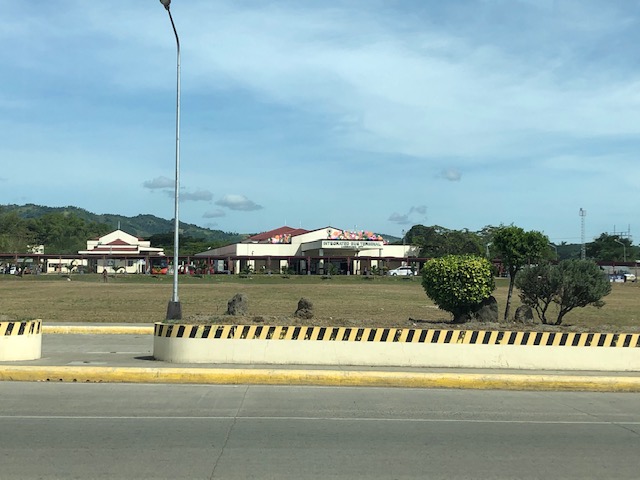 View of the terminal from the national highway. There are driveways leading to and from the terminal from the highway and one can appreciate the expanse between the facility and the main access road.
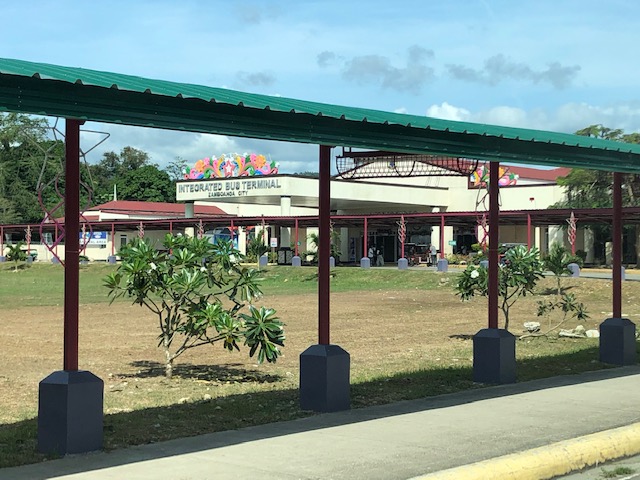 There are covered walks connecting the terminal to the national road.
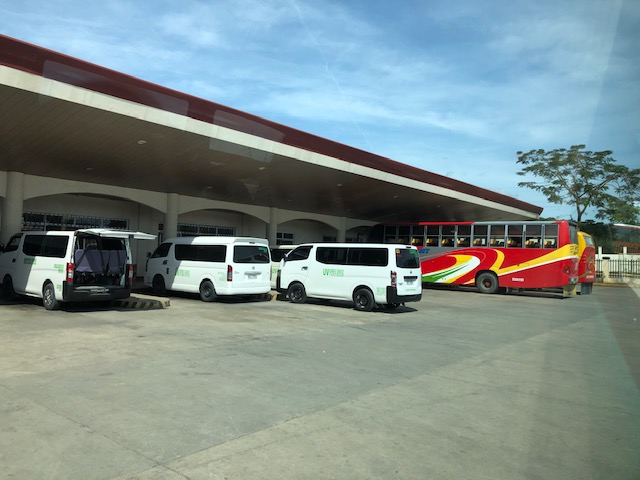 Provincial buses and long-distance vans at the terminal
 Provincial bus arriving at the terminal

 Jeepneys at the terminal
 Motorcycles parked along a shaded area. The lamp’s vintage design seems to be a good accent to the terminal.
 Close-up showing the spacious parking area shared by cars, jeepneys, motorcycles and even tricycles
 Another look at the covered walkways leading to the national highway. Not all public transport go to the terminal because of the fees and the distance for the diversion from the highway.
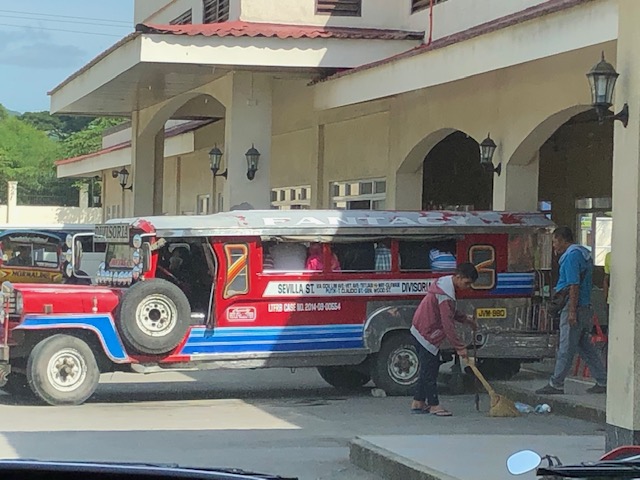 Jeepneys waiting to be filled with passengers prior to departure
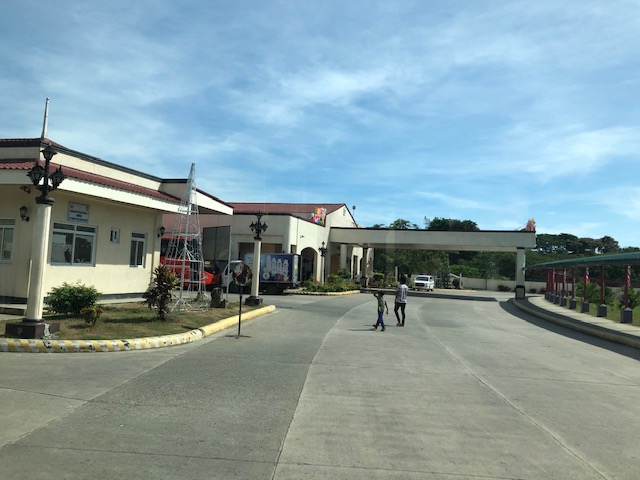 A look at the front of the terminal shows a wide driveway and the connection of the covered walkway to the main entrance
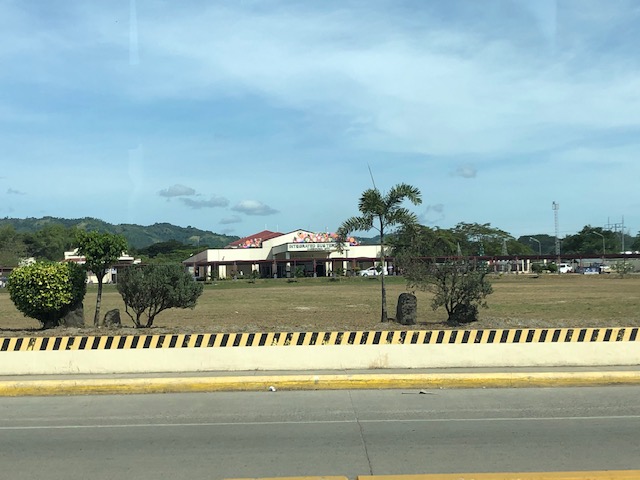 Another look at the integrated terminal from the highway
We will be evaluating the terminal soon as part of a study we are doing for the city. More photos and some assessments about its features soon!
–
Bus stops in Bangkok
My former professor – my second adviser – posted a few photos of bus stops in Bangkok. I am re-sharing these here to show one aspect of how buses operate in Bangkok including the route numbering and the schedules.
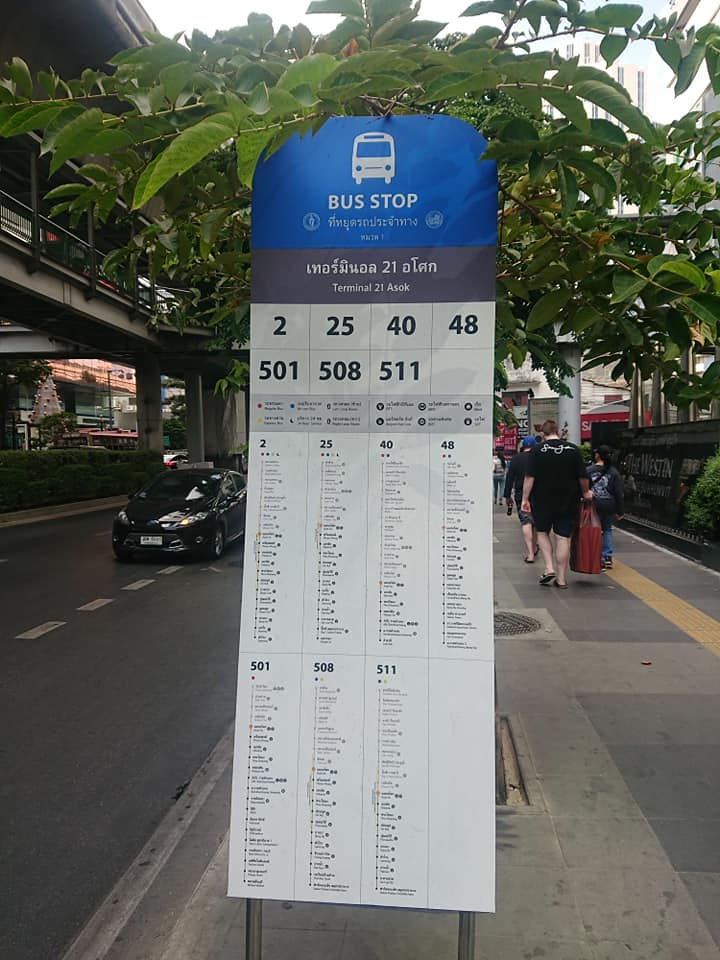 Bus route numbers and lists of designated stops for each [Photo credits: Fumihiko Nakamura]
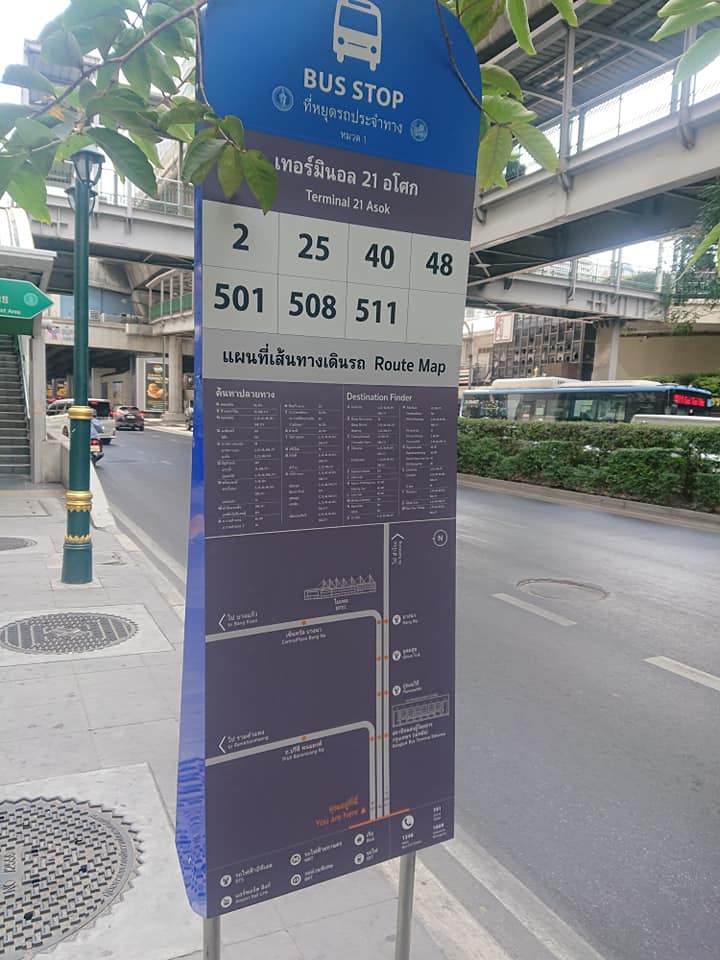 Route map on the other side of the panel [Photo credits: Fumihiko Nakamura]
There are no schedules here like the ones on bus stops in Japan or Singapore but the basic information is quite helpful for commuters and tourists who opt to take regular public transport instead of taxis or ride share. Are such devices being considered by the MMDA or other cities for their public transportation? If not, then maybe they can consider and include this in their New Year’s resolutions.
–
On the issuance of provisional units for ‘modernised’ jeepneys
There seems to be a proliferation of various models of the so-called “modernized jeepneys”. They have been deployed along what the DOTr and LTFRB have tagged as “missionary routes”. The latter term though is confusing because this used to refer to areas that are not yet being served by public transportation, hence the “missionary” aspect of the route. The routes stated on the jeepneys are certainly new but they overlap with existing ones. Thus, the new vehicles are actually additional to the traffic already running along the roads used by the existing (old?) routes. The number of units are said to be “provisional” meaning these are trial numbers of these new vehicles and implying the route and service to be somewhat “experimental”. There can be two reasons here that are actually strongly related to each other: 1) the actual demand for the route is not known, and 2) the corresponding number of vehicles to serve the demand is also unknown. Unknown here likely means there has been little or no effort to determine the demand and number of vehicles to serve that demand. The DOTr and LTFRB arguably is unable to do these estimations or determinations because it simply does not have the capacity and capability to do so; relying on consultants to figure this out. That work though should be in a larger context of rationalizing public transport services. “Provisional” here may just mean “arbitrary” because of the number (say 20 or 30 units?) of units they approve for these new routes.
 A ‘modernised’ jeepney with a capacity of 23 passengers. The vehicle is definitely larger than the conventional jeepneys and yet can only carry 23 seated passengers. That’s basically the number of seats for most “patok” jeepneys that are “sampuan” or 10 passengers on each bench plus 2 passengers and the driver in the front seats.
 Modernized jeepney unloading passengers along the roadside
Rationalization should require not only the replacement of old jeepney units that seems to be the objective of the government’s modernization program. Rationalization also entails the determination and deployment of vehicles of suitable passenger capacities for the routes they are to serve. I have stated before that certain routes already require buses instead of jeepneys and that jeepneys should be serving feeder routes instead. Meanwhile, routes (even areas) currently having tricycles as the primary mode of transport would have to be served by jeepneys. Tricycles, after all, are more like taxis than regular public transportation. Such will also mean a reduction in the volumes of these vehicles and, if implemented and monitored strictly, may lead to an improvement in the quality of service of road public transport.
[Note: May I add that although I also use ‘jeepney’ in my articles, these vehicles should be called by their true names – ‘jitneys’. The term jeepney is actually a combination of the words Jeep (US military origins) and jitney (a public utility vehicle usually informal or paratransit offering low fares).]
Mixed messages for commuters?
I had spotted buses (or perhaps its just the same bus?) for a P2P service between Antipolo and Ortigas Center bearing what appears to be a statement for improving the quality of life of commuters. Many have been suffering and continue to suffer on their daily commutes starting from difficulties getting a ride to very long travel times. The term “dignity of travel” comes to mind, which a colleague coined many years ago to describe
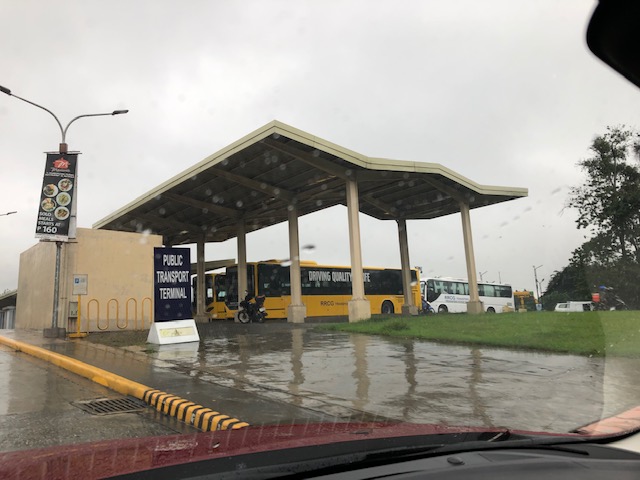 P2P buses at the public transport terminal at Robinsons Place Antipolo
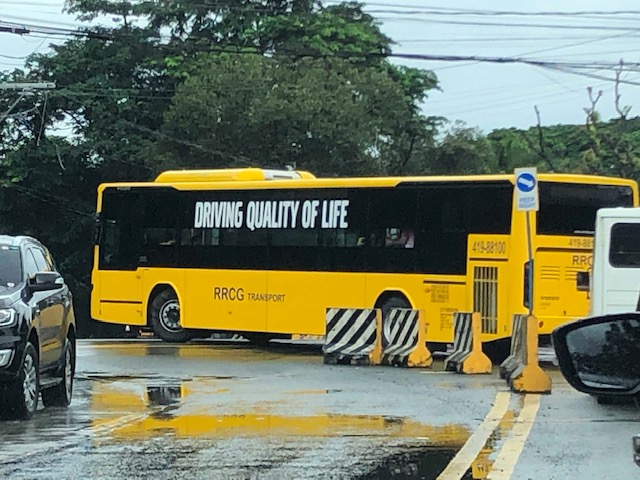 Whoever thought of this probably meant well; thinking about improving quality of life. The choice of words though may convey a different message as “driving” is in all caps and usually associated with a different, less appealing activity to sustainable transport advocates. I think they should have chosen “improving” instead of “driving” here.
This is somewhat similar to a much earlier post of mine showing SMRT buses in Singapore with ads promoting Uber and how it was supposed to complement public transport. That, of course, was a bit of a stretch in the city-state, which already has excellent public transport compared to elsewhere, and already complemented by very good taxi services.
Yesterday, there was a nationwide transport strike and depending on which side you are on, the reality is that we are still far from having more efficient public transport. But that’s another story and hopefully, I get to write about it in the next few days.
–
MyBus at the Mactan Cebu Airport
Arriving at the Mactan Cebu International Airport (MCIA), we moved towards the transport terminal where a rental van was picking us up. We were a big group and had luggage for a week’s stay so we arranged for the van, which we rented until the evening so we can go to dinner without hassle. As we walked towards the terminal, I saw a man waving a board with MyBus on it. He was calling out to passengers who might want to take this bus to Cebu City (MCIA is in Lapu-Lapu City). I wasn’t able to take a photo of the man but was able to take few as we waited for our van.
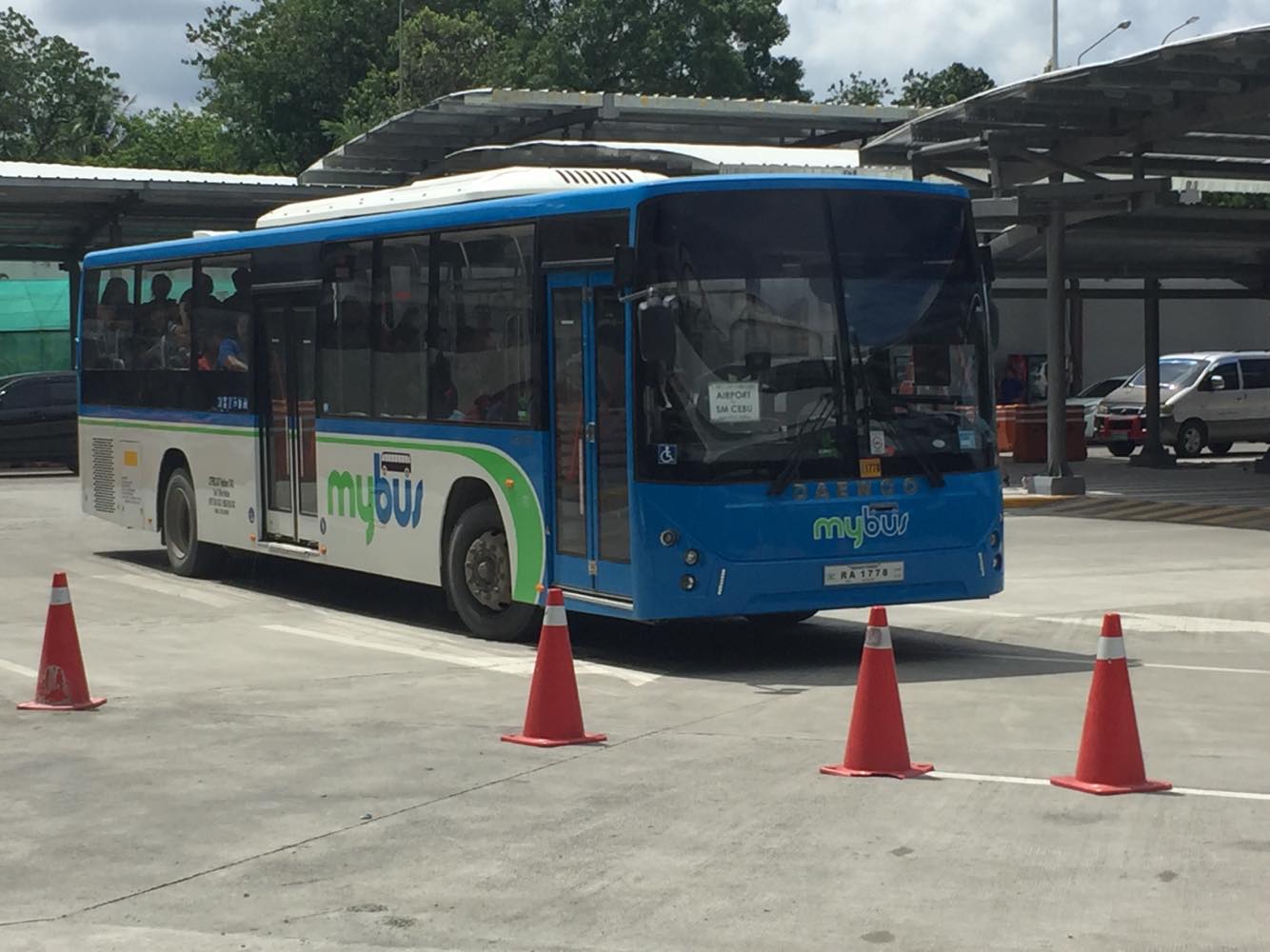 MyBus turning along the MCIA terminal driveway after picking up passengers
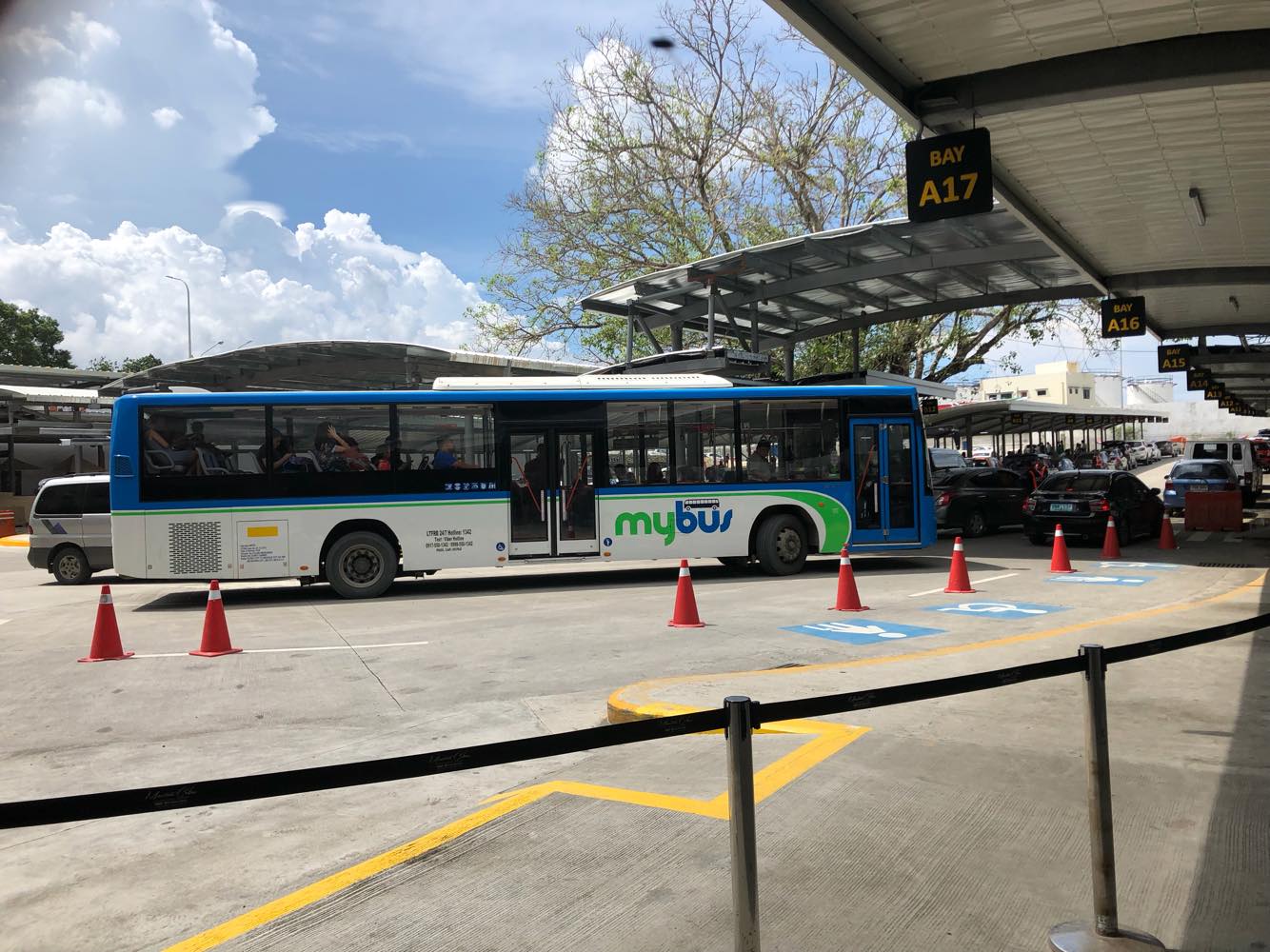 MyBus turning towards the terminal exit. There were a good number of passengers on the bus so that’s a good thing. That means they already have established some ridership between the airport and Cebu City.
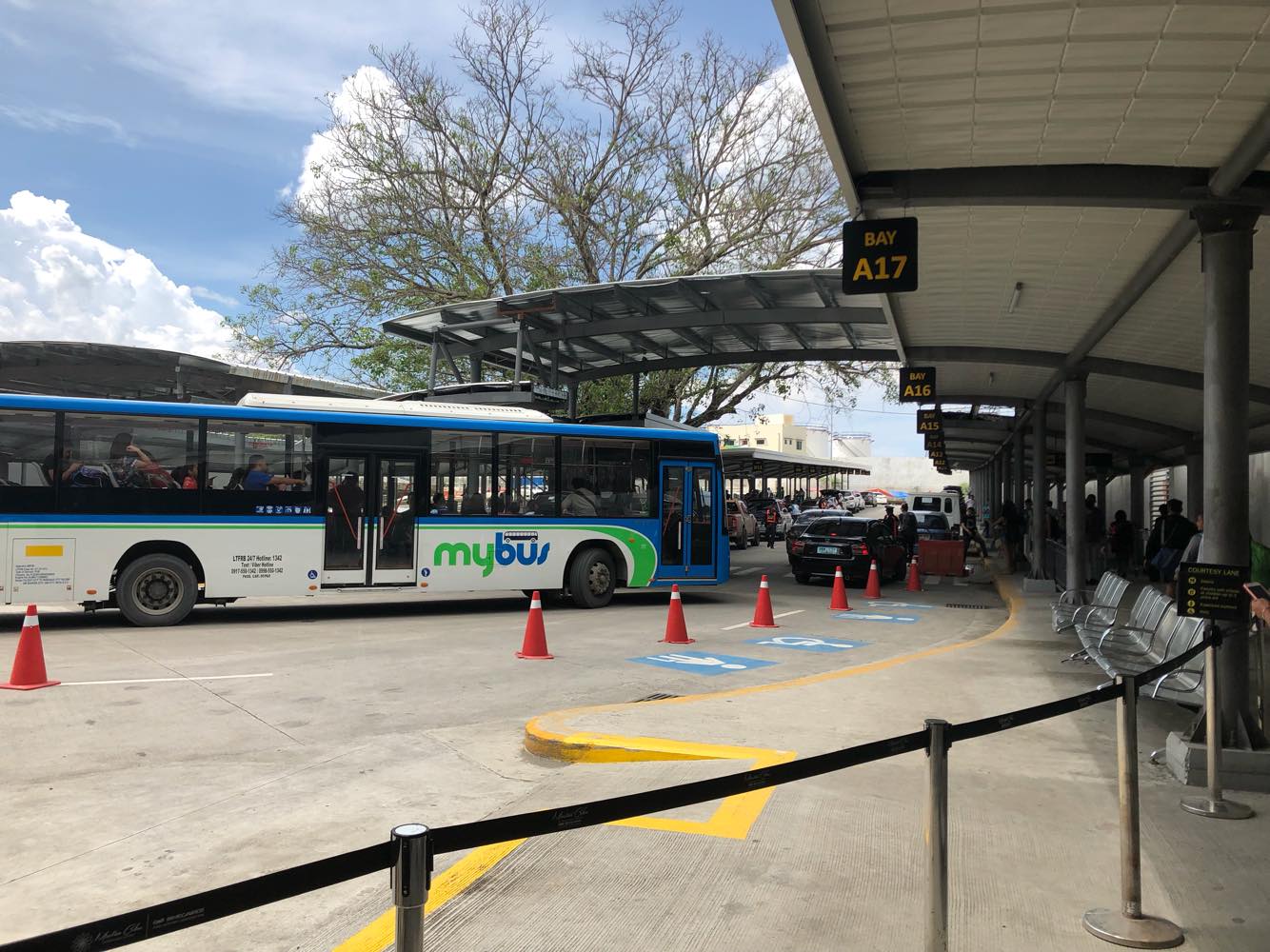 Another photo of the bus as it waited for a car to clear its path. MCIA has very good road transport terminal facilities, which I thought was excellent when compared to those in other airports in the country.
Perhaps I would try MyBus next time I am traveling to Cebu and with less luggage? The bus as shown in the photo is configured for city operations and not for long distance travel (i.e., with luggage compartments on belly of the bus) like the limousine buses I took in Japan.
–
New public utility vehicles in Cebu
There have been a lot of new models of vehicles serving as public transport in Metro Manila. It came as no surprise that we found similar vehicles (e.g., Beep or modern jeepneys as some people refer to them) as well as buses in a city that was supposed to have had the first operational Bus Rapid Transit (BRT) line in the country. Sadly, the Cebu BRT has not been constructed and now national government agencies and the local government is mulling a light rail transit system instead. Here are some photos of the Beep vehicles operating in Cebu as well as a couple of bus services.
 Beep mini-bus beside an old jitney – the vehicle sizes are comparable but the Beep capacity is larger. The Beep is also air-conditioned and features a layout similar to buses.
 Free shuttle bus service provided by Robinsons Malls
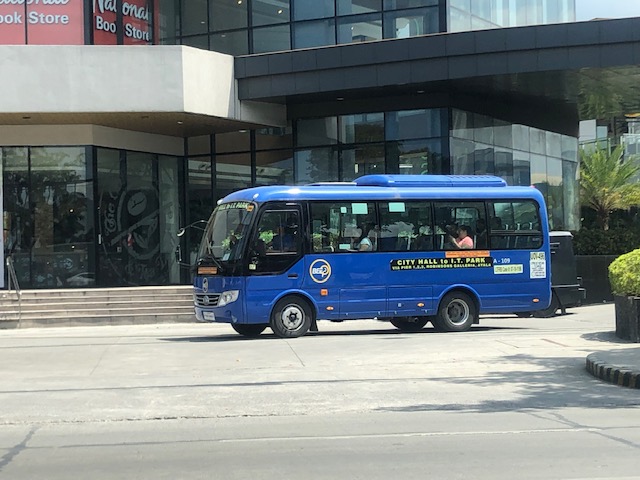 Beep serving the City Hall – IT Park route
 MyBus depot at the SM City Cebu North Reclamation Area – these are currently plying the route connecting SM City Cebu with SM Seaside. The route is actually one that was considered for a pilot Bus Rapid Transit (BRT) line – supposedly the first one in the Philippines – that did not come into reality.
–
Why more low capacity PUVs?
I’ve written about the recent additions of new (the government I think prefers to call them ‘modern’) model jitneys along corridors like Marcos Highway, C-5, Quezon Avenue, Espana Avenue, etc.). My main comment has always been about the capacities of these vehicles considering the high transport demand along these routes where the Department of Transportation (DOTr) and the Land Transportation Franchising and Regulatory Board (LTFRB) have authorised these so-called “experimental” routes. The services actually overlap with existing lines of other PUVs like jeepneys, UV Express and buses. Their value is apparently the single, direct ride they provide to commuters, who otherwise would have to transfer vehicles to get to their destinations. The popularity of these “experimental” services only underlines or emphasizes the need for rationalising transportation services especially in Metro Manila.
There are surely opportunities to improve the network including those taking advantage of the improvement of rail services. But rationalisation is not just about changing routes. It also means determining the right capacity vehicles for these routes. Thus, high demand corridors require higher capacity modes in terms of both vehicles and their frequencies. Perhaps authorities should look into the examples of P2P bus operations as a way of determining the type of vehicles to be deployed as part of the so-called experiment rather than appear to be just promoting these modern jitney models. PUV modernisation, after all, should also mean upgrading the existing vehicles servicing certain routes by replacing them with ones that are more efficient and with higher passenger capacities.
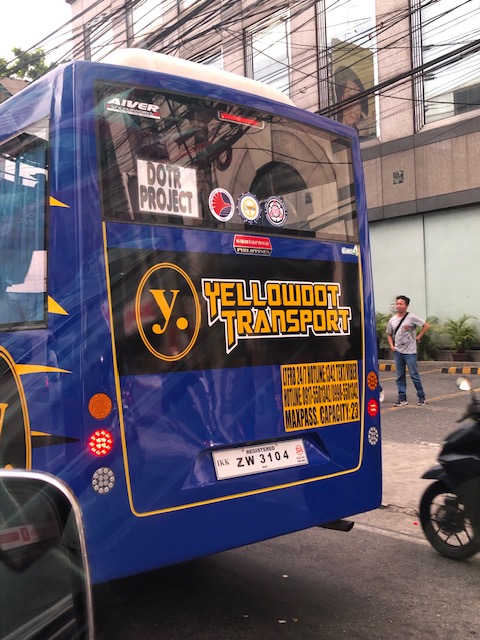 This mini-bus lookalike has a capacity of 23 passengers. That’s practically the same as the newer model jeepneys that are generally longer and with some cleverness of the driver and conductor may seat more (i.e., Benches placed inside the jeepney increases their seating capacity. This set-up, however, is unsafe.)
–
On improving public transport services to increase or retain ridership
Here is another quick post; sharing a nice article on how to improve public transport services:
Miller, A. (2019) “From the Bus Stop to the Fast Lane: How Cities Can Speed up Buses, Improve Ridership”, Medium.com, https://medium.com/frontier-group/from-the-bus-stop-to-the-fast-lane-how-cities-can-speed-up-buses-improve-ridership-f96d473c1cc7 [Last accessed: May 4, 2019].
While the article drives the point towards increasing ridership, I think the challenge for Philippine cities is more of retaining ridership. This is because there is pressure of public transport ridership decreasing as a result of increasing car ownership (owning their own vehicles is still an aspiration among many Filipinos), the popularity of car sharing/ride-hailing, and the still rapid increase in motorcycle ownership.
–
 Caught (up) in traffic