
Last April 30, 2024, the deadline for consolidation of jeepney operators and drivers expired. That basically and generally meant the phaseout of individuality in so far as operators were concerned. It also meant, for many, the phaseout of the conventional jeepney in favor of the so-called ‘modern jeepney’, which are actually mini-buses by specs and design. There are many ‘modern jeepney’ models (I recently posted photos on these.). Some are better than others in terms of their features including the engine, seats, air-conditioning and suspension. Thus, there are models that are superior to the conventional jeepneys that are all practically custom built and utilizing surplus engines. Others may be of questionable quality as evidenced from reports that many are more prone to breakdowns than others. There is, of course, the issue of cost. These new vehicles are more expensive than conventional jeepneys and many individual operators cannot afford to purchase new units even with the current incentives government has provided. This is probably the bigger issue rather than the vehicles themselves despite claims pertaining to culture and aesthetics.
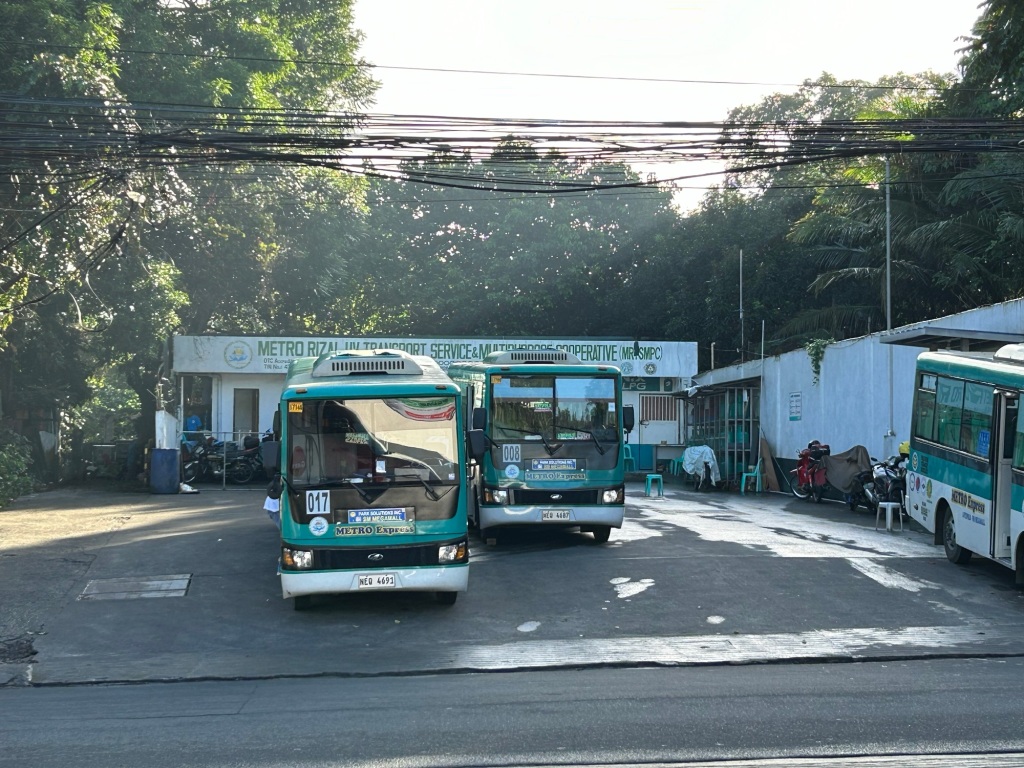
Operators and drivers were required to consolidate or organize themselves into cooperatives. Banks or other financial institutions were supposed to engage these cooperatives for financing the acquisition of new vehicles. While the DOTr has pushed for this, there seems to be a lot still lacking from their modernization program considering the feedback/ backlash it has received from stakeholders. The department has pursued modernization and rationalization at least more than 2 decades ago. These have not materialized for various reasons including shortcomings on the government side and the persistent resistance of the transport operators and drivers. The latter and their supporters though are not without fault as they have not provided viable alternatives aside from status quo.
–

