
Robot barista at NAIA Terminal 2
In the previous post, I mentioned something about a robot barista at NAIA Terminal 2. Unfortunately, it wasn’t functioning at the time so I wasn’t able to try it out.
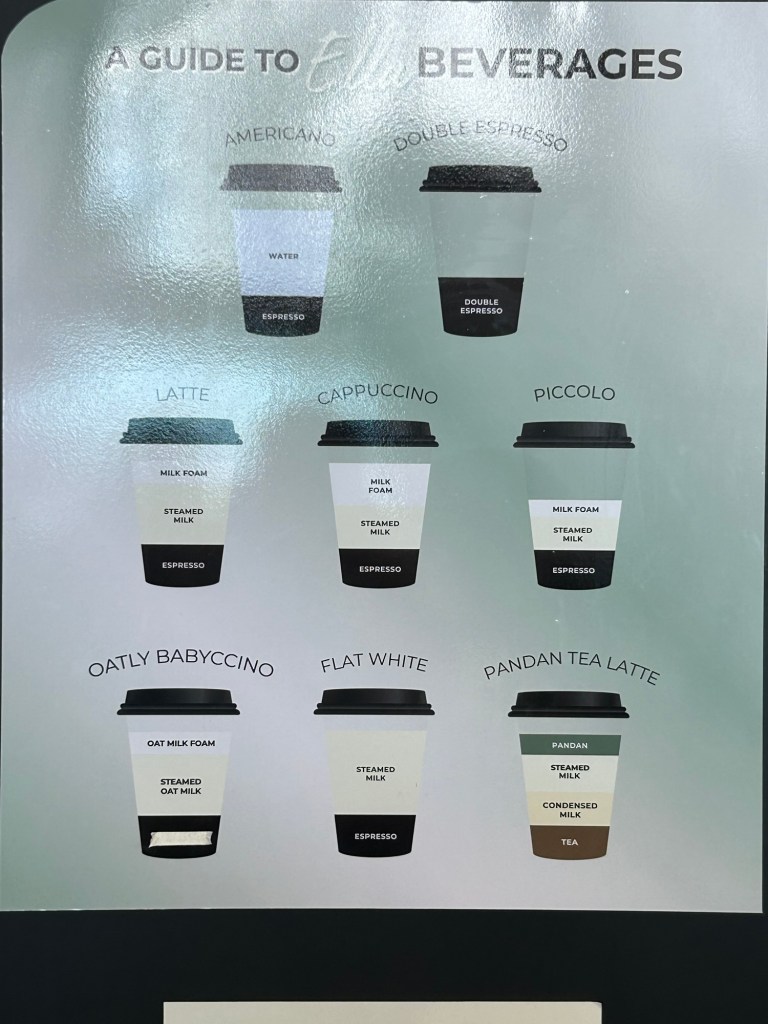
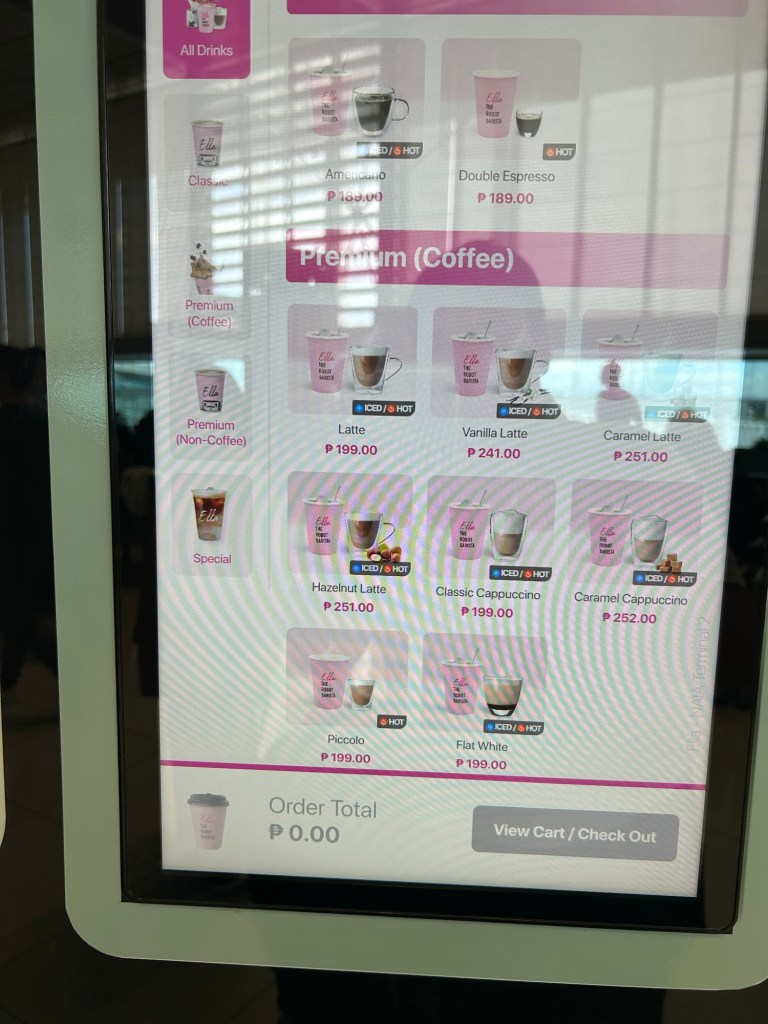
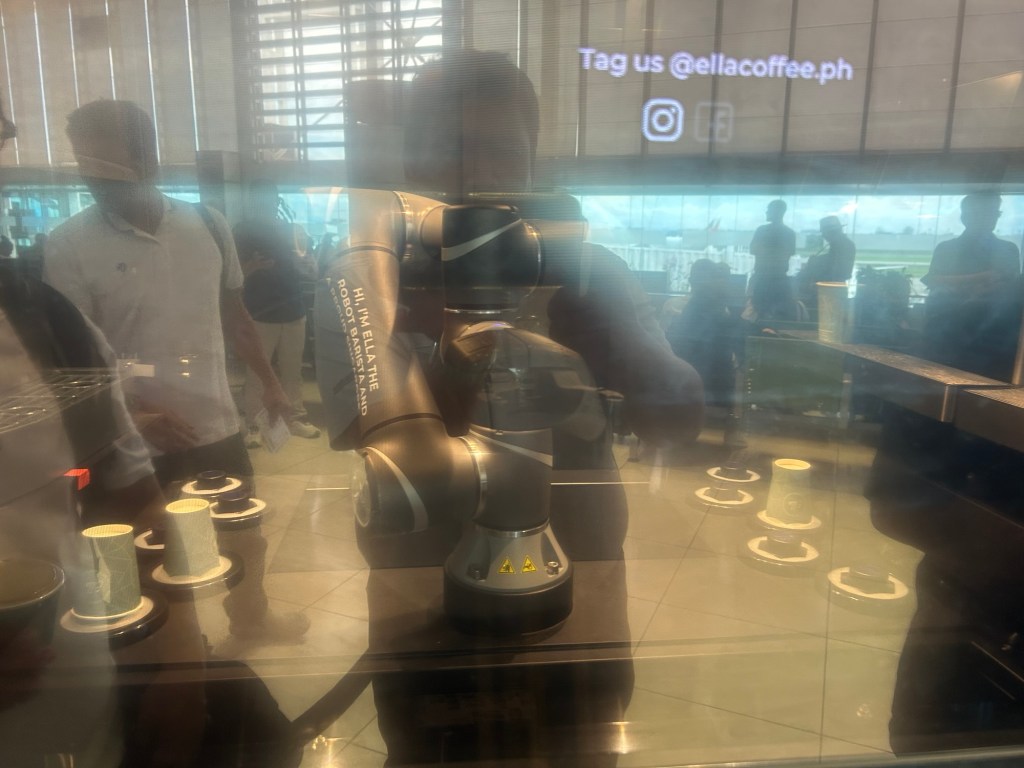
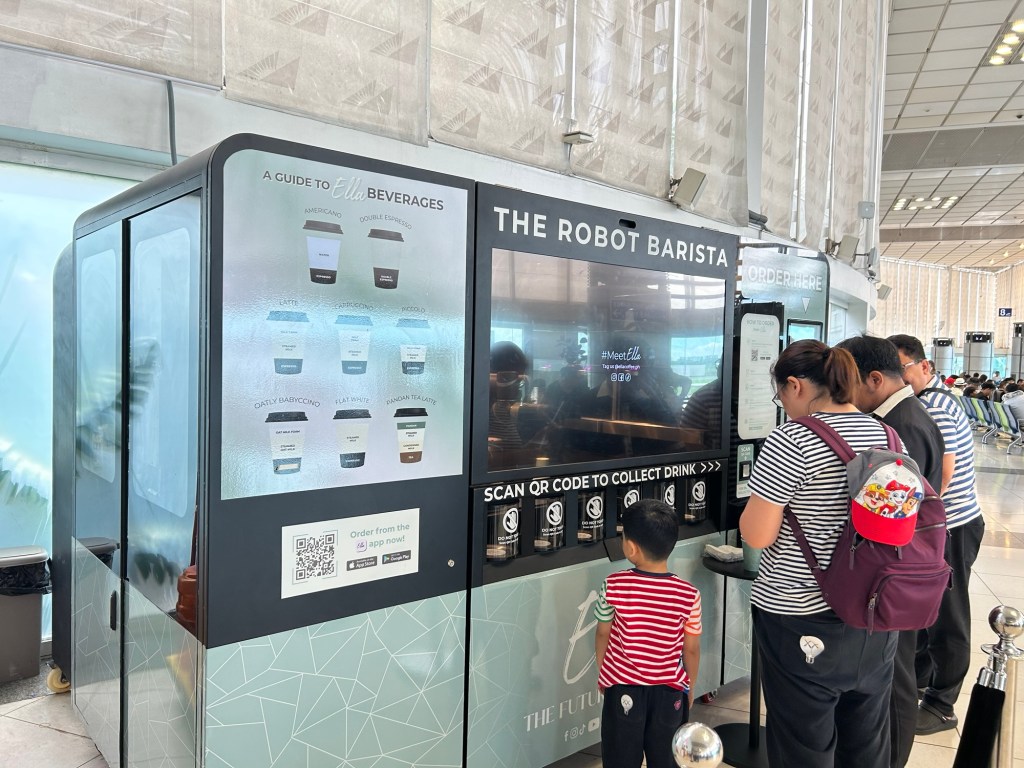
Another group purchasing coffee at the Robot Barista.
Perhaps there will be more of these in the future and replacing the manned shops at airport terminals. I imagine there might be these and vending machines providing food and drink at airports and other transport terminals.
–
Vending machines at NAIA Terminal 2
There’s nothing really new at NAIA’s Terminal except maybe this time I noticed the vending machines at one end of the terminal and the robo coffee stand. I took some photos of these machines and share the following:

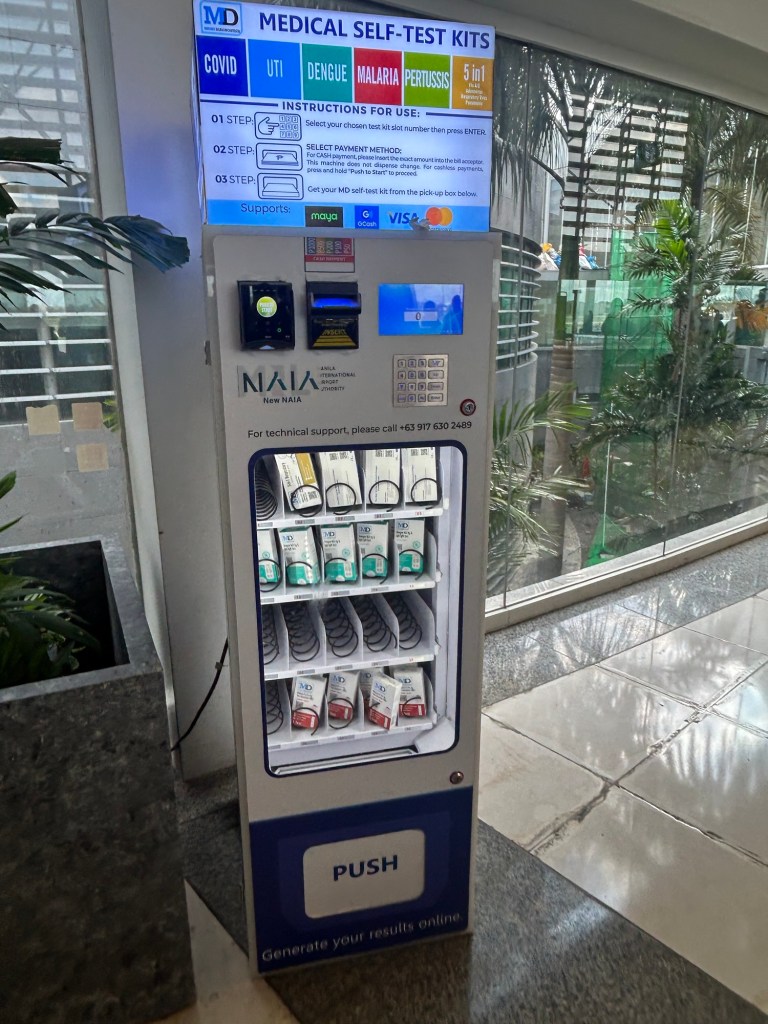
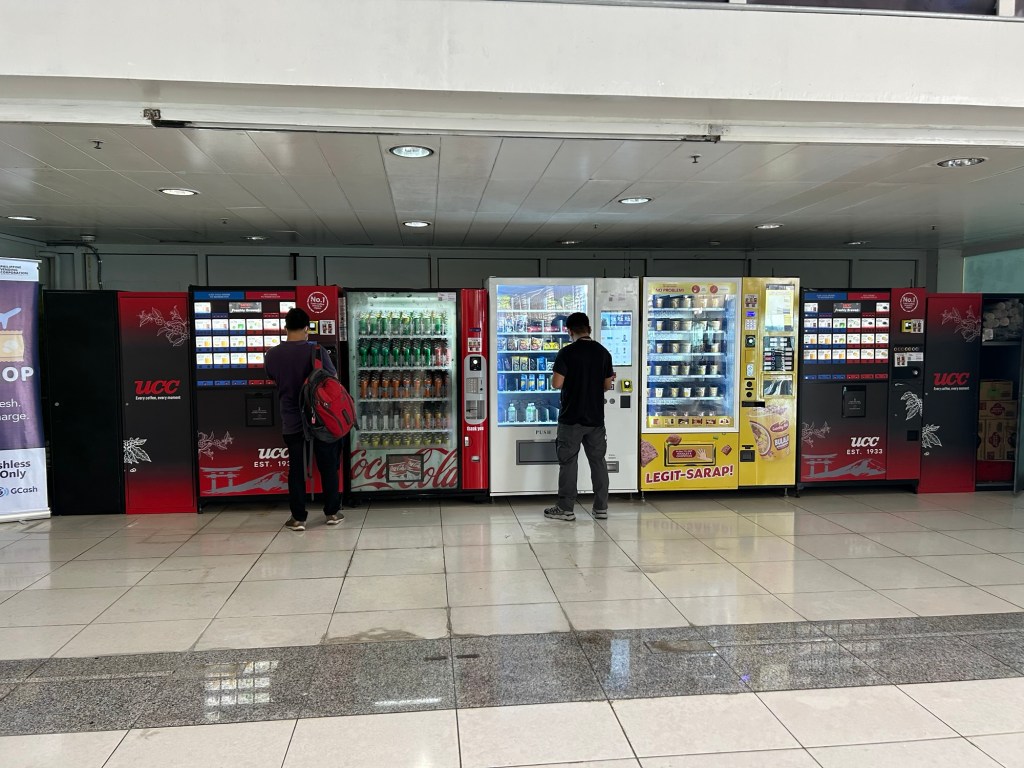
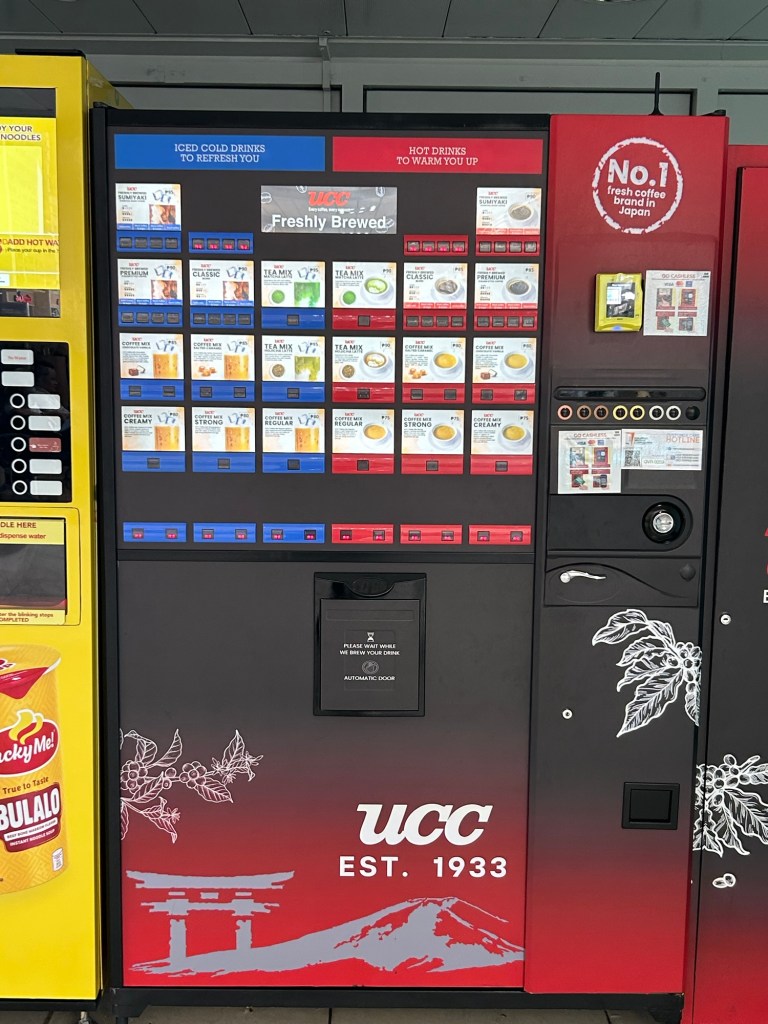
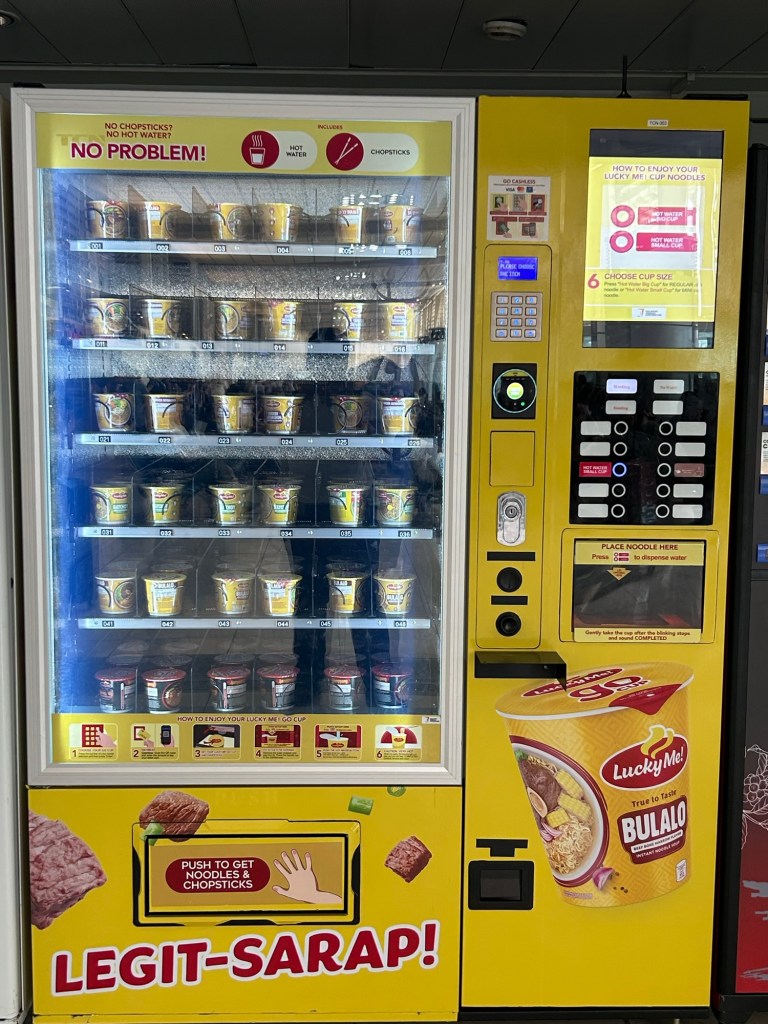
There are no new stores or eating options at T2. The two restaurants at the middle of the terminal wings are already closed so there are less eating options at the pre departure areas.
–
Naga Airport arrival
Since I’ve written about Naga Airport in the previous post, I might as well follow-up with a short write-up on our arrival. I’m sharing the following photos I took on our arrival at the airport, which is actually located in the town of Pili, which is to the south of Naga City.
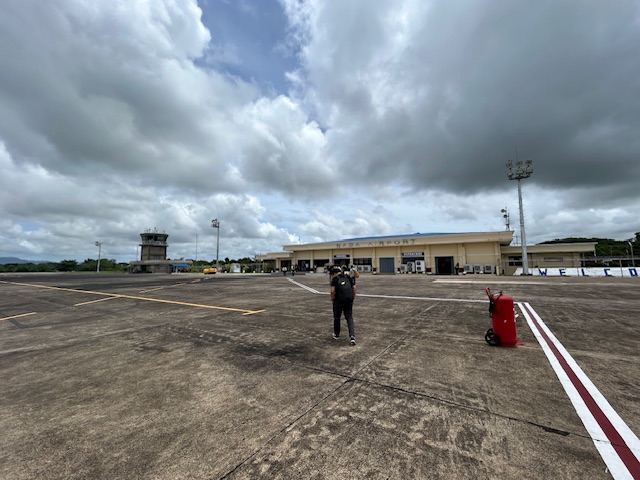 The airport terminal and control tower as viewed upon our deplaning
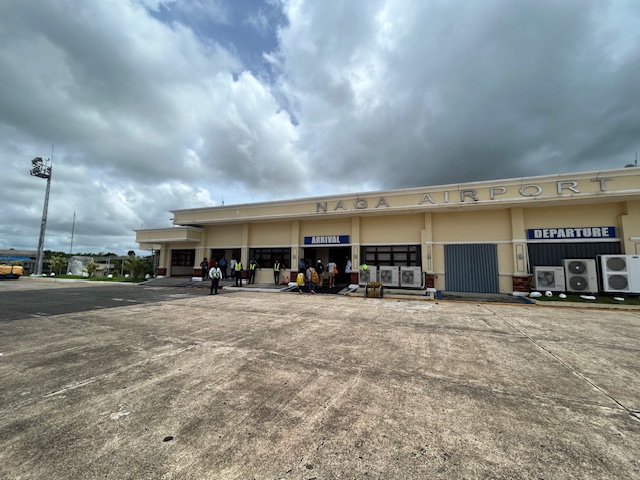 Walking towards the arrival area
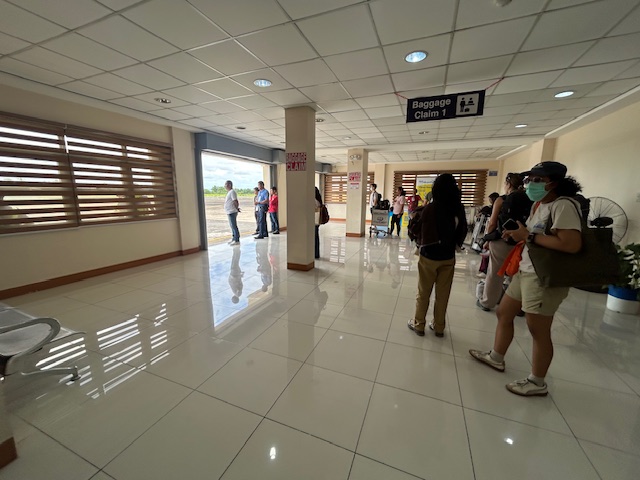 The baggage claim area was the simplest I’ve seen with no conveyor belt or carousel.
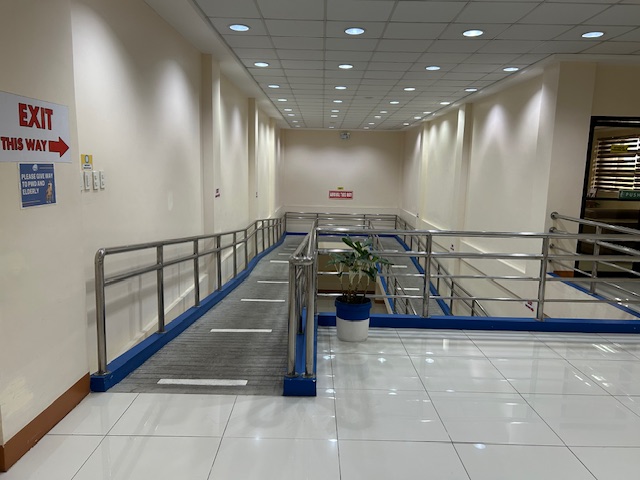 We had to travel through these ramps towards the terminal building exit.
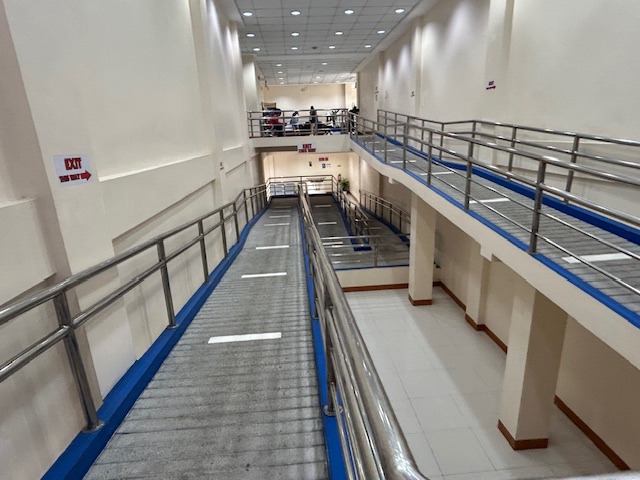 The final ramp descending towards the exit – this is another rather unusual design feature of the airport.
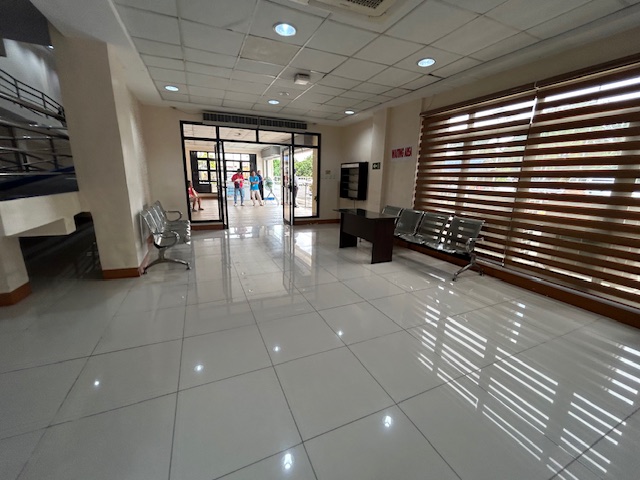 Terminal building exit for arriving passengers.
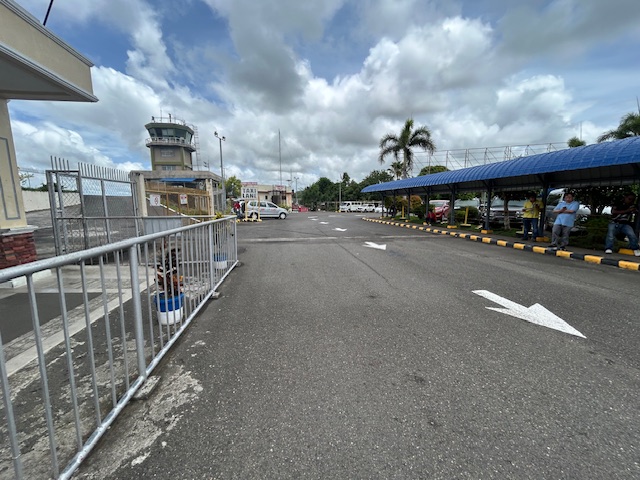 Airport terminal driveway with a view of the air traffic control tower
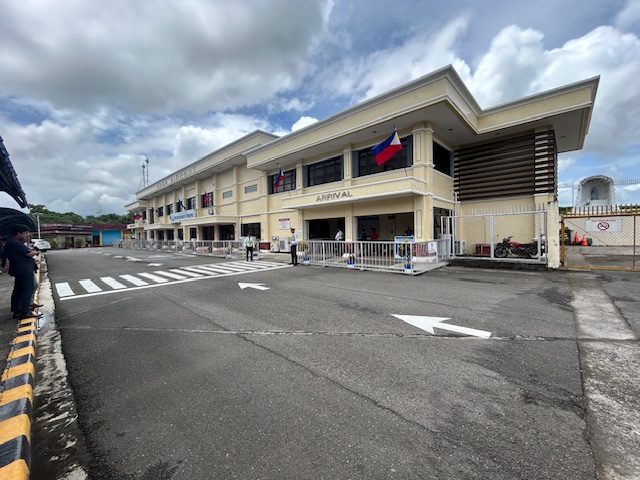 A view of the terminal building from the waiting shed across from the terminal
–
Back in Bicol – arrival at Naga Airport
I posted about the airports in Daraga/Legazpi City and Davao City as I knew I would be traveling to Naga City and likely by air. That likelihood became certainty as horror stories of 14-16 hour travel by bus became unacceptable for short trips where the travel times by road exceeded our actual stay in the city.
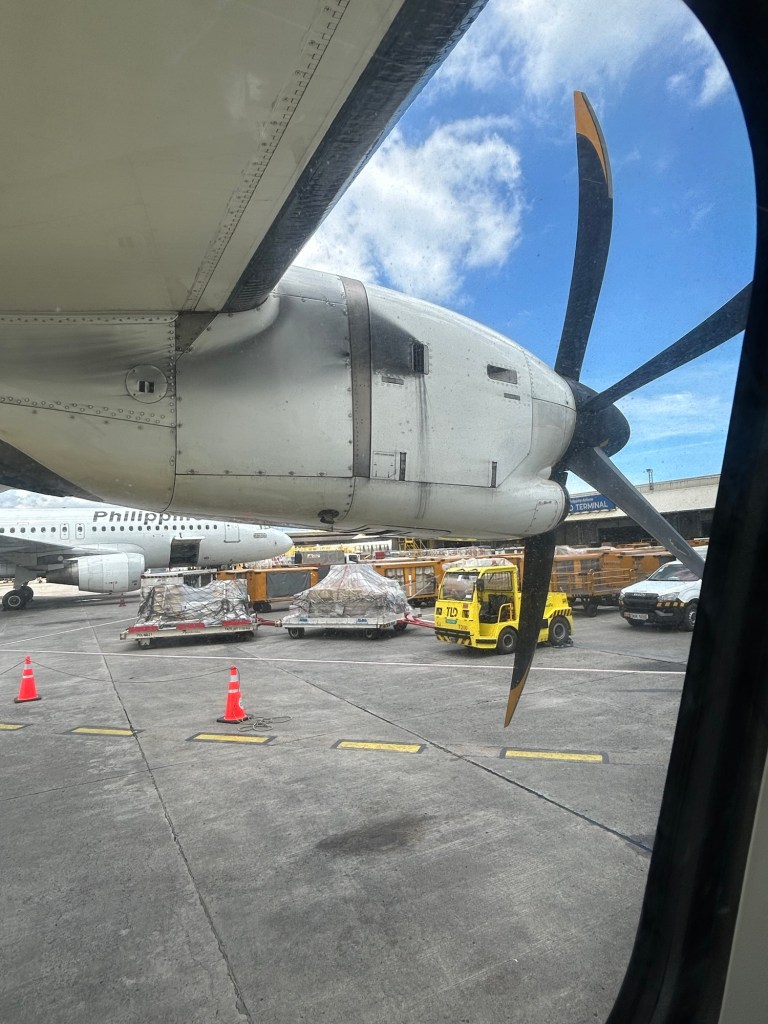
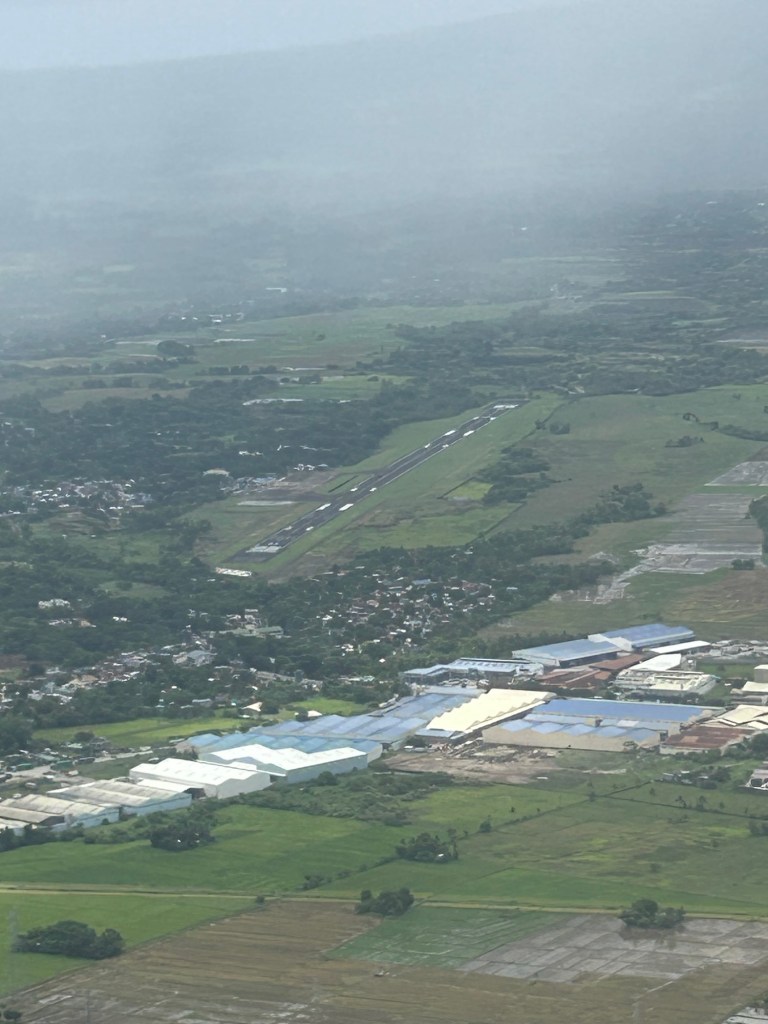
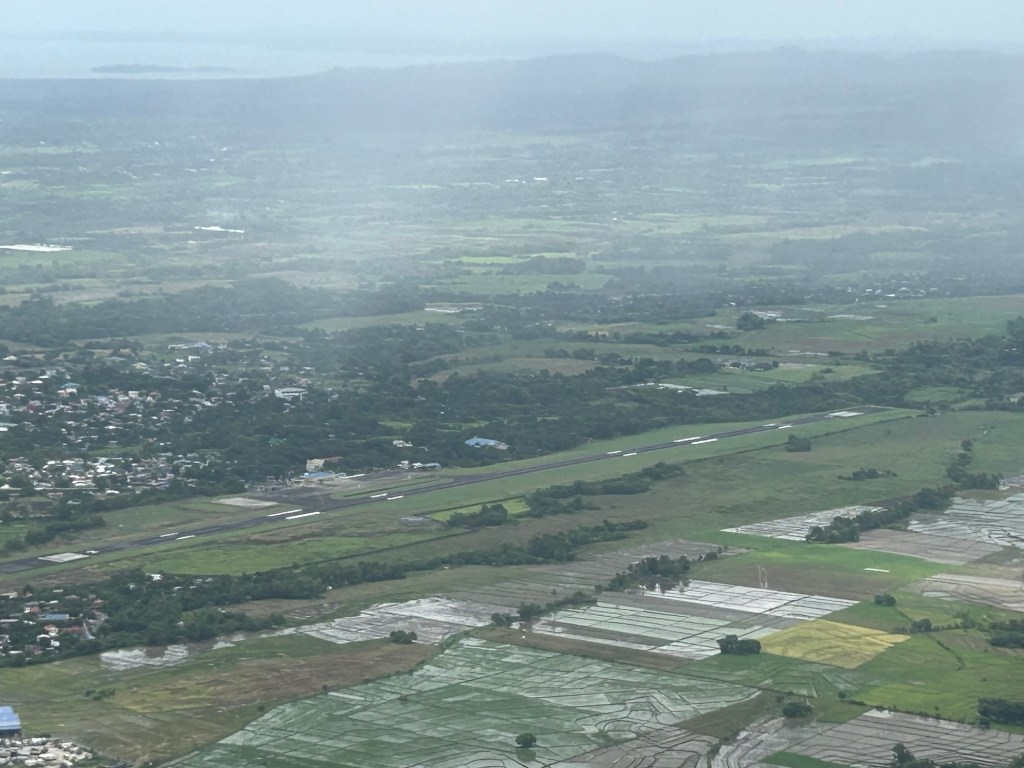
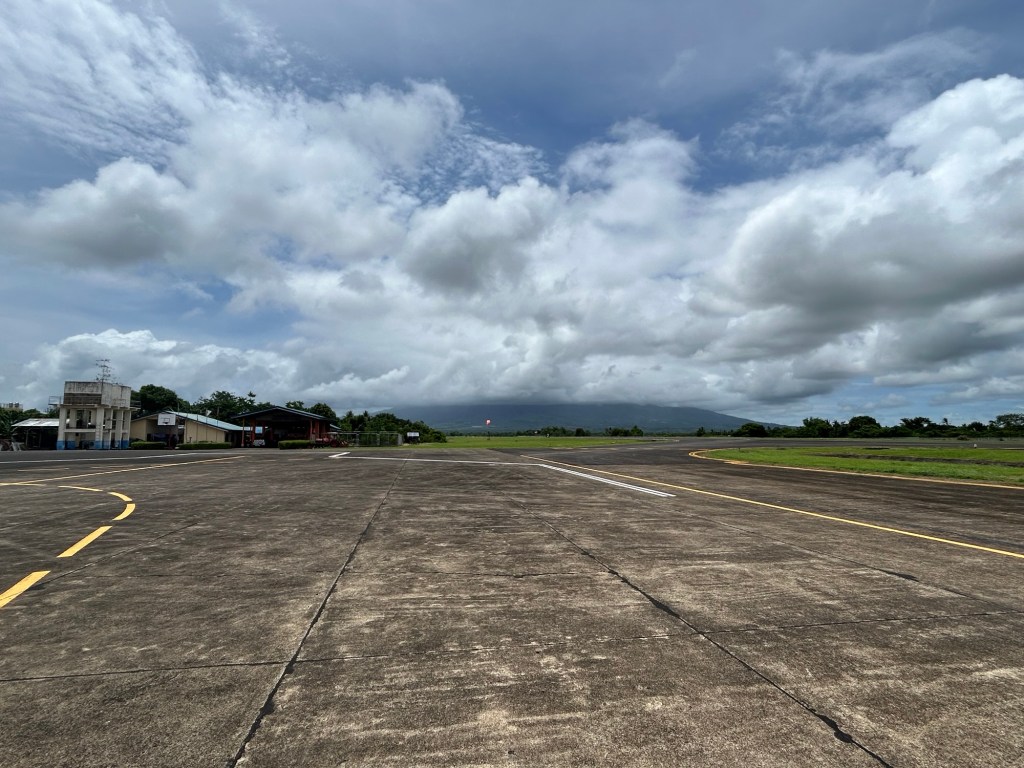
More on Naga City in the next posts!
–
Here comes the rain again…
And just like that, Habagat is here and dumping rains upon us again. Yesterday’s downpour during the early afternoon resulted in flash floods including a few along our route home.
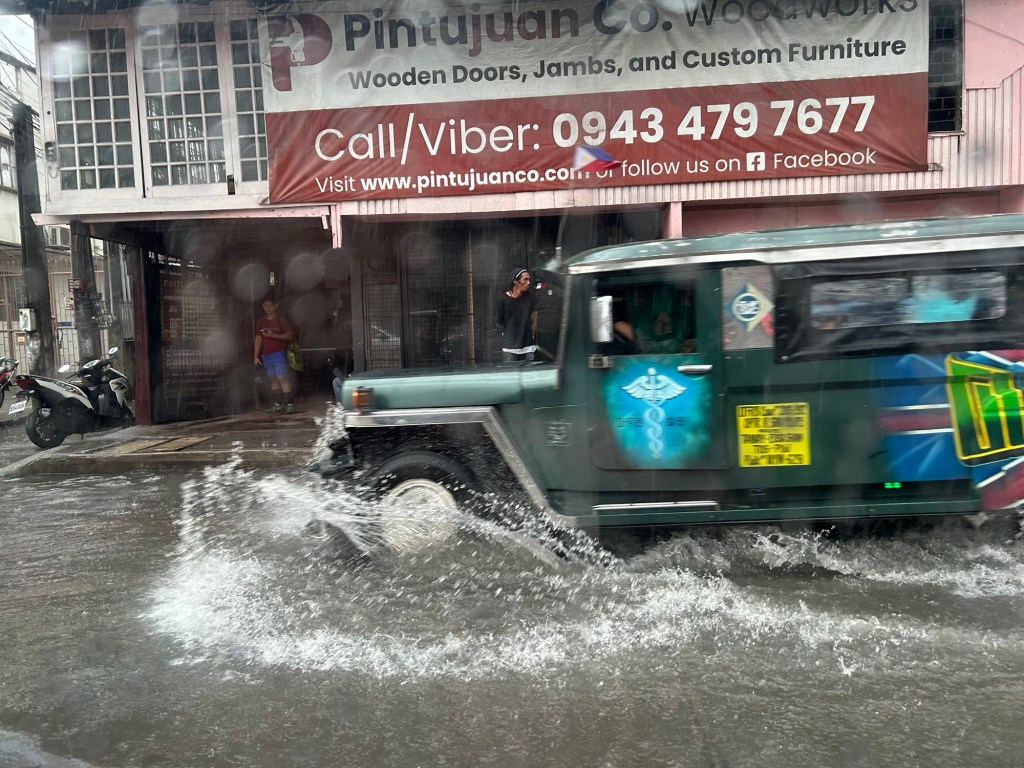
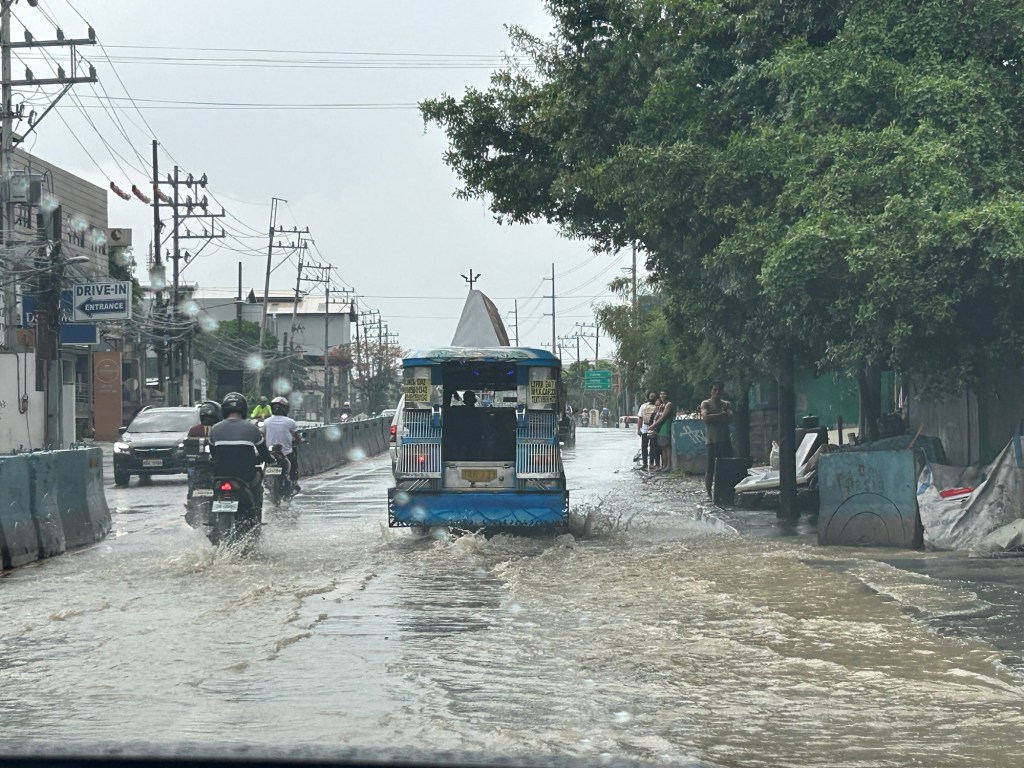
The combination of heavy rains and floods have significant impacts on transportation as traffic slows down or even stops as roads become impassable. As most commuters are dependent on road based transport, this means a tremendous inconvenience to a lot of people.
I’ve also written about this topic before. Despite the implementation of various flood control and drainage improvement projects, we seem to be back to square one once the rains come. There is certainly something wrong that the floods are still here after spending so much to mitigate them.
–
NAIA Terminal 1’s departure level driveway and drop-off
Weeks ago there was a fatal incident involving a motorist who plowed into well-wishers and passengers at NAIA Terminal 1. It was revealed. I finally had the chance to see the area for myself. I had not gone to Terminal 1 in a long while and especially after San Miguel Corporation had taken over the airport. The photos shared below were taken by my wife as we eased into the departure driveway of NAIA T1 one early morning last week.
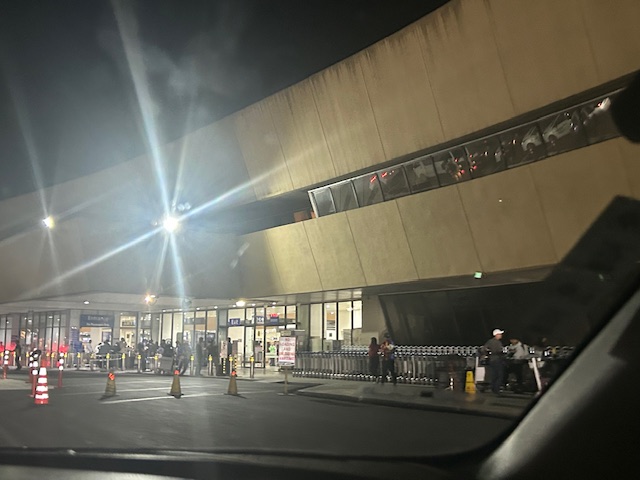 Arriving at the west wing of the departure level of Terminal 1. Those are luggage carts lined up along the sidewalk. There are cones for the restricted area but these turned out to be to block vehicles from using the inner lane adjacent to the terminal.
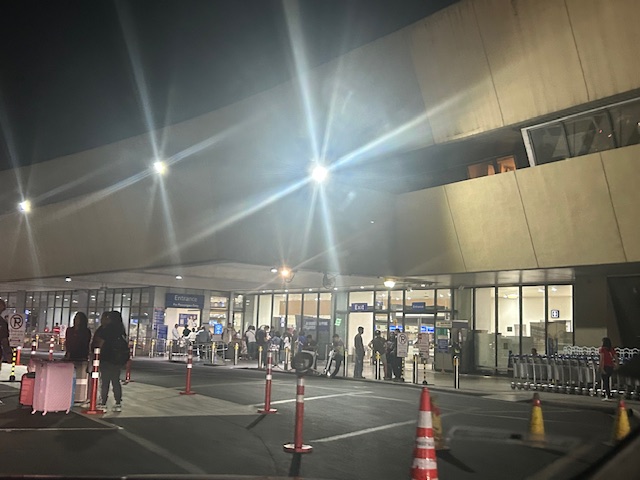 West wing entrance of Terminal 1 – unlike Terminals 2 and 3, there is really no area for well-wishers. Note the bollards that are supposed to protect people from errant vehicles. We now know these were not built or installed to the required specifications for protection.
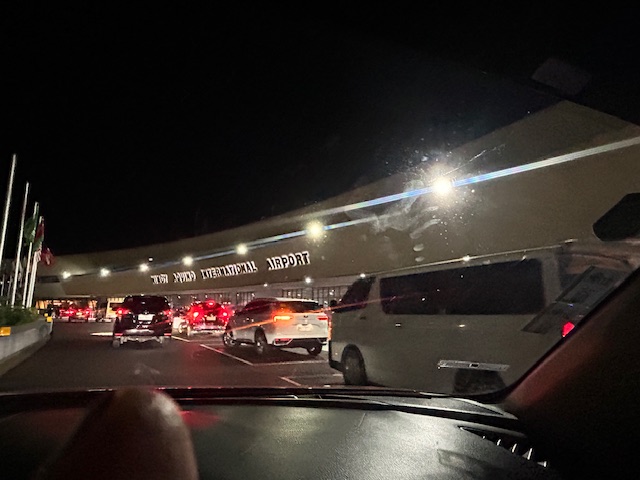 Vehicles are now parked parallel along the center of the driveway. Previously they were angled facing the terminal.
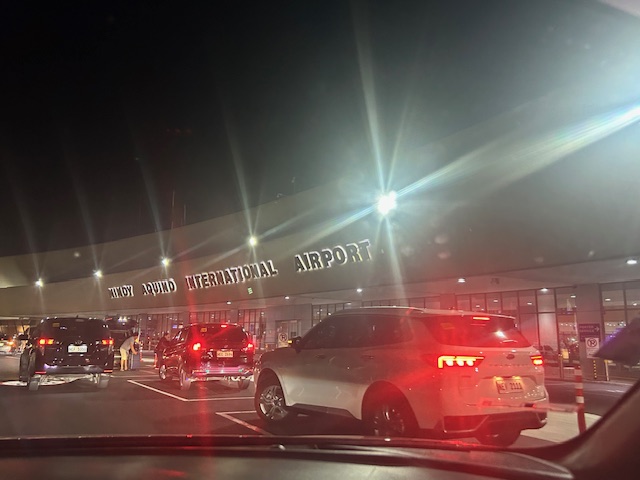 In terms of the space available, this significantly reduces the number of vehicles that can park to drop off passengers at the departure driveway.
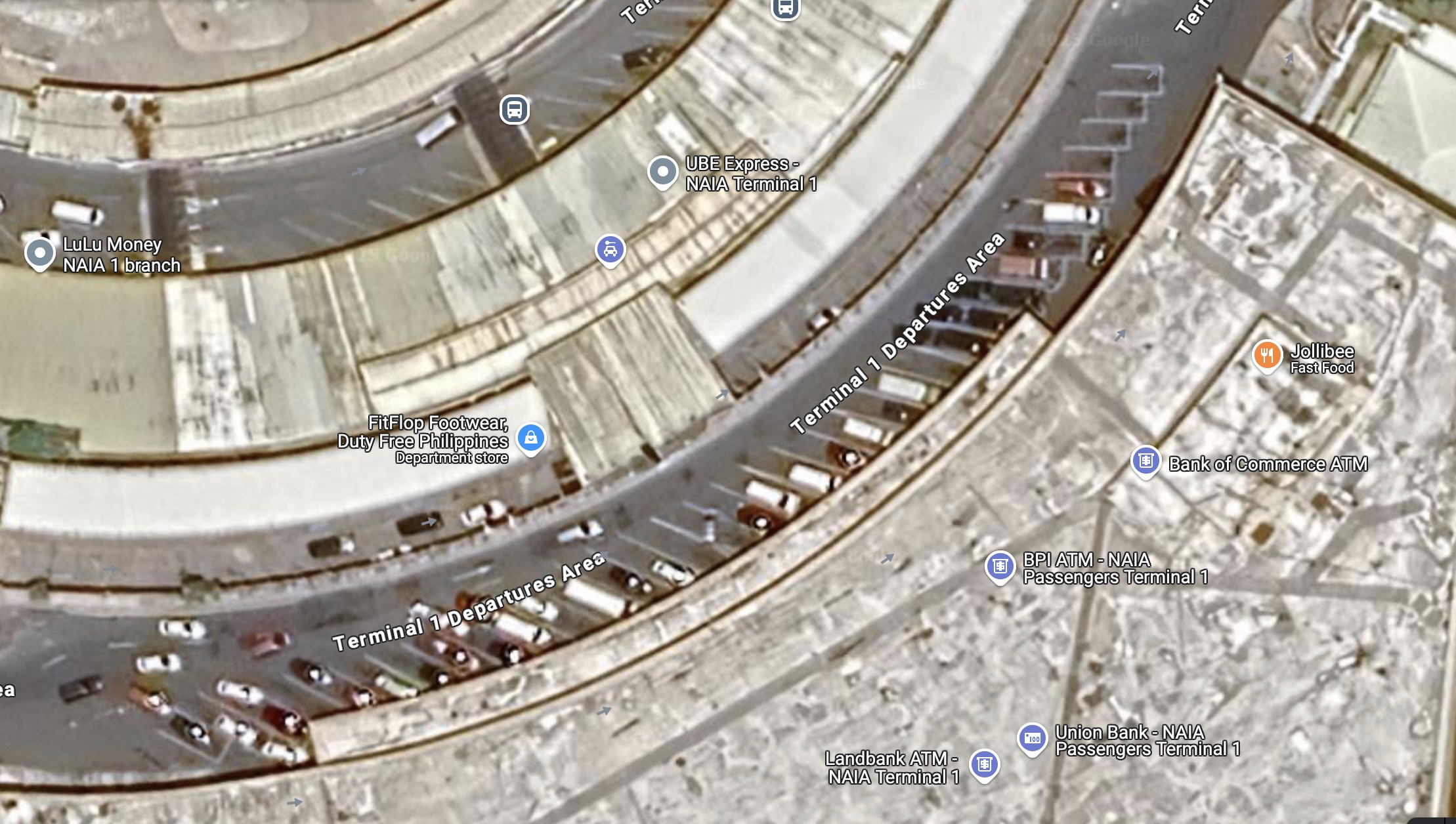
Screenshot from Google Maps showing the previous layout of the drop-off parking. Note the vehicles pointing towards the terminal.
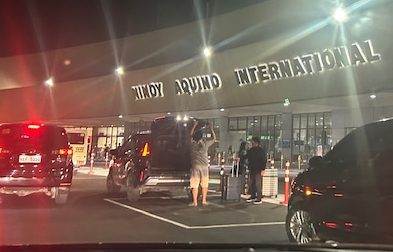
Passengers unloading their luggage behind the vehicles. There are markings for the vehicle slot but most just park parallel where space is available at the center of the driveway.
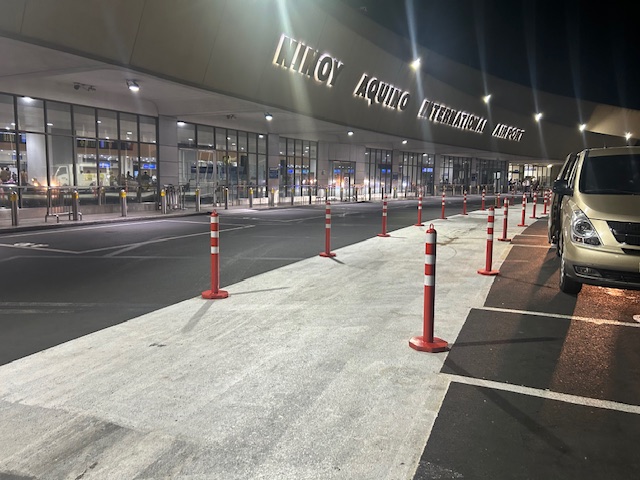 There is a buffer zone between the inner driveway lane and the drop-off lane. There were no vehicles using the inner lane but you can see in the photo that there are also curbside slots. Perhaps these are used during the busier times at the terminal?
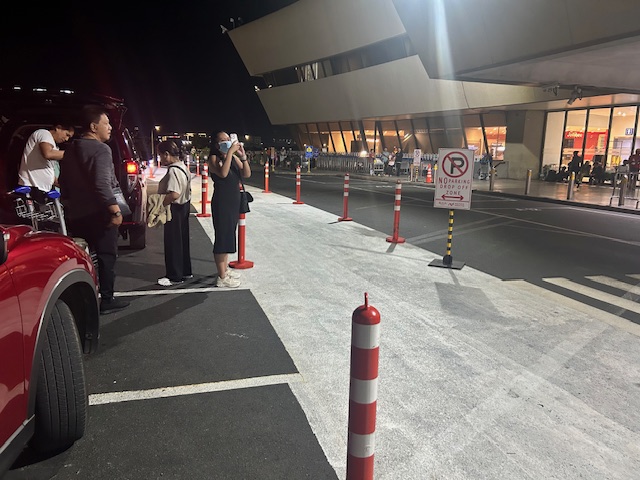 Other passengers were also taking photos as their luggage were being unloaded from their vehicles.
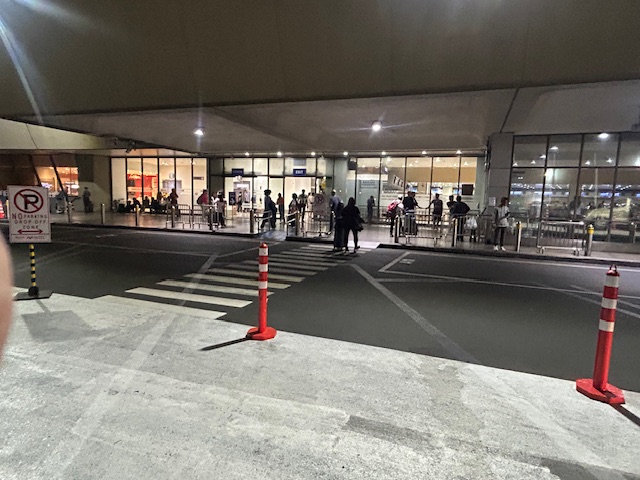 This is where the fatal crash occurred. It seems the damage has been repaired and quickly and its business as usual at the airport.
NAIA authorities should already start retrofitting or reinstalling the bollards at the terminal. This would ensure the safety of passengers vs. vehicles that may or may not be under the control of their drivers. The effort to quickly address the concern is much appreciated but a long term solution needs to be implemented to prevent future crashes from occurring here and at other terminals.
–
Bicol International Airport Departure
Before I go on another trip, here are photos I took of the Bicol International Airport prior to our departure from Daraga. We were just in time to check in for our flight back to Manila so I wasn’t really able to take as many photos as I usually did in other airports. I did take enough for a clear description of what to expect at this terminal.
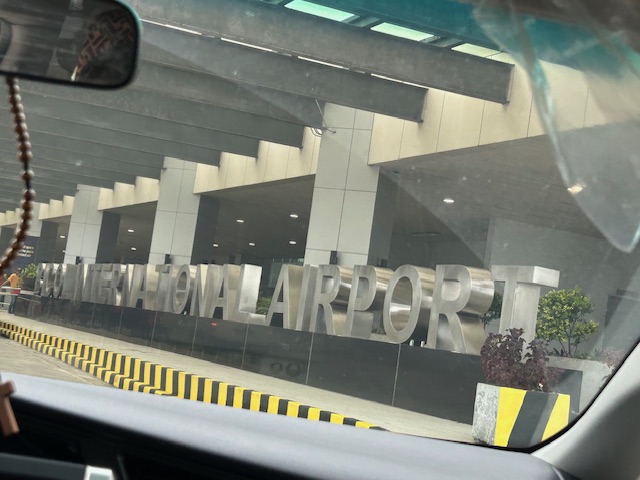 Arriving at the airport terminal’s departure area
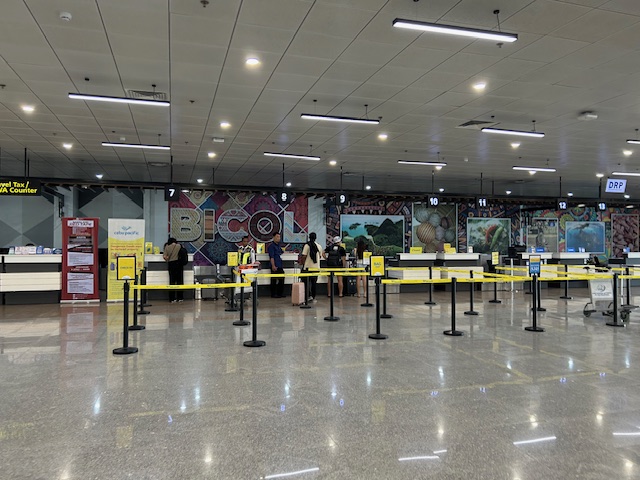 Check-in counters for Cebu Pacific
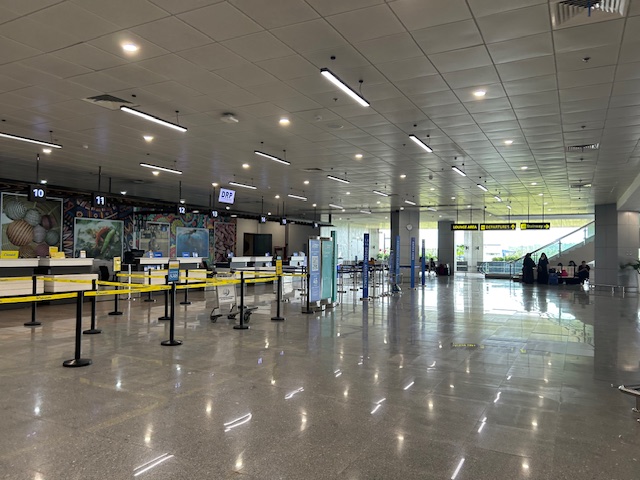 The terminal features a spacious check-in area.
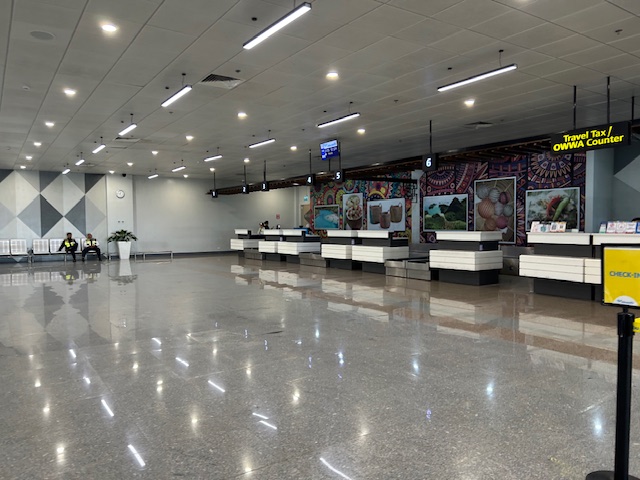 The area is more spacious than other, more busy airports like Iloilo and Bacolod
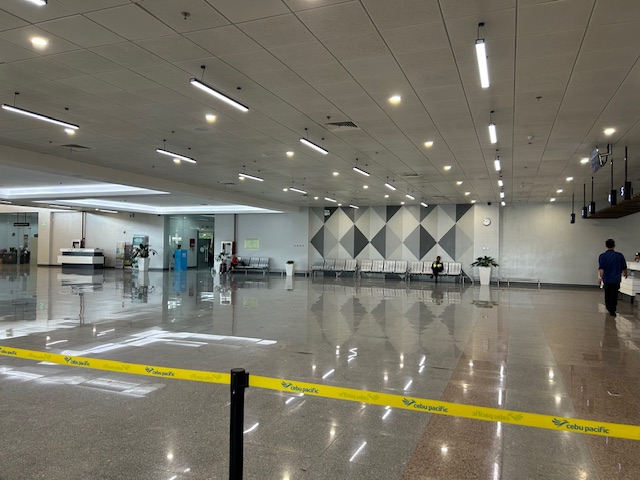 I can imagine that even if there were more flights, queues will not result in the area being too crowded.
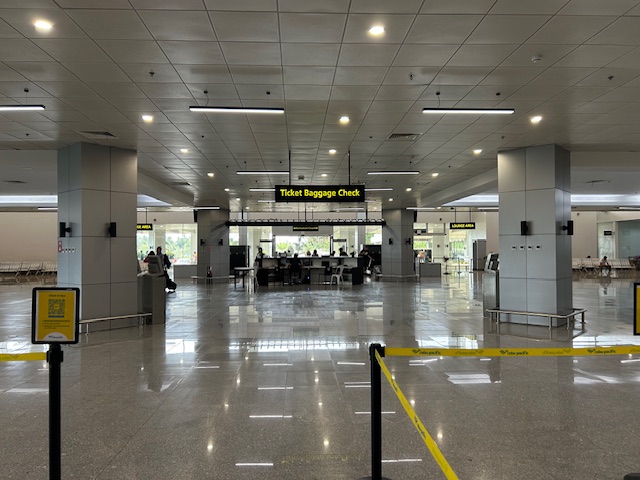 Another angle seen from the check-in area
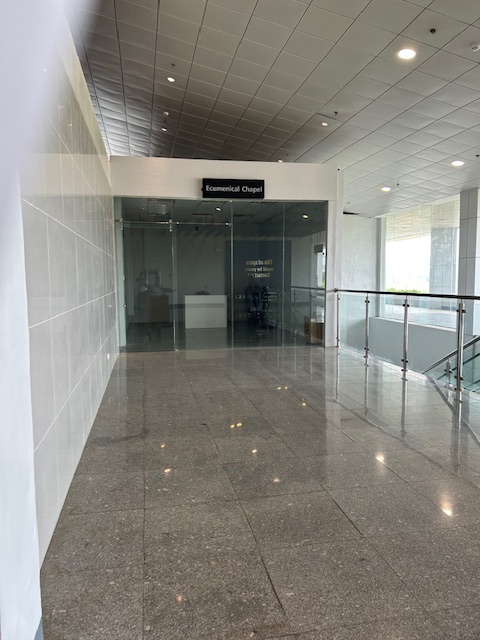 The corridors are also spacious.
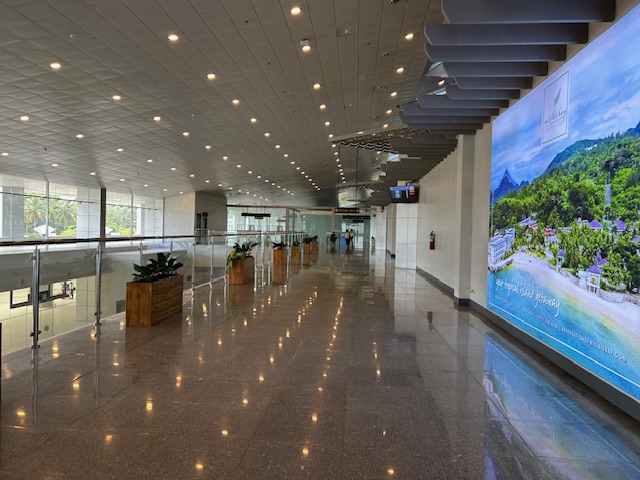 The terminal is well lit.
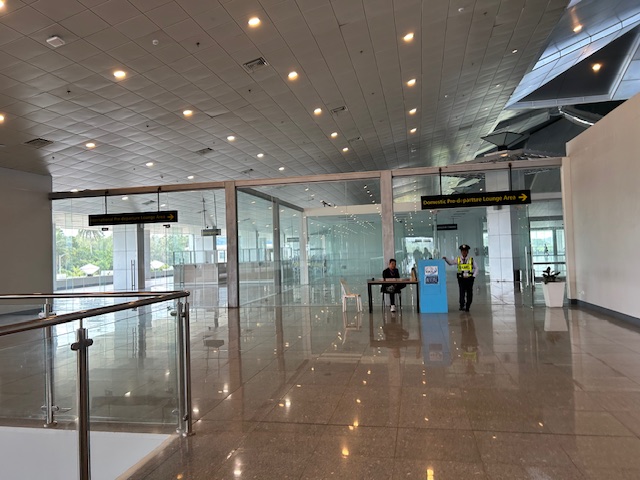 Entrance to the pre-departure lounge of the airport
I already wrote about and shared photos of the pre-departure lounge including the shops and eating options there. I look forward to visiting Legazpi City and its neighboring areas soon and perhaps get a clear photo of Mayon Volcano.
–
Quick comments on the NCAP
The No Contact Apprehension Policy (NCAP) is finally being implemented in Metro Manila. The results so far has been dramatic in terms of the number of violations recorded and the images being shared so far about how motorists are behaving. Below is one of those photos being shared on social media to which I added some annotations. I will use this later to comment on the NCAP and how we can use the outcomes to assess the transportation situation and determine what interventions can be done. Some are already obvious from the photo – the lack of public transport options lead to people depending on private motor vehicles like cars and motorcycles for their commutes. MRT7 is yet to be operational and road public transport has not been rationalized.
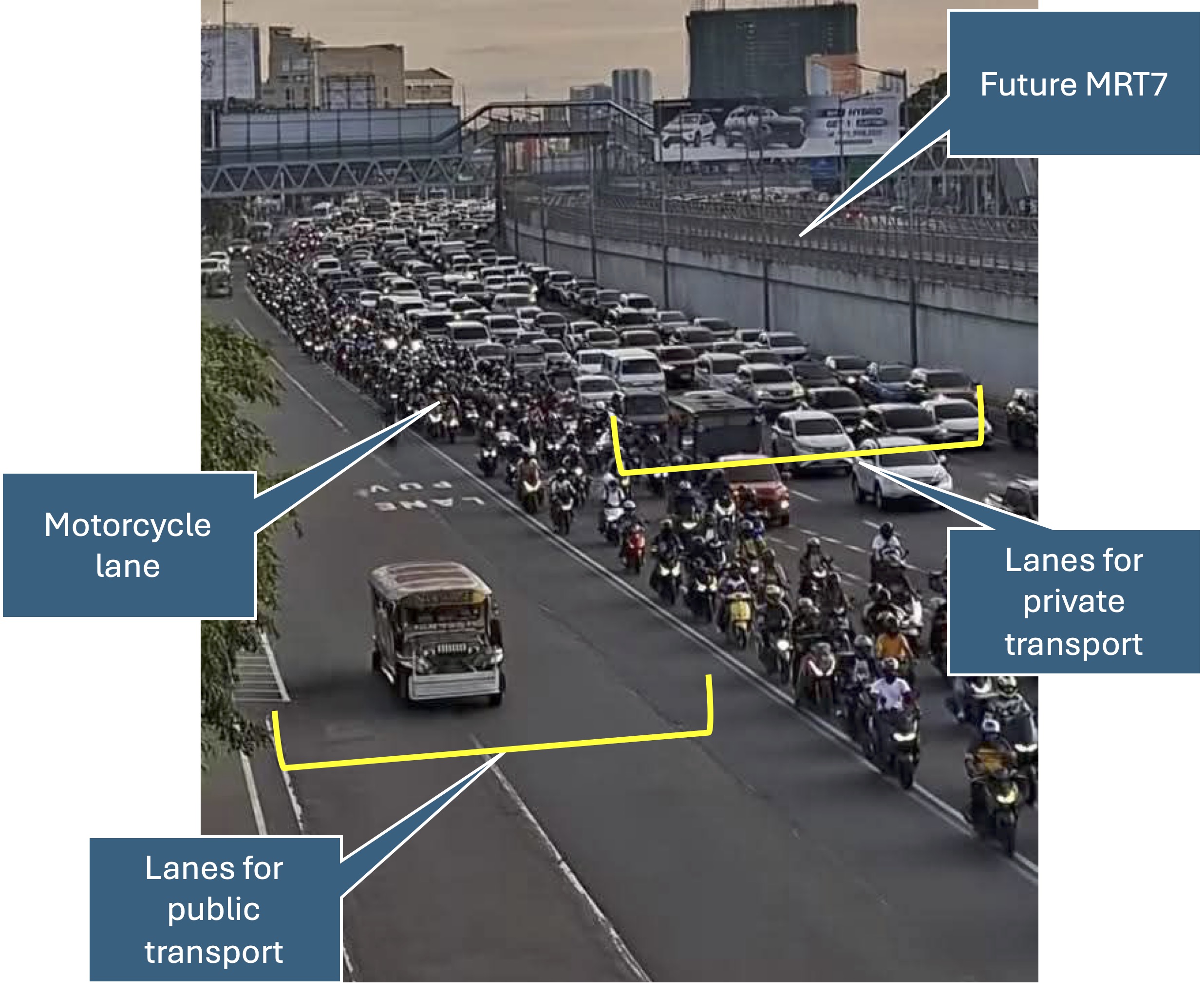
More on this topic soon!
–
Bollards along Marcos Highway
I noticed that there are new bollards installed along Marcos Highway and particularly along the curbs at either side of the road. These were installed only recently, perhaps last month, nut I only got a few photos the other day. Its not safe to take photos while one is driving so I asked the wife to take a few ones that I could use here and perhaps also in some of the lessons I teach.
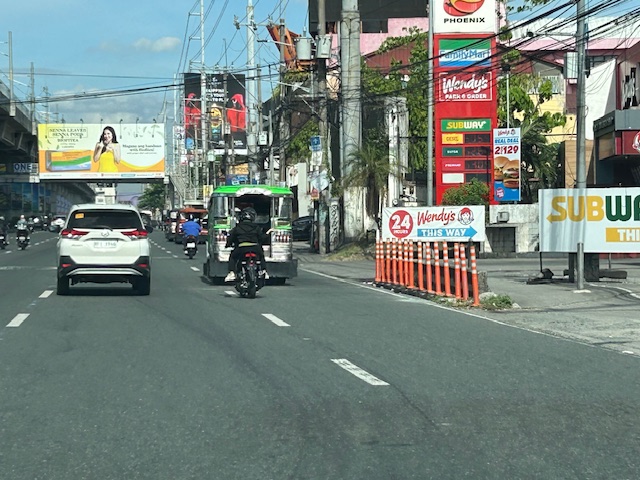 These bollards are installed along the curb where a couple of fatal crashes occurred in the past months.
The bollards are probably there to help improve road safety. They are reflectorized to you can’t miss them at night. Immediately behind them though are concrete barriers so hitting these will definitely damage the vehicle with a possibility of serious injuries to the vehicle occupants if not fatalities. Could there be a safer design intervention here? Perhaps that curbside lane can be converted into a protected bicycle lane. The barrier and the bike lane itself will be a buffer zone between motor vehicle traffic and active transport including pedestrians.
–
Metro Manila rail network by 2030?
I saw another map circulating in social media. It would really be nice to have a more comprehensive rail network for Metro Manila or perhaps the Greater Capital Region (Mega Manila or NCR plus or whatever you want to call it). Maps like this give us something to look forward to. We are made to be hopeful about our places being served by trains just like what some of us have experienced abroad in cities like Singapore and Tokyo.

Credits are due to whoever made this map. While it has the DOTr logo, I am not sure someone from there made the map. There are many ‘mapmakers’ out there who can make transit maps like this.
–
 Caught (up) in traffic